

James Talarico: The Biden Administration Failed Us!
In this episode of The Diary Of A CEO with Steven Bartlett, Texas State Representative James Talarico addresses what he sees as fundamental flaws in America's economic and political systems. Drawing from his background as a legislator, former teacher, and person of faith, Talarico examines the concentration of wealth among billionaires, the influence of corporate money in politics, and the erosion of the middle class since the 1970s. He argues that systemic reforms—from labor rights and tax policy to campaign finance and redistricting—are necessary to restore representative government and shared prosperity.
The conversation spans practical policy proposals including workers' protections against AI-driven disruption, healthcare reform, immigration policy, and foreign policy oversight. Throughout, Talarico connects his legislative work to his personal values and faith tradition, explaining how his upbringing and experience teaching undocumented students shaped his commitment to serving vulnerable communities and pursuing what he views as economic justice.
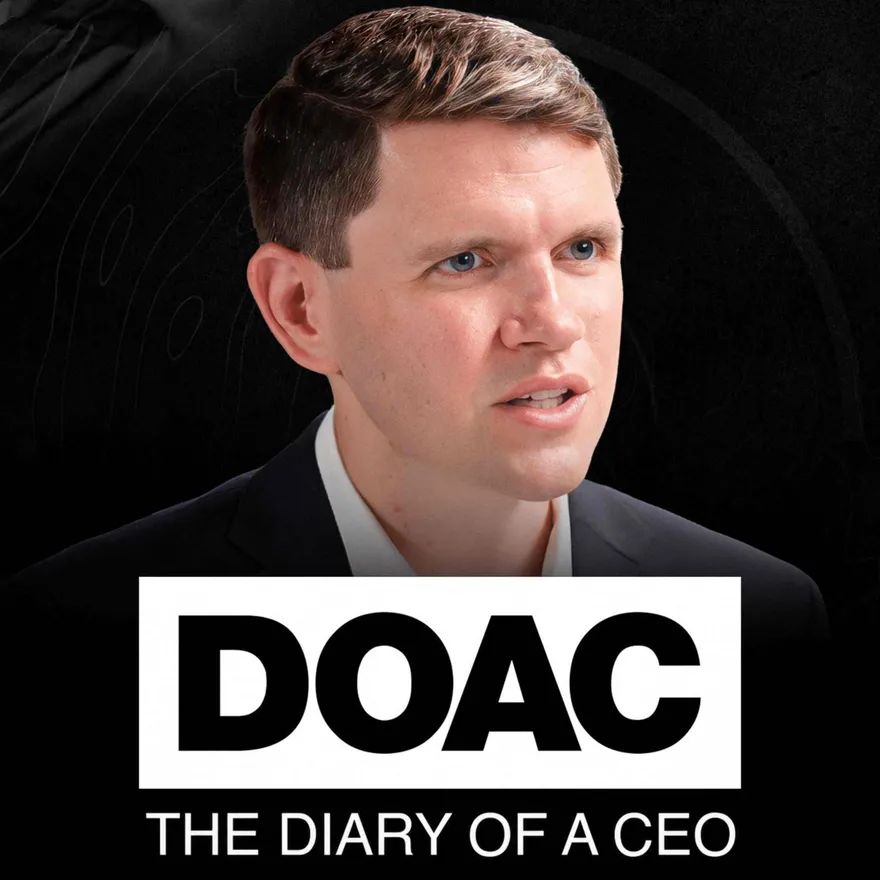

This is a preview of the Shortform summary of the Nov 2, 2026 episode of the The Diary Of A CEO with Steven Bartlett
Sign up for Shortform to access the whole episode summary along with additional materials like counterarguments and context.
1-Page Summary
James Talarico on Systemic Reform and American Values
In this podcast episode, Texas State Representative James Talarico discusses the urgent need for systemic reforms across the American economic and political landscape, drawing from his experience as a legislator, former teacher, and person of faith.
Economic Inequality and Systemic Reform
Talarico highlights the stark reality that three billionaires—Elon Musk, Mark Zuckerberg, and Jeff Bezos—hold more wealth than the entire American middle class, calling this disparity a "spiritual sickness." Throughout Texas, he encounters people working multiple jobs yet struggling to afford groceries, utilities, and healthcare. Since the 1970s, the middle-income population has fallen by 10%, while post-pandemic inflation has exposed underlying economic fragility.
Crony Capitalism Benefits the Politically Connected
Talarico argues the current system isn't true capitalism but "crony capitalism," where gains flow to those wealthy enough to buy political influence. He references the 1971 Powell Memo as a corporate blueprint that produced trickle-down economics and undermined worker power over fifty years. The top marginal tax rate has plummeted from 90% in the 1950s to far less today, while billionaires exploit loopholes and asset-backed loans to pay lower effective rates than working-class people. Corporations like Tesla thrive on taxpayer-funded infrastructure yet give little back, while workers face wage stagnation.
Rebuilding Prosperity Through Labor Rights and Fair Taxation
Systemic reform requires raising the minimum wage, expanding overtime pay, and rebuilding labor unions to restore workers' bargaining power. Talarico calls for closing tax loopholes and properly enforcing existing law—collecting just the taxes owed by the top 1% could generate $172 billion annually, enough to end poverty in America. Wealth taxes targeting both equity value and income are vital for combating billionaire tax avoidance, though only coordinated federal reforms can effectively address these disparities.
Investing in Public Goods
Revitalizing prosperity requires robust investment in education, early childhood development, and healthcare. Talarico cites the transformative impact of the mid-20th-century GI Bill and advocates for expanding the Child Tax Credit, which cut child poverty in half before its discontinuation. He emphasizes that addressing America's debt crises—medical, student loan, and credit card debt—demands systemic policy solutions, not individual burden-bearing.
Corruption and the Need for Political Reform
Talarico argues that America's political system is fundamentally corrupted by wealthy donors, corporations, and special interests, preventing truly representative government.
Corporate Interests Control Officials
The Citizens United decision allows unlimited political spending by billionaires and corporations, giving them unprecedented access to lawmakers with no voter accountability. Gerrymandering erases political competition, pushing politicians toward extremes and donor service rather than constituent representation. As a concrete example, Talarico cites a Pennsylvania billionaire who gave Texas Governor Greg Abbott $12 million to pass a private school voucher program that diverts funding from already underfunded public schools.
Systemic Reform Must Address Root Incentives
Talarico emphasizes that replacing corrupt politicians without changing systemic incentives will produce the same outcomes. Politicians are rational actors motivated by reelection, and the current ecosystem—big money, gerrymandering, social media—incentivizes extremism and dishonesty over collaboration and public service.
Comprehensive Political Reform Is Essential
Talarico calls for imposing limits on PAC spending, establishing independent redistricting commissions to end gerrymandering, and overhauling the Supreme Court to prevent it from serving corporate interests. Without comprehensive reforms to campaign finance, districting, and judicial appointments, the cycle of corruption and public disillusionment will persist.
Faith and Values: Foundation for Political Service
Talarico's public service stems from deeply rooted faith and family values. Raised by a single mother who fled an abusive relationship and worked overtime to support him, Talarico learned the importance of fighting for the vulnerable. His adoptive father Mark instilled integrity and commitment, while his grandfather, a Baptist preacher, emphasized loving God and neighbor.
The parable of the Good Samaritan guides Talarico's political work—he views his legislative efforts as ministry, bringing hope and helping people see the image of God in one another. He insists that accountability is itself an act of love, even toward adversaries. His early career as a public school teacher, supporting DACA students and undocumented immigrants, further demonstrates his commitment to uplifting youth and serving the vulnerable.
AI, Automation, and Managing Economic Disruption
Talarico warns that unchecked AI advancement threatens to create massive inequality, potentially producing five trillionaires and 30% unemployment. Unlike historic technological leaps where government and the public were partners, today's AI development is controlled by a small group of tech CEOs with little public input.
Protecting Workers and Democracy
Talarico calls for policies that prioritize workers' livelihoods, citing over 400,000 Texans working as professional drivers who face disruption from autonomous vehicles. He proposes an "AI dividend" to ensure the wealth generated by AI benefits everyone, not just corporations. His top regulatory priority is safeguarding workers while protecting children from AI harm and democracy from deepfake misinformation. To counterbalance automation, Talarico proposes doubling investment in human creativity and entrepreneurship through grants funded by taxes on AI companies.
Policy Stances: Immigration, Healthcare, and Foreign Policy
Talarico criticizes the Biden administration's handling of border security, describing the situation as chaotic, while also condemning Trump-era extremism. He advocates for a balanced approach with secure borders and robust legal pathways for immigrants, including a pathway to citizenship for undocumented individuals, especially those brought as children.
On healthcare, Talarico criticizes monopolies like CVS that drive up drug costs and calls for breaking them up to restore competition. On foreign policy, he advocates for restoring legislative oversight, achieving bipartisan consensus before military action, and pursuing diplomacy with Iran through regional partnerships rather than unilateral executive action. He concludes with the example of Isabella Gonzalez, a 19-year-old Texan killed in an Iranian airstrike, insisting that gratitude for sacrifice should not translate into acceptance of young Americans dying without clear strategy or compelling military objectives.
1-Page Summary
Additional Materials
Clarifications
- The 1971 Powell Memo was a confidential letter written by Lewis Powell, a corporate lawyer later appointed to the U.S. Supreme Court. It urged the U.S. business community to become more politically active to counteract growing criticism and regulation. The memo inspired corporations to fund think tanks, lobbyists, and political campaigns to influence public policy. This strategy significantly shaped the rise of conservative economic policies and corporate political power.
- True capitalism is an economic system where free markets operate with minimal government interference, allowing competition to drive innovation and fair prices. Crony capitalism occurs when businesses gain advantages through close relationships with government officials, leading to favoritism, subsidies, or regulations that block competitors. This distorts markets, reduces competition, and concentrates wealth and power among the politically connected. It undermines the principles of merit and equal opportunity central to true capitalism.
- In the 1950s, the top marginal tax rate in the U.S. was as high as 90%, primarily to fund post-war programs and reduce income inequality. This high rate applied only to the highest income brackets and was part of a progressive tax system. Over the following decades, especially starting in the 1980s, tax rates were significantly lowered to encourage investment and economic growth. Critics argue this shift contributed to rising income inequality and reduced government revenue for social programs.
- Billionaires often hold wealth in assets like stocks or real estate, which are taxed only when sold, allowing them to defer taxes indefinitely. They use asset-backed loans—borrowing money against these assets without selling them—to access cash without triggering taxable events. Tax loopholes and deductions further reduce their taxable income, lowering their effective tax rates. This strategy contrasts with wages, which are taxed as ordinary income when earned.
- Gerrymandering is the practice of drawing electoral district boundaries to favor a particular political party or group. It often involves "packing" opposition voters into a few districts or "cracking" them across many districts to dilute their influence. This reduces electoral competition by creating safe seats where one party dominates. As a result, politicians face less pressure to appeal to a broad range of voters and more incentive to cater to extreme or partisan bases.
- The Citizens United decision (2010) ruled that corporations and unions have a First Amendment right to spend unlimited money on political campaigns. This ruling led to the rise of Super PACs, which can raise and spend unlimited funds independently of candidates. It increased the influence of wealthy donors and special interests in elections. Critics argue it reduces transparency and amplifies corporate power over politics.
- Political Action Committees (PACs) are organizations that collect and donate money to political campaigns to influence elections and legislation. They can represent corporations, unions, or special interest groups, amplifying their financial power in politics. PACs can fund advertisements, outreach, and lobbying efforts to support preferred candidates or policies. Their spending can significantly impact election outcomes and policymaking by boosting candidates aligned with their interests.
- Independent redistricting commissions are bodies created to draw electoral district boundaries without political bias. They aim to prevent gerrymandering, where politicians manipulate district lines to favor a party or incumbent. By using neutral criteria and public input, these commissions promote fairer, more competitive elections. This helps ensure representatives reflect the actual voter population rather than political interests.
- The Supreme Court interprets the Constitution and federal laws, shaping legal precedents that affect corporate regulations. Its decisions can either limit or expand corporate power, influencing campaign finance, labor rights, and environmental rules. Justices are appointed for life, often reflecting the political ideologies of the presidents who nominate them. Critics argue this lifetime tenure and appointment process can make the Court susceptible to political and corporate influence.
- An "AI dividend" is a policy proposal to distribute the economic gains from artificial intelligence broadly to the public. It could be funded by taxing AI companies or profits generated by AI technologies. The dividend might take the form of direct payments, social programs, or investments in public goods. This aims to reduce inequality caused by AI-driven automation and wealth concentration.
- The 30% figure refers to a projected portion of the workforce that could lose jobs due to AI and automation replacing human labor. This estimate highlights the potential for widespread unemployment as machines perform tasks previously done by people. Such displacement can disrupt economies and increase inequality if new job opportunities or social supports are not created. Policymakers worry about managing this transition to protect workers and maintain social stability.
- Autonomous vehicles can replace professional drivers by performing driving tasks without human input, threatening job security. This technology may reduce demand for truck, taxi, and delivery drivers, leading to unemployment or underemployment. Drivers face challenges in retraining for new roles and loss of income during transition periods. Additionally, regulatory and safety concerns complicate the integration of autonomous vehicles into existing transportation systems.
- The Child Tax Credit (CTC) is a federal tax benefit that provides financial support to families with children. Expanded temporarily during the COVID-19 pandemic, it increased monthly payments and extended eligibility to more low-income families. Studies showed this expansion significantly reduced child poverty rates by providing direct cash assistance. The program's discontinuation led to concerns about reversing these gains in child well-being.
- The Biden administration shifted away from the strict border enforcement of the Trump era, aiming to create more humane immigration policies but faced challenges managing increased border crossings. Trump’s policies focused on reducing immigration through measures like family separations, travel bans, and the "Remain in Mexico" program, which required asylum seekers to wait outside the U.S. during their cases. Biden reversed some Trump policies but struggled with resource constraints and political opposition, leading to criticism of border management. Both administrations faced complex legal, humanitarian, and political pressures shaping their approaches.
- Healthcare monopolies like CVS can control large portions of the pharmaceutical supply chain, reducing competition. This market dominance allows them to set higher drug prices without pressure to lower costs. They may also limit consumer choices by favoring their own products or services. Breaking up such monopolies aims to increase competition and lower drug prices.
- Legislative oversight ensures that elected representatives review and approve military actions, preventing unchecked executive power. Bipartisan consensus means both major political parties agree, promoting unified national support and legitimacy. This process helps avoid hasty or unilateral decisions that could lead to prolonged conflicts. It also strengthens democratic accountability and transparency in foreign policy.
- The parable of the Good Samaritan is a biblical story about a man who helps a stranger in need despite social differences. It teaches compassion, kindness, and helping others without prejudice. In political service, it means serving all people with empathy and integrity, especially the vulnerable. This approach views leadership as a moral duty to care for others beyond personal or political gain.
Counterarguments
- While economic inequality has increased, some economists argue that focusing solely on wealth concentration overlooks improvements in overall living standards, technological access, and poverty reduction over time.
- The comparison between the wealth of a few billionaires and the middle class can be misleading, as wealth is not the same as income, and much billionaire wealth is illiquid and tied up in company stock.
- Declines in middle-income population percentages can partly reflect upward mobility into higher income brackets, not just downward movement.
- Critics of raising the minimum wage argue it could lead to job losses or increased automation, potentially harming low-skilled workers.
- Some contend that "crony capitalism" is a result of government intervention and regulation, not free-market capitalism, and that reducing government involvement could mitigate favoritism.
- The effectiveness of wealth taxes is debated; some countries that implemented them have repealed them due to capital flight, administrative complexity, and limited revenue generation.
- Closing tax loopholes and increasing enforcement may not yield as much revenue as projected, as high-net-worth individuals often find new ways to minimize tax liability.
- Opponents of expanding labor unions argue that unions can sometimes stifle innovation, increase costs, and reduce competitiveness.
- Critics of large-scale public investment warn about the risks of increased government debt and inefficiency in government spending.
- Some believe that individual responsibility and market-based solutions, rather than systemic policy changes, are more effective in addressing issues like healthcare and student debt.
- The Citizens United decision is defended by some as a protection of free speech under the First Amendment.
- Gerrymandering is practiced by both major political parties, and some argue that independent commissions are not always free from bias or political influence.
- Large political donations do not always guarantee policy outcomes, as politicians may still act against donor interests due to public pressure or other considerations.
- Some argue that campaign finance restrictions could infringe on free speech rights.
- Critics of Supreme Court reform warn that proposals like court-packing could undermine judicial independence and set dangerous precedents.
- The risks of AI and automation are acknowledged, but some argue that technological advances historically create new jobs and industries, offsetting losses in other sectors.
- Opponents of an "AI dividend" argue it could disincentivize work and innovation, and that distributing wealth generated by private companies raises questions about property rights.
- Breaking up healthcare monopolies may not necessarily lower drug prices, as economies of scale can sometimes reduce costs.
- Some argue that strong border enforcement is necessary for national security and that more permissive immigration policies could strain public resources.
- There are differing views on the best approach to foreign policy, with some supporting a more assertive or unilateral stance to protect national interests.
Get access to the context and additional materials
Economic Inequality and Systemic Reform (Wealth, Tax, Labor)
The American economic landscape faces a crisis of extreme wealth concentration, stagnant worker wages, and declining opportunities for the middle and working classes. Systemic reforms in wealth redistribution, taxation, labor rights, and public investment are essential to restore a more equitable and flourishing society.
Wealth Concentration Crisis as Workers Struggle to Afford Necessities
James Talarico highlights the stark reality that three men—Elon Musk, Mark Zuckerberg, and Jeff Bezos—now hold more wealth than the entire American middle class, reflecting a profound failure of the system to distribute prosperity. In Texas, one in five children lives in poverty, even as one resident could become the world's first trillionaire. Talarico condemns this disparity as a "spiritual sickness," arguing that accumulating more wealth than could be spent in a hundred lifetimes while others starve betrays society's shared humanity.
Everywhere Talarico travels in Texas, he encounters people struggling to afford life's necessities—groceries, utilities, prescription drugs—and working multiple jobs to make ends meet. The rising cost of living, stagnant wages, and skyrocketing prices for essentials like homes and healthcare have made it nearly impossible for millennials and Gen Z to achieve the American dream. This hardship is magnified by decades of trickle-down economics favoring the wealthy, systematic attacks on social supports, and crushing personal and household debts.
Statistical trends echo these lived realities. Since the 1970s, the middle-income population has fallen by 10%, with a 5% increase in low-income households and a 5% rise in the upper income class. The post-pandemic inflation spike further exposed and exacerbated underlying economic fragility.
System Ensures Gains for Politically Connected and Resourceful Influencers
Talarico asserts that the current U.S. system is not true capitalism, but "crony capitalism," where gains accrue to those wealthy enough to buy political influence. He references the 1971 Powell Memo, a corporate blueprint for reversing the egalitarian legacy of the New Deal and Great Society through lobbying, pro-corporate legislation, and media influence. Over the last fifty years, this strategy produced trickle-down economics, undermined worker power, and eroded public investment in education and healthcare.
Today, the nation sees “socialism for the rich and rugged individualism for the poor,” as Dr. King described. Wall Street received government bailouts during the Great Recession while everyday Americans—single moms, construction workers, nurses, teachers—were left to struggle on their own.
The dramatic decline in the top marginal tax rate—from 90% in the 1950s to far less today—reflects this shift. Through legal loopholes and asset-backed loans, many billionaires pay lower effective tax rates than working-class people. Tesla and other corporations thrive on taxpayer-funded infrastructure and governmental support, yet their founders accumulate vast wealth while giving little back. Workers behind this success, meanwhile, face wage stagnation and eroding benefits. The tax code enables abuses such as writing off private jets and mega yachts as business expenses, and fails to crack down on both legal and illegal forms of tax avoidance.
States like Texas attract billionaires due to 0% state income tax but ultimately cannot solve national inequality alone. Talarico stresses the importance of robust federal policies to close loopholes and tax assets equitably. True prosperity, he argues, requires ensuring the wealthy contribute fairly to the society that enabled their success and that opportunity is preserved for future generations.
To Rebuild a Prosperous Economy: Raise Worker Compensation, Strengthen Labor Protections, Implement Fair Taxation
Systemic reform is necessary to restore balance and expand prosperity. Talarico calls for raising the minimum wage and expanding overtime pay to ensure workers share in the wealth they help generate. Rebuilding labor unions is key to restoring workers’ bargaining power, enabling better pay, benefits, and working conditions. The close correlation between union decline and middle-class erosion underlines the urgency of this task.
Reforming the tax system is crucial. Closing loopholes that benefit the rich, eliminating provisions such as the carried interest loophole, and properly enforcing existing tax law would ensure the wealthy pay their share. Collecting just the taxes already owed by the top 1% could generate $172 billion a year, enough to end poverty in ...
Here’s what you’ll find in our full summary
Economic Inequality and Systemic Reform (Wealth, Tax, Labor)
Additional Materials
Clarifications
- The 1971 Powell Memo was a confidential letter written by Lewis Powell, a corporate lawyer later appointed to the U.S. Supreme Court. It urged business leaders to organize and influence politics, law, and media to protect corporate interests. This memo sparked a coordinated effort to promote conservative economic policies and weaken labor and regulatory power. Its impact shaped decades of corporate lobbying and political strategy in the U.S.
- Crony capitalism occurs when business success depends on close relationships with government officials, leading to favoritism and unfair advantages. True capitalism relies on free markets where competition and innovation drive economic outcomes without undue political influence. Crony capitalism often results in corruption, reduced competition, and wealth concentration among the politically connected. This undermines economic efficiency and fairness, distorting the principles of a free market system.
- The New Deal was a series of programs and reforms launched by President Franklin D. Roosevelt in the 1930s to combat the Great Depression, focusing on job creation, social safety nets, and financial regulation. The Great Society, initiated by President Lyndon B. Johnson in the 1960s, aimed to eliminate poverty and racial injustice through expanded welfare, education, and healthcare programs. Both policies significantly expanded the federal government's role in economic and social welfare, helping to build a strong middle class. Their legacy includes Social Security, Medicare, Medicaid, and public education improvements.
- The top marginal tax rate is the highest percentage of tax applied to the last dollar of income earned by the wealthiest individuals. Historically, in the mid-20th century, this rate was above 90%, meaning the richest paid most of their income in taxes. Lowering this rate over time has reduced government revenue from the wealthiest, contributing to greater income inequality. Changes in this rate influence how much high earners contribute to public services and social programs.
- The carried interest loophole allows investment managers to pay taxes on their earnings at the lower capital gains rate instead of the higher ordinary income rate. This benefits the wealthy because it significantly reduces their tax burden on profits made from managing investments. The loophole originated to encourage investment but is now criticized for enabling tax avoidance by billionaires. Closing it would increase tax fairness by taxing these earnings like regular income.
- Billionaires use asset-backed loans by borrowing money against the value of their assets, like stocks or property, without selling them. This loan money is not considered taxable income, so they avoid paying taxes on it. They can use the loan funds for expenses while keeping ownership of their assets. When repaying the loan, they may sell assets at a lower tax rate, reducing overall tax liability.
- Tax avoidance strategies use legal methods to reduce taxable income and thus lower tax bills. Writing off luxury items as business expenses means claiming these purchases as necessary for work, which reduces reported profits. For example, a private jet might be justified as essential for business travel, allowing its cost to be deducted. These deductions lower taxable income, decreasing the amount of tax owed.
- Labor unions are organizations that represent workers to negotiate better wages, benefits, and working conditions with employers. Their influence peaked in the mid-20th century, helping build a strong middle class by securing fair labor standards. Since the 1970s, union membership has declined due to factors like globalization, automation, and legal and political challenges. This decline weakened workers' bargaining power, contributing to wage stagnation and growing economic inequality.
- Unions negotiate better wages, benefits, and working conditions for their members, which helps secure middle-class incomes. As union membership declines, workers lose collective bargaining power, leading to wage stagnation and fewer benefits. This weakens the economic stability of middle-class families, contributing to their shrinking size. Thus, union decline directly undermines middle-class economic strength and growth.
- The Child Tax Credit (CTC) is a government benefit that reduces the amount of tax families owe based on the number of children they have. It provides direct financial support to families, helping to lower child poverty and improve children's well-being. The CTC was expanded temporarily during the COVID-19 pandemic to increase payments and make them fully refundable, reaching more low-income families. Research shows that this expansion significantly boosted family incomes and reduced food insecurity among children.
- Wealth taxes are levies on the total value of an individual's assets, including stocks, real estate, and other investments (equity value). Income taxes, by contrast, are charged on money earned through wages, business profits, or capital gains. Targeting both ensures that wealthy individuals pay taxes not only on what they earn but also on the accumulated wealth they hold. This approach helps prevent tax avoidance strategies that convert income into untaxed or lightly taxed assets.
- Trickle-down economics is the theory that tax cuts and benefits for the wealthy and businesses will stimulate investment and economic growth, eventually benefiting all income levels. In practice, it often leads to increased income inequality because the wealthy tend to save or invest money in ways that do not directly create widespread jobs or wage growth. Critics argue it reduces government revenue needed ...
Counterarguments
- Some economists argue that wealth concentration is a natural outcome of innovation and entrepreneurship, and that high-profile billionaires have created significant economic value, jobs, and technological advancements that benefit society as a whole.
- Critics of wealth taxes and higher marginal tax rates point out that such policies can discourage investment, entrepreneurship, and economic growth, potentially leading to capital flight or reduced innovation.
- There is debate over the effectiveness of raising the minimum wage, with some studies suggesting it can lead to job losses or reduced hours for low-wage workers, particularly in small businesses or regions with lower costs of living.
- Some analysts contend that "trickle-down economics" is a mischaracterization and that lower taxes and deregulation can stimulate economic growth, which may eventually benefit all income groups.
- The decline in union membership is attributed by some to structural changes in the economy, such as the shift from manufacturing to service industries, rather than solely to anti-union policies or corporate influence.
- Critics of expanding public investment and social programs caution about the risks of increasing government debt and the potential inefficiency or waste in large-scale government spending.
- Some a ...
Get access to the context and additional materials
Corruption and the Need for Political Reform (Campaign Finance, Gerrymandering, Special Interest Influence)
James Talarico argues that America's political system is fundamentally corrupted by the influence of wealthy donors, corporations, and special interests. This corruption prevents a truly representative government and results in legislation that benefits a select few over the general population.
Political System Broken: Corporate Interests, Wealthy Donors Control Officials, Benefit Over People
Talarico describes the current system as "crony capitalism," where those able to buy political access, curry favor, and influence rule-writing always come out ahead. He points out that it is elected officials who create tax codes and set policy for education and healthcare, and if these officials are bought off, they no longer serve their constituents but rather their donors. This has led to widespread disillusionment and a sense that the system is hopelessly corrupt.
Citizens United Lets Billionaires and Corporations Buy Political Access and Control Legislation Without Voter Accountability
The Citizens United decision is highlighted as a root cause, allowing unlimited political spending by billionaires and corporations. This unprecedented access to lawmakers enables the wealthy to dictate legislation with no accountability to regular voters. Talarico argues that this undermines democracy and ensures the rules are consistently written for those at the top.
Gerrymandering Erases Competition, Driving Politicians to Extremes and Donor Agendas
Talarico points to gerrymandering and redistricting as mechanisms that stifle political competition. By drawing district lines to suit partisan interests, politicians are shielded from being held accountable by a broad base of constituents. This lack of genuine competition pushes politicians toward extreme positions and further drives them to serve donors over the people.
Billionaire Gave Gov. Abbott $12M to Pass School Vouchers Defunding Public Schools, Aiding Wealthy Families
As a concrete example, Talarico cites a Pennsylvania billionaire who gave Texas Governor Greg Abbott $12 million because Texas does not have campaign contribution limits. This money was intended to secure the passage of a private school voucher program, which Talarico describes as a scam that diverts funding from Texas's already underfunded public schools (which rank 43rd in the nation for per-student spending) to benefit wealthy parents with children already in private schools. This example illustrates how the corrupt system enables massive wealth transfers to the top at the expense of public interests.
Systemic Reform Is Crucial for Leaders to Address Policy Issues Effectively
Talarico emphasizes that reforming the system must be a top priority for any candidate. He observes from eight years of political experience that the inability to make progress on issues like education, healthcare, and housing stems from the systemic barriers built into the current political process. Addressing surface issues without fixing the underlying structural problems is futile.
Reducing Systemic Incentives For Corruption Is Crucial; Otherwise, Replacing Corrupt Politicians Results in Repeated Outcomes Due to Self-Preservation and Donor Service Patterns
Talarico believes politicians are rational actors, usually motivated by reelection. The current system incentivizes them to serve donors and pursue self-preservation. Unless these incentives are corrected, replacing individuals will not change outcomes. Removing a corrupt governor or elected official will result in similar patterns of behavior because the rewards and punishments of the system encourage corruption.
Systemic Incentives: Extremism and Dishonesty Over Nuanced Collaboration
The ecosystem created by big money, Citizens United, gerrymandering, the two-party system, social media, and traditional media all incentivize extremism, dishonesty, and the prioritization of donor interests over nuanced collaboration and broad public service.
Restoring Checks and Balances to Prevent Executive Overreach
Reform must include restoring checks and balances to ensure that executive power cannot be leveraged for narrow inter ...
Here’s what you’ll find in our full summary
Corruption and the Need for Political Reform (Campaign Finance, Gerrymandering, Special Interest Influence)
Additional Materials
Clarifications
- The Citizens United decision was a 2010 Supreme Court ruling that allowed corporations and unions to spend unlimited money on political campaigns. It classified such spending as a form of free speech protected by the First Amendment. This ruling led to the rise of super PACs, which can raise and spend unlimited funds independently of candidates. Critics argue it gives disproportionate influence to wealthy entities in elections.
- "Crony capitalism" in politics means a system where business leaders and politicians form close relationships to benefit each other financially or politically. Instead of fair competition, favors like contracts, subsidies, or regulatory advantages are exchanged behind closed doors. This undermines merit and public interest, concentrating power and wealth among connected elites. It distorts democracy by prioritizing private gain over the common good.
- Campaign finance refers to the money raised and spent to influence elections and political decisions. Political Action Committees (PACs) collect contributions from members and donate to candidates or parties to support their agendas. PACs can amplify the influence of wealthy donors and special interests by pooling funds for political campaigns. Regulations on PAC spending vary, but unlimited contributions by some entities, like Super PACs, can heavily sway elections and policy.
- Gerrymandering is the manipulation of electoral district boundaries to favor one party or group. Redistricting is the regular process of redrawing these boundaries, usually after a census. When controlled by politicians, redistricting can create safe seats by concentrating or dispersing voters to minimize competition. This reduces voter influence and encourages politicians to cater to extreme or partisan bases rather than a broad electorate.
- Special interest groups are organizations that advocate for specific policies benefiting their members or causes. Wealthy donors provide large campaign contributions to politicians, gaining access and influence over policy decisions. This financial support often leads politicians to prioritize donor interests over the general public. Such influence can shape legislation, regulatory decisions, and government priorities.
- Private school vouchers are government-funded scholarships that allow parents to use public education money to pay for private school tuition. This shifts funding away from public schools, which rely on government budgets based on student enrollment. As students leave public schools for private ones, public schools lose funding but still have fixed costs, leading to budget shortfalls. Critics argue vouchers reduce resources for public education, worsening inequalities.
- The Supreme Court is the highest judicial body in the U.S., interpreting laws and the Constitution. Justices are appointed by the President and confirmed by the Senate, serving lifetime terms. Their decisions can uphold or block laws, significantly impacting political reforms. Therefore, who is appointed influences how the Court rules on issues like campaign finance and voting rights.
- Chec ...
Counterarguments
- While wealthy donors and special interests do have influence, there are numerous examples of grassroots movements and small-donor campaigns successfully shaping policy and electing candidates, suggesting the system is not entirely closed to ordinary citizens.
- The Supreme Court’s Citizens United decision is based on the First Amendment’s protection of free speech, and some argue that limiting political spending could infringe on constitutional rights.
- Gerrymandering is practiced by both major parties, and in some states, reforms such as independent redistricting commissions have already been implemented, showing that the system can self-correct through democratic processes.
- Large campaign contributions do not always guarantee legislative outcomes, as elected officials sometimes act against donor interests due to public pressure, media scrutiny, or personal conviction.
- The two-party system, while criticized for limiting choice, is defended by some as providing stability and clear alternatives for voters.
- Political polarization and extremism are influenced by a variety of factors, including cultural and social changes, not solely by campaign finance or gerrymandering.
- Judicial independence is a foundational principle, and proposals to overhaul the Supreme Court or appoint justices based on political sympathies risk ...
Get access to the context and additional materials
Faith and Values: Foundation for Political Service
James Talarico’s public service stems from deeply rooted faith and the values instilled by his family. His personal and spiritual journey, shaped by adversity and powerful role models, continues to guide his work in politics and education.
Talarico's Upbringing Instilled Values of Fighting For the Vulnerable
James Talarico is born to a single mother, herself a preacher’s daughter from South Texas, who moves to Austin at 19, working overtime to support him. After enduring an abusive relationship with Talarico's birth father—a high school dropout with a drinking problem—his mother makes the difficult decision to leave. One night, after another violent episode, she packs their possessions into a Ford Escort and takes refuge in a hotel where she works, pleading for a room until she can secure a small apartment in East Austin. Lacking space for a nursery, she lovingly transforms a closet into a crib for him, decorating it with toys and pictures.
His mother not only dedicates herself to providing for Talarico but also to serving others, volunteering at his school, church, and throughout their community, despite limited free time. Her constant willingness to fight for justice and for those in need passes down to Talarico, shaping his perspective on service. He credits her fighting spirit as the foundation for his drive to advocate for the vulnerable, whether in the classroom or the state legislature.
Adoptive Father Mark Talarico: A Model of Integrity and Commitment
Talarico describes meeting Mark Talarico—whom he considers the luckiest event of his life—as transformative. Mark adopts James, gives him his last name, and raises him with honesty, compassion, and a quiet commitment to doing what’s right, even when no one is watching. These examples impart to James the belief that public service must center on genuine concern for the welfare of others, not personal ambition.
Guided by Christian Faith: The Good Samaritan in His Political and Public Service
Talarico’s life is grounded in the Christian faith of his family, especially values imparted by his grandfather, a Baptist preacher, and reinforced by his lifelong attendance at the same church. His grandfather emphasizes the core Christian commandments: to love God and to love neighbor. These principles become most vivid to Talarico through the parable of the Good Samaritan, where Jesus teaches that true love extends beyond one’s own group to those who are different—even to adversaries. Talarico interprets this as a radical challenge, especially in a polarized society: to help, advocate for, and protect even those we may consider rivals.
This ethic extends into his approach to politics. He views his campaign and legislative work as a continuation of ministry—bringing hope, uniting divided commu ...
Here’s what you’ll find in our full summary
Faith and Values: Foundation for Political Service
Additional Materials
Counterarguments
- While Talarico’s faith and family values are highlighted as the foundation for his public service, effective political leadership can also stem from secular ethics, diverse cultural backgrounds, or pragmatic considerations rather than religious or familial influences.
- Emphasizing personal faith as a guiding principle in public office may raise concerns about the separation of church and state, especially in a pluralistic society with constituents of varied or no religious beliefs.
- The narrative centers on individual character and personal experiences, but critics might argue that systemic change requires more than personal virtue or good intentions; it demands policy expertise, coalition-building, and compromise.
- While Talarico’s commitment to serving vulnerable populations is commendable, some may question the tangible outcomes or effectiveness of his policies and legislative record in actually improving conditions for those groups.
- The focus on loving adversaries and seeking redemption for political opponents could be seen as idealistic or impractical in the context of highly polarized and adversarial political environments.
- Highlighting personal stories ...
Actionables
- you can set aside a weekly “neighbor hour” to intentionally help someone outside your usual circle, such as offering to run errands for an elderly neighbor or writing a supportive note to someone you disagree with, to practice extending care beyond your comfort zone and build empathy for those with different backgrounds or beliefs.
- a practical way to reinforce integrity and compassion in daily life is to keep a private “character journal” where you briefly record moments when you acted with honesty or kindness, especially when no one was watching, and reflect on how these choices affected your sense of purpose and connection to others.
- you can create a simple “gratitude and advocacy” list by not ...
Get access to the context and additional materials
Ai, Automation, and Managing Economic Disruption From Technology
The rapid advancement of artificial intelligence and automation threatens to upend the economic landscape, demanding urgent consideration for workers, public oversight, and social well-being.
Unregulated Ai Advancement Threatens Workers as Tech Ceos Decide Without Public Input
James Talarico recalls a conversation with an AI expert who warned that unchecked progress could create five trillionaires and 30% unemployment, a prospect he finds terrifying and emblematic of tech-driven inequality. Millions of workers, especially in Texas and across the nation, face job disruption, while the immense economic value generated from AI appears set to accrue mainly to major technology companies and their billionaire leaders. Talarico and Steven Bartlett underscore that, unlike historic technological leaps such as the Manhattan Project, the space race, or the creation of the internet—in which government and the public were key partners—today’s AI development is controlled by a small group of tech CEOs with little public input.
Talarico argues that, historically, when the wealthiest and most powerful have written the rules, the benefits overwhelmingly flow to the top and workers suffer. To him, it is unacceptable that decisions about the AI future are made by a few billionaires; he calls for collective decision-making so Americans can reject false choices and equitably share in the benefits of technology.
Safeguarding Workers During Ai Shift: Embrace Technology Without Sacrificing Jobs and Dignity
Talarico insists society does not have to choose between embracing safety, innovation, and protecting human livelihoods. He cites autonomous vehicles as an example: while they may increase safety, that doesn’t necessitate the complete elimination of human drivers. Just as airplanes are mostly automated but still require a pilot to supervise and react if things go wrong, highway transportation—especially with 18-wheelers—can benefit from a similar model where trained professionals remain in supervisory roles.
With over 400,000 Texans working as professional drivers—and more than 500,000 if including gig workers from services like Uber and DoorDash—the looming push toward driverless vehicles threatens significant economic disruption. Talarico calls for policies that prioritize these workers’ livelihoods instead of simply replacing jobs.
He further argues for an “AI dividend,” a mechanism to ensure the wealth generated by AI and robotics—leveraging society’s collective intellectual property and ingenuity—benefits everyone, not just corporations. All workers deserve both a say and a share in the AI-powered future.
Regulate to Protect Workers, Children, and Democracy From Ai Manipulation
Talarico’s top regulatory priority would be to safeguard workers, ensuring AI improves jobs, reduces the hours needed to work, and enhances quality of life, rather than simply eliminating positions. He is deeply concerned that humanoid robots and AI could exponentially increase productivity, yet leave workers behind unless protective measures are put in place.
Young people are particularly vulnerable: Talarico notes that social media companies have already preyed on children, resulting in spikes in depression, ...
Here’s what you’ll find in our full summary
Ai, Automation, and Managing Economic Disruption From Technology
Additional Materials
Clarifications
- The "five trillionaires" and "30% unemployment" figures are projections from some economists and AI experts about the potential economic impact of unchecked AI growth. They suggest that AI-driven automation could concentrate vast wealth in the hands of a few tech leaders while displacing a large portion of the workforce. These estimates highlight extreme wealth inequality and job loss risks if AI development lacks regulation. The numbers serve as a warning rather than precise predictions, emphasizing the need for policy intervention.
- The Manhattan Project, space race, and internet creation were major technological efforts involving significant government funding and public oversight. These projects included collaboration between scientists, policymakers, and the public, ensuring broader societal input and benefits. In contrast, current AI development is largely driven by private tech companies with limited public involvement. This difference raises concerns about transparency, accountability, and equitable distribution of AI’s benefits.
- An “AI dividend” is a proposed system where the economic gains from AI technologies are shared broadly with the public, not just company owners. It could be funded by taxes or fees on AI companies, redistributing wealth generated by automation. This might take the form of direct payments to citizens, social programs, or investments in public goods. The goal is to ensure everyone benefits from AI-driven productivity, reducing inequality.
- Autonomous vehicles use varying levels of automation, from basic driver assistance to full self-driving capabilities. Airplanes operate with advanced automation but still require pilots to monitor systems and intervene during emergencies. This model balances safety and human oversight, preventing total reliance on technology. Applying this to trucks suggests keeping human supervisors to manage complex or unexpected situations.
- Texas has one of the largest workforces in the U.S., making its employment trends economically influential nationwide. Professional drivers and gig workers contribute significantly to the state's economy through transportation, delivery, and logistics services. Disruptions in these jobs can affect supply chains, consumer access, and overall economic stability. Protecting these workers helps maintain economic resilience and community livelihoods.
- Humanoid robots are machines designed to resemble and mimic human appearance and behavior. They often use AI to perform complex tasks that typically require human skills, such as movement, decision-making, and interaction. Their advanced capabilities can boost productivity by automating jobs that involve physical labor or customer service. However, this automation risks displacing workers by replacing roles traditionally filled by humans.
- AI-powered chatbots sometimes provide inaccurate or insensitive responses to users seeking emotional support, which can worsen feelings of distress. They may lack the nuanced understanding and empathy that human counselors offer. Additionally, chatbots can inadvertently reinforce harmful thoughts if not properly programmed or monitored. This can lead to increased anxiety, depression, or feelings of isolation among vulnerable young users.
- Deepfake ads use AI to create realistic but fake videos or audio of people, often public figures, saying or doing things they never did. This technology can spread false information quickly, making it hard for voters to trust what they see or hear. Such misinformation can manipulate public opinion, influence elections, and undermine democratic processes. Because deepfakes are difficult to detect, they pose a serious threat to informed decision-making in society.
- AI-generated content can mimic real people and events so convincingly that it becomes difficult to tell if it is genuine or fabricated. Without r ...
Counterarguments
- Historical evidence suggests that technological advancements, while disruptive in the short term, have often led to the creation of new industries and jobs that offset losses in the long run.
- The concentration of wealth among technology leaders is not unique to AI; similar patterns have occurred during previous technological revolutions, such as the rise of railroads or the internet, and policy tools already exist to address inequality.
- Many AI and automation technologies are being developed in open-source communities and academic settings, not solely by large corporations or tech CEOs.
- Some studies indicate that AI can augment human labor, increasing productivity and job satisfaction rather than simply replacing workers.
- The analogy between autonomous vehicles and airplane pilots may not fully account for the differences in operational environments and safety requirements.
- The implementation of an "AI dividend" or universal basic income is a complex policy issue with unresolved questions about funding, distribution, and potential unintended consequences.
- Regulation of AI-generated content and misinformation is challenging due to free speech pro ...
Get access to the context and additional materials
Policy Stances: Immigration, Healthcare Monopolies, and Foreign Policy
James Talarico outlines his policy views across immigration, healthcare, and foreign policy, emphasizing nuanced reform, accountability, and the importance of upholding American values.
Balancing Security and America's Identity As an Immigrant Nation
Talarico is critical of the Biden administration's handling of border security, describing the situation at the Texas-Mexico border, including his hometown of Laredo, as chaotic and out of control. He recounts conversations with Texas lawmakers representing border communities who similarly express concern over this disorder. Talarico contrasts this with the extremism of the Trump era, citing actions such as masked agents in unmarked vehicles kidnapping people from the street, deporting long-standing business owners, and detaining children as young as five in detention centers.
He contends that most Texans and Americans desire a balanced approach that ensures security while welcoming hardworking immigrants seeking the American dream. Talarico rejects the notion that these are mutually exclusive goals, insisting that it is possible to have a secure border and robust legal pathways for immigrants to contribute to the economy. He frames public safety as the government’s primary responsibility, but emphasizes that the nation’s identity and economic strength are rooted in its history as a nation of immigrants. Talarico advocates for comprehensive immigration reform to uphold both safety and inclusivity.
Pathways to Citizenship For Undocumented Immigrants Benefit Economy and Honor Values
Drawing on his experience teaching DACA students and undocumented Dreamers in San Antonio, Talarico observes their profound love for America's promise as a land of opportunity. He feels these young people understand core American ideals that are sometimes forgotten by political leaders.
Talarico supports, as part of broader immigration reform, a pathway to citizenship for undocumented individuals residing in the United States for years, especially those brought as children. He argues that creating this opportunity allows these individuals to come out of the shadows and participate fully in society. This approach benefits the economy and honors the nation’s commitment to being a place where dreams can come true.
Break Up Healthcare Monopolies to Restore Competition and Lower Drug Costs
Talarico criticizes the rise of healthcare monopolies, focusing on companies like CVS that have formed vertical monopolies—simultaneously owning health insurers, pharmacy benefit managers (PBMs), hospitals, and drugstores. He argues this concentration reduces competition and choice, leading to higher drug prices for consumers.
Highlighting PBMs as middlemen who drive up prescription costs, he notes that true capitalism depends on competition. Talarico references discussions with entrepreneur Mark Cuban about breaking up these monopolies to increase options, promote capitalism, and lower costs. He underscores the human cost of unaffordable healthcare, noting that cuts from a major healthcare bill resulted in an estimated 51,000 unnecessary American deaths annually.
Iran Policy Needs Legislative Oversight, Bipartisan Collaboration, and Regional Partnerships Over Executive Unilateralism
Talarico advocates restoring proper legislative ...
Here’s what you’ll find in our full summary
Policy Stances: Immigration, Healthcare Monopolies, and Foreign Policy
Additional Materials
Counterarguments
- Criticizing the Biden administration’s border policies as “chaotic and out of control” may overlook the complexity of immigration enforcement and the constraints imposed by existing laws, court rulings, and limited resources.
- Some experts argue that increased border enforcement and deterrence measures, even if controversial, have been effective in reducing illegal crossings at certain times.
- The assertion that most Texans and Americans want both strong border security and expanded legal immigration pathways is debated; polling shows significant divisions, with some prioritizing stricter enforcement and reduced immigration overall.
- Providing a pathway to citizenship for undocumented immigrants, especially adults who knowingly violated immigration laws, is opposed by those who believe it undermines the rule of law and could incentivize future unauthorized migration.
- Critics of comprehensive immigration reform argue that previous attempts have failed to deliver promised enforcement, leading to skepticism about new proposals.
- Some economists and policy analysts contend that breaking up healthcare monopolies could lead to inefficiencies, higher administrative costs, and reduced economies of scale, potentially increasing—not lowering—healthcare costs.
- Pharmacy benefit managers (PBMs) argue that they negotiate lower drug prices for insurers and consumers, and that eliminating or breaking up PBMs could reduce bargaining power and increase costs.
- The claim that 51,000 unnecessary deaths are linked to healthcare bill cuts is contested; some analysts argue that such estimates are based on modeling assumptions that may not reflect actual outcomes.
- Opponents of increased legislative oversight in foreign policy argue that the execu ...
Actionables
- You can track and compare your prescription drug costs at different pharmacies each month, then share your findings with friends and family to help everyone save money and spot local price differences caused by monopolies. For example, keep a simple spreadsheet of prices for your regular medications at three nearby pharmacies and circulate the results in a group chat.
- A practical way to support balanced immigration reform is to write a short letter to your local representative describing how immigrants have positively impacted your workplace, neighborhood, or school, and ask them to prioritize both security and inclusivity in upcoming legislation. For instance, mention a coworker or neighbor whose contributions you value and explain why a balanced approach matters to you.
- You can review rece ...
Get access to the context and additional materials

 1-Page Summary
- Economic Inequality and Systemic Reform (Wealth, Tax, Labor)
- Corruption and the Need for Political Reform (Campaign Finance, Gerrymandering, Special Interest Influence)
- Faith and Values: Foundation for Political Service
- Ai, Automation, and Managing Economic Disruption From Technology
- Policy Stances: Immigration, Healthcare Monopolies, and Foreign Policy
Create Summaries for anything on the web
Download the Shortform Chrome extension for your browser
