

Druski: This Viral Skit Got Trump's Attention, And He Told Erika Kirk To Sue!
In this episode of The Diary Of A CEO, Steven Bartlett sits down with comedian Druski to discuss how his difficult childhood shaped both his comedy and his path to success. Druski shares how he used humor as a coping mechanism in a household marked by harsh discipline, and how his turbulent upbringing developed his observational skills while also creating challenges with trust and intimacy. The conversation explores his journey from years of unpaid work in his mother's living room to breakthrough moments with industry figures like Drake.
Druski outlines the principles that guide his career decisions, including the importance of relationships over raw talent, strategic self-investment after repeated rejections from gatekeepers, and disciplined selectivity in protecting his brand. He discusses his definition of greatness as continuous evolution rather than material success, his study of comedy legends like Eddie Murphy and Kevin Hart, and his 30-year vision to become the defining comedic voice of his generation.
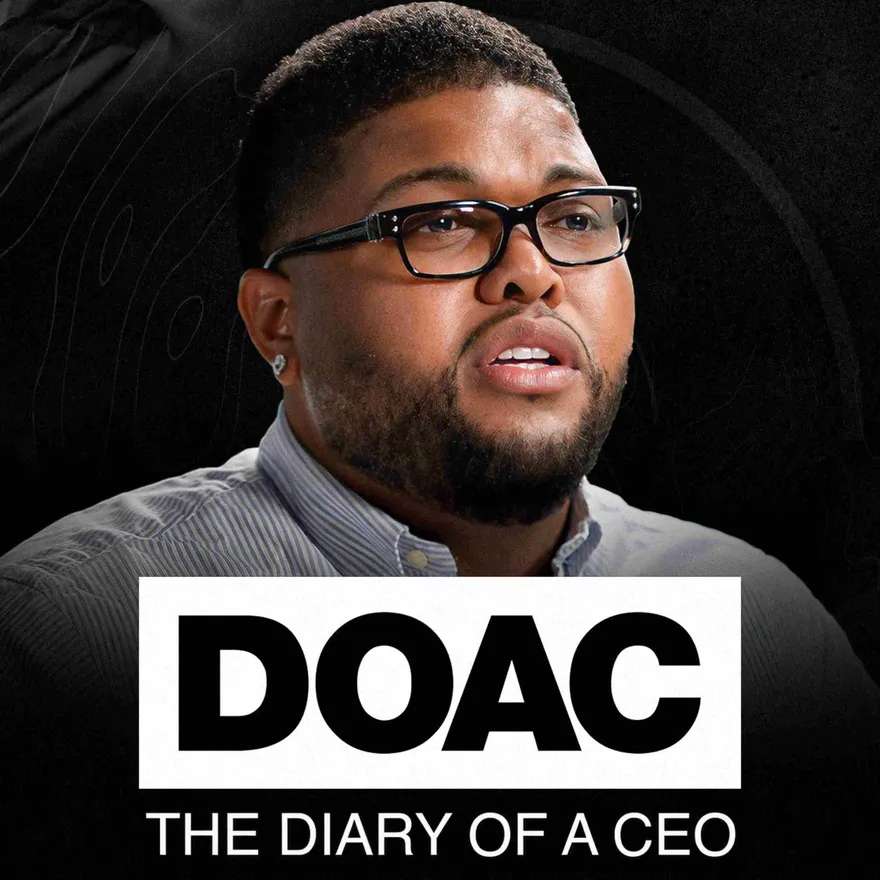

This is a preview of the Shortform summary of the Sep 24, 2026 episode of the The Diary Of A CEO with Steven Bartlett
Sign up for Shortform to access the whole episode summary along with additional materials like counterarguments and context.
1-Page Summary
Healing Trauma and Finding Purpose Through Comedy
Druski's journey as a comedian reveals how humor can emerge from pain, functioning both as a coping mechanism and a path to personal growth.
Comedy as a Coping Tool For Dysfunction and Violence
Growing up in a home marked by harsh discipline and instability, Druski witnessed severe punishments and received stark life lessons from his father. Rather than succumb to the tension, he instinctively used humor to lighten the mood after confrontations, stepping in with jokes and impressions to comfort family members. His mother played a crucial balancing role, intervening when discipline became excessive and fostering his comedic talents by allowing him to perform for the family and record himself on camcorders. This support helped Druski discover his love for entertainment.
Comedy's Healing Power Rooted In Psychology and Identity
Druski's comedic approach is informed by his desire to uplift rather than harm, focusing on shared human experiences and absurdities with good-hearted intent. He recognizes that his ability to read a room stems from heightened vigilance developed during his turbulent childhood, equipping him with exceptional observational and emotional intelligence. However, this upbringing also left him with challenges around intimacy and trust, making him wary of deep relationships.
Forgiving His Father Was Essential to Success
Despite his father's extreme methods, Druski came to acknowledge the positive influence embedded in the lessons—resilience, thoroughness, and work ethic. As he matured, reflection and forgiveness allowed him to see good intentions beneath the brutality. By consciously choosing to let go of resentment, Druski transformed their relationship from fear to respect and freed himself to pursue greatness without emotional burdens.
Success Journey: Consistency, Belief, Knowing When to Quit or Persist
Druski's path to success is marked by years of effort without financial reward and a strong sense of self-awareness guiding his decisions.
Critical Period of Groundwork Spanned Years Without Financial Gain or External Validation
After dropping out of college, Druski spent several years in his mother's house without income, sleeping on the floor and using the living room as a makeshift creative studio. Despite skepticism from family and repeated rejections from industry gatekeepers, his clear sense of purpose compelled him to persist. He built his following through brief Instagram videos filmed at home, gaining viral attention but no money initially until he finally began earning through promotions.
Embracing Incremental Progress Over End Goals
Rather than comparing himself to comedy icons, Druski focused on small, daily steps, constructing his own ladder toward greatness. He avoided quick money that could distract from his long-term vision, even embracing hardships like car repossession as liberation from distraction. This period of adversity, which he documented and turned into content, became the essential trial preceding his breakthrough.
Distinguishing Between Quitting and Perseverance Requires Self-Assessment
Druski emphasizes that quitting can be strategic when driven by genuine calling rather than evasion of difficulty. He left college because of an authentic passion for comedy, not hardship. He advises honest self-assessment of one's talents and calling, stressing that true commitment is confirmed not by sunk costs but by a genuine connection to the goal, identified through silent self-reflection.
Sustaining a Career: Relationships, Self-Investment, and Strategy Over Quick Money
Druski outlines principles guiding his rise in entertainment, emphasizing authentic relationships, strategic self-investment, and disciplined brand management.
Relationships and Character Outweigh Talent in Entertainment
Druski underscores that relationships and character carry more weight than raw talent in entertainment. Brands want trustworthy representatives who inspire confidence in various environments. His multicultural upbringing enabled him to relate to diverse people, making him versatile in professional settings. His breakthrough came when Drake cast him in the "Laugh Now Cry Later" music video after casual DM conversations, fundamentally shifting his industry trajectory and moving him from informal promotion to serious business.
Self-Investment Replaced Dependence on Validation and Gatekeepers
After repeated rejections from major platforms, Druski invested his own earnings directly into content production, self-funding high-quality projects for his YouTube channel. This direct self-investment changed the power dynamic, allowing him to create opportunities rather than wait for industry validation. He stresses that self-belief must precede external recognition, and putting your own resources on the line demonstrates genuine commitment.
Selective Decisions Protect Brand Integrity and Positioning
Druski deliberately turns down quick-pay gigs that could dilute his brand, assessing whether projects align with his vision of becoming a generational comedic leader. He maintains disciplined selectivity, prioritizing artistic and cultural relevance over short-term financial gain, focusing instead on the long-term arc toward his highest aspirations.
Mindset of Greatness: Legacy, Evolution, and Never Settling
Greatness Requires an Internal Definition of Success Beyond Traditional Metrics
Druski defines greatness as a relentless pursuit of continuous evolution and elevation, not by wealth or awards. For him, success means always striving to surpass personal milestones and benchmarks set by greats before him. He rejects comfort in material accomplishments, rarely taking time to celebrate achievements before immediately moving to the next challenge. He's acutely aware that few share his obsession for continuous work, juggling multiple projects simultaneously—tours, TV shows, and movies—because he wants to be great.
Artistic Evolution Mirrors Heroes' Trajectories
Druski's career vision is shaped by studying the versatile evolutions of comedic legends like Eddie Murphy, Kevin Hart, and Jamie Foxx. He aspires to follow their trajectories spanning stand-up, TV, films, and dramatic roles, aiming to stretch boundaries even further. His current schedule reflects this ambition, simultaneously filming TV shows and movies while maintaining social media presence and planning comedy tours—a deliberate breadth designed to transcend one medium and remain influential across genres.
Parental Influence In Establishing Non-negotiable Standards
Druski credits his parents, especially his mother, for instilling uncompromising standards in every pursuit. Constant pushes for more embedded in him the belief that "good enough" would never be satisfying. This upbringing created a restlessness with anything short of the pinnacle and built a mindset of confidence and resourcefulness that drives him today.
Legacy and Influence Drive Long-Term Thinking
Above all, Druski is driven by the desire for legacy and lasting influence. His 30-year goal is to be the defining comedic voice for his generation, the face of comedy in the way Eddie Murphy and Kevin Hart have been. He distinguishes temporary stardom from true, sustained impact, believing that continual vocalization of audacious dreams models confidence. His focus remains steadfast: never settle, always elevate, and ensure that the influence he leaves resonates long after fleeting moments of success have passed.
1-Page Summary
Additional Materials
Counterarguments
- While humor can be a powerful coping mechanism, relying on comedy to manage trauma may sometimes prevent individuals from addressing deeper emotional issues directly.
- Using comedy to diffuse tension in dysfunctional environments might inadvertently enable or normalize harmful behaviors by avoiding confrontation or accountability.
- Parental support is valuable, but encouragement of comedic performance does not necessarily address or resolve underlying family dysfunction or trauma.
- Focusing on uplifting humor is commendable, but comedy that avoids difficult or controversial topics may limit its potential for social critique or catharsis.
- Heightened observational and emotional intelligence developed from turbulent upbringings can also lead to hypervigilance or anxiety, which may be maladaptive in some contexts.
- Challenges with intimacy and trust, even if acknowledged, can persist and negatively impact personal and professional relationships despite career success.
- Forgiving a parent for harsh discipline is a personal choice, but it may risk minimizing or excusing abusive behavior rather than holding it accountable.
- Years of unpaid work and self-investment are not feasible or advisable for everyone, especially those without family support or financial safety nets.
- Building a following through social media virality can be unpredictable and may not be a replicable path for most aspiring comedians.
- Emphasizing incremental progress over end goals may overlook the importance of strategic planning and setting clear, measurable objectives.
- Using personal adversity as content can risk commodifying trauma or encouraging unhealthy self-exposure for public consumption.
- The distinction between quitting and perseverance is subjective and may not account for external factors like systemic barriers or lack of opportunity.
- Prioritizing relationships and character over talent may disadvantage highly skilled individuals who lack industry connections or social capital.
- Self-investment and self-belief are important, but external validation and support are often necessary for sustainable career growth.
- Selectively declining quick-pay gigs is a privilege not available to all entertainers, especially those facing financial hardship.
- Defining greatness solely by continuous evolution and surpassing personal milestones may contribute to burnout or chronic dissatisfaction.
- Rarely celebrating achievements can undermine well-being and lead to an unhealthy work-life balance.
- Modeling a career after established legends may not account for changing industry dynamics or the unique challenges faced by new generations.
- Maintaining multiple projects simultaneously can dilute focus and potentially compromise the quality of work.
- High parental standards can foster achievement but may also contribute to perfectionism or chronic self-criticism.
- The pursuit of legacy and lasting influence may overshadow the value of present-moment fulfillment and personal happiness.
Actionables
- you can use humor to reframe daily frustrations by keeping a private “comedy journal” where you write a funny take on any stressful or awkward moment you experience, helping you process challenges and see growth opportunities in discomfort.
- a practical way to build authentic relationships is to send short, sincere voice notes to people you admire or want to connect with, sharing a specific observation or appreciation without asking for anything in return, which fosters genuine rapport and opens doors naturally.
- you can set a weekly “legacy check-in” where you list one small action you took that week to positively impact others or your community, helping you focus on lasting influence rather than fleeting achievements or external validation.
Get access to the context and additional materials
Healing Trauma and Finding Purpose Through Comedy
Druski’s journey as a comedian illustrates how humor can emerge from pain, serving both as a coping mechanism and a path to personal growth. His experiences with family dysfunction and violence shaped not only his comedic style but also his worldview and approach to relationships.
Comedy as a Coping Tool For Dysfunction and Violence
Druski Used Humor to Soften His Father's Harsh Teaching and Bring Levity to Traumatic Situations
Growing up, Druski endured a home environment marked by instability and harsh discipline. His father’s teachings were delivered with old-school physicality and a brusque, unforgiving tone. For example, Druski recalls being given stark life options by his father at a young age—go to jail, find a trade, or join the military and face danger. He witnessed his brother get severely beaten for simple childhood accidents, such as wetting the bed, and endured his father’s harsh criticisms over minor mistakes, like bringing the wrong tool. These moments left him acutely aware of the severity in his household compared to other families.
Rather than succumb to the tension and suffering, Druski instinctively tried to bring comic relief. He consistently stepped in to lighten the mood after confrontations—using jokes, impressions, and humor to comfort affected family members. By being “the funny guy” at the dinner table or the day after traumatic events, he attempted to shift the emotional tone and provide a form of escape for himself and his loved ones.
Eased Family Conflict Tension With Laughter for Emotional Relief During Domestic Instability
Domestic disputes were common, and Druski often found himself mediating with levity, especially after physical altercations involving his parents. He describes striving to make his family smile even in the aftermath of excessive punishments or heated arguments, recognizing from an early age that laughter could be a survival tool amid chaos.
Mother Fostered Comedy By Allowing Performances Before Camcorders, Creating a Safe Space For Character Expression
Amid the hardship, Druski’s mother played a balancing role, intervening when her husband’s discipline went too far and providing consistent encouragement. She fostered Druski’s comedic talents by allowing him to perform for the family and record himself on camcorders, cultivating a space where he could freely create characters and express himself. This support, along with the enthusiasm for comedy she shared through movies and television—such as “In Living Color” and the “Chappelle Show”—helped Druski discover his love for entertainment.
Comedy's Healing Power Rooted In Psychology and Identity
Druski's Comedy Highlights Shared Human Experiences and Absurdities With Good-Hearted Intent
Druski’s comedic approach is informed by his desire to uplift, never to punch down. He maintains that his jokes are always aimed at finding the positive or absurd in situations, with the intention to spread laughter rather than inflict harm. He looks up to comedians who use humor for good and believes his own comedy resonates by addressing shared human experiences.
Heightened Sensitivity and Hypervigilance From Childhood Trauma Equipped Him With Exceptional Observational and Emotional Intelligence for His Comedic Insights
Druski recognizes that his ability to read a room—sensing danger, happiness, sadness, or discomfort—stems from vigilance developed during a turbulent childhood. This heightened empathy and awareness allow him to connect authentically with his audience, tailoring his humor to the moment and those present. He credits this skill with shaping both his comedic insights and his career trajectory.
Family Dysfunction and Parental Neglect: Gifts (Empathy, Reading Rooms) and Challenges (Intimacy Issues, Trust Fear)
Although his upbringing gifted him with empathy and the ability to read people, it also presented ongoing challenges. Druski finds himself wary of intimacy and quick to pull away from relationships when closeness feels threatening. Admitting to trust issues, he links th ...
Here’s what you’ll find in our full summary
Healing Trauma and Finding Purpose Through Comedy
Additional Materials
Counterarguments
- While humor can be a helpful coping mechanism, relying on it exclusively may prevent individuals from fully processing or addressing underlying trauma, potentially delaying healing or masking deeper issues.
- The narrative frames Druski’s father’s harsh discipline as ultimately beneficial due to the work ethic it instilled, but many psychologists argue that such methods can cause long-term psychological harm that outweighs any positive outcomes.
- The idea that forgiveness is essential for personal growth may not resonate with everyone; some trauma survivors find healing through setting boundaries or limiting contact rather than forgiving those who harmed them.
- Using comedy to mediate family conflict might provide temporary relief but could also inadvertently minimize the seriousness of abuse or dysfunction, making it harder for family members to seek help or acknowledge the need for change.
- The portrayal of Druski’s mother as a positive influence for encouraging comedy does not address whether she could have done more to protect her children from harm or intervene more effec ...
Actionables
- you can create a personal humor journal to document moments when you use humor to defuse tension or cope with stress, then review it weekly to identify patterns and brainstorm new ways to use humor for emotional relief in challenging situations
- (For example, jot down a stressful family dinner where you made a lighthearted comment that eased the mood, then reflect on what worked and how you might use similar humor in future conflicts.)
- a practical way to strengthen empathy and emotional intelligence is to set aside five minutes each day to silently observe people in public places, noting their body language and facial expressions, and then guess what emotions they might be feeling and why
- (For instance, while waiting in line at a coffee shop, notice someone’s posture or tone and consider what might be going on in their day, helping you build sensitivity to others’ experie ...
Get access to the context and additional materials
Success Journey: Consistency, Belief, Knowing When to Quit or Persist
Druski’s path to success is marked by years of effort without financial reward, a focus on incremental gains, and a strong sense of self-awareness that guides when to quit or persevere.
Critical Period of Groundwork Spanned Years Without Financial Gain or External Validation
After dropping out of college in his early twenties, Druski spends several years in his mother’s house without income or material comfort, sleeping on the floor with his sister’s blanket in a room stripped of his belongings. He recalls using the living room as both a bedroom and a makeshift creative studio, utilizing household furniture as props and settings for skits. Despite this resourcefulness, he faces skepticism from his family: his mother tearfully laments his decision, fearing for his future, while his grandparents warn that dropping out is a path to failure. Druski’s clear sense of purpose, rooted in an early identification with comedic legends, compels him to persist even as those close to him struggle to understand.
During this period, Druski repeatedly pitches ideas to major platforms and faces years of rejection and “no” from industry gatekeepers and even friends. At first, his content consists of brief, 15-second Instagram videos filmed in his mother’s living room—work that gains local support and hometown comments but brings him no money. Viral attention builds his following from 10,000 to 100,000, but each milestone is met by family indifference: “Okay, so what does that mean? Did you make any money?” Only after prolonged, unmonetized visibility does he finally begin making money through promotion.
Embracing Incremental Progress Over End Goals
Druski explains that, rather than focusing on the seemingly unbridgeable gap between himself and icons like Kevin Hart or Eddie Murphy, he channels his energy into small, daily steps. He resists comparing his journey to those at the pinnacle, understanding that this can make the process seem impossible. By constructing his own ladder—identifying and tackling each incremental task—he maintains progress, believing in the achievability of greatness despite external doubts.
He also avoids the lure of quick money, turning down endorsement deals that could distract from his long-term vision. After his car gets repossessed, he embraces the loss as liberation from distraction and recommits to his creative grind. This period, when it feels like everything is being stripped away, he views as the essential trial preceding growth—a test most people don’t endure because they give up too soon, unable to envision the outcome. Druski recounts documenting his hardships, even making his car repossession into content, knowing that perseverance through adversity is necessary for breakthrough.
Distinguishing Between Quitting and Perseverance Requires ...
Here’s what you’ll find in our full summary
Success Journey: Consistency, Belief, Knowing When to Quit or Persist
Additional Materials
Counterarguments
- While Druski’s persistence is admirable, not everyone who invests years without financial reward or validation will achieve success; survivorship bias may overstate the likelihood of eventual breakthrough.
- The narrative emphasizes self-awareness and authenticity, but many people lack the resources or support systems to endure prolonged periods without income, making this path inaccessible for most.
- Focusing on incremental progress is valuable, but some industries require strategic leaps or networking rather than solely small daily steps.
- Rejecting quick money opportunities may not be feasible for individuals with urgent financial responsibilities or dependents.
- The advice to quit pursuits without authentic passion or after a certain age may discourage late bloomers or those who discover their calling later in life.
- The emphasis on self-reflection and internal motivation may overlook the importance of external ...
Actionables
- you can create a daily micro-journal where you record one small, specific action you took toward a long-term goal and one challenge you faced, then briefly note how you adapted or what you learned from it; this builds self-awareness, tracks incremental progress, and helps you see value in persistence even when results aren’t immediate.
- a practical way to strengthen your sense of purpose is to set aside five minutes each week for a silent, distraction-free check-in where you ask yourself why your current pursuit matters to you personally, writing down your answer and noticing if it changes over time; this helps clarify whether your motivation is authentic or influenced by outside pressures.
- ...
Get access to the context and additional materials
Sustaining a Career: Relationships, Self-Investment, and Strategy Over Quick Money
Druski outlines the principles that have guided his rise in entertainment, focusing on the importance of authentic relationships, strategic self-investment, and disciplined brand management rather than a focus on immediate financial gain.
Relationships and Character Outweigh Talent in Entertainment
Druski underscores that in the entertainment world, relationships and character ultimately carry more weight than raw talent. Brand executives and industry partners want to know not just if someone is skilled, but whether they are trustworthy and appropriate to represent major brands. Druski explains that when brands consider figures for commercial deals like T-Mobile or Nike, they look beyond public persona. They want to interact on a personal level—having dinner or talks outside of the industry—to gauge what kind of person someone really is before trusting them to be the face of an advertising campaign. The decision is often less about immediate star power and more about reliability, how you treat people, and the ability to inspire trust in various environments.
Druski credits his multicultural upbringing for helping him thrive in such environments. Growing up amidst diverse ethnicities allowed him to relate to people from all backgrounds, making him versatile and approachable in professional settings. This broad exposure made navigating brand rooms and building meaningful business relationships natural, unlocking greater opportunities.
His breakthrough came when Drake, recognizing Druski’s comedic style and aligned vision for the culture, cast him in the "Laugh Now Cry Later" music video. Initially, their relationship developed through casual DM conversations where they shared jokes and clips. When Drake offered the prominent video role, Druski found himself alongside major stars and instantly gained an elevated level of credibility. That high-profile feature moved his career from informal promotion to serious, transactional business—brands and companies began to take him seriously and seek him out for significant projects. Druski credits this turning point for fundamentally shifting his industry trajectory.
Self-Investment Replaced Dependence on Validation and Gatekeepers
After repeated rejections from major platforms such as Netflix, Amazon, and FX—despite multiple proposals and pitches—Druski decided to invest his own earnings directly into his vision. Rather than spending his rising income on luxury goods, he poured it into content production for his YouTube channel, self-funding high-quality projects like "Coulda Been Auditions," "Coulda Been Love," and other sketches within the Druski universe. This direct self-investment changed the power dynamic: instead of waiting for industry validation or approval from gatekeepers, Druski made his own opportunities. His faith in his own ideas was pivotal. He stresses that before anyone else sees potential, you must believe in yourself first. Waiting passively for a big break, without putting your own resources on the line, means you aren’t fully committed to your own vision. ...
Here’s what you’ll find in our full summary
Sustaining a Career: Relationships, Self-Investment, and Strategy Over Quick Money
Additional Materials
Clarifications
- Druski is a comedian and entertainer known for his relatable humor and viral online content. He gained prominence through social media platforms, where his sketches and characters resonated widely. His significance lies in bridging digital comedy with mainstream entertainment, attracting major brand partnerships. Druski's rise exemplifies leveraging authenticity and self-driven content creation to break into the industry.
- Druski’s comedic style blends relatable everyday humor with a charismatic, approachable persona that resonates across diverse audiences. His content often features exaggerated characters and situational comedy rooted in cultural experiences, making it both entertaining and culturally relevant. Drake’s vision includes promoting authentic, culturally connected figures who reflect contemporary urban life and humor. This alignment made Druski a natural fit for Drake’s projects, which aim to blend music with relatable cultural storytelling.
- The "Laugh Now Cry Later" music video is a high-profile project by Drake, a globally recognized artist. Featuring in it gave Druski major exposure to a wide audience and industry insiders. This visibility boosted Druski’s credibility and opened doors to significant brand partnerships. The video marked a shift from informal promotion to serious business opportunities.
- "Coulda Been Auditions" and "Coulda Been Love" are original comedy sketches created and produced by Druski. They showcase his unique humor and storytelling style, helping him build a distinct brand identity. These projects were self-funded, demonstrating his commitment to his craft and independence from traditional industry gatekeepers. Their success increased his visibility and credibility, leading to greater opportunities.
- Brand executives oversee how a brand is represented in media and partnerships to protect its image and values. They evaluate potential collaborators to ensure alignment with the brand’s target audience and reputation. Their approval is crucial for securing endorsements, sponsorships, and advertising deals. They also manage risks by vetting personalities for trustworthiness and consistency with brand messaging.
- Gatekeepers in the entertainment industry are individuals or entities who control access to opportunities, such as producers, casting directors, or network executives. They decide which projects get funded, which talent gets exposure, and who receives contracts or deals. Their approval is often necessary for artists to reach wider audiences or major platforms. This control can limit opportunities for those without connections or endorsements from these key decision-makers.
- Platforms like Netflix, Amazon, and FX often reject projects due to high competition and limited slots for new content. They prioritize proven concepts or creators with established industry backing. These platforms also assess market trends and audience demand, which may not align with every pitch. Early-stage creators frequently face challenges breaking through without prior large-scale success.
- In entertainment, "transactional business" refers to professional dealings based on formal agreements and financial exchanges rather than informal or casual interactions. It means the person is now engaged in contracts, sponsorships, and paid projects with clear terms. This shift indicates a move from hobbyist or fan-based promotion to recognized commercial partnerships. It reflects a more serious, business-oriented phase of a career.
- Brand integrity refers to maintaining a consistent and authentic image that aligns with an individual's or company's core values and long-term goals. Quick-pay gigs often offer immediate money but may involve projects that conflict with or cheapen this image. Accepting such gigs can confuse audiences and partners about the brand’s true identity and reduce its perceived value. Protecting brand integrity helps build lasting trust and prestige over ti ...
Counterarguments
- While relationships and character are important, raw talent and unique skills can still be decisive factors in breaking into and sustaining a career in entertainment, especially in fields where performance is directly measurable.
- Some brand executives may prioritize current popularity, social media reach, or viral potential over personal character, especially in fast-moving marketing campaigns.
- Not all brands or industry partners have the resources or inclination to engage in extensive personal vetting; decisions are sometimes made based on public persona and marketability alone.
- A multicultural upbringing can be beneficial, but it is not the only way to develop versatility and approachability; professional training and experience can also foster these qualities.
- High-profile features do not always guarantee long-term credibility or business opportunities; some individuals experience fleeting attention without sustained career growth.
- Self-investment is not always feasible for everyone, as it requires significant financial resources and risk tolerance that not all creators possess.
- External validation and support from established platforms can provide resources, mentorship, and exposure that self-investment alone may not achieve.
- Believing in one’s v ...
Get access to the context and additional materials
Mindset of Greatness: Legacy, Evolution, and Never Settling
Greatness Requires an Internal Definition of Success Beyond Traditional Metrics
Druski defines greatness as a relentless pursuit of evolution and continuous elevation, not by wealth, awards, or singular achievements. For him, success is measured by how far one is willing to set the bar, always striving to surpass not only personal milestones, but also the benchmarks set by greats before him. He rejects the idea of finding comfort in material accomplishments or one-time successes, saying, "I don't tend to like things that are just good and people are like, Oh my God, I became rich. I'm good, man. I'm going on vacation. I don't do any vacationing. I find it soothing to be in a chaos situation of work and juggling multiple projects at once. That is what I want to do. This is what I got into it for. So that's my full goal."
Druski's aim is for perpetual greatness—always pushing past limits. Even after achieving a major dream like performing at the BET Awards, he immediately moves on to the next, rarely taking time to celebrate: "Immediately the next day, we almost, I didn’t even get a chance to take it in... Boom. I’m on a plane. I’m at the next thing." For Druski, the hunger to excel never fades. Achievements serve only as stepping stones to the next challenge, embodying a mindset where fulfillment is always out ahead and the drive never rests.
He’s acutely aware that few share this sort of obsession for continuous work and growth: "Everybody wants to be number one. You want to be the top of the list, but nobody really wants to do the work. Nobody's obsessed with it continuously every day and night... Nobody's sitting and editing with their editors 18 hours plus... Nobody's going and doing tours while trying to continuously film a TV show... and also shoot a movie... I'm trying to juggle all these things in one because I want to be great."
Artistic Evolution Mirrors Heroes' Trajectories
Druski’s vision for his career is shaped by the versatile evolutions he’s witnessed in comedic legends. He meticulously studies the transitions of figures like Eddie Murphy, Kevin Hart, and Will Ferrell—from commanding stand-up stages to breakout film roles, dramatic turns, and producing. This evolution, to Druski, reveals the depth and multidimensionality true greatness demands. "My thing is not just doing one thing for one era. I like to watch people and how they evolve and how they have done different things over their career," he says.
He aspires not only to follow in their footsteps but to stretch the boundaries even further, aiming for a trajectory that spans stand-up, TV, Netflix films, A-list movies, commercials, and touring. In Jamie Foxx, Druski finds a blueprint: “I want to do the Jamie Foxx and doing the Ray biopic. And you get an Oscar for that. Oh my God, that's amazing. But then turn around and do Django... then turn around and do a funny comedy movie. That’s the type of evolving I’m looking to do.”
His schedule reflects this ambition: simultaneously filming TV shows ("Collect and Praise" with Mike Epps), shooting movies ("The Catch" with Emma Stone and Chris Pine), maintaining his social media presence, and planning new comedy tours. Druski’s breadth is deliberate—a way to mirror his heroes’ ability to transcend one medium and remain influential across genres and decades.
Parental Influence In Establishing Non-negotiable Standards
Druski credits his parents, especially his mother, for instilling an uncompromising standard in every pursuit. He recalls bringing home a B on a test and being told, "Oh, you could have done better." Even an A prompted, "Why didn't you get an A plus?" This constant push for more embedded in him the belief that “good enough” would never be satisfying.
This upbringing created a restlessness with anything short of the pinnacle. Druski internalized the idea that anything less than the best is simply not enough: "I joke about it all the time because one of my favorite movies is Talladega Nights and Ricky Bobby said, if you ain't fir ...
Here’s what you’ll find in our full summary
Mindset of Greatness: Legacy, Evolution, and Never Settling
Additional Materials
Counterarguments
- The relentless pursuit of continuous achievement can lead to burnout, negatively impacting mental and physical health.
- Defining greatness solely by never settling or always elevating may undermine the value of contentment, balance, and appreciating present accomplishments.
- Not everyone aspires to be number one; for many, fulfillment comes from personal growth, meaningful relationships, or community impact rather than surpassing others.
- The belief that "good enough" is never enough can foster perfectionism and chronic dissatisfaction, which may be psychologically unhealthy.
- Measuring success by comparison to past greats or external benchmarks can diminish the importance of individual values and unique paths.
- The glorification of constant work and multitasking may overlook the benefits of rest, reflection, and creative downtime.
- Parental pressure to always do better, even with high achievement, can sometimes result in anxiety or a fear of failure.
- Legacy and influen ...
Actionables
- you can create a personal “next level” tracker by listing your recent achievements and, for each, brainstorming one specific way to surpass it, then scheduling a monthly check-in to update your progress and set a new challenge for each area
- This keeps you focused on continuous improvement and prevents complacency by always having a concrete, evolving target to beat, whether it’s learning a new skill, improving a habit, or expanding your responsibilities at work or home.
- a practical way to build multidimensionality is to pick one new medium or genre each quarter—such as writing, audio, video, or visual art—and set a small project goal in that area, regardless of your current expertise
- For example, if you usually write, try recording a short podcast or making a simple video; if you’re comfortable with numbers, try expressing an idea visually. This helps you stretch creatively and adapt to new formats, mirroring the evolution across m ...
Get access to the context and additional materials


Create Summaries for anything on the web
Download the Shortform Chrome extension for your browser
