

UFC Legend Dustin Poirier: I Lost My Mind. I’ll Never Let It Happen Again.
In this episode of The Diary Of A CEO with Steven Bartlett, UFC fighter Dustin Poirier opens up about his struggles with depression, alcohol addiction, and the identity crisis that followed his retirement from fighting. Poirier discusses how his father's alcoholism and homelessness shaped his own relationship with alcohol, leading to a recent arrest at an Atlanta airport that forced him to confront his mental health and commit to sobriety.
Poirier shares how fighting provided structure and purpose for over two decades, and how retirement left a void that he attempted to fill with constant work and alcohol. The conversation covers his childhood trauma, the role of therapy in unpacking unconscious patterns, and his ongoing commitment to his Good Fight Foundation despite recent setbacks. Through his candor about mental health and addiction, Poirier illustrates the challenges athletes face when transitioning away from competitive sports and the ongoing work required to maintain mental wellbeing.
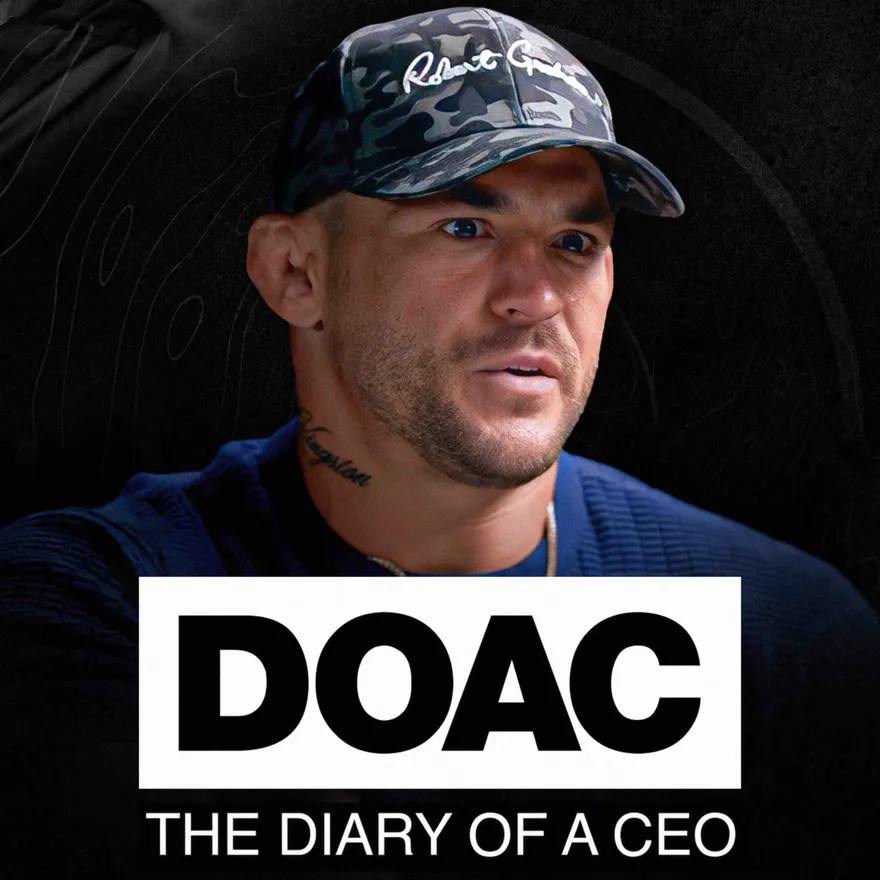

This is a preview of the Shortform summary of the Jul 6, 2026 episode of the The Diary Of A CEO with Steven Bartlett
Sign up for Shortform to access the whole episode summary along with additional materials like counterarguments and context.
1-Page Summary
Mental Health, Depression, and Addiction
MMA fighter Dustin Poirier shares his struggles with depression and alcohol, shaped by his father's addiction and homelessness. His journey involves emotional triggers, therapy, and recognizing that mental health requires ongoing work.
Depression Triggered by Father's Struggles
Poirier's depression intensifies around emotional events like Father's Day. On a recent Father's Day, despite a positive morning with his children, he was overwhelmed by depression while traveling for work, leading to drinking and an arrest at the Atlanta airport. He describes depression as a gravitational pull toward negativity—an immovable cloud that makes it difficult to think clearly. On his worst days, he stays in bed, straining his relationships with his wife and daughter. Poirier recognizes these emotional battles are episodic, sometimes manifesting as weeks-long funks that challenge his wellbeing.
Alcohol: Genetic and Environmental Influences
Poirier's relationship with alcohol began at age 12 or 13, echoing his father's struggles. He acknowledges both genetic predisposition and environmental influences shaping his tendencies. With alcohol, moderation is impossible—once he starts, he drinks until every bottle is empty, driven by the same competitive mentality that fuels his fighting career. Despite knowing alcohol only worsens his mental health, Poirier often ignores this during crises. After his arrest, he made the resolute decision to eliminate alcohol entirely, accepting that moderation isn't feasible. He's determined to avoid repeating his father's mistakes and ensure his children never witness him intoxicated.
Therapy Unpacks Trauma and Unconscious Patterns
Poirier began therapy years ago to untangle emotional burdens stemming from childhood trauma, an absent father, and exposure to addiction and violence. Though initially difficult to admit within fighting's hyper-masculine culture, he came to see therapy as strength rather than weakness. Therapy helped him recognize that mental health requires continual effort, like physical training. When he first improved, he prematurely stopped therapy and self-care practices, and predictably, his symptoms resurfaced. After the Atlanta incident, Poirier immediately returned to therapy, committing to sustainable routines including early wake-ups, journaling, and reading—no longer viewing these efforts as temporary but as lifelong necessities.
Career Transition and the Purpose Crisis
Retirement Leaves a Void in Identity and Purpose
Dustin Poirier began fighting as a teenager, dedicating over two decades to the sport. From age 16 to 37, fighting provided structure, daily goals, and powerful purpose. He describes fighting as his "north star," teaching him how to be a man and giving him focus for constant improvement. Poirier had long been wary of post-retirement pitfalls common among athletes—depression, addiction, financial difficulties—yet when he retired, he confronted the same void and confusion. He admits that nothing has replaced the fullness of life provided by fighting—being a father, businessman, and working in media fills only about 20% of the void. He misses being consumed by a dream and says, "I haven't found anything yet. I don't think there is."
Busy Work and Alcohol Fill the Vacuum
After retirement, Poirier tried keeping himself occupied through CBS work, podcasts, and media engagements, accepting almost every invitation to stay too busy to think about his loss of identity. However, this relentless busyness proved problematic. By distracting himself with constant work, he avoided processing his purpose crisis and mental health, eventually leading to the Father's Day emotional outburst. Without the organizing principle of fighting, Poirier struggles to reorient his life. He admits, "I'm a danger to myself when I've got no goal circled on my calendar."
Competitive Nature Seeks New Focus
Poirier identifies his "all in" personality as both gift and curse. He believes people like him need to completely immerse themselves in something—productive or destructive—to have direction and purpose. Although peers like John Jones and Matt Brown have reached out with support, Poirier admits he hasn't yet engaged with their advice. He's unsure if his competitive drive will ever fade, imagining himself at sixty still believing he could beat current top fighters. He remains determined to discover a new dream that can capture his spirit as fighting once did.
The Airport Arrest Incident
From Father's Day Joy to Airport Confrontation
On Father's Day, Poirier begins his day enjoying time with his children but falls into depression as he travels for work, triggered by thoughts of his homeless father. He starts drinking champagne during his flight and continues at an Atlanta airport bar. When he proceeds to his gate, his visible intoxication prompts the desk agent to deny him boarding. The confrontation escalates—he becomes aggressive, even offering to fight a security officer who takes out a taser but ultimately deescalates without using force. After experiencing a moment of clarity, Poirier offers the officer a handshake, complimenting his professionalism. Poirier repeatedly acknowledges that the officer's calm demeanor likely saved him from more serious legal trouble. He spends the night in jail until he sobers up and is released on bond.
Immediate Aftermath and Consequences
A police officer calls Poirier's wife to inform her of the arrest. When he returns home, she makes clear that such behavior cannot be repeated, and Poirier commits to quitting drinking altogether. The public incident immediately affects his work life—three commitments are canceled that week, and at least one significant sponsor cuts ties. Struggling to process the event, Poirier deletes his social media accounts upon returning home, choosing not to engage with public commentary and focusing instead on recovery, reflection, and family.
Childhood Trauma and Intergenerational Patterns
Poirier's father was a hardworking man whose alcoholism consumed his life, ruining marriages and fracturing family ties. Now 74-75 and homeless, living in his truck, Dustin's father refuses treatment despite repeated attempts to help. Dustin's childhood was marked by domestic violence and instability following his parents' divorce when he was in kindergarten. Growing up in South Louisiana with his mother and grandmother, financial insecurity was normal, though he never lacked basics. The absence of his father, normalized violence, and search for purpose contributed to his troubled adolescence—he was expelled from school for fighting and arrested at 14, landing in juvenile detention. He began drinking at 12 or 13, linking his teenage aggression to self-medication practices that extended into adulthood. Through therapy, Dustin is unpacking how childhood trauma still shapes him, recognizing unconscious patterns rooted in his upbringing and the emotional weight he carries regarding his father's well-being.
Finding Redemption Through Purpose
Good Fight Foundation
Poirier's charitable work began when he auctioned his fight gear on eBay to support the family of Officer Michael Middlebrook, killed near his school. After a year and a half of selling gear for various causes, he formalized the Good Fight Foundation as a nonprofit, creating a platform that could inspire other fighters to join. The foundation operates with a lean, staff-free model to maximize resources. One signature initiative is the annual back-to-school drive, where Dustin, his wife, and volunteers personally pack 1,300 backpacks with school supplies for children. The foundation has also funded water wells in Uganda. At age 30, Poirier received the UFC's first-ever Forest Griffin Community Award in 2018, recognizing his exceptional commitment to charity work.
Commitment Despite Setbacks
Despite the recent incident that hurt his reputation, Poirier remains unwavering in his mission to better the world and teach his children to do the same. The incident is particularly painful because it contrasts with years of demonstrating compassion, responsibility, and integrity. Following the incident, Poirier was met with overwhelming compassion from fellow fighters and the public, who recognized he was going through a difficult period. This understanding was rooted in his longstanding openness about mental health, addiction, trauma, and life after fighting. Poirier accepts complete responsibility for his actions without using mental health as an excuse, though he acknowledges these factors play a part in his recovery. Through his foundation, public candor, and ongoing efforts to serve, Dustin channels his struggles into purpose, aiming to leave the world better than he found it and use his journey as inspiration for others facing similar hardships.
1-Page Summary
Additional Materials
Counterarguments
- While Poirier attributes much of his struggle to genetic and environmental factors, many individuals with similar backgrounds do not develop addiction or depression, suggesting personal agency and choices also play a significant role.
- The narrative emphasizes therapy and self-care as essential, but some critics argue that over-medicalizing or pathologizing normal emotional struggles can undermine resilience or personal responsibility.
- Poirier’s assertion that he cannot moderate alcohol use may be challenged by those who believe in the possibility of moderation through different recovery models, such as harm reduction.
- The idea that fighting provided Poirier with identity and purpose could be critiqued as relying too heavily on a single external source for self-worth, rather than developing a more diversified sense of self.
- While Poirier’s charitable work is commendable, some may argue that public figures sometimes use philanthropy to rehabilitate their image after negative incidents.
- The focus on Poirier’s personal journey may overshadow the broader systemic issues related to mental health, addiction, and athlete retirement, which require collective solutions beyond individual action.
- Some may question whether public candor about personal struggles always benefits others, as it can sometimes inadvertently glamorize or normalize destructive behaviors.
- The narrative frames Poirier’s “all in” personality as both a gift and a curse, but critics might argue that such thinking can excuse or romanticize compulsive or risky behaviors.
Actionables
- you can create a personal “emotional triggers” calendar to anticipate and plan for emotionally challenging dates, like anniversaries or holidays, by scheduling supportive activities or check-ins with friends on those days; for example, if you know Father’s Day or another date is tough, arrange a nature walk, a movie night, or a call with someone you trust to help you navigate the day with intention.
- a practical way to address persistent negative thought patterns is to keep a “thought clarity” notebook where you jot down recurring thoughts or feelings when you notice them, then set aside a weekly time to review and gently question whether those thoughts are accurate or helpful, helping you spot patterns and gradually shift your mindset.
- you can design a “purpose sampler” month by picking four new activities or interests—one per week—that you’ve never tried before, such as volunteering, learning a new skill, or joining a local group, and reflecting at the end of each week on how each experience made you feel about your sense of identity and fulfillment.
Get access to the context and additional materials
Mental Health, Depression, and Addiction
MMA fighter Dustin Poirier gives a candid account of his struggles with mental health, specifically depression, and his challenges with alcohol, shaped by his father's addiction and homelessness. His journey is marked by emotional triggers, efforts at therapy, and the realization of the need for ongoing self-work.
Dustin's Depression Triggered by Father's Homelessness and Alcohol Struggles
Poirier’s bouts with depression often intensify around emotional events, especially Father’s Day. On a recent Father’s Day, despite starting the morning positively with his children, he was overwhelmed by the cloud of depression while traveling for work, leading to a relapse into drinking and culminating in an arrest at the Atlanta airport. This episode was further burdened by his feelings about his father's continued homelessness and unsuccessful attempts at recovery, emotions that Poirier describes as a weight he shouldn't carry but that nonetheless press deeply on him.
Throughout his fighting career, Poirier has experienced recurring waves of depression. He describes it as a kind of gravitational pull toward negativity, a dense, immovable cloud in his head that he can’t escape. This state makes it difficult to think clearly or function normally. Poirier notes that on his worst days, he may stay in bed all day, straining his relationships with his wife and young daughter, who are often left trying to understand his silence and absence. He is careful to not frequently worry his family, but he admits sometimes communicating when he’s truly not feeling well. Poirier recognizes that his emotional battles are both episodic and tightly woven into the fabric of his daily life, sometimes manifesting as weeks-long funks that challenge his sense of direction and wellbeing.
Dustin's Alcohol Relationship: Genetic and Environmental Factors Influence His "All-or-nothing" Extremes
Poirier’s relationship with alcohol began at age 12 or 13, echoing his father’s own struggles and early introduction to drinking. He acknowledges both genetic predisposition and environmental influences in shaping his tendencies. With alcohol, moderation is impossible for him—once he starts, he drinks until every bottle is empty, a pattern driven by the same competitive mentality that fuels his fighting career. This “all-or-nothing” approach, while beneficial in sports, becomes dangerous with alcohol.
Despite being acutely aware that alcohol offers only temporary [restricted term] relief and ultimately worsens his mental health, Poirier confesses that he often ignores this knowledge during crises. He has noticed that, especially when already spiraling emotionally, he tends to drink as a misguided means of coping, despite knowing that alcohol has never benefited him, especially during low points.
After his arrest at the airport and the clarity that followed, Poirier made the difficult but resolute decision to eliminate alcohol from his life entirely. He accepts that moderation is not feasible for him due to his brain chemistry. Poirier does not consider himself an alcoholic by clinical definition but recognizes a persistently unhealthy relationship with alcohol. For him, complete abstinence is the only sustainable choice.
Poirier expresses determination to avoid repeating his father’s mistakes and ensure that his own children never witness him intoxicated. He views this turning point and the pain of arrest as a vital lesson that will ultimately benefit his family and shift the trajectory of his life for the better.
Therapy Helps Dustin Unpack Trauma and Unconscious Patterns Affecting Beh ...
Here’s what you’ll find in our full summary
Mental Health, Depression, and Addiction
Additional Materials
Counterarguments
- While Poirier attributes his inability to moderate alcohol consumption to "brain chemistry," some experts argue that with the right support and behavioral interventions, moderation may be possible for certain individuals, even those with a family history of addiction.
- The narrative emphasizes therapy as essential, but some people successfully manage depression and addiction through alternative means such as peer support groups, medication, or lifestyle changes without formal therapy.
- The text frames Poirier's struggles as largely shaped by his father's addiction and absence, but many individuals with similar backgrounds do not develop the same patterns, suggesting personal agency and other factors also play significant roles.
- The idea that mental health requires "ongoing, daily effort" may not resonate w ...
Actionables
- you can create a personal “emotional weather report” journal to track your mood patterns and identify triggers, helping you spot early signs of emotional downturns and take action before they escalate; for example, each evening, jot down a quick summary of your emotional state, what happened that day, and any physical sensations or urges, then review weekly to notice patterns and plan small adjustments.
- a practical way to reinforce healthy boundaries with alcohol is to write a “future letter” to yourself describing how you want your life and relationships to look in six months if you maintain abstinence, then read it whenever you feel tempted or overwhelmed; this keeps your long-term goals visible and personal.
- y ...
Get access to the context and additional materials
Career Transition and the Purpose Crisis
Dustin's Retirement After 20 Years in Professional Fighting Signifies the Loss of His Main Source of Meaning, Identity, and Psychological Regulation, Leaving Him Struggling to Find Himself Outside Competition
Fighting Was His Life Focus From Ages 16 To 37, Shaping Daily Achievement, Growth, and Goals
Dustin Poirier began fighting as a teenager, dedicating more than two decades to the sport. From age 16 or 17 to 37, fighting was the center of his life, providing structure, daily goals, and a powerful sense of purpose. He describes fighting as his "north star," an outlet that consumed him totally and taught him how to be a man, how to do business, and how to live. He didn't attend school; fighting was his form of education as he traveled the world, met people he never expected to meet, and participated in life-defining moments, such as his Louisiana retirement with family present. Every day, his focus was on how to improve, whether by learning new techniques or striving for greater physical fitness—there was always a new goal to chase.
He Warned Himself For Years Against Becoming Like Other Retired Athletes Who Struggled With Depression, Addiction, or Financial Ruin, yet Faced Similar Challenges When His Career Ended
Poirier had long been wary of the post-retirement pitfalls common among athletes—depression, addiction, and financial difficulties. He observed many before him losing themselves after walking away from the sport’s intensity, saying, "I always said I'll never be that guy." Yet when he retired, he found himself confronting the same void and confusion. Despite these fears, he acknowledges he hasn't fallen into ruin, but the risk and struggle remain very real.
Profound Void Left by Retirement: Fatherhood, Business, and Media Fill Only 20% of Fighter's Purpose
For Poirier, the transition to civilian life has been profoundly challenging. He admits that nothing has replaced the fullness of life provided by fighting—being a father, businessman, and working in broadcasting or podcasting fills only about 20% of the purposeful void. He misses being consumed by a dream and wakes up some days unsure of what to do next. Despite the movement into business and media, he says, "Nothing fills that void of what fighting was in my life. I haven't found anything yet. I don't think there is." The satisfaction and fulfillment from retirement activities are meaningful but simply not the same.
Psychological Shift From Fighter to Civilian Life Created a Dangerous Vacuum Dustin Filled With Busy Work and Alcohol
He Stayed Busy Through Cbs Broadcasts, Podcasts, and Work to Avoid Thinking About Losing His Identity
After retirement, Poirier tried to keep himself occupied through various engagements, including CBS desk work, podcasts, and supporting the sport from the media side. He accepted almost every invitation and project in hopes of staying too busy to think about his loss of identity.
Hyperactivity and Distraction Hindered His Mental Health and Purpose Crisis Processing, Leading To Father's Day Explosion
This relentless busyness, however, proved to be a double-edged sword. By distracting himself with constant work, he avoided processing his purpose crisis and mental health, a pattern that eventually led to an emotional outburst on Father’s Day. He describes how the absence of competition and challenge made him susceptible to negative cycles, including episodes of alcohol use and mental distress.
Lacking a Goal, He Loses His Organizing Principle For Self-Improvement
Without the organizing principle of fighting, Poirier struggles to reorient his life. He admits, "If you get complacent or if you, why, what... I'm a danger to myself when I've got no goal circled on my calendar." The feeling ...
Here’s what you’ll find in our full summary
Career Transition and the Purpose Crisis
Additional Materials
Counterarguments
- While fighting was central to Dustin's identity, many retired athletes eventually find new sources of meaning and fulfillment outside their sport, suggesting that the void may not be permanent.
- The assertion that fatherhood, business, and media work fill only 20% of his purpose is subjective and may change over time as he adapts and invests more deeply in these roles.
- Not all athletes experience severe post-retirement crises; some successfully transition by planning ahead, seeking support, or developing interests outside their sport during their careers.
- The idea that nothing can replace the fulfillment of fighting may overlook the potential for personal growth and satisfaction in new, unrelated pursuits.
- Relying solely on a single passion or identity can be risky; cultivating a more diversified sense of self may ...
Actionables
- you can create a daily ritual where you intentionally pause all distractions for 15 minutes to write down what gives you a sense of purpose right now and what feels missing, helping you notice patterns and gradually clarify what truly motivates you beyond your previous roles or routines.
- a practical way to channel your competitive drive is to set up a personal challenge calendar, where you pick a new, non-career-related skill or habit each month (like learning a new recipe, improving your sleep routine, or walking a certain distance) and track your progress visually, giving yourself a sense of achievement and focus.
- you c ...
Get access to the context and additional materials
The Airport Arrest Incident
Dustin's Journey: South Florida to Las Vegas, Reflecting On Father's Day and His Homeless Father
On Father’s Day, Dustin Poirier begins his day on a high note, enjoying time with his children, receiving a letter and presents, and celebrating the occasion. Despite a joyful morning, he finds himself falling into a period of depression as he leaves home to travel for work from South Florida to Las Vegas. Thoughts of his relationship with his own homeless father trigger negative feelings. Seeking relief, Poirier starts drinking in the airport.
Morning With Children Darkened by Depression
While the morning features typical Father’s Day joy, Poirier’s mood shifts as he starts to think about his father. Depression begins to overshadow the earlier happiness, setting a somber tone for the day.
Intoxication Escalated After Drinking Champagne On Flight and at Atlanta Airport Bar
During his flight from Lafayette, Louisiana, Poirier drinks two champagnes. Upon landing in Atlanta and facing a layover, he continues drinking champagne at a bar. Other travelers join him for shots, leading to further intoxication.
Intoxication Led to Confrontation With Airport Agents Denying Boarding
When Poirier proceeds to his gate for the connecting flight, his visible intoxication prompts the desk agent to deny him boarding. This confrontation escalates as Poirier, frustrated and impaired, argues with staff. Security and police are called to the scene.
Dustin's Aggression Led To Confrontation; Thanked Officer For Professionalism During Arrest
During the altercation at the gate, Poirier becomes aggressive and even offers to fight a security officer, who takes out a taser as a precaution but ultimately deescalates without using force. After realizing the gravity of his actions in a “drunken stupor,” Poirier experiences a moment of clarity and offers the officer a handshake, complimenting him on his professionalism during the arrest.
Officer's Restraint and Professionalism Likely Prevented More Serious Charges, Dustin Notes
Poirier repeatedly acknowledges that the officer’s calm demeanor and adherence to protocol may have saved him from much more serious legal trouble, especially since a more volatile confrontation could have ended far worse. Poirier expresses deep gratitude for the restraint shown.
Dustin Sought the Officer to Express Gratitude and Apologize, Aware of the Potential Severity
After the incident, Poirier attempts to contact the officer through his Atlanta lawyer to thank him personally, recognize his professionalism, and apologize for his behavior. He regrets not being able to do this directly but remains intent on showing appreciation.
Jailed Overnight Until Sober, Released On Bond, Facing Unaddressed Charges
Poirier spends the night and part of the afternoon in jail until he sobers up. He is released on bond, but the legal consequences remain unresolved at the time.
Immediate Aftermath of Arrest Led To Significant Personal and Professional Consequences Beyond Legal Issues
Wife Learns of Arrest via Police Call, Insists "It Can't Happen Again" After Shock
While Poirier is in th ...
Here’s what you’ll find in our full summary
The Airport Arrest Incident
Additional Materials
Clarifications
- Dustin Poirier is a professional mixed martial artist known for competing in the Ultimate Fighting Championship (UFC). He is recognized for his skill, resilience, and notable fights in the lightweight division. Poirier has a large fan base and significant sponsorships due to his success in the sport. His public profile makes incidents like the airport arrest newsworthy.
- Dustin Poirier's father experienced homelessness, which deeply affected Dustin emotionally. Their relationship is strained and marked by hardship, contributing to Dustin's feelings of sadness and depression. This background influences Dustin's reflections and emotional state, especially on Father's Day. The complexity of their relationship adds to Dustin's internal struggle during the incident.
- Dustin Poirier is a professional mixed martial artist who often travels for fights, training, or promotional events. Las Vegas is a major hub for MMA events, including those organized by the UFC, where Poirier frequently competes. His trip likely involved attending or preparing for a fight or related professional engagement. This context explains the significance of his travel from South Florida to Las Vegas.
- Lafayette, Louisiana, and Atlanta airport are key transit points on Dustin Poirier's travel route from South Florida to Las Vegas. Lafayette is where his initial flight took off, indicating a stop or connection before reaching Atlanta. Atlanta airport is a major hub where he had a layover, providing access to numerous connecting flights, including the one to Las Vegas. These locations highlight the multi-leg nature of his journey and the setting for the escalating intoxication and subsequent incident.
- Dustin Poirier’s drinking behavior likely stems from emotional distress linked to his complicated feelings about his homeless father. Travel stress and being alone in unfamiliar environments can exacerbate such feelings, leading to increased alcohol consumption as a coping mechanism. Alcohol often lowers inhibitions and impairs judgment, causing escalation in drinking during layovers or flights. This pattern is common in individuals facing unresolved personal trauma or depression.
- Airlines have the legal right to deny boarding to passengers who appear intoxicated to ensure safety. Intoxicated passengers may face charges such as public intoxication or disorderly conduct if their behavior disrupts airport operations. Refusal to comply with airline or security staff can lead to involvement of law enforcement and potential arrest. Legal consequences vary by jurisdiction but often include fines, citations, or temporary bans from flying.
- Airport security and police intervene when a passenger poses a safety risk, such as being visibly intoxicated. They may deny boarding to prevent potential disturbances on the flight. If the passenger becomes aggressive, law enforcement can detain and arrest them to maintain order. The individual may be held in custody until sober and could face legal charges depending on the severity of the behavior.
- Airport security officers are authorized personnel responsible for maintaining safety and order within airport premises. They have the authority to detain individuals who pose a threat or violate rules. Tasers are non-lethal weapons used to subdue aggressive or non-compliant individuals safely. The officer’s use of a taser as a precaution is a standard measure to prevent escalation without causing serious harm.
- Being released on bond means the arrested person pays money or provides a guarantee to the court to be freed while awaiting trial. This ensures they return for future court dates. Unresolved charges mean the legal case is still open and no final decision or sentence has been made. The person must attend court hearings to address these c ...
Counterarguments
- While Poirier’s emotional struggles are understandable, resorting to alcohol as a coping mechanism in a public setting, especially while traveling, demonstrates poor judgment and personal responsibility.
- The negative consequences Poirier faced, such as canceled commitments and lost sponsorships, are standard professional repercussions for public misconduct and not unique or unfair to his situation.
- The decision to delete social media accounts may be seen as avoiding accountability or public scrutiny rather than constructively addressing the incident.
- Poirier’s aggressive behavior toward airport staff and security, regardless of his emotional state, put others at risk and cannot be justified by personal hardship.
- The narrative focu ...

Get access to the context and additional materials
Childhood Trauma and Intergenerational Patterns
Dustin Poirier’s story is marked by painful family dynamics, generational struggles with addiction, and the lasting impacts of childhood trauma. Through therapy and self-reflection, he sheds light on the formative experiences that shaped his life, behavior, and emotional landscape.
Dustin's Alcoholic Father Caused Painful Family, Financial, and Health Issues, Leading To Homelessness At Age 74-75
Dustin describes his father as a hardworking, simple man who spent most of his life working paycheck to paycheck in the oil fields of South Louisiana. A talented athlete in high school, Dustin’s father’s dreams were derailed by an early pregnancy, which forced him to abandon football and settle into a life of manual labor, echoing a generational pattern of unfulfilled potential.
Alcoholism consumed his father's life, ruining marriages and friendships and fracturing family ties. Of the children, two have completely cut off contact and want nothing to do with him, and Dustin and his sister are the only ones still trying to help. Despite repeated attempts to support him—including trying to secure protective custody—Dustin’s father continues to drink and live homeless in his truck, refusing treatment and help. This tragic situation has weighed heavily on Dustin, triggering breakdowns such as a Father’s Day incident in an airport when an image of his father’s homelessness overwhelmed him with emotion.
Dustin's Childhood Was Marked by Domestic Violence, Poverty, and an Absent Father After His Parents' Divorce Around Kindergarten
Dustin’s early memories are built on a foundation of domestic violence and instability. The parental divorce occurred when he was in kindergarten or first grade, shaping the rest of his upbringing. He recalls physical fighting and violence between his parents as some of his earliest and most impactful memories, establishing a traumatic blueprint for understanding relationships and conflict. With his mother and grandmother as his primary caregivers, Dustin was exposed to the damaging consequences of alcoholism during custody visits with his father.
Growing up in a working-class area in South Louisiana, financial insecurity was normal for Dustin, although he never lacked the basics. Nevertheless, the dual influence of poverty and violence left indelible marks on his understanding of family and self-worth.
Dustin's Troubles: Linked To Lack of Purpose, Absent Father, and Normalized Violence
The absence of his father, normalized violence, and the search for purpose contributed to Dustin’s troubled adolescence. He was expelled from school for fighting, and by age 14, he had been arrested for seriously injuring someone and placed in juvenile detention after failing a drug test while on probation. Dustin began drinking as early as 12 or 13, linking his teenage aggression and academic struggles to self-medication practices that extended into adulthood.
Despite being raised with love and ...
Here’s what you’ll find in our full summary
Childhood Trauma and Intergenerational Patterns
Additional Materials
Counterarguments
- While Dustin’s experiences with trauma and adversity are significant, many individuals with similar backgrounds do not develop the same behavioral or emotional challenges, suggesting that personal agency and other protective factors can play a substantial role.
- The narrative emphasizes generational cycles and trauma, but it may understate the positive influence and resilience provided by Dustin’s mother and grandmother, who offered love and stability.
- The focus on genetic vulnerability to addiction could risk minimizing the impact of personal choices and environmental factors in shaping outcomes.
- The portrayal of Dustin’s father as a victim of circumstance (early pregnancy, lost potential) may overlook his personal responsibility in perpetuating harmful behaviors such as alcoholism and neglect.
- While t ...
Actionables
- you can create a personal timeline that maps out major family events, patterns, and emotional turning points to visually identify cycles or triggers that might influence your current relationships or behaviors; for example, mark moments like parental separation, financial hardships, or exposure to addiction, then note how these events may connect to your own habits or reactions today.
- a practical way to reduce the emotional burden of inherited family struggles is to write a letter (not to send) to a family member who shaped your experience, expressing your feelings, boundaries, and hopes for change; this helps clarify your own needs and can make it easier to set healthy boundaries in real life.
- you ...
Get access to the context and additional materials
Finding Redemption Through Purpose
Dustin Poirier’s journey to redemption is deeply intertwined with his commitment to serving others, which he channels through the Good Fight Foundation. Even in the midst of personal challenges and public scrutiny, Dustin remains focused on using his platform for good and teaching his children to do the same.
Dustin Founded the Good Fight Foundation to Use His Platform to Benefit Others After Auctioning Old Fight Gear to Support a Fallen Officer's Family
Dustin Poirier’s charitable work began organically. After reading a news article about Officer Michael Middlebrook—who was killed just a few streets away from the school he and his wife attended—Dustin was moved to help. As they packed up their home, Dustin and his wife decided to auction his fight-worn gloves and shorts on eBay to support Officer Middlebrook’s family. The success of these auctions inspired them to do more, and for about a year and a half, they continued to sell Poirier’s gear, donating the proceeds to causes like local food pantries and families in need.
As their efforts grew, Dustin recognized that this mission needed a name and a structure beyond his own. The Good Fight Foundation was formalized as a nonprofit—removing the focus from Poirier alone and creating a platform that could inspire other fighters and supporters to join in. The foundation operates with a lean, staff-free model, allowing it to maximize resources and stretch every dollar to support community programs, a principle that directly aligns with Dustin’s values.
Good Fight Foundation's Back-To-school Drive: 1,300 Backpacks With Supplies For Children, Packed by Dustin and Volunteers
One of the foundation’s signature initiatives is the annual back-to-school drive. Dustin describes how the foundation purchases bulk quantities of backpacks and school supplies—covering everything on Louisiana’s school supply lists. Dustin, his wife, and volunteers personally pack the 1,300 backpacks themselves, often breaking down pallets and packing supplies in their kitchen or warehouse. He emphasizes the principle that no child should have to go to school without the supplies they need, regardless of their family’s finances.
The foundation’s commitment to making a difference doesn’t stop at local projects. The Good Fight Foundation has also funded the construction of multiple water wells in Uganda, providing clean water to children and families and demonstrating Dustin’s dedication to global impact.
Dustin’s relentless efforts were formally recognized when, at age 30, he received the UFC’s first-ever Forest Griffin Community Award in 2018. This honor celebrates a UFC athlete who has shown exceptional commitment to volunteering and charity work and acknowledges how Dustin has used his platform for broader good.
Despite the Incident, Dustin Remains Committed To Improving the World and Teaching His Children to Do the Same
Though he recently faced a personal incident that hurt his reputation and self-image, Poirier remains unwavering in his mission to better the world. He continues to lead by example, hoping to inspire both his children and his community to care and to act. Dustin describes his charitable work as an extension of the mindset he brought to his fighting career: using every opportunity to benefit others.
Despite the pain of disappointing himself and others—especially given his lifelong focus on good intentions and doing right—Dustin is determined to keep working through the Good Fight Foundation. The incident is particularly painful for him becaus ...
Here’s what you’ll find in our full summary
Finding Redemption Through Purpose
Additional Materials
Clarifications
- Dustin Poirier is a professional mixed martial artist known for competing in the Ultimate Fighting Championship (UFC). He has gained fame through his success in high-profile fights and his reputation as a skilled and resilient athlete. His public platform comes from his visibility as a top-level fighter and his engagement with fans and media. This platform allows him to influence and support charitable causes.
- The Good Fight Foundation supports various charitable causes beyond school supplies and water wells, including hunger relief and family assistance. It partners with local organizations to address community needs efficiently. The foundation also encourages other fighters and fans to contribute and volunteer. Its lean, staff-free model maximizes funds for direct impact.
- Auctioning fight-worn gear raises funds because such items are rare and hold sentimental value for fans. Collectors and supporters often pay premium prices to own memorabilia linked to a fighter’s career. The proceeds from these auctions can then be donated to charitable causes. This method leverages the fighter’s popularity to generate financial support for others.
- The UFC (Ultimate Fighting Championship) is the largest organization in the world for mixed martial arts (MMA), hosting professional fights globally. The Forest Griffin Community Award is named after a former UFC fighter known for his sportsmanship and community work. It honors UFC athletes who demonstrate exceptional commitment to charity and volunteerism. This award highlights the recipient's positive impact beyond the sport.
- Transitioning from professional fighting involves adjusting to a loss of routine, identity, and adrenaline that defined daily life. Fighters often face physical injuries and mental health challenges like depression or anxiety. Financial instability can arise due to the end of fight purses and sponsorships. Support systems and new career paths are crucial for successful adjustment.
- Dustin Poirier’s career as a professional fighter involved intense physical and mental stress, which can contribute to mental health challenges. Addiction and trauma are common issues among athletes who face pressure, injuries, and life transitions. Addressing these topics openly helps reduce stigma and supports recovery. His transparency encourages others to seek help and promotes understanding of these struggles.
- A "lean, staff-free model" means the nonprofit operates with minimal overhead and no paid employees. This reduces administrativ ...
Counterarguments
- While Dustin Poirier’s charitable work is commendable, some may argue that celebrity-driven philanthropy can overshadow the efforts of less visible community members or organizations doing similar work without recognition.
- The Good Fight Foundation’s staff-free, lean model maximizes resources, but it may also limit the foundation’s capacity for growth, professional oversight, or long-term sustainability compared to organizations with dedicated staff.
- Although Dustin’s personal involvement in packing backpacks is highlighted, some might question whether this is the most efficient use of his time and influence, as delegating such tasks could allow him to focus on broader impact or fundraising.
- The narrative emphasizes redemption and personal growth, but critics could point out that public acts of charity do not necessarily negate or fully address the consequences of personal misconduct.
- While Dustin’s openness about mental health is praised, some may feel that repeated public discussions of personal struggles can risk shifting focus away from the b ...
Get access to the context and additional materials


Create Summaries for anything on the web
Download the Shortform Chrome extension for your browser
