

Short Stuff: The Style Cycle
In this episode of Stuff You Should Know, hosts Josh Clark and Chuck Bryant explore the science behind fashion's cyclical nature. They discuss a Northwestern University study that analyzed over 37,000 images spanning 150 years, providing data-driven proof of fashion's 20-year cycle. The research reveals how necklines and hemlines predictably cycle back and forth, driven by consumers' desire to balance fitting in with expressing individuality, and designers' tendency to revisit past styles rather than create entirely new ones.
The episode examines how social media and fast fashion are disrupting these traditional cycles. Microtrends now rise and fall rapidly, with fashion companies monitoring platforms like TikTok to capitalize on fleeting interests. Clark and Bryant discuss current fashion revivals from the '80s, '90s, and 2000s, and address the environmental consequences of an industry now producing 80 billion pieces annually—a 400% increase from two decades ago.


This is a preview of the Shortform summary of the Oct 7, 2026 episode of the Stuff You Should Know
Sign up for Shortform to access the whole episode summary along with additional materials like counterarguments and context.
1-Page Summary
Fashion's 20-Year Cycle Gets Scientific Proof
A Northwestern University study presented at the American Physical Society Global Physics Summit in Denver provides data-driven evidence for fashion's long-theorized 20-year cycle. Researchers analyzed over 37,000 images of women's clothing from 1869 to the present, sourcing both runway images and sewing patterns from the Commercial Pattern Archive at the University of Rhode Island.
The team quantified specific measurements—eye-to-neckline, neckline-to-waist, and waist-to-hemline distances—to track changes objectively. When visualized like a flipbook, these documented clothing items revealed that necklines and hemlines reliably cycle back and forth on a roughly 20-year schedule.
This pattern is driven by both psychological and design principles. As Chuck Bryant points out, consumers want both to fit in and express individuality, while designers abandon oversaturated styles to create distinction. Josh Clark observes that when seeking novelty, designers often revert to styles from 20 years prior rather than creating truly original designs—echoing the reality that, as Shakespeare wrote, "there's nothing new under the sun."
Social Media and Fast Fashion Disrupt Traditional Cycles
Social media platforms like TikTok and fast fashion companies have dramatically accelerated fashion timelines. Fast fashion firms employ staff who scour social media to detect emerging trends, then swiftly manufacture clothes to capitalize on fleeting interest. These "microtrends" rise and fall so quickly that, as Bryant notes, they're unlikely to experience the traditional 20-year revival—they never gain enough saturation to trigger that pattern.
Fashion cycles now contract rapidly, reflecting internet-driven attention spans rather than the historical five-stage, 20-year pattern. The recent "indie sleaze" revival cycled back in less than a decade, and fashion bloggers suggest some revivals are essentially inventions created to satisfy content demand.
This pace is amplified by enormous production increases: about 80 billion pieces are produced annually, a 400% increase from two decades ago. With so many styles produced simultaneously, decade-specific distinctions blur, creating a fragmented fashion landscape rather than clear-cut revival cycles.
Today's Fashion Revivals
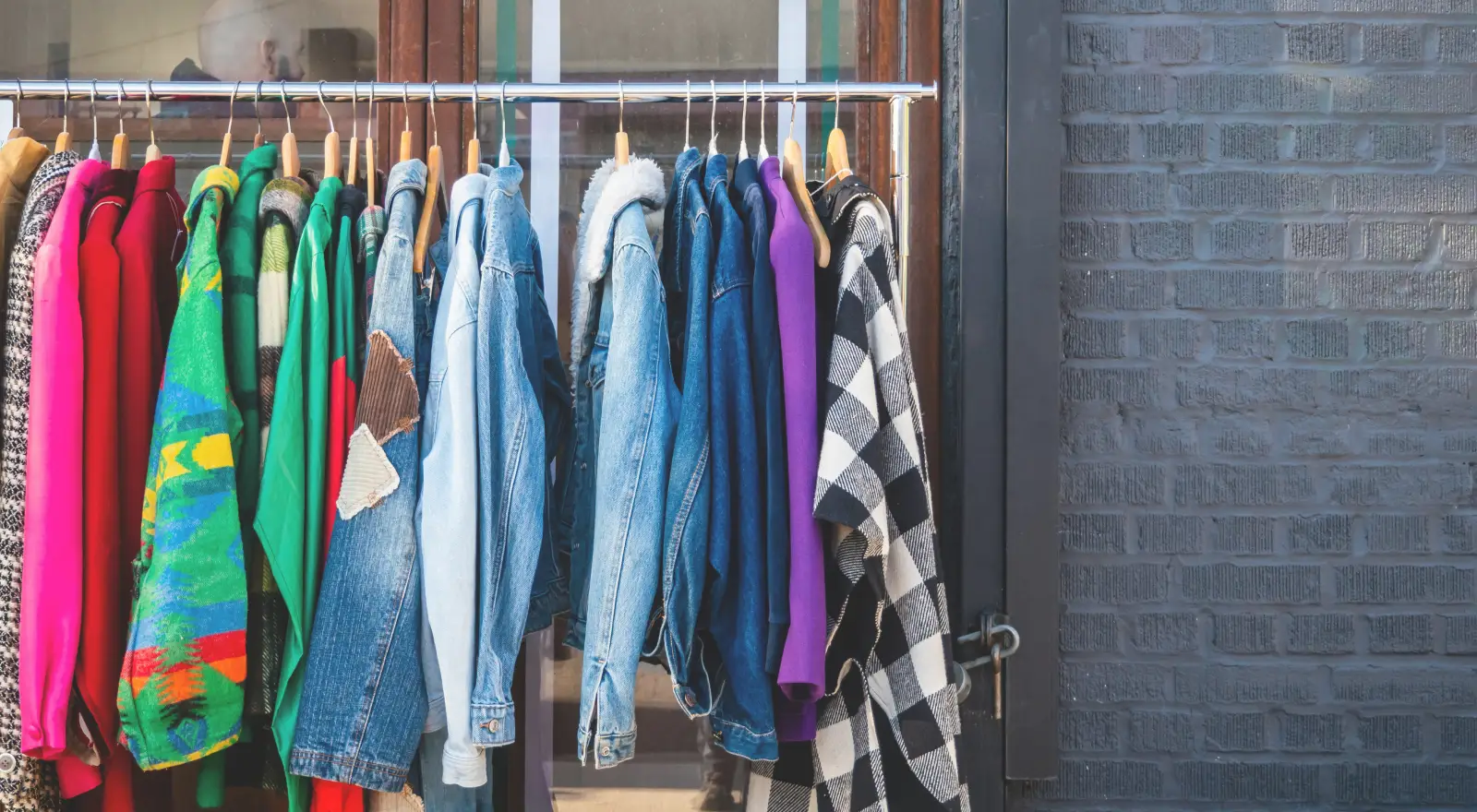
Contemporary fashion borrows heavily from the '90s, 2000s, and '80s. Clark highlights the return of 1990s minimalism with basic tees, cargo pants, and understated style. The "Canadian tuxedo"—denim on denim—has also resurfaced, a trend Clark connects to Bing Crosby's famous Vancouver hotel incident. Mom jeans, once considered frumpy, became a revolutionary choice in the 2010s.
From the '80s, Bryant notes that baggy trousers and oversized clothing are returning, particularly in golf fashion, replacing tighter styles. Animal prints are enjoying renewed prominence as well.
However, some trends remain absent. Clark notes that hypercolor shirts—thermochromic clothing that changed color with heat—were briefly popular but haven't returned as a major trend. Similarly, neon and raver clothing from the early 2000s are unlikely to make a comeback, and patterned shorts known as jams haven't been re-embraced despite being revival candidates.
Environmental Consequences of Fast Fashion
Bryant highlights the troubling environmental impact: 80 billion pieces of clothing are produced annually, a 400% increase from 20 years ago. This microtrend-driven production creates short-lived clothing, and rapid trend cycles render new garments obsolete almost instantly. This model encourages overconsumption and leads to significant environmental consequences from constant production and disposal.
1-Page Summary
Additional Materials
Clarifications
- The measurements "eye-to-neckline," "neckline-to-waist," and "waist-to-hemline" quantify key vertical segments of a garment's silhouette. They help objectively track how clothing shapes change over time, reflecting style trends like skirt length or bodice cut. These distances capture proportions that influence the garment's visual impact and wearer’s appearance. Analyzing them reveals cyclical shifts in fashion design beyond subjective descriptions.
- A "flipbook" visualization mimics the effect of flipping through sequential images quickly to show motion or change over time. In this study, it means arranging clothing images in chronological order and viewing them rapidly to observe evolving fashion details. This method helps reveal cyclical patterns by making gradual style shifts visually apparent. It is a simple way to animate static images to track trends dynamically.
- People seek to fit in to gain social acceptance and avoid rejection, which fulfills a basic human need for belonging. Simultaneously, expressing individuality allows them to showcase personal identity and uniqueness. This tension creates a balance where fashion trends cycle as people adopt styles that are popular yet distinct enough to stand out. Designers leverage this by introducing variations that feel fresh but familiar.
- Designers seek to make their work stand out in a crowded market. When a style becomes very common or "oversaturated," it loses appeal and uniqueness. To maintain interest and attract attention, designers shift away from these popular styles. This creates fresh looks that differentiate their collections from others.
- Microtrends are very short-lived fashion fads that emerge and fade within weeks or months, unlike traditional trends that evolve over years or decades. They often arise from viral social media content and are quickly adopted by fast fashion brands for rapid production. Traditional trends typically require widespread adoption and cultural saturation before cycling back after about 20 years. Microtrends lack this deep cultural embedding, preventing them from triggering long-term revival cycles.
- The "five-stage, 20-year pattern" refers to a traditional model of fashion evolution where styles go through introduction, rise, peak, decline, and obsolescence over about two decades. Each stage reflects how widely a trend is adopted and then gradually replaced. This cycle allows trends to fade before being revived roughly 20 years later. It explains why certain styles reappear after a generational gap.
- "Indie sleaze" is a fashion style inspired by early 2000s indie rock culture. It features grungy, vintage, and slightly messy looks with elements like leather jackets, band tees, and layered accessories. The style embraces a carefree, rebellious attitude and often mixes high and low fashion. It gained renewed popularity through social media and nostalgia for that era.
- The "Canadian tuxedo" refers to an outfit consisting of denim jacket and jeans worn together. Bing Crosby was reportedly denied entry to a Vancouver hotel in 1951 because he wore this all-denim outfit. Levi's later embraced the term humorously after designing a denim tuxedo jacket. This incident popularized the phrase and the style became a cultural fashion reference.
- "Mom jeans" are high-waisted, loose-fitting jeans that were once seen as unfashionable or outdated. Their revival marked a shift toward embracing comfort and retro styles in mainstream fashion. This trend challenged previous norms favoring tight, low-rise jeans, symbolizing a broader acceptance of diverse body types and vintage aesthetics. The comeback also reflects nostalgia and cyclical nature in fashion trends.
- Hypercolor shirts are garments made with thermochromic dyes that change color based on temperature. These dyes contain liquid crystals that react to heat, causing the fabric to shift hues when touched or exposed to warmth. Popular in the early 1990s, they created dynamic, eye-catching effects but faded quickly in fashion. Their novelty was limited by durability and practicality issues.
- Raver clothing refers to the vibrant, eclectic fashion associated with the rave music scene popular in the late 1990s and early 2000s. It often included bright neon colors, loose-fitting garments, and accessories like glow sticks and kandi bracelets. This style reflected the energetic, communal, and psychedelic atmosphere of electronic dance music events. It was both a cultural expression and a practical choice for all-night dancing.
- "Jams" are a style of patterned shorts popular in the late 1980s and early 1990s. They are typically made from lightweight fabric with bold, colorful prints, often featuring tropical or abstract designs. Originally surfwear, jams became a casual fashion staple during that era. Their distinctive look contrasts with more subdued or solid-colored shorts.
- Producing 80 billion clothing items yearly vastly exceeds the global population, indicating multiple garments per person. This scale demands enormous resources like water, energy, and raw materials, intensifying environmental strain. It also generates massive textile waste, as many garments are discarded quickly due to fast fashion trends. The industry's carbon footprint and pollution contribute significantly to climate change and ecosystem damage.
- Fast fashion relies on cheap, synthetic fabrics that shed microplastics during washing, polluting waterways. The rapid disposal of garments leads to massive textile waste in landfills, where many materials do not biodegrade. Production consumes large amounts of water and energy, contributing to resource depletion and greenhouse gas emissions. Chemical dyes and treatments used in manufacturing can contaminate soil and water, harming ecosystems.
Counterarguments
- The 20-year fashion cycle, while supported by the Northwestern study, may not universally apply to all cultures, genders, or subcultures, as the research focused specifically on Western women's fashion.
- Quantifying style changes using only eye-to-neckline, neckline-to-waist, and waist-to-hemline measurements may overlook other significant elements of fashion, such as fabric, color, pattern, and accessories.
- The assertion that designers primarily seek novelty by reverting to 20-year-old styles may understate the role of genuine innovation and cross-cultural influences in fashion design.
- The focus on runway images and commercial sewing patterns may not fully capture everyday fashion worn by the general population, potentially skewing conclusions about widespread trends.
- While fast fashion and social media have accelerated trend cycles, some long-term revivals and enduring styles still persist, suggesting that traditional cycles have not been entirely disrupted.
- The claim that microtrends never reach sufficient saturation for revival may not account for niche communities where certain trends do experience cyclical returns.
- The environmental impact of fast fashion is significant, but some companies and consumers are increasingly adopting sustainable practices, which may mitigate some negative effects.
- The text emphasizes Western fashion trends and may not reflect the diversity and complexity of global fashion cycles and influences.


Get access to the context and additional materials
20-year Fashion Cycle: Evidence From Northwestern University Study
A new study from Northwestern University provides compelling evidence that fashion operates on a 20-year cycle. By analyzing changes in women’s clothing styles from 1869 to the present, researchers have identified clear, data-driven patterns that reinforce prevailing theories about how and why trends return.
Researchers Confirm Fashion Operates On 20-year Cycles
Study of 37,000+ Women's Clothing Images (1869-Present) at Aps Global Physics Summit in Denver
Presented at the American Physical Society Global Physics Summit in Denver, the Northwestern study meticulously analyzed over 37,000 images of women’s fashion, tracing trends from 1869 onward. The team sourced not only runway images spanning multiple generations but also sewing patterns from the Commercial Pattern Archive at the University of Rhode Island, ensuring a robust historical dataset.
Researchers Quantified Measurements of Eye-to-neckline, Neckline-To-waist, and Waist-To-hemline Distances to Track Changes Over Time
The research was distinguished by its scientific rigor. Rather than relying on subjective descriptions, researchers quantified measurements such as the distance from the eye to the neckline, the neckline to the waist, and the waist to the dress’s hemline. These physical data points enabled the team to track changes in fashion with precision, mapping how much necklines plunged or rose and how hemlines shifted over time.
Researchers Visualized Data Like a Flipbook, Observing Necklines and Hemlines Cycle Every 20 Years
To visualize these shifts, the researchers drew each documented clothing item as an individual figure. Viewing them in flipbook form provided a moving illustration of how necklines and hemlines adjusted through the decades. By examining these sequential images, they discovered that necklines and hemlines reliably cycle back and forth on a roughly 20-year schedule.
Psychological and Design Principles Show Consumers Crave Individuality and Acceptance; Designers Abandon Oversaturated Styles
Fashion cycles are driven by a combination of psychological and design principles. As Chuck Bryant points out, consumers have a dual desire: to fit in with current trends and to express their individuality. Designers, on the other hand, tend to lose interest in styles that have become too widespread or mainstream. Once a particular look—like mom jeans in the 2010s—reaches peak saturation, designers seek alternatives to distinguish their new co ...
Here’s what you’ll find in our full summary
20-year Fashion Cycle: Evidence From Northwestern University Study
Additional Materials
Clarifications
- The Commercial Pattern Archive at the University of Rhode Island is a large collection of historical sewing patterns. These patterns provide detailed, standardized templates for making clothing, reflecting popular styles of different eras. Researchers use them to study fashion trends because they offer precise, consistent data on garment shapes and proportions. This helps track changes in fashion design over time beyond just photographs.
- These measurements capture key proportions of a garment's silhouette, reflecting style changes over time. Eye-to-neckline shows how high or low the neckline sits relative to the face, influencing perceived modesty or boldness. Neckline-to-waist and waist-to-hemline track garment length and shape, indicating trends like longer skirts or shorter dresses. Quantifying these distances allows objective comparison of fashion evolution across decades.
- The American Physical Society Global Physics Summit often features interdisciplinary research applying physics methods to diverse fields. Fashion studies can use physics-based data analysis and modeling techniques to quantify patterns and cycles. Presenting at this summit highlights the scientific rigor and novel methodology behind the fashion research. This venue bridges physics with social science and design through quantitative approaches.
- Fashion saturation occurs when a style becomes so common that it loses its appeal and uniqueness. Designers avoid saturated styles to maintain exclusivity and attract consumers seeking fresh looks. This drives them to innovate or revive older trends to stand out in the market. Saturation signals the peak of a trend’s popularity, prompting a shift toward new or recycled designs.
- Humans have a basic social need to belong, which drives the desire to fit in with group norms, including fashion trends. Simultaneously, people seek to express their unique identity to stand out and be recognized as individuals. This creates a tension where consumers adopt popular styles but personalize them to balance acceptance and distinctiveness. Psychologists call this dynamic the "optimal distinctiveness theory."
- "Mom jeans" refer to high-waisted, loose-fitting jeans popularized in the late 1980s and early 1990s. They became widely worn again in the 2010s, reaching peak popularity and market saturation. Saturation means the style was so common that it lost uniqueness and appeal. Designers then moved away from them to create fresh looks.
- Shakespeare’s quote “there’s nothing new under the sun” means that all ideas, including fashion styles, are recycled over time ...
Counterarguments
- The study focuses exclusively on women’s fashion, which may not accurately represent broader fashion cycles across genders or cultures.
- Quantifying only physical measurements (eye-to-neckline, neckline-to-waist, waist-to-hemline) may overlook other significant elements of fashion trends, such as fabric, color, pattern, and accessories.
- The reliance on images and sewing patterns from specific archives could introduce selection bias, potentially omitting influential styles not captured in those sources.
- The 20-year cycle may not account for the impact of major historical events (e.g., wars, economic crises, technological advances) that can abruptly alter fashion trends outside of cyclical patterns.
- The assertion that truly innovative fashion is rare may undervalue the creativity and originality present in subcultures, avant-garde designers, or non-Western fashion movements.
- The study’s findings may not be universally applicable, as fa ...
Get access to the context and additional materials
Social Media, Tiktok, and Fast Fashion Disrupting the Fashion Cycle
Social media platforms like TikTok, paired with fast fashion firms, have dramatically changed the pace and rhythm of the fashion industry, bringing about an era of rapid, fragmented trends that challenge traditional cycles.
Social Media Accelerates Fashion Timelines By Quickly Identifying Trends and Mass-Producing Microtrends
Fast fashion companies, such as H&M, employ staff who scour social media specifically to detect emerging trends. Once a trend is spotted, brands swiftly design and manufacture clothes based on these findings, rapidly bringing them to stores to capitalize on fleeting interest. The rise and fall of "microtrends" now occur in the blink of an eye, making it essential for fast fashion brands to predict and limit production quantities because any given trend is unlikely to remain popular for long.
Microtrends driven by social media seldom gain enough traction or saturation to trigger the traditional 20-year revival pattern long observed in fashion. As Chuck Bryant points out, a TikTok-led microtrend is unlikely to experience a comeback decades later, as its influence never fully matures into a broad, deep-reaching movement. This rapid, fragmented trend environment could render the 20-year fashion cycle obsolete for many contemporary styles.
Fashion Cycles Accelerating as Attention Spans Shorten, Quicker Than the Historical 20-year Pattern
Fashion cycles historically followed a twenty-year product pattern, encompassing five stages: introduction, rise, peak, decline, and obsolescence. However, with the rise of social media, these cycles now contract swiftly, reflecting the pace of internet-driven attention spans. Styles move through their entire life span at a speed nearly matching how quickly audiences lose interest online.
Recent attempts at reviving aesthetics like "indie sleaze" illustrate the new dynamics: the look cycled back less than a decade after it faded, much faster than the conventional pattern. Fashion bloggers argue some of these revivals are essentially inventions of social media monitors who ...
Here’s what you’ll find in our full summary
Social Media, Tiktok, and Fast Fashion Disrupting the Fashion Cycle
Additional Materials
Clarifications
- The 20-year fashion revival cycle is a pattern where styles from two decades prior resurface in popularity. Historically, this cycle allowed trends to mature, fade, and then be nostalgically rediscovered. It reflects cultural shifts and generational changes influencing fashion tastes. This cycle helped maintain a rhythm and continuity in fashion evolution before rapid digital trends emerged.
- Microtrends are very short-lived fashion fads that quickly gain popularity among a small group before fading away. Examples include specific TikTok-inspired clothing items like tiny sunglasses or bucket hats that surge in demand for weeks or months. These trends often arise from viral social media content rather than traditional fashion cycles. They differ from long-lasting trends by their rapid rise and fall, driven by fast-changing online attention.
- "Indie sleaze" is a fashion style popular in the mid-2000s characterized by a grungy, DIY aesthetic with vintage and thrifted clothing. It features elements like skinny jeans, band tees, layered accessories, and a deliberately messy, carefree look. The style's recent revival reflects how social media accelerates trend cycles by quickly bringing back niche aesthetics. This revival is faster and less organic than traditional fashion comebacks, often driven by online content creation rather than widespread cultural shifts.
- Fast fashion companies focus on quickly turning runway or social media trends into affordable clothing. They use efficient supply chains and manufacturing processes to reduce the time from design to store shelves, often within weeks. Their goal is to meet immediate consumer demand for trendy items before interest fades. This rapid production encourages frequent purchasing and disposability of clothing.
- Social media platforms enable users to share and promote new styles instantly to large audiences. Influencers and everyday users create viral content that highlights specific looks or items. Fast fashion brands monitor this content to identify emerging preferences quickly. This real-time feedback loop accelerates trend adoption and production decisions.
- The traditional fashion cycle describes how a style gains and loses popularity over time. Introduction is when a new style appears, often on runways or among influencers. Rise is when the style gains wider acceptance and sales increase. Peak is the height of popularity, followed by decline as interest fades, leading to obsolescence when the style is no longer worn.
- Producing 80 billion clothing pieces annually means the fashion industry creates more garments each year than the entire global population. This massive output strains natural resources, including water and energy, and generates significant textile waste. It also drives overconsumption, encouraging consumers to buy more frequently and discard clothes quickly. The environmental and social impacts are substantial, contributing to pollution and labor exploitation.
- Social media platforms rely on constant new content to keep users enga ...
Counterarguments
- While social media accelerates trend cycles, it also democratizes fashion by giving smaller designers and independent creators a platform to reach wider audiences, potentially fostering more sustainable and diverse fashion ecosystems.
- The rapid turnover of microtrends may encourage consumers to develop more discerning tastes and invest in timeless or personal styles rather than following fleeting trends.
- Fast fashion brands' ability to quickly respond to trends can reduce overproduction by allowing more accurate alignment with current consumer demand, potentially minimizing unsold inventory.
- The blurring of decade-specific aesthetics can be seen as a positive development, allowing for greater creative freedom and the breaking down of rigid fashion norms.
- Not all consumers participate in or are influenced by fast fashion or social media-driven trends; many still value traditional cycles, vintage fashion, or slow fashion movements.
- The claim that microtrends never gain enough traction for revival may overlook the possibility that some internet-driven trends could achieve lasting cultural ...
Get access to the context and additional materials
Specific Fashion Trends Making Comebacks
Fashion repeatedly borrows from its past, bringing back iconic trends from previous decades. Today, a mix of ‘90s, 2000s, and ‘80s aesthetics are surfacing in contemporary style, while some bold looks remain relegated to memory.
'90s & 2000s Aesthetics Dominate Retro Influences in Fashion
1990s Minimalism Returns With Basic Tees, Cargo Pants, and Understated Style
Josh Clark highlights the strong comeback of 1990s minimalism, defined by basic tees, cargo pants, and an overall understated approach to dressing. This revival emphasizes simple cuts and low-effort style, focusing less on flash and more on casual, unfussy coordination.
Canadian Tuxedo's Fashion Return Recalls Bing Crosby's Denim Violation In Vancouver
Denim on denim, or the "Canadian tuxedo," has come back into fashion. Clark connects this trend to an anecdote about Bing Crosby, who inadvertently popularized the look after being turned away from a Vancouver hotel for wearing double denim, despite his celebrity status.
Mom Jeans, Unfashionable for Years, Revived In the 2010s As a Bold, Revolutionary Choice
Mom jeans, once deemed frumpy and outdated throughout the ‘80s and ‘90s, resurfaced in the 2010s as a daring and revolutionary choice. Their resurgence transformed a garment previously seen as unflattering into a trendy, statement-making item for a new generation.
1980s Silhouettes and Styles Return To Contemporary Fashion
Baggy Trousers and Oversized Clothing Return to Golf, Replacing Tighter Styles
Chuck Bryant notes that golf fashion trends, which had leaned toward tighter-fitting pants and shirts, are now embracing the baggy, pleated trousers reminiscent of the ‘80s. Double-pleated Dockers and a generally looser silhouette are returning to both sports and everyday style.
Renewed Prominence of Animal Print Patterns in Fashion
Animal prints, though sometimes perceived as timeless, are also enjoying renewed prominence. While Clark questions if they ever really disappeared, their bold patterns are certainly being revived and celebrated in current fashion cycles.
2000s Aesthetic Trends Defy Predicted Cyclical Comeback
Hypercolor Shirts and Thermochromic Clothing That Changed Color With Heat or Touch Were Briefly Popular and Have Not Returned As a Major Trend
Some trends, like hypercolor shirts from the 199 ...
Here’s what you’ll find in our full summary
Specific Fashion Trends Making Comebacks
Additional Materials
Counterarguments
- While fashion does revisit past trends, many revivals are selective and often reinterpret or modernize the original styles rather than directly replicating them.
- The resurgence of 1990s minimalism may be overstated, as maximalist and eclectic styles also coexist and are popular in contemporary fashion.
- The Canadian tuxedo's return is often limited to certain subcultures or fashion-forward circles and may not reflect widespread mainstream acceptance.
- Mom jeans' popularity is not universal; some critics argue that their fit and style remain polarizing and are not embraced by all demographics.
- The return of baggy trousers and oversized clothing in golf and everyday fashion is not uniform, as slim and tailored fits continue to be widely available and preferred by many.
- Animal prints have maintained a presence in fashion throughout the decades, so their "return" may be more of a cyclical emphasis rather than a true comeback.
- Some thermochromic and color-changing fabr ...
Actionables
- You can create a rotating wardrobe capsule that highlights one revived trend each week, helping you experiment with different decades’ styles and notice which ones feel most authentic or comfortable for you; for example, dedicate one week to minimalist basics, another to oversized silhouettes, and another to animal prints, then reflect on which styles you enjoy most.
- A practical way to track and predict which past trends might return is to keep a simple photo diary of outfits you see in public, on social media, or in stores, then review your collection monthly to spot patterns and anticipate what could be the next big revival, making it easier to shop your ...

Get access to the context and additional materials
Environmental Impact of Fast Fashion Production and Consumption
Exponential Growth in Global Clothing Production Highlights Unsustainable Fast Fashion Impacts
Clothing Production at 80 Billion Pieces Marks a 400% Rise From two Decades ago, Showing Fast Fashion's Growth
Chuck Bryant notes a disturbing statistic: the world now produces about 80 billion pieces of clothing each year, representing a staggering 400% increase from just 20 years ago. This exponential growth reflects the massive expansion of fast fashion.
Microtrend-Driven Production: Fast Fashion's Short-Lived Clothing
The rise of fast fashion is marked by production practices tailored to capitalize on fleeting microtrends. Clothing is designed for rapid turnover, providing consumers with trendy, inexpensive options that quickly fall out of style.
Rapid Trend Cycles Render ...
Here’s what you’ll find in our full summary
Environmental Impact of Fast Fashion Production and Consumption
Additional Materials
Clarifications
- Fast fashion is a retail strategy focused on quickly producing high volumes of trendy clothing at low cost. It relies on cheap materials and labor to keep prices down and speed up production. This model encourages frequent purchases by constantly introducing new styles. It often sacrifices quality and sustainability for speed and affordability.
- Microtrends are very short-lived fashion trends that quickly gain popularity but fade just as fast. They influence clothing production by prompting brands to create new styles rapidly to meet immediate demand. This leads to frequent releases of small, trend-specific collections rather than long-lasting designs. The goal is to keep consumers buying constantly to stay "in style."
- Rapid trend cycles refer to the very short time periods in which fashion styles become popular and then quickly fall out of favor. This happens because brands constantly release new designs to keep consumers buying more frequently. Social media and celebrity influence accelerate these cycles by quickly spreading new trends. As a result, clothing items are worn fewer times before being discarded.
- Rapid turnover means clothes quickly go out of style, prompting consumers to buy new items frequently. This creates a cycle where people purchase more clothes than they need. Retailers also encourage frequent buying through constant new releases and low prices. Consequently, consumers accumulate excess clothing, driving overconsumption.
- Producing large volumes of clothing consumes vast amounts of water, energy, and raw materials, contributing to pollution and resource depletion. Textile manufacturing releases harmful chemicals and greenhouse gases, worsening climate change. Disposing of clothes in landfills leads to waste accumulation and toxic leachate that harms soil and water. Additionally, synthetic fiber ...
Counterarguments
- Fast fashion provides affordable clothing options, making fashion accessible to a wider range of consumers who may not otherwise be able to participate in current trends.
- The fast fashion industry creates millions of jobs worldwide, particularly in developing countries, contributing to economic growth and poverty reduction.
- Some fast fashion companies are beginning to implement more sustainable practices, such as using recycled materials or offering garment recycling programs.
- Not all consumers dispose of fast fashion items quickly; many people donate, repurpose, ...

Get access to the context and additional materials


Create Summaries for anything on the web
Download the Shortform Chrome extension for your browser
