

What's the deal with Swiss neutrality?
In this episode of Stuff You Should Know, the hosts explore how Switzerland transformed from a formidable medieval military power into the neutral nation recognized today. The discussion traces Switzerland's journey from its 1291 founding through key moments like the devastating 1515 Battle of Marignano, religious divisions during the Reformation, and formal recognition of neutrality at the Congress of Vienna in 1815.
The episode examines how Switzerland practices neutrality in modern times, covering its military defense strategy, role in international arbitration and humanitarian work, and controversial banking history involving Nazi gold and Holocaust victim assets. The hosts also address Switzerland's carefully calculated relationships with international organizations like the UN, EU, and NATO, explaining how the country balances global engagement with preserving its neutral status and national identity.


This is a preview of the Shortform summary of the Jul 23, 2026 episode of the Stuff You Should Know
Sign up for Shortform to access the whole episode summary along with additional materials like counterarguments and context.
1-Page Summary
Swiss Neutrality: Evolution From Medieval Times to 1815 Recognition
Switzerland's modern neutrality stands in stark contrast to its origins as a military confederation. The Swiss Confederation began in 1291 when three Alpine cantons united to maintain independence and control mountain passes. During the Middle Ages, the Swiss developed a formidable military reputation, with Niccolò Machiavelli comparing them to the Romans. However, their decisive defeat at the Battle of Marignano in 1515 forced a strategic reconsideration, as Switzerland lost 10,000 troops—half their entire force.
The 16th-century Protestant Reformation deepened religious divisions within Switzerland, with cantons split between Catholicism and Protestantism. Since the Confederation lacked a central government strong enough to compel joint action, this internal diversity made united participation in European religious wars impossible, leading Switzerland to repeatedly adopt neutrality as official policy. The 1516 treaty with France provided market access and set the foundation for neutrality as both a political and economic strategy.
Swiss independence and neutrality were formally recognized at the 1648 Peace of Westphalia, when Johann Rudolf Wichstein successfully argued that Switzerland should be independent from the Holy Roman Empire. The international recognition of Swiss neutrality was ultimately enshrined at the 1814 Congress of Vienna, where diplomat Charles Pictet de Rochamont secured its status, culminating in Switzerland's transformation into a federal state in 1848.
Swiss Army's Role in Military Defense and Neutrality
Switzerland maintains robust armed forces strictly for national defense despite its neutral status. The Swiss military traces its formal origins to 1646, when the threat of Swedish invasion during the Thirty Years' War prompted the establishment of a defensive army with each canton supplying a quota of troops. The Hague Convention of 1907 codified Switzerland's neutrality, establishing that neutral countries cannot participate in wars, support warring nations, or allow their territories to be used as military bases.
During World War II, when Germany occupied France, Switzerland deployed approximately 400,000 troops in the Alps to deter Nazi invasion—a show of force that successfully communicated their determination to remain neutral while fiercely resisting any invasion. Today, Switzerland's military consists of about 150,000 active and reserve troops. Men aged 18 to 34 must serve, though conscientious objectors can choose civilian service, while women may volunteer. The Swiss army knife, introduced in the 1880s, reflects Switzerland's military heritage and reputation for reliable defense.
Switzerland's Neutrality: Role in Arbitration, Mediation, and Humanitarian Work
Switzerland transformed its neutrality from passive avoidance to active international engagement through arbitration, mediation, and humanitarian leadership. Geneva became an arbitration center in 1872 when it hosted negotiations to resolve the Alabama Claims dispute between the United States and Great Britain, establishing Switzerland as a neutral venue for international conflicts. Switzerland formalized its role by adding "good offices" to its constitution, offering neutral venues and mediation services for international negotiations.
Switzerland's intermediary role extends to representing countries that refuse direct communication, such as serving as diplomatic representative between Iran and Canada. Henry Dunant founded the humanitarian movement after witnessing the 1859 Battle of Solferino, where tens of thousands died or were wounded. His advocacy led to the creation of the Red Cross and the first Geneva Convention in 1864, establishing principles of humane wartime conduct. Despite his revolutionary work leading to personal bankruptcy, Dunant was rediscovered and awarded the first Nobel Peace Prize in 1901.
Banking Controversies: Secret Banking, Nazi Gold Laundering, Holocaust Victim Deposits
The Federal Banking Act of 1934 established Switzerland's framework for secret bank accounts, creating legendary privacy protections that attracted both legitimate depositors and those seeking to evade taxes or hide illicit wealth. During World War II, the Swiss National Bank purchased approximately $440 million in gold from Nazi Germany, effectively laundering gold looted from occupied countries and Holocaust victims. Switzerland then sold this gold to countries like Spain and Portugal, compounding its complicity.
When Holocaust survivors sought access to pre-war Swiss deposits, they were frequently denied because Switzerland required Nazi-issued death certificates as proof—documents that were often impossible to provide. In 1946, Switzerland promised to transfer unclaimed Holocaust victim assets to Jewish reconstruction organizations but largely failed to fulfill this pledge. Mounting international pressure culminated in a 1998 settlement where Switzerland paid $1.25 billion to resolve accusations. By the 1990s, scandals revealing how Swiss secret accounts served dictators, terrorists, and criminals led Switzerland to finally end its tradition of secret banking.
Switzerland's Stance on UN, EU, and NATO Membership in Modern Relations
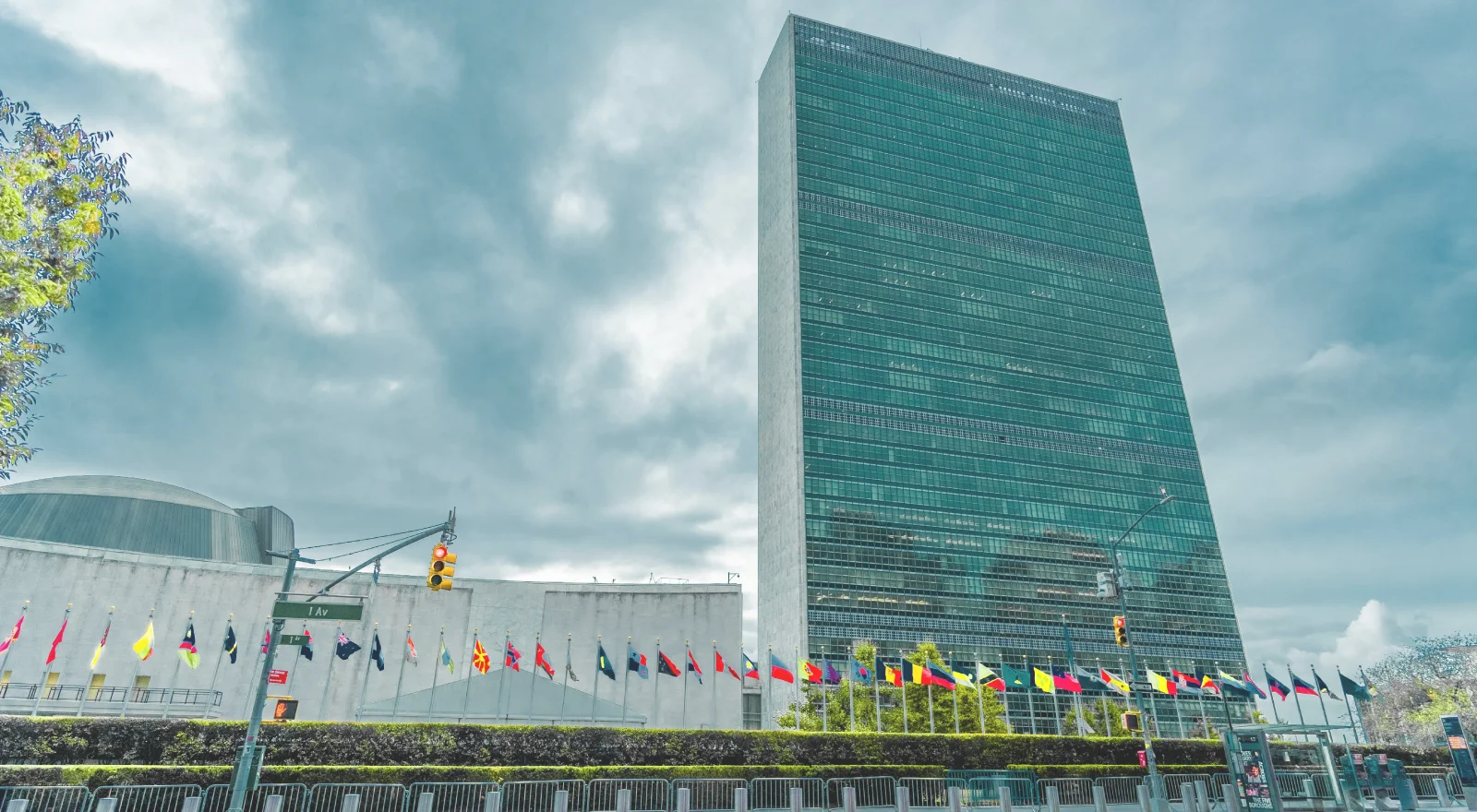
Switzerland debated for decades whether joining international organizations would compromise its neutrality. The country ultimately joined the UN in 2002 after careful national discussion, though the 1992 referendum showed deep division with only 54.6% approval and support from 12 of 23 cantons. In 2023, Switzerland took on a non-permanent seat in the UN Security Council, balancing peacekeeping with its mediation and humanitarian role.
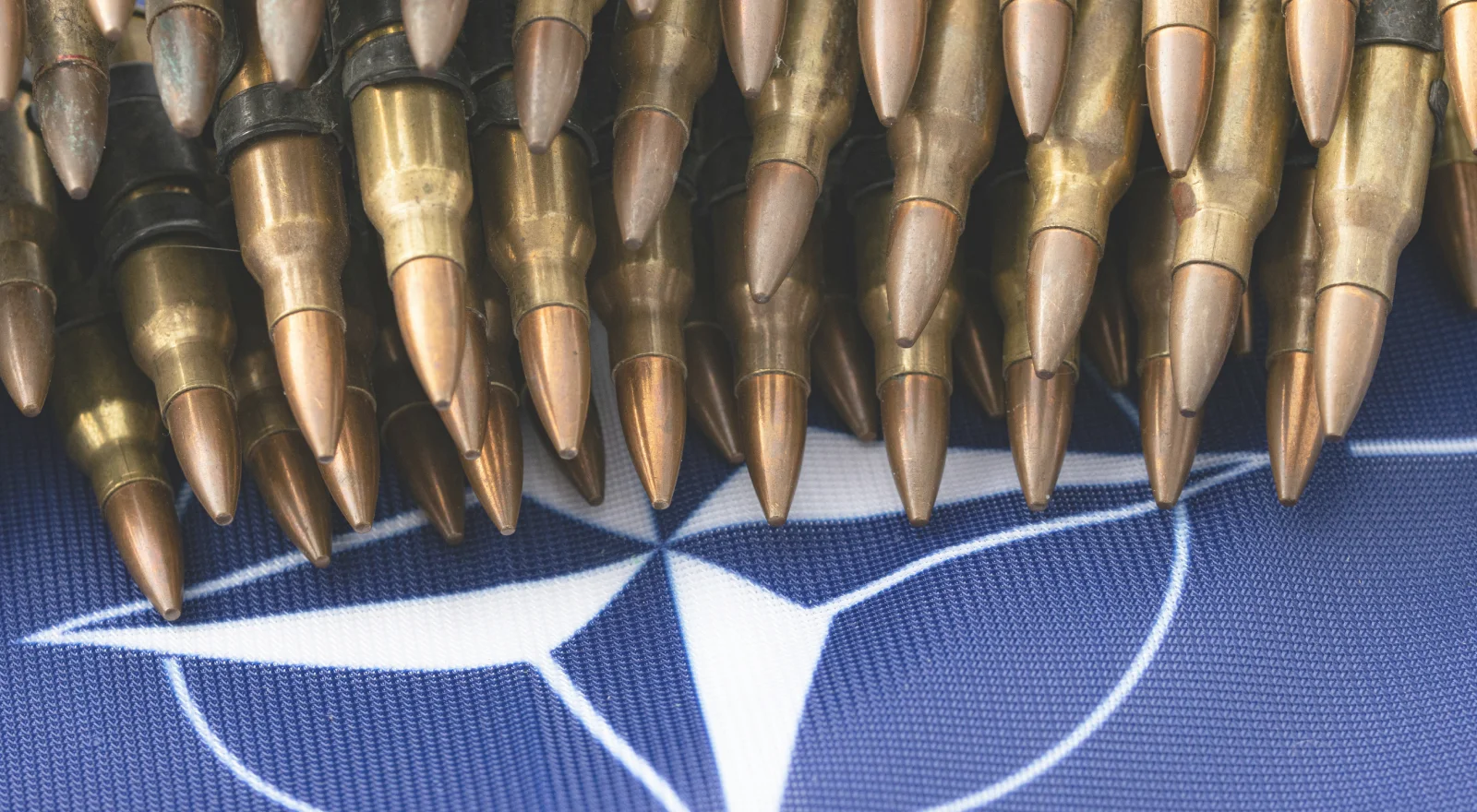
Switzerland has consistently rejected EU membership to avoid becoming a net financial contributor and losing bilateral trade agreements. EU membership would also transfer canton authority to EU governance, conflicting with Swiss autonomy and direct democracy. Another concern is the EU's freedom of movement policy, which Swiss authorities fear would flood their labor market and drive down wages. Switzerland also rejects NATO membership to maintain neutrality, as the military alliance would contradict its longstanding non-involvement in military commitments. The country's global reputation as a neutral state remains a carefully cultivated brand that distinguishes Switzerland internationally.
1-Page Summary
Additional Materials
Counterarguments
- Switzerland’s neutrality has at times been more pragmatic than principled, with economic interests—such as trade with France or banking secrecy—often taking precedence over moral considerations.
- The Swiss military’s deterrent effect during World War II is debated; some historians argue that Switzerland’s geographic advantages and Nazi Germany’s strategic priorities, rather than Swiss military preparedness, were the main reasons for avoiding invasion.
- Switzerland’s claim to neutrality was undermined during World War II by its economic cooperation with Nazi Germany, including the purchase and laundering of looted gold.
- The tradition of Swiss banking secrecy, while legal under Swiss law, facilitated tax evasion, money laundering, and the concealment of assets by criminals and dictators, raising ethical concerns about Switzerland’s role in the global financial system.
- Switzerland’s refusal to join the EU and NATO, while preserving neutrality, has also limited its influence in European political and security matters.
- The requirement for Holocaust survivors to provide Nazi-issued death certificates to access Swiss bank accounts has been widely criticized as insensitive and bureaucratic, effectively denying justice to many victims.
- Switzerland’s humanitarian leadership, while significant, does not erase its controversial actions during periods such as World War II.
- The Swiss model of neutrality and direct democracy is not easily replicable in larger or more diverse countries, limiting its broader applicability as a political example.
Actionables
- you can practice personal neutrality in everyday conflicts by offering to mediate disagreements among friends or family without taking sides, focusing on helping both parties find common ground rather than pushing your own opinion.
- a practical way to strengthen your independence and resilience is to set up a personal emergency plan, such as learning basic self-defense, keeping essential supplies at home, and regularly reviewing your financial privacy and security measures.
- you can create a habit of offering your time as a neutral third party for others who need a safe space to talk through sensitive issues, such as by letting colleagues or acquaintances know you’re available to listen confidentially and without judgment.


Get access to the context and additional materials
Swiss Neutrality: Evolution From Medieval Times to 1815 Recognition
Switzerland's Transformation: From Military Confederation to Neutral State
Medieval Swiss Confederation: Formed In 1291 by Three Alpine Cantons to Maintain Independence and Control Mountain Passes
The modern concept of Swiss neutrality stands in stark contrast to Switzerland’s origins. The Swiss Confederation began in 1291 when three Alpine cantons united to maintain their independence and secure control over key mountain passes. This pact laid the foundation for what would grow into the Old Swiss Confederation as other cantons gradually joined, forming a strategic alliance to resist domination by more powerful neighbors.
Swiss Military Strength Led To a Formidable Reputation, but Their 1515 Defeat at Marignano Prompted Strategic Reconsideration
During the Middle Ages and well into the early modern era, the Swiss developed a formidable reputation for military prowess. They became known for their warlike tendencies and excellent fighting skills, drawing comparisons to the Romans by Niccolò Machiavelli and taking part in several major European conflicts. However, Switzerland's defeat at the Battle of Marignano in 1515 by the French and Venetians marked a decisive turning point. The loss of 10,000 Swiss—half their entire force—forced a reevaluation of their military strategies. Feeling increasingly small and vulnerable next to rising European powers like France, Spain, and the Holy Roman Empire, the Swiss began exploring neutrality as a preferable path.
Religious Divisions From the Protestant Reformation Prevented Switzerland's Participation in European Religious Wars, as Cantons With Different Faiths Couldn't Be Compelled by a Central Authority to Fight
The 16th-century Protestant Reformation deepened religious divisions inside Switzerland. Cantons split between Catholicism and Protestantism, yet the Confederation remained a loose alliance with no central government strong enough to compel joint action. This internal diversity made united participation in European religious wars impossible and repeatedly led the Swiss to adopt neutrality as official policy, a move essential to retaining the unity and independence of the confederation.
1516 Treaty With France Granted Swiss Market Access and Set Neutrality Foundation
In the wake of military setbacks, Switzerland signed a peace treaty with France in 1516. This treaty not only ended hostilities but also provided the Swiss with coveted access to French markets, an immediate practical benefit. With commercial advantages secured and few incentives to become entangled in foreign wars, neutrality solidified as both a political ...
Here’s what you’ll find in our full summary
Swiss Neutrality: Evolution From Medieval Times to 1815 Recognition
Additional Materials
Counterarguments
- The portrayal of Swiss neutrality as a direct and inevitable outcome of military defeat and religious division may oversimplify a complex process influenced by broader European diplomatic trends and economic interests.
- The emphasis on the 1515 Battle of Marignano as the sole turning point for Swiss neutrality overlooks the continued Swiss involvement in foreign military service (as mercenaries) for centuries afterward.
- The narrative suggests a smooth evolution toward neutrality, but internal conflicts and civil wars (such as the Sonderbund War in 1847) indicate that Swiss unity and neutrality were not always uncontested or universally accepted.
- The recognition of Swiss neutrality at the Congress of Vienna in 1814 was also motivated by the interests of major European powers seeking a buffer state, not solely by Swiss diplomatic efforts.
- The text credits individual diplomats (e.g., Johann Rudolf Wichstein, Charles Pictet de Rochamont) with securing Swiss neutrality, but these outcomes were also shaped by the broader geopolitical context and the de ...
Actionables
- you can create a personal decision-making rule to pause and assess neutrality before taking sides in conflicts at work or in your social circle, helping you maintain relationships and independence; for example, when friends or colleagues argue, consciously choose to listen to both sides and avoid immediate alignment, focusing instead on facilitating understanding or offering support without judgment.
- a practical way to strengthen your sense of unity in diverse groups is to set up regular, informal check-ins with people from different backgrounds or beliefs in your life, aiming to find shared interests or goals rather than focusing on differences; for instance, invite acquaintances with differing views for coffee and steer the conversation toward common hobbies or mutual aspirations.
- you can use historical turning points as prompts for personal re ...


Get access to the context and additional materials
Swiss Army's Role in Military Defense and Neutrality
Switzerland Maintains Military Forces While Strictly Neutral
Switzerland has long been recognized for its stance of neutrality in international conflicts, but this status does not mean the absence of a military. In fact, the Swiss maintain robust armed forces strictly for national defense.
Swiss Military Structure Established In 1646 For Defense During Thirty Years' War
The Swiss military traces its formal origins to 1646, a time when the Swedes posed a threat during the Thirty Years' War. To avoid being unprepared, the Swiss established an army, ensuring that each canton supplied a quota of troops. This defensive military framework laid the groundwork for the system that exists today, where cantons still fulfill specific quotas and maintain their own civilian defense forces.
Hague Convention 1907 Set Rules For Neutrality In Wars
Switzerland’s long-standing neutrality was codified and reinforced internationally with the Hague Convention of 1907. This established formal rules for neutral countries: they cannot participate directly in wars, cannot support warring nations with weapons or money, and cannot allow their territories to be used as military bases or for stationing foreign troops. Switzerland adheres strictly to these regulations, maintaining true neutrality in international affairs.
400,000 Swiss Troops in Alps Deterred Nazi Invasion During WWII
When Germany occupied France during World War II, Switzerland, surrounded by Axis powers, faced an existential threat. In response, the Swiss government amassed an army of approximately 400,000 troops deployed in the Alps, making clear their intention to remain neutral but also communicating a strong deterrent: any invasion would be fiercely resisted. This show of force and clear stance on neutrality successfully deterred Nazi Germany from invading Swiss territory.
Switzerland Has 150,000 Active/Reserve Troops; Men 18-34 Must Serve, Conscientious Objectors Can Choose Civilian Service, Women May Volunteer
Switzerland’s military ...
Here’s what you’ll find in our full summary
Swiss Army's Role in Military Defense and Neutrality
Additional Materials
Counterarguments
- Switzerland's strict adherence to neutrality has been questioned at times, such as during World War II when Swiss banks held assets for Nazi Germany and allowed the transport of goods across its territory, raising debates about the limits and interpretation of neutrality.
- The effectiveness of Switzerland's military deterrence during WWII is debated by some historians, who argue that geographic factors and Nazi Germany's strategic priorities may have played a larger role in the decision not to invade than the size of the Swiss army.
- The mandatory military service for men, with voluntary service for women, has been criticized as gender-inequitable by some Swiss citizens and international observers.
- The continued reliance on a large reserve force and conscription system has been ...
Actionables
- you can create a personal emergency readiness checklist inspired by Switzerland’s defense mindset to ensure you’re prepared for unexpected situations at home, such as power outages or natural disasters, by listing essential supplies, communication plans, and basic self-defense knowledge.
- a practical way to experience the value of neutrality is to practice non-interference in conflicts among friends or colleagues, focusing on mediation and support without taking sides, which helps build trust and demonstrates impartiality.
- you can set up a rotating respons ...

Get access to the context and additional materials
Switzerland's Neutrality: Role in Arbitration, Mediation, and Humanitarian Work
Switzerland is widely recognized as the quintessential neutral country—not only for its refusal to join military alliances, but also for transforming neutrality into a proactive and globally beneficial enterprise. Rather than simply refusing involvement in foreign disputes, Switzerland actively invites conflicting parties to resolve their differences on Swiss soil and to benefit from its neutral mediation and humanitarian offerings.
Switzerland Shifted From Neutrality To Active Negotiation, Mediation, and Humanitarian Leadership
Geneva Became an Arbitration Center in 1872 For Resolving the Alabama Claims Dispute, Establishing Switzerland As a Neutral Venue for International Conflicts
Switzerland’s reputation as a hub for arbitration originated in the mid-19th century, a period when Swiss cities like Geneva and Basel formalized their mediation services and invited international disputes to be resolved within their borders. This role was solidified in 1872, when negotiators from the United States and Great Britain convened in Geneva to settle the Alabama Claims. This dispute arose from damages inflicted by British-built Confederate ships, including the Alabama, during the American Civil War. The outcome obligated Britain to pay reparations, establishing Geneva as a preferred destination for countries seeking a neutral, fair environment for arbitration. This event laid the foundation for Switzerland’s ongoing role as the “people’s court” for international conflicts.
Switzerland Adds "Good Offices" to Constitution for International Mediation
Building on this legacy, Switzerland literally wrote the rulebook on arbitration and embedded the concept of "good offices" into its federal constitution. Swiss "good offices" encompass providing neutral venues, mediation, and other facilitative services to ease international negotiations. By formalizing these services constitutionally, Switzerland offers a stable and trusted place for countries to meet and resolve their differences in an impartial setting—a core strategy for maintaining its neutrality and international diplomatic value.
Switzerland Diplomatically Represents Countries Like Iran When Direct Communication Fails
Switzerland’s role as an intermediary extends further when diplomatic ties completely break down. For instance, Switzerland has served as the diplomatic representative for countries like Iran and Canada that refuse direct communication. When nations cut off direct interaction, Switzerland steps in to relay messages, mediate disputes, and represent one nation to the other, often ensuring critical diplomatic or consular work continues despite underlying hostility. This “deputy diplomat” function is a unique—and essential—consequence of Switzerland’s reputation for trusted neutrality.
Henry Dunant Founded Red Cross After 1859 Battle of Solferino
Switzerland’s contribution to humanitarianism is equally significant, particularly through the actions of Geneva businessman Henry Dunant. In 1859, after witnessing the devastating aftermath of the Battle of Solferino in northern Italy—with tens of thousands dead or wounded—Dunant personally aided victims and advocated for both sides to allow medical assistance regardless of nationa ...
Here’s what you’ll find in our full summary
Switzerland's Neutrality: Role in Arbitration, Mediation, and Humanitarian Work
Additional Materials
Counterarguments
- Switzerland’s neutrality has sometimes been criticized as self-serving, allowing the country to avoid difficult political or military commitments while benefiting economically from its stable reputation.
- Critics argue that Switzerland’s neutrality during major conflicts, such as World War II, included controversial actions like accepting assets from Nazi Germany and not doing enough to oppose atrocities.
- The effectiveness of Switzerland’s mediation and “good offices” can be limited if major powers or conflicting parties perceive Swiss neutrality as favoring Western interests due to Switzerland’s economic and cultural ties.
- Some humanitarian organizations have questioned whether Switzerland’s close association with international institutions and diplomacy might compromise the perceived independence of its humanitarian efforts.
- While Switz ...
Actionables
- you can offer to mediate everyday disputes among friends, family, or colleagues by creating a neutral, comfortable space for open conversation, focusing on listening and helping both sides feel heard without taking sides—think of inviting two friends with a disagreement to talk things out over coffee at your place, with you guiding the discussion to keep it respectful and productive.
- a practical way to support humanitarian values is to keep a small emergency care kit (bandages, water, snacks, basic first aid) in your bag or car and offer help to anyone you see in need, regardless of their background or situation—this could mean giving a bottle of water to someone who looks unwell on public transport or offering a bandage to a stranger with a minor injury.
- you can act as a ...
Get access to the context and additional materials
Banking Controversies: Secret Banking, Nazi Gold Laundering, Holocaust Victim Deposits
Switzerland's Financial Reputation: Built On Secrecy, Marred by Money Laundering and Holocaust Assets
The Federal Banking Act of 1934 established Switzerland’s framework for secret bank accounts, giving individuals, dictators, money launderers, and various others the ability to deposit funds anonymously under legendary privacy protections. For much of the twentieth century, Swiss banks were synonymous with stability, secrecy, and reliable business practices. This reputation drew not only legitimate depositors but also those wishing to evade taxes, launder money, or hide wealth for illicit or personal reasons—ranging from political leaders to celebrities and even drug dealers and terrorists.
A darker chapter in Switzerland’s banking history centers on World War II. The Swiss National Bank purchased approximately $440 million in gold from Nazi Germany, effectively laundering gold that had been looted from occupied countries and Holocaust victims, including gold dental fillings extracted from concentration camp prisoners. Switzerland fenced Nazi gold by turning around and selling it to countries like Spain and Portugal, thereby paying the Nazi regime and compounding its complicity in the plunder.
When Holocaust survivors and their heirs sought access to pre-war Swiss bank deposits and valuables, they were frequently denied. Switzerland required Nazi-issued death certificates as proof, which were often impossible to provide, especially for those murdered in concentration camps where documentation was deliberately destroyed or never issued. Even when heirs could present documentation, the lack of death certificates led banks to withhold access to hundreds of millions in legitimate deposits and sa ...
Here’s what you’ll find in our full summary
Banking Controversies: Secret Banking, Nazi Gold Laundering, Holocaust Victim Deposits
Additional Materials
Counterarguments
- Swiss banking secrecy was originally established to protect individuals from political persecution, particularly in the context of rising authoritarian regimes in Europe during the early 20th century.
- Not all Swiss banks or bankers were complicit in unethical practices; many adhered to legal and ethical standards, and some actively resisted Nazi demands during World War II.
- Switzerland was a neutral country during World War II, and its economic interactions—including gold transactions—were partly influenced by the need to maintain neutrality and ensure national survival amidst pressure from both Allied and Axis powers.
- The 1998 settlement and subsequent reforms indicate that Switzerland has taken steps to address past wrongs and improve transparency in its banking ...
Actionables
- you can review your own financial accounts and records to ensure that your assets are accessible to your heirs and that you’ve left clear, practical instructions for them, reducing the risk of bureaucratic barriers or lost funds
- Make a simple list of your accounts, safe deposit boxes, and important documents, and store it securely with your will or estate plan. Update it regularly and let a trusted person know where to find it.
- a practical way to strengthen your ethical decision-making is to set a personal policy for vetting organizations or institutions you do business with, prioritizing transparency and accountability
- Before opening a new account or making a significant transaction, check for public reports on the institution’s history, ethical controversies, and how they handle customer rights and complaints.
- you can create a personal timeline or journal t ...

Get access to the context and additional materials
Switzerland's Stance on Un, Eu, and Nato Membership in Modern Relations
Switzerland Considered Joining Major International Organizations: Joined Un, Rejected Eu and Nato to Maintain Neutrality and Independence
Switzerland Joined the Un In 2002 After Debating Whether Membership Would Compromise Neutrality
Switzerland debated for decades whether joining the United Nations would compromise its long-standing policy of neutrality. The country was concerned about associating with an organization that sometimes deploys armed peacekeeping troops, as this could challenge Switzerland’s neutral image. Despite these concerns, Switzerland ultimately joined the UN in 2002, after careful national discussion about maintaining neutrality even within the organization. Advocates for joining argued that Switzerland could focus its role within the UN on mediation and humanitarian aid to uphold its unique position.
1992 Un Membership Referendum: Narrow 54.6% Approval, 12 of 23 Cantons Support, Reflecting Deep Division
Switzerland’s decision to join the UN came after a national referendum, with the issue proving divisive. In the 1992 vote, 54.6% approved membership, while 12 out of 23 cantons supported joining. The close result underscored how deeply the membership debate split the population and the cantons, reflecting a significant hesitancy to jeopardize the country’s neutral tradition.
Switzerland Joined Un Security Council In 2023, Balancing Peacekeeping With Mediation and Humanitarian Role
In 2023, Switzerland took on a non-permanent seat in the UN Security Council, a move that further tested its balancing act between contributing to international peacekeeping and maintaining its role as a mediator and humanitarian actor. Even this step was contentious within Switzerland, showing that debates over involvement in global organizations continue to provoke divided opinions.
Switzerland Rejected Eu Membership to Avoid Being a Net Financial Contributor and Losing Bilateral Trade Agreements With European Nations
Switzerland has consistently rejected membership in the European Union, choosing instead to negotiate bilateral treaties that grant access to European markets without being subject to EU governance. One major reason is financial: as a wealthy nation with already lucrative agreements, Switzerland would become a net contributor to the EU budget, paying more into the union than it would receive in benefits. This businesslike approach makes EU membership unattractive.
Eu Membership Would Transfer Swiss Canton Authority To Eu Governance, Conflicting With Swiss Autonomy and Self-Determination
A core tenet of Swiss governance is direct democracy, with significant autonomy residing in the cantons. EU membership would require transferring some of this authority to Brussels, reducing local self-determination and ending the longstanding Swiss practice of referendums and direct decision-making on national issues. Swiss citizens and leaders are unwilling to give up this level of internal control.
Eu Freedom of Movement Threatens Swiss Immigration and Wage Protections
Another significant concer ...
Here’s what you’ll find in our full summary
Switzerland's Stance on Un, Eu, and Nato Membership in Modern Relations
Additional Materials
Counterarguments
- Switzerland’s participation in the UN Security Council and other international bodies demonstrates that neutrality can be compatible with active engagement in global governance, suggesting that fears of compromised neutrality may be overstated.
- Many neutral countries, such as Austria, are EU members and have maintained significant autonomy and neutrality, indicating that EU membership does not necessarily erase national identity or self-determination.
- Bilateral agreements with the EU require Switzerland to adopt many EU regulations without having a formal say in their creation, which some argue results in less sovereignty than full membership.
- The economic benefits of EU membership, such as greater market access and influence over regulations, could potentially outweigh the costs of being a net financial contributor.
- The EU’s freedom of movement has been shown in some contexts to boost economic growth and address labor shortages, which could benefit Switzerland’s economy.
- Strict immigration controls may limit Switzerland’s ability to at ...
Actionables
- you can create a personal decision-making checklist that helps you weigh the pros and cons of joining new groups, clubs, or organizations, focusing on how participation might affect your independence, values, or unique strengths—just as Switzerland evaluates international commitments.
- a practical way to protect your autonomy in collaborative projects is to set clear boundaries about which decisions you want to make yourself and which you’re comfortable delegating, mirroring how Switzerland preserves local self-determination while engaging internati ...
Get access to the context and additional materials

 1-Page Summary
- Swiss Neutrality: Evolution From Medieval Times to 1815 Recognition
- Swiss Army's Role in Military Defense and Neutrality
- Switzerland's Neutrality: Role in Arbitration, Mediation, and Humanitarian Work
- Banking Controversies: Secret Banking, Nazi Gold Laundering, Holocaust Victim Deposits
- Switzerland's Stance on Un, Eu, and Nato Membership in Modern Relations
Create Summaries for anything on the web
Download the Shortform Chrome extension for your browser
