

Selects: How Fever Dreams Work
In this Stuff You Should Know episode, Chuck Bryant and Josh Clark explore the science behind fever dreams—nightmares that are more vivid, frightening, and disturbing than typical dreams. The hosts break down how fevers work, explaining the body's temperature regulation system and how the immune response raises body temperature to fight infection. They also cover the neuroscience of dreams, including how the brain processes emotions during REM sleep and why nightmares occur when emotional processing becomes overwhelmed.
The episode connects these two phenomena to explain why fever dreams are so intense. During fever, the brain's emotional centers can go into overdrive while temperature regulation shuts down during REM sleep, leading to frequent awakenings during nightmares. This makes fever dreams particularly memorable and disturbing. Despite our understanding of fevers and dreams separately, the intersection of these two remains largely unexplored by formal research.


This is a preview of the Shortform summary of the Apr 25, 2026 episode of the Stuff You Should Know
Sign up for Shortform to access the whole episode summary along with additional materials like counterarguments and context.
1-Page Summary
How Fevers Work (Temperature Regulation, Pyrogens, Hypothalamus)
Normal Body Temperature Variations
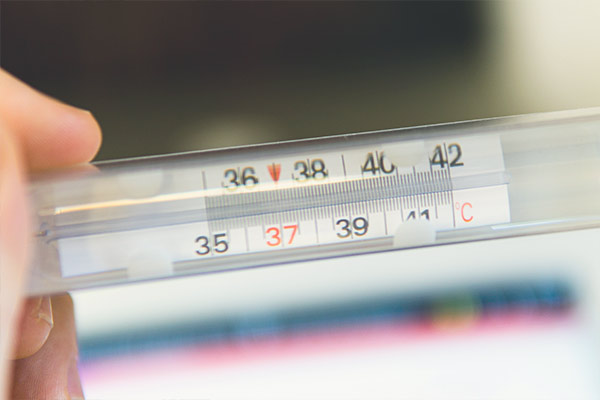
The standard 98.6°F body temperature was established by German physician Karl Reinhold August von der Lick in 1868, though a 1992 study found the actual average closer to 98.2°F. Body temperature naturally varies by age, time of day, and measurement method, typically fluctuating about a degree Fahrenheit daily. It peaks in late afternoon during alertness and drops before waking, promoting drowsiness. The hypothalamus regulates these changes using heat- and cold-sensing neurons in response to circadian rhythms.
The Immune System's Fever Response Mechanism
When pathogens invade, the immune system produces pyrogens—biochemical markers that travel to the hypothalamus. These pyrogens trick the hypothalamus into perceiving the body as colder than it is, prompting it to raise the body's temperature set point. This fever makes the internal environment less hospitable for bacterial growth, essentially attempting to "bake" the invaders. When the immune system defeats the infection, the fever "breaks," signaling recovery.
Dangers of Elevated Body Temperature
Fevers activate the sympathetic nervous system, diverting resources from digestion—the origin of "starve a fever, feed a cold." Sustained high fevers strain organs and cells, risking cellular damage. Adults with fevers above 105°F need medical attention, while children are more vulnerable and should not reach such temperatures. Persistent or very high fevers in young children or infants require prompt healthcare consultation.
Science of Dreams (Theories, Emotional Processing, Rem Sleep)
Evolution of Scientific Understanding of Dreams
Early theories like the activation synthesis hypothesis suggested dreams were random neural firing, but Chuck Bryant and Josh Clark note that modern research has disproven this view. Threat simulation theory later proposed that dreams serve as survival training, rehearsing responses to danger. Most recently, affect regulation theory—supported by EEG and MRI studies from Italian researchers—holds that dreams help the brain process emotions and form emotional memories. Participants woken during different sleep phases show neural signatures linked to emotional processing.
The Neurobiology of Dream Formation and Emotional Processing
EEG scans show the best dream recall is associated with theta waves in the frontal lobes. During REM sleep, the most active brain regions are those involved with emotion and memory: the amygdala, hippocampus, and lingual gyrus. The amygdala's abnormal activity is frequently implicated in nightmares, suggesting overstimulation or emotional regulation failure. Additionally, during REM sleep, the hypothalamus halts temperature regulation, causing body temperature to drop to its lowest point before waking.
How Nightmares Fit Within Dream Function Theory
Affect regulation theory also explains nightmares as occurring when intense emotions overwhelm the brain's processing ability. Instead of being safely integrated into memory, the emotion "breaks the process," manifesting as a frightening dream. Nightmares become especially memorable when a person awakens during their peak, as the emotional surge and vivid content are at their highest.
Fever Dreams: Intensified Nightmares
Defining Fever Dreams and Their Characteristics
Fever dreams are described as nightmares on steroids—considerably more vivid, frightening, and disturbing than typical nightmares. Chuck Bryant notes that while it seems kids get them more or remember them more vividly, it's unclear if this is actual frequency or memory bias. Josh Clark points out that despite scientific understanding of fevers and dreams independently, their intersection remains largely unexplored in formal studies.
Neurological Mechanisms Underlying Intensified Dream Experiences During Fever
The brain consumes around 20% of the body's energy despite being only 2% of its mass, making it especially sensitive to overheating. Fever disrupts normal brain function, setting the stage for intense emotions and abnormal dream activity. The amygdala can go into overdrive during a fever, making nightmares more vivid and disturbing. Since the hypothalamus is inactive during REM sleep and can't regulate temperature, fever sufferers may wake more frequently during the night. Waking during a nightmare increases the likelihood of remembering it, making fever dreams seem even more intense and memorable.
1-Page Summary
Additional Materials
Clarifications
- The hypothalamus is a small brain region that acts as the body's thermostat, maintaining internal balance by detecting temperature changes and triggering responses like sweating or shivering. It also controls the sleep-wake cycle by regulating hormones and signaling other brain areas to promote sleep or alertness. During REM sleep, the hypothalamus temporarily stops regulating body temperature, allowing it to drop. This dual role helps coordinate bodily functions essential for survival and rest.
- Pyrogens are substances, often produced by bacteria or immune cells, that trigger fever. They signal the hypothalamus by inducing the release of prostaglandins, which alter its temperature set point. This causes the hypothalamus to initiate heat-producing processes like shivering and reduce heat loss. The result is an elevated body temperature to help fight infection.
- The "temperature set point" is the target body temperature the hypothalamus aims to maintain. It acts like a thermostat setting in the brain that controls heat production and loss. During a fever, this set point is raised above normal to help fight infection. The body then works to reach and maintain this higher temperature.
- The sympathetic nervous system is part of the autonomic nervous system that controls the body's "fight or flight" response. During a fever, it activates to prioritize energy for immune function and heat production. This activation reduces blood flow to the digestive system, slowing digestion and nutrient absorption. As a result, the body conserves energy to focus on fighting infection rather than processing food.
- EEG (electroencephalography) measures electrical activity in the brain, revealing patterns like theta waves linked to dreaming. MRI (magnetic resonance imaging) provides detailed images of brain structures and activity during sleep. Together, they show which brain areas activate during dreams and how emotions are processed. This helps scientists understand the biological basis of dreaming and emotional regulation.
- The activation synthesis hypothesis proposed that dreams result from the brain's attempt to make sense of random neural activity during sleep. It was disproven because research showed dreams have meaningful patterns and emotional content, not just random noise. Studies found specific brain regions involved in emotion and memory are active during dreaming. This indicates dreams serve functions beyond mere neural randomness.
- Threat simulation theory suggests dreams evolved to help humans practice responding to dangers, improving survival skills. Affect regulation theory proposes dreams help process and manage emotions, aiding emotional balance and memory formation. Both theories view dreams as functional, not random, with different focuses: survival rehearsal versus emotional processing. They complement each other by explaining various aspects of why we dream.
- The amygdala processes emotions like fear and pleasure, influencing emotional reactions. The hippocampus is crucial for forming and retrieving memories, especially those linked to emotions. The lingual gyrus helps process visual information and contributes to visual memory. Together, these regions integrate emotional experiences with memory formation and recall.
- Theta waves are a type of brainwave with a frequency of about 4-8 Hz, commonly observed during light sleep and deep relaxation. They are linked to memory formation and emotional processing, which helps explain their role in dream recall. Increased theta activity in the frontal lobes during sleep correlates with better ability to remember dreams upon waking. This suggests theta waves facilitate the brain's transition between sleep and wakefulness, aiding in capturing dream content.
- During REM sleep, the brain prioritizes processes related to dreaming and memory consolidation over bodily functions like temperature regulation. The hypothalamus reduces its control to allow body temperature to fluctuate naturally with the environment. This temporary suspension helps maintain the unique brain activity patterns necessary for REM sleep. It also conserves energy by limiting physiological adjustments during this sleep phase.
- Nightmares occur when the brain's emotional processing system, particularly the amygdala, becomes overwhelmed by intense feelings during sleep. This overload disrupts the normal integration of emotions into memory, causing distressing dream content. The brain's failure to regulate these emotions properly results in vivid, frightening experiences. Nightmares often signal that emotional challenges are not fully resolved or processed.
- Fever raises the body's core temperature, which disrupts normal brain activity and increases metabolic stress. This stress particularly affects the amygdala, a brain region involved in processing emotions, heightening emotional intensity in dreams. The hypothalamus, responsible for temperature regulation, is less active during REM sleep, allowing fever to exacerbate brain overheating. These factors combine to make dreams more vivid, emotional, and memorable during a fever.
- The brain's high energy use generates significant heat as a byproduct of metabolic processes. Because it is enclosed within the skull, excess heat cannot easily dissipate. This makes the brain vulnerable to temperature increases, which can disrupt neural activity. Even slight overheating can impair brain function and intensify emotional responses.
- Waking during a nightmare interrupts the brain's natural process of transitioning out of the dream state, making the emotional content more vivid in memory. The sudden awakening causes heightened alertness, which strengthens the encoding of the dream into long-term memory. This increased awareness amplifies the perceived intensity of the nightmare. Without awakening, dreams are often forgotten quickly upon returning to deeper sleep.
Counterarguments
- The assertion that the standard 98.6°F body temperature was established by Karl Reinhold August von der Lick is incorrect; it was Carl Reinhold August Wunderlich.
- While the average body temperature may be closer to 98.2°F, individual variation is significant, and using a single average may oversimplify normal ranges.
- The idea that fever "bakes" pathogens is an oversimplification; while elevated temperatures can inhibit some pathogens, many bacteria and viruses are only marginally affected, and the primary benefit of fever may be immune system modulation.
- The phrase "starve a fever, feed a cold" is a folk saying and not supported by scientific evidence; nutritional needs during illness are more nuanced.
- The claim that the hypothalamus is "inactive" during REM sleep is inaccurate; it reduces thermoregulatory activity but is not entirely inactive.
- The statement that the intersection of fever and dream research is "largely unexplored" may overlook some existing studies, though the field is limited.
- The idea that nightmares are always due to emotional overwhelm may not account for other causes, such as medications, sleep disorders, or external stimuli.
- The suggestion that children are more vulnerable to high fevers is generally true, but the risk of fever-induced harm (such as febrile seizures) is often overestimated by the public and not typically dangerous in itself.

Get access to the context and additional materials
How Fevers Work (Temperature Regulation, Pyrogens, Hypothalamus)
Normal Body Temperature Variations
The standard human body temperature of 98.6°F was set by German physician Karl Reinhold August von der Lick in 1868 after his armpit-based studies, chronicled in his book "Dost Verhalten der Erkenfahr und Kreinkenheiten." This average became widely accepted, though a major study in 1992 found the real average closer to 98.2°F. Individual body temperature naturally varies, influenced by age, time of day, and measurement method—oral, rectal, armpit, or ear.
Within a typical day, body temperature fluctuates about a degree Fahrenheit. It tends to peak in the late afternoon, coinciding with alertness, and is lowest right before waking, promoting drowsiness. The hypothalamus, a region in the brain, regulates these changes using heat- and cold-sensing neurons and coordinates the body's temperature in response to the circadian rhythm and other factors.
The Immune System's Fever Response Mechanism
When pathogens such as harmful bacteria invade, they trigger the immune system to produce biochemical markers known as pyrogens. Some bacteria can also release pyrogens directly. Pyrogens travel through the bloodstream to the hypothalamus, which manages body temperature. Once there, they dampen the heat-sensing neurons and excite the cold-sensing neurons, tricking the hypothalamus into perceiving the body as colder than it is. The hypothalamus then raises the body’s set point temperature, retaining more heat and causing fever.
This temperature rise is the body’s defense strategy, making the internal environment less hospitable for bacterial growth. A fever essentially attempts to "bake" the pathogenic invaders. When the body's immune system successfully fights off the infection, the fever "breaks," signaling that recovery is underway. The experience, however, is taxing and generally uncomfortable, as the sympathetic nervous system kicks into high gear to sustain the fight.
Dangers of Elevated Body Temperature
Fevers activate the sympathetic nervous system, diverting resources from digestion and other parasympathetic functions. T ...
Here’s what you’ll find in our full summary
How Fevers Work (Temperature Regulation, Pyrogens, Hypothalamus)
Additional Materials
Clarifications
- The "standard" body temperature of 98.6°F originated from a 19th-century study using mercury thermometers placed in the armpit, which was the most practical and least invasive method at the time. Armpit (axillary) measurements tend to be slightly lower and less accurate than oral or rectal readings, but were easier to perform consistently. This value became widely accepted despite individual and methodological variations. Modern research shows body temperature varies more than initially thought, making 98.6°F a general guideline rather than an absolute standard.
- The hypothalamus acts as the body's thermostat by receiving signals about internal and external temperatures. It processes these signals and triggers responses like sweating, shivering, or changing blood flow to maintain a stable temperature. It also integrates information from the nervous and endocrine systems to coordinate these responses. This regulation helps keep the body's environment optimal for cellular function.
- Pyrogens are substances that cause fever by signaling the brain to raise body temperature. The immune system produces pyrogens called cytokines in response to infection or injury. Some bacteria release pyrogens directly, such as endotoxins from their cell walls. These pyrogens trigger the hypothalamus to increase the body's temperature set point.
- Pyrogens cause the hypothalamus to release prostaglandin E2, a chemical messenger. This messenger alters neuron activity by inhibiting heat-sensitive neurons and activating cold-sensitive neurons. The shift makes the hypothalamus perceive the body as colder than it is. As a result, the hypothalamus raises the body's temperature set point to induce fever.
- The hypothalamus acts like a thermostat for body temperature. When pyrogens signal infection, it raises the "set point," meaning the target temperature the body tries to maintain. This causes the body to generate and retain more heat to reach the new higher temperature. The result is fever, which helps fight infection by creating a less favorable environment for pathogens.
- Fever raises the body's temperature above the optimal range for many bacteria, slowing their growth and reproduction. Higher temperatures also enhance immune cell efficiency, improving pathogen destruction. Additionally, fever can reduce the availability of iron in the blood, which bacteria need to thrive. This combined effect helps the body control and eliminate infections more effectively.
- The sympathetic nervous system prepares the body for "fight or flight" by increasing heart rate, redirecting blood flow to muscles, and releasing energy stores. The parasympathetic nervous system promotes "rest and digest" activities, slowing the heart rate and enhancing digestion and recovery. These two systems work together to maintain balance in bodily functions depending on the situation. During a fever, the sympathetic system dominates to support the body's immune response, reducing parasympathetic activities like digestion.
- The phrase "starve a fever, feed a cold" suggests eating less during a fever and more during a cold, but it is more traditional advice than scientific fact. During a fever, the body prioritizes energy for the immune response, so heavy digestion can feel taxing. Eating light, nutritious foods and staying hydrated supports recovery without overburdening digestion. For colds, maintaining nutrition helps support the immune system without the intense metabolic demands of a fever.
- Different measurement methods capture temperature from various body sites with distinct b ...
Counterarguments
- The origin of the 98.6°F standard is often attributed to Carl Reinhold August Wunderlich, not "Karl Reinhold August von der Lick," and the cited book title appears to be incorrect or fictional.
- While the 1992 study suggested a lower average body temperature, more recent research (e.g., Protsiv et al., 2020) indicates that average body temperature has continued to decline over time, possibly due to changes in population health and measurement techniques, suggesting that "normal" temperature is a moving target rather than a fixed value.
- The adage "starve a fever, feed a cold" is not supported by robust scientific evidence; current medical advice generally recommends maintaining adequate nutrition and hydration during illness, regardless of fever.
- The assertion that fever always serves as a beneficial defense mechanism is nuanced; in some cases, fever can be harmful, especially in vulnerable populations or when excessively high, and antipyretic treatment may be warranted.
- The definition of fever thresholds can ...

Get access to the context and additional materials
Science of Dreams (Theories, Emotional Processing, Rem Sleep)
Evolution of Scientific Understanding of Dreams
Early theories about dreams were driven by both neuroscience and psychoanalysis. The activation synthesis hypothesis suggested that dreams were simply the product of random synaptic firing in the brain during sleep—random neural activity that only forms a story when a person tries to make sense of it upon waking. This view dominated for years as a pushback against psychoanalytic ideas that dreams had deep personal or collective meaning. However, Chuck Bryant and Josh Clark highlight that modern research has thoroughly disproven the idea that all dreams are random noise.
A significant shift in scientific perspective came with threat simulation theory, which posits that dreams serve an evolutionary function as a kind of survival training. According to this theory, the dreaming brain runs through threatening scenarios, helping individuals mentally rehearse their responses to danger, thereby improving real-world survival chances—such as practicing escapes from predators like saber-toothed tigers.
Most recently, studies using EEG and MRI technology, especially by Italian researchers, have given strong support to affect regulation theory. This theory holds that dreams serve to help the brain process and regulate emotions, and form emotional memories. When participants are woken up during different phases of sleep and asked about their dreams, those with the most vivid recall show distinct neural signatures linked to emotional processing.
The Neurobiology of Dream Formation and Emotional Processing
Modern neurobiological research has clarified how dreams are formed and processed. EEG scans show that the best dream recall is associated with theta waves in the frontal lobes—slow-moving waves typically linked to memory formation and retrieval. During dreams, especially in REM sleep, the brain regions most active are those involved with both emotion and memory: the amygdala, hippocampus, and lingual gyrus.
The amygdala is especially important for fear and emotional intensity, and its abnormal activity is frequently implicated in nightmares—suggesting overstimulation or a failure in emotional regulation. The hippocampus, key for forming new memories, and the lingual gyrus, involved in visual processing, also become more active during dreams.
Furthermore, REM sleep is a unique neurological state. During this phase, the hypothalamus halts the body's temperature regulation, meaning body temperature drops to its lowest point just before waking. This withdrawal of temperature regulation may be intertwined with the intensi ...
Here’s what you’ll find in our full summary
Science of Dreams (Theories, Emotional Processing, Rem Sleep)
Additional Materials
Clarifications
- The activation synthesis hypothesis was proposed by Hobson and McCarley in 1977. It suggests dreams are the brain's attempt to make sense of random neural activity during REM sleep. This theory views dreams as the brain synthesizing signals from the brainstem into a narrative. It contrasts with ideas that dreams have inherent meaning, treating them as byproducts of brain activation.
- Threat simulation theory was proposed by Finnish cognitive neuroscientist Antti Revonsuo in the 1990s. It suggests that dreaming evolved as a biological function to simulate threatening events, allowing individuals to practice threat perception and avoidance. This mental rehearsal enhances survival by improving real-life responses to danger. The theory is supported by evidence that threatening scenarios are common in dreams across cultures.
- Affect regulation theory in dreams suggests that dreaming helps the brain manage and balance emotional experiences. It involves processing intense feelings during sleep to reduce emotional overload. This regulation supports mental health by integrating emotions into memory safely. Failures in this process can lead to nightmares, where emotions become overwhelming rather than resolved.
- EEG measures electrical activity in the brain using sensors placed on the scalp, capturing brain wave patterns in real time. MRI uses strong magnetic fields and radio waves to create detailed images of brain structures, showing anatomy rather than activity. Functional MRI (fMRI) can track changes in blood flow to indicate brain activity during tasks or rest. Both tools help scientists understand how different brain areas function during dreaming and emotional processing.
- Theta waves are a type of brainwave with a frequency of about 4-8 Hz, commonly observed during light sleep and deep meditation. They are linked to the hippocampus, a brain region critical for forming and retrieving memories. Theta waves help coordinate communication between different brain areas, facilitating the encoding and consolidation of new information. This synchronization supports the brain’s ability to store experiences and recall them later.
- The amygdala is a small, almond-shaped brain structure involved in processing emotions like fear and pleasure. The hippocampus is essential for forming and organizing new memories and connecting them to emotions. The lingual gyrus is part of the visual cortex and helps process complex visual information, including images seen in dreams. Together, these regions interact to create the emotional and visual experiences during dreaming.
- The hypothalamus acts as the body's thermostat, maintaining stable internal temperature by triggering responses like sweating or shivering. During REM sleep, the hypothalamus reduces its control over temperature regulation, allowing body temperature to fluctuate more freely. This reduction helps conserve energy and may support the brain's intense activity during dreaming. As a result, the body temperature drops to its lowest point just before waking.
- REM (rapid eye movement) sleep is a distinct sleep phase characterized by quick, random movements of the eyes beneath closed eyelids. It typically occurs in cycles throughout the night, starting about 90 minutes after falling asleep. During REM sleep, brain activity resembles wakefulness, and most vivid dreaming happens in this stage. Th ...
Counterarguments
- While modern research challenges the idea that all dreams are random noise, some neuroscientists maintain that a significant portion of dream content may still be largely nonsensical or without adaptive function, especially in light of the brain's spontaneous activity during REM sleep.
- The threat simulation theory, though influential, has limited empirical support and is difficult to test directly; critics argue that not all dreams involve threats or survival scenarios, and many dream themes are mundane or unrelated to evolutionary dangers.
- Affect regulation theory is supported by correlational data, but causation between dreaming and emotional regulation is not definitively established; some studies suggest that emotional processing can occur during wakefulness without the need for dreaming.
- The association between theta waves and dream recall is not universally observed, and individual differences in sleep architecture may complicate this relationship.
- The role of the amygdala, hippocampus, and lingual gyrus in dreaming is inferred from neuroimaging studies, but the precise mechanisms and causal relationships remain unclear due to the limitations of current imaging technology.
- The hypothe ...

Get access to the context and additional materials
Fever Dreams: Intensified Nightmares
Defining Fever Dreams and Their Characteristics
Fever dreams are described as nightmares on steroids—considerably more vivid, frightening, and disturbing than typical nightmares. These intense sensory and emotional experiences commonly occur when someone is sick with a fever. People often recall fever dreams from childhood, with Chuck Bryant noting that while it seems kids get them more, or at least remember them more vividly, it's unclear if they truly happen more often to children or if it's a matter of memory bias. Despite their perceived significance, scientific literature on fever dreams is sparse, leaving most of what is known to anecdotes rather than research. Josh Clark points out that while there is scientific understanding about both fevers and dreams independently, the intersection—fever dreams—remains largely unexplored in formal studies.
Neurological Mechanisms Underlying Intensified Dream Experiences During Fever
The brain is a highly energy-demanding organ, constituting just 2% of the body’s mass but consuming around 20% of its energy. Neurons, in particular, require between 300 and 2,500 times more energy than typical body cells, making brain tissue especially sensitive to overheating. Fever increases the body’s temperature and disrupts normal brain function, setting the stage for intense emotions and abnormal dream activity.
During a fever, the body is not functioning at its best, including the brain. When someone with a fever is asleep, their brain struggles to carry out normal processes, making any nightmares they experience potentially far more intense. The amygdala—central to emotions like fear and anger—can go into overdrive during a fever, making terrifying dream experiences even more vivid and disturbing.
Body temperature is linked with states of ...
Here’s what you’ll find in our full summary
Fever Dreams: Intensified Nightmares
Additional Materials
Clarifications
- The amygdala is a small, almond-shaped structure deep in the brain involved in processing emotions, especially fear and aggression. It helps detect threats and triggers emotional responses to keep us safe. During dreams, the amygdala can activate emotional memories, intensifying feelings like fear or anxiety. This heightened activity can make nightmares feel more vivid and emotionally charged.
- The hypothalamus acts as the body's thermostat by detecting temperature changes and triggering responses like sweating or shivering to maintain balance. During REM sleep, the hypothalamus reduces its control over body temperature regulation, allowing body temperature to fluctuate more freely. This reduced regulation means the body cannot effectively respond to temperature changes while in REM sleep. As a result, fever-induced overheating is less controlled, potentially worsening sleep disturbances.
- REM (Rapid Eye Movement) sleep is a stage of sleep characterized by rapid movement of the eyes, increased brain activity, and vivid dreaming. It typically occurs in cycles throughout the night, becoming longer in later sleep periods. During REM sleep, the brain processes emotions and memories, which influences the content and intensity of dreams. This stage is crucial for restorative sleep and cognitive functions like learning and mood regulation.
- Neurons communicate through electrical signals, which require energy to maintain ion gradients across their membranes. This energy is primarily supplied by glucose metabolism and oxygen consumption. Because neurons constantly send and receive signals, their energy demand is much higher than that of most other cells. If energy supply is disrupted, neuronal function and brain activity can be impaired, affecting processes like dreaming.
- Body temperature naturally fluctuates in a daily cycle called the circadian rhythm. It rises during the day, promoting alertness and wakefulness, and falls at night to facilitate sleep. The hypothalamus controls this cycle by adjusting heat production and loss. Disruptions in this temperature cycle can affect sleep quality and alertness levels.
- Fever raises the body's core temperature, which can alter the balance of chemicals and neurotransmitters in the brain. This temperature increase affects how neurons communicate, potentially causing abnormal electrical activity. The brain's protective mechanisms may become overwhelmed, leading to inflammation and impaired function. These changes disrupt normal brain processes, including those involved in regulating sleep and emotions.
- Waking up during a nightmare interrupts the normal forgetting process that occurs during sleep. Memories formed during REM sleep are fragile and often fade unless consolidated upon waking. When a person wakes up, the brain actively encodes the dream into long-term memory. This makes the nightmare more vivid an ...
Counterarguments
- The assertion that fever dreams are significantly more vivid and disturbing than typical nightmares is largely based on anecdotal evidence, as there is a lack of systematic scientific research directly comparing the two.
- The idea that children experience fever dreams more frequently may be influenced by recall bias, and without robust data, it cannot be conclusively stated that children are more prone to fever dreams than adults.
- The connection between elevated brain temperature and the intensity of dreams is plausible but not definitively established by current scientific studies; other factors during illness, such as medication or disrupted sleep patterns, could also contribute to abnormal dream experiences.
- The comparison between fever-induced brain temperature increases and those caused by recreational drugs may be misleading, as the mechanisms an ...
Get access to the context and additional materials


Create Summaries for anything on the web
Download the Shortform Chrome extension for your browser
