

My C02 Laser Experience: Dr. Cameron Chesnut Part 2
In this episode of Pursuit of Wellness, Dr. Cameron Chesnut discusses Mari Llewellyn's advanced facial rejuvenation treatment for acne scarring, hyperpigmentation, and volume loss. Dr. Chesnut explains his multi-modality approach, which combines CO2 laser therapy with fat transfer procedures to address both surface texture and underlying structural issues. He covers how CO2 lasers work to trigger collagen rebuilding, why fat transfer provides advantages over fillers and biostimulators, and the importance of provider expertise in achieving optimal results.
The episode also explores Dr. Chesnut's comprehensive recovery protocols, including hyperbaric therapy, customized IV nutrients, red light therapy, and electromagnetic field devices. Dr. Chesnut details the healing timeline from initial inflammation through long-term tissue remodeling, and shares his patient-centered philosophy that prioritizes individual needs over marketing trends. He discusses the broader landscape of facial procedures and explains why he believes tailored treatments produce superior outcomes compared to standardized approaches driven by available equipment.
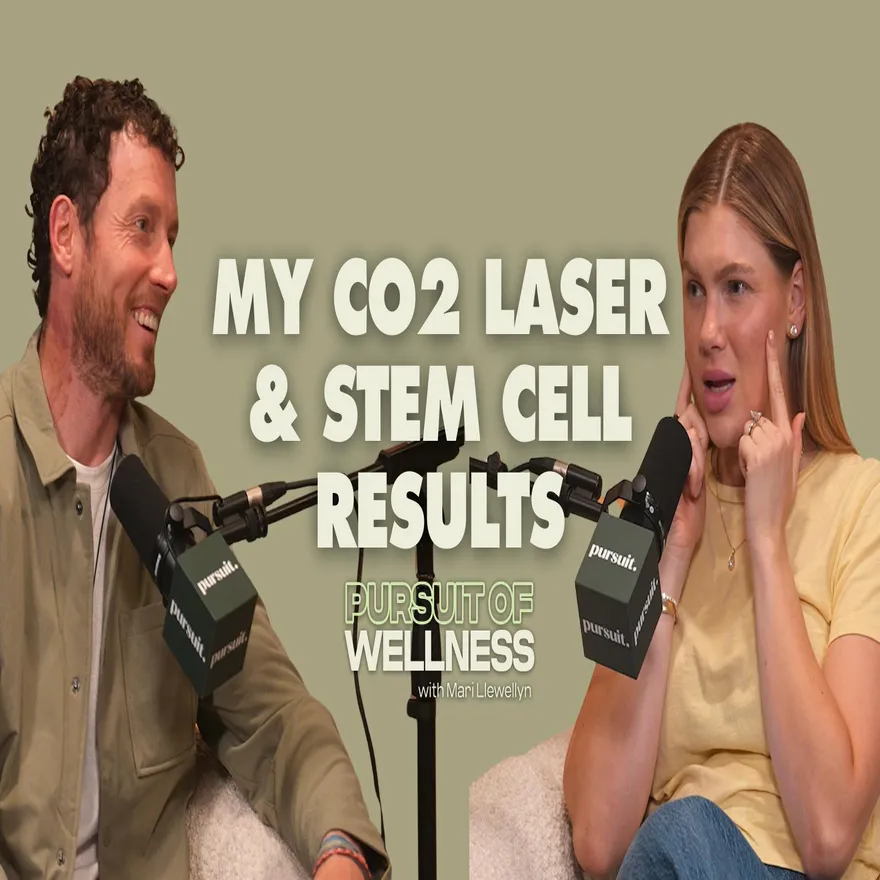

This is a preview of the Shortform summary of the Jun 8, 2026 episode of the Pursuit of Wellness
Sign up for Shortform to access the whole episode summary along with additional materials like counterarguments and context.
1-Page Summary
Dr. Chesnut's Advanced Facial Rejuvenation Approach
Dr. Cameron Chesnut discusses his regenerative multi-modality treatment protocol for Mari Llewellyn, who sought help for acne scarring, hyperpigmentation, and volume loss. The approach prioritizes textural improvement through innovative combinations of CO2 laser therapy and fat transfer procedures.
Co2 Laser and Fat Transfer Procedures
Mari's treatment involved four different lasers in a single session—two CO2 types targeting deeper scar tissue and surface texture, plus additional lasers for redness and pigmentation. Dr. Chesnut emphasizes that each treatment is highly individualized, with laser intensity adjusted based on specific concerns and scar severity across different facial areas.
The fat transfer component involved harvesting 20–40ml from Mari's thighs for strategic placement beneath scarred areas. Rather than dramatic volumization, this approach focuses on structural rebuilding—like adding a foundation to a house. Dr. Chesnut explains that fat quality depends heavily on metabolic health and lifestyle, with Mari's young age and fitness yielding high-quality stem cells requiring minimal volume.
How CO2 Lasers Work
CO2 lasers emit wavelengths absorbed by water in skin cells, causing rapid heating that vaporizes tissue and triggers controlled injury. This prompts the body's healing mechanisms to rebuild collagen and reorganize dermal structure. Modern fractional CO2 treatment delivers laser energy in a pixelated grid pattern, leaving healthy skin between treated zones to accelerate healing.
Dr. Chesnut stresses that provider skill matters far more than laser brand. He compares CO2 lasers to Formula One cars or fighter jets—powerful tools that require expertise to operate safely and effectively. Inexperienced operators trained briefly by device representatives often deliver suboptimal results, while experienced surgeons tailor every parameter to individual anatomy.
Fat Transfer Versus Fillers
Unlike hyaluronic acid fillers, which can migrate due to muscle movement and may become encapsulated, fat transfer uses the patient's own cells for durable, maintenance-free support. Dr. Chesnut notes that fillers removed surgically appear as "wet floating sugar" and behave unpredictably over time.
Biostimulators like [restricted term] and Radiesse, while positioned as middle-ground options, can cause inflammatory reactions that deposit collagen in unwanted locations, creating scar-like nodules or streaks. In contrast, fat transfer provides structural support through biologically compatible cells with regenerative stem cell properties, outperforming both fillers and biostimulators in safety and longevity.
Recovery and Healing Timeline
Dr. Chesnut explains that recovery begins with a necessary inflammatory phase. Early swelling, redness, and even "bloody face" appearance from PRP and stem cell applications establish the foundation for lasting improvements. The body then enters remodeling, first producing immature type three collagen as scaffolding, which transforms over months into mature type one collagen—what Chesnut calls "the rebar of our skin."
Mari looked "incredible" when swollen, but Dr. Chesnut describes this as a "false peak"—temporary results from fluid retention rather than true tissue change. As swelling subsides, patients experience a natural low point before authentic improvements emerge.
While patients become functional within weeks, significant biological remodeling takes 3 to 6 months, with subtle changes continuing up to 18 months. Persistent pinkness indicates active blood vessel formation delivering nutrients to healing tissue. New blood vessels remain more responsive than mature ones, causing temporary redness with heat or exercise that normalizes over time.
Dr. Chesnut emphasizes sun protection, especially for fair-skinned individuals whose bodies can't rapidly repair UV damage while rebuilding tissue. He also recommends low-glycemic diets and regular exercise to support elastin formation, which is metabolically demanding and easily disrupted. Active skincare ingredients should be reintroduced gradually one month post-procedure.
Comparative Analysis of Facial Procedures
Younger patients increasingly opt for minimally invasive procedures like laser and fat transfer, driven by celebrity culture and social media showing subtle, natural-looking rejuvenation. Dr. Chesnut notes the best work is when "you know that person did something… but you're not even sure what."
However, marketing and device availability often inappropriately influence patient choices. Dr. Chesnut observes he can predict where patients seek treatment based solely on devices they request, as facilities market everyone as "perfect candidates" for whatever technology they own. He cautions against selecting procedures by brand name and encourages tailored advice based on individual needs rather than available equipment.
He also questions the semiannual filler model that has become a revenue stream in the aesthetics industry, suggesting it maintains short-term volume but doesn't provide enduring solutions. While acknowledging fillers and biostimulators have their place, Dr. Chesnut believes they're widely overused when more individualized methods would provide superior results.
Holistic and Patient-Centered Approach
Dr. Chesnut's philosophy centers on understanding patient motivations before suggesting procedures, recognizing that decisions involve identity, psychology, and physical changes. He tells approximately 80% of consultations "no" or "not yet" because patients aren't truly ready or timing isn't optimal.
Mari exemplified his ideal candidate through her health commitment, disciplined preparation, and resilience—having successfully lost 90 pounds and openly handled the emotional impact of acne scarring. Dr. Chesnut carefully selects his surgical team, including associate Dr. Ryan Kelm and an anesthesiologist with extensive military experience. His non-opioid, non-benzodiazepine anesthesia protocols allow conscious control while eliminating anxiety, leaving patients memory-free and panic-free during procedures.
Dr. Chesnut performs only one major procedure daily, spending up to an hour drawing surgical maps for detailed planning and mental rehearsal. His recovery facility in Coeur d'Alene, Idaho features water views and mountain scenery designed to foster psychological healing, along with hyperbaric therapy, red light therapy, and electromagnetic devices.
Comprehensive Recovery Protocols
Mari underwent daily hyperbaric therapy for ten days post-procedure, committing two hours per session. Dr. Chesnut explains that hyperbaric chambers increase atmospheric pressure, dissolving more oxygen into plasma beyond what red blood cells carry. This elevated oxygen supply proves critical for fat graft survival and wound healing, with studies also showing hyperbaric therapy lengthens telomeres—DNA markers tied to cellular aging. The pressurized environment mechanically compresses tissues, reducing swelling faster than standard recovery.
Dr. Chesnut customizes IV nutrient protocols, delivering amino acids, vitamins, and micronutrients that bypass the digestive system. He includes magnesium to reduce anesthetic needs for sensitive patients and glutathione for metabolism, detoxification, and healing support. Notably, his team uses microplastic-free IV bags and tubing to prevent harmful chemical extraction during infusions—a logistically challenging commitment he views as critical.
Red light therapy, once dismissed as pseudoscience, now enjoys scientific validation for improving tissue oxygenation and mitochondrial energy production. Dr. Chesnut also incorporates FDA-cleared pulsed electromagnetic field devices, originally for bone healing, to reduce swelling in soft tissue. His biocharger devices emit harmonics and light affecting electromagnetic fields, while structured water devices assist protein folding for cellular repair.
What distinguishes Dr. Chesnut's approach is the integration of multiple modalities targeting oxygenation, nutrition, anti-swelling, and cellular signaling. Patients like Mari experience faster recoveries and superior long-term outcomes compared to conventional minimal-intervention post-surgical care, establishing a new standard driven by evidence and meticulous attention to detail.
1-Page Summary
Additional Materials
Clarifications
- CO2 lasers target water molecules inside skin cells, causing precise vaporization of damaged tissue. This controlled injury stimulates the skin’s natural repair process, promoting new collagen growth. The fractional delivery pattern treats microscopic zones, preserving surrounding skin to speed healing. This method improves texture and reduces scars by remodeling the deeper skin layers.
- A fractional CO2 laser delivers energy in tiny, controlled columns, treating only a fraction of the skin at a time. This creates microscopic zones of injury surrounded by untouched skin, promoting faster healing. The "pixelated grid pattern" refers to this precise, spaced arrangement of laser spots. It balances effective treatment with reduced downtime and risk.
- Fat transfer uses the patient’s own fat cells, which contain stem cells that can regenerate tissue and provide long-lasting volume. Hyaluronic acid fillers are synthetic gels that add temporary volume but can shift or break down over time. Biostimulators like [restricted term] and Radiesse stimulate the body to produce collagen but may cause uneven texture or nodules. Fat transfer generally offers more natural, durable results with regenerative benefits compared to fillers and biostimulators.
- Collagen remodeling is a natural healing process where the body replaces early, weaker collagen with stronger, more organized fibers. Type III collagen is produced first as a temporary scaffold during tissue repair. Over time, it is replaced by type I collagen, which provides greater tensile strength and durability. This transition strengthens the skin and restores its structural integrity.
- A "false peak" refers to the initial swollen appearance after treatment that looks like an improvement but is actually due to fluid retention and inflammation. This swelling temporarily masks the true state of the skin's healing and tissue remodeling. Real, lasting improvements only become visible after the swelling subsides and biological repair processes progress. Patients may feel discouraged during the natural low point before authentic results emerge.
- New blood vessels form during healing through a process called angiogenesis, supplying oxygen and nutrients essential for tissue repair. These vessels are more fragile and dilated than mature ones, allowing increased blood flow. The increased blood flow causes temporary redness and warmth in the healing area. Over time, these vessels mature and the redness diminishes as normal circulation resumes.
- Elastin is a protein that provides skin elasticity and requires energy-intensive processes for synthesis and cross-linking. Producing elastin involves complex enzymatic reactions dependent on adequate nutrients and oxygen. A low-glycemic diet stabilizes blood sugar, reducing inflammation that can impair elastin production. Regular exercise enhances circulation and oxygen delivery, supporting the metabolic needs of elastin formation.
- Delaying or declining treatment ensures patients are mentally and physically prepared, which improves outcomes and satisfaction. Emotional readiness affects how patients cope with recovery and results. Timing considers factors like skin condition, lifestyle, and overall health to optimize healing. Rushing procedures can lead to complications or dissatisfaction with results.
- Hyperbaric therapy involves breathing pure oxygen in a pressurized chamber, increasing oxygen levels dissolved directly in the blood plasma. This enhanced oxygen delivery accelerates cell repair, reduces inflammation, and supports immune function. Higher oxygen availability improves survival of transplanted fat cells and promotes faster wound healing. The therapy also stimulates the formation of new blood vessels, enhancing long-term tissue regeneration.
- Telomeres are protective caps at the ends of chromosomes that shorten each time a cell divides. Their length acts as a biological clock, with shorter telomeres linked to cellular aging and reduced function. Lengthening telomeres can help delay aging by preserving cell division capacity and genomic stability. This process supports tissue repair and longevity at the cellular level.
- Red light therapy uses specific wavelengths of light to stimulate cellular energy production in mitochondria, enhancing tissue repair and reducing inflammation. Pulsed electromagnetic field (PEMF) devices emit electromagnetic waves that influence cell function, promoting blood flow and reducing swelling. Both therapies support healing by improving oxygen delivery and cellular metabolism. They are non-invasive methods increasingly validated for accelerating recovery in soft tissues.
- Biocharger devices emit specific frequencies and light patterns intended to influence the body's electromagnetic fields, potentially enhancing cellular communication and energy. Structured water refers to water molecules arranged in a more organized state, which some believe improves cellular hydration and protein folding efficiency. Improved protein folding is crucial for proper cellular function and repair. However, scientific consensus on these effects remains limited and ongoing.
- Microplastics are tiny plastic particles that can leach chemicals into fluids during IV infusions. These contaminants may cause inflammation or disrupt cellular functions when introduced directly into the bloodstream. Using microplastic-free IV bags and tubing minimizes exposure to these harmful substances, promoting safer and cleaner nutrient delivery. This practice is especially important in sensitive procedures requiring optimal healing and detoxification.
- Non-opioid, non-benzodiazepine anesthesia uses alternative drugs to avoid common side effects like drowsiness, addiction, or memory loss. These protocols often include medications such as dexmedetomidine or ketamine, which provide sedation and pain relief while keeping patients calm and aware. This approach reduces risks of respiratory depression and cognitive impairment associated with traditional anesthetics. It allows patients to remain relaxed and cooperative during procedures without feeling anxious or forming memories of the experience.
- Facial rejuvenation impacts how patients perceive themselves and their social identity, influencing self-esteem and confidence. Understanding motivation helps ensure patients seek treatment for personal reasons, not external pressures. Psychological readiness affects satisfaction and emotional adjustment post-procedure. Surgeons assess these factors to recommend appropriate timing and interventions.
Counterarguments
- The superiority of fat transfer over fillers and biostimulators is not universally accepted; some studies and practitioners report excellent safety and longevity with modern fillers when used appropriately.
- The long-term regenerative benefits of fat transfer, particularly due to stem cell properties, remain an area of ongoing research and are not conclusively proven in large-scale, controlled clinical trials.
- The efficacy of adjunctive therapies such as hyperbaric oxygen, red light therapy, and electromagnetic devices for routine post-cosmetic surgery recovery is still debated in the broader medical community, with some experts considering the evidence insufficient for widespread adoption.
- The claim that hyperbaric therapy lengthens telomeres and thereby impacts cellular aging is based on limited studies and is not yet an established or widely endorsed clinical benefit.
- The assertion that provider skill outweighs device brand is widely supported, but device technology and safety features can also play a significant role in outcomes and complication rates.
- The critique of the "semiannual filler model" as primarily revenue-driven may not account for patient preferences or the evolving safety and reversibility of fillers, which some patients value over more invasive procedures.
- The emphasis on individualized, multi-modality protocols may increase cost and complexity, potentially limiting accessibility for many patients without clear evidence of superior outcomes for all cases.
- Some adjunctive practices, such as the use of structured water devices and biocharger devices, are not widely accepted or validated by mainstream scientific research.
Get access to the context and additional materials
Co2 Laser and Fat Transfer Procedures
Mari's Treatment Used Co2 Lasers and Stem Cell-Rich Fat for Acne Scars, Hyperpigmentation, and Volume
Mari came to Dr. Chesnut with concerns about acne scarring, hyperpigmentation, and mild volume loss. Dr. Chesnut recommended a regenerative multi-modality protocol to address the structure, elasticity, and pigmentation changes. The main priority was textural improvement for scarring, with secondary attention to pigmentation and volume loss.
Procedure: Using two Co2 Lasers to Target Deeper Scar Tissue and Surface Texture, Plus Lasers For Redness and Pigmentation, Across Four Types in One Session
Mari’s treatment involved a session with four different lasers—two of which were CO2 types. Each laser addressed a specific concern: deeper CO2 for scar tissue remodeling, a different CO2 for surface textural improvement, and other lasers for redness and pigmentation. Each part of her face received individualized attention, even adjusting intensity based on variation in scar severity from side to side. The session was personalized; the “laser cocktail” Dr. Chesnut used isn’t repeatable for other patients and is always customized.
Conservative Fat Transfer: 20–40ml Harvested From Mari's Thighs For Structural Rebuilding and Scar Prevention
Fat was harvested from Mari’s thighs in a conservative amount (20–40ml) to act as structural support beneath the scars—analogous to adding a new foundation to a house, rather than just superficial filling. This subcutaneous fat was placed strategically under the skin, especially under the eyes and where scars created depressions. The approach prioritized rebuilding and scar prevention rather than dramatic volumization—utilizing just 1–5% of what would be required for full volume restoration.
Harvested Fat Quality Tied To Metabolic Health, Lifestyle; Mari's Age, Fitness Yield Viable Stem Cells With Minimal Volume
Fat quality is critical for success, as it determines the regenerative stem cell content. According to Dr. Chesnut, Mari’s young age and healthy lifestyle meant her thigh fat had a high density of robust, viable stem cells. This “survivor” fat is less fragile, thriving better after transfer and requiring minimal harvest volume. Older or metabolically compromised patients often yield lesser-quality fat with fewer functional stem cells. Lifestyle and metabolic stress can influence how durable and effective the transferred fat will be.
Co2 Laser: Water Absorption Heats Skin, Vaporizes Tissue, Induces Controlled Injury, Triggers Healing
CO2 lasers emit a wavelength (10,600 nm) absorbed by water, causing ultra-rapid heating—over 100°C—in water-rich skin cells. This vaporizes tissue (ablation), producing a controlled injury that triggers healing mechanisms: rebuilding collagen, reorganizing dermal structure, and balancing vascularity to normalize pigmentation and reduce redness.
Fractional Co2 Treatment: Pixelated Grid Supports Healing
Modern CO2 treatments use a “fractional” method—delivering the laser in a pixelated grid pattern, much like aerating a lawn. This approach leaves islands of healthy skin between treated zones, accelerating healing and improving outcomes. The pattern may be seen as a subtle grid on the skin, but experienced providers can minimize visible marks with advanced techniques, eschewing “stamp” methods for more nuanced application.
Adjustable Laser Settings Enable Varied Treatment Outcomes
CO2 lasers today are highly adjustable: settings for energy, density, spot size, and depth can be tailored per patient and even per specific facial area. This adaptability enables extremely precise treatment—ranging from superficial resurfacing to deep scar remodeling with varied downtime and results.
Provider Skill Matters More Than Laser Brand; Experienced Surgeons Tailor Treatments To Individual Anatomy, While Inexperience Can Lead To Poor Results
The quality of outcome depends far more on the skill and experience of the provider than on the device brand. Dr. Chesnut emphasizes that CO2 lasers are powerful tools—comparable to driving a Formula One car or fighter jet. Inexperienced operators, often trained briefly by device reps, can deliver suboptimal or harmful results. In contrast, an experienced surgeon tailors every parameter to individual skin anatomy and goals, mixing and matching devices and techniques as needed.
Fat Transfer Offers Lasting Support Without Maintenance, Unlike Fillers and Biostimulators
...
Here’s what you’ll find in our full summary
Co2 Laser and Fat Transfer Procedures
Additional Materials
Clarifications
- CO2 lasers emit infrared light absorbed primarily by water in skin cells, causing rapid heating and vaporization of targeted tissue. This controlled damage stimulates the skin’s natural healing response, promoting collagen production and tissue remodeling. The laser’s depth and intensity can be precisely adjusted to treat various skin issues, from surface texture to deep scars. Fractional delivery creates microscopic treatment zones, preserving surrounding skin to speed recovery.
- A "regenerative multi-modality protocol" refers to a treatment plan that uses multiple methods to stimulate the body's natural healing and tissue regeneration. It combines different technologies or techniques to address various skin issues simultaneously. The goal is to restore skin structure and function by promoting cell growth and repair. This approach enhances overall results compared to using a single treatment type.
- Different lasers emit light at specific wavelengths targeting distinct skin components like water, blood, or pigment. CO2 lasers primarily vaporize water in skin cells for deep tissue remodeling and resurfacing. Other lasers may target blood vessels to reduce redness or melanin to improve pigmentation. Each laser type is chosen based on the skin issue and desired depth of treatment.
- Fractional CO2 laser treatment divides the laser beam into many tiny, focused columns of energy that penetrate the skin. This creates microscopic zones of treated tissue surrounded by untouched skin, promoting faster healing. The pixelated grid pattern refers to this array of tiny treatment spots, resembling pixels on a screen. This method reduces downtime and risk compared to treating the entire skin surface at once.
- Laser energy controls how much heat is delivered, affecting the intensity of tissue damage. Density refers to the number of laser spots per area, influencing how much skin is treated at once. Spot size determines the area each laser pulse covers, impacting precision and depth of effect. Depth setting adjusts how deeply the laser penetrates, targeting specific skin layers for different results.
- A "laser cocktail" refers to a customized combination of different laser types and settings used in one treatment session. It is tailored to each patient's unique skin condition, scar depth, pigmentation, and sensitivity. This personalization maximizes effectiveness while minimizing side effects. No two patients have identical skin needs, so the mix and intensity of lasers vary accordingly.
- Fat transfer involves removing fat cells from one body area, usually via liposuction, then processing them to isolate healthy cells. The purified fat is carefully injected into targeted areas to restore volume or improve tissue structure. This technique relies on the survival of transplanted fat cells to integrate and function naturally. Proper handling and placement are crucial to maximize fat cell survival and treatment success.
- Stem cells in fat transfer help regenerate damaged tissue by promoting new cell growth and healing. They improve the survival and integration of the transferred fat, making results more durable. These cells also reduce inflammation and support collagen production, enhancing skin texture and elasticity. Their presence is key to the procedure’s long-term effectiveness beyond simple volume replacement.
- Fat quality depends on metabolic health and lifestyle because these factors influence the number and function of stem cells within the fat tissue. Poor metabolic health, such as insulin resistance or chronic inflammation, can damage fat cells and reduce their regenerative capacity. Healthy lifestyle choices like regular exercise and balanced nutrition promote robust, viable fat cells rich in stem cells. These healthier fat cells survive better after transfer and support tissue repair more effectively.
- Subcutaneous fat placement involves injecting fat beneath the skin primarily to support and rebuild underlying tissue structure, not to add noticeable bulk. Volumization aims to increase the visible fullness or contour of an area by adding larger amounts of fat or filler. Subcutaneous placement focuses on improving skin quality and preventing scar depression, while volumization targets aesthetic enhancement of shape and size. The two approaches differ in intent, amount of material used, and visual outcome.
- Hyaluronic acid fillers are gel-like substances made from a sugar molecule naturally found in the skin that attracts and holds water. When surgically removed, their high water content makes them appear wet and gelatinous, resembling "floating sugar." This gel consistency allows fillers to add volume and smooth wrinkles by physically occupying space under the skin. Over time, the body gradually breaks down the filler, which is why it eventually dissipates.
- Filler migration occurs when injected material moves from the original site due to muscle activity or gravity. Encapsulation happens when the body forms a fibrous capsule around the filler, isolating it from surrounding tissue. This can creat ...
Counterarguments
- The long-term durability and predictability of fat transfer results can vary significantly between patients, and some studies report partial fat resorption over time, potentially requiring touch-up procedures.
- While fat transfer uses the patient’s own tissue, it is still a surgical procedure with risks such as infection, asymmetry, fat necrosis, or cyst formation.
- The superiority of fat transfer over fillers and biostimulators is debated; for some patients, fillers may offer more predictable, immediate, and reversible results with less downtime.
- The claim that biostimulatory fillers always cause problematic inflammatory reactions is not universally supported; many patients tolerate these products well with minimal complications when properly administered.
- The effectiveness and safety of CO2 laser treatments are highly dependent on patient skin type; individuals with darker skin tones may be at higher risk for post-inflammatory hyperpigmentation or scarring.
- The assertion that provider skill outweighs device brand is generally true, but device technology and safety features can also play a significant role in outcomes and complication ...
Get access to the context and additional materials
Recovery and Healing Timeline
Phases of Healing: Initial Inflammation, Swelling Necessary; Recovery Includes False Peaks and Result Plateaus
Phase 1: Stop Bleeding and Manage Inflammation; Dr. Chesnut Supports Inflammation-Driven Biological Rebuilding for Lasting Improvements
Dr. Cameron Chesnut explains that the recovery process begins with an essential inflammatory phase. Initially, bleeding must be stopped, followed by a phase where inflammation is not just expected, but necessary for biological rebuilding. Chesnut emphasizes, “the first part is real. You’ve got to go through the initial swelling, right? You have like a bloody face at the beginning... And that’s not pretty, but it’s real. That has to happen.” He reassures patients that the early visible changes—such as swelling, redness, and even a “bloody face” due to procedures like PRP and stem cell application—are foundational. This phase is crucial for laying the groundwork for lasting improvements.
Remodeling: Immature Type Three Collagen Forms Scaffolding, Becomes Mature Type One Collagen for Strong Skin Structure
Following this, the body enters a remodeling phase. Chesnut states that the first collagen produced is type three, referred to as "baby collagen," which acts as a scaffold in the healing tissue, similar to what is seen in fetal surgery where babies can heal without scarring. Over the following months, this immature collagen is replaced and remodeled into mature type one collagen, which provides durable, adult-level skin structure—"the rebar of our skin." The concurrent production of elastin (responsible for skin recoil) and the formation of new blood vessels (angiogenesis) are also key. Chesnut highlights that elastin is fragile and hard to rebuild, making good metabolic and inflammatory control critical during healing.
Swelling Made Mari Look Youthful Initially, but Was Misleading due to Fluid Retention Prior to Visible Results
As the process advances, swelling may temporarily create a falsely youthful or plump appearance. Mari Llewellyn notes she looked “incredible” when swollen, and Chesnut describes this as a “false peak” in the recovery journey—visible results driven by fluid retention, not true tissue change. Eventually, as swelling subsides, patients may feel they have regressed, but this “nadir” is a natural low point before authentic improvements begin to emerge as remodeling continues.
Recovery Timeline: Weeks for Functional Improvement; Significant Biological Remodeling in 3-6 Months, Subtle Changes Up to 18 Months
Functional Recovery Is Faster Than Complete Healing
Dr. Chesnut makes clear that while patients become “functional in life” just weeks after treatment, months of deeper improvement follow. Superficial healing comes quickly, but true structural changes are gradual. Complete healing with deep remodeling—including robust collagen and elastin replacement—typically takes 3 to 6 months for significant improvement, and subtle evolutionary changes in skin quality may continue up to 18 months after the procedure.
Pinkness Indicates Active Blood Vessel Formation and Nutrient Delivery, Signaling Improvement
Chesnut discusses the meaning of persistent redness and pinkness. Pink skin after treatment is a sign of active remodeling, as it marks areas where new and existing blood vessels are delivering nutrients to support healing. The longer this pinkness remains, the greater the remodeling and improvements will be.
Redness Occurs With Vigorous Exercise or Heat Stress, as New Blood Vessels Remain More Responsive, Causing Flushing That Normalizes Over Months
He further explains new blood vessels are more responsive and less stable than mature vasculature, leading to redness (“recall redness”) when exposed to heat or exertion. Activities like sauna use or vigorous exercise can cause temporary red spots or flushing—hormetic stresses that are beneficial for the healing tissue. This enhanced vascular response typically diminishes over the following months as vessels mature and inflammation resolves.
Supporting Healing: Sun Protection, Exercise, Blood Sugar Control, Reduced Inflammati ...
Here’s what you’ll find in our full summary
Recovery and Healing Timeline
Additional Materials
Clarifications
- Inflammation is the body's natural response to injury, triggering immune cells to clear damaged tissue and fight infection. It releases signaling molecules that attract cells needed for tissue repair and stimulate new cell growth. Without inflammation, the healing process cannot properly initiate or progress. Controlled inflammation ensures damaged areas are cleaned and prepared for rebuilding.
- PRP (Platelet-Rich Plasma) is a treatment using a concentrated sample of a patient’s own blood platelets to promote healing and tissue regeneration. Stem cell applications involve using cells capable of developing into different tissue types to aid repair and rejuvenation. Both methods aim to enhance the body's natural healing processes by delivering growth factors and regenerative cells directly to the treatment area. These therapies are commonly used in dermatology and orthopedics to improve skin texture, reduce scarring, and accelerate recovery.
- Type three collagen is a temporary, flexible form that provides initial support during early tissue repair. Type one collagen is stronger and more durable, forming the main structural framework in mature skin and connective tissue. The body replaces type three with type one as healing progresses to create lasting strength. This transition is essential for restoring normal skin function and resilience.
- Collagen is a protein that provides structural support to tissues, much like a framework or skeleton. During healing, immature collagen fibers form a temporary network that cells use to organize and rebuild damaged tissue. This scaffold guides new tissue growth and helps maintain the shape and strength of the healing area. Over time, this temporary collagen is replaced by stronger, mature collagen for lasting repair.
- Fetal scarless healing refers to the unique ability of a fetus to repair wounds without forming scars, unlike adults. This occurs because fetal skin produces type three collagen in a way that promotes regeneration rather than fibrosis. The comparison highlights how early collagen scaffolding in adults mimics this scarless process to improve healing quality. Understanding this helps explain why initial collagen type three is crucial for better long-term skin repair.
- Elastin is a protein in the skin that allows it to stretch and then return to its original shape, like a rubber band. It provides skin with flexibility and resilience, preventing sagging and wrinkles. Elastin fibers work alongside collagen to maintain skin’s firmness and elasticity. Damage to elastin reduces skin’s ability to bounce back, leading to aging signs.
- Angiogenesis is the growth of new blood vessels from existing ones, essential for delivering oxygen and nutrients to healing tissues. It supports tissue repair by removing waste and supplying cells with what they need to rebuild. This process also helps form a stable network that sustains long-term skin health. Without angiogenesis, healing would be slower and less effective.
- A "false peak" is a temporary improvement in appearance caused by swelling or fluid retention, not actual healing. A "nadir" is the lowest point in recovery when swelling decreases and true tissue changes are not yet visible. These terms describe fluctuations in visible results during the healing process. Understanding them helps manage expectations about gradual, non-linear progress.
- Functional recovery means regaining normal use and appearance quickly after treatment. Deep structural healing involves rebuilding the skin’s internal framework, like collagen and elastin, which takes much longer. Functional recovery can mask ongoing internal processes that strengthen and improve skin quality over months. True, lasting results depend on this slower, deeper remodeling phase.
- Persistent pinkness or redness occurs because new blood vessels are forming and expanding to supply oxygen and nutrients essential for tissue repair. This increased blood flow causes the skin to appear flushed or pink. The redness also reflects ongoing immune activity, which helps clear damaged cells and supports regeneration. Over time, as vessels mature and inflammation decreases, the redness naturally fades.
- "Recall redness" occurs because new blood vessels formed during healing are more sensitive and dilate easily. This increased dilation causes more blood flow to the skin when exposed to heat or exercise, leading to visible redness or flushing. Over time, as vessels mature and stabilize, this heightened response lessens. This process is a normal part of vascular remodeling during skin recovery.
- ...
Counterarguments
- The necessity and benefit of a pronounced inflammatory phase in all patients is debated; excessive inflammation can sometimes impede healing or increase the risk of complications such as scarring or hyperpigmentation.
- The analogy to fetal scarless healing may be misleading, as adult skin healing differs significantly from fetal tissue repair, and adults rarely achieve scarless outcomes.
- The timeline for collagen remodeling and elastin regeneration can vary widely between individuals, and some patients may not experience significant improvements even after 18 months.
- Persistent redness or pinkness is not always a sign of healthy remodeling; in some cases, it may indicate prolonged inflammation, irritation, or even adverse reactions.
- The benefits of hormetic stressors like sauna use or vigorous exercise during early recovery are not universally supported and may be contraindicated for some patients, especially those with certain medical conditions or compromised healing.
- Strict sun avoidance may not be necessary for all skin types or procedures, and some controlled sun exposure can have benefits for vitamin D synthesi ...
Get access to the context and additional materials
Comparative Analysis of Facial Procedures
Minimally Invasive Procedures Like Laser and Fat Transfer Offer Younger Patients Alternatives to Traditional Facelifts, Reducing Downtime and Visible Signs of Surgery
Younger patients increasingly opt for early, minimally invasive facial procedures, a shift driven largely by the influence of celebrity culture and social media. Dr. Cameron Chesnut observes that people can see results on public figures who appear subtly rejuvenated—looking refreshed without obvious signs of surgery. This ideal, he notes, is when “you know that person did something… but you’re not even sure what,” representing work that makes someone look like a better version of themselves rather than surgically altered.
The barriers to starting these treatments are lower: less surgery, shorter recovery, and lower risk combine to make them attractive options for those who want to defer or avoid a full facelift in the future. A subtle facial refresh at a younger age, via fat transfer or laser, can yield satisfactory and lasting results without drastically altering one's appearance. Dr. Chesnut emphasizes that good facial rejuvenation should be so natural that people “just see themselves in the mirror again,” without the hallmarks of more extreme or poorly done facelifts, such as excessive tightness or unnatural changes around the ears and jawline. This nuanced approach explains why both celebrities and regular individuals with excellent work often appear untouched, simply looking vibrant and youthful.
Marketing and Device Availability Influence Patient Choices, Leading to Inappropriate Tool Use Over Optimal Treatments for Individual Concerns
Dr. Chesnut points out that a significant driver of patient choices today is marketing from med spas and device manufacturers, not always objective assessments of what’s truly best for the individual patient. Brand names like BBL, Moxie, or Halo are frequently requested by consumers because they’ve seen marketing or positive testimonials. He notes he can often predict where someone seeks treatment based solely on the devices they mention, highlighting that many facilities market patients as “perfect candidates” for whatever technology they own, regardless of true fit.
This device-centric approach is reinforced by business incentives: lasers and energy devices are expensive, so owners need high patient throughput for return on investment. As a result, every patient is steered toward available treatments even if it’s not ideal for their needs. Dr. Chesnut cautions patients against selecting procedures by brand and encourages them to seek advice tailored to their unique skin and facial concerns, prioritizing wavelength and energy parameters over machine names. He underscores that even with the same type of laser, different individuals require varied settings and tailored protocols based on their tissue and goals.
Procedure selection should always begin with the patient’s needs, not just available technology or trends. Dr. Chesnut acknowledges the confusion for consumers, as device proliferation and aggressive marketing cloud what might actually yield the best result for their unique anatomy.
Filler Models Keep Patients Returning Semiannually, Creating Ongoing Revenue Streams That May Not Represent the Best Long-Term Outcomes
Semiannual or annual filler appointments have, according to Dr. ...
Here’s what you’ll find in our full summary
Comparative Analysis of Facial Procedures
Additional Materials
Clarifications
- Traditional facelifts involve surgical incisions to lift and tighten underlying facial muscles and remove excess skin, resulting in more dramatic and longer-lasting changes. Minimally invasive procedures like laser treatments use focused light energy to stimulate collagen production and improve skin texture without cutting the skin. Fat transfer involves harvesting fat from one body area and injecting it into the face to restore volume naturally. These less invasive methods typically have shorter recovery times and lower risks compared to surgery.
- Fat transfer involves harvesting fat from one part of the body via liposuction, then purifying and injecting it into the face to restore volume. Unlike synthetic fillers, fat transfer uses the patient’s own tissue, which can provide longer-lasting and more natural results. Surgical procedures like facelifts physically lift and tighten skin and underlying tissues, while fat transfer focuses on volume restoration without incisions or skin removal. This makes fat transfer less invasive than surgery but more involved than simple filler injections.
- BBL (BroadBand Light), Moxi, and Halo are branded laser or light-based skin treatments used in aesthetic medicine. They target skin issues like pigmentation, texture, and signs of aging by delivering controlled energy to the skin. Each device uses different wavelengths and technologies to stimulate collagen and improve skin appearance. Their popularity is partly driven by marketing rather than individualized suitability.
- Lasers emit light at specific wavelengths, which determine how deeply the light penetrates the skin and what types of tissue it affects. Different wavelengths target different chromophores, such as melanin or water, making treatments effective for various skin concerns. Energy parameters control the intensity and duration of laser pulses, influencing treatment depth and safety. Proper adjustment ensures optimal results while minimizing side effects like burns or pigmentation changes.
- Biostimulators are injectable substances that stimulate the body’s collagen production over time, leading to gradual volume restoration and skin tightening. Unlike traditional fillers, which provide immediate volume by physically filling areas, biostimulators work by encouraging natural tissue regeneration. They are used in facial rejuvenation to create longer-lasting, more natural improvements in skin texture and firmness. Common biostimulators include [restricted term] and Radiesse.
- Biostimulators like [restricted term] and Radiesse work by triggering the body’s natural collagen production to restore volume. This process involves a mild inflammatory reaction as the immune system responds to the injected material. Excessive or uneven collagen buildup can cause lumps, firmness, or unnatural facial contours. These changes may be difficult to reverse and can alter facial appearance over time.
- Excessive tightness after a facelift can distort natural facial expressions, making the face look unnatural or "pulled." Unnatural changes around the ears and jawline often result from overly aggressive skin removal or improper repositioning of tissues. These areas are highly visible, so any irregularities or scars become obvious signs of surgery. Skilled surgeons aim to preserve natural contours and avoid tension to maintain a youthful but realistic appearance.
- The semiannual or annual filler appointment model is driven by the temporary nature of most dermal fillers, which gradually break down in the body. This schedule ensures patients maintain their desired appearance by replenishing volume before it fully diminishes. It creates a steady revenue stream for clinics, encouraging repeat visits rather than one-time, long-lasting solutions. However, frequent treatments may increase risks like tissue damage or unnatural results over time.
- Fillers are gel-like substances injected to add immediate volume but typically last 6 to 18 months. Biostimulators stimulate the body’s collagen production, offering gradual, longer-lasting effects bu ...
Counterarguments
- While minimally invasive procedures offer reduced downtime, their results may be less dramatic or long-lasting compared to traditional surgical facelifts, potentially leading to more frequent repeat treatments and cumulative costs over time.
- The emphasis on subtle, natural-looking results may not align with all patient preferences; some individuals may desire more noticeable changes that only surgery can provide.
- Marketing and brand recognition can help patients become aware of new technologies and options they might not otherwise consider, potentially empowering them to seek treatments that fit their personal goals.
- Device-based treatments, when performed by skilled practitioners, can be highly effective and safe for a wide range of patients, and the availability of multiple devices can allow for more customized treatment plans.
- Regular filler appointments, while potentially creating ongoing revenue for providers, can also offer patients flexibility and gradual enhancement, allowing them to adjust their appearance over time rather than committing to permanent surgical changes.
- Biostimulators like [restricted term] and Radiesse have been shown in clinical studies to provide safe and effective results for many pati ...
Get access to the context and additional materials
Holistic and Patient-Centered Approach to Treatment
Dr. Cameron Chesnut's unique approach to treatment centers on deeply understanding patient motivations, delivering individualized care through well-selected surgical teams, and fostering recovery within a healing-focused environment.
Chesnut's Philosophy: Grasp Patient's Core Needs and Motivations Before Suggesting Procedure, Recognizing Decision Involves Identity, Psychology, and Physical Changes
Dr. Chesnut prioritizes understanding the root motivations and psychological readiness of each patient before agreeing to surgery. He emphasizes that the decision to undergo a procedure is intertwined with personal identity, psychological factors, and the acceptance of physical changes. During consultations, Chesnut assesses whether a patient is seeking alteration out of vanity, the desire for an idealized, celebrity-like image, or genuine improvement to core identity and function. He says he tells around 80% of patients "no" or "not yet" because they are not truly ready or the timing is not optimal, recognizing the profound mental and emotional preparation needed.
Mari Llewellyn exemplifies Chesnut’s ideal candidate. She demonstrated commitment to her health, prepared thoroughly for recovery, and showed discipline—qualities Chesnut considers when evaluating readiness. Mari’s history, including successfully losing 90 pounds and openly handling the emotional impact of acne and scarring, showed the resilience and mindset essential for transformative procedures. Both agree that facing the process, including temporary discomfort and challenging recovery periods, is crucial to long-term satisfaction and mental well-being.
Surgical Team Selection and Expertise Impact Patient Outcomes
Dr. Chesnut carefully selects his surgical team to ensure optimal results and patient comfort. Patients may book procedures with Chesnut or his associate, Dr. Ryan Kelm, who trained directly under Chesnut and brings a unique fellowship experience rare in the field. Chesnut values Kelm’s different perspective and trusts him as a partner.
A standout member of the team is Chesnut's anesthesiologist, chosen specifically for her extensive military background handling complex cases. Her experience—spanning 20 years, work in Alaska, and even parachuting into remote areas—enables advanced, patient-focused anesthetic care. Chesnut's protocols prioritize non-opioid and non-benzodiazepine medications, avoiding substances that typically cause post-procedure grogginess or side effects. His anesthesia approach allows for conscious control, eliminating anxiety and distorting time perception, while local anesthesia ensures a pain-free, peaceful, and memory-free procedure. Mari, who is usually sensitive to anesthesia, found this experience uniquely calming and panic-free.
Chesnut’s process is intensely focused, performing only one major procedure each day. He spends up to an hour meticulously drawing surgical maps on the pat ...
Here’s what you’ll find in our full summary
Holistic and Patient-Centered Approach to Treatment
Additional Materials
Counterarguments
- While Dr. Chesnut’s approach emphasizes psychological readiness and holistic care, some critics argue that such extensive screening and preparation may limit access for patients who could benefit from surgery but do not meet subjective criteria for readiness.
- The use of therapies such as hyperbaric therapy, red light therapy, and EMF therapy in recovery is not universally supported by robust clinical evidence for all surgical patients, and some medical professionals question their necessity or efficacy.
- Focusing on a highly curated, luxury recovery environment may not be feasible or accessible for many patients, potentially creating disparities in care or setting unrealistic expectations for recovery experiences elsewhere.
- The practice of performing only one major procedure per day, while beneficial for focus, may reduce the number of patients who can access care, potentially increasing wait times or limiting availability.
- The emphasis on n ...
Actionables
- you can create a personal decision journal to clarify your motivations and readiness before any major life change by writing down your reasons, expectations, and emotional state, then revisiting your entries over several weeks to see if your motivations remain consistent or evolve.
- a practical way to prepare for challenging transitions is to design a simple recovery plan for yourself that includes a checklist of supportive routines, such as daily walks in nature, scheduled check-ins with a trusted friend, and a list of comforting activities for difficult days.
- you can build your own s ...
Get access to the context and additional materials
Comprehensive Recovery Protocols
Dr. Cameron Chesnut’s comprehensive recovery protocols combine advanced therapies—from hyperbaric oxygen and red light to electromagnetic devices and nutrient infusions—yielding outcomes that exceed standard post-surgical care. Patient Mari Llewellyn’s experiences illustrate both the commitment required and the effectiveness of this multi-layered approach.
Hyperbaric Oxygen Therapy Speeds Recovery and Enhances Outcomes By Increasing Oxygen Delivery to Healing Tissues
Mari Llewellyn undergoes daily hyperbaric therapy for ten days after her procedure, committing approximately two hours per session. She continues sessions at home, underscoring both the time intensity and the tangible benefits she’s observed, including faster and visibly improved recovery.
Dr. Chesnut explains that hyperbaric chambers increase atmospheric pressure, similar to deep-water conditions, which enables the body to dissolve more oxygen directly into plasma—beyond the near-saturation carried by red blood cells. This allows for an elevated oxygen supply to healing tissues, a critical factor for post-surgical recovery and improved clinical outcomes.
Oxygen Infusion for Optimal Fat Graft and Wound Healing
Hyperbaric oxygen infuses tissues with heightened concentrations of oxygen—especially vital for wounds with poor blood flow or after fat graft procedures. Evidence shows it facilitates fat graft integration and survival, and is a standard medical intervention for otherwise non-healing wounds.
Hyperbaric Therapy Lengthens Telomeres, Potentially Offering Anti-Aging Benefits
Chesnut references studies showing that hyperbaric therapy lengthens telomeres, the DNA “caps” tied to cellular aging. Although precise protocols for dosage and pressure are still emerging, such effects may support longevity and healthier cell replication, with observed benefits for skin vitality and overall wellness.
Physical Compression in a Hyperbaric Chamber Reduces Edema By Gently Squeezing Swollen Tissues, Aiding In Fluid Reduction and Speeding Up Post-Procedure Recovery
The pressurized environment of hyperbaric therapy also mechanically compresses tissues, noticeably reducing swelling (edema). Chesnut notes this effect is particularly advantageous right after procedures, contributing to quicker fluid reduction and less postoperative discomfort compared to chronic or general application.
Intravenous Nutrition Bypasses the Digestive System, Delivering Essential Nutrients For Healing
Dr. Chesnut customizes intravenous (IV) nutrient protocols, tailored to the patient’s specific needs. Mari received a nutrient-rich, microplastic-free IV regimen post-procedure, including amino acids, vitamins, and targeted micronutrients.
Magnesium Reduces Anesthetic Needs for Sensitive Patients Like Mari
Chesnut administered magnesium to lower required anesthetic doses, accommodating patients like Mari who are sensitive to anesthetics and ensuring safer, more comfortable recovery.
Glutathione Boosts Metabolism, Stress Recovery, Detox, and Healing
Glutathione was included for its role in ramping up metabolism, promoting stress recovery, detoxification, and supporting the body’s healing response almost immediately after surgery.
Microplastic-Free IV Protocols Use Bags and Tubing From Alternative Materials to Prevent Lipid-Based Medications and Warmed Fluids From Extracting Microplastics That Would Accumulate In the Patient's Body
Dr. Chesnut describes a rigorous approach to eliminating microplastic exposure during IV administration. He uses bags and tubing made from alternative, non-plasticized materials, especially for lipid-containing or warmed infusions, to prevent extraction of harmful microplastics and phthalates. Chesnut’s team painstakingly sources and vets materials, ensuring everything from IV bags to surgical drapes is microplastic-free—a logistical and financial challenge he views as critical to optimal patient care.
Red Light Therapy, Once Dismissed As Pseudoscience, Is Scientifically Proven to Support Healing
Previously dismissed as pseudoscience, red light therapy now enjoys growing mainstream acceptance and abundant scientific support for its healing effects.
Red Light Enhances Tissue Oxygenation and Energy, Aiding Healing Safely
Red light therapy is shown to improve tissue oxygenation and mitochondrial energy production—key elements for safe, effective healing post-surgery. Chesnut, an early adopter of the technique for both athletic recovery and surgical healing, now sees its use increasingly validated by clinical research.
Red Light Therapy Evidence Grows, Evolving From Fringe to Mainstream In Surgical Recovery
Chesnut recounts how red light, once considered “bogus,” has rapidly gained evidence and respect. It is now recognized for accelerating soft tissue recovery and is part of the suite of interventions he offers to all recovery patients.
Electromagnetic Frequency Therapy and Biocharger Devices Enhance Cellular Communication For ...
Here’s what you’ll find in our full summary
Comprehensive Recovery Protocols
Additional Materials
Counterarguments
- While hyperbaric oxygen therapy is well-established for certain conditions (such as non-healing wounds and decompression sickness), evidence for its routine use in standard post-surgical recovery or for fat graft survival is limited and not universally accepted in mainstream medical guidelines.
- Claims about hyperbaric therapy lengthening telomeres and providing anti-aging benefits are based on preliminary studies; the clinical significance and reproducibility of these effects remain uncertain and are not widely endorsed by the broader scientific community.
- The benefits of red light therapy for post-surgical healing, while supported by some studies, are still considered investigational for many indications, and large-scale, high-quality clinical trials are lacking.
- The use of electromagnetic frequency therapies (such as PEMF) for soft tissue healing is not standard practice, and while some devices are FDA-cleared for bone healing, evidence for broader applications is still emerging and not universally accepted.
- The effectiveness of biocharger devices and structured water devices for surgical recovery lacks robust, peer-reviewed clinical evidence, and these modalities are not recognized as standard care in conventional medicine.
- The necessity and benefit of microplastic-free IV protocols are not established in clinical guidelines, ...
Actionables
- you can create a daily self-checklist to track hydration, nutrient-rich meals, gentle movement, and sleep quality to support your body’s natural healing and recovery processes, mirroring the holistic approach of combining multiple supportive actions for better outcomes; for example, note your water intake, include magnesium-rich foods, and schedule short walks to reduce swelling and boost circulation.
- a practical way to minimize environmental toxin exposure during recovery is to use glass or stainless steel containers for all beverages and meals, especially when consuming warm liquids or fatty foods, to reduce the risk of microplastic and phthalate contamination; for instance, swap out plastic water bottles and food storage for reusable glass jars and metal lunchboxes.
- you ...
Get access to the context and additional materials


Create Summaries for anything on the web
Download the Shortform Chrome extension for your browser
