New Yorker cartoonists Roz Chast and Jason Adam Katzenstein on kitchen imperfection
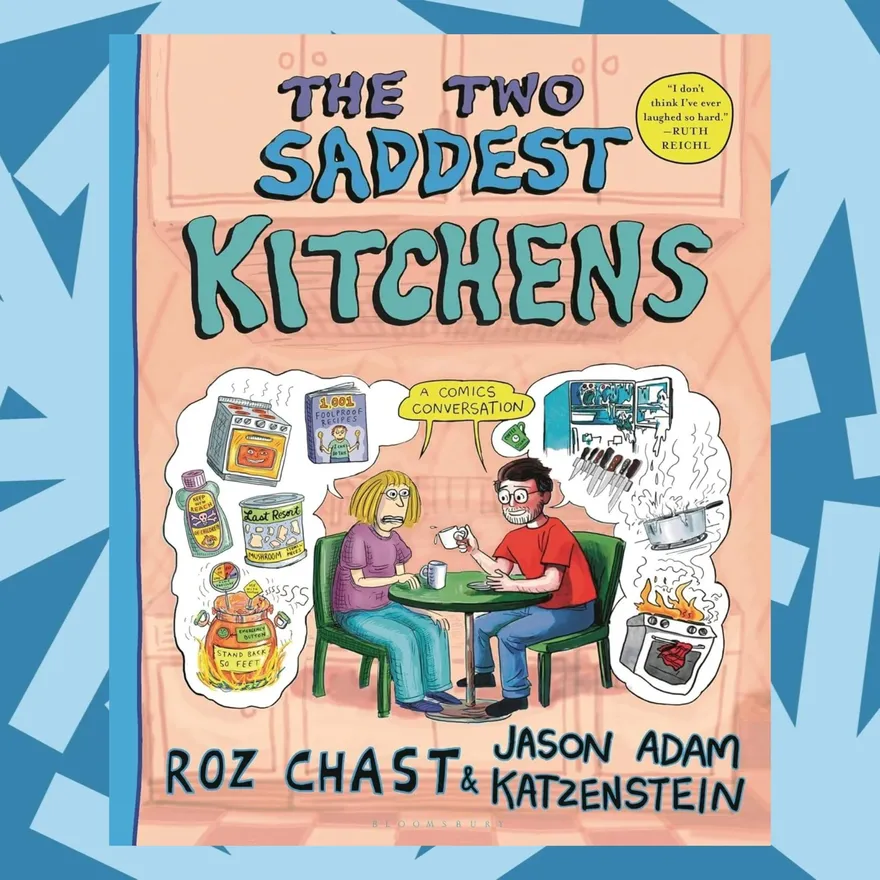
In this episode of NPR's Book of the Day, host Indira Lakshmanan speaks with New Yorker cartoonists Roz Chast and Jason Adam Katzenstein about the messy reality lurking behind kitchen cabinets and drawers. The conversation explores the universal disorder found in kitchens—from the chaotic space under the sink to drawers overflowing with mismatched container lids and collections of untouched specialty teas. Chast and Katzenstein discuss their acceptance of kitchen imperfections, including broken fixtures and cluttered spaces that contradict the polished aesthetics promoted by lifestyle media.
The episode also examines the collaborative creative process behind their work together. The cartoonists describe how they generate ideas by sharing dysfunctional kitchen experiences and use technology to build visual dialogues that merge their distinct artistic styles. Their approach reveals how exaggeration and humor make kitchen frustrations relatable, offering validation to readers who feel inadequate when comparing their homes to idealized domestic standards.

This is a preview of the Shortform summary of the Nov 26, 2026 episode of the NPR's Book of the Day
Sign up for Shortform to access the whole episode summary along with additional materials like counterarguments and context.
1-Page Summary
Kitchen Chaos and Messy Spaces
The kitchen is often the heart of the home, yet it hides considerable mess and disorder behind closed doors. Indira Lakshmanan highlights this through the "under sink of doom," a space that embodies the chaos lurking in every household.
Disorder Lurks In Every Home's Kitchen Storage
Beneath the kitchen sink lies a chaotic nest of toxic powders, mysterious dishwasher pods, and potentially banned substances that remain because their fates are too uncertain to decide. Jason Adam Katzenstein notes the inevitable indeterminate metal object with loose screws lurking in back corners—puzzling yet possibly essential. Drawers accumulate mismatched lids separated from their bases, creating a jumble of incompatible pieces.
Homeowners Accept Kitchen Imperfections: Clutter and Broken Fixtures
Roz Chast admits both embarrassment and pride in a cabinet where the door fell off and was never replaced, becoming a testament to living with disorder rather than hiding it. This acceptance extends to the refrigerator: while the outside displays carefully arranged magnets bringing nostalgia and order, the inside reveals chaos, illustrating the dual nature of our relationship with kitchen mess.
Compulsive Accumulation Habits in Kitchens
Tea Boxes Are Chosen For Packaging Appeal and Optimistic Names Over Consumption Needs
Chast observes that tea packaging and names are irresistibly optimistic, marketing an idealized lifestyle. Lakshmanan cites examples like "Endless Afternoon" and "Fade to Black," which sell a promise rather than just a beverage. Despite this allure, Lakshmanan counted 67 different teas in her kitchen drawers, many untouched and including bizarre flavors like chicken or broccoli tea. Chast describes being tempted by exotic teas only to regret it after tasting them, likening one particularly bad tea to steeping a vacuum cleaner bag.
Mismatched Mugs Accumulate Mysteriously Like Unsolicited Promotional and Subscription Gifts
Katzenstein compares the inexplicable proliferation of mugs to when a U2 album unexpectedly appeared on every iPod—they just show up uninvited. Lakshmanan adds that tote bags have known origins from NPR or magazine subscriptions, and despite varying conditions, these promotional gifts fill up cabinets and never seem to diminish.
The Collaborative Creative Process Between two Cartoonists
Katzenstein and Chast detail their lively, interactive partnership grounded in mutual experiences and creative interplay.
Cartoonists Generated Ideas By Discussing Dysfunctional Kitchen Experiences
Katzenstein describes how their creative sessions often begin with "kvetching" over coffee. When dysfunctional kitchen experiences arose as a topic, they found themselves unable to stop generating new gripes. Chast adds that their source material grew from their own horror stories as well as anecdotes from friends.
iPad Collaboration Enabled Artists' Interactive Visual Dialogue
Chast explains their collaborative process: one artist would sketch himself at a table in a thought cloud, then send it to the other, who would add herself into the scene and return it. This method created a conversational visual format where panels alternated perspectives or featured genuine exchanges.
Creative Fulfillment Emerged When Both Artists' Distinct Styles Merged
Katzenstein highlights moments where his drawings captured authentic reactions to Chast's humorous commentary, revealing genuine amusement and connection. As they worked together, their distinctive styles influenced each other, creating a hybrid creative language rooted in real emotional responses and organic conversational rhythm.
Universal Relatability and Humor in Kitchen Imperfections
Katzenstein and Chast find humor and resonance in everyday kitchen imperfections, revealing how exaggeration and creative distortion connect with people universally.
Exaggerating Cartoon Depictions Make Kitchen Problems Recognizable and Resonant
Katzenstein emphasizes that surreal or exaggerated portrayals of kitchen frustrations become the most relatable to audiences. Through hyperbole—whether an overstuffed drawer or a mountain of dirty dishes—these creative distortions strike a chord of recognition, showing that cartoonists best evoke shared experience through imagination rather than strict realism.
Kitchen Flaws Subvert Domestic Standards Promoted by Lifestyle Media and Celebrity Homemakers
Humorous portrayals of kitchen failures provide relief for readers inundated with polished aesthetics promoted by figures like Martha Stewart. Illustrations of fallen cabinet doors or chaotic shelves run counter to idealized images in lifestyle media, fostering validation and solidarity among readers.
Emotions of Embarrassment and Pride in Kitchen Shambles Reflect Ambivalence Toward Perfectionism
Chast's reflections underscore the emotional ambivalence at play: she feels both embarrassed and proud that her cabinet door fell off and was never replaced, representing a rejection of exhausting maintenance standards. Similarly, Katzenstein takes pride in his fridge magnets while feeling ashamed of the chaos within the refrigerator itself. These broken elements express the dual emotions that define the imperfect kitchen.
1-Page Summary
Additional Materials
Counterarguments
- While many kitchens may contain clutter or disorder, numerous households maintain highly organized and clean kitchen spaces, demonstrating that mess is not universal.
- The accumulation of mismatched lids, mugs, and promotional items can be minimized or avoided through regular decluttering and mindful purchasing habits.
- Some homeowners prioritize and successfully maintain kitchen repairs, promptly fixing broken fixtures such as cabinet doors rather than accepting disorder.
- The appeal of tea packaging and optimistic names does not necessarily lead to excessive accumulation for all consumers; many people purchase only what they intend to use.
- Not everyone experiences regret after purchasing exotic teas; some individuals enjoy trying new flavors and incorporate them into their routines.
- The presence of refrigerator magnets or external order does not always mask internal chaos; some people maintain both external and internal organization.
- The humorous exaggeration of kitchen chaos in cartoons may not resonate with individuals who value or achieve domestic order, and may reinforce stereotypes about household management.
- Embracing imperfection in the kitchen is not universally seen as a rejection of societal standards; for some, it may simply reflect personal priorities or time constraints rather than a philosophical stance.
Actionables
- You can create a kitchen chaos photo diary to document and celebrate the real state of your kitchen, highlighting both messes and quirky imperfections as a way to normalize and find humor in everyday disorder. Snap candid photos of cluttered drawers, mismatched mugs, or broken cabinet doors, and pair each image with a funny or honest caption about how it got that way or why you keep it as is.
- A practical way to embrace imperfection is to host a “kitchen confessions” night with friends or family, where everyone shares stories or brings a small item from their own kitchen that represents chaos, regret, or an odd purchase, turning embarrassment into laughter and solidarity. For example, you might show off a never-used tea flavor or a mug with a mysterious origin, and swap stories about why these things stick around.
- You can make a visible “pride and imperfection” display by intentionally arranging a few broken, mismatched, or odd kitchen items on an open shelf or counter, using them as conversation starters and reminders that real homes aren’t perfect. For instance, stack a chipped mug next to a lidless container and a quirky tea box, and let them serve as a playful, honest alternative to curated kitchen décor.

Get access to the context and additional materials
Kitchen Chaos and Messy Spaces
The kitchen, often seen as the heart of the home, typically hides mess and disorder behind closed doors and beneath countertops. Indira Lakshmanan describes this through the universally dreaded “under sink of doom,” a space that embodies the chaos and backlog of forgotten items that accumulate in every household.
Disorder Lurks In Every Home's Kitchen Storage
Beneath the kitchen sink is a chaotic nest where squalor and neglect quietly grow. Toxic powders and liquid sprays—all potentially banned decades ago—mingle with mysterious dishwasher pods that look like alien candy. Across every house, these substances remain because their fates are too uncertain to decide between trash and keeping. Jason Adam Katzenstein draws attention to the inevitable indeterminate metal object with loose screws lurking in the back corners. It is puzzling and possibly essential, so it lingers, accumulating dust rather than risk being discarded unfairly. Drawers add to the disorder; over time, mismatched lids become separated from their bases, resulting in a jumble of unused and incompatible pieces.
Homeowners Accept Kitchen Imperfections: Clutter and Broken Fixtures
Amid this clutter and dysfunction, homeowners often reach a state of acceptance regarding their kitchen’s imperfections. Roz Chast admits embarrassment but also pride in a cabinet where t ...
Here’s what you’ll find in our full summary
Kitchen Chaos and Messy Spaces
Additional Materials
Counterarguments
- Many people maintain highly organized and clean kitchens, regularly decluttering storage spaces and disposing of unused or expired items.
- Some households implement effective organizational systems, such as labeled containers and scheduled cleaning routines, to prevent accumulation of clutter.
- The presence of toxic or banned substances under the sink is not universal; many individuals are conscientious about safe storage and proper disposal of hazardous materials.
- Not all homeowners accept or take pride in kitchen imperfections; some prioritize repairs and upkeep to maintain a functional and aesthetically pleasing space.
- The contrast between refrigerator exteriors and interiors does not necessari ...
Actionables
- You can schedule a five-minute weekly “mystery item audit” where you pick one hidden or ambiguous kitchen item (like an odd metal piece or an unidentifiable cleaning product) and decide its fate—either find its use, repurpose it, or responsibly discard it—so you gradually reduce uncertainty and clutter without feeling overwhelmed.
- A practical way to embrace visible imperfection is to create a playful “kitchen quirk gallery” by photographing or sketching your kitchen’s flaws (like a missing cabinet door or mismatched drawer handles) and displaying them on your fridge or a bulletin board, turning imperfections into conversation starters and reminders of authenticity.
- You can set ...

Get access to the context and additional materials
Compulsive Accumulation Habits in Kitchens
Tea Boxes Are Chosen For Packaging Appeal and Optimistic Names Over Consumption Needs
Roz Chast observes that the packaging and names of teas are irresistibly optimistic and market an idealized lifestyle. She notes that tea brands use relentlessly positive naming, suggesting that drinking a certain brew will create a perfect day free of all problems. Indira Lakshmanan echoes this sentiment, citing examples like “Endless Afternoon,” “Hibernate in Time,” and a bedtime blend called “Fade to Black.” These names sell a promise rather than just a beverage.
Despite the allure of these marketing tactics, many people accumulate vast numbers of tea varieties that often go untouched. Lakshmanan shares that she counted 67 different teas in her kitchen drawers, surprising herself with the extent of her collection. Many teas remain unbrewed, and the selection includes several flavors that seem unpalatable or bizarre, such as chicken tea or broccoli tea.
Chast describes how she has been tempted by adventurous or exotic teas, only to regret it after tasting them—likening one particularly bad tea to the result of steeping a vacuum cleaner bag. Some flavors are considered so undrinkable that Chast jokes about one blend in her sketch titled “beige horizons.”
Mismatched Mugs Accumulate Mysteriously Like Unsolicited Promotional and Subscription Gifts
Jason Adam Katzenstein compares the inexplicable proliferation of mugs in the kitchen to when a U2 album unexpectedly appeared on every iPod—mugs seem to just show up, uninvited and unbidden. Indira Lakshmanan adds that, unlike the mystery of accumulating mugs, the origins of tote ...
Here’s what you’ll find in our full summary
Compulsive Accumulation Habits in Kitchens
Additional Materials
Clarifications
- Roz Chast is a well-known American cartoonist famous for her work in The New Yorker, often exploring everyday life with humor and insight. Indira Lakshmanan is a journalist and author who writes about culture, travel, and lifestyle topics. Their opinions matter because they bring informed, relatable perspectives on consumer habits and cultural trends. Their observations help illuminate common behaviors in a way that resonates with many readers.
- In 2014, U2's album "Songs of Innocence" was automatically added to all iTunes users' libraries without their consent. This move sparked widespread surprise and backlash because people found the album intrusive and unwanted. The incident became a cultural reference for unwanted digital clutter appearing unexpectedly. Katzenstein uses this analogy to describe how mugs accumulate mysteriously in kitchens.
- NPR (National Public Radio) and its member stations often give away tote bags as thank-you gifts to donors or subscribers. Magazine subscriptions sometimes include promotional tote bags as part of their subscription packages. These items serve as both practical gifts and advertising tools. This explains why many people accumulate tote bags from these sources.
- The phrase “beige horizons” humorously describes bland, dull, or unappealing tea flavors. Beige is often associated with plainness or lack of excitement. In this context, it suggests teas that are visually or taste-wise uninspiring. It conveys a sense of monotony or disappointment in the flavor experience.
- Mismatched mugs accumulate because people often receive them as gifts, souvenirs, or promotional items over time. They are rarely discarded due to sentimental value or practicality. Different household members may also bring their own mugs, adding to the variety. This gradual, unplanned collection leads to a cluttered, mismatched ass ...
Counterarguments
- While tea packaging and optimistic names may influence purchasing decisions, many consumers are also motivated by genuine interest in exploring new flavors or health benefits, not just marketing promises.
- Accumulating a variety of teas can be seen as a form of personal enjoyment or hobby, similar to collecting wines or spices, rather than compulsive or wasteful behavior.
- Some people regularly rotate through their tea collections, ensuring that most varieties are eventually consumed, even if not immediately.
- Unusual or adventurous tea flavors may appeal to niche tastes or serve as conversation starters, gifts, or cultural experiences, rather than being inherently regrettable purchases.
- The accumulation of mugs and promotional items can be intentional, as people may enjoy collecting souvenirs, gifts, or items with sentimental value.
- Mismatched mugs and containers can add character and individuality to a kitchen, ...
Get access to the context and additional materials
The Collaborative Creative Process Between two Cartoonists
Jason Adam Katzenstein and Roz Chast detail a lively, interactive partnership that grounds their collaborative work in mutual experiences and creative interplay.
Cartoonists Generated Ideas By Discussing Dysfunctional Kitchen Experiences
Coffee Discussions Uncover Shared Kitchen Grievances
Katzenstein describes how their creative sessions often begin with "kvetching" over coffee. During one such conversation, the topic of dysfunctional kitchen experiences arose, sparking an outpouring of ideas. The two cartoonists found themselves unable to stop coming up with new gripes related to kitchens.
Cartoonists Drew Inspiration From Personal Horrors and Friends' Kitchen Disasters
Chast adds that their source material grew from their own horror stories as well as anecdotes from friends. The abundance of mishaps and grievances in kitchen settings provided a fertile ground for their collaborative creativity.
Ipad Collaboration Enabled Artists' Interactive Visual Dialogue
Artist Sketches Self At Table; Collaborator Adds Self and Response
Chast explains their collaborative process using the iPad: one artist, such as Katzenstein, would begin by sketching himself at a table, sometimes enclosed in a thought cloud directed to the other artist. He would then send the drawing to Chast. Upon receiving it, Chast would add herself into the scene and return it, continuing the visual exchange.
Conversational Format: Panels Alternate Perspectives or Genuine Exchanges
This method naturally created a conversational visual format. Sometimes each artist drew individual panels featuring themselves; at other times, both appeared in the same panel actively engaging with each other's ideas. The resulting artwork alternately reflected each cartoonist's perspective and fostered a genuine give-and-take.
Creative Fulfillment Emerged When Both Artists' Distinct Styles Merged, Revealing Authentic Emotional Reactions
Ge ...
Here’s what you’ll find in our full summary
The Collaborative Creative Process Between two Cartoonists
Additional Materials
Counterarguments
- While the collaborative process described is lively and interactive, some might argue that such a method could potentially dilute each artist's unique voice, making it harder for individual styles to stand out distinctly.
- The focus on kitchen grievances as a primary source of inspiration may limit the thematic range of their work, potentially making it less relatable to audiences uninterested in domestic or kitchen-related humor.
- Relying heavily on personal anecdotes and friends' stories could result in material that feels insular or repetitive, rather than universally resonant.
- The iPad-based visual exchange, while innovative, might not suit all artists ...
Actionables
- you can invite a friend or family member to a regular “grievance swap” where you each share a recent kitchen mishap, then take turns doodling or writing a playful response to each other’s story on the same piece of paper or digital note, building a back-and-forth exchange that blends your perspectives and humor
- (for example, you might sketch a cartoon of your friend’s burnt toast disaster, then your friend adds a speech bubble or a new character reacting to it, and you keep passing it back and forth until you both feel the story is complete)
- a practical way to spark creative interplay is to set aside ten minutes after a shared meal to co-create a single-panel comic or short story inspired by something that went wrong or was unexpected during the meal, alternating who starts and who finishes the piece each time
- (for example, after dinner, one person draws or writes the setup—like a spilled drink—while the other adds the punchline or twist, encouraging a genuine blend of styles and reactions)
- you can use a shared online document or messaging thread to ...
Get access to the context and additional materials
Universal Relatability and Humor in Kitchen Imperfections
Kitchens often serve as the backdrop for domestic chaos, blending embarrassment and pride. Cartoonists Jason Adam Katzenstein and Roz Chast find humor and resonance in these everyday imperfections, revealing how exaggeration and creative distortion connect with people on a universal level.
Exaggerating Cartoon Depictions Make Kitchen Problems Recognizable and Resonant
Katzenstein emphasizes that moments where kitchen frustrations are portrayed in surreal or exaggerated ways become the most relatable to audiences. Rather than relying on straightforward or literal depictions, cartoonists capture the most familiar and resonant experiences by distorting reality. Through hyperbole—whether it’s an overstuffed drawer that becomes a comedic avalanche or a mountain of dirty dishes towering above countertops—these creative distortions strike a chord of recognition and delight in readers, showing that cartoonists best evoke shared experience through imagination rather than strict realism.
Kitchen Flaws Subvert Domestic Standards Promoted by Lifestyle Media and Celebrity Homemakers
Humorous portrayals of kitchen failures provide a relief for readers inundated with the polished aesthetics promoted by figures like Martha Stewart. For many, keeping a perfectly organized kitchen is unattainable, despite constant cultural pressure. Illustrations of fallen cabinet doors left unrepaired or chaotic shelves run counter to the idealized images seen in lifestyle media. This contrast between lived domestic reality and aspirational standards fosters a sense of validation and solidarity among readers, reassuring them that kitchen shambles are both common and worthy of laughter.
Emotions of Embarrassment and Pride in Kitchen Shambles Reflect Ambivalence Toward Perfectionism
Chast’s reflections underscore the emotional ambivalence at play: ...
Here’s what you’ll find in our full summary
Universal Relatability and Humor in Kitchen Imperfections
Additional Materials
Clarifications
- Jason Adam Katzenstein and Roz Chast are well-known cartoonists recognized for their humorous and insightful depictions of everyday life. Chast is a longtime contributor to The New Yorker, famous for her distinctive style and wit. Katzenstein is also a prominent cartoonist whose work often explores domestic and social themes. Their perspectives matter because they use humor and exaggeration to reveal universal human experiences, making ordinary situations relatable and meaningful.
- Hyperbole is a figure of speech that involves deliberate exaggeration to create emphasis or humor. In cartoons, it means drawing objects or situations much larger, smaller, or more extreme than in real life. This exaggeration highlights the absurdity or frustration of everyday experiences, making them more engaging and relatable. It helps viewers instantly recognize and connect with the depicted problem through amplified visual cues.
- Martha Stewart is a well-known American lifestyle expert famous for promoting idealized home decor, cooking, and organization. Her brand emphasizes perfection, orderliness, and aesthetic appeal in domestic spaces. This has set high cultural expectations for how homes, especially kitchens, should look and function. Many people find these standards difficult to meet, leading to feelings of inadequacy or pressure.
- Lifestyle media refers to magazines, TV shows, websites, and social platforms that focus on idealized ways of living, including home decor, cooking, and organization. Celebrity homemakers are well-known personalities, like Martha Stewart, who promote and exemplify these polished domestic ideals. They influence public expectations by showcasing perfectly styled homes and kitchens. This often creates pressure to maintain unrealistic standards in everyday life.
- "Aspirational domestic images" are idealized portrayals of home life, often seen in magazines, TV shows, and social media. They depict perfectly clean, organized, and stylish homes that set high, often unrealistic standards. These images create pressure by making people feel they must match these flawless environments to be successful or good homemakers. This can lead to stress and feelings of inadequacy when real life doesn't measure up.
- A fallen cabinet door or chaotic shelves visually represent neglect or imperfection in home upkeep. These signs contrast sharply with idealized images of flawless, meticulously maintained kitchens. They signal a conscious choice to prioritize comfort or authenticity over societal expectations of order. This defiance challenges the pressure to maintain unrealistic domestic standards.
- Emotional ambivalence occurs when a person experiences two conflicting feelings about the same situation at once. In this case, embarrassment arises from not meeting social or personal standards of order and care. Pride comes from embracing authenticity and rejecting unrealistic expectations. This mix reflects the complexity of human emotions toward imperfection and self-acceptance.
- Fridge magnet ...
Counterarguments
- While exaggerated cartoon depictions can be relatable, some audiences may prefer realistic portrayals that more accurately reflect their own experiences, finding hyperbole less meaningful or even alienating.
- The focus on kitchen chaos as universally relatable may overlook cultural, socioeconomic, or generational differences in domestic expectations and experiences, making the universality claim less robust.
- Not everyone feels embarrassment or pride about kitchen imperfections; some may feel indifference or see such issues as purely practical matters rather than sources of emotional complexity.
- The idea that humorous depictions of kitchen flaws provide relief from lifestyle media pressures may not resonate with individuals who are not influenced by or interested in such media.
- For some, maintaining an organized kitchen is a source of genuine satisfaction and self-expression, rather than a response to societal pressure, so dep ...
Get access to the context and additional materials


Create Summaries for anything on the web
Download the Shortform Chrome extension for your browser