

'Broadway in Black and White' pulls back the curtain on Black influence in musicals
In this episode of NPR's Book of the Day, Scott Simon and Andrew Limbong speak with John McWhorter and John Mauceri about the often-overlooked Black influence on Broadway musicals. The conversation explores how American show tunes emerged from the convergence of Black and white artistic traditions, challenging the perception of Broadway as predominantly white entertainment. McWhorter argues that without Black cultural contributions, Broadway music would lack its distinctive character and global appeal.
The episode examines how Broadway addressed racial themes decades before Hollywood, with productions like "South Pacific" and "No Strings" confronting prejudice directly while film studios edited out Black performances to avoid alienating Southern audiences. The discussion also tackles complex questions surrounding cultural authenticity and appropriation, particularly regarding "Porgy and Bess," exploring how art created across racial lines can be both celebrated for its merit and questioned for its origins.
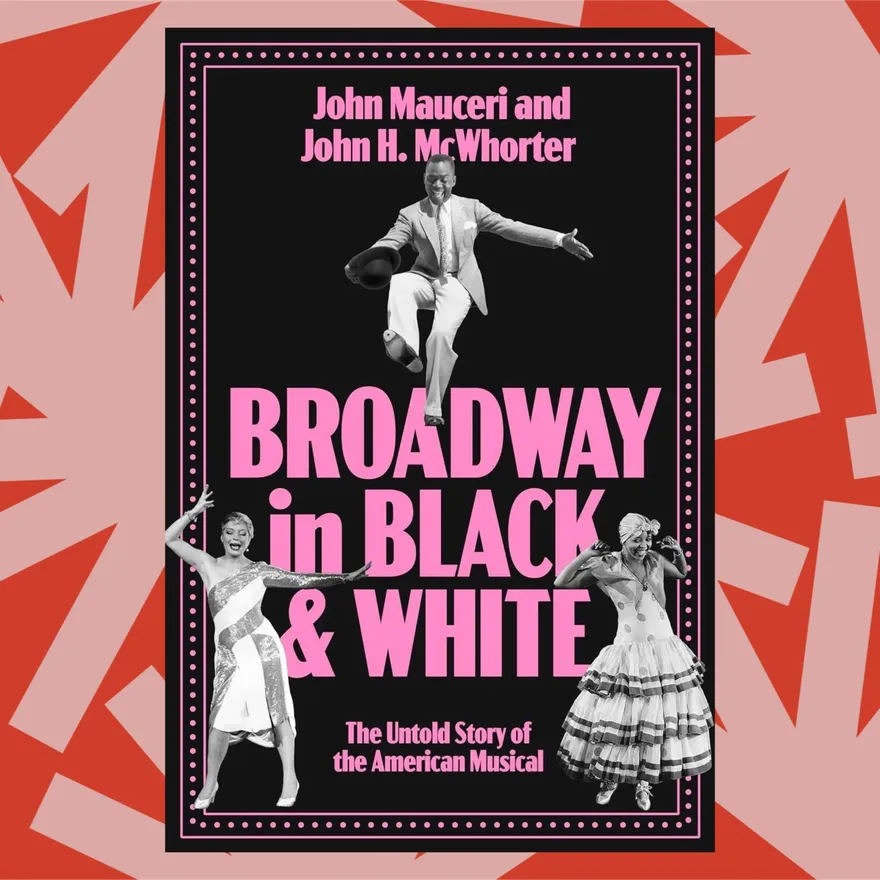

This is a preview of the Shortform summary of the Nov 19, 2026 episode of the NPR's Book of the Day
Sign up for Shortform to access the whole episode summary along with additional materials like counterarguments and context.
1-Page Summary
Broadway's Musical Roots: The Black and White Art Shaping American Show Music
John McWhorter explains that American show tunes, often perceived as predominantly white entertainment, actually emerged from the convergence of Black and white artistic traditions during the 19th century. He argues that without Black cultural influence, Broadway music would lack its distinctive sound and global appeal—"would be nothing like it is and frankly have no international influence and really wouldn't be as good." McWhorter reframes Broadway as a hybrid art form created by the intersection of disparate musical practices, rather than a purely white form of entertainment.
Broadway's Tackling of Race and Racism vs. Hollywood's Avoidance
Scott Simon and Andrew Limbong explore how Broadway confronted racial themes decades before the civil rights movement, while Hollywood avoided them. John Mauceri explains that film studios, driven by commercial motivations, isolated Black performances to avoid alienating Southern audiences. He cites "Cinderella Sue" from "Centennial Summer" being removed entirely for Southern screenings. In contrast, Broadway integrated its casts and narratives from the beginning, forcing audiences to confront race without the possibility of editing out controversial content. Mauceri notes that Hollywood executives prioritized profit over social integrity, censoring Black performances to maintain access to lucrative Southern markets.
Racially Themed Musicals: "South Pacific," "No Strings," "Porgy and Bess"
Mauceri highlights how "South Pacific" directly addressed racial prejudice through "You've Got to Be Carefully Taught," with Hammerstein proclaiming in 1949 that hate is learned, not innate. By licensing the show to high schools nationwide, Rodgers and Hammerstein helped shape new generations' views on equality, though some critics expressed discomfort with the forthright anti-racism message.
"No Strings" marked a groundbreaking shift by pairing a white male lead with a Black female lead without any plot justification for their different races. Mauceri notes that composer Richard Rodgers intentionally made the pairing seem "just normal," and the absence of critical discussion about race itself revealed a significant societal shift.
"Porgy and Bess" remains one of Broadway's most complex works. McWhorter acknowledges that while questions of appropriation are valid, George Gershwin genuinely immersed himself in African American culture and music. Despite being written by white composers at a time when no Black composer could have received equivalent attention, the opera's artistic greatness has made it "a kind of American" work, massively cherished by Black audiences.
Cultural Authenticity and Appropriation in White Artists' Portrayals of Black Experience
McWhorter argues that "Porgy and Bess" demonstrates how powerful artistry, when embraced by Black audiences, can transcend appropriation concerns and become genuine cultural property. He notes the historical context of racial exclusion made the opera a rare opportunity for Black artists to perform major roles. Yet McWhorter acknowledges the inherent complexity: Gershwin's thorough study resulted in music many viewed as authentic, but from a contemporary perspective sensitive to racial power dynamics, the work could justifiably be seen as exploitative. The evaluation of such art remains deeply context-dependent, shaped by both creative merit and the social realities of their origins.
1-Page Summary
Additional Materials
Counterarguments
- While Black cultural influence is undeniably significant, some musicologists argue that Broadway's sound also draws heavily from European operetta and Tin Pan Alley traditions, suggesting a more complex lineage than a simple Black-white convergence.
- The claim that Broadway "integrated casts and narratives from the beginning" can be challenged by pointing to the long history of minstrelsy, blackface, and racially stereotyped roles that persisted on Broadway well into the 20th century.
- Although Broadway addressed racial themes earlier than Hollywood, it often did so through the lens of white creators, which could result in portrayals that reinforced stereotypes or failed to fully capture Black experiences.
- The assertion that "Porgy and Bess" is universally cherished by Black audiences overlooks ongoing debates within Black communities about the opera's depiction of Black life and whether it perpetuates harmful stereotypes.
- Some critics argue that the normalization of interracial relationships in "No Strings" by omitting discussion of race may have sidestepped important conversations about the realities of racism and interracial dynamics in society.
- The idea that powerful artistry can "transcend appropriation concerns" is contested by those who maintain that structural inequalities and lack of credit or compensation for Black creators remain problematic, regardless of audience reception.
- Licensing "South Pacific" to high schools may have spread its anti-racist message, but it also exposed students to dated or problematic representations of race that some educators and parents have found objectionable.
- The narrative that Broadway was more progressive than Hollywood may overlook the commercial motivations and pressures that shaped both industries, as well as the presence of racism and exclusion within Broadway itself.
Actionables
- you can listen to a playlist that alternates between early Black and white American musical styles, then jot down your own observations about how their elements blend or contrast, helping you recognize hybrid influences in everyday music.
- a practical way to challenge learned biases is to keep a simple journal where you note any assumptions or stereotypes you notice in yourself when watching musicals or movies, then write a sentence reframing each one with a more inclusive perspective.
- you can support authentic representation by choosing to watch or stream performances that feature diverse casts and creative teams, and then share your thoughts about the impact of this diversity with friends or on social media to encourage broader appreciation.

Get access to the context and additional materials
Broadway's Musical Roots: The Black and White Art Shaping American Show Music
Blend of African American & European Traditions Created Distinctive Sound of American Musical Theater
John McWhorter explains that American show tunes, often thought of as a predominantly white enterprise with examples like Hello Dolly, Chess, or Carousel, are actually the result of a convergence between Black and white artistic traditions. He emphasizes that the distinctive sound and quality of Broadway music emerged from the union of African American and European influences during the 19th century.
Black Cultural and Musical Influence Key to Broadway's Quality and Global Recognition
McWhorter argues that without the presence and influence of Black art forms in the United States, American musical theater would lack the unique sound that has led to its global influence. He states directly that Broadway music “would be nothing like it is and frankly have no international influence and really wouldn’t be as good” without this Black presence. The synergy between the two traditions is crucial to both the excellence and the worldwide appeal of American show music.
Composition of American Show Tunes: A Convergence of Disparate Artistic Traditions, Creating a Hybrid Art Form Beyond Pure ...
Here’s what you’ll find in our full summary
Broadway's Musical Roots: The Black and White Art Shaping American Show Music
Additional Materials
Counterarguments
- While African American and European traditions both influenced Broadway, other cultural influences—such as Jewish, Latin American, and other immigrant musical traditions—also played significant roles in shaping American musical theater.
- Some historians argue that the commercial and institutional structures of Broadway were predominantly controlled by white producers, composers, and audiences, which affected the extent and recognition of Black contributions.
- The assertion that Broadway would have "no international influence" or "wouldn’t be as good" without Black art forms is subjective and difficult to prove, as artistic value and influence are shaped by multiple factors.
- Certain early Broadway works and operettas drew more heavily from European traditions and were ...
Actionables
- you can create a personal playlist that alternates between classic Broadway show tunes and influential African American musical genres from the 19th and early 20th centuries, then listen for similarities and differences to better appreciate the hybrid origins of the music; for example, pair a song from a famous musical with a ragtime or spiritual piece and note how rhythms, melodies, or vocal styles overlap.
- a practical way to deepen your understanding is to read the lyrics of well-known show tunes alongside lyrics from African American folk songs or European ballads, then jot down phrases, themes, or storytelling techniques that seem to blend or contrast, helping you see how different traditions shaped the narrati ...
Get access to the context and additional materials
Broadway's Tackling of Race and Racism vs. Hollywood's Avoidance
Scott Simon and Andrew Limbong explore how Broadway musicals confronted racial themes well before the modern civil rights era, offering a contrast to Hollywood’s commercial priorities and reluctance to address segregation and racism.
Broadway Tackled Racial Themes Pre-civil Rights; Film Industry Avoided Them
Scott Simon notes that decades before the modern civil rights movement, Broadway musicals exposed American audiences to integration through story and song. Andrew Limbong, in conversation with Scott Semmon, highlights Broadway’s willingness to directly engage with difficult questions around race, while Hollywood preferred to evade these issues.
Hollywood Isolated Black Artists' Performances, Removing Songs or Scenes for Southern Audiences to Avoid Confronting Segregation
John Mauceri explains that Hollywood’s commercial motivations led studios to isolate Black performances when adapting Broadway works or making films. In practice, this meant including a "Black number" in a mostly white musical, only to cut that segment out when screening films in the segregated South. He cites the example of the song "Cinderella Sue," performed by Avon Long in "Centennial Summer," being removed entirely for Southern audiences. This allowed Hollywood to sidestep direct confrontation of racial integration, keeping Black characters in minor, often servile roles such as maids, and eliminating anything that might challenge the status quo.
Broadway's Integrated Casting and Narratives Forced Audiences to Confront Racial Themes Without Evasion
In contrast, Broadway, according to Mauceri, integrated its casts and narratives from the beginning, which "forced [audiences] to confront" race and racism head-on. Unlike film, theatre audiences witnessed integrated performances and stories about race without the possibility of avoiding or editing out controversial content. This direct engagement positioned Broadway as a cultural space willing to challenge prevailing social norms far earlier ...
Here’s what you’ll find in our full summary
Broadway's Tackling of Race and Racism vs. Hollywood's Avoidance
Additional Materials
Counterarguments
- While Broadway did address racial themes earlier than Hollywood, its reach and influence were limited compared to the mass audience of Hollywood films, potentially reducing its overall societal impact.
- Broadway productions, especially in the early 20th century, were still subject to commercial pressures and sometimes perpetuated racial stereotypes or relied on minstrel traditions.
- Some Broadway shows that tackled race did so in ways that reflected the biases and limitations of their times, and not all productions were progressive or inclusive.
- Hollywood, despite its shortcomings, did provide a platform for some Black artists to achieve national fame and recognition that might not have been possible solely through Broadway.
- The economic realities of both Broadway and Hollywood meant that both industries made compromises regarding conten ...
Actionables
- you can choose entertainment that features integrated casts and directly addresses racial themes, then invite friends or family to watch with you and discuss the impact of seeing these stories presented without censorship
- By intentionally selecting movies, shows, or plays that don't shy away from racial issues and sharing them with others, you help normalize open conversations about race and representation. For example, after watching, ask your group how the story made them feel or what surprised them about the casting and narrative choices.
- a practical way to challenge commercial pressures that sideline inclusion is to support creators and platforms that prioritize diverse storytelling, even if they're less mainstream
- Seek out independent films, streaming services, or local performances that highlight underrepresented voices. When you recommend these to others or leave positive reviews, you help shift demand toward more inclusive content.
- you can reflect on your own media habits by keeping a simple log for a week, noting ...

Get access to the context and additional materials
Racially Themed Musicals: "South Pacific," "No Strings," "Porgy and Bess"
"South Pacific" Addressed Anti-Racism With "You've Got to Be Taught," Revealing Hidden Racial Attitudes on Stage In 1949
Oscar Hammerstein directly addresses the roots of racial prejudice in “South Pacific” with the song “You’ve Got to Be Carefully Taught.” John Mauceri highlights that, in the climax of Act II, Hammerstein puts into words what had otherwise remained unspoken until 1949: prejudice is not innate but learned. The song argues, “Children are really race-free, but you have to be carefully taught,” and starkly proclaims that hate is passed on by one’s family and society. Lines like “You’ve got to be taught before it’s too late, before you are six or seven or eight, to hate all the people your relatives hate,” underscore this message.
The impact of “South Pacific” extended beyond Broadway. Rodgers and Hammerstein licensed the show to schools across the United States, including high schools. Mauceri recounts how, as a high school freshman and rehearsal pianist, he witnessed young people across the country learning and absorbing these anti-racist values through participation in the musical. By making the material accessible to youth, the show helped shape new generations’ views on equality.
Not everyone was comfortable with Broadway’s direct challenge to racist attitudes. After the show’s debut, some critics and figures expressed unease with the forthright anti-racism message, revealing both the power of “South Pacific” and the discomfort that can arise from confronting prejudice on a public stage.
"No Strings" Pioneered Colorblind Casting With a White Man-black Woman Relationship Without Race Justification
“No Strings” marked a groundbreaking change in Broadway’s depiction of interracial relationships. Scott Simon asks about the casting in the musical, and John Mauceri clarifies that the male lead was white (Richard Kiley) and the female lead was Black (Diahann Carroll). The show did not specify the race of either the writer or the fashion model characters. Composer Richard Rodgers intentionally crafted the roles so that the pairing would seem “just normal,” avoiding any plot justification or comment on their different races.
Mauceri notes that, while a couple of critics pointed out the interracial relationship wasn’t yet normalized in real society, many critics and audiences did not address the racial implications at all. Some avoided the topic out of fear or discomfort, while for others, the presentation felt so matter-of-fact that commentary seemed unnecessary or irrelevant. John McWhorter observes that this absence of discussion itself reveals a significant societal shift—or resistance to confronting realities about race on stage.
"Porgy and Bess" Controversy: Cultural Authenticity Concerns With White Composers on Black Life Despite Musical Genius
“Porgy and Bess,” composed by George and Ira Gershwin and DuBose Heyward, is widely rega ...
Here’s what you’ll find in our full summary
Racially Themed Musicals: "South Pacific," "No Strings," "Porgy and Bess"
Additional Materials
Counterarguments
- While “South Pacific” is praised for its anti-racist message, some critics argue that its portrayal of race and interracial relationships still relies on stereotypes and paternalistic attitudes, limiting its effectiveness in challenging deeper systemic racism.
- The assertion that children are “naturally race-free” is debated by some scholars who point out that children can notice and react to racial differences from a young age, even if explicit prejudice is learned.
- Licensing “South Pacific” to schools may have spread anti-racist messages, but the impact could be limited if the performances and discussions did not engage deeply with the complexities of racism or if local communities resisted the message.
- The discomfort caused by “South Pacific”’s anti-racism message may also reflect the show’s limitations in addressing racism beyond individual attitudes, as it does not fully confront institutional or structural racism.
- “No Strings” is often credited with pioneering colorblind casting, but some critics argue that ignoring race entirely can erase the real social and historical challenges faced by interracial couples, potentially minimizing ongoing issues of racism.
- The lack of commentary on the interracial relationship in “No Strings” could be interpreted not only as normalization but also as avoidance, sidestepping meaningful engagement with the realities of race in society.
- “Porgy and Bess” has been criticized by some for perpetuating stereotyp ...
Actionables
- you can reflect on your own early experiences and identify specific moments when you first encountered ideas about race, then write a short letter to your younger self explaining how those ideas were shaped by others and how you would approach them differently now; this helps you recognize learned biases and consciously choose new attitudes.
- a practical way to support racial equity in the arts is to seek out and financially support music, theater, or art created by contemporary Black artists, especially those who have not received mainstream recognition, by purchasing their work or donating directly to their projects.
- you can start a p ...

Get access to the context and additional materials
Cultural Authenticity and Appropriation in White Artists' Portrayals of Black Experience
Cultural Appropriation vs. Authentic Representation on Broadway: White Artists' Works as Black Community Expressions
McWhorter describes "Porgy and Bess" as some of the most beautiful and titanic music ever written, noted for being massively cherished by Black audiences—even his own mother. He states that, despite being written by white men, the work's artistic greatness elevates it beyond simple criticism of appropriation and positions it as a distinctly American creation. McWhorter argues that a work like "Porgy and Bess" shows how powerful artistry, when embraced by Black audiences, can transcend appropriation concerns and become cultural property genuinely valued within the Black community.
"Porgy and Bess" Shows a Work Can Transcend Appropriation Criticism When Its Artistry Is Strong and Black Audiences Embrace It As Cultural Property
McWhorter specifically highlights how the enduring embrace of "Porgy and Bess" by Black audiences demonstrates the possibility for a work originally created outside the community to later be adopted and deeply valued as part of Black cultural heritage.
Historical Context of Racial Exclusion: "Porgy and Bess" as a Unique Opportunity for Black Artists
McWhorter notes the historical context in which "Porgy and Bess" was written, emphasizing that at the time, Black creators could not have received similar opportunities or recognition in American musical theater, however talented they were. This context makes the opera a rare and unique opportunity for Black artists of that era to perform major roles on significant stages.
Appropriation vs. Artistic Excellence: Complexity in Historical Context and Creative Quality
Gershwin's Study Sho ...
Here’s what you’ll find in our full summary
Cultural Authenticity and Appropriation in White Artists' Portrayals of Black Experience
Additional Materials
Counterarguments
- The fact that "Porgy and Bess" is cherished by some Black audiences does not negate the concerns of others who view it as perpetuating stereotypes or as an example of white artists profiting from Black stories.
- Artistic excellence does not automatically absolve a work from the charge of cultural appropriation, especially if it reinforces harmful tropes or excludes Black creators from authorship and control.
- The embrace of a work by segments of a community does not mean it is universally accepted or unproblematic within that community.
- The lack of opportunities for Black creators at the time "Porgy and Bess" was written is itself a result of systemic racism, and celebrating the work without acknowledging this context risks minimizing ongoing issues of exclusion and representation.
- The roles available to Black performers in "Porgy and Bess" were still written from an outsider’s perspective, which may have limited the authenticity and complexity of the characters.
- Gershwin’s immersion in Black culture, while sincere, does not equate to lived experience, a ...
Actionables
- you can listen to music or art from cultures outside your own and then write a short reflection on how your perception of its authenticity or value changes when you learn about its origins and the context in which it was created
- Reflect on whether knowing more about the creator’s background or the era’s social realities affects your appreciation or discomfort, and consider how your feelings might differ from those of people within the originating community.
- a practical way to recognize and support underrepresented artists is to intentionally seek out and share works by creators from marginalized backgrounds, especially in genres or spaces where they have historically lacked visibility
- For example, create a personal playlist, reading list, or art collection featuring these artists, and share it with friends or on social media, highlighting the significance of their contributions.
- you ...

Get access to the context and additional materials

 1-Page Summary
- Broadway's Musical Roots: The Black and White Art Shaping American Show Music
- Broadway's Tackling of Race and Racism vs. Hollywood's Avoidance
- Racially Themed Musicals: "South Pacific," "No Strings," "Porgy and Bess"
- Cultural Authenticity and Appropriation in White Artists' Portrayals of Black Experience
Create Summaries for anything on the web
Download the Shortform Chrome extension for your browser
