

'Who? Weekly' hosts Lindsey Weber and Bobby Finger unpack modern fame in new book
In this episode of NPR's Book of the Day, Bobby Finger and Lindsey Weber discuss their framework for understanding modern celebrity culture. They introduce a binary classification system dividing celebrities into "Whos" and "Thems," replacing traditional hierarchies and illustrating how figures like Kim Kardashian have blurred the boundaries between these categories through social media and reality TV.
The conversation explores how algorithm-driven platforms have fragmented celebrity culture, creating isolated ecosystems where fame exists within specific communities rather than universally. Finger and Weber also examine shifting attitudes toward celebrity endorsements, the role of loyal fan bases in helping celebrities recover from scandals, and how top-tier celebrities like Beyoncé maintain autonomy by bypassing traditional media obligations and building independent business ventures. The episode offers a framework for understanding how fame operates in the digital age.
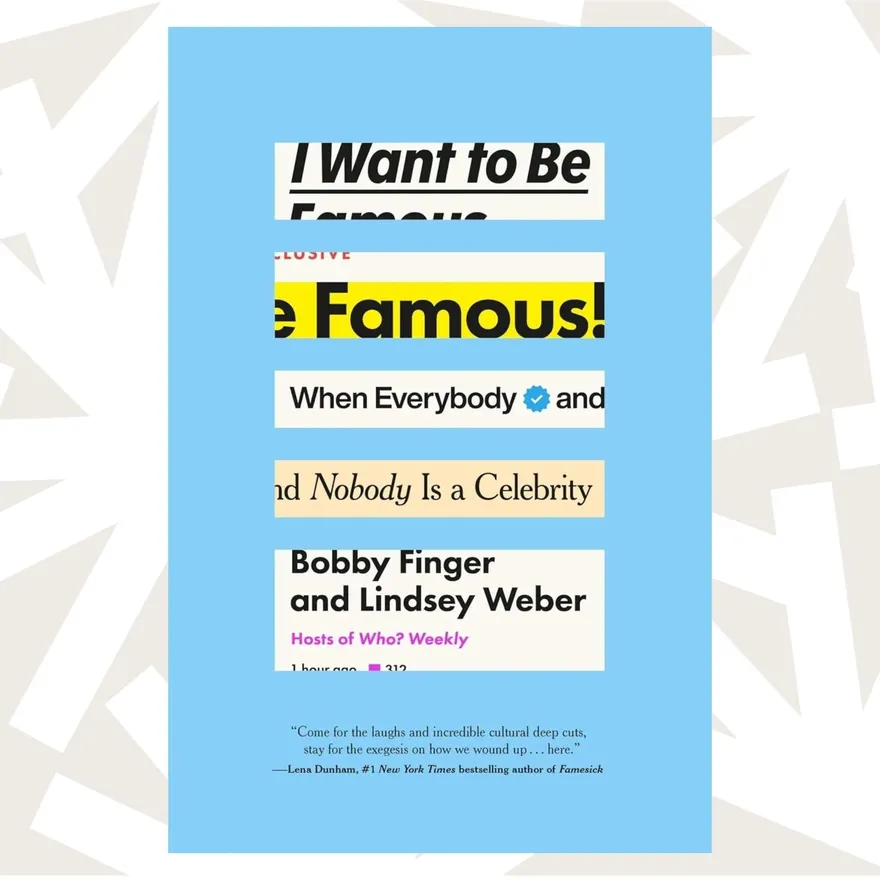

This is a preview of the Shortform summary of the Nov 10, 2026 episode of the NPR's Book of the Day
Sign up for Shortform to access the whole episode summary along with additional materials like counterarguments and context.
1-Page Summary
"Who" Vs. "Them": A Framework For Celebrity Fame Hierarchies
Bobby Finger and Lindsey Weber introduce a new binary classification for celebrity status, replacing the traditional letter-grade hierarchy with two simple categories: "Whos" and "Thems."
A Two-Tier Model Replaces Traditional Celebrity Hierarchies
Bobby Finger explains that "Whos" are celebrities who prompt confusion—people who make observers ask, "Who's that?" when they appear in headlines. Weber notes that Whos can enjoy selective recognition, like getting a free drink from an admirer, while still maintaining relative anonymity. In contrast, Finger describes "Thems" as instantly and universally recognized figures whose fame crosses all boundaries.
Kim Kardashian's Journey Illustrates the Blurred Boundaries Between Categories
The hosts discuss how Kim Kardashian exemplifies the modern fluidity between these categories. Initially known primarily as a Paris Hilton associate, Kardashian rose to fame through reality TV, sponsored content, and social media—channels typically associated with "Who" status. Weber emphasizes that although Kardashian is now unquestionably a "Them," she was a "Who" not long ago, perfectly illustrating how contemporary fame can bridge these celebrity categories.
Algorithms and Platforms Democratizing and Fragmenting Celebrity Culture
The rise of algorithm-driven platforms is fundamentally reshaping fame and celebrity culture.
Personalized Feeds Create Isolated Celebrity Ecosystems
Bobby Finger observes that algorithmic curation causes everyone to remain siloed in their own celebrity bubbles based on their interests. Within these personalized ecosystems, someone can achieve immense fame in one community yet remain virtually unknown outside those particular feeds. As Finger points out, this fragmentation means a person might be recognized as a "them" among some friends while being regarded as a "who?" by others.
Internet Expansion Creates Both Opportunities and Confusion
Finger notes that more people from outside traditional entertainment can now achieve massive followings, democratizing celebrity. However, this proliferation of fame routes—including the rise of micro-celebrities with influence in niche communities—causes confusion about celebrity status and fundamentally fragments celebrity culture.
Why Ultra-Wealthy Celebrities Endorse Products and Sponsorships
Cultural Attitudes Have Shifted Dramatically
Ayesha Rascoe recalls when celebrities avoided domestic commercials to protect their reputations, only doing endorsement deals overseas. Lindsey Weber notes a cultural shift where people now celebrate celebrities for maximizing their earnings through the widespread phrase "get your bag." Rascoe points out that even enormously wealthy celebrities like LeBron James and Larry David now appear in advertisements they previously would have rejected.
Influencers Paved the Way for A-List Celebrity Endorsements
Bobby Finger explains that lower-tier celebrities and influencers pioneered integrating sponsorship into their public personas. As the public became accustomed to this behavior and influencers found financial success, established A-list celebrities began asking themselves, "Where's mine?" This mainstream acceptance has turned endorsements into a routine aspect of even ultra-wealthy celebrity careers.
Scandal Culture & Celebrity Resilience: Short Memory & Fan Bases Aid Recovery
Lindsey Weber notes that today's scandal culture moves quickly and celebrities often recover from controversies with little lasting damage.
Short Attention Spans and Loyal Fan Bases Protect Celebrities
Weber explains that collective memory is exceptionally short in the current media environment, with continuous scandals meaning there's always something new competing for attention. She highlights that passionate "stan" fan communities remain loyal to celebrities regardless of controversies, actively defending their idols and continuing to support them financially. This means celebrities can sustain their earnings through a loyal minority audience without needing universal public approval or broad-based appeal for financial and cultural success.
Celebrity Autonomy: How the Famous Can Opt Out of Media Obligations and Maintain Control
Top celebrities increasingly demonstrate they can control their public persona by bypassing traditional media obligations and building independent ventures.
Top-Tier Celebrities Can Avoid Traditional Press Duties
Ayesha Rascoe highlights how Beyoncé has removed herself from standard celebrity practices like interviews and press tours, while Bobby Finger points out that Tom Cruise has also made himself scarce in the media for over a decade. Finger argues that for A-list celebrities, the benefits of engaging with the media rarely justify the risks of scrutiny and potential backlash, as demonstrated when Cruise's recent film promotion sparked mockery and criticism.
Independent Business Ventures Provide Alternative Revenue Streams
Rascoe notes that Beyoncé has launched her own business ventures, including her liquor brand Sir Davis and hair care brand Sacred. By focusing on her own brands over conventional sponsorships, Beyoncé directly benefits from her business projects. This strategy demonstrates how celebrities at the pinnacle of fame can maintain autonomy and financial control, operating largely outside the traditional structures that once governed celebrity careers.
1-Page Summary
Additional Materials
Clarifications
- "Whos" and "Thems" are terms coined to simplify how we categorize celebrity fame. "Whos" are lesser-known figures who may be recognized only within certain circles or cause people to ask "Who is that?" "Thems" are universally recognized celebrities with widespread fame across demographics. This binary replaces older, more complex celebrity ranking systems to reflect modern fame's fluid and fragmented nature.
- The traditional letter-grade hierarchy ranks celebrities like school grades, from A-list (most famous) to D-list (least famous). This system categorizes fame based on visibility, influence, and media presence. It implies a clear, linear scale of celebrity status. The new model simplifies this into two broad groups, focusing on recognition rather than rank.
- Kim Kardashian first gained public attention through her friendship with Paris Hilton, a well-known socialite and reality TV star. This association helped Kardashian enter the celebrity spotlight before she became famous on her own. Paris Hilton was one of the early examples of a "Them," widely recognized in pop culture. Kardashian's rise from being known mainly as Hilton's friend to becoming a major celebrity herself illustrates how fame can evolve and cross categories.
- Algorithm-driven platforms use data on users' preferences and behaviors to tailor content feeds uniquely for each person. This personalization means users see celebrities popular within their specific interest groups rather than universally famous figures. As a result, fame becomes segmented, with different celebrities dominating distinct online communities. This segmentation limits shared cultural references and creates separate "ecosystems" where celebrity recognition varies widely.
- Micro-celebrities are individuals who gain fame within specific online communities or niche interests rather than mainstream media. They often build close, interactive relationships with their followers, creating a sense of personal connection. Their influence is significant within their niche but limited outside it, contributing to the fragmentation of celebrity culture. This model contrasts with traditional celebrities, whose fame is broad and widely recognized.
- "Get your bag" is a slang phrase meaning to earn money or secure financial success. It reflects a cultural shift where openly pursuing wealth is admired rather than stigmatized. The phrase celebrates hustle, ambition, and maximizing income opportunities. It has become popular in social media and youth culture as encouragement to prioritize financial gain.
- "Stan" fan communities are highly dedicated groups of fans who actively promote and defend their favorite celebrities online. They organize campaigns to boost the celebrity's visibility and counter negative publicity. These communities often create and share content, influencing public perception and media narratives. Their loyalty provides celebrities with a stable support base that can sustain popularity despite controversies.
- Historically, celebrities avoided domestic commercials to maintain an image of exclusivity and artistic integrity, fearing endorsements could cheapen their public persona. Endorsing products was seen as commercializing their fame, potentially alienating fans and industry peers. Over time, changing cultural attitudes and the rise of influencer marketing normalized endorsements as a legitimate income source. This shift allowed celebrities to embrace advertising without damaging their reputations.
- Beyoncé's brands Sir Davis and Sacred represent her move into entrepreneurship, allowing her to generate income independently of traditional media and endorsements. Sir Davis is a liquor brand, while Sacred focuses on hair care products, both reflecting her personal interests and cultural identity. These ventures give her greater control over her public image and financial success. This strategy exemplifies how top celebrities leverage business ownership to maintain autonomy.
- Top-tier celebrities avoid traditional media obligations to reduce exposure to negative scrutiny and invasive questions. Media appearances often risk misinterpretation or controversy that can harm their carefully managed public image. By limiting press interactions, they maintain greater control over their narrative and privacy. This strategy helps preserve their brand value and mental well-being.
- Scandal culture refers to the rapid spread and consumption of celebrity controversies through media and social platforms. The constant influx of new scandals dilutes public focus, making it easier for celebrities to move past negative events. Loyal fan bases actively defend celebrities, helping preserve their reputation and financial support. This dynamic allows celebrities to recover quickly without needing widespread public forgiveness.
- Bypassing traditional media allows celebrities to avoid negative scrutiny and control their public image more tightly. It reduces reliance on external platforms, giving them direct access to their audience. Financially, owning independent ventures means they keep a larger share of profits instead of sharing with sponsors or media companies. Culturally, this shift empowers celebrities to define their brand and influence without intermediaries.
Counterarguments
- The binary "Who"/"Them" framework may oversimplify the complexity of celebrity status, ignoring the nuances and gradations that exist between total anonymity and universal recognition.
- The concept of "universal recognition" is increasingly rare in a globalized, fragmented media landscape, making the "Them" category less applicable or meaningful than in previous eras.
- The focus on algorithm-driven fragmentation overlooks the continued influence of traditional mass media, which can still create or sustain universally recognized celebrities.
- The narrative that influencer culture paved the way for A-list celebrity endorsements may understate the long history of celebrity endorsements and the cyclical nature of such practices.
- The idea that celebrities can easily recover from scandals due to short attention spans and loyal fan bases may not account for cases where controversies have led to lasting reputational or career damage.
- The portrayal of celebrity autonomy through business ventures may not be accessible to most celebrities, as only a small fraction have the resources, platform, or audience to successfully launch independent brands.
- The suggestion that top-tier celebrities can fully control their public personas by avoiding media obligations may overlook the ways in which public perception is still shaped by external factors, including social media discourse and tabloid coverage.

Get access to the context and additional materials
"Who" Vs. "Them": A Framework For Celebrity Fame Hierarchies
Bobby Finger and Lindsey Weber introduce a new method to classify celebrity status, shifting away from the traditional, nuanced letter-grade hierarchy in favor of a simplified, binary model. In this system, celebrities fall into one of two camps: “Whos” or “Thems.” This approach reflects the realities of modern fame, especially as platforms like reality TV and social media shape celebrity culture.
Binary System Replaces Traditional Letter-Grade Celebrity Hierarchies With a Simpler Two-tier Model
Bobby Finger explains that the traditional A, B, C, D letter grades for celebrity tiers felt too complicated for today’s fame landscape. Instead, they devised a two-bucket system: Whos and Thems.
"'WhoS' Are Celebrities Who Cause Confusion, Prompting 'Who Is That?'"
“Whos” are celebrities who provoke confusion or curiosity. As Finger puts it, these are the people who, when spotted in a headline or magazine cover, cause observers to ask, “Who’s that? Who?” Lindsey Weber adds that being a Who has its perks—these celebrities can enjoy recognition from select individuals, like getting a free drink at a bar from someone who admires their work, but can still blend in and avoid the relentless attention and scrutiny that plague household names. However, the anonymity can also feel precarious or frustrating, as one admirer’s recognition may be met with genuine confusion from others.
Figures Instantly Recognized Across the Population
In contrast, Finger describes “Thems” as figures who are recognized immediately and universally. The reaction is, “Oh, them.” These are celebrities whose fame crosses all boundaries, instantly sparking recognition no matter where they go.
Kim Kardashian Exemplifies Blurred Boundaries Between Traditional Celebrity and Modern "Them" Status Through Unconventional Routes
The hosts discuss how Kim Kardashian’s unique journey blurs the lines between these categories.
Became Known As a Paris Hilton Associate, Not As a Standalone Star
When first entering public consciousness, Kim Kardashian was more of a “Who”—noted primarily as an associate of Paris Hilton, rather than a standalone celebrity.
Rise To Fame Through Reality Tv, Sponsored C ...
Here’s what you’ll find in our full summary
"Who" Vs. "Them": A Framework For Celebrity Fame Hierarchies
Additional Materials
Clarifications
- The terms “Whos” and “Thems” originate from the common reactions people have when encountering celebrities: confusion ("Who is that?") versus instant recognition ("Oh, them"). This binary classification simplifies celebrity status by focusing on public familiarity rather than traditional fame metrics. It reflects how modern media and social platforms create varying levels of celebrity awareness. The framework highlights the shift from nuanced gradations to a clear divide in cultural recognition.
- The traditional letter-grade celebrity hierarchy ranks celebrities based on their fame, influence, and marketability. "A-list" celebrities are top-tier stars with widespread recognition and high earning power. Lower tiers like B, C, and D represent decreasing levels of fame and public visibility. This system helps industries like casting and advertising gauge a celebrity's commercial value.
- The traditional letter-grade system ranks celebrities on a spectrum from A to D based on perceived fame, talent, and influence. This system assumes clear distinctions and stable categories, which modern fame often defies due to rapid changes and diverse platforms. It can be subjective and inconsistent, as different industries and audiences may value fame differently. The rise of social media and reality TV has created new types of fame that don't fit neatly into these old categories.
- Being recognized as an associate of another celebrity means one's fame is initially tied to that person's status rather than their own achievements. This association can provide early exposure and opportunities but limits independent recognition. It often places the individual in the "Who" category, as their identity is seen through the lens of the more famous figure. Over time, building a distinct public persona is necessary to transition to broader fame.
- Reality TV offers everyday people a platform to showcase their personalities to large audiences, often leading to fame without traditional talent or industry connections. Sponsored content allows individuals to monetize their online presence by promoting brands, increasing visibility and influence. Social media enables direct interaction with fans, rapid content sharing, and personal branding, accelerating fame growth. Together, these channels democratize celebrity creation beyond conventional entertainment industries.
- Traditional celebrity fame routes often involve formal industries like film, television, or high-fashion modeling, where talent is vetted through auditions, contracts, and professional gatekeepers. Modern fame routes leverage digital platforms such as social media, reality TV, and influencer marketing, allowing individuals to build audiences directly without industry intermediaries. This shift enables rapid, self-driven fame based on personal branding and audience engagement rather than institutional endorsement. Consequently, modern fame can be more accessible but also more volatile and fragmented.
- A “Them” celebrity has a cultural impact that extends beyond niche or specific audiences to the general public. Their recognition is nearly universal, meaning most people, regardless of age, location, or background, can identify them. This level of fame often influences trends, media, and public discourse on a broad scale. Their presence shapes popular culture and societal conversations consistently over time.
- A celebrity transitions from “Who” to “Them” through increas ...
Counterarguments
- The binary “Who” vs. “Them” framework may oversimplify the complex and fluid nature of celebrity status, which can exist on a spectrum rather than in two distinct categories.
- The traditional letter-grade hierarchy, while more complicated, allows for greater nuance and can better capture the varying degrees and types of fame.
- Recognition and fame are often context-dependent; a celebrity might be a “Them” in one demographic or region and a “Who” in another, challenging the universality implied by the binary system.
- The framework may not account for celebrities who intentionally cultivate niche fame or those who oscillate between “Who” and “Them” status over time or in different contexts.
- The model focuses primarily on visibility and public recognition, potentially overlooking other important aspects of celebrity, such as influence, legacy, or industry re ...
Get access to the context and additional materials
Algorithms and Platforms Democratizing and Fragmenting Celebrity Culture
The rise of algorithm-driven platforms is fundamentally changing the landscape of fame and celebrity, creating both unprecedented paths to notoriety and fragmenting what it means to be a celebrity in the digital age.
Algorithmic Curation Crafts Personalized Ecosystems Where Audiences Have Unique Perceptions of Fame
Social media platforms now curate content based on users’ habits and preferences, resulting in isolated algorithmic bubbles. Bobby Finger observes that the algorithmic nature of feeds causes everyone to remain siloed in their own celebrity bubbles, whether those are built around music, sports, movies, or politics. This makes it easy to tune out anything that isn’t directly aligned with what the algorithm thinks a user wants to see.
Within these highly personalized ecosystems, perceptions of fame are intensely audience-specific. Someone can achieve immense fame in one community or corner of the internet, yet remain virtually unknown outside those particular feeds. As Bobby Finger points out, this fragmentation leads to scenarios where a person might be recognized as a notable "them" among some friends, while being regarded as a "who?" by others who have never encountered them through their own algorithmically curated content.
Internet Expansion Creates Celebrity Opportunities and Status Confusion
The continued expansion of internet platforms has created more paths to fame than ever before. Bobby Finger notes that now, more people from outside the traditional entertainment industry ...
Here’s what you’ll find in our full summary
Algorithms and Platforms Democratizing and Fragmenting Celebrity Culture
Additional Materials
Clarifications
- Algorithm-driven platforms use computer programs called algorithms to decide which content to show each user. These algorithms analyze user behavior, such as likes, clicks, and watch time, to predict what content will keep them engaged. The goal is to personalize the experience by showing content tailored to individual preferences. This process creates unique content feeds for each user, shaping their view of what is popular or important.
- Algorithmic bubbles refer to the way social media algorithms show users content similar to what they have previously engaged with, limiting exposure to diverse viewpoints. This creates "siloed" content, meaning users are isolated within narrow interest groups or communities. As a result, people often see only a small, repetitive slice of information tailored to their preferences. This can reinforce existing beliefs and reduce awareness of broader perspectives.
- Micro-celebrities are individuals who gain fame within specific online communities or niche audiences rather than broad mainstream recognition. Unlike traditional celebrities, whose fame often comes from mass media like movies or TV, micro-celebrities build influence through social media platforms by engaging directly with their followers. Their fame is usually more personal and interactive, often based on specialized content or interests. This creates a more fragmented and diverse celebrity landscape.
- Social media algorithms analyze user behavior such as likes, shares, comments, and watch time to predict what content will keep them engaged. They prioritize showing posts similar to those a user has interacted with before. Algorithms also consider factors like recency and content popularity within a user’s network. This process creates a personalized feed tailored to individual preferences and habits.
- Fragmentation of celebrity culture means fame is no longer universal but divided into many small, separate groups. Each group recognizes different people as celebrities based on their specific interests and online communities. This matters because it changes how society collectively understands and values fame. It also affects marketing, media, and social influence, as celebrities may only impact niche audiences rather than the general public.
- Traditional celebrity typically arises from mainstream media exposure like movies, TV, or music, reaching broad audiences through centralized channels. Internet-based fame emerges from digital platforms where individuals can build followings independently, often within niche communities. Traditional fame is usually more uniform and widely recognized, while internet fame is fragmented and varies by platform and audience. This shift changes how fame is achieved, perceived, and maintained.
- Personalized content feeds use algorithms to show users content tailored to their interests and past behavior. This means users often see only a narrow slice of popular culture, shaped by their preferences. As a result, different users develop distinct ideas of who is famous based on the content they encounter. This creates separate "celebrity bubbles" where fame is relative and varies widely between audiences.
- The ...
Counterarguments
- While algorithmic curation can create isolated bubbles, many users still encounter viral content and mainstream celebrities due to platform-wide trends, cross-platform sharing, and news coverage, which can counteract extreme fragmentation.
- Traditional markers of celebrity, such as appearances in major media outlets, brand endorsements, and participation in high-profile events, still play a significant role in defining and recognizing celebrity status, even in the digital age.
- The concept of fragmented celebrity is not entirely new; subcultural and niche fame existed before the internet, such as local radio personalities, underground musicians, or genre-specific authors.
- The democratization of fame does not necessarily guarantee equal access to visibility, as algorithms can reinforce existing inequalities and biases, favoring those with resources or pre-existing networks.
- Despite the rise of micro-celebrities, a relatively small number of individuals and brands still do ...
Get access to the context and additional materials
Why Ultra-Wealthy Celebrities Endorse Products and Sponsorships
Celebrities Once Avoided Home Country Ads Due to Dignity and Reputation Concerns
Ayesha Rascoe recalls a time when it was considered gauche for celebrities to appear in commercials for products within their home countries. Serious actors and musicians would only agree to do endorsement deals overseas, such as in Japan, to ensure those ads would not be seen in the U.S. Public attitudes equated visible product endorsement with a lack of dignity, leading prominent celebrities to avoid such work domestically to protect their reputations.
Actors, Musicians Took Overseas Commercial Work to Avoid Domestic Visibility
Endorsement deals were handled discreetly by doing commercials abroad, where American audiences were unlikely to see them. This allowed stars to earn extra money without damaging their image at home.
Cultural Attitude Against Product Endorsement for Serious Celebrities
In the past, there was a strong cultural resistance to major celebrities using their fame to sell products on television in their home country. Participating openly in advertising was seen as shameless and could diminish a star’s perceived integrity.
Celebrities Are Encouraged to Maximize Earnings Through Sponsorships In Today's Wealth-Celebrating Culture
Lindsey Weber notes a cultural shift in attitudes regarding celebrity endorsement deals. Where people once saw such behavior as shameless, current culture celebrates celebrities for maximizing their earnings—an attitude summed up by the widespread phrase “get your bag.” This celebration of wealth, access, and power encourages celebrities to embrace sponsorship opportunities without the fear of reputational harm.
Cultural Shift Normalizes "Get Your Bag," Reflecting Approval of Celebrity Monetization
Weber describes how it has become culturally acceptable, even admirable, for celebrities to make as much money as possible through side deals and sponsorships. Money-making behavior that was once frowned upon is now part of the public persona of even the wealthiest public figures.
Lebron James and Larry David now Endorse Gambling and Cryptocurrency in Ads They Once Would Have Rejected
Rascoe points out that even celebrities with enormous wealth, like LeBron James and Larry David, now appear in advertisements for products like gambling or cryptocurrency. These are ads they previously would have rejected to avoid any perceived loss of status.
Celebriti ...
Here’s what you’ll find in our full summary
Why Ultra-Wealthy Celebrities Endorse Products and Sponsorships
Additional Materials
Counterarguments
- While celebrity endorsements are now more common and accepted, there remains a segment of the public that views such behavior as inauthentic or "selling out," especially when endorsements appear insincere or unrelated to the celebrity's persona.
- Some celebrities, particularly those with strong artistic or activist reputations, still avoid endorsements to maintain credibility and integrity, indicating that the cultural shift is not universal.
- The normalization of endorsements may be more pronounced in certain industries (e.g., sports, entertainment) and less so in others, suggesting that the trend is not equally distributed across all celebrity types.
- There are ongoing debates about the ethical implications of celebrities endorsing potentially harmful products (such as gambling or cryptocurrency), and some public backlash persists despite the broader cultural shif ...
Actionables
- you can experiment with how your own reputation feels when you publicly recommend a product or service you genuinely like, then reflect on any changes in how friends or followers respond to you
- Share a favorite item or service on your social media or in a group chat, making it clear you’re not being paid, and notice if people react differently to you or your suggestion. This helps you understand firsthand how public endorsements affect personal image and relationships.
- a practical way to explore shifting attitudes is to ask people in your circle how they feel about public endorsements and sponsorships, then compare their views to older family members or mentors
- Start a casual conversation with friends, colleagues, and older relatives about their opinions on celebrities or influencers promoting products. Note generational or cultural differences in their responses, which can reveal how attitudes have changed over time.
- you can track your own comfort level with self-promotion by setting a small goal ...

Get access to the context and additional materials
Scandal Culture & Celebrity Resilience: Short Memory & Fan Bases Aid Recovery
Lindsey Weber notes that today’s scandal culture moves quickly and celebrities often recover from controversies with little lasting damage, thanks to shifting public memory and resilient fan bases.
Society's Shortened Attention Spans For Celebrity Controversies
Weber explains that collective memory is exceptionally short in the current media environment. Continuous scandals and a nonstop news cycle mean there is always something new competing for the public’s interest. As a result, incidents that once seemed like major controversies “whiff out the window, very quickly.” Cultural memory no longer dwells on scandals long enough for most to inflict lasting reputational harm on celebrities.
Fan "Stan" Accounts Stay Loyal to Celebrities Despite Controversies
Weber highlights that passionate fan communities, often called "stan" groups, remain loyal to their favorite celebrities regardless of any missteps or controversies. These fans actively defend their idols against criticism and continue to support them through purchasing merchandise, music, or tickets, and attending events. Celebrities thus retain support and economic power, as these groups are steadfast despite public criticism or negative headlines.
Niche Audiences' Loyalty Makes Universal Appeal Unnecessary for Celebrity Economic Viability ...
Here’s what you’ll find in our full summary
Scandal Culture & Celebrity Resilience: Short Memory & Fan Bases Aid Recovery
Additional Materials
Clarifications
- The term "stan" originated from the 2000 song "Stan" by Eminem, about an obsessive fan. It now describes extremely devoted and active fan communities who passionately support a celebrity. "Stan" fans often organize online to promote and defend their idols. The word combines "stalker" and "fan," highlighting intense fandom.
- Collective memory refers to how groups of people remember and interpret past events together over time. It shapes public perception by influencing which events remain significant and which are forgotten. In scandals, a strong collective memory can prolong negative views, while a short one leads to quick fading of controversy. Media and social trends heavily impact the duration and intensity of this shared memory.
- The nonstop news cycle means new stories constantly replace old ones, reducing the time people focus on any single event. Media outlets prioritize fresh content to keep audiences engaged, causing rapid shifts in public attention. This constant flow overwhelms memory retention, making it harder for controversies to remain prominent. As a result, scandals quickly fade as newer topics dominate the conversation.
- Celebrities earn money by partnering with brands that pay them to promote products, known as sponsorships. Merchandising involves selling branded goods like clothing or accessories featuring the celebrity's name or image. Media deals include contracts for appearances, endorsements, or content creation on platforms like TV, streaming, or social media. These income sources rely on the celebrity's ability to influence their fan base's purchasing decisions.
- Previously, celebrities relied on mass media platforms like TV, radio, and print, which reached broad audiences. Success depended on appealing to a wide demographic to maximize ticket sales, advertising revenue, and sponsorships. Negative public opinion could lead to boycotts or loss of endorsements, harming income and reputation. Thus, universal forgiveness and broad appeal were crucial to maintain mainstream marketability and financial viability.
- In the past, celebrities needed broad public approval to succeed financially and culturally. Today, digital platforms allow them to connect deeply with smaller, highly engaged groups. These niche audiences provide steady support through purchases and promotion, making mass popularity less critical. This change reflects a more fragmented media landscape where targeted influence can be more valuable than widespread fame.
- Fan bases, especially "stan" communities, create a protective social network around celebrities by actively countering negative narratives online. They generate continuous engagement through social media, boosting visibility and shaping public perception positively. Their financial support via purchases and event attendance provides a stable income stream independent of broader public opinion. This loyalty helps celebrities maintain relevance and career momentum despite controversies.
- Cultural memory refers to the shared pool of knowledge and information held by a group or society, ...
Counterarguments
- While some celebrities recover quickly from scandals, others face long-term consequences, including loss of endorsements, roles, or public trust, especially in cases involving serious allegations or crimes.
- The impact of a scandal can vary greatly depending on the nature of the controversy, the celebrity’s prior reputation, and the cultural or legal context.
- Not all fan bases are equally loyal; some fans may abandon celebrities after certain controversies, particularly those involving moral or ethical breaches.
- The idea that mass appeal is unnecessary may not apply to all sectors of the entertainment industry, such as mainstream film or television, where broad audience support is still crucial for major success.
- Some scandals can lead to lasting damage, especially if they resurface repeatedly in the media or become part of a celebrity’s public identity.
- Economic viability through niche audiences may not be sustainable for all celebrities, particularly those w ...
Get access to the context and additional materials
Celebrity Autonomy: How the Famous Can Opt Out of Media Obligations and Maintain Control
Top celebrities increasingly demonstrate that it is possible to control their public persona and business interests by bypassing traditional media obligations and building independent ventures.
Top-tier "Them" Celebrities Can Bypass Traditional Press Duties Like Interviews, Reporter Access, and Promotional Appearances
Beyoncé Shuns Conventional Celebrity Norms Like Journalist Interviews and Press Tours
Ayesha Rascoe highlights how Beyoncé has completely removed herself from many standard celebrity practices such as granting interviews, talking to reporters, and participating in press tours. Beyoncé rarely does sponsorship deals and chooses to focus on her own projects, maintaining more control over her image without the need to engage with the broader press.
Tom Cruise Limits Media Access, Granting Rare Interviews for Major Film Promotions
Bobby Finger points out that Tom Cruise has also made himself scarce in the media for over a decade, rarely granting access or giving interviews. When Cruise finally reemerges for significant movie promotions, such as the recent GQ profile or to promote his new film "Digger," this return to the spotlight invites increased scrutiny and mockery, underlining the risks involved with engaging in high-profile media appearances.
Media Avoidance Shields Celebrities From Scrutiny and Criticism
Tom Cruise's High-Profile Film Promotion Sparks Mockery and Scrutiny
Tom Cruise’s recent effort to promote a major film brought intense media attention and became a source of jokes and mockery. This outcome exemplifies the risk that top celebrities face when stepping back into the spotlight after extended media avoidance.
Media Engagement Risks Outweigh Benefits for Top Celebrities
Bobby Finger argues that for A-list celebrities like Tom Cruise and Beyoncé, the benefits of engaging with the media rarely justify the risks of scrutiny and potential backlash. The elevated status of these "top-tier thems" frees them from needing regular press exposure and allows them to avoid the pitfalls of overexposure or criticism.
Celebrities Can Build Parallel Business Empires, Red ...
Here’s what you’ll find in our full summary
Celebrity Autonomy: How the Famous Can Opt Out of Media Obligations and Maintain Control
Additional Materials
Counterarguments
- While top-tier celebrities like Beyoncé and Tom Cruise can bypass traditional media, most celebrities do not have the same level of fame or resources to do so and still rely on media exposure for career growth.
- Avoiding media engagement can limit opportunities to connect with broader audiences, potentially reducing cultural relevance over time.
- Media interviews and press tours can help clarify misunderstandings, address controversies, and humanize celebrities, which may be beneficial for public perception.
- Building independent business ventures requires significant capital, expertise, and an existing fanbase, making this path inaccessible to most entertainers.
- Media scrutiny and criticism are not exclusive to traditional press; social media and online platforms can generate simil ...
Actionables
- you can create a personal media boundary plan to control your public image and reduce unwanted scrutiny by deciding in advance which social platforms, types of posts, and interactions you’ll allow, and sticking to a set schedule for sharing updates or responding to messages
- For example, choose to post only once a week about specific topics you care about, disable comments on certain posts, or use privacy settings to limit who can see your content, helping you shape how others perceive you while minimizing exposure to criticism.
- a practical way to build financial independence and autonomy is to start a small, self-managed side project or micro-business that doesn’t rely on outside partnerships or sponsorships
- For instance, sell handmade crafts, offer digital downloads, or provide a simple service directly to customers through your own website or a marketplace, keeping full control over branding, pricing, and customer interaction.
- you can ...

Get access to the context and additional materials

 1-Page Summary
- "Who" Vs. "Them": A Framework For Celebrity Fame Hierarchies
- Algorithms and Platforms Democratizing and Fragmenting Celebrity Culture
- Why Ultra-Wealthy Celebrities Endorse Products and Sponsorships
- Scandal Culture & Celebrity Resilience: Short Memory & Fan Bases Aid Recovery
- Celebrity Autonomy: How the Famous Can Opt Out of Media Obligations and Maintain Control
Create Summaries for anything on the web
Download the Shortform Chrome extension for your browser
