

In 'Sophie, Standing There,' author Meg Mason explores finding connection in books
In this episode of NPR's Book of the Day, author Meg Mason discusses her novel "Sophie Standing There" and the ways readers form deep connections with authors through literature. Mason explores the concept of "literary crushes"—the parasocial relationships readers develop with writers—drawing from both her protagonist Sophie's attachment to an author and Mason's own experiences with writers like Nancy Mitford. The conversation reveals how these imagined bonds create a sense of community among readers.
Mason also addresses loneliness and invisibility through Sophie's character, a woman rebuilding her life after divorce. Despite being well-liked, Sophie experiences profound isolation, including a near-total absence of physical human contact. The episode examines the shame surrounding loneliness and how literature provides comfort during difficult times. Through Sophie's story, Mason illustrates how books can serve as anchors during emotional distress, offering connection across time and distance through shared appreciation for authors and their work.
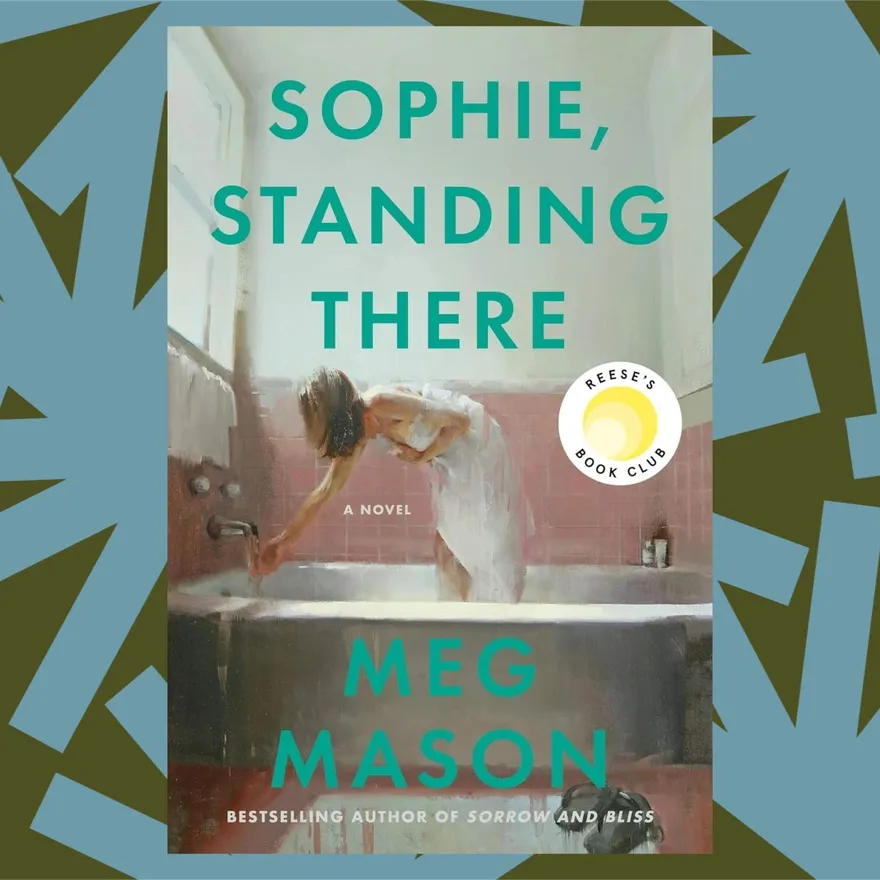

This is a preview of the Shortform summary of the Nov 4, 2026 episode of the NPR's Book of the Day
Sign up for Shortform to access the whole episode summary along with additional materials like counterarguments and context.
1-Page Summary
Literary Crushes and Parasocial Relationships With Authors
Through Meg Mason's novel "Sophie Standing There" and Mason's personal experiences, the podcast explores the deeply imaginative bonds readers form with authors and how these connections shape their sense of community.
Readers' Intense Imaginative Connections With Fictional Authors
After her husband leaves, Sophie finds solace in rediscovering an Elizabeth Strout novel. Her connection intensifies beyond the text, fixating on the author herself. Sophie conducts exhaustive online research about Strout, constructing a vivid mental portrait and imagining what Strout would say in any situation—what Mason describes as a parasocial relationship. When Sophie finally meets the real author at a festival, she's confronted with Blylak Dunn (filling in for Strout who had COVID), highlighting the stark gap between readers' idealized author-images and unpredictable reality.
Mason's Literary Crushes Show the Meaningful Connection Readers Seek Through Books
Mason recounts her own profound literary crushes, illustrating how readers forge lasting connections with authors. She discovered Nancy Mitford at 17, transforming her relationship with literature. Though Mitford died decades earlier, teenage Mason felt convinced Mitford would have recognized something special in her. Now 48, Mason reflects that these conversations with Mitford feel as real as any friendship. This sense of connection extends beyond the individual reader—at a signing, a woman declared herself Mitford's "other best friend," and the two strangers immediately bonded. Mason sees this as literature's communal language: a shared code uniting people through mutual affection for writers, making them feel less alone.
Loneliness and the Longing for Physical Human Connection
Sophie Feels Isolated Despite Her Likeability, Showing Loneliness Persists Even For the Well-Regarded
Sophie is lovely, kind, and well-liked, yet her world remains completely depopulated. The narrative details how, in two months, Sophie's only physical contact includes three brief moments: a phlebotomist tapping her elbow, a colleague clutching her wrist, and someone bumping into her on the street. This absence leaves Sophie intensely longing for caring physical connection. While walking, she pauses outside a hair salon to watch a hairdresser gently washing a client's hair, aching for that kind of simple, genuine care rather than transactional touch.
Shame and Embarrassment About Loneliness Prevent Acknowledgment of Emotional Isolation
Mason reflects on the intense shame accompanying loneliness. She notes that people rarely admit to feeling lonely in the moment, only in retrospect, which deepens emotional isolation. Mason emphasizes that Sophie's loneliness is undeserved and temporary—a passing season carrying no shame. She passionately believes people should recognize that loneliness can be a circumstance beyond one's control and hold onto hope that the feeling will pass.
Sophie's Journey of Recovery and Invisibility in Society
Sophie's Invisibility as a Sound Technician at a Literary Festival
Sophie works as a sound technician at a literary festival, micing renowned authors like David Sedaris and Ann Patchett. Despite her essential role, these famous writers never make eye contact or acknowledge her presence. This invisibility extends beyond the festival, reinforcing her persistent sense of isolation.
Sophie's Recovery From Her Husband's Departure Involves Rebuilding Her Life and Self After Devastation
Sophie's recovery begins after her husband Paul abruptly ends their relationship while wearing Airpods, asking her to move out while she's vulnerably in the shower. The breakup devastates Sophie, stripping away not just her partner but her envisioned future, including hopes of having a baby. Now 37 and living alone without even a coffee table, Sophie is portrayed as optimistic and stoic, persistently putting herself back together. The narrative assures that Sophie ultimately finds her way through isolation and loss.
Books and Literature as Comfort and Healing in Difficult Times
Literature provides essential solace during life's most challenging moments, offering emotional grounding and connection for those in distress.
Books Anchor Sophie Emotionally Through Loneliness After Divorce
Mason describes how Sophie turns to literature after her divorce, rediscovering a novel she'd once overlooked. This book transforms into a profound source of solace, becoming central to her healing. Mason emphasizes that books are integral to Sophie's recovery, serving not just as distraction but as part of the journey by which she survives and heals from isolation and emotional pain.
Shared Language and Community in Literature Offers Connection Across Time and Distance
Literature creates a unique language that functions as a code, uniting diverse readers and establishing intimate connections with authors across different eras and cultures. Books also foster community through shared "literary crushes," creating bonds across time and distance rooted in mutual love of literature.
1-Page Summary
Additional Materials
Counterarguments
- While readers may form imaginative connections with authors, these parasocial relationships can sometimes hinder genuine interpersonal relationships or foster unrealistic expectations about real-life connections.
- The idealization of authors may detract from appreciating the collaborative and editorial processes behind published works, overemphasizing the role of the individual author.
- Literary crushes and imagined friendships with authors, while meaningful to some, may not resonate with all readers; many people engage with literature without forming such personal attachments.
- The communal language created by shared literary affection may inadvertently exclude those who do not share the same tastes or who feel alienated by literary culture.
- Not all individuals experience loneliness in the same way, and some may find solace or fulfillment in solitude rather than viewing it as a negative state.
- The narrative focus on literature as a primary source of comfort may overlook or undervalue other forms of support, such as friendships, therapy, or community involvement.
- The depiction of essential workers as invisible may not universally apply, as experiences of recognition and appreciation can vary widely depending on context and individual circumstances.
- The assertion that loneliness is always temporary and undeserved may not reflect the experiences of those with chronic loneliness or social isolation due to systemic barriers.
Actionables
- you can write a letter to a favorite author (living or deceased) as if you were having a conversation, then respond to your own letter from the author’s imagined perspective to deepen your imaginative connection and explore your feelings about their work and persona.
- a practical way to create a sense of literary community is to start a shared reading log with a friend or family member, where you both jot down thoughts, favorite lines, and emotional reactions to books, then exchange the log regularly to build a private, ongoing dialogue around literature.
- you can gently acknowledge moments of loneliness by keeping a daily “connection journal,” where you note small acts of care you give or receive (even as simple as a smile or a text), helping you recognize and value fleeting connections and reduce feelings of isolation.
Get access to the context and additional materials
Literary Crushes and Parasocial Relationships With Authors
Literary crushes and parasocial connections with authors are unique, deeply imaginative bonds that shape a reader’s experience and sense of community. Through the lens of Sophie, the protagonist in Meg Mason’s novel "Sophie Standing There," and Mason’s personal recollections, the complexities and intimacy of these relationships come to light.
Readers' Intense Imaginative Connections With Fictional Authors
Sophie’s journey begins in emotional turmoil after her husband leaves. Seeking solace, she rediscovers an Elizabeth Strout novel she had once overlooked. This novel becomes everything to her; the connection intensifies beyond the text and fixates on the author. Sophie conducts exhaustive online research about Strout, constructing a vivid mental portrait. She believes she knows what Elizabeth Strout would say in any situation, her thoughts consumed by the imagined authorial presence—a classic case of emotional preoccupation or imaginary friendship that Mason describes as a kind of parasocial relationship.
The fascination deepens when Sophie has the opportunity to meet the real author, who, in a twist, is not the Elizabeth Strout Sophie imagined but instead Blylak Dunn. The reality of the flesh-and-blood author, invited to a festival after getting COVID with Strout’s permission, sharply contrasts with Sophie’s idealized creation. The encounter underscores the gap between readers' internalized author-images and the unpredictability of real people.
Mason's Literary Crushes Show the Meaningful Connection Readers Seek Through Books
Meg Mason recounts her own profound literary crushes, illuminating how readers forge lasting, intimate connections with authors. Mason did not read for pleasure until she was 17, prompted by loneliness. Her discovery of Nancy Mitford was transformative—Mitford’s novels were simultaneously funny and painful, opening Mason’s eyes to new possibilities for literature. Mason devoured all of Mitford's works and, even though Mitford had died decades earlier, felt a private conviction as a teenager that Mitford would have recognized some special kindred quality i ...
Here’s what you’ll find in our full summary
Literary Crushes and Parasocial Relationships With Authors
Additional Materials
Counterarguments
- While parasocial relationships with authors can be meaningful, they may also distract readers from engaging critically with the text itself, focusing more on the author than the work.
- The idealization of authors can lead to disappointment or disillusionment when the real person does not match the imagined persona, potentially undermining the reader's enjoyment or appreciation of the literature.
- Not all readers experience or desire intense emotional connections with authors; many engage with literature purely for entertainment, information, or aesthetic appreciation without forming parasocial bonds.
- The emphasis on community through shared literary crushes may inadvertently exclude or alienate readers who do not participate in such relationships or who prefer solitary reading experiences.
- The notion that literature prim ...
Actionables
- You can keep a private journal where you write letters to your favorite fictional authors, expressing your thoughts, questions, and feelings as if you were corresponding with a close friend; this deepens your imaginative connection and helps clarify what draws you to them.
- A practical way to strengthen community bonds is to create a shared digital scrapbook with others who admire the same author, where each person adds imagined artifacts (like invented postcards, recipes, or playlists inspired by the author’s world), fostering a sense of collective creativity and kinship.
- You can host a virtual “author dinner” for yoursel ...
Get access to the context and additional materials
Loneliness and the Longing for Physical Human Connection
Sophie Feels Isolated Despite Her Likeability, Showing Loneliness Persists Even For the Well-Regarded
Sophie is described as lovely, kind, and well-liked, someone who by all measures deserves friendship and companionship. Despite her positive attributes, her world remains completely depopulated, highlighting how loneliness can persist even for those who are well regarded and seemingly surrounded by opportunities for connection. The narrative details the acute scarcity of physical contact in Sophie’s life: three weeks ago, she had a blood test where a phlebotomist tapped her on the elbow; last week, a colleague at work clutched her wrist when she offered them time off; and someone bumped into her on the street. These three brief moments are the only physical touches she has experienced in two months.
The absence of touch leaves Sophie intensely longing for caring physical connection. The depth of her yearning becomes apparent when, while walking down the sidewalk, she pauses outside a hair salon and observes a hairdresser gently washing a client’s hair. Sophie stands there aching as she watches the hairdresser cradling a woman’s head, sluicing it with warm water, and then wrapping it with a towel—simple acts of care that she deeply craves. Mary Louise Kelly comments on how Sophie’s longing is not just for any touch, but for a kind, genuine exchange—someone running their hands through her hair without it being transactional or because of a service.
Shame and Embarrassment About Loneliness Prevent Acknowledgment of Emotional Isolation
Meg Mason reflects on the intense shame and acute embarrassment that often accompanies loneliness. She points out that people are reluctant to admit ...
Here’s what you’ll find in our full summary
Loneliness and the Longing for Physical Human Connection
Additional Materials
Counterarguments
- While Sophie is described as well-liked and deserving of companionship, the text does not address whether she actively seeks out or reciprocates opportunities for connection, which could influence her experience of loneliness.
- The narrative focuses on physical touch as a primary indicator of connection, but some individuals may find emotional or intellectual connection equally or more fulfilling, suggesting that the absence of touch is not universally experienced as acute loneliness.
- The text assumes that longing for non-transactional physical care is universal, but some people may not crave or prioritize physical touch in their relationships.
- The assertion that loneliness is undeserved and temporary may not apply to everyone; fo ...
Actionables
- you can create a personal touch log to track and gently increase moments of safe, caring physical contact in your daily life, such as brief handshakes, high-fives, or hugs with trusted friends or family, and reflect on how each instance makes you feel to better understand your needs and comfort levels.
- a practical way to reduce shame around loneliness is to write a short, anonymous note about a lonely moment and leave it in a public place (like a library book or community bulletin board), helping you externalize the feeling and see that others may relate without needing to directly reveal your identity.
- you can set a recur ...



Get access to the context and additional materials
Sophie's Journey of Recovery and Invisibility in Society
Sophie's Invisibility as a Sound Technician at a Literary Festival
Sophie Pattison works as a sound technician at a literary festival, responsible for micing renowned authors such as David Sedaris, Ann Patchett, and George Saunders before they step into the spotlight. Despite her essential role, these famous writers never make eye contact or acknowledge her presence. Sophie's invisibility is not limited to the festival; outside of it, her world continues to feel empty and lacking in meaningful connections or recognition that might validate her existence. She moves through her daily life unseen and unrecognized, reinforcing a persistent sense of isolation.
Sophie's Recovery From Her Husband's Departure Involves Rebuilding Her Life and Self After Devastation
Sophie's journey of recovery begins after her husband, Paul, abruptly ends their relationship. He delivers the news while wearing Airpods, not even removing them during the conversation, and asks her to move out, telling her directly, “I’d love you not to live here anymore.” This moment occurs while Sophie is vulnerably taking a shower, intensifying her sense of exposure and dismissal. The breakup devastates Sophie, stripping aw ...
Here’s what you’ll find in our full summary
Sophie's Journey of Recovery and Invisibility in Society
Additional Materials
Counterarguments
- While Sophie feels invisible at the literary festival, it is common in many professional settings for technical staff to remain in the background, and the lack of acknowledgment from authors may not be personal but rather a reflection of standard event dynamics.
- The narrative focuses on Sophie's isolation, but it does not address whether she seeks out new connections or opportunities for recognition outside her immediate work and home environment.
- The depiction of Sophie's recovery emphasizes her stoicism and optimism, but it may overlook the value of seeking external support, such as therapy or community, in overcoming personal loss.
- The text presents Sophie's lack of possessions as symbolic of her disrupted life, but ...
Actionables
- you can create a daily micro-acknowledgment ritual by intentionally greeting or thanking people whose work often goes unnoticed, like janitors, delivery drivers, or cashiers, to foster mutual recognition and break cycles of invisibility; for example, make eye contact and say a genuine thank you to someone who helps you, or leave a short note of appreciation for a neighbor who brings in your mail.
- a practical way to counter feelings of isolation is to set a weekly goal to initiate a brief, low-pressure conversation with someone outside your usual circle, such as a fellow commuter or someone in a waiting room, focusing on small shared experiences like the weather or a book they’re reading, which can gradually build a sense of ...


Get access to the context and additional materials
Books and Literature as Comfort and Healing in Difficult Times
Literature frequently provides solace during life’s most challenging moments, offering emotional grounding, connection, and community for those in distress. For Sophie, books become an essential support as she faces loneliness and loss.
Books Anchor Sophie Emotionally Through Loneliness After Divorce
Sophie Finds Comfort and Recovery in Literature Through a Novel
Meg Mason describes how, after her divorce, Sophie turns to literature as a means of comfort. She comes across a novel she had read long ago—a book that carried little significance at the time. Upon rediscovering it during her time of loneliness, the novel transforms into a profound source of solace and becomes central to her healing.
Mason: Books Will Aid Sophie's Survival and Healing From Isolation and Loss
Mason emphasizes that books are integral to Sophie’s recovery. They serve not just as a distraction but as part of the journey by which she survives and heals from isolation and emotional pain.
Shared Language and Community in Literature Offers Connection Across Time and Distance
Books as a Code: Connecting Readers and Authors
...
Here’s what you’ll find in our full summary
Books and Literature as Comfort and Healing in Difficult Times
Additional Materials
Counterarguments
- Not everyone finds comfort or healing in literature; some individuals may prefer other forms of support such as social interaction, therapy, or physical activities.
- Books can sometimes reinforce feelings of isolation if they highlight themes of loneliness or loss without offering hope or resolution.
- The idea that literature creates community may not resonate with those who struggle to access books due to language barriers, literacy challenges, or lack of resources.
- Shared literary interests do not always lead to meaningfu ...
Actionables
- you can create a personal comfort bookshelf by selecting and arranging books that evoke positive emotions or memories, so you have a tangible, go-to resource for emotional support during tough times; for example, keep a small shelf or box with novels, poetry, or even children’s books that have soothed you in the past, and revisit them when you need grounding.
- a practical way to foster connection is to write short notes or letters to friends or family about how a particular book or character helped you through a difficult moment, inviting them to share their own experiences with literature; this can spark meaningful conversations and deepen your sense of co ...
Get access to the context and additional materials


Create Summaries for anything on the web
Download the Shortform Chrome extension for your browser
