

Two collections of horror stories modernize the genre
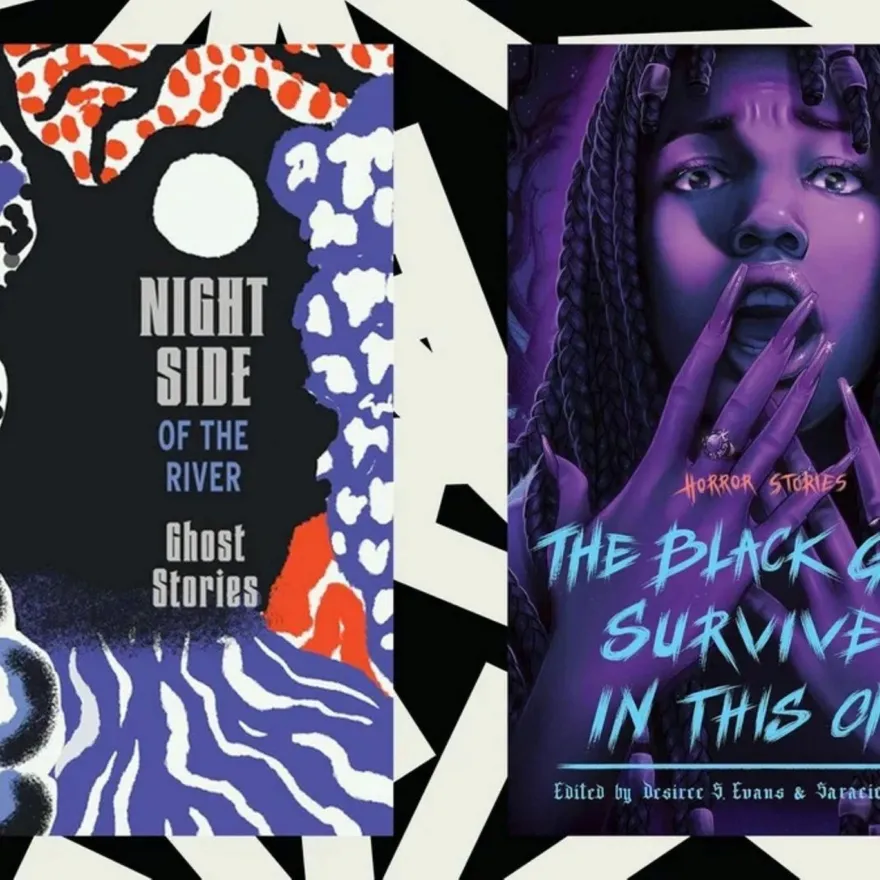
In this episode of NPR's Book of the Day, the discussion explores how two horror collections are reshaping the genre for modern audiences. Jeanette Winterson examines how technology and artificial intelligence are changing our relationship with death and grief, from apps that generate messages from deceased loved ones to avatars in the metaverse. Her collection of ghost stories invites readers to embrace uncertainty and the mysteries that resist simple explanations.
The episode also highlights The Black Girl Survives In This One, an anthology curated by Desiree Evans and Saraciea Fennell that addresses the historical exclusion of Black women from horror's "final girl" trope. The collection features 15 stories by Black authors that center Black girls and women as survivors and protagonists, grounding horror in lived experiences of racism and discrimination. The conversation touches on how horror helps marginalized groups process fear and how contemporary horror has become more self-aware in challenging genre expectations.

This is a preview of the Shortform summary of the Oct 23, 2026 episode of the NPR's Book of the Day
Sign up for Shortform to access the whole episode summary along with additional materials like counterarguments and context.
1-Page Summary
Ghosts and Death Reimagined Through Tech
Jeanette Winterson describes death as humanity's final boundary, observing that ghost stories emerge from our longing for something beyond this finality—a hope that consciousness persists after death. Her stories explore this yearning, featuring both the bereaved seeking signs from departed loved ones and ghosts desperately trying to communicate back, inviting readers to question whether these experiences are rooted in imagination or something supernatural.
Winterson highlights how artificial intelligence and technology are offering new ways to conceptualize death. She references apps that generate messages from deceased loved ones using social media data, and notes how the metaverse creates spaces where deceased loved ones' avatars could persist, allowing families to maintain digital relationships beyond physical life. She finds this both fascinating and unsettling, raising questions about whether it's healthy to keep the dead forever present in virtual form.
Winterson's book includes 13 ghost stories that blur genres by sharing her own inexplicable experiences in her 1780s home. She describes moving from fear to dialogue with these presences, finding more "civilized" coexistence. She suggests that modern culture seeks quick solutions, but the supernatural offers mysteries that resist neat resolution, inviting readers to embrace uncertainty.
Exclusion of Black Women in 'Final Girl' Trope
Juana Summers and Saraciea Fennell describe the "final girl" as a horror character who survives supernatural threats through resourcefulness and luck—almost always white. Sidney Prescott from "Scream" exemplifies this trope that dominates films like "Friday the 13th" and "A Nightmare on Elm Street."
Desiree Evans points out that Black women are rarely included in the final girl role. Black characters in mainstream horror often die early, appear as supporting friends, or occupy minor roles. Even when featured more prominently, as with Sanaa Lathan's character in "Alien vs. Predator," they remain less central than white female protagonists, highlighting a recurring absence of Black women as primary survivors in horror.
Black Characters, Girls: Protagonists and Survivors in Horror
Evans and Fennell curate The Black Girl Survives In This One, an anthology featuring 15 horror stories by Black authors for young adults. The collection places Black girls and women in starring roles as survivors and heroines, responding to the lack of representation both editors once felt.
Standout stories include Justina Ireland's "Black Pride," where a protagonist must decide whether to join a group combating racism through unorthodox means, and Charlotte Nicole Davis's "Fox Hunt," which transforms the hypervigilance Black girls experience daily into supernatural suspense. The anthology grounds its horror in lived experiences of racial stereotypes, discrimination, and microaggressions, making the stories deeply resonant for Black teens.
Evans observes that discussing racism and stereotypes in horror helps Black youth envision themselves not just as participants, but as survivors and leaders, rewriting who gets to triumph in the narrative.
Horror Helps Marginalized Groups Process Fear and Navigate Challenges
Evans describes how horror films become a tool for Black youth to explore frightening situations in a controlled environment. By living vicariously through characters who survive against the odds, viewers gain a sense that survival is possible—even when faced with overwhelming real-life obstacles. For Black girls and women, seeing characters who share their identities persevere provides cathartic affirmation that they can overcome real-world violence and discrimination, translating into resilience and empowerment for facing everyday challenges.
Contemporary Horror's Self-Referential Nature In Subverting Genre Tropes
Contemporary horror has become increasingly self-aware, employing or subverting traditional tropes to challenge genre expectations. Acclaimed films are now leading to richer conversations about representation, particularly with the rise of directors like Jordan Peele and the scholarly work of Tananarive Due.
Fennell points to the broader social context of 2020, where movements like #Publishingpaidme and We Need Diverse Books pressured publishing to acknowledge the lack of Black and Brown voices in horror. This pressure has allowed for anthologies where marginalized creators subvert the traditional white-centered "final girl" trope.
Evans references Tananarive Due's assertion that "Black history is Black horror," noting that although Black audiences and creators have always had a presence in horror, the genre rarely loved them back. The current movement toward diverse authorship allows Black voices agency in their narratives, reclaiming horror's storytelling power and spotlighting persistent themes of Black history and trauma within the genre.
1-Page Summary
Additional Materials
Counterarguments
- While Jeanette Winterson views ghost stories as arising from a longing for consciousness to persist after death, some scholars argue that ghost stories can also serve as cultural metaphors for unresolved social anxieties or historical traumas, rather than purely existential longing.
- The use of AI and technology to simulate messages from deceased loved ones may be seen by some as a form of digital memorialization rather than a fundamentally new way to conceptualize death, as societies have long used various media to remember the dead.
- Concerns about the healthiness of maintaining digital avatars of the deceased may be overstated, as many people find comfort in digital memorials and use them as part of healthy grieving processes.
- The assertion that the "final girl" trope is almost always white is challenged by the existence of some earlier examples of women of color in survivor roles, though these are admittedly rare.
- While the anthology "The Black Girl Survives In This One" addresses underrepresentation, some critics might argue that focusing on identity-based anthologies could risk pigeonholing Black authors into specific genres or themes.
- The claim that horror films help Black youth process fear and gain resilience may not apply universally, as individual responses to horror media can vary widely and may not always be empowering.
- The idea that contemporary horror is uniquely self-referential and subversive could be challenged by pointing out that horror has a long tradition of self-awareness and genre subversion, dating back to earlier decades.
- While social movements have increased awareness of representation, some may argue that market forces and audience demand also play significant roles in shaping publishing and film industry decisions.
Actionables
- You can write a short story or journal entry imagining a conversation with a loved one who has passed away, exploring how you might feel if you could interact with a digital version of them, and reflecting on whether this would bring comfort or discomfort in your own life.
- A practical way to challenge traditional horror tropes is to create a list of your favorite horror movies or books and reimagine the main survivor as someone from a background or identity not typically represented, then jot down how the story and its message might change.
- You can keep a personal log of moments when you encounter uncertainty or unresolved questions in daily life, and instead of seeking immediate answers, spend a few minutes each week reflecting on how sitting with these mysteries affects your feelings and perspectives.
Get access to the context and additional materials
Ghosts and Death Reimagined Through Tech
Death, Humanity's Final Boundary: Ghost Stories Help Us Contemplate and Transcend Through Supernatural Narratives
Jeanette Winterson describes death as humanity’s hard, final boundary—a barrier that everyone meets, regardless of status, wealth, or achievement. She observes that humans are naturally drawn to ghost stories out of a longing for something beyond this finality, the hope that consciousness or presence persists after death. Even skeptics find themselves hoping for a sign from deceased loved ones during loss, reflecting a universal desire for continued connection.
Winterson’s stories explore this longing. One story features a bereaved character yearning for a sign from a departed partner, while another offers the ghost’s perspective, desperately trying to communicate back. The narratives invite readers to question whether these experiences are rooted in imagination or touch upon something supernatural, showing how the bereaved seek signs and how ghost stories open spaces to ponder contact with the beyond.
Tech Reimagines Ghosts, Extends Connections With Deceased Digitally
Winterson highlights that, in the present era, artificial intelligence and technology are offering new ways to conceptualize death. She references apps that scrape social media data to generate messages from deceased loved ones, or that populate photo albums with digital likenesses of the departed, giving rise to new kinds of ghost stories that blur the boundary between memory and the supernatural.
The metaverse amplifies these possibilities by providing a space for avatars and digital twins to interact—not only between the living, but potentially with the dead. Winterson proposes that these bodiless virtual worlds create an unexpected opportunity for the dead to “exist,” since everyone in the metaverse appears only as avatars. She asks how we would distinguish between a real person, a bot, or possibly even a “ghost” occupying digital territory. In these settings, deceased loved ones’ avatars could persist, allowing families to maintain digital relationships beyond physical life—a phenomenon Winterson finds both fascinating and unsettling, raising deeper questions about whether it’s healthy or wise to keep the dead forever present in virtual form.
...
Here’s what you’ll find in our full summary
Ghosts and Death Reimagined Through Tech
Additional Materials
Counterarguments
- The assertion that death is humanity’s “final, unavoidable boundary” may be challenged by various religious or philosophical traditions that posit an afterlife, reincarnation, or other forms of continued existence.
- The idea that all humans are naturally drawn to ghost stories or long for something beyond death may not apply universally; some individuals or cultures may not share this fascination or may view death and the afterlife differently.
- The claim that even skeptics hope for signs from deceased loved ones could be overstated, as some skeptics may not seek or desire such signs and may process grief in other ways.
- The use of technology to create digital likenesses or messages from the deceased could be criticized as potentially impeding the natural grieving process or fostering unhealthy attachments to the past.
- The notion that maintaining digital relationships with deceased individuals in virtual worlds is beneficial or meaningful may be questioned, as it could blur boundaries between reality and simulation, possibly leading to confusion or emotional distress.
- The suggestion that supernatural experiences should be left unresolved may con ...
Actionables
- You can create a personal ritual where you write letters to loved ones who have passed, then use a voice-to-text app to have their “reply” generated in their style, helping you explore your own hopes for continued connection and reflect on what you wish you could hear from them.
- A practical way to embrace uncertainty is to keep a nightly journal of any odd or unexplained experiences, rating your comfort with not having answers, and noting how your feelings shift over time as you become more open to ambiguity.
- You can set aside a speci ...
Get access to the context and additional materials
"Exclusion of Black Women in 'Final Girl' Trope"
Final Girl Archetype: White Females Surviving Supernatural Threats With Intelligence and Fortune
In horror stories, the "final girl" is a character who, through both pluck and luck, manages to outwit supernatural monsters and survive as the triumphant protagonist at the end. Juana Summers and Saraciea Fennell describe how the final girl is almost always white, usually battered by her experiences but ultimately victorious. A well-known example is Sidney Prescott from "Scream," who survives by outsmarting her assailants with resourcefulness. This trope dominates the horror genre in films like "Friday the 13th" and "A Nightmare on Elm Street," where audiences have come to anticipate the emergence of a final girl, typically white, who survives where others do not.
Black Women Excluded From Final Girl Role, Relegated To Supporting or Disposable Characters in Mainstream Horror Narratives
Desiree Evans points out that while horror is popular among young readers and viewers—many, like Evans and Fennell, grew up with Goosebumps books and watching horror classics with older siblings—the final girl trope rarely, if ever, includes Black women. Black characters in mainstream horror films often die early, appear as the sassy best friend, or occupy minor roles, rarely surviving to the end or becoming the primary agents of their own survival. Saraciea Fennell observes the frequency with which Black w ...
Here’s what you’ll find in our full summary
"Exclusion of Black Women in 'Final Girl' Trope"
Additional Materials
Clarifications
- The "final girl" trope originated from film studies analyzing slasher movies, highlighting a recurring character type who survives the killer's rampage. This character often embodies traits like intelligence, moral purity, and vigilance, contrasting with other victims. The trope reflects cultural ideas about gender, survival, and morality in horror narratives. It also influences audience identification, as viewers root for the final girl to overcome evil.
- Juana Summers is a journalist known for her work on culture and social issues, often highlighting diversity and representation. Saraciea Fennell is a writer and scholar who focuses on race, gender, and media studies, especially in horror and speculative fiction. Their opinions matter because they bring informed perspectives on how race and gender intersect in media portrayals. They provide critical analysis that helps reveal patterns of exclusion and representation in popular culture.
- "Scream" revitalized the slasher genre by blending horror with self-aware humor and a mystery about the killer's identity. "Friday the 13th" popularized the summer camp setting and introduced Jason Voorhees, a masked killer who became a horror icon. "A Nightmare on Elm Street" introduced Freddy Krueger, a villain who attacks victims in their dreams, blending supernatural horror with psychological fear. These films shaped horror tropes and influenced countless movies, making the "final girl" a key narrative element.
- In mainstream horror films, Black characters are often given limited screen time and stereotypical roles, such as the "sassy best friend" or early victims. They rarely serve as the central protagonist or "final girl" who survives the story. This pattern reflects broader industry biases and a lack of diverse storytelling. As a result, Black characters are frequently marginalized rather than portrayed as complex, resilient leads.
- Desiree Evans is a scholar and critic who studies race and gender representation in media, including horror films. She analyzes how Black characters, especially women, are portrayed and often marginalized in mainstream narratives. Her work highlights systemic patterns of exclusion and stereotyping in genre storytelling. Evans' insights help reveal the cultural impact of these portrayals on audience perceptions.
- Sanaa Lathan plays Alexa Woods, a skilled and intelligent protagonist in "Alien vs. Predator" (2004). Her character is notable as one of the few Black women in a leading role within a major sci-fi/horror crossover film. Despite her prominence, she is often seen as less central than white female leads in similar genres. This highlights ongoing issues of representation and the rarity of Black women as primary survivors or "final girls" in horror and sci-fi films.
- The exclusion of Black women from the f ...
Counterarguments
- While the "final girl" trope has historically centered on white women, there has been a gradual increase in diversity within the horror genre, with more recent films and series featuring Black women and other women of color in leading or survivor roles (e.g., Janelle Monáe in "Antebellum," Lupita Nyong'o in "Us," and Kiersey Clemons in "Sweetheart").
- The underrepresentation of Black women in the final girl role may reflect broader industry trends and systemic issues in casting and storytelling, rather than being unique to the horror genre or the final girl trope specifically.
- Some horror films intentionally subvert or critique the traditional final girl trope, including by highlighting or addressing the lack of diversity, which can be seen as a step toward more inclusive storytelling.
- The final girl trope itself has been critiqued for it ...

Get access to the context and additional materials
Black Characters, Girls: Protagonists and Survivors in Horror
Anthology the Black Girl Survives In This one: Black Women and Girls as Protagonists and Survivors in Horror Narratives
Desiree Evans and Saraciea Fennell curate and edit a new anthology titled The Black Girl Survives In This One: Black Women and Girls as Protagonists and Survivors in Horror Narratives. This collection features 15 horror stories written by Black authors, including Evans and Fennell themselves, and is specifically geared toward young adults. The book is a response to the lack of representation both editors once felt, placing Black girls and women not as sidekicks or early victims, but in the starring roles of the genre: survivors and heroines.
15 Horror Stories by Black Authors for Young Adults
The anthology gathers a wide array of horror stories that center Black girls and women, allowing them to drive the narrative. Each story explores new terrain where Black girls are not just present in horror but are agents of their fate, navigating supernatural and real threats.
"Black Pride" and "Fox Hunt" Feature Black Girls Making Crucial Choices and Emerging Victorious From Dangers
Standout stories include Justina Ireland’s "Black Pride," where a group of friends gathers before one heads off to college. Faced with unsettling and spooky events, the protagonist must make a crucial decision: whether to join a group combating racism through unorthodox means, or to step away. The narrative centers her agency, forcing her to make a powerful choice in confronting racism.
Another highlighted story is "Fox Hunt" by Charlotte Nicole Davis. Here, a new girl at school is introduced to a local tradition known as "the game." What initially seems typical shifts into a harrowing ordeal requiring far more survival skills than expected. The story transforms the ordinary anticipation and hypervigilance that Black girls experience daily into supernatural suspense, directly reflecting racialized dangers.
Stories Explore Racial Stereotypes, Discrimination, and Everyday Microaggressions Black Women and Girls Face To Ground Horror In Real Experiences
The anthology grounds its horror in the lived experiences of Black women and girls, exploring racial stereotypes, discrimination, and microaggressions. Many stories, including "Fox Hunt," turn the intense awareness Black girls must carry—hypervigilance for safety in various spaces—into the basis for supernatural survival stories. The horror genre here becomes a tool to explore and reflect true danger and unease as part of daily life while also showcasing resilience and agency.
...
Here’s what you’ll find in our full summary
Black Characters, Girls: Protagonists and Survivors in Horror
Additional Materials
Counterarguments
- While centering Black girls as protagonists in horror is a positive step for representation, some may argue that focusing primarily on trauma, discrimination, and hypervigilance could risk reinforcing narratives of perpetual struggle rather than offering escapism or joy.
- The anthology’s emphasis on real-world racialized dangers may not appeal to all readers, including some Black teens who might prefer stories that do not foreground racial trauma or who seek more varied genres and themes.
- Some critics might contend that by explicitly addressing racism and stereotypes, the stories could become didactic or prioritize messaging over narrative complexity or entertainment value.
- There is a broader conversation about whether identity-based anthologies, while important fo ...
Actionables
- you can rewrite a favorite horror scene from a book or movie by swapping in a Black girl as the protagonist and survivor, focusing on her choices and agency to see how the story changes and what new themes emerge.
- a practical way to challenge stereotypes is to keep a journal where you note any horror stories you encounter (books, shows, movies) and track how Black girls and women are portrayed, then brainstorm alternative plot twists that empower these characters instead of sidelining them.
- you can create a personal reading or viewing l ...
Get access to the context and additional materials
Horror Helps Marginalized Groups Process Fear and Navigate Challenges
Horror Fiction Provides a Safe Space for Marginalized Communities, Especially Black Individuals, to Process Real-World Threats
Desiree Evans describes how she and her older siblings would gather on weekends to watch horror movies, using them as a safe space to experience fear. For Black youth, horror films become a tool to explore and confront frightening situations in a controlled environment. By living vicariously through characters who survive against the odds, viewers gain a sense that survival is possible—even when faced with overwhelming obstacles in real life. For Black girls and women in particular, seeing characters who share their identities persevere through impossible supernatural predicaments provides a cathartic affirmation that they, too, can overcome real-world violence and discrimination. This experience in fiction translates into resilience and empowerment for facing everyday challenges.
Genre Offers Black People an Opportunity to Affirm Resilience Against Racism and Oppression
Horror stories offer Black communities a way to affirm resilience against racism and oppression. Narratives featuring Black female surv ...
Here’s what you’ll find in our full summary
Horror Helps Marginalized Groups Process Fear and Navigate Challenges
Additional Materials
Counterarguments
- Not all members of marginalized communities find horror fiction to be a safe or empowering space; for some, the genre may reinforce trauma or anxiety rather than alleviate it.
- Horror films and literature have historically perpetuated negative stereotypes and tropes about Black individuals and other marginalized groups, which can undermine the genre’s potential for empowerment.
- The cathartic effect of horror fiction is subjective and may not translate into real-world resilience or empowerment for every viewer or reader.
- Some critics argue that relying on fictional survival stories may distract from or oversimplify the complexities of real-world systemic oppression and violence.
- The representation of Black characters in horror is still limited, and positive portrayals remain relatively rare compared to the overall output of ...
Actionables
- you can keep a personal journal where you rewrite the endings of horror stories or movies you watch, imagining yourself or people who share your identity as the survivor, to reinforce a sense of agency and resilience in the face of fear
- By actively reimagining outcomes, you practice seeing yourself as someone who overcomes threats, which can help you internalize feelings of empowerment and survival. For example, after watching a horror film, jot down a version where you or someone like you outsmarts the villain or finds a creative way to escape, focusing on resourcefulness and strength.
- a practical way to build resilience is to create a playlist of empowering songs or spoken word pieces to listen to after consuming horror fiction, using the emotional energy from the story to fuel positive self-affirmation
- This helps you transition from the adrenaline of fear to a mindset of confidence and self-worth. For instance, after a scary movie, play tracks that celebrate survival, resistance, or personal power, and reflect on how the themes connect to your own life.
- you can design a simple ritual for y ...
Get access to the context and additional materials
Contemporary Horror's Self-Referential Nature In Subverting Genre Tropes
Modern Horror: Self-Aware, Intentional, and Subversive of Genre Conventions
Contemporary horror has become increasingly self-aware and intentional, employing or subverting traditional tropes to challenge the genre’s expectations. Acclaimed horror films are now leading to richer conversations about representation and deeper meanings, particularly with the rise of directors like Jordan Peele and the scholarly work of Tananarive Due. These creators use genre conventions either to reinforce or, more often, to subvert them, bringing new depth and intentionality to horror narratives.
Diverse Horror Anthologies From Marginalized Creators Pressure Industries to Redefine Storytellers
Social Movements and Hashtag Campaigns Like #Publishingpaidme and We Need Diverse Books Pressured Publishing to Recognize the Lack of Black and Brown Horror Voices
Saraciea Fennell points to the broader social context of 2020, where protests and social media movements such as #Publishingpaidme and We Need Diverse Books put significant pressure on publishing. These campaigns spotlighted the lack of Black and Brown voices in published horror, demanding the industry acknowledge whose stories are being told and whose are being overlooked.
The Black Girl Survives In This one: Diverse Voices Subvert the White-Centered Final Girl Trope in Horror
The pressure from these movements has allowed for the rise of anthologies and stories where marginalized creators subvert the traditional white-centered “final girl” trope in horror. With more Black and Brown storytellers participating, the genre now features stories where they are the protagonists—the heroines who survive, pushing back against the old patterns where they were early victims or side characters meant to uplift the ...
Here’s what you’ll find in our full summary
Contemporary Horror's Self-Referential Nature In Subverting Genre Tropes
Additional Materials
Counterarguments
- While contemporary horror is often described as self-aware and subversive, many mainstream horror films still rely heavily on traditional tropes and formulas, suggesting that true subversion is not as widespread as sometimes claimed.
- The focus on subverting tropes and increasing representation may risk overshadowing other important aspects of horror, such as atmosphere, suspense, and universal themes that resonate across cultures.
- Some critics argue that the emphasis on identity and social commentary in modern horror can sometimes feel didactic or forced, potentially detracting from the genre’s primary goal of eliciting fear or suspense.
- The narrative that Black and Brown voices were entirely absent from horror prior to recent movements may overlook earlier contributions by marginalized creators, even if those works were less recognized or promoted.
- The “final girl” trope has been subverted in various way ...
Actionables
- you can keep a horror trope journal while watching or reading horror stories, noting each time a traditional trope appears or is subverted, and then brainstorm your own twist on these tropes to challenge your expectations and deepen your appreciation for intentional storytelling
- For example, after noticing a “final girl” trope, imagine how the story would change if a different character survived or if the survivor’s background altered the narrative’s outcome.
- a practical way to support diverse voices in horror is to intentionally seek out and review horror works by Black and Brown creators, leaving thoughtful feedback on public platforms to help amplify their visibility and influence
- For instance, after reading a horror novel by a marginalized author, write a review highlighting how their perspective brought something new to the genre, and share it on social media or book review sites.
- you can create a personal reading or viewing c ...
Get access to the context and additional materials

 1-Page Summary
- Ghosts and Death Reimagined Through Tech
- "Exclusion of Black Women in 'Final Girl' Trope"
- Black Characters, Girls: Protagonists and Survivors in Horror
- Horror Helps Marginalized Groups Process Fear and Navigate Challenges
- Contemporary Horror's Self-Referential Nature In Subverting Genre Tropes
Create Summaries for anything on the web
Download the Shortform Chrome extension for your browser
