

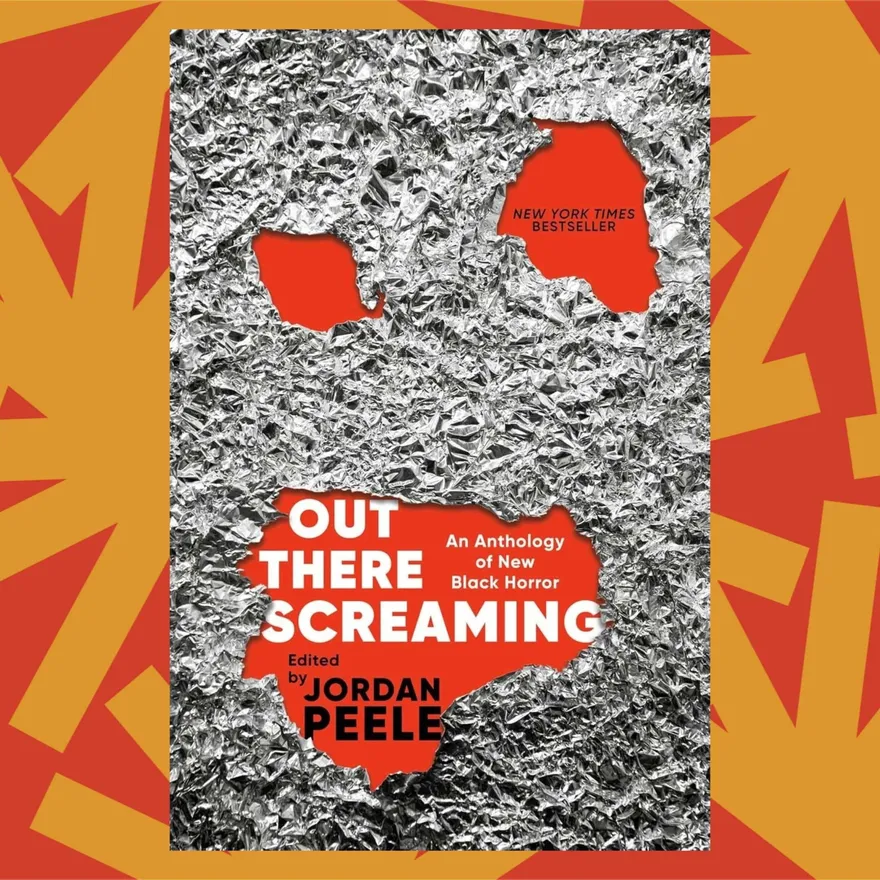
Jordan Peele on his Black horror story collection 'Out There Screaming'
In this episode of NPR's Book of the Day, Jordan Peele and Brittany Luse discuss Black horror as a narrative form that reflects contemporary racial tensions in America. Peele explores how the genre has gained urgency as new challenges emerge, and how stories like those in his collection "Out There Screaming" provide Black audiences with creative ways to process real-world anxieties and fears.
The conversation examines recurring themes in Black horror, particularly the concept of the "white gaze" and how surveillance and observation shape Black identity and experience. Peele and Luse discuss how the success of "Get Out" opened doors for Black creators who had previously felt constrained by industry gatekeeping, and how Black horror offers a unique space for processing fear through creative expression rather than simply replicating the terror of daily life.

This is a preview of the Shortform summary of the Oct 20, 2026 episode of the NPR's Book of the Day
Sign up for Shortform to access the whole episode summary along with additional materials like counterarguments and context.
1-Page Summary
Relevance of Black Horror Today
Black horror has emerged as an urgent narrative form as racial tensions in America intensify. Jordan Peele and Brittany Luse explore how storytellers like Peele and Nnedi Okorafor use the genre to reflect current realities and offer creative escape for Black audiences.
Evolving Racial Dynamics Demand Urgent Horror Stories
Peele describes the shifting landscape of Black America, noting that while white America is becoming less dominant demographically, white supremacy maintains its hold. The dynamic is in constant flux, with new challenges like book bans and contested educational materials reflecting these changes. Peele observes this context brings urgency to Black horror—these are stories that couldn't have been told years ago because the realities shaping them are just now surfacing. Okorafor's "a Dark Home" exemplifies this expansion by blending African spiritual traditions with modern technology, embodying horror that is uniquely contemporary and rooted in Black experience.
Black Horror Reflects Real-World Suffering and Terror in Black Life
Luse raises a provocative question: if daily life is already frightening for many Black people, why create or consume Black horror? Peele responds by recalling debates before "Get Out's" release, noting his concern that the film might trivialize real pain. Yet it succeeded by allowing Black audiences to process genuine anxieties in a creative, cathartic way. This is the power of authentic Black horror—it exposes truths of Black existence, channels collective suffering into narrative, and provides space to process fears while offering release from real-world terror.
Eyes and Gaze As Reflective of Racial Dynamics and Identity
Peele and Luse explore how the motif of eyes and gazing powerfully reflects racial dynamics around Black identity, particularly under white observation and surveillance.
Eyes Reveal Complex Ties Between Vision, Power, and Black Identity
Peele discusses the recurring motif of eyes in his work, focusing on the "white gaze" or "white supremacist gaze" as mechanisms of surveillance and control. Black people are continually observed and shaped by how they're perceived by white society, tying Black identity tightly to external judgment. Luse invokes N.K. Jemisin's story depicting a Black cop seeing human eyes in headlights, reflecting how Black individuals are typically the subject of scrutiny rather than empowered to observe or define. As Luse notes, "As a black person, you're always the subject, rarely the person who's gazing."
Surveillance Strips Autonomy in "Get Out" and the Sunken Place
Peele draws a direct connection to "Get Out" and the Sunken Place, describing it as a "mental prison" where Chris is forced to see reality clearly yet is powerless to act. This portrayal underlines how surveillance and objectification strip away autonomy, reducing Black individuals to passive observers of their own lives, unable to intervene in their own defense.
Black Horror as a Tool For Processing Fear and Experience
Peele and Luse discuss how Black horror offers a unique space to grapple with and process deep-rooted anxieties and experiences.
Horror Lets Black Creators and Audiences Examine and Metabolize Fears
Peele explains that after "Get Out," many approached him to share they too had stories inspired by fears they didn't think would be accepted. He emphasizes one cannot ignore their Blackness when telling horror stories—individual and collective fears are inevitably shaped by Black identity. Luse highlights that Black horror provides space not just to watch, but to write, create, direct, and produce, offering a way to process the elemental human experience of fear. Peele adds that when Black people process feelings through creative means, positive things happen. Luse observes that for many Black people, real life is already frightening, but Peele responds that Black horror transforms and channels fear for psychological benefit rather than merely replicating it.
Creative Liberation: Space for Black Horror Narratives
The success of "Get Out" ignites a new era for Black horror creators, expanding opportunities for authentic storytelling.
Platforms and Anthologies Catalyze Black Horror Artists Previously Constrained by Systemic Gatekeeping
Following "Get Out," Peele describes how Black creators approached him explaining they'd harbored horror stories reflecting their own fears but didn't believe mainstream platforms would greenlight such projects. Many felt constrained by industry gatekeeping and the perception that their perspectives wouldn't be accepted. Projects like "Out There Screaming" now validate and elevate these voices, offering platforms where Black horror narratives can be recognized and celebrated. Peele emphasizes that Black creators cannot ignore their racial identity when crafting horror narratives, and this honest incorporation of Blackness leads to stories that are fresh, resonant, and true to life.
1-Page Summary
Additional Materials
Counterarguments
- While Black horror provides a space for processing collective anxieties, some critics argue that repeatedly centering trauma and suffering in media can risk reinforcing negative stereotypes or retraumatizing audiences rather than offering true catharsis.
- The assertion that Black horror stories "could not have been told years ago" may overlook earlier works by Black creators or horror stories with racial themes that existed but were marginalized or overlooked by mainstream audiences and critics.
- Some scholars and creators contend that focusing primarily on racial suffering in Black horror may inadvertently limit the genre's thematic range, potentially overshadowing stories of Black joy, resilience, or speculative futures not rooted in trauma.
- The emphasis on the "white gaze" as a central motif in Black horror could be seen as continuing to center whiteness, rather than fully reclaiming narrative autonomy or exploring Black experiences independent of white observation.
- While the success of "Get Out" has opened doors for Black horror creators, some argue that the industry still tends to favor stories that fit certain marketable narratives about race, potentially constraining the diversity of Black horror voices and stories that reach mainstream platforms.
Actionables
- you can keep a personal journal where you record moments when you notice yourself or others being observed, judged, or surveilled in daily life, then reflect on how these experiences shape your sense of self and belonging, helping you recognize and process the impact of the gaze and surveillance themes discussed.
- a practical way to metabolize collective anxieties is to create a playlist of music, spoken word, or soundscapes that evoke both fear and resilience, then listen to it during stressful moments to channel and transform your emotional responses, mirroring the cathartic process described.
- you can design a simple visual collage using magazine cutouts, photos, or digital images that blend elements of your cultural heritage with modern technology or everyday objects, exploring how these combinations evoke feelings of unease, pride, or empowerment, and display it somewhere private as a personal reminder of your evolving identity.

Get access to the context and additional materials
Relevance of Black Horror Today
Black horror emerges as an especially urgent and relevant narrative form as racial dynamics in America evolve and societal tensions intensify. Storytellers like Jordan Peele and Nnedi Okorafor are at the forefront, using the genre to reflect realities, confront present terrors, and offer creative escape for Black audiences.
Evolving Racial Dynamics Demand Urgent Horror Stories
Jordan Peele describes the shifting landscape of Black America, noting that while white America is becoming less dominant demographically, white supremacy maintains a powerful hold. The dynamic is in flux every day. New challenges such as increasing book bans and contested educational materials mirror these changes. Peele observes that this context brings a sense of novelty and immediacy to Black horror—these are stories that could not have been told a few years ago precisely because the realities that shape them are just now coming to the surface.
Nnedi Okorafor's "a Dark Home" Blends African Spirituality and Modern Technology
Stories like Nnedi Okorafor’s "a Dark Home" exemplify the genre’s expansion. By blending African spiritual traditions with modern technology, Okorafor’s work embodies a horror that is uniquely contemporary and deeply rooted in Black identities and experiences.
Shifting American Racial Context, Educational Material Challenges, and White Supremacy Fuel Timely Horror Narratives
Peele stresses that the shifting context of race in America—visible in increased social tension, legislative bans, and the resurgence of white supremacist ideology—fuels the urgency and necessity for new horror narratives that grapple with these forces.
Black Horror Reflects Real-World Suffering and Terror in Black Life
Brittany Luse points out that for many Black people, real life itself is often frightening and suffused with risk. She raises the question ...
Here’s what you’ll find in our full summary
Relevance of Black Horror Today
Additional Materials
Counterarguments
- While Black horror can be cathartic for some, others may find that repeatedly engaging with narratives centered on trauma and suffering can be emotionally exhausting or retraumatizing, potentially limiting its appeal or benefit.
- The focus on horror as a primary mode for exploring Black experiences may risk reinforcing stereotypes of perpetual victimhood or suffering, rather than highlighting resilience, joy, or other dimensions of Black life.
- Some critics argue that the increasing popularity of Black horror in mainstream media could lead to commodification or exploitation of Black pain for entertainment, rather than fostering genuine understanding or change.
- Not all Black audiences may relate to or appreciate the blending of African spiritual traditions with modern technology, as seen in Okorafor’s work, due to the diversity of beliefs and experiences within Black communities.
- The ass ...
Actionables
- you can keep a personal journal where you record moments from daily life that feel unsettling or anxiety-inducing due to racial dynamics, then reimagine those moments as scenes in a horror story to process and creatively transform your experiences
- (for example, if you feel watched or judged in a store, write a short scene where the store itself becomes a sentient, menacing character; this helps you confront and reframe real fears through creative expression)
- a practical way to deepen your understanding of Black horror is to create a playlist of music, sounds, or spoken word that evoke both fear and resilience, then listen to it during everyday activities to reflect on how these emotions intersect in your own life
- (for example, combine tracks that remind you of ancestral strength with unsettling soundscapes, noticing how your mood and thoughts shift as you move through your day)
- you can design a simple r ...
Get access to the context and additional materials
Eyes and Gaze As Reflective of Racial Dynamics and Identity
Jordan Peele and Brittany Luse explore how the motif of eyes and the act of gazing powerfully reflect the racial dynamics around Black identity, particularly under the influence of White observation and surveillance.
Eyes Reveal Complex Ties Between Vision, Power, and Black Identity
"White Gaze" and White Supremacism: Control by Observation of Black People
Peele discusses the recurring motif of eyes in his own work and broader art, focusing on its "really dark association" with vision and gaze. He describes the "white gaze" or the "white supremacist gaze" as mechanisms of surveillance and control, where Black people are continually observed and shaped by how they are perceived and imagined by others, especially White society. This scrutiny ties Black identity tightly to external perception and judgment.
Black Identity: Subject of Others' Vision Rather Than one Who Gazes
Echoing Peele, Brittany Luse invokes an example from N.K. Jemisin's story, which depicts a Black cop seeing human eyes in headlights, emphasizing how Black individuals are typically the subject of others’ scrutiny, not the ones empowered to observe or define. Luse reflects, "As a black person, you're always the subject, rarely the person who's gazing, rarely the person who's looking." Peele reiterates that Black identity is thus less about self-determination and more about being shaped by how one is seen—a dynamic central to the experience of navigating the world under the white gaze.
Surveillance Strips Au ...
Here’s what you’ll find in our full summary
Eyes and Gaze As Reflective of Racial Dynamics and Identity
Additional Materials
Counterarguments
- The motif of eyes and gaze as a metaphor for racial dynamics is interpretive and may not universally resonate with all Black individuals or communities, as experiences of identity and agency are diverse and multifaceted.
- The concept of the "white gaze" as the primary shaper of Black identity may overlook the ways in which Black individuals and communities actively construct, affirm, and celebrate their identities independent of external observation.
- The assertion that Black people are "rarely the person who's gazing" may understate the historical and contemporary examples of Black artists, thinkers, and leaders who have defined their own narratives and perspectives.
- Surveillance and objectification are significant issues, but framing Black individuals solely as passive or powerless may risk reinforcing a narrative of victim ...
Actionables
- you can keep a daily log of moments when you notice yourself being observed or judged in public spaces, then reflect on how these experiences influence your sense of self and decision-making; over time, look for patterns and consider how you might reclaim agency in those situations, such as by changing your body language or initiating conversations.
- a practical way to shift from being the observed to the observer is to intentionally practice noticing and describing your own perspective in everyday situations, like narrating your thoughts during a commute or while shopping, focusing on what you see, feel, and choose, rather than how you might be seen ...



Get access to the context and additional materials
Black Horror as a Tool For Processing Fear and Experience
Jordan Peele and Brittany Luse discuss how Black horror offers a unique space for Black creators and audiences to grapple with and process deep-rooted anxieties and experiences, both individually and collectively.
Horror Lets Black Creators and Audiences Examine and Metabolize Fears
Horror Helps Black People Confront Anxieties Through Storytelling and Creativity
Jordan Peele explains that after the release of "Get Out," many people approached him to share that they, too, had stories inspired by their fears that they didn’t think would ever be accepted or told. He notes that it’s not just about making "Get Out," but about wanting to express a personal fear through storytelling. Peele emphasizes that one cannot ignore their Blackness when telling a horror story, indicating that individual and collective fears are inevitably shaped by Black identity.
Brittany Luse further highlights that Black horror serves a critical purpose by providing a space for people not just to watch, but to write, create, direct, and produce, thus giving them a way to process the elemental human experience of fear. Peele adds that when Black people are allowed to process their feelings and fears in creative ways—through movies, stories, or other artistic forms—positive things happen. Creativity becomes a tool to work through deep-seated emotion and stress.
Black Horror Offers Cathartic Release and Aids Psychological Processing For Audiences
Luse points out that the appeal of Black horror is its ability to help audiences process fear. By watching and experiencing horror rooted in Black perspectives, viewers can find catharsis and relief, making it easier to confront the types of anxieties that might be overwhelming in daily life. Peele notes that it’s a difficult task to craft horror that is both a reflection and an escape, considering how close it often comes to re ...
Here’s what you’ll find in our full summary
Black Horror as a Tool For Processing Fear and Experience
Additional Materials
Counterarguments
- Some critics argue that focusing on Black trauma and fear in horror can risk reinforcing negative stereotypes or retraumatizing audiences rather than providing catharsis.
- Others suggest that centering Black creativity primarily around themes of fear and trauma may limit the diversity of stories and genres available to Black creators and audiences.
- There is a viewpoint that not all Black audiences find horror to be a therapeutic or positive way to process real-life anxieties, and some may prefer narratives that focus on joy, resilience, or everyday experiences.
- Some scholars and creators contend that the expectation for Black art to always address trauma or social issues can be burdensome and may overshadow other ...
Actionables
- you can keep a personal fear journal where you write down everyday anxieties or unsettling experiences, then reimagine them as scenes or stories with supernatural or horror twists to help process and gain distance from those feelings
- By transforming real-life worries into fictional horror scenarios, you create a safe space to explore and release those emotions. For example, if you feel anxious about walking alone at night, you might write a short story where the shadows become literal monsters, then imagine how your character overcomes them.
- a practical way to use creative prompts is to set aside time each week to respond to a question like “what’s the scariest thing about being me?” and then turn your answer into a short poem, drawing, or voice memo
- This lets you channel personal or collective fears into creative outputs, even if you don’t consider yourself an artist or writer. For instance, you might record a voice memo describing a nightmare scenario and then listen back to notice how your feelings shift.
- you can create a private play ...
Get access to the context and additional materials
Creative Liberation: Space for Black Horror Narratives
The success of "Get Out" ignites a new era for Black horror creators, expanding opportunities for authentic storytelling and challenging the boundaries of the genre.
Platforms and Anthologies Catalyze Black Horror Artists Previously Constrained by Systemic Gatekeeping
Following the release of "Get Out," Jordan Peele describes how numerous Black creators approached him to share that they had long harbored horror stories reflecting their own fears but didn't believe mainstream platforms would ever greenlight such projects. Some expressed envy, explaining they wished to tell similar stories but felt constrained by industry gatekeeping and the prevailing perception that their perspectives would not be accepted. Peele observes that it’s not that everyone had a version of "Get Out" within them, but rather that many had unique expressions of fear—deeply tied to Black experience—that they wanted to bring to the screen.
Projects like the anthology "Out There Screaming" serve to validate and elevate these voices, offering platforms where Black horror narratives—once sidelined—can be marketed, recognized, and celebrated. These collections open possibilities for artists to showcase distinctive interpretations of horror shaped by ...
Here’s what you’ll find in our full summary
Creative Liberation: Space for Black Horror Narratives
Additional Materials
Counterarguments
- While "Get Out" was a landmark film, Black creators have contributed to the horror genre for decades, though often outside the mainstream; the recent attention may be more about industry trends than a sudden creative liberation.
- The assertion that Black creators must incorporate their racial identity in horror storytelling could be seen as limiting artistic freedom, as some may wish to explore universal or unrelated themes.
- The focus on anthologies and platforms specifically for Black horror may risk pigeonholing Black creators or segregating their work from the broader genre, rather than fully integrating diverse voices into mainstream horror.
- Some critics argue that emphasizing identity-based storytelling can ov ...
Actionables
- you can keep a personal horror journal where you jot down everyday fears or unsettling moments that feel unique to your experience, then brainstorm how these could inspire short horror story ideas or scenes that reflect your identity and perspective
- (for example, write about a time you felt invisible in a crowd or misunderstood at work, and imagine how that feeling could become the basis for a supernatural or psychological horror scenario)
- a practical way to support authentic Black horror storytelling is to intentionally seek out and share lesser-known Black horror works with friends or on social media, highlighting what makes their approach to fear and suspense distinct
- (for example, after reading or watching something new, post a short reflection on how the story’s themes or scares connect to real-life experiences or cultural realities, encouraging others to explore these narratives)
- you can create a personal “fear map” by listing the types of horror that resonate most with you and noting which ...
Get access to the context and additional materials


Create Summaries for anything on the web
Download the Shortform Chrome extension for your browser
