

'Swan Song' sees Princess Diana through her brother’s eyes
In this episode of NPR's Book of the Day, Scott Detrow interviews Charles Spencer about his memoir and his perspective on his sister, Princess Diana. Spencer shares his belief that Diana struggled with undiagnosed ADHD, which profoundly affected her self-image despite her public success and global recognition. He describes how early negative feedback from teachers left lasting damage to her self-worth that persisted throughout her life.
Beyond Diana's public persona, Spencer recalls her defining qualities: her emotional intelligence, compassion, wit, and genuine laughter. The conversation also covers Spencer's funeral eulogy, where he pledged to honor Diana's modern approach to parenting William and Harry, and addresses a troubling phone call with then Prince Charles shortly after Diana's death. Spencer discusses the complexities of the royal family dynamics and reflects on what Diana would have wanted for her sons.
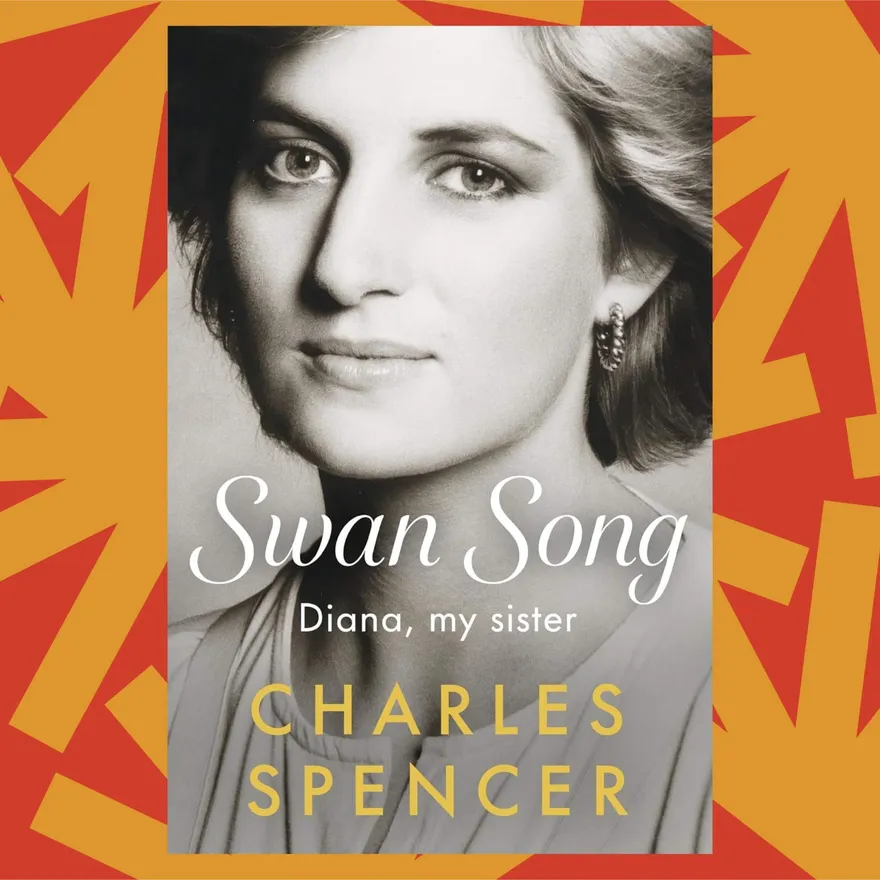

This is a preview of the Shortform summary of the Oct 14, 2026 episode of the NPR's Book of the Day
Sign up for Shortform to access the whole episode summary along with additional materials like counterarguments and context.
1-Page Summary
Princess Diana's Undiagnosed ADHD and Its Impact on Her Self-Perception Struggles
In an interview with NPR's Scott Detrow, Charles Spencer discusses his belief that Princess Diana struggled with undiagnosed ADHD, which profoundly shaped her self-image and relationships.
Charles Spencer Noticed ADHD-Like Behaviors in Diana
Spencer explains that Diana's school reports consistently mentioned her distraction and tendency to interrupt others—behaviors he recognizes as typical ADHD responses. She was quick to take offense and often recoiled from perceived emotional hurt, which shaped how she navigated relationships and public scrutiny. Spencer himself received an ADHD diagnosis later in life and saw striking similarities in Diana's behavior, though her condition went unrecognized during her lifetime.
Diana's Public Success Belied Lasting Psychological Harm From Undiagnosed Learning Differences
Despite her global fame, Diana suffered lasting psychological harm from undiagnosed learning differences. Spencer emphasizes that years of negative feedback from teachers damaged her self-worth deeply. When asked if Diana ever felt as smart and accomplished as the world believed her to be, Spencer answers that he doesn't think she ever did—the early damage to her self-esteem stayed with her despite her later achievements.
Diana: Humor, Empathy, and Qualities Beyond Public Image
Diana's Emotional Intelligence and Compassion Set Her Apart Beyond Her Public Role
Diana's legacy extends far beyond her public role, shaped by deep emotional intelligence and compassion. Her empathy guided her parenting of William and Harry, raising them with warmth rather than royal formality. Diana's ability to connect on a deeply human level set her apart, making her relationships personal and genuine.
Diana Used Wit and Absurdist Observation to Forge Memorable, Deep Connections
Diana wielded wit and a keen sense for the absurd to build intimate bonds with others, turning life's peculiarities into shared moments of laughter through her playful and insightful observations.
Diana's Witty, Comedic Personality Brought Joy To Friends and Makes Her Brother Long to Share Observations Years Later
For Spencer, Diana's humor was one of her defining qualities. He recalls that in the first two decades after her passing, whenever something absurd occurred, his immediate reaction was to want to tell Diana—illustrating how tightly her comedic personality was woven into daily life.
Her Genuine, Deep Laughter Was Spencer's Favorite Aspect of Her as a Sibling
Spencer remembers Diana's ability to truly laugh, describing her as having the best sense of humor. Her laughter wasn't about singular events but was a constant, vital presence that left a lasting impact on those who loved her.
Contrast Between Public Perception and Private Reality of Diana's Death and Charles's Alleged Dismissive Comments
Charles Spencer's Memoir Reveals Troubling Call With Prince Charles Who Said People Would Soon Forget Diana, Complicating Narrative of Universal Grief
Detrow highlights Spencer's revelation that shortly after Diana's death, then Prince Charles allegedly said people would "forget her soon enough." Spencer describes a phone call where Prince Charles "hissed" this dismissive remark, challenging the widespread narrative of collective grief. Spencer explains that he included this exchange in his memoir because it connects directly to his funeral eulogy, where his insistence that Diana would "never be extinguished from our minds" was a direct response to Charles's private comment.
Prince Charles's Temperament Is Volatile; Spencer Is Uncertain if His Dismissive Remark Shows True Emotion or Was a Momentary Anger
Spencer acknowledges that Prince Charles has a volatile temper but is careful not to claim Charles wasn't deeply upset by Diana's death. He simply recounts the words he heard, framing the situation as one where multiple, even contradictory, emotions may coexist. Spencer recognizes that public grief doesn't preclude the possibility of private, less sympathetic perspectives.
Spencer's Eulogy and Promise to Honor Diana's Wishes For William and Harry
At Diana's funeral, Spencer delivered a eulogy that resonated deeply with the public, especially in his promise to protect her sons from being overwhelmed by royal duty and tradition.
Protect William and Harry From Duty and Tradition
Spencer reflected on how Diana modernized royal parenting by introducing her sons to ordinary experiences—public transport, waiting in line at amusement parks, eating burgers. In his eulogy, Spencer pledged that Diana's blood family would continue her imaginative and loving approach, ensuring the princes' souls wouldn't be "simply immersed by duty and tradition, but can sing openly."
Spencer Backs Diana's Parenting For William and Harry
Spencer reaffirmed his support for Diana's parenting, noting she brought something unusual, soft, and generous into the princes' lives, helping them connect with the modern world. Regarding the current estrangement between William and Harry, Spencer stated he couldn't assess whether Diana's presence would have prevented it, acknowledging the complexities of family disputes. However, he was clear that Diana would have strongly opposed her sons' separation, saying, "What I can say as Diana's brother is that she would really not have wanted her boys to be separate. That's very obvious. No mother would."
1-Page Summary
Additional Materials
Counterarguments
- The assertion that Princess Diana had undiagnosed ADHD is based on retrospective observation and personal opinion rather than a formal diagnosis by a medical professional.
- Behaviors such as distraction or emotional sensitivity can have multiple causes and are not exclusive indicators of ADHD.
- The impact of negative feedback from teachers on Diana's self-worth, while plausible, is difficult to quantify and may have been influenced by other factors such as family dynamics or public scrutiny.
- Diana's emotional intelligence and compassion are widely recognized, but attributing her parenting style solely to her personal qualities may overlook the influence of broader social changes and evolving attitudes toward royal parenting during that era.
- The claim that Diana never felt as smart or accomplished as the public believed is based on Charles Spencer's perspective and may not fully capture Diana's own internal experience.
- The interpretation of Prince Charles's alleged remark about people forgetting Diana is based on Spencer's account and may not reflect the full context or Prince Charles's true feelings.
- The idea that Diana's presence would have prevented the estrangement between William and Harry is speculative and cannot be confirmed.
- While Spencer asserts that "no mother would want her sons to be separate," family relationships are complex, and not all mothers respond to sibling estrangement in the same way.
Actionables
- you can create a daily humor log to intentionally notice and record moments of absurdity or wit in your interactions, then share these with friends or family to foster deeper, more joyful connections and lighten emotional burdens together.
- a practical way to nurture emotional intelligence and compassion in your relationships is to set aside a weekly check-in where you ask loved ones open-ended questions about their feelings and experiences, focusing on listening without judgment or offering solutions, just as a way to make them feel seen and valued.
- you can counteract negative self-talk from past criticism by writing a short, encouraging note to yourself each morning that highlights a strength or positive action from the previous day, helping to gradually rebuild self-worth and shift your self-image.

Get access to the context and additional materials
Princess Diana's Undiagnosed ADHD and Its Impact on Her Self-Perception Struggles
Spencer discusses with NPR’s Scott Detrow his belief that Princess Diana struggled with undiagnosed ADHD and how this shaped her self-image and relationships throughout her life.
Charles Spencer Noticed ADHD-Like Behaviors in Diana
Charles Spencer explains that Diana’s school reports consistently mentioned her distraction in class and her tendency to interrupt others’ sentences. While this wasn’t branded as terrible behavior, it portrays someone struggling with undiagnosed ADHD. Spencer notes Diana was quick to take offense and often recoiled from perceived emotional hurt, behaviors he recognizes as typical ADHD responses. This emotional sensitivity shaped how Diana navigated both close relationships and the intense scrutiny she faced. Spencer himself received an ADHD diagnosis later in life and saw striking similarities in his sister’s behavior, strengthening his conviction that Diana also lived with this condition, even though it went unrecognized during her lifetime.
Diana's Public Success Belied Lasting Psychological Harm From Undiagnosed Learning Differences
Despite her global fame and the appearance of success and privilege, Diana suffered lasting psychological harm rooted in undiagnosed learning differences. Spencer emphasizes that years of negative feedback from teachers—who often placed her at the bottom of h ...
Here’s what you’ll find in our full summary
Princess Diana's Undiagnosed ADHD and Its Impact on Her Self-Perception Struggles
Additional Materials
Clarifications
- Charles Spencer is Princess Diana's younger brother. He is a British nobleman and author. Spencer has spoken publicly about his family and Diana's life. His insights come from personal experience and close observation.
- ADHD is a neurodevelopmental disorder affecting attention, impulse control, and activity levels. Common symptoms include difficulty sustaining focus, impulsivity, and hyperactivity. It often leads to challenges in school, work, and social settings. Emotional sensitivity and difficulty regulating emotions are also frequent in people with ADHD.
- Undiagnosed ADHD often leads to difficulties in attention, impulse control, and emotional regulation, which can cause misunderstandings in social interactions. People with ADHD may misinterpret others' intentions or react strongly to criticism, affecting relationships. Without diagnosis, individuals lack strategies or support to manage these challenges, harming self-esteem. This can create a cycle where negative experiences reinforce feelings of inadequacy and social withdrawal.
- School reports noting distraction and interrupting behavior often indicate challenges with attention and impulse control. These behaviors are common signs of ADHD, a neurodevelopmental disorder affecting focus and self-regulation. Early identification in school can lead to support that improves learning and social outcomes. Without recognition, such behaviors may be misunderstood as misbehavior rather than symptoms of an underlying condition.
- Emotional sensitivity in ADHD refers to heightened reactions to feelings, often causing individuals to experience emotions more intensely. This can lead to quick feelings of hurt, frustration, or overwhelm from situations others might find minor. It is linked to difficulties in regulating emotions, making it harder to manage stress or criticism. Such sensitivity affects relationships and self-perception, as emotional responses may seem disproportionate or unpredictable.
- Public scrutiny can heighten stress and anxiety for someone with ADHD due to their heightened emotional sensitivity. They may struggle more with impulsivity and emotional regulation under pressure. Constant judgment can worsen feelings of inadequacy and self-doubt. This can lead to withdrawal or defensive behaviors to protect their self-esteem.
- Negative academic feedback can lead individuals to internalize a belief that they are less capable than their peers. This undermines self-worth by making them feel inadequate or unintelligent. Over time, repeated criticism can cause anxiety, reduce motivation, and impair confidence in their abilities. These effects often persist beyond school, influencing self-perception and behavior in adulthood.
- "Learning differences" is a broad term that refers to various neurological conditions affecting how a person processes ...
Counterarguments
- There is no formal medical evidence or diagnosis confirming that Princess Diana had ADHD; the assertion is based on retrospective observations and personal beliefs rather than clinical evaluation.
- Behaviors such as distraction, emotional sensitivity, and taking offense can be attributed to a wide range of personality traits or other psychological factors, not exclusively to ADHD.
- The impact of negative school experiences on self-esteem is well-documented, but it is not unique to individuals with ADHD or learning differences; many people without such conditions also experience lasting effects from critical educational environments.
- Diana’s struggles with self-worth and c ...


Get access to the context and additional materials
Diana: Humor, Empathy, and Qualities Beyond Public Image
Diana's Emotional Intelligence and Compassion Set Her Apart Beyond Her Public Role
Princess Diana’s legacy extends far beyond her public role, shaped by a deep sense of emotional intelligence and compassion. Her empathy notably eclipsed that of her brother, Charles, and guided her parenting of William and Harry, whom she raised with warmth rather than royal formality. Diana’s ability to connect on a deeply human level set her apart from the usual expectations of her position, making her relationships personal and genuine.
Diana Used Wit and Absurdist Observation to Forge Memorable, Deep Connections
Diana wielded wit and a keen sense for the absurd to build unforgettable, intimate bonds with others. She had a knack for turning life’s peculiarities into shared moments of laughter, bringing people closer through her playful and insightful observations.
Diana's Witty, Comedic Personality Brought Joy To Friends and Makes Her Brother Long to Share Observations Years Later
For Charles Spencer, Diana’s humor was one of her defining and most cherished qualities. He recalls that in the first two decades after her passing, whenever something absurd or ridiculous occurred, his immediate reaction was to want to tell Diana. Th ...
Here’s what you’ll find in our full summary
Diana: Humor, Empathy, and Qualities Beyond Public Image
Additional Materials
Counterarguments
- While Princess Diana is widely praised for her emotional intelligence and compassion, some critics argue that her public image was carefully managed by the media and her advisors, making it difficult to fully separate her genuine qualities from her cultivated persona.
- The comparison between Diana’s empathy and that of her brother Charles Spencer may be subjective, as public perceptions of empathy can be influenced by media portrayals and personal anecdotes rather than objective measures.
- Diana’s approach to parenting, while often described as warm and informal, has also been critiqued by some royal commentators who suggest that her choices sometimes conflicted with established royal protocols and expectations.
- The emphasis on Diana’s humor and wit, while celebrated by those close ...
Actionables
- You can start a daily practice of sharing a playful or absurd observation with someone close to you to build warmth and memorable connections; for example, text a friend about something odd you noticed on your commute or make a lighthearted comment about a quirky household mishap during dinner.
- A practical way to foster deeper empathy in your relationships is to set aside a few minutes each week to ask loved ones about a recent experience that made them feel strong emotions, then listen without offering advice or judgment, focusing only on understanding their feelings.
- ...


Get access to the context and additional materials
Contrast Between Public Perception and Private Reality of Diana's Death and Charles's Alleged Dismissive Comments
Charles Spencer's Memoir Reveals Troubling Call With Prince Charles Who Said People Would Soon Forget Diana, Complicating Narrative of Universal Grief
Scott Detrow highlights the enduring presence of Princess Diana in public memory and the significance of Charles Spencer’s revelation in his memoir: that shortly after Diana’s death, then Prince Charles allegedly said, “...will forget her soon enough.” Spencer describes a phone call where Prince Charles, as Spencer writes, “hissed” the dismissive remark, “rest assured, will forget her soon enough.” This call has attracted particular attention because it challenges the widespread narrative of collective and personal grief following Diana’s death.
Spencer clarifies that he cannot comment on Prince Charles’s emotions during the trip to Paris to bring Diana’s body home, as he was not present—his two sisters handled that journey. Instead, he insists he can only report what he experienced directly, in this case, what he heard in that phone call. Spencer explains that this is why he chose to include this exchange in his memoir: it connects directly to the eulogy he delivered at Diana’s funeral. Specifically, Spencer’s insistence in the eulogy that Diana would “never be extinguished from our minds” was a direct response to Charles’s private comment that she would soon be forgotten.
This juxtaposition between Spencer’s promise in the eulogy and Charles’s private sentiment exposes a complicated picture, suggesting that public expressions of permanent loss may not always match private attitudes within the royal family.
Prince Charles's Temperament Is Volatile; Spencer Is Uncertain if His Dismissive Remark Shows True Emotion or Was a Momentary Anger
Spencer acknowledges that Prince Charles ...
Here’s what you’ll find in our full summary
Contrast Between Public Perception and Private Reality of Diana's Death and Charles's Alleged Dismissive Comments
Additional Materials
Counterarguments
- The account of Prince Charles’s alleged remark is based solely on Charles Spencer’s recollection, which may be subject to personal interpretation or memory bias.
- The context and tone of Prince Charles’s comment are not fully known, and without additional corroboration, it is difficult to assess the intent or emotional state behind the words.
- Public figures, especially those under intense scrutiny, may express private frustrations or coping mechanisms that do not necessarily reflect their true feelings or long-term attitudes.
- The existence of a single dismissive remark does not negate the possibility that Prince Charles, or others in the royal family, experienced genuine grief in other moments.
- The focus on this particular exchange may overshadow the broader complexity of grief and the different ways individuals process loss, especially in high-pressu ...
Actionables
- you can keep a private journal where you record both your public reactions and your honest, unfiltered private feelings about major events in your life, then compare them to notice any differences or contradictions; this helps you recognize and accept the complexity of your own emotions, especially during times of loss or change.
- a practical way to understand how public and private expressions of grief can differ is to write two letters about a difficult experience: one as if you were sharing it with a group (public), and one just for yourself (private); reading them side by side can reveal how your outward communication may not always match your inner reality.
- you can set aside time after a ...


Get access to the context and additional materials
Spencer's Eulogy and Promise to Honor Diana's Wishes For William and Harry
At Princess Diana's funeral, her brother Charles Spencer delivered a eulogy that resonated deeply with the public, especially in his promise to protect her sons, William and Harry, from being overwhelmed by royal duty and tradition.
Protect William and Harry From Duty and Tradition
Charles Spencer reflected on how Diana modernized royal parenting by introducing her sons to ordinary experiences that were previously denied to royal children. Diana allowed William and Harry to take public transport, wait in line for their turn at amusement parks, and enjoy simple pleasures like eating burgers. These seemingly basic experiences marked a significant departure from the tradition-bound upbringing of earlier generations of royal princes and princesses.
In his eulogy, Spencer made a passionate vow on behalf of Diana’s family: "On behalf of your mother and sisters, I pledge that we, your blood family, will do all we can to continue the imaginative and loving way in which you are steering these two exceptional young men, so that their souls are not simply immersed by duty and tradition, but can sing openly as you plan." He explained that this promise was a personal commitment and reflected the family’s intent to uphold Diana’s progressive approach to raising her sons, recognizing that while royal duty and tradition would inevitably influence them, it was essential to nurture their souls and connection to the modern world.
Spencer Backs Diana's Parenting For William and Harry
Spencer reaffirmed his support for Diana’s parenting, noting that she brought something unusual, soft, and generous into the lives of the princes. He emphasized that Diana’s efforts helped William and Harry connect with the modern world, a connection that previous generations had often missed.
Regarding the current estrangement between William and Harry, Spencer stated that he could not definitively assess whether Diana’s continued presence would have prevented it. He acknowledged the complexities and private grievan ...
Here’s what you’ll find in our full summary
Spencer's Eulogy and Promise to Honor Diana's Wishes For William and Harry
Additional Materials
Counterarguments
- While Diana’s approach to parenting was seen as modern and relatable, some critics argue that exposing royal children to ordinary experiences does not necessarily prepare them for the unique pressures and responsibilities of royal life.
- The promise to protect William and Harry from being "overwhelmed" by royal duty and tradition may be unrealistic, given that their roles inherently involve significant obligations and public scrutiny.
- Upholding Diana’s parenting style may not be feasible or appropriate in all circumstances, as the needs and expectations of the monarchy and the public can change over time.
- The assertion that Diana would have opposed the separation between William and Harry is based on personal belief and cannot be definitively proven.
- Some observers cont ...
Actionables
- you can schedule regular “ordinary day” outings with your family where everyone participates in simple, everyday activities together, like taking public transport, shopping for groceries, or visiting a local park, to foster humility and connection beyond routine roles or expectations
- This helps everyone experience life outside their usual environment, encourages empathy, and builds shared memories that aren’t tied to status or tradition.
- a practical way to nurture emotional closeness in your family is to create a rotating “family storyteller” night where each person shares a personal story about kindness, generosity, or overcoming challenges, encouraging openness and understanding
- This builds a culture of emotional support and helps family members see each other’s vulnerabilities and strengths, reinforcing bonds beyond duty.
- you can set up a private, ongoing j ...
Get access to the context and additional materials

 1-Page Summary
- Princess Diana's Undiagnosed ADHD and Its Impact on Her Self-Perception Struggles
- Diana: Humor, Empathy, and Qualities Beyond Public Image
- Contrast Between Public Perception and Private Reality of Diana's Death and Charles's Alleged Dismissive Comments
- Spencer's Eulogy and Promise to Honor Diana's Wishes For William and Harry
Create Summaries for anything on the web
Download the Shortform Chrome extension for your browser
