

A visit with Barbara Kingsolver: We talk 'Partita,' piano, aging and Appalachia
In this episode of NPR's Book of the Day, Barbara Kingsolver discusses her latest novel "Partita" and reflects on the intersections between music, writing, and her Appalachian identity. Kingsolver shares how her lifelong passion for classical piano—which began in childhood and continued through a college music scholarship—finally found its way into her fiction after two decades of writing. She explains how the novel's structure mirrors a musical composition and follows protagonist Livia, a pianist whose artistic ambitions and personal relationships shape her life's trajectory.
The conversation also explores broader themes of art's value in society, particularly as economic pressures diminish support for creative pursuits. Kingsolver addresses how Appalachia remains misunderstood and misrepresented in mainstream culture, tracing the region's history of exploitation by extractive industries. She discusses the physical realities of aging as an artist, including managing Dupuytren's contracture, and reflects on how her Pulitzer Prize for "Demon Copperhead" elevated recognition of Appalachian perspectives in literature.
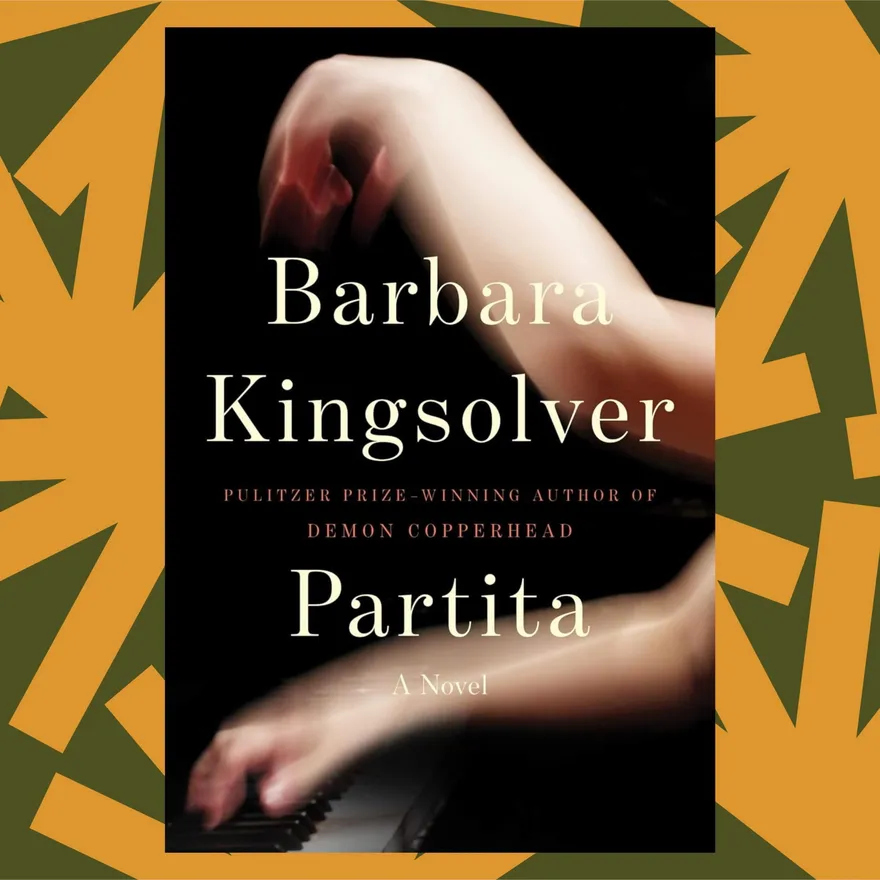

This is a preview of the Shortform summary of the Oct 2, 2026 episode of the NPR's Book of the Day
Sign up for Shortform to access the whole episode summary along with additional materials like counterarguments and context.
1-Page Summary
Music and Importance of Art in Contemporary Culture
Barbara Kingsolver's life and work illuminate the profound influence of music and art's crucial role in society, particularly during times of economic insecurity. Her reflections trace a personal journey from childhood passion for classical music to integrating that experience into her writing.
Music Has Shaped Kingsolver's Identity and Creativity
Kingsolver's passion for music began in childhood, sparked by her father's classical records. Her father would play pieces like Ravel's "Prelude to the Afternoon of a Faun," encouraging the family to imagine stories conjured by the music. This intertwining of storytelling and music fueled her creativity from an early age. She pursued music seriously into college, earning a scholarship for classical piano, but soon realized she lacked the elite caliber required for a concert career. More importantly, the exclusive lifestyle didn't suit her broad curiosity. While leaving behind those ambitions, she found freedom in choosing writing, which allowed her to explore every subject. Music remains essential in her daily life—she continues playing piano, has performed in rock and jazz bands, and often plays with her guitarist husband.
Art Devalued as Economic Insecurity Pulls Resources From Creativity
Kingsolver's newest novel examines why we need art and what value creativity brings to our lives. She challenges the notion that art is expendable, especially as economic stresses have led to reduced government funding for the arts, from the NEH to public school music classes. Kingsolver recognizes that many from rural and working-class backgrounds feel alienated from cultural spaces, perceiving fine arts as exclusive to wealthy urbanites. This perception limits broader participation and reinforces existing inequalities.
Musical Experience Unveils New Creative Possibilities For Kingsolver's Writing
After two decades and eighteen books, Kingsolver finally incorporated her musical knowledge into her fiction with her latest work, "Partita." The novel tells the story of a woman in Appalachia whose ambitions to become a star classical pianist are derailed. Writing this novel allowed Kingsolver to blend her musical experience with fiction, a process she found unexpectedly joyful. She crafted a love story involving a protagonist fiercely dedicated to music, exploring the tension between personal relationships and artistic devotion, while translating the abstract experience of creating and feeling music into language.
The Novel "Partita": Musical Structure, Characters, and Themes
Musical Architecture Mirrors Partita for Thematic Coherence
Kingsolver constructs "Partita" by fundamentally shaping its narrative as a musical composition. She organizes the novel around sections named after traditional dance movements—Allemande, Sarabande, Prelude, and Tokada—from classical music repertoire. Each section functions like a movement within a Partita, unique in texture and mood yet intended as a single, complete composition. This structure mirrors how the disparate parts of protagonist Livia's life unite into an overarching narrative, blending Kingsolver's passion for music and storytelling into a literary experience that translates music's layered complexity into words.
Livia's Journey: Love and Artistic Passion Through Life's Stages
At the novel's core is Livia, a talented pianist on the threshold of classical music fame. As a young woman, she falls for Sigurd, a charismatic and ideologically rigid man whose fervor clashes with her artistic dedication. Their intense but brief relationship becomes formative and life-altering, with their competing passions—his for causes, hers for music—pulling them apart. Decades later, a phone call from Sigurd jolts the older Livia, forcing her to reflect on youthful passion now tempered with maturity. Through these reflections, Kingsolver illustrates how different forms of love coexist and evolve, with the deepest thread being Livia's unending longing for beauty and creative expression—a love for art transcending romance.
Livia's Brother Cyrus's Suicide at Eleven Shapes Her Existence and the Novel's Emotional Core
A defining trauma revealed from the novel's opening is the suicide of Livia's brother Cyrus when she was eleven. Cyrus was her only genuine companion in an emotionally distant household, and this loss establishes both grief and survivor's guilt as the psychological foundation driving her life choices. Kingsolver draws on her own experiences with friends lost to suicide to give the story authenticity and emotional depth, recognizing the lasting impact such grief leaves. Through Livia's lifelong processing of Cyrus's death, Kingsolver extends wisdom and compassion to other survivors navigating similar losses.
Class Shapes Livia's Opportunities, Aspirations, and Belonging In Classical Music
Kingsolver roots Livia's story in her own experiences growing up in small-town Kentucky, where her passion for classical music left her isolated. As a class migrant, Livia faces invisible but profound barriers entering elite musical spaces. Kingsolver explores how fine arts are often perceived as domains for "fancy people in cities," leaving those from less privileged backgrounds feeling unwelcome. Livia's economic background directly impacts her access to necessary training and experiences for a life in classical music, with her sense of exclusion from exclusive cultural institutions shaping both her aspirations and sense of self. Despite exploring these heavier themes, "Partita" weaves together multiple tones—the passionate love story, sensuality, humor, and levity—ensuring the novel celebrates the vitality and richness of lived experience alongside its darker explorations.
Physical Limitations and Aging As an Artist
Kingsolver discusses how inherited conditions, aging, and physical decline shape her work as both musician and writer, reflecting broader realities many artists face as their bodies change over time.
Kingsolver Has Dupuytren's Contracture, an Inherited Condition Restricting Hand Function
Kingsolver has Dupuytren's contracture, more common among people of Scots-Irish or Northern European ancestry and known as "Viking disease." It contracts the fascia in the palm, gradually drawing fingers toward the fist and impeding hand function. To manage it, Kingsolver undergoes surgery every few years at the University of Virginia Hand Center, allowing her to maintain mobility needed for piano playing and writing. She credits her skilled surgeon with keeping her hands functional for fifteen years. However, surgery only restores function temporarily—the disease continues advancing, and she cannot fully straighten some fingers. Each recovery achieves less range of motion than before, though she has retained most extension in her left hand, critical for piano practice.
Artists Reimagine Their Craft Amid Aging and Injury
Kingsolver incorporates these lived experiences into "Partita," examining the frustration and grief following career-limiting injuries in music, sports, and other physical disciplines. She reflects on aging's broader reality: everyone eventually lives in a body that cannot perform as it once did, yet society often denies this universal condition. In facing these realities, Kingsolver finds freedom by embracing all versions of herself throughout life, recognizing each decade brought new perspectives and abilities. She's grateful for her career's longevity, the wisdom gained, and the risks taken as a writer.
Physical Decline Shapes Her Literary and Artistic Output
The condition directly impacts her creative output. She adapts her piano and typing practice, using different fingers to compensate for lost function, but acknowledges she can no longer play all the pieces she once loved. Her awareness of these physical realities shapes her writing thematically and practically, allowing her to write candidly about artistic struggle, adapting to injuries, and maintaining one's identity as an artist despite changing circumstances. This perspective connects personal acceptance of limitation to universal human experience, enriching both her literary themes and her approach to art.
Appalachian Identity, Representation, and Exploitation
Interviewed at her home in southwestern Virginia, Kingsolver offers a firsthand account of how Appalachia and its people are overlooked, misrepresented, and misunderstood in mainstream culture, and how the region's history of exploitation shapes both perceptions and realities.
Appalachian Communities Are Often Invisible or Misrepresented In Mainstream Culture
Kingsolver stresses that even the mispronunciation of "Appalachia" betrays deep unfamiliarity with the region. People rarely hear Appalachians represent themselves—instead, they encounter the region filtered through others' voices, usually as reductionist hillbilly jokes or poverty documentaries. As soon as she left Kentucky for college, she learned how outsiders view her origins as backward or laughable. Appalachia and rural America are labeled "flyover country," reinforcing their invisibility. Appalachians face not just lack of visibility but active misrepresentation, with outsiders seeing poverty and unemployment but basing perceptions on superficial representations rather than real engagement.
Extractive Industries Restricted Economic Opportunity and Education to Control Labor In Appalachia
Kingsolver highlights the long saga of exploitation by extractive industries—timber, coal, tobacco—that shaped Appalachia's landscape. These companies controlled entire infrastructures, from stores and schools to courthouses, blocking other industries to sustain a captive mining workforce. They deliberately suppressed education, wanting miners rather than an educated population. When coal was depleted, companies abandoned the region, leaving environmental ruin, scarce jobs, and persistent poverty. Despite this systematic dispossession, those left behind were blamed for their own hardship rather than recognized as victims of structural extraction.
Appalachia Misunderstood: Poverty Attributed To Individual Failings Instead Of Historical and Structural Causes
Kingsolver expresses frustration that jokes and contempt toward Appalachians remain acceptable in circles that otherwise recognize such mockery as bigotry. She notes the pervasive belief that Appalachian people vote against their self-interests, a notion ignoring historical roots of economic and political disenfranchisement. The assumption, she says, is that "we're stupid," when outsiders simply aren't seeing the full picture. She describes embracing Appalachian identity in her work, realizing her voice as a writer is inextricably tied to her origins—authentic representation means speaking from within the community, not about it from outside.
Kingsolver's Pulitzer for "Demon Copperhead" Elevated Her Platform for Appalachian Perspectives
Kingsolver's Pulitzer Prize for "Demon Copperhead"—a retelling of "David Copperfield" set in Appalachia—elevated recognition of Appalachian culture broadly. Her neighbors celebrated the win, feeling communal pride as "we won that prize," illustrating how literary recognition can confer legitimacy on a dismissed culture. Kingsolver insists she doesn't speak for Appalachia alone but places herself as part of a lineage of Appalachian writers including Harriet Arno, Robert Penn Warren, Wendell Berry, and contemporaries like Silas House. She describes her role not as bearing a solitary burden but as continuing and amplifying a vital tradition of authentic storytelling from within Appalachia itself.
1-Page Summary
Additional Materials
Counterarguments
- While Kingsolver emphasizes the importance of art and music during economic insecurity, some may argue that basic needs such as food, shelter, and healthcare should take precedence over funding for the arts in times of crisis.
- The perception that fine arts are exclusive to wealthy urbanites is not universally true; many community arts programs and public initiatives aim to make the arts accessible to all socioeconomic groups.
- Although Kingsolver highlights the alienation of rural and working-class people from cultural spaces, there are numerous examples of vibrant artistic traditions and participation within rural and working-class communities themselves.
- The narrative that extractive industries are solely responsible for Appalachia's economic challenges may overlook other contributing factors, such as broader economic shifts, globalization, and technological changes.
- While Kingsolver draws on her personal experiences to inform her fiction, some may argue that individual experiences cannot fully represent the diversity of perspectives within Appalachia or among artists facing physical limitations.
- The claim that Appalachians are primarily misrepresented or invisible in mainstream culture could be challenged by pointing to recent increased media attention, literature, and scholarship focused on the region.
- The idea that physical decline necessarily limits artistic output can be countered by examples of artists who have adapted their methods or found new creative avenues despite physical challenges.
Actionables
- you can create a personal playlist that pairs specific pieces of music with daily routines or emotional states to intentionally use music as a tool for resilience and creative inspiration, especially during stressful or uncertain times; for example, play a certain classical piece while cooking dinner to bring a sense of artistry to everyday life, or use a favorite song to mark the start of a creative writing session.
- a practical way to challenge feelings of exclusion from the arts is to start a low-pressure, at-home art or music night for yourself or your household, where you experiment with drawing, singing, or playing simple instruments using free online tutorials, focusing on enjoyment and self-expression rather than skill or perfection.
- you can document and share a story from your own community or family that counters stereotypes or highlights overlooked strengths, using whatever medium feels comfortable—writing, voice recording, or a simple photo essay—and share it with a friend or on a private social media account to contribute to more authentic representation of underrepresented places or groups.


Get access to the context and additional materials
Music and Importance of Art in Contemporary Culture
Barbara Kingsolver’s life and work highlight the profound influence of music and the crucial role of art in society, especially during times of economic insecurity. Her reflections trace a personal journey shaped by classical music, cultural barriers, and the eventual integration of her musical experience into her writing.
Music Has Shaped Kingsolver's Identity and Creativity
Kingsolver's Musical Passion Sparked by Father's Classical Records
Kingsolver’s passion for music begins in childhood, inspired by her father’s love of classical records. In her modest family home, music was a collective experience; her father often played pieces like Ravel’s "Prelude to the Afternoon of a Faun" or Tchaikovsky’s "Firebird Suite," encouraging everyone to imagine stories the music conjured. For Kingsolver, storytelling and music became intertwined early in life, fueling her imagination and creativity. She remembers the pleasure of sitting at the piano bench, eager to make music for herself as soon as she could reach the keys.
Classical Piano Scholar Realized She Lacked Elite Concert Caliber and Found Lifestyle too Restrictive for Her Curiosity
Kingsolver pursued music seriously into adulthood, earning a music scholarship for classical piano and studying intensely during her first year of college. However, she soon realized she was not destined to be among the few who could sustain a career as a concert pianist in the U.S. While she loved playing, the exclusive focus and narrow lifestyle required didn’t suit her endless curiosity. She found excitement in many other disciplines, ultimately gravitating toward writing, which allowed her to explore every subject. When she chose not to pursue a pianist’s life, she felt free, though also aware of leaving behind her teachers' and her own ambitions. For Kingsolver, the joy was never about becoming a professional musician—it was about the act of making music itself.
Kingsolver's Musical Passion With Her Guitarist Husband
Music remains an essential part of Kingsolver’s daily life. She continues to play piano, has performed in bands spanning rock and jazz, and often plays with her husband, a skilled guitarist. This enduring involvement demonstrates her belief in music’s intrinsic value, separate from career ambitions.
Art Devalued as Economic Insecurity Pulls Resources From Creativity
Exploring Art's Value and Necessity
Kingsolver’s newest novel examines pressing questions: Why do we need art? What value do music and creativity bring to our lives? She challenges the prevailing notion that art is expendable, especially as society faces economic insecurity.
Government Funding For Arts Reduced Amid Economic Priorities
Economic stresses in contemporary culture have led to the withdrawal of resources from the arts, from national organizations like the NEH down to public school music classes. Kingsolver sees this as a dangerous trend rooted in the misconception that art can be cut without consequence.
Many From Rural and Working-Class Backgrounds Feel Unwelcome In Cultural Spaces, Viewing Fine Arts as Exclusive to Wealthy Urbanites
Within this environment, Kingsolver recognizes that many people from rural or working-class backgrounds feel alienated f ...
Here’s what you’ll find in our full summary
Music and Importance of Art in Contemporary Culture
Additional Materials
Counterarguments
- While Kingsolver emphasizes the importance of art and music, some may argue that during times of economic insecurity, prioritizing basic needs such as food, healthcare, and housing is more urgent than funding the arts.
- The perception that fine arts are exclusive to wealthy urbanites may not fully account for the many community-based and grassroots art initiatives present in rural and working-class areas.
- The idea that reducing arts funding is inherently dangerous could be challenged by those who believe that private patronage, philanthropy, or market-driven models can sustain the arts without government intervention.
- Some may contend that the value of art is subjective and that not everyone finds personal or societal benefit in artistic pursuits.
- While Kingsolver found fulfillment in in ...
Actionables
- you can create a personal playlist that pairs specific pieces of music with daily routines or moods to make art a consistent, meaningful part of your life, even during stressful or uncertain times; for example, play a certain song while cooking dinner or use instrumental music to mark the start of your workday, reinforcing the idea that art is essential, not expendable.
- a practical way to challenge the perception that art is only for certain groups is to invite friends or family from different backgrounds to share their favorite songs or stories in a casual group chat or text thread, making space for diverse artistic experiences and breaking down b ...
Get access to the context and additional materials
The Novel "Partita": Musical Structure, Characters, and Themes
Musical Architecture Mirrors Partita for Thematic Coherence
Barbara Kingsolver constructs her novel "Partita" not by mimicking a musical work, but by fundamentally shaping its narrative as a musical composition. She organizes the novel around sections named after traditional dance movements—such as Allemande, Sarabande, Prelude, and Tokada—drawn from the classical music repertoire of two centuries ago. Each section is designed to function like a movement within a Partita, unique in texture and mood yet intended to be played as a single, complete composition. Kingsolver treats this musical structure as a perfect allegory for the novel: the seemingly disparate parts of Livia's life are united into an overarching narrative, giving thematic coherence to her journey. This deliberate mirroring of musical form embodies Kingsolver's lifelong passion for both music and storytelling, blending them into a literary experience that seeks to translate the layered complexity of music into words.
Livia's Journey: Love and Artistic Passion Through Life's Stages
At the core of "Partita" is the story of Livia, a talented pianist on the threshold of classical music fame. Her journey is both a surface narrative of first love and a deeper examination of devotion to art. As a young woman, Livia falls for Sigurd, a charismatic and intellectually rigid man whose ideological fervor often clashes with Livia’s own artistic dedication. Their relationship, intense and brief, becomes a formative, life-altering experience. Sigurd's driven and magnetic nature captivates Livia, and their mutual attraction is palpable. But their passions—his for causes, hers for music—pull them in different directions, culminating in a love that is as transformative as it is irreconcilable.
The narrative shifts as an older Livia is jolted by a phone call from Sigurd, decades after their relationship’s abrupt end. This intrusion into her settled life forces her to reflect on her youthful passion, now tempered with years of love, compromise, and maturity. Through these reflections, Kingsolver illustrates how different forms of love—romantic, artistic, and mature—coexist and evolve over time. Ultimately, the deepest thread in Livia's story is her unending longing for beauty and creative expression, a love for art that transcends romance and speaks to a universal human need for meaning through creation.
Livia's Brother Cyrus's Suicide at Eleven Shapes Her Existence and the Novel's Emotional Core
A defining trauma in Livia's life is revealed from the novel’s opening sentence: the suicide of her brother Cyrus when she was eleven. Cyrus, Livia’s only genuine companion in an emotionally distant household, was her confidant and her understanding sibling. This loss establishes both Livia’s grief and survivor's guilt as the psychological substratum driving her choices and motivations throughout life. Kingsolver draws on her own experiences with the loss of friends to suicide to give the story authenticity and emotional depth, recognizing the lasting impact such grief leaves—doubts, longing, and the unanswerable question of what might have changed the outcome. Through Livia’s lifelong processing of Cyrus’s death, Kingsolver extends a measure of hard-won wisdom and compassion to other survivors navigating similar losses.
Class Shapes Livia's Opportunities, Aspirations, and Belonging In Classical Music
Feeling Isolated Growing Up In Kentucky
Kingsolver roots Livia’s story in her own experiences growing up in a small Kentucky town, where her passion for classical music and reading left her isolated a ...
Here’s what you’ll find in our full summary
The Novel "Partita": Musical Structure, Characters, and Themes
Additional Materials
Counterarguments
- While structuring a novel after a musical composition can provide thematic coherence, it may also risk alienating readers unfamiliar with classical music forms, potentially making the structure feel forced or inaccessible.
- The use of musical allegory to unify a character’s life may oversimplify the complexity and messiness of real human experience, which does not always resolve into a harmonious whole.
- Translating the layered complexity of music into literary form is ambitious, but some readers may find that the emotional impact of music does not always translate effectively into prose.
- The focus on Livia’s devotion to art and first love may overshadow other potential aspects of her character development, such as friendships, professional challenges, or broader social issues.
- The portrayal of Sigurd as ideologically rigid and in conflict with Livia’s artistic passion could be seen as reinforcing a binary between activism and art, rather than exploring how the two might intersect or enrich each other.
- Revisiting a past romance as a catalyst for self-reflection is a common literary device, and some readers may find this approach predictable or less original.
- Emphasizing the universal need for meaning through art may not resonate with all readers, particularly those who find meaning in other pursuits or who do not relate to artistic longing.
- The depiction of trauma and grief, while authentic, may risk centering the narrative too heavily on suffering, potentially overshadowing moments of resilience or joy.
- Drawing on personal experience for authenticity can enrich a narrative, but it may ...
Actionables
- you can organize your week or a personal project using the structure of a musical suite, assigning each day or phase a distinct mood or theme (like reflection, action, rest, or creativity) to create a sense of cohesion and variety in your routine; for example, designate Mondays as your prelude for planning, midweek as your allemande for focused work, and Fridays as your sarabande for reflection and winding down.
- a practical way to explore how your background shapes your opportunities is to keep a simple journal where you note moments when you feel included or excluded in different settings, then reflect on patterns and brainstorm small actions to bridge gaps, such as seeking out new communities or resources that align with your interests.
- ...
Get access to the context and additional materials
Physical Limitations and Aging As an Artist
Barbara Kingsolver discusses how inherited conditions, aging, and physical decline shape her work as both a musician and a writer, reflecting broader realities that many artists must face as their bodies change over time.
Kingsolver Has Dupuytren's Contracture, an Inherited Condition Restricting Hand Function and Requiring Surgery
Condition More Prevalent Among Scottish-Irish, Known As Viking Disease, Contracts Hand Fascia Toward Fist
Kingsolver explains that she has Dupuytren's contracture, a condition more common among people of Scots-Irish or Northern European ancestry. Known colloquially as "Viking disease," it contracts the fascia in the palm, gradually drawing the fingers toward the fist and impeding hand function.
Kingsolver's Surgeries at Uva Hand Center Preserve Hand Mobility For Piano and Writing
To manage the condition, Kingsolver undergoes surgery every few years at the University of Virginia Hand Center. This medical intervention allows her to open her hands back up and maintain the mobility she needs for both piano playing and writing. She credits a skilled surgeon and his team with keeping her hands functional for the past fifteen years, even thanking him in her book acknowledgments for his ongoing care.
Surgery Restores Function Temporarily but Doesn't Stop Disease, Leaving Her With Reduced Hand Extension and Motion
Despite surgery, the disease continues to advance. Kingsolver cannot fully straighten some fingers, particularly noting a loss of extension in one hand. While surgery restores some function, each recovery achieves less range of motion than before. She has retained most of the extension in her left hand, which is critical for her piano practice, but the loss is noticeable and permanent.
Artists Reimagine Their Craft Amid Aging and Injury
Kingsolver Explores the Frustration and Grief of Career-Limiting Injuries in "Partita."
Kingsolver incorporates these lived experiences into her writing. In her novel "Partita," she examines the frustration and deep grief that can follow career-limiting injuries, not only in music but also in sports and other physical disciplines, and the necessity of accepting permanent changes to one’s abilities.
Aging Realities: Living With Bodies That No Longer Perform As Before, yet Culture Often Denies This Universal Condition
She reflects on the broader reality of aging: everyone eventually lives in a body that cannot perform as it once did, yet society often avoids acknowledging these truths or insists that such limitations should not have to be accepted.
Kingsolver Sees Freedom In Embracing all Versions of Herself
In facing these realities, Kingsolver finds a kind of freedom. She accepts and embraces all the different versions of herself throughout her life—recognizing that each decade brought new perspectives and abilities—and is grateful for th ...
Here’s what you’ll find in our full summary
Physical Limitations and Aging As an Artist
Additional Materials
Counterarguments
- While Dupuytren's contracture can significantly impact hand function, many individuals with the condition are able to adapt and continue their artistic or professional pursuits, sometimes with the aid of assistive devices or alternative techniques, suggesting that the impact on creativity and productivity may vary widely.
- The narrative emphasizes the inevitability of physical decline with aging, but some artists find that their creative output or artistic vision actually improves or evolves in meaningful ways as they age, regardless of physical limitations.
- Although Kingsolver highlights the lack of societal acknowledgment of aging and physical decline, there are numerous contemporary discussions, support groups, and artistic communities that openly address and support artists facing these challenges.
- The focus on physical limitations shaping artistic identity may overlook the role of psychol ...
Actionables
- you can create a personal inventory of your physical abilities and limitations, then brainstorm alternative ways to accomplish daily tasks or hobbies that matter to you, such as switching hands for certain activities, using adaptive tools, or modifying your workspace to reduce strain.
- a practical way to embrace changing abilities is to keep a journal where you document moments of frustration or grief about physical limitations, then intentionally list new perspectives, skills, or insights you gain as you adapt, helping you recognize growth alongside loss.
- y ...

Get access to the context and additional materials
Appalachian Identity, Representation, and Exploitation
Barbara Kingsolver, interviewed at her home in southwestern Virginia, offers a firsthand account of how Appalachia and its people are overlooked, misrepresented, and misunderstood in mainstream American culture, as well as how the region's history of exploitation shapes perceptions and realities.
Appalachian Communities Are Often Invisible or Misrepresented In Mainstream Culture, Typically Portrayed Through Stereotypes Rather Than Authentically
Kingsolver stresses that even the mispronunciation of “Appalachia” betrays a deep unfamiliarity with the region. She remarks that people are not used to hearing Appalachians represent themselves, if they hear from them at all. Instead, most people only encounter Appalachia filtered through someone else's voice—usually in the form of reductionist hillbilly jokes or poverty documentaries that fail to capture the region’s nuance.
Kingsolver explains that, as soon as she left Kentucky for college in Indiana, she learned just how people outside Appalachia view her origins as backward, laughable, or simply unworthy of consideration. Appalachia and most of rural America, she says, are labeled "flyover country," reinforcing their invisibility in the wider culture. She recounts feeling invisible and unrepresented unless her identity is reduced to a caricature.
Appalachians, Kingsolver notes, face not just a lack of visibility but active misrepresentation. Outsiders see poverty, unemployment, and so-called demographic and ethnic monoculture, but, according to Kingsolver, these perceptions are based on superficial or artificial representations, not on real engagement or understanding.
Extractive Industries Restricted Economic Opportunity and Education to Control Labor In Appalachia
Kingsolver highlights the long saga of exploitation by extractive industries—timber, coal, tobacco—that have shaped both the physical and social landscape of Appalachia. These companies didn’t just own the mines or fields; they controlled the whole infrastructure, from stores and schools to courthouses and local governments. This monopoly allowed coal companies to block the arrival of other industries, such as fiber mills and factories, limiting economic opportunities in order to sustain a captive mining workforce.
Deliberate policies suppressed education, as companies wanted miners rather than an educated and potentially dissenting population. As Kingsolver puts it, these limits on employment and educational opportunities were planned, not accidental.
When the coal was depleted, the companies abandoned the region, leaving environmental ruin, scarce jobs, and persistent generational poverty. Despite this systematic dispossession, those left behind were blamed for their own hardship, rather than recognized as victims of structural extraction.
Appalachia Misunderstood: Poverty Attributed To Individual Failings Instead Of Historical and Structural Causes
Kingsolver expresses frustration that jokes and contempt toward Appalachians are still acceptable in circles that otherwise recognize such mockery as bigotry when directed at other groups. Educated people who avoid disparaging others often feel comfortable ridiculing or dismissing Appalachians as an exception.
She also notes the pervasive belief that Appalachian people routinely vote against their self-interests, a notion that ignores t ...
Here’s what you’ll find in our full summary
Appalachian Identity, Representation, and Exploitation
Additional Materials
Clarifications
- Extractive industries in Appalachia began booming in the late 19th and early 20th centuries, driven by demand for natural resources. Coal mining became the dominant industry, fueling America's industrial growth but causing environmental damage and labor exploitation. Timber and tobacco also shaped the economy, often controlled by outside companies that prioritized profit over local welfare. These industries created economic dependency and limited diversification, leaving lasting social and economic challenges.
- "Flyover country" is a term used by some people in the U.S. to describe the central regions, especially rural areas, that are often overlooked when traveling between major cities on the coasts. It implies these areas are unimportant or uninteresting, reinforcing stereotypes of backwardness or cultural emptiness. The phrase reflects a dismissive attitude that contributes to the social and political marginalization of these communities. This term can deepen feelings of invisibility and exclusion among residents.
- Coal companies often owned entire "company towns," including housing, stores, schools, and medical facilities, forcing workers to rely on the company for daily needs. They paid miners in company scrip, usable only at company-owned stores, which kept workers economically tied to the company. By controlling local governments and law enforcement, companies suppressed labor organizing and political opposition. This monopoly stifled economic diversification, preventing other businesses from establishing in the region.
- Mining companies suppressed education to maintain control over workers by limiting their knowledge and critical thinking skills. An uneducated workforce was less likely to organize, protest, or demand better wages and conditions. Schools were often underfunded or controlled by the companies to prevent empowering the community. This strategy ensured a compliant labor force dependent on the company for survival.
- Coal depletion in Appalachia led to widespread environmental damage, including deforestation, water pollution from mining runoff, and soil erosion. Economically, the loss of coal jobs caused high unemployment and reduced local government revenues, worsening poverty. The region struggled to attract new industries due to damaged land and lack of infrastructure. This created a cycle of economic decline and environmental degradation that persists today.
- The stereotype that Appalachians vote against their self-interests often stems from their support for political candidates or policies perceived as harmful to their economic well-being. Historically, this region faced economic exploitation and political disenfranchisement, limiting access to education and resources that shape voting behavior. Many Appalachian voters prioritize cultural values, identity, and distrust of government over economic policy alone. This complexity is often overlooked, leading to simplistic and unfair judgments.
- "Demon Copperhead" is a modern novel that reimagine ...
Counterarguments
- While misrepresentation and stereotyping of Appalachia exist, there are also numerous examples in recent years of nuanced, positive, and authentic portrayals of the region in literature, film, and journalism.
- The challenges faced by Appalachia, such as poverty and limited economic opportunity, are not unique to the region and are shared by many rural areas across the United States and globally.
- Some argue that economic and educational challenges in Appalachia are influenced by a complex mix of factors, including geography, population density, and broader economic shifts, not solely the actions of extractive industries.
- There are Appalachian communities and individuals who have successfully diversified their economies and improved educational outcomes, demonstrating agency and resilience beyond the narrative of victimhood.
- The idea that outsiders universally view Appalachians as backward or unworthy may overgeneralize attitudes, as many people express empathy, interest, and respect for ...

Get access to the context and additional materials


Create Summaries for anything on the web
Download the Shortform Chrome extension for your browser
