

In new memoir, Colin Kaepernick reflects on his historic national anthem protest
In this episode of NPR's Book of the Day, Michel Martin discusses Colin Kaepernick's new memoir, which explores his experiences with racism as a Black child adopted by a white family and how these formative moments shaped his identity and activism. Kaepernick reflects on childhood trauma, his years of self-education about systemic injustice, and how witnessing anti-Black violence created a moral imperative to act.
The conversation covers the evolution of Kaepernick's national anthem protest, from sitting to kneeling, and examines both the backlash and widespread support it received across sports and society. Martin and Kaepernick also discuss systemic issues within the NFL, including the league's financial ties to military recruitment, the deliberate blacklisting of Kaepernick for his activism, and his continued training at age 38 for a possible return to football. The episode provides insight into how Kaepernick's protest emerged and its lasting impact on sports and social justice movements.
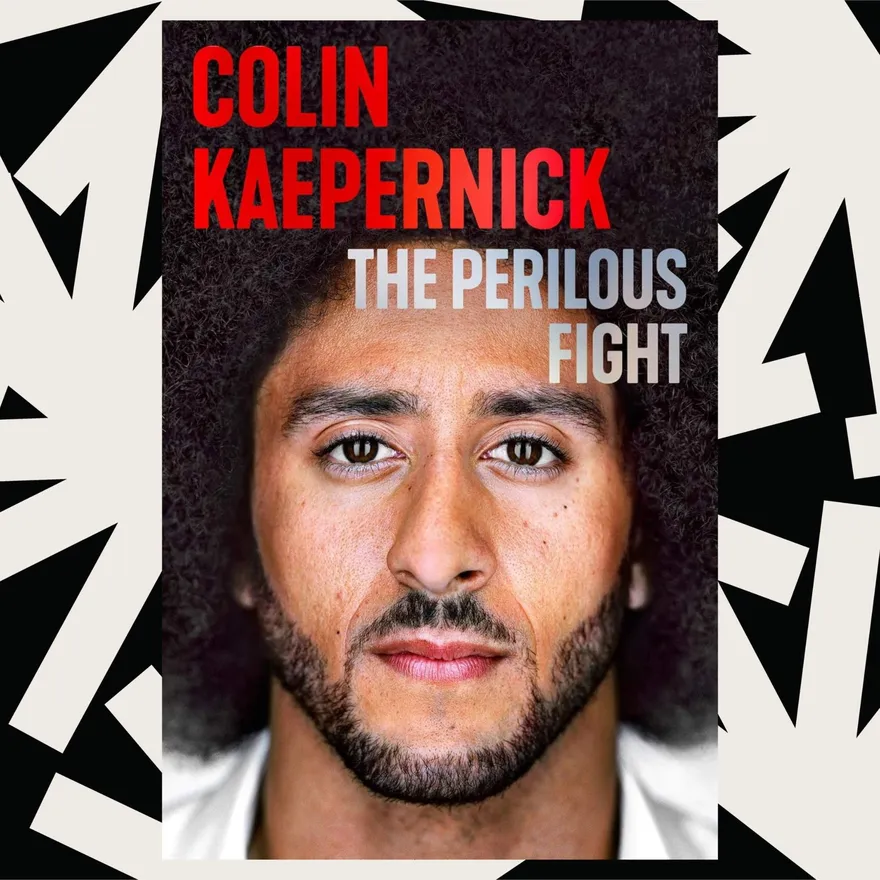

This is a preview of the Shortform summary of the Sep 18, 2026 episode of the NPR's Book of the Day
Sign up for Shortform to access the whole episode summary along with additional materials like counterarguments and context.
1-Page Summary
Black Son Adopted by White Family: Experiences With Racism
Colin Kaepernick shares formative experiences with racism as a Black child adopted by a white family, revealing how these moments shaped his identity and activism.
Childhood Trauma Shaped Kaepernick's Racial Identity In a White Environment
Kaepernick recounts being tied to a rose tree by older neighborhood children at age eight. Shame and fear that his adoptive parents wouldn't understand kept him from telling them what happened. This was his first major confrontation with his vulnerability as a Black child in a predominantly white neighborhood. Reflecting on the event, Kaepernick explains that his white family, unversed in the lived experience of being Black in America, could not prepare him for the realities he would face.
Kaepernick's Lifetime of Experiences and Self-Education Informed His Decision to Take Social Action
By the time of his NFL protest, Kaepernick had dedicated years studying racism, Black history, and systemic injustice. He emphasizes that witnessing anti-Black violence while understanding its context created a moral imperative: "If I know these things are wrong and I know people are being killed and I do nothing, then what does that say about me and my character?" He recognizes his unique privilege as both an adopted Black son of a white family and an NFL player, which gave him visibility and a responsibility to act.
The Book Aids His Adoptive Family and Society In Understanding the Black Experience in America
Kaepernick hopes his memoir will provide his adoptive family with insight into experiences and trauma he rarely spoke of as a child. He and interviewer Michel Martin discuss how the book's unfiltered portrayal of racism may be painful but necessary, intending that readers recognize where they fit in society and be moved to take action toward a more just collective future.
Kneeling During Anthem to Protest Injustice
Kaepernick's protest emerged against a backdrop of heightened visibility of police violence against Black Americans, amplified by social media videos that made these acts inescapably public and demanded a response.
Kaepernick's Protest Arose From Witnessing Escalating Killings of Black Americans
Kaepernick explains that exposure to repeated killings, broadcast through social platforms, deepened his sense of injustice and raised the critical question: "What am I going to do about it?" For him, remaining silent would be a failure of personal and moral responsibility.
Evolution From Sitting To Kneeling: Teamwork and Veteran Consultation
Kaepernick met with Eric Reid, All-Pro safety for the 49ers, to discuss their response to these injustices. Together, they decided on kneeling as their protest method. They also consulted with Nate Boyer, a former Green Beret and NFL player, who expressed support but ultimately chose to stand beside them rather than kneel. Kaepernick notes that Boyer later sought personal attention by claiming credit for suggesting the kneeling idea without verifying this account with those directly involved. The decision to kneel reflected a deliberate effort to balance visibility with respect for military service, making the protest both a powerful statement against racial injustice and a carefully considered act.
Protest Movement's Backlash, Support, and Impact Across Sports and Society
Kaepernick Anticipated Protest Backlash, but Scale Exceeded Predictions
Kaepernick expected backlash to his protest, recognizing that activism directed at patriotic symbols often faces resistance. However, the magnitude and intensity of the backlash ultimately surpassed his expectations.
Widespread Sports Support Shows Most Americans Aligned With Protest
Despite the backlash, Kaepernick observes significant support spanning across sports, from Megan Rapinoe to high school football players and band members, all kneeling during the anthem. He sees the global wave of protests in 2020 following George Floyd's murder as a culminating moment, demonstrating that most people support dignity and self-determination for all.
Protest Led to Change Despite Kaepernick's Costs
Kaepernick's protest came at significant personal cost, including threats to his safety. Despite these sacrifices, he affirms the protest was worth it, expressing hope that the work has touched lives and changed systems. He emphasizes the importance of being bold and relentless in one's convictions while acknowledging that much work remains.
Systemic Issues: NFL's Patriotism for Military Recruitment, Kaepernick Blacklisting For Activism
Kaepernick and Michel Martin explore the intersection of patriotism, activism, and systemic suppression in the NFL, focusing on financial interests and imposed political narratives.
NFL's Financial Ties With Military Reveal Commodification of Patriotism in Sports
Kaepernick reveals that the NFL was compensated by the military to stage patriotic displays before games as part of recruitment efforts. Senator John McCain publicly denounced this use of taxpayer money for "paid patriotism."
Athletes Should Separate Activism From Work While Employers Impose Politics
Critics argue that players should avoid activism while representing their teams. However, Kaepernick counters that the NFL itself imposes political messaging through military and patriotic rituals, demonstrating that the league actively promotes certain political values while discouraging others.
Kaepernick's NFL Exclusion Is a Deliberate Act to Suppress and Intimidate Players
Despite private interest from some coaches and general managers, NFL owners effectively blacklisted Kaepernick. He sees this exclusion as a calculated message to other players—an attempt to discourage athletes from realizing and using their institutional power for activism.
Jay-Z's NFL Super Bowl Deal Betrays Kaepernick Movement
Kaepernick discusses his disappointment in Jay-Z's partnership with the NFL, noting that Jay-Z only reached out to him because a reporter's question forced the contact. After public backlash, Roc Nation attempted to discredit Kaepernick by circulating stories that he no longer wanted to play football.
Kaepernick, At 38, Trains For NFL Return, Cites Exclusion As Proof of Needed Systemic Work
Despite a decade of blacklisting, Kaepernick continues intense training at age 38, maintaining readiness for a possible NFL return. He refuses to accept the owners' decision as final and points to his sustained preparation as proof of perseverance. For Kaepernick, his exclusion underscores the ongoing necessity for systemic change in sports and society.
1-Page Summary
Additional Materials
Counterarguments
- While Kaepernick’s personal experiences with racism are valid, some adopted Black children in white families report positive, supportive environments and do not experience the same level of trauma or alienation.
- The claim that Kaepernick’s adoptive family could not prepare him for racial realities may not apply universally; some white adoptive families actively seek education and resources to support their Black children’s identity and experiences.
- The assertion that most Americans supported the protest is debatable; public opinion polls during the height of Kaepernick’s protest showed the country was deeply divided on the issue.
- The idea that the NFL blacklisted Kaepernick is widely believed, but the league has officially denied collusion, and some argue that his absence from the NFL could also be attributed to football-related factors such as team needs, playing style, or performance.
- Some critics contend that kneeling during the national anthem, regardless of intent, was perceived by many as disrespectful to the flag and military, complicating public reception of the protest.
- The NFL’s patriotic displays, while financially supported by the military, are also part of a longstanding tradition in American sports and are not unique to the NFL.
- Jay-Z’s partnership with the NFL has been defended by some as a pragmatic step toward reform from within, rather than a betrayal of Kaepernick’s movement.
- Some believe that activism and professional sports should remain separate to maintain focus on the game and avoid alienating fans with differing political views.
Actionables
- you can keep a private journal where you document moments when you notice racial bias, exclusion, or injustice in your daily life or media, then reflect on how you responded and what you might do differently next time; this builds awareness and helps you recognize your own role and opportunities for action.
- a practical way to support marginalized voices is to regularly recommend books, articles, or social media accounts by Black authors and activists to friends and family, explaining why their perspectives matter and how they’ve influenced your understanding.
- you can write a letter to a local sports organization or school board asking them to review their policies on athlete expression and inclusion, using respectful language to highlight the importance of allowing athletes to speak out on social issues and suggesting ways to make their environment more supportive.


Get access to the context and additional materials
Black Son Adopted by White Family: Experiences With Racism
Colin Kaepernick shares his painful early experiences with racism as a Black child adopted by a white family, illustrating how these moments shaped his identity and sense of justice.
Childhood Trauma Shaped Kaepernick's Racial Identity In a White Environment
Incident at Age Eight Revealed a Black Child's Vulnerability in a White Community and Fear of Parental Rejection
Kaepernick recounts an incident from his childhood when, at eight years old, he intended to join neighborhood children in play. Instead, the older kids grabbed him and tied him to a rose tree in a front yard. The incident ended only when a neighbor saw what was happening, yelled at the kids, and drove off. Kaepernick ran home, but the shame and uncertainty about whether his adoptive parents would understand or support him kept him from telling them what had happened. This episode was Kaepernick’s first major confrontation with his vulnerability as a Black child in a predominantly white neighborhood.
Parental Unpreparedness for Racial Dynamics Left Young Black Boy Vulnerable to Racism
Reflecting on the event, Kaepernick says he was not prepared for racism in that moment because, as a young Black boy raised by a white family, he had not been taught how to interpret or respond to such hostility. His family, unversed in the lived experience of being Black in America, could not prepare him for the realities he would face, leaving him unprotected against the dynamics of race in his environment.
Kaepernick's Lifetime of Experiences and Self-Education Informed His Decision to Take Social Action
Years of Study on Racism and Black History Grounded His Activism
Kaepernick explains that by the time of his NFL protest, he had amassed a lifetime of experiences and dedicated years studying racism, Black history, and the systems that perpetuate injustice. He emphasizes the importance of both knowledge and moral responsibility—acknowledging that witnessing anti-Black violence and understanding its context forced him to confront his own role: “If I know these things are wrong and I know people are being killed and I do nothing, then what does that say about me and my character?”
His Privilege as an Adopted Son in a White Family and NFL Player Versus the Reality of Anti-Black Violence Creates Moral Urgency
Kaepernick recognizes his unique perspective as both an adopted Black son of a white family and an NFL player, which gave him privilege and visibility. He contrasts this with the ongoing reality of anti-Black violence in America, feeling a responsibility to act and to protest when ...
Here’s what you’ll find in our full summary
Black Son Adopted by White Family: Experiences With Racism
Additional Materials
Counterarguments
- While Kaepernick’s experiences are valid and impactful, not all transracial adoptees or Black children in white families have the same experiences with racism or familial misunderstanding; some report positive, supportive environments.
- Some critics argue that Kaepernick’s high-profile activism and memoir may not fully account for the complexities and diversity of perspectives within the Black community or among transracial adoptees.
- There are adoptive families who actively seek out resources, education, and community support to better prepare their children for racial dynamics, suggesting that parental unpreparedness is not universal.
- Some readers may feel that personal narratives, while powerful ...
Actionables
- you can write a private letter to a family member or close friend describing a time you felt misunderstood or unsupported because of your identity, then invite them to share their own experiences, to foster mutual empathy and understanding.
- a practical way to deepen your awareness of racial dynamics is to keep a daily log for one week, noting any moments you notice privilege, bias, or exclusion in your surroundings, and then reflect on how you might respond differently in future situations.
- you can create a personal “justice action plan” by ...
Get access to the context and additional materials
Kneeling During Anthem to Protest Injustice
Colin Kaepernick’s protest during the national anthem emerges against a backdrop of heightened visibility of police violence against Black Americans, amplified by the growing influence of social media. In his account, Kaepernick describes the period leading up to the protest as marked by videos of Black people being killed, widely shared online, which made these acts inescapably public and demanded a response.
Kaepernick's Protest Arose From Witnessing Escalating Killings of Black Americans and Feeling a Moral Imperative to Respond
Kaepernick explains that exposure to repeated killings, broadcast and intensified by social platforms, deepened his sense of both historical and contemporary injustice. He reflects on the impact of witnessing these acts, saying that after understanding this context, the critical question arose: “What am I going to do about it?” For Kaepernick, remaining silent in the face of such clear wrongdoing would not only be a missed opportunity but a failure of personal and moral responsibility. This internal reckoning—recognizing that knowing about the injustices and doing nothing would be a failure of character—pushed him toward public protest.
Evolution From Sitting To Kneeling: Teamwork and Veteran Consultation
Kaepernick did not undertake the protest decision alone. He recounts meeting with Eric Reid, All-Pro safety for the 49ers, to discuss their response to these injustices. Together, they decided on kneeling as their shared method of protest.
Seeking greater understanding and inclusivity in their action, Kaepernick and Reid also sat down with Nate Boyer, a former Green Beret and NFL player who had written an open letter about the protests. Boyer met with them before a game in San Diego, expressed support for their cause, and initially indicated he would kneel with them. However, at the last moment, Boyer told them that his oath to the military prevented him from kneeling, though he stood in solidarity beside them on the field. Kaepernick observed afterward that Boyer seemed to seek personal attention from the situation, subsequently claiming ...
Here’s what you’ll find in our full summary
Kneeling During Anthem to Protest Injustice
Additional Materials
Clarifications
- Colin Kaepernick is a former professional American football quarterback who played in the NFL, primarily for the San Francisco 49ers. He gained national attention in 2016 when he began kneeling during the U.S. national anthem to protest racial injustice and police brutality. His protest sparked widespread debate and inspired other athletes to engage in similar demonstrations. Kaepernick has since become a prominent activist and symbol of the movement against systemic racism.
- The national anthem of the United States, "The Star-Spangled Banner," is traditionally played at public events to honor the country and its values. It symbolizes national pride, unity, and respect for the flag and those who serve the nation. Standing during the anthem is a customary sign of respect and patriotism. Protests during the anthem challenge these norms to draw attention to social and political issues.
- The specific incidents referenced include high-profile cases such as the killings of Michael Brown in Ferguson (2014), Eric Garner in New York (2014), and later George Floyd in Minneapolis (2020). These events involved unarmed Black individuals dying during encounters with police, sparking widespread protests. Videos of these incidents circulated widely on social media, increasing public awareness and outrage. They highlighted systemic issues of racial bias and police brutality in the United States.
- Social media platforms allow users to instantly share videos and news with a global audience. This rapid sharing makes incidents of police violence widely visible, often before traditional news outlets report them. The visual and emotional impact of videos shared on social media can spark public outrage and mobilize protests. Social media also enables real-time discussions and organizing around social justice issues.
- Kneeling during the national anthem is a symbolic act of peaceful protest against racial injustice and police brutality. It contrasts with standing, traditionally seen as a sign of respect, to draw attention without being overtly confrontational. The gesture aims to highlight systemic inequality while honoring the flag and military by avoiding more disruptive actions. This form of protest gained widespread recognition through Colin Kaepernick’s actions starting in 2016.
- Eric Reid is a professional American football player who played as a safety for the San Francisco 49ers alongside Colin Kaepernick. He was one of the first NFL players to join Kaepernick in protesting racial injustice by kneeling during the national anthem. Reid and Kaepernick shared a close professional relationship and mutual commitment to social activism. Their joint protest amplified the message and drew greater public attention to the issue.
- Nate Boyer is a former U.S. Army Green Beret, an elite special forces soldier trained for high-risk missions. The Green Berets are known for their specialized skills and commitment to defending U.S. values. His military oath is a solemn promise to uphold the Constitution and respect military traditions. This oath influenced his decision not to kneel, as he viewed it as a sign of respect conflicting with his military duties.
- Sitting during the ...
Counterarguments
- Some critics argue that kneeling during the national anthem, regardless of intent, can be perceived as disrespectful to the flag, the country, and those who have served in the military, which may alienate potential allies and detract from the protest’s intended message.
- Others contend that sporting events are not the appropriate venue for political or social protests, suggesting that such actions can disrupt the sense of unity and entertainment that sports are meant to provide.
- There is a viewpoint that while the protest brought attention to issues of racial injustice, it did not lead to substantial policy changes or concrete solutions, raising questions about the effectiveness of the method.
- Some believe that the focus on Kaepe ...

Get access to the context and additional materials
Protest Movement's Backlash, Support, and Impact Across Sports and Society
Kaepernick Anticipated Protest Backlash, but Scale Exceeded Predictions
Colin Kaepernick acknowledges that he expected backlash once he was asked about not standing for the Star-Spangled Banner, recognizing that activism directed at patriotic symbols often faces resistance. He refers to history as a guide for anticipating opposition to this kind of protest. However, while he foresaw some level of backlash, Kaepernick emphasizes that the magnitude and intensity the backlash ultimately reached surpassed his expectations. He notes that it is impossible to predict exactly how events will play out or to foresee the scale to which the response will escalate.
Widespread Sports Support Shows Most Americans Aligned With Protest
Amidst the backlash, Kaepernick also observes that there was significant and vocal support for the protest movement. He points out that this support appeared early and spanned across sports, mentioning figures like Megan Rapinoe on the soccer field, as well as participants in Pop Warner football, high school football, and even band members, all joining protests by kneeling during the national anthem. Kaepernick sees the global wave of protests in 2020, following the murder of George Floyd, as a culminating moment. He believes these demonstrations provided both the country and the world with crucial perspective: that people widely desire to be treated with dignity and want self-determination. According to Kaepernick, the majority of people support these ideals and seek them for themselves and others.
Protest Led to Change Despite Kaepernick's Costs
Kaepernick’s protest came at significant personal cost, including hatred directed towar ...
Here’s what you’ll find in our full summary
Protest Movement's Backlash, Support, and Impact Across Sports and Society
Additional Materials
Clarifications
- Colin Kaepernick is a former NFL quarterback who gained attention in 2016 by kneeling during the national anthem to protest racial injustice and police brutality. His protest sparked national debate about patriotism, free speech, and systemic racism. Kaepernick's actions led to both widespread support and significant backlash, including his effective blacklisting from the NFL. His protest became a symbol of the broader movement for racial equality and social justice in sports and society.
- Colin Kaepernick began kneeling during the U.S. national anthem at NFL games in 2016 to protest racial injustice and police brutality. Kneeling was chosen as a peaceful, respectful gesture to draw attention without disrupting the event. This act sparked widespread debate about patriotism, free speech, and systemic racism. It inspired many athletes and others to adopt similar protests.
- Protests involving patriotic symbols in the U.S. date back to civil rights and anti-war movements, where activists challenged national narratives. The act of kneeling or refusing to stand during the national anthem has been used to highlight racial injustice and inequality. Such protests often provoke strong reactions because they question widely held symbols of national pride. Historically, these actions have sparked debates about patriotism, free speech, and social change.
- Megan Rapinoe is a professional soccer player and prominent activist known for advocating racial and social justice. She gained widespread attention for kneeling during the national anthem in solidarity with Colin Kaepernick's protest against racial inequality. Rapinoe has used her platform to speak out on issues like LGBTQ+ rights and gender equality. Her visibility in sports helped amplify the protest movement's message to a broader audience.
- Pop Warner football is a national youth football organization in the United States for children aged 5 to 16. It emphasizes not only athletic development but also academic achievement and character building. The program is significant because it introduces many young athletes to organized football and community values early on. Its inclusion in protests highlights how the movement reached even grassroots levels of sports.
- In May 2020, George Floyd, a Black man, was killed by a police officer in Minneapolis, sparking outrage. The incident was captured on video, showing the officer kneeling on Floyd’s neck for over nine minutes. This event ignited widespread protests against police brutality and systemic racism worldwide. The movement, often associated with Black Lives Matter, called for justice, police reform, and racial equality.
- The protests, including kneeling during the national anthem, symbolized a demand for respect and equal treatment, highlighting systemic racial injustices. Dignity refers to the right of all individuals to be valued and treated fairly without discrimination. Self-determination means people want control over their own lives and decisions, free from oppression. These protests con ...
Counterarguments
- While Kaepernick and supporters view the protest as having widespread support, public opinion polls at the time showed the nation was deeply divided, with significant portions of Americans disapproving of kneeling during the anthem.
- Some critics argue that protesting during the national anthem was disrespectful to military service members and veterans, regardless of the protest’s intent.
- There is debate over the actual policy or systemic changes directly attributable to Kaepernick’s protest, with some suggesting that while awareness increased, concrete reforms have been limited or slow.
- Others contend that sports events should remain apolitical, and that activism in these settings can alienate fans and detract from the unifying nat ...


Get access to the context and additional materials
Systemic Issues: NFL's Patriotism for Military Recruitment, Kaepernick Blacklisting For Activism
Colin Kaepernick and Michel Martin explore the intersection of patriotism, activism, and systemic suppression in the NFL, focusing on financial interests, imposed political narratives, and the personal and collective consequences for athletes who dissent.
NFL's Financial Ties With Military Reveal Commodification of Patriotism in Sports
Kaepernick reveals that the NFL was compensated by the military to stage displays of patriotism before games as part of military recruitment efforts. This practice included paid pre-game patriotic displays and national anthem performances. Senator John McCain publicly denounced the use of taxpayer money for these acts of "paid patriotism," arguing that sporting events should not be leveraged by government funds to promote enlistment.
Athletes Should Separate Activism From Work While Employers Impose Politics
Critics of athlete activism, including Kaepernick's protests, often argue that players should restrict their political actions to the off-season and avoid activism while representing their teams. However, Kaepernick counters that the NFL itself imposes political messaging by incorporating military and patriotic rituals into its entertainment, demonstrating that the league is far from apolitical. The narrative demanding that athletes "just play" or "shut up and dribble" ignores how the league actively promotes certain political values while discouraging others.
Kaepernick's NFL Exclusion Is a Deliberate Act to Suppress and Intimidate Players From Recognizing Their Collective Power
Kaepernick explains that, despite some coaches and general managers privately expressing interest in signing him, NFL owners denied him opportunities, effectively blacklisting him. He sees this exclusion as a calculated message to other players—an attempt by owners and NFL Commissioner Roger Goodell to discourage athletes from realizing and using their institutional power for activism. Kaepernick suggests that making an example out of him serves to intimidate other players considering speaking out or protesting for change.
Jay-Z's NFL Super Bowl Deal Betrays Kaepernick Movement
Kaepernick also discusses his disappointment in Jay-Z’s decision to sign a partnership with the NFL, which effectively undermined the ongoing protest movement. He notes that Jay-Z only reached out to him because a reporter’s question forced the contact before a press conference, not out of genuin ...
Here’s what you’ll find in our full summary
Systemic Issues: NFL's Patriotism for Military Recruitment, Kaepernick Blacklisting For Activism
Additional Materials
Clarifications
- Colin Kaepernick is a former NFL quarterback known for kneeling during the national anthem to protest racial injustice and police brutality. His protests sparked widespread debate and inspired similar actions by other athletes. The NFL's response to his activism, including his subsequent exclusion from the league, highlighted issues of systemic suppression. Kaepernick became a symbol of athlete activism and the struggle for social justice within professional sports.
- Colin Kaepernick began kneeling during the national anthem in 2016 to protest racial injustice and police brutality in the United States. His silent protest aimed to raise awareness about systemic inequality and sparked widespread debate. The act was seen by supporters as a peaceful demonstration, while critics viewed it as disrespectful to the flag and military. This protest became a symbol of athlete activism and social justice movements.
- "Paid patriotism" refers to the practice where the military pays sports leagues like the NFL to feature patriotic ceremonies, such as flag displays and national anthem performances, during games. This arrangement serves as a recruitment tool by associating military service with popular entertainment. The NFL benefits financially from these payments, while the military gains access to a large, engaged audience. Critics argue this blurs the line between genuine patriotism and commercial promotion.
- NFL owners have ultimate authority over team operations, including final decisions on player signings. Coaches and general managers evaluate talent and recommend players but cannot override owners' decisions. Blacklisting occurs when owners collectively agree not to sign a player, often informally, to suppress dissent or controversy. This power dynamic allows owners to control player participation beyond performance factors.
- Jay-Z is a prominent figure who publicly supported Colin Kaepernick's protest against racial injustice. His partnership with the NFL was seen as a betrayal because the league had previously marginalized Kaepernick for his activism. By collaborating with the NFL, Jay-Z appeared to align with an organization many viewed as suppressing social justice efforts. This move was perceived as undermining the protest movement Kaepernick helped inspire.
- Blacklisting in professional sports refers to the deliberate exclusion of a player from teams or leagues, often due to their actions or beliefs. It is an unofficial practice where owners or management collectively avoid signing or promoting the athlete. This limits the player's career opportunities and serves as a warning to others about consequences for dissent. Blacklisting undermines merit-based selection and can suppress activism or controversial expression.
- Athlete activism in the NFL dates back to the 1960s and 1970s, with players like Jim Brown and Muhammad Ali speaking out on civil rights and social justice. Colin Kaepernick reignited this tradition in 2016 by kneeling during the national anthem to protest police brutality and racial inequality. Historically, such activism has often met resistance from league officials and fans, reflecting broader societal tensions. Sports culture has frequently been a battleground for debates over patriotism, free speech, and racial justice.
- Senator John McCain was a U.S. Senator and former Navy pilot known for his military service and political career. He was a vocal critic of using taxpayer money for military recruitment through entertainment events. McCain advocated for transparency and ethical use of government funds. His opposition highlighted concerns about the commercialization of patriotism.
- Roc Nation is an entertainment company founded by Jay-Z that manages artists, athletes, and other talents. It has a sports management division representing professional athletes, including Colin Kaepernick. Jay-Z’s partnership with the NFL w ...
Counterarguments
- The NFL's partnership with the military for patriotic displays was a business arrangement similar to other sponsorships, and such collaborations are common in professional sports.
- Many fans appreciate patriotic displays at sporting events, viewing them as a unifying tradition rather than solely as recruitment tools.
- While the NFL incorporates patriotic rituals, participation by players is not always mandatory, and some teams have allowed individual expression or protest.
- The argument that athletes should separate activism from work is shared by some employers and fans who believe the workplace, including sports, should remain focused on its primary purpose.
- There is no definitive public evidence proving a formal agreement among all NFL owners to blacklist Kaepernick; some teams cited football-related reasons for not signing him.
- Kaepernick's performance in his final NFL seasons was debated, with some analysts and teams expressing concerns about his fit or readiness as a starting quarterb ...
Get access to the context and additional materials


Create Summaries for anything on the web
Download the Shortform Chrome extension for your browser
