

Author Liane Moriarty on her long-awaited sequel to 'Big Little Lies'
In this episode of NPR's Book of the Day, author Liane Moriarty discusses her sequel to Big Little Lies and how the HBO adaptation influenced her writing. Moriarty explains how Laura Dern's and Meryl Streep's performances shaped her approach to certain characters in the new book, while maintaining her creative independence as a novelist. She addresses the distinction between writing novels and creating content for screen adaptations, emphasizing the direct connection between author and reader.
The conversation also explores Moriarty's focus on women in midlife, challenging stereotypes about aging and portraying her characters as they navigate their 50s and 60s. Additionally, Moriarty reflects on how the television series has transformed her career by expanding her audience and recognition, while noting that she maintains clear boundaries between her role as a novelist and the adaptation process.
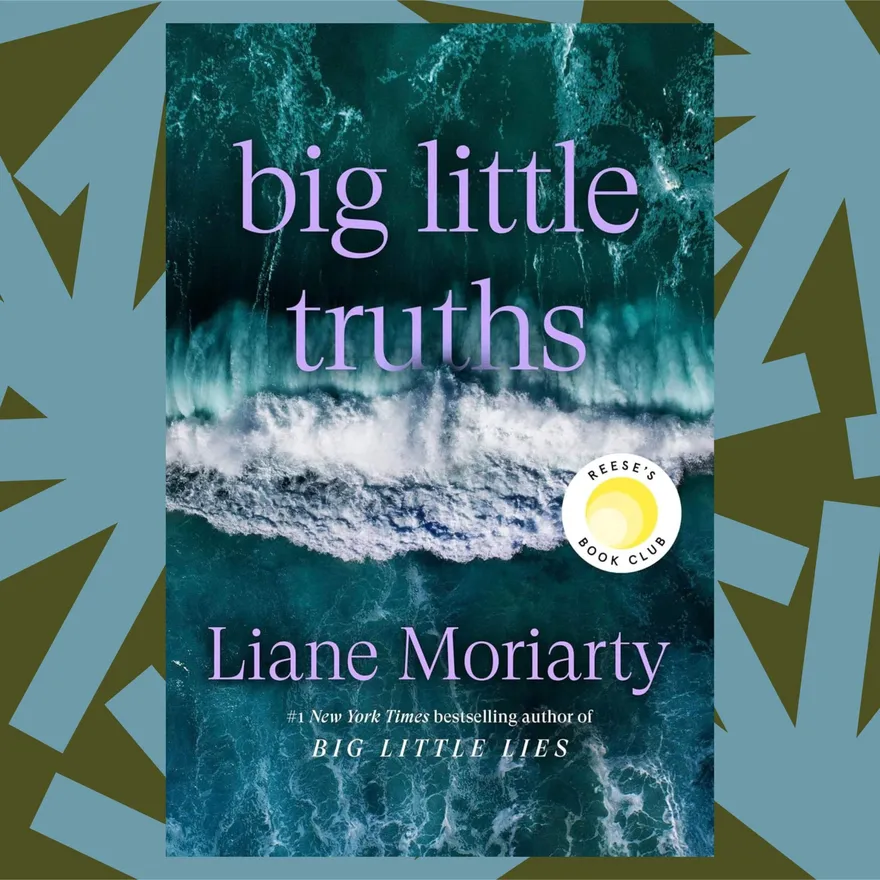

This is a preview of the Shortform summary of the Sep 7, 2026 episode of the NPR's Book of the Day
Sign up for Shortform to access the whole episode summary along with additional materials like counterarguments and context.
1-Page Summary
HBO Adaptation's Influence on the Sequel
In a discussion about her sequel Big Little Truths, author Liane Moriarty reveals how the HBO adaptation significantly shaped her writing choices, particularly through the performances of Laura Dern and Meryl Streep.
Casting Inspired Character Expansion
Laura Dern's portrayal of Renata transformed what was initially a minor character into a commanding presence. Moriarty explains that Dern's performance made Renata indispensable, prompting her to center the sequel's depiction squarely on Dern's interpretation. Similarly, Moriarty created the role of Mary Louise specifically with Meryl Streep in mind, even naming the character after Streep's given names. As Moriarty wrote the sequel, she found herself channeling these performances, recognizing that readers would expect the same vivid characterizations.
Despite this influence, Moriarty maintained narrative independence, explaining that Big Little Truths was written independently from the TV series, aside from these two iconic performances. She was deliberate in ensuring her authority as a novelist remained intact and the story was not a direct adaptation of the show.
Aging as a Theme
Moriarty's work focuses on women in their 40s through 60s, challenging stereotypes about midlife and emphasizing agency and growth at every stage.
Exploring Midlife Transitions
The sequel centers on Madeline's 50th birthday as a focal point for reflecting on aging and societal expectations. Emiko Tamagawa notes that the characters are confronting key questions that arise in their 50s, with the forward shift in time allowing exploration of concerns unique to midlife. Moriarty emphasizes that middle-aged women are shown as having rich inner lives and meaningful relationships, countering the tendency to render their lives inconsequential.
Moriarty's characters age alongside her, enabling authentic exploration of age-appropriate concerns. As she approaches sixty, she finds women in their 60s especially interesting and is increasingly invested in portraying them with depth and respect. By centering older female characters and their challenges, Moriarty resists their societal marginalization and affirms the legitimacy and richness of life for women well beyond youth.
Creative Autonomy in Novels and Adaptations
Moriarty draws clear distinctions between her roles as novelist and content creator for adaptations, prioritizing the intimate connection between author and reader.
The Author-Reader Connection
Moriarty describes the deeply personal bond she feels with readers, explaining that novel writing centers on a direct, imaginative exchange that sets it apart from the collaborative nature of television production. She emphasizes that her primary role is as a novelist, stating that her books are completed works in themselves, not simply raw material for screen projects.
Openness to Adaptation Divergence
Moriarty expresses openness to television adaptations making their own narrative choices, especially if a series continues beyond her original storylines. Although she hopes future adaptations will retain key elements from her novels, she accepts and supports the show's independence in creative decision-making. Her greatest creative satisfaction comes from the authorial autonomy she exercises over her novels, asserting, "I do love the fact that I'm the boss of my novels."
Impact of TV Series on Moriarty's Career
The television adaptation of Big Little Lies has had a transformative impact on Moriarty's career, significantly broadening her audience and recognition.
Broadened Audience and Recognition
Moriarty acknowledges that the show's success brought her more readers, stating she's "hugely grateful" for the increased visibility. The title has become a recognizable cultural reference, even for those who have never read the book or watched the adaptation. The triumph of Big Little Lies also established Moriarty's commercial viability, paving the way for further adaptations of her novels.
Despite these successes, Moriarty describes feeling "a little detached from it," noting that while visiting the set was fascinating, she ultimately returned to her day-to-day writing life. She maintains a clear boundary between her roles as novelist and source for adaptations, emphasizing that adaptations are not her end goal. This separation allows her to appreciate the benefits brought by the TV adaptation without altering her creative priorities or personal identity as a writer.
1-Page Summary
Additional Materials
Counterarguments
- While Moriarty claims narrative independence from the TV series, the significant influence of Laura Dern and Meryl Streep's performances suggests that the adaptation did shape key creative decisions in the sequel, potentially blurring the line between original literary intent and adaptation-driven choices.
- Centering character development on actors' portrayals may risk alienating readers who are more familiar with the original book versions than the TV adaptation, potentially narrowing the novel's appeal.
- Focusing on vivid characterizations inspired by specific performances could limit the interpretive space for readers, as the characters may become more closely tied to the actors than to the text itself.
- Although Moriarty emphasizes the richness of midlife and older women's experiences, some may argue that the commercial success of her novels and their adaptations is still partly reliant on casting high-profile actresses, which could reinforce the idea that older women's stories are only marketable when attached to celebrity.
- The assertion that Moriarty's characters age authentically alongside her may not resonate with all readers, as individual experiences of aging and midlife vary widely and may not be fully captured by a single author's perspective.
- While Moriarty distinguishes her novels from adaptations, the commercial and cultural impact of the TV series may inevitably influence reader expectations and the publishing industry's approach to her work, regardless of her stated boundaries.
- The increased visibility and commercial viability resulting from the TV adaptation could be seen as overshadowing the literary merits of the original work, with some critics arguing that adaptations can distort or dilute the author's original message.
- Moriarty's openness to adaptation divergence may be interpreted by some as a pragmatic acceptance of the realities of the entertainment industry, rather than a principled stance on creative autonomy.
Actionables
- you can reimagine a minor character from a favorite book or movie by writing a short scene or diary entry from their perspective, exploring how their story could become central and how their unique traits might influence the main narrative.
- a practical way to challenge stereotypes about midlife is to keep a weekly journal where you document moments of agency, growth, and meaningful relationships in your own life or in the lives of women aged 40 and above around you, then reflect on how these moments defy common societal expectations.
- you can set clear boundaries between your creative projects and outside influences by designating specific times or spaces for personal work, and making a list of non-negotiable elements that define your creative identity, helping you maintain autonomy and satisfaction regardless of external recognition or adaptation.

Get access to the context and additional materials
Hbo Adaptation's Influence on Sequel: Casting Choices Like Laura Dern, Meryl Streep Shaping Character Expansion
Casting Inspired Deeper Character Development
Laura Dern’s portrayal of Renata in the HBO adaptation significantly influenced the character’s expansion in Big Little Truths. In the original book, Renata’s role was minor, known mainly for always coming from a board meeting. However, Laura Dern elevated Renata from a peripheral figure to one with a commanding presence, prompting author Liane Moriarty to center the sequel’s depiction of the character squarely on Dern’s interpretation. Moriarty acknowledges that readers would have been disappointed if Renata was not prominently featured in the follow-up, believing that Laura’s performance made Renata indispensable.
Meryl Streep’s involvement also shaped the direction of Big Little Truths. Moriarty reveals that she created the role of Mary Louise specifically with Streep in mind, even naming the character after Streep’s given names. Moriarty describes her “audacious idea” of having Meryl play the part, eventually leading to Streep joining the cast and inspiring a new storyline in the book. The charismatic and memorable nature of Streep’s performance left a clear mark on the character’s expansion.
Show's Interpretations Vividly Occupied Author's Imagination During Writing
As Moriarty wrote the sequel, she found herself channeling Laura Dern’s version of Renata, recognizing that readers would expect and desire the same vivid characterization. Renata’s presence in the new book directly mirrors the Renata that audiences grew to love from the series. Moriarty felt obligated to honor these portrayals by giving them central space in Big Little Truths, to avoid disappointing fans who had come to associate the characters so clo ...
Here’s what you’ll find in our full summary
Hbo Adaptation's Influence on Sequel: Casting Choices Like Laura Dern, Meryl Streep Shaping Character Expansion
Additional Materials
Counterarguments
- Centering the sequel’s depiction of Renata on Laura Dern’s interpretation may risk alienating readers who preferred the original characterization from the book, rather than the TV adaptation.
- Relying heavily on the performances of specific actors could limit the creative possibilities for the characters, potentially constraining their development to fit the actors’ portrayals rather than allowing for new literary directions.
- The decision to honor the actors’ portrayals to satisfy fans of the TV adaptation may prioritize the expectations of viewers over those of long-time readers, potentially shifting the novel’s tone or focus.
- Incorporating the essence of the HBO portrayals, even without making the book a direct adaptation, ...
Actionables
- you can reimagine a minor character from a favorite book or movie by writing a short scene or monologue that gives them a stronger voice or unexpected depth, helping you explore how interpretation can transform a character’s impact.
- a practical way to honor someone’s unique qualities is to create a fictional character inspired by a real person’s mannerisms or speech patterns, then write a brief story or dialogue that highlights those traits, mirroring how creative works can be shaped by memorable personalities.
- you can maintain your creative independence ...
Get access to the context and additional materials
Aging As a Theme: Characters Facing Middle Age and the Complexity of Women's Lives in Their 40s-60s
Liane Moriarty’s works focus on the realities of aging, highlighting how her characters, particularly women in their 40s through 60s, navigate the complexity of midlife. Through her stories, she reframes women’s experiences, challenging stereotypes and emphasizing agency, growth, and the significance of life at every stage.
Sequel Explores Women's Navigation of Life Transitions and Agency in Midlife
Madeline’s 50th birthday becomes a focal point for reflecting on aging and the societal expectations placed on women. Emiko Tamagawa notes that although the characters are not especially old, they are coming to terms with aging and confronting key questions that arise in their 50s. Jane, being younger, faces different pressures, but the forward shift in time for these characters allows for the exploration of concerns unique to midlife.
Moriarty emphasizes that middle-aged women are shown as having rich inner lives, meaningful relationships, and important matters to contend with. She recalls, from her own reading experience, the realization that older women in literature retain complexity and purpose—countering the common tendency to render their lives inconsequential or invisible.
The Author Ages Characters With Her Own Life to Explore Age-appropriate Concerns Authentically
Moriarty’s characters age alongside her, enabling her to explore issues that resonate authentically with her own experiences. As she approaches sixty, Moriarty finds women in their 60s especially interesting and is increasingly invested in portraying them with depth and respect. She reflects on her earlier writing about Madeline, whose 40th birthday felt momentous at the time; now, with hindsight, Moriarty regards those concerns with the warmth and perspective that comes from agin ...
Here’s what you’ll find in our full summary
Aging As a Theme: Characters Facing Middle Age and the Complexity of Women's Lives in Their 40s-60s
Additional Materials
Counterarguments
- While Moriarty’s focus on women in midlife is notable, some critics might argue that her characters often come from relatively privileged backgrounds, which may not fully represent the diversity of experiences faced by women of different socioeconomic, racial, or cultural backgrounds as they age.
- The emphasis on agency and growth in midlife could be seen as idealized, potentially overlooking the real constraints—such as health issues, financial insecurity, or caregiving burdens—that can limit opportunities for some women in their 40s-60s.
- Although Moriarty challenges stereotypes about aging women, some readers may feel that the narrative still centers on traditional concerns such as family, relationships, and motherhood, rather than exploring a broader range of ambitions or identities.
- The portrayal of aging as a time of continued significance and p ...
Actionables
- you can keep a weekly journal where you write about moments that challenged or changed your perspective on aging, focusing on agency, growth, and meaningful relationships, to help you notice and celebrate your evolving identity at every stage
- (for example, jot down a time you advocated for yourself at work, learned a new skill, or deepened a friendship, and reflect on how these experiences shape your sense of self as you age)
- a practical way to challenge stereotypes is to intentionally seek out and compliment older women in your life on qualities unrelated to appearance or age, such as creativity, resilience, or leadership, reinforcing the value of their ongoing contributions
- (for example, tell a colleague you admire her problem-solving skills, or thank a neighbor for her thoughtful advice, making these acknowledgments a regular habit)
- you can create a personal timeline that highlights significant de ...

Get access to the context and additional materials
Creative Autonomy in Novels and Adaptations: Ownership of Moriarty and Adaptations' Freedom
Moriarty Contrasts Her Roles: Connecting With Readers as Novelist and Collaborating As Content Creator For Adaptations
Author-Reader Connection in Novels vs. Tv Production's Collaborative Nature Yields Unique Satisfactions
Liane Moriarty highlights the deeply personal bond she feels with her readers when writing novels. She describes this connection as "really personal with the books because it's between me and the reader and I love that because it feels a really personal connection it's just my imagination and their imagination." For her, the act of novel writing centers on a direct, imaginative exchange, setting it apart from the collaborative efforts inherent in television production, which involves teams of writers, directors, and other creatives. Each process provides its own distinct satisfaction, but the intimacy of author and reader remains essential to her creative fulfillment.
Moriarty Sees Novels As Complete Artistic Works, Not Mere Screen Adaptation Preludes
Moriarty emphasizes that her primary role is as a novelist, stating, "I'm still a novelist I'm not ever thinking that the novel is just a stepping stone along the way to the adaptation I will take the adaptations for sure but I'm not that's not my end goal." She regards her books as completed works in themselves, not simply raw material for screen projects.
Author Permits Adaptations to Deviate While Retaining Creative Control Over Novels
Moriarty Expects a Third Season to Independently Make Creative Decisions Beyond the Book and Supports This For the Series
Hopes Key Novel Elements Remain In Future Adaptations While Accepting the Show's Narrative Direction
Moriarty expresses an openness to television adaptations making their own narrative choices, especially if a series continues beyond her original storylines. Although she hopes that future adaptations will retain key elements from her novels, she ...
Here’s what you’ll find in our full summary
Creative Autonomy in Novels and Adaptations: Ownership of Moriarty and Adaptations' Freedom
Additional Materials
Counterarguments
- While Moriarty values the direct connection with readers, some might argue that collaborative storytelling in television can reach and emotionally impact a broader or more diverse audience than novels alone.
- The notion that novels are "complete artistic works" may be challenged by those who see adaptation as a form of creative dialogue that can enrich or reinterpret the original material, rather than diminish it.
- Some authors and critics believe that adaptations can bring new life and relevance to a story, sometimes even surpassing the original in cultural impact or artistic achievement.
- The prioritization of authorial autonomy may be seen as limiting by those who value the transformative potential of collaborative or derivative works.
- While Moriarty does not view adaptations as h ...
Actionables
- you can write a short story or letter intended for a single reader, focusing on creating a private imaginative exchange, then ask the reader to share how your words made them feel, helping you experience the direct creative bond between writer and reader
- (for example, write a story for a friend or family member, then discuss their interpretation and emotional response to see how your imagination connects with theirs)
- a practical way to protect your creative autonomy is to set aside time to finish a personal project—like a poem, drawing, or playlist—without sharing drafts or seeking feedback until you feel it’s truly complete, so you experience the satisfaction of owning your creative decisions
- (for example, create a playlist that tells a story or mood, only sharing it once you’re happy with every song choice, reinforcing your sense of creative ownership)
- you can experiment with letting others re ...
Get access to the context and additional materials
Impact of Tv Series on Moriarty's Career and Recognition
The television adaptation of Liane Moriarty's "Big Little Lies" has had a transformative impact on her career, significantly broadening her audience and deepening her recognition both within and outside the literary world.
Tv Adaptation Broadened Moriarty's Audience and Increased Awareness of Her Work
Hbo's Big Little Lies Boosted Book Sales and Readership
Moriarty acknowledges a direct link between the show's success and an uptick in her readership, stating, "more people read the book because of the show it brought me more readers which I'm hugely grateful for." The adaptation drew viewers to the novel who might not have otherwise discovered it, greatly increasing her visibility among a broader demographic.
Recognition Grew, Especially Among Those Unfamiliar With the Novel but Aware of Its Tv Cultural Impact
Moriarty notes that the title "Big Little Lies" has become a recognizable cultural reference, even for those who have never read the book or watched its adaptation. She explains, "if you're a party and you meet somebody and they say... should I have heard of you?... now if I mentioned Big Little Lies even if they never saw the show there'll be a little flicker of recognition." The wide reach of the adaptation has made her name more familiar in social and literary circles.
Success of the Show Boosted Moriarty's Works For Screen Adaptation, Elevating Her Status In the Industry
Big Little Lies' Success Established Moriarty's Commercial Viability, Leading To More Novel Adaptations
The triumph of "Big Little Lies" on television not only boosted Moriarty's sales but also paved the way for further adaptations of her novels. As she reflects, "because it was a success since then I've had other books adapted too. Yeah that's good fun." The industry’s confidence in her stories’ commercial and dramatic viability has led to a growing number of her works being optioned and produced for the screen.
Moriarty's Entertainment Industry Role
With the increased demand for her stories as screen properties, Moriarty’s status within the entertainment industry has risen. The continued adaptation of her novels signals heightened interest from both producers and viewers, cementing a reputation for crafting stories that translate successfully to television.
Despite Tv Success, Moriarty Remains Emotionally and Creatively Distant, Focusing On Novel Writing
Moriarty Feels Detached From ...
Here’s what you’ll find in our full summary
Impact of Tv Series on Moriarty's Career and Recognition
Additional Materials
Clarifications
- Liane Moriarty is an Australian author known for writing contemporary fiction that often explores complex relationships and social issues. She gained international fame with her novel "Big Little Lies," which was adapted into a successful HBO television series. Her books typically blend suspense, humor, and emotional depth, appealing to a wide audience. Moriarty's work has been praised for its engaging storytelling and relatable characters.
- "Big Little Lies" is originally a novel written by Liane Moriarty. It was later adapted into a television series by HBO. The TV series gained significant popularity, which in turn increased interest in the novel. Both the book and the show have distinct but connected audiences.
- A television adaptation is a version of a book transformed into a TV show, often changing some elements to fit the visual and episodic format. The adaptation can introduce the story to a wider audience who may not read the book. Success of the show often increases interest and sales of the original book. Authors may have limited involvement in the adaptation process, focusing mainly on writing.
- HBO is a major American premium cable and streaming network known for producing high-quality television series. It often adapts popular books into TV shows, investing significant resources in production and marketing. HBO's reputation and wide audience help adaptations reach more viewers and gain critical acclaim. This boosts the original author's visibility and commercial success.
- A book being "adapted" for the screen means its story is transformed into a movie or TV show. This process involves rewriting the narrative to fit visual and time constraints. Screenwriters, directors, and producers collaborate to bring the book's characters and plot to life on screen. Adaptations often change or condense parts of the original story to suit the new medium.
- Commercial viability refers to the likelihood that a project will generate profit and attract a large audience. In the entertainment industry, it influences decisions on which books or scripts get adapted into films or TV shows. Producers and investors prefer projects with proven appeal to reduce financial risk. Success in one adaptation often signals strong commercial viability for future projects.
- Increased recognition from a TV show raises an author's public profile beyond typical book readers. It attracts new audiences who may buy more books or follow future projects. This visibility can lead to more publishing deals and adaptation offers. It also enhances the author's influence and opportunities in the entertainment industry.
- A novelist’s creative process is solitary and involves writing, revising, and imagining characters and plots independently. TV production is collabo ...
Counterarguments
- While the TV adaptation increased Moriarty's visibility, it may have overshadowed her other works, leading some audiences to associate her primarily with "Big Little Lies" rather than her broader literary output.
- The rise in book sales and readership could be attributed in part to broader trends in media tie-ins, rather than the unique qualities of Moriarty's writing or the adaptation itself.
- Increased name recognition due to the show's cultural impact does not necessarily translate to a deeper appreciation or understanding of Moriarty's literary work.
- The commercial success of adaptations may pressure authors to tailor future works for screen potential, potentially influencing creative decisions, even if unintentionally.
- Elevation within the entertainment industry does not always equate to increased literary prestige or critical acclaim in the literary world.
- Mo ...
Get access to the context and additional materials

 1-Page Summary
- Hbo Adaptation's Influence on Sequel: Casting Choices Like Laura Dern, Meryl Streep Shaping Character Expansion
- Aging As a Theme: Characters Facing Middle Age and the Complexity of Women's Lives in Their 40s-60s
- Creative Autonomy in Novels and Adaptations: Ownership of Moriarty and Adaptations' Freedom
- Impact of Tv Series on Moriarty's Career and Recognition
Create Summaries for anything on the web
Download the Shortform Chrome extension for your browser
