

Chang-Rae Lee on whether his new novel 'A Tender Age' is autobiographical
In this episode of NPR's Book of the Day, Scott Tong speaks with author Chang-Rae Lee about his new novel, which marks his first work explicitly drawn from personal experience. Lee discusses how the book mines his childhood memories growing up in 1970s Westchester County, navigating dual worlds as the son of Korean immigrants—the traditional Korean environment inside his family's apartment and the diverse, working-class American reality outside. While the foundational experiences come from his life, Lee clarifies that specific stories are often fictionalized or significantly altered.
The conversation explores themes central to the novel, including the particular vulnerability of children at ages 10 and 11, the social hierarchies within immigrant communities, and the heightened awareness immigrant children develop as they learn to adapt and belong. Lee also reflects on the deep bond between the protagonist and his mother, shaped by his own experience of maternal loss, which creates the novel's emotional atmosphere of longing and melancholy.
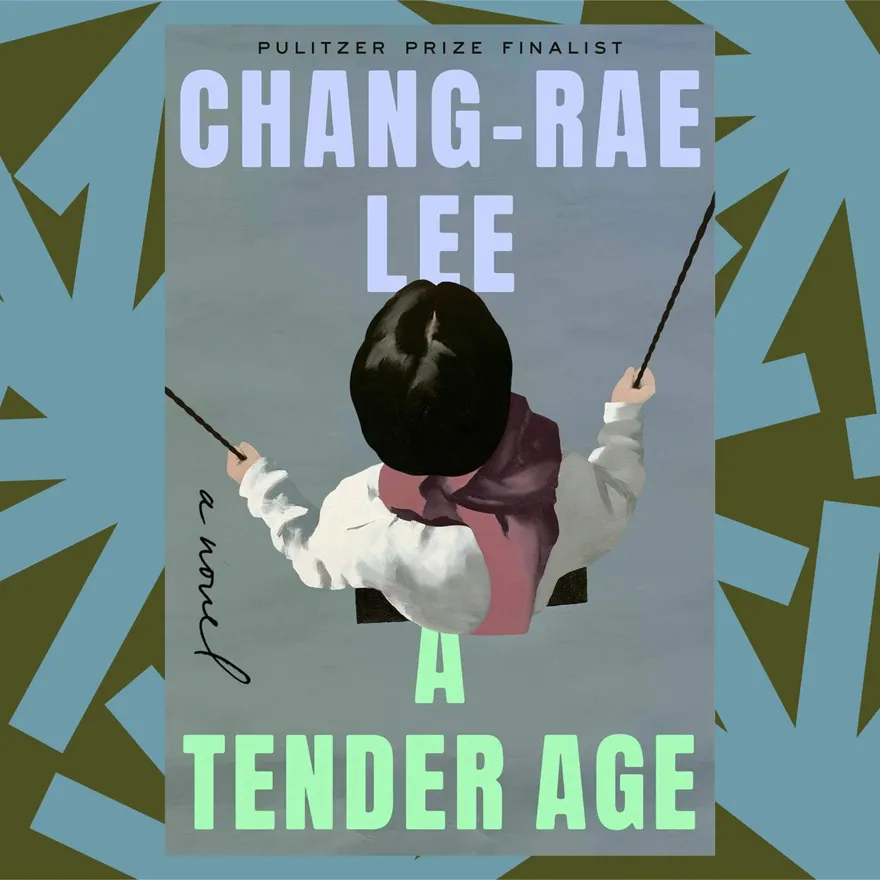

This is a preview of the Shortform summary of the Aug 27, 2026 episode of the NPR's Book of the Day
Sign up for Shortform to access the whole episode summary along with additional materials like counterarguments and context.
1-Page Summary
Chang-Rae Lee's Autobiographical Turn in "a Tender Age"
Scott Tong notes that author Chang-Rae Lee has built his career on novels depicting diverse subjects from corporate espionage to pandemics, but has faced some notice for not directly addressing the Asian immigrant experience despite his own background. With "a Tender Age," Lee shifts to mining his own memories for the first time. He explains that the novel closely follows his youth in 1970s Westchester County, where he grew up in a rundown tenement complex, attended Korean church camps, and maintained friendships similar to those in the book. While the foundational experiences are drawn from his life, Lee clarifies that specific stories are often "enhanced" or "completely changed," with fictional counterparts that would be "grotesquely revised" from their real-life inspirations. This marks Lee's first novel explicitly drawn from personal experience, channeling the emotional atmosphere of his childhood—feelings of longing, melancholy, and complex emotions surrounding loss.
Korean-American Children's Dual Worlds
Lee describes how the young protagonist navigates two distinct worlds. Inside his family apartment, he feels secure in what resembles a 1968 Korea time capsule, surrounded by traditional Korean family hierarchies and communication styles. Outside, the diverse, working-class apartment complex presents a different reality where he must navigate new cultural rules and social dynamics. Even among fellow immigrant children, bonds weren't guaranteed—kids quickly judged each other on assimilation markers like sneakers, clothing, or English fluency, determining who got picked for games. As the eldest son, the protagonist bears his family's honor, serving as an ambassador representing them in American society. Lee recounts how these superficial markers became the basis for discrimination and stratification within the immigrant community itself, adding complexity that goes beyond typical childhood experiences.
The Significance of Ages 10-11
Lee describes ages 10 and 11 as a fragile stage where children can be "stomped on" or "shaped into something beautiful." At this age, children are just beginning to acquire adult sentience, observing everything even if understanding comes slowly. This period sits right before the "maelstrom" of adolescence, when romantic curiosity is just emerging and innocence largely persists. Lee and Tong both observe that every experience feels monumental at this age—everything seems "huge, so outsized and important," from winning a relay race to burning camp stew. For immigrant children, this intensity is heightened. Lee notes that he and his character Jung Gi were always "painfully and very acutely aware of everything" around them. The drive to learn, adapt, and belong creates a heightened sensitivity, with constant vigilance stemming from both an internal desire to fit in and an external sense that everyone is watching their adaptation.
Mother-Son Bonds Shaped by Loss
The protagonist shares a deep bond with his immigrant mother, whose protective love is evident in her concern about whether there will be enough food at camp. Lee's own loss of his mother decades earlier deeply influences the novel's emotional atmosphere. He shares that he thinks about his mother almost every day, and this enduring bond permeates his writing as he explores maternal love and the anguish of absence, creating a tapestry of longing, melancholy, guilt, and yearning. The novel illustrates a paradox: no matter how many mistakes the protagonist makes, the mother-son bond remains unbreakable, demonstrating how maternal love transcends judgment and shapes adult lives long after a mother's physical presence is gone.
1-Page Summary
Additional Materials
Counterarguments
- While "a Tender Age" is described as Lee's first direct engagement with the Asian immigrant experience, some may argue that his previous works have addressed themes of identity, belonging, and cultural displacement in ways that are relevant to immigrant experiences, even if not explicitly autobiographical.
- The emphasis on the protagonist's dual worlds and assimilation struggles may risk reinforcing a binary view of immigrant identity, potentially overlooking the fluidity and hybridity that many children of immigrants experience.
- The focus on assimilation markers like sneakers, clothing, and English fluency as primary sources of stratification within immigrant communities could be seen as oversimplifying the complex factors that shape social dynamics among immigrant youth.
- The portrayal of the mother-son bond as universally unbreakable and transcendent may not reflect the diversity of family experiences within immigrant communities, where relationships can be strained or complicated by generational and cultural gaps.
- The narrative centers on a male protagonist and his experience as the eldest son, which may not fully capture the varied experiences of daughters or younger siblings in similar immigrant families.
- The depiction of the family apartment as a "1968 Korea time capsule" may risk romanticizing or essentializing the preservation of cultural traditions, potentially overlooking the ways in which immigrant families adapt and change over time.
Actionables
- you can create a personal memory map by drawing a simple floor plan of your childhood home and labeling each room with a specific emotion or memory, helping you notice how your environment shaped your feelings and identity during formative years
- (for example, mark the kitchen with a memory of family meals and the hallway with a moment of feeling left out, then reflect on how these spaces influenced your sense of belonging or longing)
- a practical way to explore the impact of assimilation markers is to list the clothing, language, or habits you felt pressure to adopt as a child, then write a short reflection on how each item affected your friendships and self-image
- (for example, recall a time when you wanted a certain brand of sneakers or practiced speaking without an accent, and consider how these choices shaped your social experiences)
- you can strengthen your understanding of intergenerational bonds by writing a letter to a parent or caregiver (living or not), expressing gratitude for specific acts of care and reflecting on how their support or absence continues to influence your decisions and emotional life
- (for example, mention a time they protected or provided for you, and note how that memory guides your actions today)
Get access to the context and additional materials
Autobiographical Shift in Lee's "a Tender Age"
Lee's Turn to Childhood Memories Marks Shift From Previous Novels
Author Chang-Rae Lee has built a celebrated literary career with novels depicting diverse subjects such as corporate espionage, World War II, and even a global pandemic. However, Scott Tong notes that Lee has faced some criticism or notice for not directly addressing the Asian immigrant experience, despite his own background as an immigrant and experiences growing up as an Asian child in America.
Foundation of "a Tender Age" Mirrors Lee's 1970s Westchester County Youth, Including Korean Church Camps and Friendships
With "a Tender Age," Lee pivots to mine his own memories for literary inspiration. He explains that the structure of the novel closely follows his youth in 1970s Westchester County, just north of New York City. Lee grew up in a rundown tenement complex, attended Korean church camps, and maintained friendships reminiscent of those depicted in the book. These details form the foundation and texture of "a Tender Age," marking a distinct shift from the broader or more fantastical backdrops of his earlier novels.
Autobiographical Framework With Enhanced and Altered Stories
While the foundational experiences in the novel are drawn from Lee's life, he clarifies that the specific stories within the book are often "enhanced" or even "completely changed." Lee suggests that friends who inspired the characters would find their fictional counterparts "grotesquely revised," underscoring the blend of truth and creative invention at the heart of this new work.
Lee's Artistic Evolution; His Most Autobiographical Novel
Lee Admits "a Tender Age" Is His First Book Drawn From Personal Experience
Lee acknowledges that "a Tender Age" is notably different from his prev ...
Here’s what you’ll find in our full summary
Autobiographical Shift in Lee's "a Tender Age"
Additional Materials
Counterarguments
- While "a Tender Age" is described as a significant shift toward autobiography, some might argue that drawing on personal experience is a common literary practice and not necessarily a dramatic departure for an established novelist.
- The criticism that Lee did not previously address the Asian immigrant experience may overlook the value and legitimacy of exploring diverse subjects beyond one's own background, which can also enrich literary discourse.
- The blending of autobiographical elements with fictional enhancements could raise questions about the authenticity or reliability of the narrative as a representation of Lee's actual experiences.
- Emphasizing the autobiographical nature of "a Tender Age" might o ...
Actionables
- you can write a short story or scene inspired by a vivid childhood memory, but intentionally exaggerate or twist certain details to see how blending fact and fiction changes your emotional connection to the memory; for example, turn a mundane family dinner into a surreal or humorous event, or recast a childhood friend as an unexpected character type.
- a practical way to explore your own emotional history is to list three strong feelings you remember from growing up (like longing, embarrassment, or pride), then jot down a quick paragraph for each about a moment when you felt that way, focusing on the emotion rather than the facts.
- you can reflect on ho ...
Get access to the context and additional materials
Korean-American Children's Dual Worlds: Family vs. Society
Chang-Rae Lee describes the nuanced experience of a young Korean-American protagonist who lives between two distinct worlds—the private, secure space of his family home, and the diverse, sometimes challenging environment outside.
Protagonist Navigates Dual Worlds, Complicating Life and Identity
"Inside the Family Apartment, a 1968 Korea Time Capsule, the Child Feels Secure, Protected, and Observes Traditional Korean Family Hierarchies and Communication."
Inside his family apartment, the young protagonist feels secure and protected, surrounded by an atmosphere reminiscent of Korea in 1968. Immigrant families, as Lee notes, bring not only objects but also cultural practices, family hierarchies, and communication styles that reinforce a familiar sense of identity. Within the apartment, he is simply a boy, comfortably participating in traditional Korean family life.
Child Navigates Cultural Rules in Diverse, Working-Class Apartment Complex
Once outside the apartment, the protagonist faces a different reality. The apartment complex is diverse and filled with immigrants and people of color, offering a vibrant and complex social environment. Here, he must navigate new cultural rules, encountering people from various backgrounds and adjusting his behavior accordingly. Lee notes the profound difference between these two worlds and recalls how, despite being surrounded by children with similar backgrounds, immediate bonds were not guaranteed. Social dynamics emerged, and children were quick to judge one another on their degree of assimilation—based on the foreignness of sneakers, shirts, haircuts, or fluency in English. This often determined who was picked for games, underscoring how even among fellow immigrants, a social hierarchy developed.
Korean Eldest Son Bears Family Honor and Expectations
"Number one Son" Role Shapes Asian Cultural Responsibilities
Young Protagonist Bears Responsibility For Family's Image in American Society
As the "number one son," the protagonist is tasked with bearing his family’s honor and has outsized responsibilities, a theme emphasized by both Lee and Scott Tong. This role, a staple in many Asian cultures, designates the eldest son as an ambassador who represents the family in the public sphere. The protagonist internalizes these expectations, understanding viscerally that his behavior and success reflect on his family’s image in American society. This sense of duty complicates his navigation of the outside world and adds another layer to his identity formation.
Immigrant Child's ...
Here’s what you’ll find in our full summary
Korean-American Children's Dual Worlds: Family vs. Society
Additional Materials
Counterarguments
- Not all immigrant families maintain such a strict separation between home culture and outside society; some may blend or adapt more fluidly, leading to less pronounced duality.
- The experience of social stratification based on assimilation markers is not unique to Korean-American or immigrant children; similar dynamics can be found in many peer groups, including among non-immigrant children.
- The pressure placed on the eldest son may vary significantly between families, and not all Korean-American families may emphasize this role to the same extent.
- Some immigrant children may find solidarity and support within their diverse communities, rather than primarily experiencing judgment or exclusion.
- The narrative may overemphasize the challenges ...
Actionables
- you can create a personal map of your daily environments to notice where you feel most secure and where you feel challenged, then jot down what cultural cues or behaviors shift between those spaces; this helps you recognize patterns in how you adapt and where you might want to assert or relax certain aspects of your identity.
- a practical way to understand social hierarchies in your community is to keep a simple log for a week of the small details—like clothing, language, or arrival times—that seem to affect how people interact, then reflect on how these markers influence your own feelings of belonging or exclusion.
- you can experi ...
Get access to the context and additional materials
Significance of Age 10-11 in Development and Coming-Of-age
Ages 10 and 11 mark a distinct and poignant stage in human development, where children stand on the threshold between the innocence of childhood and the complexities of adolescence.
Ages 10 and 11: A Vulnerable Stage Between Childhood Innocence and Adolescence
Chang-Rae Lee describes this age as very fragile—a period where children can be both "stomped on" or "shaped into something beautiful," and they are especially willing and open to influence. At this stage, children are just beginning to acquire a form of adult sentience. They observe everything, even if understanding comes slowly and in fragments, gradually adding up experience and knowledge. This is the time right before the "maelstrom" of adolescence and sexual awakening, a realm where motives remain relatively uncluttered and innocence largely persists. Lee notes that romantic curiosity is just emerging—these are pre-adolescent feelings that children begin to interrogate: "What? Huh? How is this feeling? What is this doing?" Scott Tong highlights this uncertainty with memories of noticing a girl at age 11, marking the subtle shift toward new feelings and self-questioning. The lack of jadedness allows for genuine, unfiltered engagement with the world.
Each Experience, Accomplishment, and Interaction Holds Significant Emotional Weight for the Child
Lee and Tong both observe that in childhood, especially around this age, every experience feels monumental. Lee remarks that in his life, and for his novel’s character Jung Gi, everything seems "huge, so outsized and important." Tong references highs and lows at events like church summer camp—the triumph of winning a relay race or the embarrassment of burning camp stew—where every moment feels apocalyptic or world-changing to the child experiencing it. Lee emphasizes that, at this age, "everything is possible," and nothing seems too strange or out of reach. Childhood is a state of openness, and the emotional magnification of experience makes every accomplishment, failure, and interaction feel as consequential as an adult challenge, yet untarnished by cynicism or the complications of greater age.
Immigrant Children Face Heightened Awareness to Learn, Adapt, an ...
Here’s what you’ll find in our full summary
Significance of Age 10-11 in Development and Coming-Of-age
Additional Materials
Clarifications
- Chang-Rae Lee is a Korean-American author known for exploring themes of identity, immigration, and family in his novels. His works often draw on his own experiences as an immigrant, providing insight into cultural adaptation and personal growth. Jung Gi is a character from one of Lee’s novels, representing the immigrant child’s perspective during formative years. This context helps explain why Lee’s observations about age 10-11 carry emotional and cultural significance.
- "Adult sentience" refers to the emerging ability of children around ages 10-11 to perceive and interpret the world with a growing awareness similar to adults. It involves recognizing complex emotions, social dynamics, and abstract ideas beyond simple childhood understanding. This stage marks the beginning of more reflective thinking and self-awareness. Children start to process experiences with deeper insight, though their understanding is still developing.
- The term "maelstrom" metaphorically describes adolescence and sexual awakening as a turbulent, chaotic period of intense emotional and physical changes. It suggests a swirling mix of confusion, strong feelings, and rapid development that can feel overwhelming. This stage involves discovering identity, sexuality, and complex social dynamics. The metaphor highlights the contrast with the relative simplicity and innocence of the pre-adolescent years.
- "Romantic curiosity" in pre-adolescents involves simple, often confused feelings of interest or attraction without deep emotional or physical desire. These feelings are exploratory and lack the intensity, complexity, and sexual awareness typical of adolescent or adult romance. Pre-adolescent romantic curiosity is more about noticing and questioning new emotions rather than forming relationships. It serves as an early stage of emotional development before mature romantic understanding emerges.
- "Lack of jadedness" means children have not yet developed cynicism or skepticism from negative experiences. This openness allows them to experience emotions and events with fresh, genuine curiosity and enthusiasm. Without preconceived doubts, they engage more deeply and sincerely with people and situations. It fosters authentic learning and emotional growth during this formative stage.
- Children around ages 10-11 experience emotions more intensely because their brains are still developing emotional regulation. Their limited life experience makes events feel larger and more significant than adults perceive them. This heightened emotional response helps them learn and navigate social situations. The term "apocalyptic" is metaphorical, emphasizing how overwhelming these feelings can seem to a child.
- Immigrant children often face language barriers that make school and social interactions challenging. They may feel pressure to succeed academically to ho ...
Counterarguments
- The significance of ages 10-11 as a distinct developmental stage may be overstated; developmental changes often occur gradually and can vary widely among individuals.
- Not all children at ages 10-11 are equally vulnerable or open to influence; some may already display strong independence or resistance to external shaping.
- The emergence of adult-like awareness and romantic curiosity can occur earlier or later depending on cultural, familial, and individual factors.
- The idea that motives remain simple and innocence persists at this age may not account for children who have experienced trauma, hardship, or early exposure to complex issues.
- The emotional intensity attributed to experiences at ages 10-11 may not be universal; some children may process events with less intensity or outward expression.
- The belief that "everything is possible" may not resonate with chi ...
Get access to the context and additional materials
Mother-Son Bonds Shaped by Loss and Longing
Emotional Bond: Protagonist and His Devoted Immigrant Mother
The novel’s protagonist shares a deep emotional bond with his immigrant mother from Korea, who embodies protective love shaped by cultural values. When dropping him off at camp, her concern for his welfare is evident as she worries aloud about whether there will be enough food, questioning if she should quickly prepare kimbap or chopchae to supplement his meals. Despite the father's Westernized dismissal—"are you kidding?"—the mother’s dedication stands out. Her actions reflect traditional immigrant maternal care, transmitting security, acceptance, and cultural heritage to her son, even as his father occupies a more distant, assimilated role.
Lee's Loss of His Mother Infuses the Novel With Profound Emotions of Longing, Melancholy, Guilt, and Complex Yearning
Chang-Rae Lee’s own loss of his mother decades earlier deeply influences the emotional atmosphere of the novel. Lee shares that he thinks about his mother almost every day, underscoring how her absence shapes his feelings and creativity long after her passing. This enduring mother-son bond permeates his writing, as he explores maternal love, the anguish of absence, and the lasting effects these have on his identity and emotions. He describes the resulting tapestry of longing, melancholy, guilt, and yearning woven throughout the book. ...
Here’s what you’ll find in our full summary
Mother-Son Bonds Shaped by Loss and Longing
Additional Materials
Clarifications
- Kimbap is a popular Korean dish made of rice and various fillings rolled in seaweed, often eaten as a convenient, nutritious snack or meal. Japchae (often spelled chopchae) is a savory stir-fried noodle dish made with sweet potato noodles, vegetables, and sometimes meat, known for its slightly sweet and rich flavor. Both dishes are staples in Korean cuisine and carry cultural significance as homemade comfort foods that symbolize care and family connection. Preparing these dishes for someone reflects nurturing and a desire to provide both physical and emotional sustenance.
- Immigrant maternal care often emphasizes close emotional involvement, sacrifice, and preserving cultural traditions. Westernized paternal roles may prioritize independence, emotional restraint, and assimilation into mainstream culture. This contrast reflects differing cultural expectations about family dynamics and gender roles. It can create tension or imbalance in how parental love and support are expressed.
- Chang-Rae Lee is a Korean-American novelist and professor known for exploring themes of identity, immigration, and family. He was born in South Korea and raised in the United States, which influences his literary focus on cultural hybridity. Lee has received critical acclaim and several literary awards for his work. His writing often reflects personal and cultural experiences related to the immigrant journey.
- Longing in mother-son relationships often arises from a deep desire for connection or presence that is missing. Melancholy reflects a gentle sadness tied to memories and the awareness of loss or change. Guilt can stem from feelings of regret or perceived failures in fulfilling familial expectations or roles. Complex yearning combines these emotions, creating a layered, persistent emotional state shaped by love, absence, and unresolved feelings.
- The protagonist is called "the junkie" because he struggles with drug addiction, which causes him to make harmful choices. This label highlights his flaws and challenges, emphasizing his vulnerability. Despite these struggles, his mother’s love remains steadfast and forgiving. This contrast illustrates t ...
Counterarguments
- The portrayal of the mother’s protective love as inherently positive may overlook the potential for overprotectiveness or cultural pressure, which can sometimes hinder a child’s independence or adaptation.
- Emphasizing the mother’s traditional care and the father’s Westernized distance risks reinforcing gender stereotypes and binary cultural roles within immigrant families.
- The narrative centers on the mother-son bond, potentially marginalizing the significance of the father’s influence or other familial relationships in shaping identity and emotional development.
- The depiction of unconditional maternal love as universally beneficial may not account for situations where such bonds can beco ...

Get access to the context and additional materials


Create Summaries for anything on the web
Download the Shortform Chrome extension for your browser
