

In 'Daytona Teddy Riggs,' a former high school football star enters a downward spiral
In this episode of NPR's Book of the Day, the hosts discuss Drew Buxton's novel about Teddy Riggs, a former high school football star whose life spirals downward as he clings to performance-focused masculinity. The conversation explores how Teddy's character embodies hyper-masculine ideals that prioritize physical dominance and external achievement over emotional introspection, drawing parallels to contemporary online movements like the manosphere.
The episode examines Teddy's repeated failures to learn from mistakes, his reliance on inherited privilege to escape consequences, and his obsessive pursuit of becoming the World's Strongest Man as a substitute for genuine self-reflection. The discussion also touches on Buxton's background in social work and how his experiences shaped his exploration of privilege, mental health, and accountability in the novel. Readers will gain insight into how the book critiques toxic masculinity and its continued relevance in modern society.
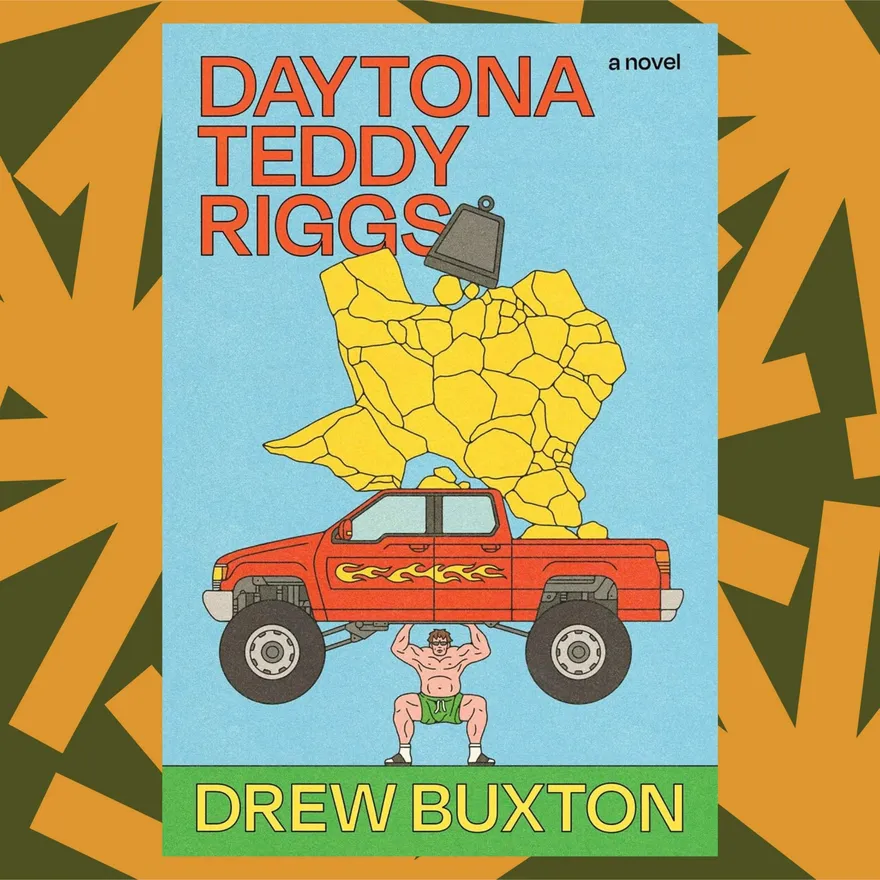

This is a preview of the Shortform summary of the Aug 25, 2026 episode of the NPR's Book of the Day
Sign up for Shortform to access the whole episode summary along with additional materials like counterarguments and context.
1-Page Summary
Toxic and Unhealthy Masculinity
The novel examines how performance-focused, hyper-masculine ideology negatively impacts its protagonist, connecting these themes to broader cultural phenomena today.
Novel Critiques Performance-Focused Harmful Masculinity
Drew Buxton observes that protagonist Teddy embodies a type of hyper-masculinity prioritizing physical dominance and outward achievement while neglecting emotional introspection. Buxton notes that while the book is set in the 90s, this performative masculinity remains relevant today, as many men turn to similar hyper-masculine ideals because they offer a seemingly easier alternative to confronting personal struggles with genuine introspection.
The Book's Take On Harmful Masculinity's Relevance to Online Movements
Danielle Kurtzleben draws parallels between Teddy's beliefs and contemporary online movements like the manosphere and looksmaxing communities, which promise solutions through external self-improvement rather than inward reflection. Buxton identifies Teddy's central tension—whether to look inward or simply "power through"—as a common dilemma for men both in the novel and in modern society.
Teddy's Character Development
Kurtzleben describes Teddy Riggs as someone who "can't help but get in his own way," making "a hundred bad decisions, some comedic, some pathetic, most entirely avoidable." Andrew Limbong refers to Teddy as "kind of dumb," yet the writing encourages readers to root for him. Although earnest and not malicious, Teddy repeatedly fails to learn from his mistakes. Buxton explains that the first-person narrative provides direct insight into Teddy's struggles with mental health, making him more relatable and lovable despite his infuriating behavior.
Privilege and Accountability
Teddy is an oil and gas heir who, despite living independently, benefits from a trust fund and former athletic fame. His social connections consistently allow him to escape consequences for problematic behavior. However, this lack of early consequences has fostered worse habits that ultimately set the stage for a more severe crisis in adulthood. When his parents cut him off financially, his protective privilege can no longer shield him from the ramifications of his actions, illustrating how privilege may delay but cannot prevent a reckoning with poor life choices.
The Choice Between Introspection Versus Performance
Kurtzleben observes that Teddy becomes "laser-focused" on winning the World's Strongest Man competition, prioritizing external achievement over psychological work. Buxton notes that Teddy tries to fulfill his abandoned "athletic promise" from his college football days, believing that success will finally bring his parents' approval. His statement, "no one can deny the world's strongest man," signals his view that external recognition will resolve deeper internal struggles. Instead of facing his inner turmoil, Teddy chooses to "power through" with grueling training and steroid use, illustrating his preference for hollow validation over genuine self-understanding.
Author's Social Work Background
Drew Buxton was a psychology major who initially pursued becoming a therapist before moving into social work. His personal experiences with mental illness, combined with his privileged background, shaped his perspective on how financial resources significantly impact mental health outcomes. Buxton's aim to explore themes of privilege and consequences stems from his social work experience, which exposed him to the stark contrast between those with financial protection and those without. This perspective drives his exploration of how class and background influence who receives help and who must struggle alone.
1-Page Summary
Additional Materials
Counterarguments
- While the novel critiques hyper-masculinity, some may argue that striving for physical achievement and external success can be a healthy and motivating force for many individuals, regardless of gender, when balanced with emotional well-being.
- The portrayal of Teddy's privilege as universally protective may overlook the complexities of individual experience, as not all privileged individuals avoid consequences or lack introspection.
- The connection between Teddy's behavior and contemporary online communities like the manosphere may risk oversimplifying or generalizing the diverse motivations and beliefs within those groups.
- The focus on Teddy's repeated failures and lack of growth could be interpreted as reinforcing negative stereotypes about men rather than offering a nuanced exploration of masculinity.
- The narrative's emphasis on privilege and class may underrepresent the ways in which men from less privileged backgrounds also struggle with or resist harmful masculine ideals.
- The suggestion that external achievement is inherently "hollow" may not account for the genuine fulfillment and self-worth some individuals derive from such accomplishments.
Actionables
- you can set aside ten minutes each week to write down recent decisions you made, then honestly note whether you repeated any mistakes and what feelings or beliefs drove those choices, helping you spot patterns of avoiding introspection in favor of external achievement.
- a practical way to challenge performance-focused thinking is to keep a private log where you record compliments or recognition you receive, then next to each, write how you actually felt in the moment and whether it changed your self-perception, revealing if external validation truly addresses your internal struggles.
- you can create a simple privilege inventory by listing resources, support systems, or advantages you have access to, then reflect on how these have shielded you from consequences or shaped your mental health journey, making it easier to recognize and address the impact of privilege in your life.
Get access to the context and additional materials
Toxic and Unhealthy Masculinity
The novel closely examines how a performance-focused, hyper-masculine ideology negatively impacts its protagonist and connects these themes to broader cultural phenomena seen today.
Novel Critiques Performance-Focused Harmful Masculinity
Teddy Embodies a Hyper-Masculine Ideology That Values Physical Dominance and External Achievement Over Emotional Introspection
Drew Buxton observes that it becomes clear early on that the version of masculinity Teddy ascribes to doesn't help him. Teddy embodies a type of hyper-masculinity that prioritizes physical dominance, performance, and outward achievement, neglecting honest self-reflection and emotional introspection.
Performative Masculinity Appeals to Men as It Bypasses Confronting Personal Struggles With Honest Self-Reflection
Buxton notes that, while the book is set in the 90s, the masculinity Teddy pursues remains relevant today. Many men, feeling unsatisfied or lonely, turn to similar hyper-masculine ideals for fulfillment. Such performative masculinity is particularly appealing because it offers a seemingly easier alternative to confronting and working through personal struggles with genuine introspection.
The Book's Take On Harmful Masculinity's Relevance to Online Movements
Teddy's Worldview and Struggles Mirror Modern Manosphere and Look-Maxxing Movements Promising Solutions Through External Change
Danielle Kurtzleben draws a parallel between Teddy's beliefs and contemporary online movements like the manosphere and lo ...
Here’s what you’ll find in our full summary
Toxic and Unhealthy Masculinity
Additional Materials
Counterarguments
- Not all forms of masculinity that emphasize performance or achievement are inherently harmful; for some individuals, striving for external goals can be a healthy source of motivation and self-esteem.
- The appeal of "performative masculinity" may be overstated; many men do engage in emotional introspection and value vulnerability, but these aspects may be less visible or culturally celebrated.
- The connection between the novel's protagonist and modern online movements like the manosphere or looksmaxing communities may be tenuous, as these groups are diverse and not all members reject introspection or promote toxic behaviors.
- The framing of "toxic masculinity" risks oversimplifying complex social and psychological issues by attributing negative outcomes solely to masculine norms, rather than considering broader societal, economic, or individual factors.
- Some critics ...
Actionables
- you can set aside ten minutes each week to write down moments when you felt pressure to act tough or hide your feelings, then jot down what you actually felt and how you might respond differently next time; this helps you notice patterns and practice honest self-reflection instead of defaulting to performance.
- a practical way to challenge hyper-masculine ideals is to pick one activity you usually do alone (like exercising or gaming) and invite a friend to join, making a point to talk about how you’re really doing rather than just competing or comparing achievements.
- you can create a private list of online accounts, ...
Get access to the context and additional materials
Teddy's Character Development
Teddy's Flaws and Poor Decisions Make Him Endearing yet Frustrating
Danielle Kurtzleben describes Teddy Riggs as someone who “can’t help but get in his own way.” The story centers on “a hundred bad decisions, some comedic, some pathetic, most entirely avoidable.” Teddy’s impulsive mistakes range from stealing a charity donation jar for St. Jude’s Hospital in broad daylight to a road rage incident and getting kicked out of his gym. On top of these missteps, Teddy is using steroids, which may contribute to his poor decision-making and tendency to get into fights. Andrew Limbong refers to Teddy as “kind of dumb,” a protagonist who makes “bad decision after bad decision,” yet the writing encourages the reader to root for him. Although Teddy is earnest and not malicious, he remains frustrating because he repeatedly fails to learn from his mistakes. Kurtzleben says that her heart ached for him despite finding him hard to like, highlighting the character’s sympathetic yet misguided nature that spurs conflict.
First-Person Narrative Evokes Empathy for Unlikeable Protagonist
Drew Buxton, the author, explains that Teddy is ultimately intended to be endearing on some level, ...
Here’s what you’ll find in our full summary
Teddy's Character Development
Additional Materials
Counterarguments
- The repeated emphasis on Teddy’s poor decisions might make the narrative feel repetitive or predictable to some readers, potentially reducing engagement.
- Some readers may find Teddy’s actions too extreme or unrelatable, making it difficult to sympathize with him, regardless of the first-person perspective.
- The use of first-person narrative does not guarantee empathy; some audiences may still find Teddy’s behavior off-putting or irredeemable.
- The argument that a third-person or film adaptation would reduce empathy is subjective; visual storytelling and strong performances can also evoke deep audience sympathy.
- The portrayal of Teddy’s steroid use as a primary explan ...
Actionables
- you can keep a daily log of your own impulsive decisions and review them weekly to spot patterns and triggers, helping you recognize situations where you tend to act without thinking and brainstorm alternative responses for next time
- (for example, jot down moments when you acted on impulse, like snapping at someone or making a hasty purchase, then reflect on what led up to those moments and how you might handle them differently in the future)
- a practical way to build empathy for people who frustrate you is to write a short story or journal entry from their perspective, focusing on their vulnerabilities and struggles rather than their actions
- (for example, if a coworker annoys you, imagine their inner thoughts and what pressures or insecurities might drive their behavior, which can help you respond with more patience and understanding)
- you can practice rooting for someone i ...

Get access to the context and additional materials
Privilege and Accountability
Teddy's Privilege and Athletic Success Shield Him From Consequences
Teddy is depicted as an oil and gas heir, estranged from his wealthy parents but still benefiting from a trust fund—until his parents ultimately cut him off. Despite living independently, this financial cushion has long spared him from the realities most people face. As a former high school star football player, Teddy enjoyed a level of local fame and social capital that extended even into adulthood. Early in the book, his athletic connections become clear when he recognizes a police officer as a former teammate and receives only a slap on the wrist for his transgressions. This pattern demonstrates how his social connections and privileged background have consistently allowed him to escape serious repercussions for his problematic behavior.
Privilege Delays, Doesn't Prevent Reckoning With Poor Decisions
Teddy’s lack of early consequences due to his wealth and status has fostered a pattern of poor decision-making, enabling him to develop worse habits that he never had to confront in his youth. This unaccountability ultimately sets the stage for ...
Here’s what you’ll find in our full summary
Privilege and Accountability
Additional Materials
Counterarguments
- While Teddy’s privilege may have shielded him from some consequences, the text acknowledges that he is ultimately cut off and faces significant hardship, suggesting that privilege is not an absolute barrier to accountability.
- Teddy’s athletic connections and local fame may have provided some advantages, but these forms of social capital often diminish over time, especially after high school, limiting their long-term protective effects.
- The narrative focuses on Teddy’s negative outcomes, but it is possible that his privileged background also exposed him to unique pressures or expectations that contributed to his struggles.
- Not all individuals with similar backgrounds or privileges necessarily develop poor decision-making ...
Actionables
- you can set up a monthly self-check by listing any recent situations where you might have benefited from unearned advantages, then brainstorm one concrete way to take responsibility or give back in each case (for example, if you got a job interview through a family connection, offer to help someone else with fewer connections prepare for their own interview).
- a practical way to build accountability is to ask a trusted friend to review your major decisions or actions each month and give honest feedback about whether you’re avoiding consequences or relying on privilege, then commit to making one change based on their input.
- you can create a personal chal ...


Get access to the context and additional materials
The Choice Between Introspection Versus Performance
Teddy Prioritizes Performance and Physical Achievement Over Psychological Work
Teddy becomes obsessed with external achievement, focusing all his energy on winning the World's Strongest Man competition. Danielle Kurtzleben observes that Teddy is "laser-focused on a singular goal" of winning, letting other aspects of his life fall by the wayside. Drew Buxton notes that Teddy is trying to fulfill his abandoned "athletic promise" from his college football days—a path derailed by his own "decisions and attitude." Rather than exploring his post-football dissatisfaction, Teddy channels his need for validation into powerlifting, believing that success in the contest will finally bring him his parents' approval and love. Teddy’s belief is encapsulated when he says, "no one can deny the world's strongest man," clearly signaling his view that external recognition will resolve deeper internal struggles.
Introspection: The Hard but Necessary Path Teddy Avoids
Instead of facing his inner turmoil, Teddy chooses to "power through" with gr ...
Here’s what you’ll find in our full summary
The Choice Between Introspection Versus Performance
Additional Materials
Counterarguments
- Pursuing external achievement and physical performance can provide structure, discipline, and a sense of purpose, which may be psychologically beneficial for some individuals.
- Focusing on a singular goal, such as winning a competition, does not necessarily preclude self-examination or personal growth; the two can coexist.
- Channeling energy into athletic pursuits can be a valid and healthy coping mechanism for dealing with dissatisfaction or past disappointments.
- The narrative's framing of Teddy's actions as "masculine avoidance of vulnerability" may overlook individual differences and the possibility that some people, regardless of gender, find meaning and fulfillment in achievemen ...
Actionables
- you can set aside ten minutes each week to write down moments when you sought external praise or recognition, then jot a single sentence about what you were actually feeling or needing in those moments; this helps you notice patterns where you might be avoiding self-reflection in favor of validation.
- a practical way to balance achievement with self-understanding is to create a “life scoreboard” that tracks not just wins or accomplishments, but also small acts of vulnerability, honest conversations, or times you admitted uncertainty; review your scoreboard monthly to see if you’re giving equal weight to both.
- you can experiment with a “re ...


Get access to the context and additional materials
Author's Social Work Background
Drew Buxton's Experience With Mental Health and Privilege Influenced the Novel's Themes
Drew Buxton was a psychology major in college and initially pursued a path toward becoming a therapist before moving into social work. His personal experiences with mental illness, both in his own life and within his family, combined with his relatively privileged background, shaped his perspective on mental health. Buxton acknowledges that having financial resources made a significant difference for him and his family when dealing with mental health challenges. This background provided him with a deep understanding of how mental health struggles manifest across various socioeconomic circumstances and informed his portrayal of Teddy, a character whose privileged upbringing affects the way he navigates mental health issues.
Buxton's Aim to Explore Privilege and Consequences Arises From His Interest In Understanding Disparities In Help Access
Buxton’s aim to explore themes of privilege and the consequences of actions stems from his social work experience, which exposed him to the contrast between thos ...
Here’s what you’ll find in our full summary
Author's Social Work Background
Additional Materials
Counterarguments
- While Buxton’s privileged background provided him with insights into disparities, it may also limit his ability to fully understand or authentically represent the experiences of those from less privileged backgrounds.
- Focusing on privilege and financial resources as primary factors in mental health outcomes might underemphasize other important influences, such as cultural stigma, community support, or systemic barriers unrelated to wealth.
- The portrayal of Teddy as a character shaped by privilege could risk reinforcing stereotypes or oversimplifying the complexities of ...
Actionables
- you can map out your own support network and resources by drawing a simple diagram that shows who you could turn to for mental health support and what barriers might exist for each connection, helping you visualize how your background shapes your access to help
- (for example, list family, friends, professionals, and note if cost, distance, or stigma might limit your ability to reach out to each one)
- a practical way to recognize privilege and gaps in mental health access is to anonymously ask three people from different backgrounds how they would handle a mental health crisis, then compare their answers to your own plan
- (for example, notice if someone mentions not being able to afford therapy or lacking family support, and reflect on how your circumstances differ)
- you can keep a weekly journal where you ...
Get access to the context and additional materials


Create Summaries for anything on the web
Download the Shortform Chrome extension for your browser
