

'Cloudthief' and 'Dead but Dreaming of Electric Sheep' are novels that center tech
In this episode of NPR's Book of the Day, the show examines two novels that explore the intersection of technology and society. The discussion covers the hidden environmental and physical realities of cloud computing, revealing how massive data centers consume enormous amounts of energy and water while tech companies obscure these costs through marketing. The episode also addresses concerns about AI ethics, particularly how large language models use copyrighted creative works without compensation or permission from artists and writers.
Through the lens of horror fiction, author Paul Tremblay and journalist Nathaniel Rich explore broader anxieties about technology's impact on autonomy, corporate power, and security vulnerabilities. The conversation touches on data center security risks, corporate incentives to conceal breaches, and how economic pressures can compel individuals into ethically compromising situations. Ultimately, the episode examines how fiction serves as a vehicle for confronting uncomfortable truths about our relationship with technology and the corporations that control it.
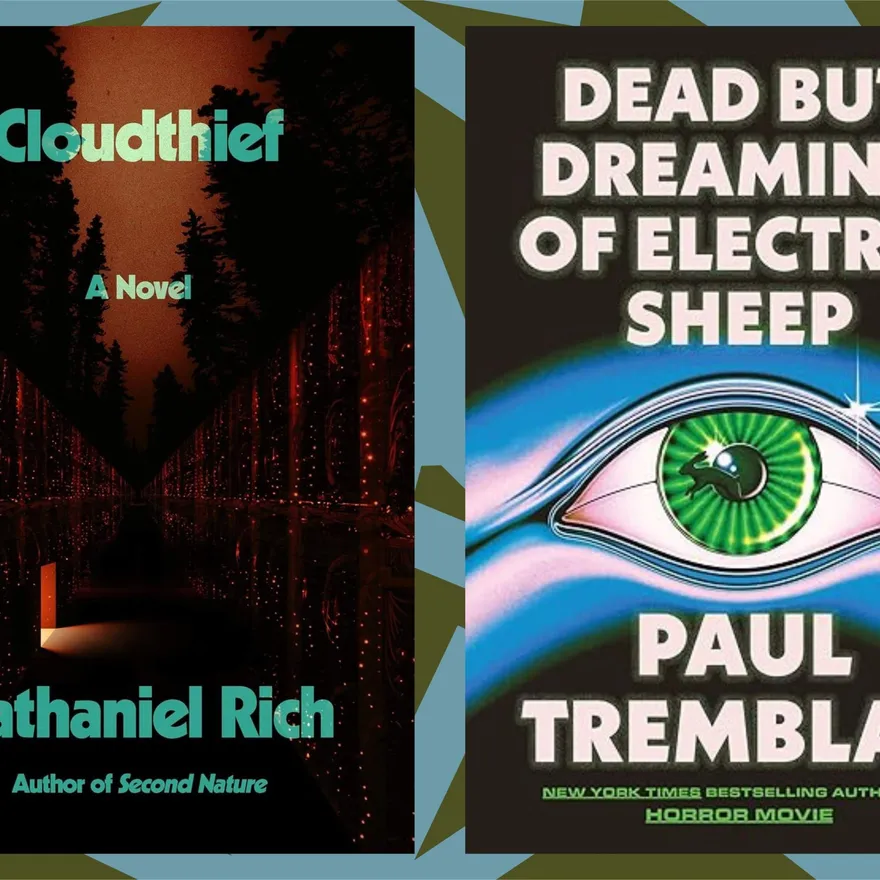

This is a preview of the Shortform summary of the Aug 15, 2026 episode of the NPR's Book of the Day
Sign up for Shortform to access the whole episode summary along with additional materials like counterarguments and context.
1-Page Summary
Hidden Costs of Cloud Data Centers' Infrastructure and Environment
The Cloud Is a Physical, Energy-Intensive Entity
Nathaniel Rich emphasizes that cloud data is physically housed in massive data centers filled with servers stacked in warehouses, strategically located in areas with cheap water, abundant land, and low utility costs. If all the world's data centers were treated as a single U.S. state, their energy use would rank just behind Texas and is expected to surpass it soon. These facilities require enormous amounts of energy—mainly from coal and gas—and vast quantities of water for cooling, resulting in significant environmental costs and greenhouse gas emissions.
Tech Firms Obscure Data Storage Reality to Hide Environmental Impact
Indira Lakshmanan notes that most people think of the cloud as ethereal, and Rich explains this perception is intentional. Tech companies have promoted "weightless data in a cloud" as a marketing strategy to obscure the real infrastructure, energy use, and environmental damage of digital storage. The data center industry operates under secrecy, only recently coming under scrutiny as the rise of AI has brought the physical realities of cloud computing into sharper public view.
AI Ethics, Corporate Misconduct, Creativity and Labor Threats
Large Language Models Exploit Creative Work Without Fair Compensation to Artists
Paul Tremblay, participating in a class action lawsuit against OpenAI, emphasizes that large language models are "built off of stolen books." The core grievance is unauthorized scraping of copyrighted works, which constitutes copyright violation and intellectual property theft. Tremblay insists writers and artists should reject AI tools in creative work, declaring that using AI for art makes you "a scab," invoking union language. He concludes there is no ethical way for LLMs to be used in creative fields until artists are "paid fairly and given the permission to opt in or opt out."
Corporations Prioritize Profit Over Ethical AI Considerations
Tremblay criticizes companies like OpenAI, arguing they prioritize profit without ethical consideration. He remarks on the narrative of inevitability propagated by corporations: "They want you to be afraid and feel like you're going to be left behind if you don't use it." This strategy normalizes AI adoption and discourages resistance.
Individuals and Artists, Not Governments or Corporations, Bear Responsibility to Resist AI Misuse
Tremblay asserts meaningful resistance cannot be expected from governments or corporations. Instead, it's up to individuals to draw ethical lines and reject AI for creative work. He calls for continued support of human artistry and shunning of AI-created works, maintaining that ethical AI would require transparent opt-in/opt-out provisions and fair compensation.
Data Center Security Risks and Corporate Concealment Incentives
Data Centers' Physical Security Weaker Than Cyber Security Despite Valuable Information
Rich discusses that security experts believe heavy investment in cyber security has left physical security lacking. He points to Google promotional videos showing only third-party subcontracted guards protecting facilities containing "no less than the sum of civilizational knowledge," highlighting a key vulnerability.
Corporations Conceal Data Breaches to Protect Reputation
Rich and Lakshmanan explain that data center operators often participate in covering up breaches. Companies prioritize projecting invulnerability rather than admitting vulnerabilities that could harm business. For example, when a thief broke into an AIG data center, the company only reported $10,000 in hardware loss rather than the theft of medical records for a million individuals.
Real Data Center Heists Prove Large-Scale Server Theft Is Feasible
Rich recounts a 2007 London heist where five men dressed as police officers, equipped with a fake dog, convinced guards to let them steal 80 servers. Most remain uncaught and reportedly thriving financially. These incidents demonstrate that large-scale physical breaches are possible and that victims whose information is stolen are often never informed.
Loss of Autonomy in a Technology-Dominated World
Paul Tremblay's latest horror novel reflects anxieties about technological advancement stripping away personal autonomy. The story follows a gamer tasked with remotely guiding a man in a vegetative state using AI implanted in his brain.
AI and Tech Create Scenarios Where Individuals Lose Control
Elissa Nadworny and Tiziana Dearing describe the disturbing premise: a person's actions guided not by his own will but by a gamer using AI. Tremblay suggests the real terror lies in the universal anxiety of being controlled, likening it to fears surrounding mental decline. He raises existential questions: if someone can alter your psyche against your will, what remains of your authentic self?
Systems Trap Individuals Into Compromising Moral Choices
The novel situates the protagonist in circumstances dictated by technological and corporate forces. Economic desperation or manipulation can drive individuals to participate in ethically troubling actions, while surveillance and algorithmic control trap people in corporate influence.
Using Horror Fiction to Confront Uncomfortable Truths About Corporate Technology
Horror Fiction Critiques Emerging Technology and Corporate Power
Modern horror novels increasingly employ AI threats and dystopian scenarios to highlight vulnerabilities in corporate systems. Through narratives intertwined with technology, horror writers prompt readers to reassess their relationships with devices, algorithms, and the corporations wielding them.
Authors Use Discomfort and Disturbing Imagery to Challenge Beliefs and Confront Complicity
Tremblay argues that art's value comes from questioning what readers take for granted, confronting them with situations that challenge assumptions. Sympathetic characters who make questionable choices foster empathy, leading readers to examine their own potential for complicity. Tremblay also incorporates disruptive typographical choices to amplify this effect, making readers experience characters' psychological upheaval.
Fiction Allows Safe Exploration of Ethical Tech, Autonomy, and Corporate Power
Rich emphasizes that narrative storytelling grants readers the opportunity to wrestle with subjective ethical questions. Fiction transforms abstract technological anxieties into tangible scenarios, enabling readers to explore their own possible responses to emergent threats in a safe context. Through discomfort, empathy, and creative devices, horror fiction incites critical self-examination about technology's role in modern life.
1-Page Summary
Additional Materials
Clarifications
- Cloud data centers require vast amounts of electricity to power servers and cooling systems, making low utility costs essential to reduce operational expenses. They use large quantities of water for cooling to prevent overheating, so access to cheap, abundant water is critical. Ample land is needed to build expansive facilities that house thousands of servers and support infrastructure. Locations with these resources help companies minimize costs and maintain efficient, reliable operations.
- Data centers consume vast amounts of electricity to power servers and cooling systems continuously. Texas is one of the largest energy consumers in the U.S. due to its size and industrial activity. Comparing data centers' energy use to Texas highlights their massive and growing demand. This comparison helps illustrate the environmental impact of digital infrastructure on a national scale.
- Data centers generate immense heat from running servers continuously. Cooling systems use large volumes of water or energy-intensive air conditioning to dissipate this heat. Water cooling often involves drawing from local water sources, which can strain ecosystems and deplete resources. Additionally, energy used for cooling typically comes from fossil fuels, increasing carbon emissions.
- The phrase "weightless data in a cloud" suggests that digital information exists invisibly and without physical form. This marketing strategy hides the reality that data requires large, energy-consuming data centers with tangible environmental impacts. By promoting an intangible image, companies downplay the resource use and pollution involved in storing and processing data. This obscures public awareness and reduces pressure on firms to improve sustainability.
- Large language models (LLMs) are AI systems trained to predict and generate human-like text by analyzing vast amounts of written material. Training involves feeding the model large datasets, often scraped from the internet, including books, articles, and websites, some of which may be copyrighted. The model learns patterns, grammar, and context from this data to produce coherent responses but does not store or reproduce exact copyrighted content. This training method raises legal and ethical concerns about unauthorized use of protected creative works.
- Unauthorized scraping involves collecting copyrighted works from the internet without permission to use as training data for AI models. This raises legal issues because copyright law protects creators' exclusive rights to reproduce and distribute their work. Ethically, it disregards artists' control over their creations and potential compensation. Courts and lawmakers are still debating how existing copyright laws apply to AI training practices.
- In labor and union language, a "scab" is a worker who crosses a picket line or undermines a strike, often seen as betraying collective worker efforts. Calling AI users "scabs" implies they are undermining artists' rights by using AI tools built on unconsented creative work. This term frames AI adoption as a form of labor betrayal, opposing solidarity among creators. It highlights ethical concerns about fair compensation and consent in creative industries.
- Corporations promote AI adoption as inevitable to create a sense of urgency and fear of being left behind. This narrative pressures individuals and businesses to accept AI without questioning ethical or social consequences. It normalizes rapid AI integration, reducing public resistance. The strategy helps companies protect profits by discouraging critical debate.
- Cyber security protects data and systems from digital attacks like hacking, while physical security guards the actual hardware and facilities from theft or damage. Physical security involves measures such as guards, surveillance cameras, and access controls at data center locations. It can be weaker because companies often invest more in cyber defenses due to the high-profile nature of digital breaches. Additionally, physical security is harder to standardize and enforce across multiple sites compared to software-based cyber protections.
- Data breaches expose sensitive personal and corporate information, leading to identity theft, financial loss, and reputational damage. Companies may conceal breaches to avoid legal penalties, loss of customer trust, and stock price drops. Concealment hinders victims' ability to protect themselves from fraud or misuse of their data. Transparency and timely disclosure are crucial for accountability and mitigating harm.
- Large-scale physical thefts of servers are possible because data centers often have weaker physical security compared to their cyber defenses. Stolen servers can contain vast amounts of sensitive data, making such heists highly valuable to criminals. These thefts can lead to significant data breaches, identity theft, and financial fraud. Victims are frequently unaware of the theft, as companies may conceal incidents to protect their reputation.
- Brain-computer interfaces (BCIs) are devices that connect the brain directly to external technology, enabling communication between neural activity and computers. Advanced BCIs can potentially interpret brain signals to control external devices or stimulate specific brain areas to influence behavior. Remote control would require wireless transmission of signals between the implanted device and an external operator, a concept still largely experimental and ethically controversial. Current technology is limited, and full remote control of complex human actions remains speculative and primarily explored in fiction.
- Surveillance collects detailed data on individuals' behaviors and preferences, enabling corporations to predict and influence decisions. Algorithmic control uses this data to tailor content, ads, and opportunities, subtly guiding choices toward corporate interests. This creates feedback loops that limit exposure to alternatives, reinforcing dependency on corporate platforms. Consequently, individuals face reduced autonomy, as their options and actions are shaped by unseen corporate mechanisms.
- Horror fiction uses fear and discomfort to reveal hidden dangers in technology and corporate control. Disruptive typography—such as irregular spacing, font changes, or fragmented text—mirrors characters' mental states and unsettles readers. This technique forces readers to slow down and engage more deeply with the story's themes. By provoking emotional and cognitive responses, horror fiction encourages critical reflection on ethical and societal issues.
Counterarguments
- While data centers consume significant energy, many leading tech companies are investing heavily in renewable energy sources and improving energy efficiency, reducing their carbon footprint over time.
- The environmental impact of cloud computing can be lower than that of traditional on-premises IT infrastructure, as cloud providers can optimize server utilization and cooling at scale.
- The perception of the "cloud" as weightless is not solely a marketing ploy; it also reflects the user experience of seamless, remote access to data and services.
- Not all large language models are trained exclusively on copyrighted material; some use public domain texts, licensed data, or data generated with permission.
- There are ongoing efforts within the tech industry to develop compensation models and opt-in/opt-out mechanisms for creators whose work is used in AI training.
- Some artists and writers find value in AI tools as creative aids or collaborators, and do not view their use as inherently unethical.
- Governments in some regions have begun to regulate AI and data privacy, indicating that institutional resistance and oversight are possible.
- Physical security at major data centers often includes multiple layers of protection beyond what is visible in promotional materials, such as biometric access controls, surveillance, and secure perimeters.
- Data breach notification laws in many jurisdictions require companies to inform affected individuals, and there are penalties for non-compliance.
- The use of horror fiction to critique technology is one perspective; other genres and forms of art also address these issues, sometimes with more optimistic or nuanced views.
- Technology can also empower individuals, increase autonomy, and provide new opportunities for creative and economic advancement.


Get access to the context and additional materials
Hidden Costs of Cloud Data Centers' Infrastructure and Environment
The Cloud Is a Physical, Energy-Intensive Entity
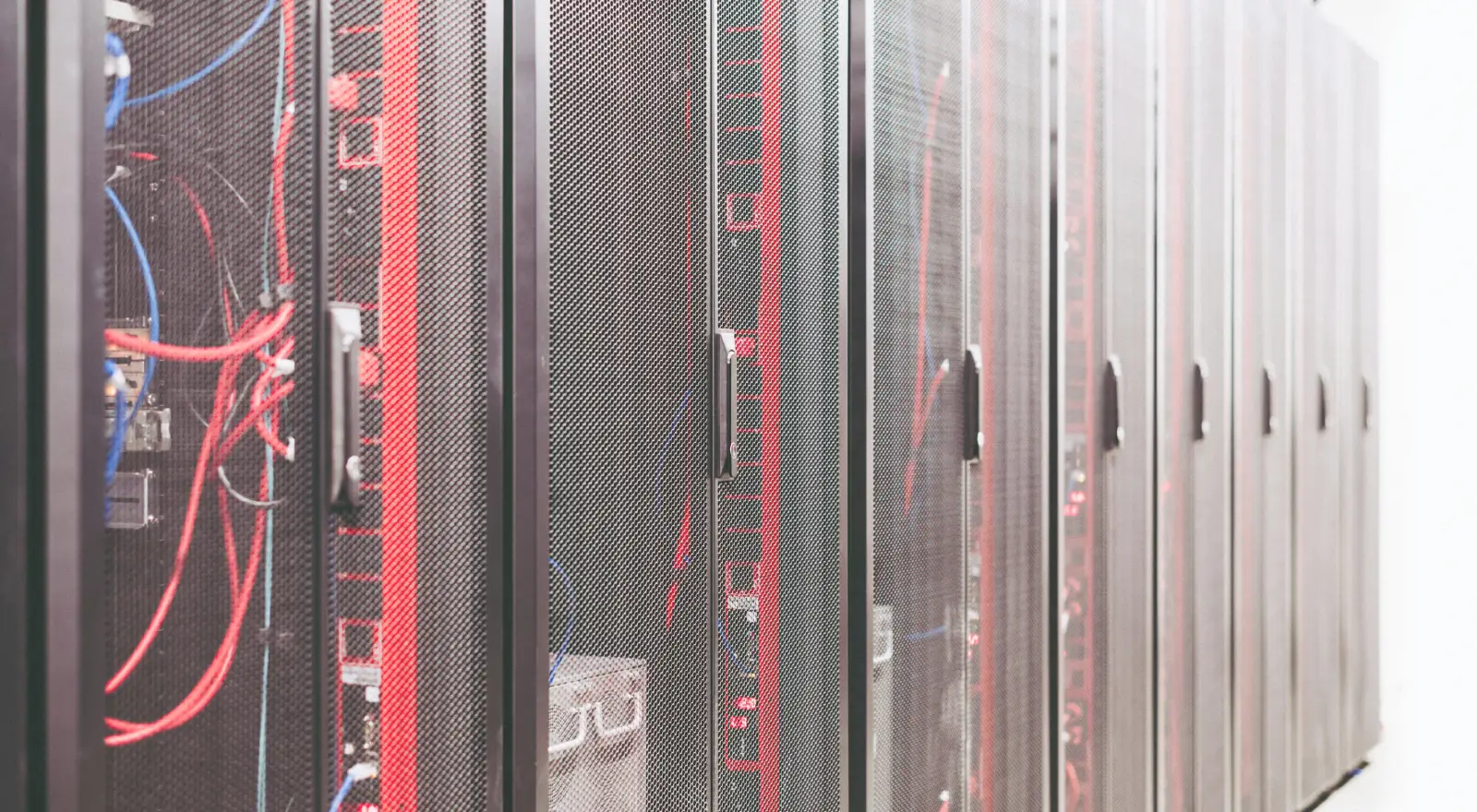
Despite popular perception, the cloud is not a diffuse, weightless digital space. Nathaniel Rich emphasizes that cloud data is physically housed in secure, fortress-like data centers, filled with servers—rectangular black boxes stacked in cabinets resembling commercial baking racks—inside Pentagon-scale warehouses. These facilities are not invisible or ephemeral; they are strategically located in areas with cheap water, abundant land, and low utility costs, such as Pryor, Oklahoma, on the margins between exurbs and rural sprawl.
Rich explains that if all the world's data centers were treated as a single U.S. state, their energy use would rank just behind Texas, and they are expected to surpass Texas soon. The energy demands arise from the chips powering these servers, which consume enormous amounts of energy—mainly generated from coal and gas power plants. Additionally, data centers require vast quantities of water to keep these machines cool and prevent overheating or catastrophic failure. Combined, these factors result in significant environmental costs and a huge greenhouse gas footprint.
Tech Firms Obscure Data Storage Reality to Hide Environmental Impact
Indira Lakshmanan points out that most people have been conditioned to think of the cloud as ethereal, with our data floating somewhere high above, disconnected from any physical infrastructure. Nathaniel Rich notes that this perception is intentional. Tech companies have promoted the ...
Here’s what you’ll find in our full summary
Hidden Costs of Cloud Data Centers' Infrastructure and Environment
Additional Materials
Clarifications
- Data centers house servers, which are specialized computers designed to store and process data. These servers are mounted in metal frames called racks, arranged vertically to save space and improve airflow. Each server is a rectangular box, roughly the size of a large book, with ports and cables connecting it to the network and power supply. The racks resemble commercial baking racks because they hold multiple servers stacked closely together in organized rows.
- Data centers consume massive amounts of electricity and water for cooling servers, so locating them where utilities are cheap reduces operational costs. Abundant land allows for large facilities and future expansion without high real estate expenses. Cheap water is crucial because water-based cooling systems are more efficient and cost-effective than air cooling. These factors together help companies minimize expenses and maintain reliable, large-scale operations.
- Texas is one of the largest energy consumers in the U.S. due to its size and industrial activity. Comparing data centers' energy use to Texas highlights the massive scale of electricity these facilities require. This analogy helps people grasp the environmental impact by relating it to a familiar, tangible reference. It emphasizes that data centers are major energy consumers, not minor or negligible users.
- Servers consume enormous amounts of energy because they run continuously, processing and storing vast amounts of data, which requires powerful processors and cooling systems. The cooling systems are essential to prevent overheating, which adds to the total energy consumption. Coal and gas power plants are major energy sources for many data centers because they provide large-scale, reliable electricity needed to support these energy-intensive operations. However, these plants emit significant greenhouse gases, contributing to environmental pollution.
- Data centers generate intense heat from thousands of servers running continuously. To prevent overheating, they use cooling systems that often rely on water because it efficiently absorbs and transfers heat. Water circulates through cooling towers or heat exchangers, removing heat from the servers and releasing it outside. This process requires large volumes of water to maintain safe operating temperatures and ensure reliable performance.
- A "greenhouse gas footprint" measures the total emissions of gases like carbon dioxide and methane that trap heat in the atmosphere, contributing to global warming. Data centers contribute to this footprint mainly through the electricity they consume, often generated by burning fossil fuels such as coal and natural gas. The cooling systems in data centers also use energy and sometimes refrigerants that can be potent greenhouse gases. Reducing this footprint involves using renewable energy sources and improving energy efficiency in data center operations.
- The term "weightless dat ...
Counterarguments
- Many major cloud providers are increasingly investing in renewable energy sources and energy-efficient technologies to reduce their carbon footprint.
- Data centers can be more energy-efficient than traditional on-premises IT infrastructure due to economies of scale and advanced cooling and power management systems.
- The consolidation of computing resources in large data centers can reduce overall energy consumption compared to a distributed network of smaller, less efficient servers.
- Some data centers use recycled or non-potable water for cooling, minimizing their impact on local water supplies.
- The cloud enables remote work, digital collaboration, and dematerialization of physical g ...
Get access to the context and additional materials
Ai Ethics, Corporate Misconduct, Creativity and Labor Threats
Large Language Models Exploit Creative Work Without Fair Compensation to Artists
Paul Tremblay, participating in a class action lawsuit against OpenAI and ChatGPT on behalf of writers, emphasizes that large language models (LLMs) are “built off of stolen books.” He explains the core grievance is the unauthorized scraping of copyrighted works, which constitutes copyright violation and, in his view, represents both intellectual property theft and a “professional horror” for writers. Tremblay shares the perspective of an artist friend that AI-generated art is unethical because “they’ve taken our works, haven’t paid us and we don’t have permission.”
Tremblay insists that writers and artists should reject the use of AI tools in any creative capacity, declaring, “if you're using [AI] to write or do art or music, you're not an artist or a musician or a writer, you're a scab,” pointedly invoking union language. He criticizes those who use AI for creative work, stating, “they should not be doing that,” and calls on others to speak out: “If people say, hey, we're, I'm using this or, you know, I created a flyer, just say, no, that's not right. You should not be doing that.” Tremblay urges continued support for human-created art, advocating to “reject any and all AI slop and reject shun shame, the slop purveyors.”
He concludes there is no ethical way for LLMs to be used in creative fields until artists are “paid fairly and given the permission to opt in or opt out.” Without this, LLMs “use copyrighted works without consent,” an act he considers inherently unethical.
Corporations Prioritize Profit Over Ethical Ai Considerations
Tremblay criticizes companies like OpenAI, arguing that “they would totally do this if they could make money without any sort of question of ethics or morality.” He links this corporate attitude to his concerns over companies deploying AI technologies with little regard for ethical lines, motivated primarily by commercial gain.
He also remarks on the broader tone of inevitability and fear propagated by corporations: “They want you to be afraid and feel like you're going to be left behind if you don't use it.” This narrative, he says, is a deliberate strategy to normalize widespread adoption of AI and discourage resistance, relying on the argument that “AI is not going away” to coerce compliance. Tremblay expresses frustration with this attitude, saying, “I don't understand why you would just so willingly accept something that, you know, you think i ...
Here’s what you’ll find in our full summary
Ai Ethics, Corporate Misconduct, Creativity and Labor Threats
Additional Materials
Clarifications
- Large language models (LLMs) are advanced AI systems trained on vast amounts of text data to understand and generate human-like language. They learn patterns, grammar, and context by analyzing this data, enabling them to produce coherent and relevant text responses. LLMs function by predicting the next word in a sentence based on the input they receive, allowing them to complete sentences, answer questions, or create content. Their training requires extensive computational resources and access to large datasets, often sourced from publicly available text on the internet.
- Scraping copyrighted works means automatically collecting large amounts of text or images from the internet without explicit permission. This data is then used to train AI models to recognize patterns and generate new content. Legally, this practice is controversial because it may violate copyright laws if done without consent or fair use justification. Courts are still debating whether such use qualifies as infringement or fair use, making the legality uncertain.
- Copyright violation occurs when protected creative works are used without the permission of the rights holder. Intellectual property theft refers to taking or using someone’s original creations without authorization, harming the creator’s legal and economic rights. In AI, training models on copyrighted material without consent raises legal and ethical issues because the AI learns from and replicates these works. This challenges existing laws designed to protect creators’ control over their work and fair compensation.
- A "scab" is a derogatory term used in labor disputes for a worker who crosses a picket line to work during a strike, undermining collective bargaining efforts. "Union language" refers to terminology and concepts commonly used by labor unions to express solidarity, workers' rights, and collective action. Using "scab" in this context implies that using AI for creative work betrays the collective interests of human artists, similar to how scabs undermine union strikes. This language emphasizes ethical solidarity among creators against perceived exploitation.
- AI-generated art is created by training algorithms on large datasets of existing images, learning patterns and styles to produce new visuals. These datasets often include copyrighted works scraped without explicit permission from artists. The ethical concern arises because artists do not receive compensation or control over how their work is used in training. This lack of consent and payment is viewed as exploitation and intellectual property infringement.
- Corporations like OpenAI develop AI technologies by investing heavily in research, data collection, and computing resources. They control how AI models are trained, what data is used, and how the technology is marketed and distributed. Their decisions shape AI’s ethical standards, accessibility, and impact on society. Profit motives often influence corporate priorities, sometimes at the expense of ethical considerations.
- Corporations often use fear-based marketing to create urgency, suggesting that not adopting AI will cause individuals or businesses to fall behind competitors. This tactic leverages social pressure and anxiety about obsolescence to drive rapid acceptance. They also frame AI as inevitable and unstoppable, discouraging resistance by implying it’s futile. Such strategi ...
Counterarguments
- The use of copyrighted material for training AI models can fall under "fair use" in some jurisdictions, especially when the output is transformative and not a direct reproduction of the original works.
- Many creative fields have historically built upon previous works, and inspiration or learning from existing art is a common and accepted practice.
- AI tools can be seen as extensions of existing digital tools that assist artists and writers, rather than outright replacements or threats.
- Some artists and writers have embraced AI as a collaborative tool, finding new forms of creativity and expression that would not be possible otherwise.
- There are ongoing efforts by AI companies to develop compensation models and opt-out mechanisms for creators, indicating a willingness to address ethical concerns.
- Not all AI-generated content is based on copyrighted material; some models are trained on public domain works or data with explicit permission.
- The narrative that all corporations disregard ethic ...
Get access to the context and additional materials
Data Center Security Risks and Corporate Concealment Incentives
Data centers, which hold vast quantities of sensitive and valuable data, face significant risks not only from cyber attacks but also from physical breaches. However, corporations often downplay these physical risks and conceal data breaches to protect their reputations, creating incentives for both inadequate security and the quiet covering up of even large-scale theft.
Data Centers' Physical Security Weaker Than Cyber Security Despite Valuable Information
Experts: Cyber Defense Overvalued if Physical Security Lags
Nathaniel Rich discusses that security experts believe the heavy investment and focus on cyber security over the past 20 to 30 years has left the physical security of data centers lacking. Even with top-tier cyber protections, without robust physical security, such defenses can be rendered useless—analogous to leaving expensive technology in a janitor's closet. This imbalance creates opportunities for thieves who can bypass digital barriers through physical force or deception.
Google's Videos Show Contractors Guard Sensitive Information Facilities Instead Of Security Forces
Rich points to promotional videos from Google that depict their data centers as cheerful and playful workplaces. However, upon closer examination, the only visible security presence consists of third-party, local subcontracted guards rather than specialized security personnel or police forces. This is notably inadequate given that these centers contain "no less than the sum of civilizational knowledge," highlighting a key vulnerability that contrasts starkly with the centers' immense informational value.
Corporations Conceal Data Breaches to Protect Reputation
Data Center Heists Lead To Underreporting Losses, Minor Hardware Damage Claims, and the Hidden Value of Compromised Data, Creating a "Perfect Crime" Scenario
Rich and Indira Lakshmanan outline how data center heists belong to a rare category of crime in which the victims—the data center operators or client companies—often participate in covering up the extent of the breach. For example, when a thief broke into an AIG data center through the ceiling, the company only reported the loss of $10,000 in hardware rather than the much graver loss of medical records for a million individuals stored on the server.
Companies Value Data Safety Perception Over Transparency, Prefer Loss Absorption To Admitting Vulnerabilities
Rich describes this as a "perfect crime" since companies prioritize projecting an image of invulnerability and security. Rather than admit to vulnerabilities or data loss that could harm their business or cause panic among clients, companies often opt to absorb the financial cost of physical losses while downplaying or denying the theft of valuable data. The public relations response is consistently to claim only hardware was damaged or that service was briefly disrupted, never that critical data was compromised. This approach both invites further criminal attempts and leaves the true scope of breaches hidden from public awareness.
Real Data Center Heists Prove Large-Scal ...
Here’s what you’ll find in our full summary
Data Center Security Risks and Corporate Concealment Incentives
Additional Materials
Clarifications
- Data centers are facilities that house vast networks of computer servers storing digital information. This information includes everything from scientific research and historical archives to financial records and cultural media. Because so much of human knowledge and daily activity is digitized, data centers effectively safeguard the collective knowledge and functioning of modern society. Their security is critical to preserving access to this essential information.
- Physical security often requires substantial ongoing investment in personnel, infrastructure, and monitoring, which can be costly and complex to maintain. Cybersecurity advancements have received more focus and funding due to the rapid evolution of digital threats and regulatory pressures. Physical breaches can be harder to detect and prevent because they exploit human factors and physical vulnerabilities rather than software flaws. Additionally, companies may underestimate physical risks, assuming cyber defenses alone suffice to protect data.
- Third-party, local subcontracted guards are hired from external security companies, often with minimal training and limited authority. Specialized security personnel are typically employed directly by the company and have advanced training, certifications, and deeper knowledge of the facility's specific risks. Specialized teams may also coordinate closely with law enforcement and have stronger protocols for emergency response. Using subcontracted guards can reduce costs but often results in weaker, less reliable security.
- Physical breaches bypass cyber defenses by directly accessing the hardware that stores or processes data, rendering digital protections irrelevant. Once inside, attackers can steal servers, install malicious devices, or manipulate systems without triggering cyber alarms. Physical access also allows attackers to exploit maintenance ports or reset security controls. Thus, no matter how strong the cyber defenses, unauthorized physical entry can compromise the entire system.
- Corporations conceal data breaches to avoid damaging their brand reputation and losing customer trust. Public admission of breaches can lead to legal liabilities, regulatory penalties, and costly lawsuits. Underreporting losses helps minimize negative media coverage and investor concerns. This secrecy also aims to prevent panic among clients and maintain competitive advantage.
- The term "perfect crime" here means a crime that goes undetected or unpunished because the victim hides the true damage. In data center heists, companies conceal data theft to avoid reputational harm and legal consequences. This secrecy prevents public awareness and law enforcement action. As a result, criminals face little risk, encouraging repeated offenses.
- The 2007 London data center heist involved criminals impersonating police officers to gain trust and access. The fake police dog was used as a prop to enhance their disguise and appear more legitimate. This dec ...
Counterarguments
- While some data centers may have inadequate physical security, many leading facilities invest heavily in both cyber and physical security measures, including biometric access controls, surveillance, and on-site security teams.
- The use of third-party security personnel is a common industry practice and does not necessarily equate to inadequate security; many subcontracted guards are highly trained and operate under strict protocols.
- Regulatory frameworks such as GDPR, HIPAA, and other data protection laws require companies to report certain types of data breaches, making complete concealment both illegal and risky for corporations.
- Publicly traded companies face legal obligations to disclose material breaches to shareholders, which acts as a deterrent against systematic concealment.
- The examples cited (such as the 2007 London heist and the AIG breach) are rare and not representative of the vast majority of data centers, which have not experienced such incidents.
- Advances in physical security technology and industry best practices have significantly improved data center se ...
Get access to the context and additional materials
Loss of Autonomy in a Technology-Dominated World
The themes in Paul Tremblay's latest horror novel, Dead but Dreaming of Electric Sheep, reflect deep anxieties about technological advancement stripping away personal autonomy. The story follows a gamer tasked with remotely guiding a man in a vegetative state across the country by using artificial intelligence implanted in the man’s brain.
Ai and Tech Create Scenarios Where Individuals Lose Control Over Their Bodies, Minds, and Actions
Ai Brain Implants and the Fear Of Losing Autonomy
Elissa Nadworny and Tiziana Dearing describe the disturbing central premise: a person, rendered unconscious and unresponsive, is made to physically cross a continent—his actions guided not by his own will but by the directives of a gamer using AI. This set-up provokes the fear that someone you do not even know could control your body via artificial means, simply because technology enables such access.
Mind-Altering Technology Raises Questions About Personal Identity and Autonomy
Paul Tremblay expands on these fears, suggesting the real terror lies in the universal anxiety of being controlled. He likens the horror of technological control to more familiar fears surrounding mental decline—such as Alzheimer's or dementia—where the mind, the core of selfhood, is at risk of being altered or taken over without permission or awareness. He raises existential questions: If someone or something can alter your psyche against your will, what remains of your authentic self? The horror is not only losing agency over the body but also over the mind, challenging the continuity of personal identity.
Systems Trap Individuals Into Compromising Moral Choices
Corporate Power and Desperation Coerce Individuals Into Unethical Acts
The novel situates the protagonist—a gamer—in circumstances dictated by technological and corporate forces. The task of guiding the brain-implanted individual highlights how struc ...
Here’s what you’ll find in our full summary
Loss of Autonomy in a Technology-Dominated World
Additional Materials
Clarifications
- AI brain implants are devices surgically placed inside the brain to interface directly with neural activity. They can read brain signals and, in some cases, stimulate neurons to influence thoughts or actions. These implants use artificial intelligence to interpret complex brain data and translate it into commands or responses. Such technology aims to restore or enhance brain functions but raises ethical concerns about control and autonomy.
- Remote guidance of a person’s physical actions through AI involves using technology to send commands directly to the brain or nervous system. This can be done via brain-computer interfaces that interpret or influence neural signals. The AI acts as an intermediary, translating external inputs into motor commands that the body executes. Such technology raises ethical and practical concerns about consent and control.
- Technological control and mental decline both involve losing control over one’s own mind and body. Alzheimer's and dementia cause involuntary changes in personality and memory, eroding a person’s sense of self. Similarly, technology that manipulates the brain can override personal will, threatening identity and autonomy. Both evoke fear because they challenge the continuity and authenticity of who we are.
- Personal identity concerns what makes a person the same over time despite changes. Continuity of selfhood means maintaining a consistent sense of "I" through experiences and memories. Philosophers debate whether identity is tied to the body, the mind, or psychological connections. Disruptions to memory or consciousness challenge the idea that one remains the same person.
- Corporate power often shapes the rules and conditions under which people must operate, limiting their choices. Economic desperation can force individuals to accept unethical actions to survive or gain financial stability. This combination creates pressure to compromise personal morals for practical needs. Such dynamics reveal how external forces can undermine genuine ethical freedom.
- Surveillance involves moni ...
Counterarguments
- While technology can pose risks to autonomy, it also offers significant benefits, such as improved healthcare, accessibility, and enhanced quality of life for individuals with disabilities.
- AI brain implants and similar technologies are subject to ethical oversight, regulation, and consent protocols in real-world applications, which are designed to protect individual autonomy.
- The depiction of technology as inherently dehumanizing or autonomy-stripping may overlook the agency individuals retain in choosing how to engage with technology.
- Fears about technological control can be mitigated by robust legal frameworks, transparent development processes, and public engagement in shaping technological policy.
- Not all uses of AI, surveillance, or data collection result in loss of autonomy; many applications are voluntary and can empower users by providing person ...


Get access to the context and additional materials
Using Horror Fiction to Confront Uncomfortable Truths About Corporate Technology
Contemporary horror fiction has become a vehicle for critiquing the power of technology and corporations, immersing readers in unsettling visions that provoke deeper reflection on their roles as consumers or participants in technological society.
Horror Fiction Critiques Emerging Technology and Corporate Power
Modern horror novels increasingly employ AI threats and dystopian heist scenarios to highlight vulnerabilities in corporate systems—often more effectively than direct commentary. Through narratives intertwined with technology, horror writers prompt readers to reassess their relationships with devices, algorithms, and the corporations wielding them. The genre reveals how deeply technology has integrated into daily life while exposing unsettling dependencies and the potential dangers of unchecked corporate power.
Authors Use Discomfort and Disturbing Imagery to Challenge Beliefs and Confront Complicity
According to Paul Tremblay, the essence of art, and especially horror, is to create discomfort that tests beliefs. He argues that art’s value comes from its capacity to question what readers take for granted, confronting them with situations that challenge their assumptions. Tremblay notes that sympathetic characters who make questionable choices foster empathy, leading readers to recognize, "But for a few things that had happened in my life, maybe that would be me." The journey of characters like Julia, motivated by economic desperation before ultimately rejecting complicity, exemplifies this approach. By engaging with such morally ambiguous characters, readers are pressured to examine their own potential for complicity in problematic technological or corporate systems.
Tremblay also incorporates disruptive typographical choices to amplify this effect, sometimes breaking the fourth wall or allowing AI-generated fonts and experimental layouts to reflect the fractured consciousness of his characters. These design elements are intended to serve the story rather than as mere gimmicks, making readers experience the characters’ psychological upheaval and underscoring the destabilizing influence of technology.
Fiction Allows Safe Exploration of Ethical Tech, Autonomy, and Corporate Power
Natha ...
Here’s what you’ll find in our full summary
Using Horror Fiction to Confront Uncomfortable Truths About Corporate Technology
Additional Materials
Counterarguments
- Horror fiction’s reliance on exaggerated or fantastical scenarios may distort real-world technological and corporate issues, potentially leading to misunderstanding or unnecessary fear rather than productive reflection.
- The emotional impact of horror may overshadow nuanced analysis, making it harder for readers to engage critically with the actual complexities of technology and corporate power.
- Not all readers respond to discomfort or disturbing imagery with self-examination; some may disengage or become desensitized, limiting the intended effect.
- The use of experimental typographical choices and narrative devices can be distracting or alienating for some readers, detracting from the story rather than enhancing its message.
- Fictional narratives, while evocative, may lack the factual grounding necessary for informed debate about technology and corporate ethics, and could reinforce misconce ...
Actionables
- you can keep a daily log for one week where you note every interaction with technology or a corporate service, then highlight moments that made you uneasy or that you accepted without question, helping you spot hidden dependencies and reflect on your comfort with them
- (for example, jot down when you automatically accept app permissions, feel uneasy about a targeted ad, or rely on a device for a task you could do manually; at the end of the week, review your notes to identify patterns and consider which habits you want to change)
- a practical way to test your beliefs about technology’s influence is to intentionally disrupt your usual tech routines for a day, such as using cash instead of digital payments or navigating without GPS, and then journal your emotional responses and any discomfort or insights that arise
- (for example, if you usually use a smart assistant for reminders, switch to sticky notes and observe how this shift affects your sense of control, convenience, or anxiety)
- you can write a short fictional scene where a character faces a moral dil ...
Get access to the context and additional materials

 1-Page Summary
- Hidden Costs of Cloud Data Centers' Infrastructure and Environment
- Ai Ethics, Corporate Misconduct, Creativity and Labor Threats
- Data Center Security Risks and Corporate Concealment Incentives
- Loss of Autonomy in a Technology-Dominated World
- Using Horror Fiction to Confront Uncomfortable Truths About Corporate Technology
Create Summaries for anything on the web
Download the Shortform Chrome extension for your browser
