

Robinne Lee's 'Crash Into Me' portrays middle age as complicated – and sexy
In this episode of NPR's Book of the Day, author Robinne Lee discusses her novel "Crash Into Me" and reflects on the creative choices writers face when balancing artistic vision with commercial pressures. Lee shares how her characters guided the narrative in unexpected directions, and explains her decision to center a mixed-race family in her latest work after making different choices in her previous novel "The Idea of You."
The conversation explores how race and identity shape experience, particularly for Black Americans, and examines the question of when and how to discuss racism with children. Lee also addresses societal expectations around marriage, arguing that relationships require sustained effort rather than the effortless bliss portrayed in fairy tales. The episode touches on how disconnection and unmet needs in long-term marriages can lead to infidelity, emphasizing the importance of aligned expectations and open communication between partners.
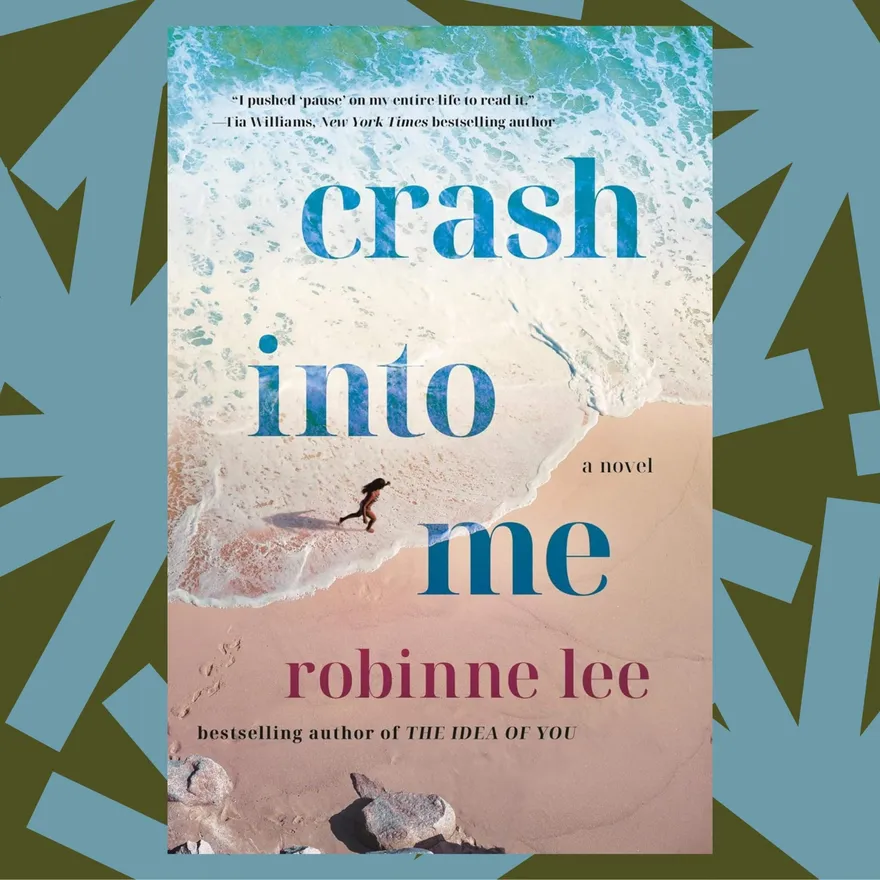

This is a preview of the Shortform summary of the Aug 6, 2026 episode of the NPR's Book of the Day
Sign up for Shortform to access the whole episode summary along with additional materials like counterarguments and context.
1-Page Summary
Creative Writing: How Characters Guide Narrative Direction
Robinne Lee shares how her original outline for her story changed as she became immersed in writing the relationship between characters Cecilia and Anouk. While she initially planned to focus on Cecilia's return to America after 20 years, Lee found herself drawn to the dynamic between the two women. Their interactions felt so organic that she deviated from her outline to follow where the characters led, explaining, "And sometimes they tell you to just let your characters speak to you and lead you." This demonstrates how authentic character dialogue can reveal depths beyond what the writer initially planned, guiding the narrative toward a more compelling story. Lee also emphasizes that portraying Cecilia as a Black woman required acknowledging how race would shape her identity and relationships, ensuring the narrative remained true to the character's reality.
Balancing Artistic Vision With Commercial Viability and Appeal
Lee describes the tension between creative vision and commercial pressures, particularly regarding "The Idea of You." When her book was adapted into a film, changes were made for commercial appeal. She shares that in a previous project featuring Cecilia Chen, she received feedback that the story might face rejection due to another interracial love story already slated for release. To avoid industry resistance, Lee made characters in "The Idea of You" "white or white-appearing," making the male lead British and envisioning the female character as French and part Algerian. These decisions underscore the difficult choices writers face when weighing market strategies against creative intentions.
Despite these pressures, Lee emphasizes her commitment to authentic storytelling. She insists on staying true to stories that genuinely interest her, stating that if a compelling story becomes commercially successful, that's welcomed but not the primary motivation. She rejects changing her conception of good writing merely for large-scale sales, believing that commercially appealing work can emerge organically from a writer's integrity and passion.
Race, Identity, and Representation in Black American Literature
Lee's latest work, "Crash Into Me," marks a shift from "The Idea of You," centering a mixed-race family and embracing racial complexity. She crafts Cecilia Chen as a French-Algerian woman with dark olive skin, challenging racial and ethnic assumptions. Lee notes how readers often assumed Cecilia resembled Lee herself, highlighting the persistent tendency to conflate author and character, particularly for authors of color.
Lee emphasizes that external markers like wealth or success don't insulate Black people from racial bias. She explains that as a Black woman in America, her identity is always visible and shapes how she's perceived. Her intention is to show that for those who aren't white-presenting, their experience of the world differs significantly, with identity forged through both self-perception and others' expectations.
Drawing from a friend's experience, Lee explores the dilemma of when to discuss anti-Black racism with mixed-race children raised abroad. Her friend's children have only superficial exposure to race conversations and associate America with positive experiences. The mother hesitates to disrupt their innocence but realizes that postponing may not be protective. Lee contrasts this with her own children, raised in the U.S., who began these conversations early, concluding that while parents may want to delay difficult discussions, it's ultimately impossible to fully shield children from realities they will inevitably face.
Marriage, Infidelity, and Expectations in Relationships
Lee points out that society sells the idea that marriage is effortless bliss, like fairy tales ending in "happily ever after." In reality, relationships require continual effort, navigating ups and downs through exhaustion, illness, and financial stress. When couples expect unending magic, they experience disappointment as reality sets in.
Lee emphasizes that successful marriages are grounded in effort, mutual growth, and open communication. Partners naturally evolve, sometimes in different directions, and maintaining closeness requires active work. Anouk's observation to Cecilia highlights this: "Marriage is a compromise, yes, but if you're both playing by different sets of rules, someone is going to get hurt." This underscores that both individuals must agree on relationship boundaries, especially regarding fidelity, as mismatched expectations inevitably lead to pain.
Lee describes how infidelity in long-term marriages often arises not from sudden moral collapse but from exhaustion, disconnection, and unmet needs during periods of hardship. Rather than viewing betrayal as inexplicable failing, she encourages couples to recognize these dynamics as real challenges requiring honest dialogue and conscious effort to navigate.
1-Page Summary
Additional Materials
Counterarguments
- While allowing characters to guide the narrative can lead to organic storytelling, some writers and critics argue that too much deviation from an outline can result in a lack of narrative focus or coherence.
- The belief that authentic character interactions always lead to a more compelling narrative is subjective; some readers and editors may prefer tightly plotted stories over character-driven ones.
- Incorporating race into character development is important for authenticity, but some authors choose to focus on universal human experiences rather than emphasizing racial identity, and this approach can also resonate with readers.
- Adjusting character identities for commercial viability may be seen as compromising artistic integrity, but others argue that such changes are pragmatic and necessary for reaching wider audiences and ensuring a project's success.
- The assertion that commercially appealing work can always emerge from integrity and passion may not account for the realities of the publishing and film industries, where market trends and audience preferences often dictate success.
- The tendency to conflate authors with their characters is not unique to authors of color; it can happen to any writer, though it may be more pronounced for marginalized groups.
- Some couples may find that their marriages thrive without continual effort or explicit communication, suggesting that relationship dynamics can vary widely and that there is no single formula for success.
- While infidelity is often attributed to unmet needs or disconnection, some believe that personal responsibility and individual choices play a larger role, and not all cases of infidelity can be explained by relational hardship.
Actionables
- You can keep a character dialogue journal where you write out imagined conversations between two characters (real or fictional) and let their voices steer the direction, then reflect on how the story shifts compared to your initial expectations; this helps you practice letting organic interactions shape your creative projects or even real-life problem-solving.
- A practical way to deepen your understanding of how identity shapes perception is to spend a week noting moments when you or others are treated differently based on visible or assumed identity markers (like race, gender, or accent), then write a short reflection on how these moments might influence relationships or self-image.
- You can set aside time with your partner to co-create a relationship expectations checklist, where each of you lists your definitions of boundaries, fidelity, and communication needs, then compare and discuss any differences to proactively align your understanding and avoid mismatched assumptions.
Get access to the context and additional materials
Creative Writing: How Characters Guide Narrative Direction
Characters Can Guide the Writer To a More Compelling and Authentic Story
Robinne Lee describes how her original plan for her story shifted as she became engrossed in the dynamic between her characters, Cecilia and Anouk. She did not initially intend to focus on the connection between two women; her outline was centered on one woman, Cecilia, returning to America after 20 years. However, as she continued writing, Lee found herself drawn to the relationship that developed between Cecilia and Anouk. Their interactions felt so engaging and organic that their connection became inevitable, leading her to deviate from her outline and follow where the characters led. Lee explains, "And sometimes they tell you to just let your characters speak to you and lead you. And I felt that very much with these two." This demonstrates how characters' dialogue can reveal motivations and depths that go beyond what the writer initially planned, ultimately guiding the narrative toward a more compelling and authentic story.
Authentic Character Development Honors the Complexity and Interconnectedness of Protagonists' L ...
Here’s what you’ll find in our full summary
Creative Writing: How Characters Guide Narrative Direction
Additional Materials
Counterarguments
- While allowing characters to "lead" the narrative can result in organic storytelling, it may also cause the writer to lose focus or coherence, especially if the original plot structure is abandoned.
- Relying heavily on character-driven changes can sometimes lead to narratives that meander or lack clear resolution, which may not appeal to all readers.
- Some writers and readers prefer tightly plotted stories where character actions serve the plot, rather than the plot serving the characters.
- Overemphasizing authenticity and complexity in character development can risk slowing down the na ...
Actionables
- you can write a short scene where two characters with different backgrounds have a conversation, then let their dialogue naturally evolve without planning the outcome, noticing how their personalities and motivations shift the direction of the story
- Letting the characters drive the conversation can reveal unexpected dynamics and help you practice creating authentic, organic interactions.
- a practical way to deepen character authenticity is to create a simple timeline of a character’s life events, then jot down how each event might influence their current relationships and decisions
- This helps you visualize the interconnectedness of their experiences and ensures their actions feel true to their background.
- yo ...

Get access to the context and additional materials
Balancing Artistic Vision With Commercial Viability and Appeal
Publishers and Studios Pressure Writers to Alter Work For Market Success, Creating Tension Between Creativity and Profitability
Robinne Lee describes how commercial pressures shape creative work, particularly in her experience with "The Idea of You." She explains that when her book was adapted into a film, changes were made to make it more commercial. This is not an isolated instance; Lee shares that in a previous project featuring the Cecilia Chen character as protagonist, she received feedback that the story might face rejection due to the presence of another interracial love story already slated for release. Wanting to avoid industry resistance, Lee decided for "The Idea of You" to make characters "white or white-appearing" to prevent giving publishers or studios a reason to reject her work. For example, she made the male lead British and the female lead French, with her vision of the female character as French and part Algerian. These decisions underscore the difficult choices writers face, weighing market strategies—such as character background and appearance—against their original creative intentions to ensure their stories are accepted and produced.
Balancing Creative Integrity and Commercial Success Demands Writers Stay True to Their Interests
Despite pressures to shape her work for commercial markets, Robinne Lee emphasizes her commitment to authentic storytelling. She insists on ...
Here’s what you’ll find in our full summary
Balancing Artistic Vision With Commercial Viability and Appeal
Additional Materials
Counterarguments
- Commercial considerations are a longstanding and integral part of the publishing and film industries, and adapting creative work for broader appeal can help stories reach larger and more diverse audiences.
- Market-driven changes do not necessarily diminish artistic value; many celebrated works have been shaped by editorial or commercial input.
- Writers who adapt their work for commercial viability may gain greater financial stability, enabling them to pursue more personal or experimental projects in the future.
- The process of balancing creativity and market demands can foster innovation, as constraints sometimes inspire unique storytelling solutions.
- Some writers may find fulfillment in crafting stories that resonate with popular tastes, viewing commercial success as a validation of their creative efforts ...
Actionables
- you can keep a two-column journal where you jot down your creative ideas in one column and, in the other, note any changes you feel pressured to make for broader appeal, then reflect on which changes feel authentic and which feel forced, helping you recognize and navigate your own boundaries between creativity and commercial considerations.
- a practical way to balance authenticity and marketability is to write a short story or scene twice: once exactly as you envision it, and once with deliberate tweaks aimed at making it more commercially appealing, then compare the two versions to see which elements you’re comfortable adjusting and which ...
Related Shortform Content

Get access to the context and additional materials
Race, Identity, and Representation in Black American Literature
Centering a Mixed-Race Family In "Crash Into Me" Reflects Shift From Robin Lee's Past Work and Commitment to Authenticity
Robinne Lee’s novel, "The Idea of You," intentionally featured white characters as a strategic choice to get the book published, due to industry resistance to stories with Black characters and interracial dynamics. Gatekeepers in publishing often cited a supposed market saturation for such stories as a reason for rejection. Lee’s latest work, "Crash Into Me," marks a shift, centering a mixed-race family and embracing racial complexity. She crafts Cecilia Chen as a French-Algerian woman with dark olive skin, which allows Lee to challenge racial and ethnic assumptions. Lee notes how readers often assumed Cecilia resembled Lee herself, highlighting the persistent tendency to conflate author and character, particularly for authors of color. By giving Cecilia authority over her own story, Lee is deliberate in authentic representation and pushes against narrow expectations.
Navigating White Spaces Shapes Identity and Perception for Non-white Individuals
Lee emphasizes that external markers such as wealth, attractiveness, or success do not insulate Black people from racial bias. She shares her personal experience, explaining that as a Black woman in America, she can never fully assimilate—her identity is always visible and shapes how she is perceived in any room. Her intention in the book is to show that for those who are not white-presenting, their narrative and experience of the world differ significantly. Identity construction, Lee argues, is forged both through one’s sense of self and through the perceptions and expectations imposed by others throughout a lifetime.
Discussing Race in America: Timing, Protection, and Preparation for Newly Arrived Children
Lee draws inspiration from a friend’s struggle with when and how to talk to her mixed-race children, who were rai ...
Here’s what you’ll find in our full summary
Race, Identity, and Representation in Black American Literature
Additional Materials
Counterarguments
- While publishing gatekeepers have historically resisted stories with Black characters, recent years have seen increased demand and support for diverse voices, suggesting the landscape may be shifting.
- Some may argue that featuring white characters to gain publication, while pragmatic, could inadvertently reinforce the very biases and barriers the author seeks to challenge.
- The assumption that readers conflate authors of color with their characters may not apply universally; many readers are capable of distinguishing between author and character regardless of race.
- The idea that external markers like wealth or success do not protect against racial bias is generally true, but some individuals may experience partial insulation from certain forms of discrimination due to socioeconomic status.
- The necessity of early conversations about race may vary depending on individual family circumstances, local context, and the specific experiences ...
Actionables
- you can keep a weekly journal where you note moments when you notice assumptions—your own or others’—about someone’s race, background, or identity, then reflect on how those assumptions might limit authentic understanding or representation
- Write down what triggered the assumption, how it made you feel, and how you might respond differently next time. Over time, this helps you recognize patterns and challenge your own biases in everyday interactions.
- a practical way to support authentic stories is to intentionally choose books, movies, or shows that feature complex, non-stereotypical characters of color and then recommend them to friends or family who might not seek them out
- After reading or watching, share a short personal review or host a casual conversation about what made the representation feel real or different from typical portrayals. This helps broaden perspectives in your immediate circle.
- you can create a family or personal timeline that marks ...



Get access to the context and additional materials
Marriage, Infidelity, and Expectations in Relationships
Societal Narratives About Marriage Create Unrealistic Expectations, Leading To Disappointment When Challenges Arise
Robinne Lee points out that from childhood, society sells the idea that marriage is an effortless, blissful journey ending in “happily ever after,” as portrayed in fairy tales where the girl marries the prince and rides off into the sunset. In reality, Lee says, relationships require continual effort, and while there are exhilarating days, there are also difficult periods marked by exhaustion, illness, or financial stress. Real marriages involve navigating the ups and downs, and the assumption that relationships should always feel magical causes real struggles to be seen as personal or relationship failure rather than ordinary aspects of commitment. When couples enter marriage expecting unending bliss, Lee emphasizes, they will likely experience disappointment as reality sets in.
Keys To a Successful Marriage: Effort, Communication, Growth, and Navigating Divergence
According to Lee, successful marriages are grounded in effort, mutual willingness to grow, and open communication. She notes that partners naturally evolve, sometimes growing in different directions or at different speeds, and that maintaining closeness and a shared vision requires active, ongoing work. Couples who recognize that their relationship needs periodic adjustment, and who communicate openly about their needs and experiences, are better equipped to stay “as close to the same page as possible.”
The Heading:
"Anouk's Line on Differing Fidelity Rules Highlights the Need for Clear Relationship Boundaries."
Anouk’s observation, shared during a conversation with Cecilia about infidelity, underscores the importance of clear relationship boundaries. She states, “Marriage is a compromise, yes, but if you’re both playing by different sets of rules, someone is going to get hurt. Someone always gets hurt.” This highlights that for a healthy partnership, both individuals must agree on and understand the rules—especially regarding fidelit ...
Here’s what you’ll find in our full summary
Marriage, Infidelity, and Expectations in Relationships
Additional Materials
Clarifications
- Relationship fatigue refers to the emotional and physical exhaustion partners feel after prolonged stress or unresolved conflicts. It often manifests as decreased patience, reduced intimacy, and a sense of detachment or indifference toward the relationship. This fatigue can cause partners to withdraw or become less communicative, worsening misunderstandings. Over time, it undermines the connection and motivation to work through challenges together.
- Partners "growing in different directions or at different speeds" means their personal goals, values, or interests change over time, but not always in sync. One partner might develop new priorities or beliefs that the other does not share or understand. This can create distance or conflict if not addressed through communication. Recognizing and respecting these changes helps couples adapt and maintain connection.
- Clear relationship boundaries are agreed-upon limits that define acceptable behaviors and interactions between partners. These can include rules about communication with others, time spent apart, financial decisions, and emotional sharing. Boundaries help prevent misunderstandings and protect each partner’s comfort and trust. Establishing them requires honest discussion and mutual respect.
- Infidelity often develops gradually rather than occurring as a sudden, isolated act. Emotional disconnection can create feelings of loneliness or neglect, making individuals more vulnerable to seeking connection elsewhere. Chronic stress and exhaustion reduce emotional resilience and impair judgment, increasing the risk of betrayal. Understanding these factors helps shift focus from blame to addressing underlying relationship issues.
- "Mutual willingness to grow" means both partners actively seek to improve themselves and the relationship. It involves learning from conflicts, adapting to changes, and supporting each other's personal goals. This growth requires openness to feedback and a commitment to change behaviors that harm the partnership. It helps couples evolve together rather than drifting apart over time.
- Periodic adjustment in relationships means regularly reassessing and adapting to changes in each partner’s needs, feelings, and life circumstances. It helps prevent misunderstandings and keeps the relationship aligned as individuals grow and evolve. This process often involves honest conversations, compromise, and flexibility. Without it, couples risk drifting apart due to unaddressed differences or unmet expectations.
- The phrase "as close to the same page as possible" means having a mutual understanding and agreement about important aspects of the relationship. It involves regularly discussing feelings, goals, and expectations to minimize misunderstandings. Being "on the same page" helps partners coordinate their actions and decisions effectively. This alignment supports trust and cooperation in navigating challenges together.
- Socie ...
Counterarguments
- While societal narratives about marriage can be idealized, many people are exposed to realistic portrayals of relationships through family, media, and education, and may not universally expect "happily ever after."
- Some couples do experience long periods of happiness and relative ease in their marriages, suggesting that not all relationships are marked by significant hardship or disappointment.
- The emphasis on continual effort and communication may overlook the importance of compatibility and shared values, which can make relationships feel less labor-intensive.
- Not all partners naturally grow in different directions; some couples maintain parallel growth and shared goals without significant divergence.
- Clear boundaries and explicit rules are not always necessary for every couple; some relationships thrive on implicit trust and mutual understanding without detailed agreements.
- Infidelity can sometimes be a result of individual choices or character flaws, not solely due to relationship stress or unmet needs.
- Some people view infidelity as an inexcus ...
Get access to the context and additional materials


Create Summaries for anything on the web
Download the Shortform Chrome extension for your browser
