

ESPN soccer correspondent Julien Laurens on why Kylian Mbappé is “wired differently”
In this episode of NPR's Book of the Day, ESPN soccer correspondent Julien Laurens discusses France's semifinal elimination from the World Cup and analyzes what sets Kylian Mbappe apart as a player. Laurens examines Spain's dominant performance against France, noting how Mbappe appeared isolated without adequate support from his teammates. The loss on France's national holiday added weight to an already difficult defeat.
Laurens explores Mbappe's development as both a player and leader, comparing his mentality to athletes like Michael Jordan and LeBron James. The conversation also covers the remaining World Cup contenders, with Laurens identifying Spain as the favorite while discussing England's potential to challenge their style of play. Additionally, Laurens addresses Messi's historical significance to Argentina and the cultural importance of a potential England-Argentina final.
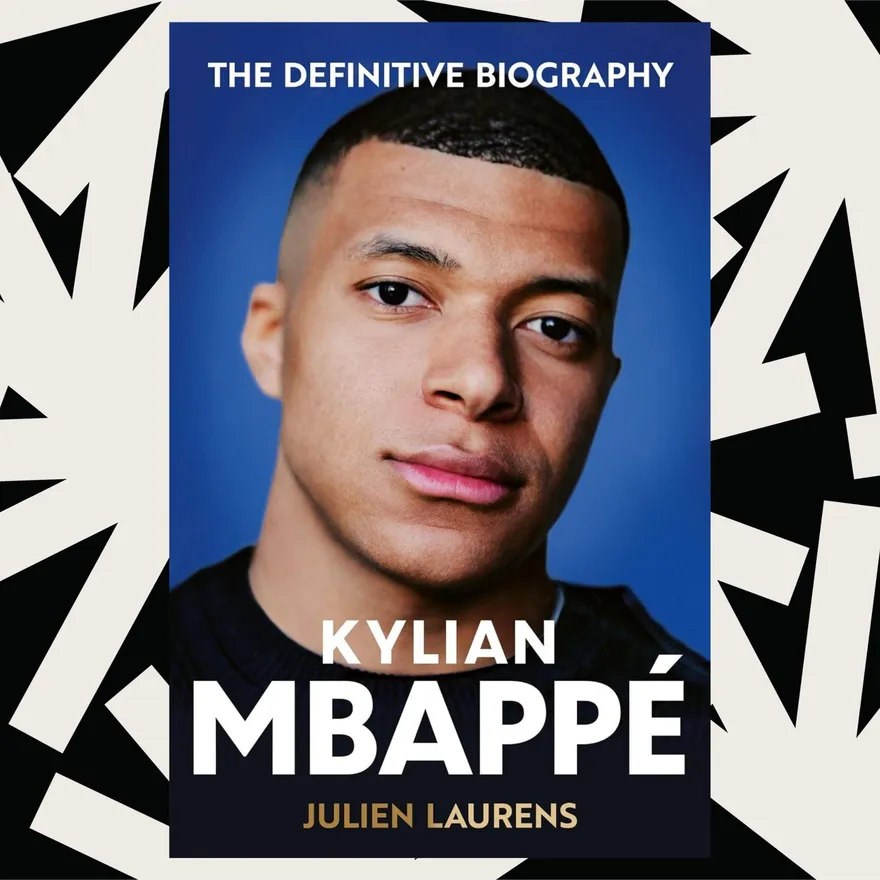

This is a preview of the Shortform summary of the Jul 29, 2026 episode of the NPR's Book of the Day
Sign up for Shortform to access the whole episode summary along with additional materials like counterarguments and context.
1-Page Summary
France's World Cup Elimination and Spain Match Analysis
Julien Laurens analyzes Spain's dominant semifinal victory over France, noting that Spain's exceptional ball movement and cohesive team performance overwhelmed France from the start. When Spain plays at this level, Laurens argues, they can be considered among the world's best. France struggled throughout the match to disrupt Spain's rhythm and rarely imposed their own style of play.
Mbappe Isolated in Semifinal Defeat
Kylian Mbappe appeared isolated and ineffective as France's captain, with key teammates like Olise and Dembele failing to provide support. Laurens points out that this lack of coordination among France's attackers left Mbappe operating largely on his own and rendered France's attack toothless.
Loss Weighed Heavily On French Nation
The defeat was especially painful as it occurred on July 14th, a date of significant national pride in France. Laurens notes that this "non-game" on such an important day made the loss harder to bear for players and fans alike. Mbappe, as captain, carried the weight of expectation after a strong World Cup showing, and the missed opportunity to pursue another World Cup title will continue to hurt deeply.
Mbappe's Maturation as a Footballer and Leader
Mbappe's career trajectory marks him as a generational talent whose leadership responsibilities have accelerated his development. His 2018 World Cup victory at age 19 signaled his arrival as an elite player, and his subsequent move to Real Madrid further affirmed his status. However, his appointment as France's captain marked a significant turning point, bringing deeper responsibility that has contributed directly to his growth and maturity both on and off the field.
Mbappe's Mentality Compared To Other Superstars
Laurens describes Mbappe as being "wired differently," drawing direct comparisons to legendary athletes like LeBron James, Michael Jordan, and Usain Bolt. These elite athletes share a unique psychological makeup marked by relentless drive and ambition. Laurens highlights Mbappe's resilience, noting that despite experiencing career setbacks, he has consistently bounced back, demonstrating an unwavering capacity to recover and pursue greatness.
World Cup Tournament Analysis and Remaining Teams' Prospects
Spain Emerges As Favorite
Laurens identifies Spain as the clear favorite to win the World Cup due to their dominant performances and tactical superiority. Their technical play, cohesion, and possession-based approach set them apart, and Laurens believes neither England nor Argentina can stop Spain's momentum at this stage.
England's Style Gave Them a Better Chance Against Spain
If any team could challenge Spain, Laurens argues it would be England rather than Argentina. England's direct, physical style offers a contrast to Spain's possession game, potentially disrupting their rhythm. Additionally, Jude Bellingham provides England with a crucial advantage through his physical power, technical ability, and intelligent play.
Messi's Performance as Argentina's Leader Held Significant Historical Importance
Laurens makes a compelling case for Messi as the greatest soccer player of all time, noting that his leadership and skill make him central to Argentina's ambitions. He concludes that a potential Argentina-England final would carry immense significance due to their storied rivalry, adding cultural and historical weight beyond the sporting spectacle.
1-Page Summary
Additional Materials
Clarifications
- July 14th is Bastille Day, France's national holiday commemorating the 1789 storming of the Bastille prison, a key event in the French Revolution. It symbolizes the birth of modern France and the values of liberty, equality, and fraternity. The day is celebrated with parades, fireworks, and public events across the country. Losing an important match on this date adds emotional weight due to its patriotic significance.
- Julien Laurens is a well-known French football journalist and analyst. He works for major sports media outlets like ESPN and The Athletic. Laurens is respected for his deep knowledge of European football and insider access to players and coaches. His expertise makes his World Cup analysis highly credible.
- Olise and Dembele are attacking midfielders or wingers for France, responsible for creating scoring opportunities and supporting the main striker. Their role is to link midfield and attack, providing passes, dribbling, and movement to break down defenses. Effective coordination with Mbappe is crucial for a balanced and threatening offense. Their failure to support Mbappe limited France's attacking options and fluidity.
- A "possession-based approach" in soccer means a team focuses on keeping control of the ball for long periods to create scoring chances. "Tactical superiority" refers to a team having better strategy, positioning, and decision-making during the game. This often involves coordinated player movements and adapting to the opponent's style. Teams with tactical superiority can control the game's flow and limit the opponent's opportunities.
- Kylian Mbappe's move to Real Madrid is significant because Real Madrid is one of the most prestigious and successful football clubs globally. Joining them is seen as a step up in competition and exposure, enhancing his career profile. It also symbolizes his transition from a promising young talent to a global superstar. This move often brings greater pressure and expectations to perform at the highest level.
- Mbappe's mentality is compared to LeBron James, Michael Jordan, and Usain Bolt because all are known for exceptional mental toughness and competitive drive. These athletes consistently perform under pressure and recover quickly from setbacks. Their mindset includes relentless ambition, focus, and resilience that push them to excel at the highest level. This psychological edge distinguishes them from many peers in their sports.
- The Argentina-England soccer rivalry is rooted in political and historical tensions, notably the 1982 Falklands War between the two countries. This conflict intensified emotions during their World Cup matches, especially the 1986 quarterfinal where Diego Maradona scored the famous "Hand of God" goal. The rivalry is marked by passionate fan bases and fiercely contested games. It symbolizes more than sport, reflecting national pride and historical grievances.
- Lionel Messi is considered the greatest by many due to his extraordinary skill, vision, and consistency over a long career. He has won numerous individual awards, including multiple Ballon d'Or titles, recognizing him as the best player globally. Messi has broken many records for goals and assists in top leagues and international competitions. His ability to influence games and lead Argentina to major victories, including the Copa America, cements his legendary status.
- The World Cup tournament starts with a group stage where teams are divided into groups and play round-robin matches. The top teams from each group advance to the knockout stage, which includes rounds like the Round of 16 and quarterfinals. Winners of the quarterfinals move to the semifinals, and the two semifinal winners compete in the final to decide the champion. There is also a third-place match between the semifinal losers.
- Spain's playing style is based on maintaining possession, using short passes and patient build-up to control the game. England tends to play more directly and physically, focusing on quick transitions and using strength to challenge opponents. Argentina combines technical skill with creativity, often relying on individual brilliance and fluid attacking play. These contrasting approaches affect how each team controls tempo and creates scoring opportunities.
- Jude Bellingham is a young, versatile midfielder known for his stamina, strength, and technical skills. He excels at both defending and creating attacking opportunities, making him vital in controlling the game's tempo. His intelligence on the field allows him to read opponents and make strategic plays. Bellingham's presence helps England balance physicality with skill, challenging possession-based teams like Spain.
Counterarguments
- While Spain's ball movement and cohesion were impressive, France did create several chances and had periods of control, suggesting the match was not entirely one-sided.
- France's inability to impose their style may have been due in part to tactical choices or injuries, not solely Spain's superiority.
- Mbappe's perceived isolation could also be attributed to his own positioning and decision-making, not just a lack of support from teammates.
- Olise and Dembele have both shown creativity and effectiveness in other matches, indicating that the lack of coordination may have been a one-off or due to Spain's defensive setup.
- The emotional impact of the loss on July 14th, while significant, may be overstated for some players and fans who prioritize sporting achievement over symbolic dates.
- Mbappe's leadership and maturity are still developing, and some critics argue that he has yet to consistently demonstrate the ability to elevate his team in high-pressure situations.
- Comparing Mbappe's mentality to legends like LeBron James or Michael Jordan may be premature, as his career is still ongoing and lacks the same breadth of achievements.
- Spain's status as clear favorite could be challenged by the unpredictability of knockout football, where a single mistake or moment can change the outcome regardless of form.
- England and Argentina both possess tactical flexibility and individual talent that could pose problems for Spain, making it inaccurate to say neither can stop Spain's momentum.
- Jude Bellingham's youth and relative inexperience at the highest international level could be a disadvantage against Spain's seasoned midfield.
- The argument for Messi as the greatest of all time is subjective and debated, with other players like Pelé, Maradona, or Cristiano Ronaldo also having strong claims.
- The cultural and historical significance of an Argentina-England final, while notable, may not resonate equally with all fans or players, especially younger generations.


Get access to the context and additional materials
France's World Cup Elimination and Spain Match Analysis
Spain's Superior Team Performance Overwhelmed France's Strategic Approach
Spain delivered an outstanding collective performance from the outset, displaying remarkable ball movement and cohesion. Julien Laurens notes that when Spain plays at this level, moving the football so well as a unified team, they can be considered one of the world's best, if not the best, in that respect. France struggled to disrupt Spain's rhythm for the entirety of the match. The French side was unable to counteract Spain's dominance, rarely managing to impose their own style of play and leaving the impression that they never truly tried to play their game.
Spain's Exceptional Ball Movement Stifles France
Spain's ability to circulate the ball effortlessly put France under constant pressure and limited their ability to gain a foothold in the match.
France Struggled to Counter Spain's Dominance
France could not break Spain’s rhythm and spent most of the match on the back foot, unable to counter the collective strength of their opponents.
Mbappe Isolated, Ineffective in Semifinal Defeat
Kylian Mbappe, the French captain, appeared isolated up front and unable to influence proceedings as he had earlier in the tournament. Laurens points out that while other French stars, such as Olise and Dembele—players who had previously excited fans—were on the pitch, they failed to show up and support Mbappe. This lack of coordination and execution among France's attackers limited Mbappe's effectiveness and compounded the team's struggles. The inability of France's key offensive players to combine effectively left their attack blunt and unthreatening.
Olise and Dembele Lacked Support
Olise and Dembele, who had shown promise in earlier matches, did not provide the necessary support or impact, intensifying Mbappe's isolation and diminishing France's attacking threat.
Mbappe's Limited Effectiveness From Poor Coordination and Execution
Mbappe was left to operate largely on ...
Here’s what you’ll find in our full summary
France's World Cup Elimination and Spain Match Analysis
Additional Materials
Clarifications
- Julien Laurens is a well-known football journalist and analyst. He is respected for his in-depth knowledge of European football. His opinions are valued because he has extensive experience covering major tournaments and clubs. Laurens often provides expert insights on tactics and player performances.
- July 14th, known as Bastille Day, is France's national holiday commemorating the 1789 storming of the Bastille prison, a key event in the French Revolution. It symbolizes the birth of the modern French Republic and the values of liberty, equality, and fraternity. The day is marked by celebrations, including military parades, fireworks, and public events across France. It holds deep patriotic significance, making any national event on this date especially meaningful to the French people.
- The World Cup is an international soccer tournament held every four years, featuring the best national teams worldwide. The semifinal is the second-to-last round, where four teams compete to reach the final match. Winning the semifinal guarantees a chance to compete for the championship title. Losing in the semifinal means elimination from the tournament and no chance to win the World Cup.
- Kylian Mbappe is a world-class French forward known for his speed, skill, and goal-scoring ability, often seen as a key leader for France. Olise is a young, talented midfielder recognized for creativity and playmaking but less experienced on the international stage. Dembele is a skilled winger known for his dribbling and pace, contributing to attacking plays but sometimes inconsistent. All three are important offensive players expected to work together to create scoring opportunities.
- "Ball movement" in soccer refers to how players pass and control the ball to maintain possession and create scoring opportunities. It is important because quick, precise passing can break down defenses and open space for attacks. Effective ball movement helps a team control the game's tempo and reduces the opponent's chances to regain the ball. Teams with superior ball movement often dominate possession and dictate play.
- "Imposing a style of play" means a team successfully executes its preferred tactics and game plan during a match. This involves controlling the tempo, positioning, and ball movement to force the opponent to adapt or struggle. It reflects a team's ability to dictate how the game unfolds rather than reacting to the opponent. Teams that impose their style often create more scoring chances and control possession.
- "On the back foot" means being in a defensive or reactive position, struggling to control the game. "Collective strength" refers to the combined effort and coordination of the entire team working effectively together. An "attack blunt and unthreatening" means the offensive play lacks sharpness, creativity, or danger to the opponent's goal. These terms describe how France was unable to assert control or pose a serious scoring threat against Spain.
- The loss occurred on July 14th, whic ...
Counterarguments
- While Spain's ball movement was impressive, France's defensive organization did limit Spain to a manageable number of clear scoring chances, suggesting that France's approach was not entirely ineffective.
- The perception that France "rarely imposed their own style" may overlook periods where France did create opportunities, particularly in transition, even if they were not converted.
- Mbappe's isolation could be attributed as much to Spain's defensive tactics as to a lack of support from his teammates.
- Olise and Dembele's limited impact may have been due to Spain's effective marking and pressing, rather than solely a failure on their part.
- The emotional weight of the loss on July 14th, whi ...
Get access to the context and additional materials
Mbappe's Maturation as a Footballer and Leader
Kylian Mbappe’s career marks him as a generational football talent and a rapidly maturing leader on the world stage. His remarkable achievements and newfound leadership roles highlight his elite status and personal development.
Mbappe's Milestones and Elite Status in World Soccer
Mbappe’s prodigious talent became evident when he won the 2018 World Cup at just 19 years old, a feat that signaled his arrival as a generational player. His early success elevated him into the highest ranks of the sport. Further affirming his elite status, Mbappe joined Real Madrid, widely regarded as the greatest football club in the world, where his accomplishments as a sports player continued to grow.
Assuming Captaincy Deepened His Responsibility and Growth
Mbappe’s appointment as captain of the French national team marked a significant turning point in his career. This long-desired leadership role brought deeper responsibility both on and off the field, contributing directly to his growth and maturity. As captain, Mbappe not only leads the team strategically but als ...
Here’s what you’ll find in our full summary
Mbappe's Maturation as a Footballer and Leader
Additional Materials
Clarifications
- Winning the 2018 World Cup at 19 is rare because most players peak later in their careers. It shows exceptional skill and composure under intense pressure at a young age. This achievement places Mbappe among the youngest ever to win the tournament, highlighting his early impact on world football. It also boosted his global reputation and career opportunities significantly.
- Real Madrid is considered the greatest football club due to its record number of UEFA Champions League titles, the most prestigious club competition in Europe. The club has a rich history of success, winning numerous domestic league titles in Spain. It has attracted and developed many of the world’s best players over decades. Its global fanbase and financial power also contribute to its elite status.
- A football team captain acts as the main liaison between the coach, referees, and players during matches. They motivate teammates, maintain team discipline, and help manage on-field tactics. Captains often represent the team in official events and media interactions. Their leadership can influence team morale and cohesion significantly.
- Leading a team "strategically" in football means making decisions that improve the team's overall performance during a match. This includes organizing player positions, adjusting tactics based on the opponent's play, and motivating teammates to execute the game plan effectively. The captain communicates with the coach and players to ensure everyone understands their roles. Strategic leadership helps the team adapt and respond to changing situations on the field.
- Mbappe’s "disappointment in challenging times" refers to moments when the French national team faced setbacks, such as losses or underperformance in major tournaments. As captain, he feels responsible for the team’s results and morale. These difficult periods test his leadership and emotional resilience. His visible disappointment shows his commitment and desire to suc ...
Counterarguments
- While Mbappe is undoubtedly talented, some critics argue that his leadership style is still developing and has faced challenges, particularly during high-pressure moments with the French national team.
- Mbappe’s move to Real Madrid, though prestigious, has yet to be proven as a success in terms of trophies and impact, as he is still early in his tenure at the club.
- The claim that Real Madrid is "widely regarded as the greatest football club in the world" is subjective and debated among football fans, with clubs like FC Barcelona, Manchester United, and others also considered among the greatest.
- Mbappe’s captaincy has been met with mixed reactions, with some observers questioning whether he possesses the experience and temperament required for such a demanding leadership role at a young age.
- Some analysts note t ...

Get access to the context and additional materials
Mbappe's Mentality Compared To Other Superstars
Mbappe's Mindset Mirrors Legendary Athletes, Differing From the Average Individual
Julien Laurens describes Kylian Mbappe as being "wired differently in his mind," emphasizing that Mbappe is not like most people. Laurens draws direct comparisons to other sporting legends such as LeBron James, Michael Jordan, Max Verstappen, and Usain Bolt, noting that these elite athletes share a unique psychological makeup that sets them apart from the average person. This elite mentality is marked by a relentless drive and ambition, with Mbappe always seeking to achieve more and exceed his own limits.
Mbappe's Resilience and Recovery From Setbacks
Laurens highlights Mbappe's resilience, mentioning that at age 27, he has already experienced his ...
Here’s what you’ll find in our full summary
Mbappe's Mentality Compared To Other Superstars
Additional Materials
Clarifications
- Julien Laurens is a well-known French football journalist and analyst. He is respected for his in-depth knowledge of football and often provides expert commentary on players and matches. His opinions are valued because he has extensive experience covering top-level football. Laurens frequently appears on major sports networks and writes for prominent publications.
- Mbappe's unique psychological makeup includes exceptional focus, confidence, and a strong competitive drive. He possesses a growth mindset, viewing challenges as opportunities to improve rather than obstacles. This mentality helps him maintain motivation and composure under pressure. Such traits are common among elite athletes who consistently perform at the highest level.
- LeBron James, Michael Jordan, Max Verstappen, and Usain Bolt are widely recognized as some of the greatest athletes in their respective sports. They are known not only for their physical talents but also for their exceptional mental strength, focus, and competitive drive. Comparing Mbappe to them highlights his similar elite psychological traits that contribute to sustained success. This context helps explain why Mbappe's mindset is considered extraordinary and comparable to other top-tier sports legends.
- Kylian Mbappe has faced setbacks such as losing the UEFA Euro 2020 with France and missing key scoring opportunities in important matches. He also experienced criticism for his performances in the 2022 FIFA World Cup final, where France lost to Argentina. Injuries and high-pressure expectations have challenged his consistency. These obstacles tested his mental strength and resilience throughout his career.
- The recent loss to Spain refers to a significant football match where Mbappe's team was defeated, impacting their progress in a major tournament. Such losses are critical moments that test a player's mental strength and resilience. For Mbappe, overcoming this setback is a demo ...
Counterarguments
- While Mbappe is undoubtedly talented and driven, attributing his success solely to a "unique psychological makeup" may overlook the significant roles of physical ability, training, support systems, and opportunities.
- Many professional athletes demonstrate resilience and ambition; Mbappe's mentality may not be as rare or fundamentally different as suggested.
- Comparing athletes across different sports and eras (e.g., LeBron James, Michael Jordan, Usain Bolt) can be problematic, as each sport and context presents unique challenges and pressures.
- Focusing on individual ment ...

Get access to the context and additional materials
World Cup Tournament Analysis and Remaining Teams' Prospects
Spain Emerges As Favorite Due to Dominant Performance and Tactical Superiority
Julien Laurens identifies Spain as the favorite to win the World Cup, largely because of their dominant performances and tactical superiority throughout the tournament. He points out that Spain's technical play and cohesion set them apart from the other semifinalists and make them especially formidable. Laurens believes that neither England nor Argentina would be able to stop Spain’s momentum if matched up, emphasizing Spain's clear upper hand at this stage.
Spain's Technical Play, Cohesion Position Them as World Cup Favorites
Spain stands out with their patient, possession-based approach and ability to play as a unified team. Their consistent technical quality, strong tactical awareness, and speed of play have given them a decisive edge over their opponents. Laurens affirms that these attributes make Spain the team to beat and the clear frontrunner among remaining teams.
Semifinalists Can't Stop Spain's Momentum
According to Laurens, none of the other semifinalist teams, including England and Argentina, can claim enough of an advantage to halt Spain’s progression. He reiterates that Spain’s style and form make them overwhelming favorites moving forward in the tournament.
England's Style Gave Them a Better Chance Against Spain Than Argentina
Laurens argues that if any remaining team could challenge Spain, it would be England rather than Argentina. This is due to differences in playing style and tactical matchups.
England's Strategy Counters Spain's Possession Game
England's approach—marked by a willingness to play a direct, physical game—offers a contrast to Spain's possession-centric system. Laurens sees this as a strategic advantage for England over Argentina, suggesting England’s style is better suited to disrupt Spain and create opportunities.
Bellingham Boosts England With Power, Skill, and Smart Play
Jude Bellingham is highlighted as a crucial asset for England. Laurens praises Bellingham’s physical power, technical ability, and intelligence on the field. Bellingham's recent form and decisive contributions in the last two games have been vital to England's success and provide England with an edge in challenging top-tier opponents like Spain.
Messi's Performance as Argentina's ...
Here’s what you’ll find in our full summary
World Cup Tournament Analysis and Remaining Teams' Prospects
Additional Materials
Counterarguments
- Spain’s dominance in earlier rounds does not guarantee continued success; knockout matches can hinge on single moments or errors, making outcomes less predictable.
- Spain’s possession-based style has, in past tournaments, sometimes struggled against well-organized, defensively disciplined teams that are comfortable without the ball.
- England and Argentina both have players capable of individual brilliance who could change the course of a match, regardless of Spain’s tactical cohesion.
- England’s direct and physical approach can be a double-edged sword, potentially leaving them vulnerable to Spain’s quick transitions and technical superiority.
- Jude Bellingham’s youth and recent rise, while impressive, also mean he has limited experience in the highest-stakes matches compared to some Spanish an ...
Actionables
- you can strengthen your group’s performance in any team activity by assigning roles based on each member’s unique strengths, mirroring how top teams leverage tactical awareness and cohesion; for example, in a group project or family task, let the most organized person coordinate, the most creative person brainstorm, and the most detail-oriented person review the final product.
- a practical way to challenge your usual approach to problem-solving is to intentionally switch between patient, methodical strategies and direct, action-oriented ones depending on the situation, just as contrasting playing styles can create advantages; for instance, when faced with a decision, try mapping out a slow, step-by-step plan and then, separately, a bold, quick-action plan, and compare which feels more effective for your cont ...
Get access to the context and additional materials


Create Summaries for anything on the web
Download the Shortform Chrome extension for your browser
