

Artist and activist Ai Weiwei on political censorship in the West
In this episode of NPR's Book of the Day, artist and activist Ai Weiwei examines censorship across different political systems, drawing from his experiences in both authoritarian China and Western democracies. He describes how China controls information through state propaganda and narrative manipulation, while Western societies achieve similar results through market pressures, donor influence, and social consensus rather than government decree.
Ai Weiwei explores the evolution of surveillance from visible monitoring to invisible technological tracking, and discusses how institutions—from universities to art galleries—balance commitments to free expression against financial and reputational concerns. The conversation addresses the broader erosion of privacy and human rights in democratic societies, with Ai Weiwei arguing that censorship is a universal tool used by power structures across all political systems to suppress original thought and maintain control.
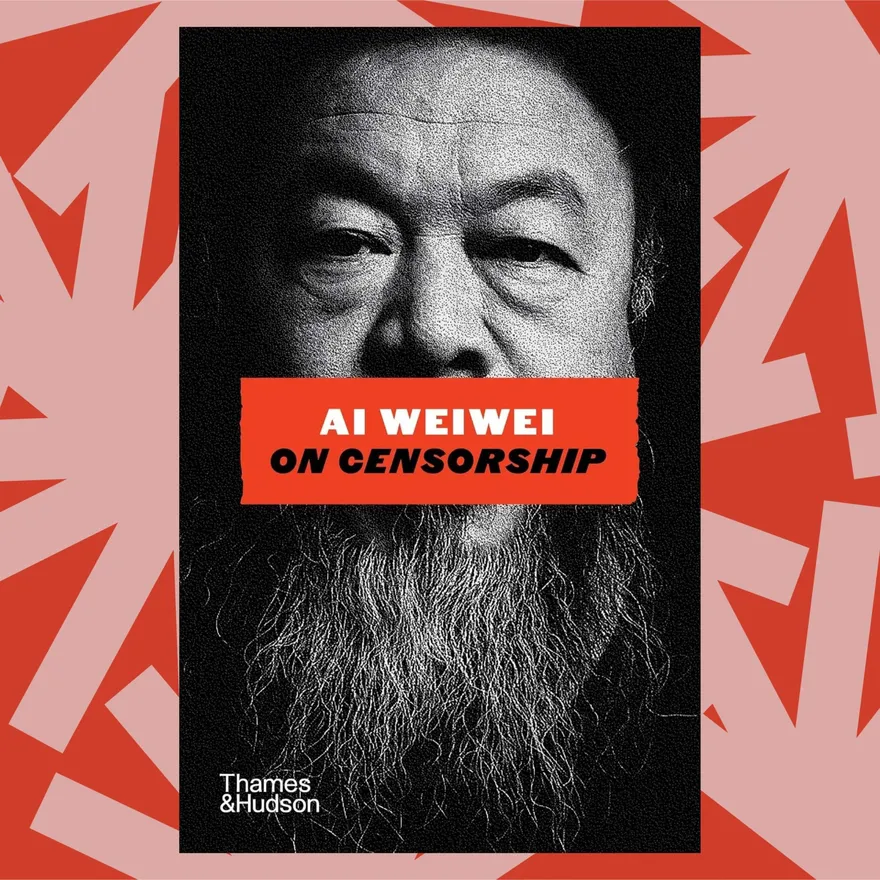

This is a preview of the Shortform summary of the Jul 15, 2026 episode of the NPR's Book of the Day
Sign up for Shortform to access the whole episode summary along with additional materials like counterarguments and context.
1-Page Summary
Censorship in Authoritarian China Versus Democratic Western Societies
Ai Weiwei's experiences reveal striking differences in how authoritarian China and democratic Western societies control information and public discourse.
China's Information Control Through Propaganda and Narrative
In China, censorship serves as the Communist Party's primary tool for controlling public opinion. Ai Weiwei notes that the state consistently transforms disasters into patriotic propaganda—as seen when state-controlled media glorified the Party's response to the 2008 Sichuan earthquake while avoiding questions about why poorly constructed school buildings collapsed. When Ai Weiwei challenged this narrative by organizing a citizen's investigation that collected names of over 5,200 student victims, the government shut down his blog. Scott Tong highlights the effectiveness of this erasure by recalling a 2009 conversation with a Shanghai college student who had never heard of the 1989 Tiananmen Square killings.
Western Democracies Effectively Censor Via Market Economics and Social Pressure
While Western democracies lack centralized state censorship, Ai Weiwei observes they still control public speech through decentralized market and social pressures. In 2023, after he made controversial statements about Jewish influence during the Israel-Hamas war, five exhibitions were canceled across Europe and the U.S., with institutions labeling him antisemitic. Ai attributes this to economic self-preservation—art institutions depend on affluent donors and fear alienating financial backers. The reaction was immediate and online, demonstrating how Western censorship, though less formal, can be equally effective by leveraging social consensus and commercial interests rather than state decree.
Surveillance as a Tool of Control and Suppression
Surveillance Has Evolved From Visible Monitoring To Invisible Tracking
Ai Weiwei explains that surveillance has shifted dramatically from direct, face-to-face observation to invisible technological tracking. He recalls photographing surveillance agents who followed him to various locations, making their presence visible. Today, however, surveillance uses phone tracking, facial recognition, and communication monitoring, making it nearly impossible for targets to detect or resist observation.
Surveillance Stifles Dissent, Controls Behavior Through Fear
This comprehensive surveillance erases personal privacy and fundamentally changes how people respond to authority. Continuous monitoring affects whether individuals voice dissenting opinions, as there's a pervasive fear of being tracked or punished. Surveillance has become a totalizing force that shapes daily behavior and maintains control through the threat of constant observation.
The Universality of Censorship Across all Political Systems
Censorship: A Key Tool For Power Maintenance Across Systems
Ai Weiwei rejects the idea that censorship is unique to either authoritarian regimes or capitalist democracies. According to him, censorship exists in every power structure, whether East or West, communist or capitalist, as a tactic used across political landscapes to maintain control and suppress challenging narratives.
Censorship Targets Original Thought That Threatens Power Structures
Ai Weiwei explains that authorities permit speech only if the message is irrelevant to their interests. If someone says something truly original or challenges the status quo, they won't be allowed to speak freely. Only when speech threatens power structures does censorship become aggressive, functioning to protect existing power by targeting genuine original thinking that could incite change.
Institutional Power and Suppression of Dissenting Voices
Cultural and Educational Institutions Reveal Priorities Under Pressure of Free Expression Commitments
Institutions frequently balance public commitments to free expression against demands for stability and stakeholder satisfaction. When Gaza protests arose at Harvard and Columbia, both universities suppressed student demonstrations, prioritizing campus stability and donor satisfaction over academic freedom. Similarly, art institutions have hastily canceled exhibitions when faced with online backlash, exposing a gap between their professed values and their practices.
Incentives and Reputational Concerns Drive Actors to Suppress Dissent
Ai Weiwei points out that buyers and donors exert strong influence on institutional decisions. When an artist or viewpoint is deemed controversial, institutions fear their financially influential supporters may stop attending or investing. This apprehension leads to preemptive distancing from controversy as institutions prioritize their business model and revenue over supporting contentious voices or artistic freedom.
Erosion of Rights in Democracies
Ai Weiwei raises concerns about the decline of privacy and human rights in democratic societies, particularly in the United States.
Democratic Societies Abandon Privacy and Human Rights Commitments
Ai Weiwei observes that with the current administration, human rights and civil liberties are being deliberately ignored. He remarks that terms like "human rights" have become dirty words and that Americans can no longer claim to protect individualism or personal privacy. The normalization of mass surveillance and lack of public resistance suggest Americans increasingly accept the loss of personal privacy as inevitable.
Human Rights Crisis Threatens Democracy's Legitimacy and Stability
According to Ai Weiwei, abandoning human rights protection is deeply troubling because these principles are the foundation of democratic society. When democracies fail to uphold these values, they blur the distinction between authoritarian and democratic systems, ultimately leaving citizens unprotected. Shaped by his own experiences with censorship, Ai Weiwei asserts that repression and disregard for rights are not unique to any one type of government.
1-Page Summary
Additional Materials
Clarifications
- The 2008 Sichuan earthquake was a devastating 7.9 magnitude quake that killed nearly 90,000 people, including thousands of schoolchildren. Many school buildings collapsed due to poor construction, sparking public outrage over government negligence and corruption. The Chinese government tightly controlled information, promoting a narrative of heroic rescue efforts while suppressing criticism. This event exposed tensions between state propaganda and citizens' demands for accountability.
- In 1989, Chinese troops violently suppressed pro-democracy protests in Beijing's Tiananmen Square, killing hundreds to possibly thousands of civilians. The government strictly censors discussion of the event to maintain political control and avoid public dissent. It remains a taboo subject in China, with limited public acknowledgment or education about the incident. This censorship aims to prevent challenges to the Communist Party's authority.
- Ai Weiwei is a renowned Chinese contemporary artist and activist known for his criticism of the Chinese government. His work often highlights human rights abuses and censorship in China. He has faced government persecution, including detention and surveillance, making his insights firsthand and credible. His global recognition amplifies his perspective on authoritarianism and freedom.
- Patriotic propaganda is information spread by a government to promote national pride and loyalty. In authoritarian regimes, it often highlights government achievements while hiding failures or controversies. This shapes public perception to support the ruling party and discourage dissent. It uses emotional appeals and selective facts to unify citizens under the state's narrative.
- In Western democracies, censorship often occurs through economic influence where businesses and institutions avoid controversial topics to maintain funding and customer support. Social pressures include public backlash, social media campaigns, and cancel culture that discourage individuals or organizations from expressing unpopular views. These forces create self-censorship as people and institutions seek to protect their reputations and financial interests. Unlike state censorship, this form is indirect but can be equally effective in limiting free expression.
- Art institutions often rely heavily on wealthy donors for funding, which supports exhibitions, operations, and staff salaries. These donors may have personal or political preferences that influence which artworks or artists receive support. To avoid losing financial backing, institutions may avoid controversial or politically sensitive content that could upset donors. This financial dependence can lead to self-censorship, limiting true freedom of expression in the arts.
- Surveillance technology has advanced from physical observation to digital methods that collect data continuously. Phone tracking uses GPS and cell tower signals to pinpoint a person's location in real time. Facial recognition software analyzes images or video to identify individuals automatically. Communication monitoring intercepts calls, messages, and online activity to gather information without the target's awareness.
- A "totalizing force" means surveillance affects every part of a person's life, leaving no area untouched. It creates a sense that one is always being watched, limiting freedom and spontaneity. This constant oversight pressures people to conform and self-censor. The term emphasizes the all-encompassing, inescapable nature of modern surveillance.
- Authoritarian systems centralize power, using state-controlled censorship and surveillance to suppress dissent and maintain control. Democratic systems promote individual rights and free speech but may still limit expression through social, economic, or institutional pressures. Human rights in democracies are ideally protected by law and public accountability, whereas authoritarian regimes often disregard these protections. The erosion of rights in democracies blurs the line between the two, challenging the ideal distinctions.
- Cultural and educational institutions rely heavily on funding from donors and sponsors, which influences their decisions. They often face pressure to avoid controversy that might upset these financial supporters. Balancing free expression with stability means limiting actions or speech that could provoke unrest or backlash. This creates tension between upholding academic or artistic freedom and maintaining financial and social order.
- Mass surveillance refers to the large-scale monitoring of individuals' activities, communications, and movements by governments or organizations. In democratic societies, it often expands through technologies like internet tracking, CCTV cameras, and data collection without explicit public consent. Its normalization means people gradually accept this monitoring as a routine part of life, often due to perceived security benefits or lack of awareness. This acceptance can erode privacy rights and reduce public scrutiny of government actions.
- Eroding human rights undermines citizens' trust in democratic institutions, weakening their authority. Without rights protections, governments may act arbitrarily, reducing accountability. This loss of legitimacy can lead to political instability, protests, or authoritarian shifts. Ultimately, democracy depends on safeguarding rights to maintain order and public confidence.
Counterarguments
- While Western democracies do experience social and economic pressures that can limit speech, these societies generally maintain robust legal protections for free expression, such as the First Amendment in the United States, which prevents government censorship and allows for legal recourse.
- The cancellation of exhibitions or events in response to controversial speech in Western societies is typically the result of decisions by private institutions, not state-mandated censorship, and individuals often retain the ability to express their views through other platforms.
- Public awareness and debate about surveillance and privacy rights remain active in many democratic societies, with ongoing legal and political challenges to government overreach and mass surveillance programs.
- The existence of censorship or suppression in democratic societies does not equate to the systematic, state-enforced censorship found in authoritarian regimes, where dissent can result in imprisonment or violence.
- Many cultural and educational institutions in the West actively defend controversial speech and academic freedom, even in the face of donor or public pressure, as evidenced by numerous high-profile cases where institutions have resisted calls for censorship.
- The assertion that human rights and civil liberties are being "deliberately ignored" in democratic societies may overlook ongoing advocacy, legal protections, and public resistance that continue to shape policy and protect individual rights.
- The distinction between authoritarian and democratic systems remains significant, as democratic societies typically provide mechanisms for accountability, transparency, and peaceful change that are absent in authoritarian regimes.


Get access to the context and additional materials
Censorship in Authoritarian China Versus Democratic Western Societies
The experiences and reflections of Ai Weiwei highlight stark differences between how authoritarian China and democratic Western societies enact censorship and control over information, public discourse, and artistic expression.
China's Information Control Through Propaganda and Narrative
In China, censorship is deliberate and sophisticated, functioning as a primary tool for the Communist Party to control public opinion. Ai Weiwei notes that since the Mao era, transforming disasters or misfortunes into forms of patriotic propaganda has been a consistent practice. When the 2008 Sichuan earthquake devastated school buildings, state-controlled media avoided investigating or exposing the failures in construction and instead glorified the heroic response of the Party.
Ai Weiwei challenged this official narrative, using his blog to question why so many school buildings collapsed, citing corruption as the cause—money siphoned off at each level, leaving only enough for shoddy construction, known colloquially as “doufu,” or tofu-like buildings easily collapsed when shaken. Determined to bring transparency, he organized a citizen’s investigation, travelling village-to-village and collecting names and information for more than 5,200 student victims, posting updates daily online.
However, the state moved quickly to suppress this investigation by shutting down Ai Weiwei’s blog as it gained popularity and drew widespread attention. The government’s refusal to disclose even a single student’s name stood in sharp contrast to Ai's crowdsourced transparency, highlighting the extent and efficiency of state censorship.
The state's information control extends to erasing from collective memory even the most significant events. Scott Tong recalls a 2009 discussion with a smart college student in Shanghai who had never heard of the 1989 Tiananmen Square killings, illustrating how the government’s erasure is so effective that younger generations forget—or never know about—critical historical events.
Western Democracies Effectively Censor Via Market Economics and Social Pressure
While Western democracies do not impose centralized, state-driven censorship, Ai Weiwei observes that they still exercise significant control over public speech and art through decentralized market and social pressures. In 2023, amid the Israel-Hamas war, Ai faced exhibition cancellations ...
Here’s what you’ll find in our full summary
Censorship in Authoritarian China Versus Democratic Western Societies
Additional Materials
Counterarguments
- While China's state censorship is extensive, there are still pockets of resistance and underground discourse, especially online, where citizens use coded language and VPNs to bypass restrictions, indicating that control is not always absolute.
- The effectiveness of Western "censorship" via market and social pressures is debated; some argue that public backlash and institutional decisions reflect democratic values of accountability and community standards rather than suppression of dissent.
- In Western democracies, legal protections for free speech remain robust, and controversial views often find alternative platforms, suggesting that suppression is not as comprehensive or systematic as in authoritarian regimes.
- The comparison between state-driven censorship in China and decentralized pressures in the West may overlook significant differences in scale, intent, and consequences for individuals; for example, Western artists rarely face imprisonment or physical harm for their views.
- Some argue that the withdrawal of institutional support in the West is not censorship per se, but rather a reflection of organizational autonomy ...
Actionables
- you can keep a private digital journal where you document and reflect on news stories or events that seem underreported or are quickly forgotten, helping you notice patterns of omission or narrative shaping in your own media environment; for example, jot down headlines, missing details, or shifts in tone over time to spot how stories are framed or fade from public view.
- a practical way to test the boundaries of acceptable speech in your community is to write short, anonymous opinion pieces on current events and submit them to various online forums or local publications, noting which topics or viewpoints are published, edited, or rejected, and tracking the reasons given for any refusals.
- you can crea ...
Get access to the context and additional materials
Surveillance as a Tool of Control and Suppression
Surveillance Has Evolved From Visible Monitoring To Invisible Tracking
Ai Weiwei explains that the guidelines for surveillance have shifted dramatically over time. In earlier periods, surveillance involved direct observation: individuals would monitor others face-to-face, making it possible to identify surveillance agents. Weiwei recounts how he used to directly take photos of these agents, tracking them as they reappeared at various sites such as the Great Wall or a park. This method allowed him to study and recognize familiar faces among those surveilling him.
Today, however, surveillance tactics have evolved into largely invisible forms. Modern surveillance uses advanced technology such as phone tracking and facial recognition, enabling authorities to know an individual’s exact location at any time. This extends to monitoring communications, purchases, eating and sleeping habits, and even a person’s activities on their phone. The shift from visible to invisible surveillance technologies makes it harder for targets to detect surveillance, resist observation, or document those responsible for monitoring them.
Surveillance Stifles Dissent, Controls Behavior Through Fear
...
Here’s what you’ll find in our full summary
Surveillance as a Tool of Control and Suppression
Additional Materials
Clarifications
- Ai Weiwei is a prominent Chinese contemporary artist and activist known for his criticism of government oppression and human rights abuses. His experiences with state surveillance and detention give him firsthand insight into authoritarian control methods. Weiwei’s perspective is significant because he combines artistic expression with direct political resistance. His observations highlight the personal impact of surveillance beyond abstract theory.
- The "earlier periods" of surveillance typically refer to times before digital technology, such as the 20th century and earlier. During these times, surveillance was mainly done through physical observation, informants, and manual record-keeping. Examples include state secret police in authoritarian regimes or neighborhood watch systems. This contrasts with today's digital and automated surveillance methods.
- Phone tracking works by using signals from cell towers, GPS satellites, or Wi-Fi networks to determine a device’s location. Facial recognition technology analyzes unique facial features from images or video and compares them to a database to identify individuals. Both technologies rely on large data collection and sophisticated algorithms to operate accurately. These tools enable continuous, real-time monitoring without the target’s awareness.
- A "totalizing force" means something that affects every part of a person’s life without exception. In surveillance, it implies constant monitoring that leaves no space for privacy or freedom. This creates a sense of being always watched, influencing all actions and thoughts. It enforces control by making resistance nearly impossible.
- Surveillance suppresses dissent by creating a climate of fear where individuals anticipate punishment for opposing authority. It induces self-censorship, as people avoid expressing controversial views to prevent being targeted. Authorities use collected data to identify and intimidate activists or potential troublemakers. This control limits collective action and discourages resistance by making surveillance feel inescapable.
- Modern surveillance often relies on digital tools like GPS, cameras, and data collection software that operate without physical presence. These technologies do not require agents to be visibly present, eliminating direct human observation. Sur ...
Counterarguments
- Surveillance technologies can also be used to enhance public safety, prevent crime, and respond more effectively to emergencies.
- Many forms of surveillance are subject to legal oversight, transparency requirements, and public debate in democratic societies, which can limit abuses and protect civil liberties.
- Some individuals may feel safer or more secure knowing that surveillance is in place, especially in high-risk or vulnerable environments.
- The effectiveness of surveillance in suppressing dissent or activism is debated; in some cases, awareness of surveillance has galvanized resistance or led to greater public scrutiny of authorities.
- Not all surveillance is conducted by governme ...



Get access to the context and additional materials
The Universality of Censorship Across all Political Systems
Censorship: A Key Tool For Power Maintenance Across Systems
Ai Weiwei expresses a lack of surprise at the prevalence of censorship, attributing it to his upbringing and lived experience. He rejects the idea that censorship is unique to either authoritarian regimes or capitalist democracies. According to Ai, censorship exists in every power structure, whether East or West, communist or capitalist. His own experience with censorship is a demonstration that suppression of dissent is not limited by ideology or economic system, but is a tactic used across political landscapes to maintain control and suppress challenging narratives.
Censorship Targets Original Thought That Threatens Power Structures
Ai Weiwei explains that authorities permit speech only if the message is irrelevant to their interests. If an individual says something truly original or challenges the status quo in a way that matters to those in power, they will not be allowed t ...
Here’s what you’ll find in our full summary
The Universality of Censorship Across all Political Systems
Additional Materials
Clarifications
- Ai Weiwei is a Chinese contemporary artist and activist known for his outspoken criticism of the Chinese government. His work often addresses human rights and freedom of expression, making his views on censorship particularly credible. He has personally experienced government censorship and detention, highlighting the real-world impact of suppressing dissent. His perspective bridges art, politics, and activism, offering a unique insight into censorship across different systems.
- Capitalist democracies are political systems where leaders are elected by citizens and the economy is based on private ownership and market competition. Authoritarian regimes concentrate power in a single leader or small group, limiting political freedoms and often controlling the economy. In capitalist democracies, multiple political parties compete for power, while authoritarian regimes suppress opposition. The key difference lies in political freedom and economic structure.
- Power structures are organized systems of authority that control resources, decision-making, and social order within a society. They exist in all political systems, whether democratic, authoritarian, or otherwise, shaping who holds influence and how power is exercised. These structures maintain stability by enforcing rules and norms, often privileging certain groups over others. Understanding power structures helps explain why censorship is used to protect those in control from challenges.
- "Original thought" refers to ideas or opinions that challenge existing beliefs, norms, or power structures. These thoughts introduce new perspectives or question authority in ways that could inspire change. Authorities often view such ideas as threats because they can disrupt control or influence. Therefore, censorship targets these to prevent shifts in power or social order.
- Censorship is implemented through laws, regulations, and surveillance that control media, internet, and public expression. Authoritarian regimes often use state-run media and strict legal penalties to suppress dissent. Democracies may rely on corporate content moderation, legal restrictions on hate speech, or economic pressures on media outlets. ...
Counterarguments
- While censorship exists in many forms across political systems, the degree, methods, and consequences of censorship can vary significantly between authoritarian regimes and liberal democracies, with the latter often providing more robust legal protections for free speech.
- In some democratic societies, mechanisms such as independent courts, free press, and civil society organizations can effectively challenge and limit censorship, making it less pervasive or systematic than in authoritarian contexts.
- Not all restrictions on speech are intended to protect power structures; some are designed to prevent harm, such as laws against hate speech, incitement to violence, or defamation, which are widely accepted in many societies.
- There are instances where genuinely original or critical thought is allowed and ...
Get access to the context and additional materials
Institutional Power and Suppression of Dissenting Voices
The dynamics of power within cultural and educational institutions reveal the pressures and incentives that often suppress dissenting voices, especially under controversial circumstances.
Cultural and Educational Institutions Reveal Priorities Under Pressure of Free Expression Commitments
Institutions frequently find themselves balancing public commitments to free expression against demands for stability and the satisfaction of influential stakeholders. For instance, when protests regarding Gaza arose at Harvard and Columbia, both universities acted to suppress student demonstrations. Their actions demonstrated a clear prioritization of campus stability and donor satisfaction over the principle of academic freedom.
Similarly, art institutions have shown how vulnerable they are to external pressures by hastily canceling exhibitions when faced with online backlash or the risk of financial loss. This reaction exposes a gap between the values these institutions profess—such as promoting free cultural expression—and the practices they adopt to protect their reputations and revenue streams. Ai Weiwei recounts that after online controversy, including accusations of anti-Semitism and even terrorism, five of his shows were promptly shut down by institutions unable to transparently justify the censorship.
Incentives and Reputational Concerns Drive Actors to Suppress Dissent
At the root of these institutional reactions are powerful financial incentives and reputational concerns. Ai Weiwei points out that ...
Here’s what you’ll find in our full summary
Institutional Power and Suppression of Dissenting Voices
Additional Materials
Clarifications
- Ai Weiwei is a Chinese contemporary artist and activist known for his criticism of the Chinese government and advocacy for human rights. His work often addresses political and social issues, which has led to controversy and censorship. Some exhibitions were canceled due to accusations against him, including claims of anti-Semitism and terrorism, which sparked backlash. These controversies reflect broader tensions between artistic freedom and institutional pressures.
- Ai Weiwei is a Chinese contemporary artist known for his outspoken criticism of governments and social issues. Some online critics falsely accused him of anti-Semitism and terrorism as part of coordinated smear campaigns to discredit his work and activism. These accusations were baseless and intended to provoke controversy and pressure institutions to cancel his exhibitions. The backlash reflects broader attempts to silence dissenting or politically sensitive voices through defamatory claims.
- Donors and buyers provide significant financial support that institutions rely on for operations and growth. Their preferences and values can influence what content or artists institutions choose to promote or suppress. Institutions often avoid controversy to maintain these relationships and secure ongoing funding. This financial dependency creates pressure to align institutional decisions with donor and buyer expectations.
- Academic freedom is the principle that scholars and students have the right to teach, study, and express ideas without fear of censorship or retaliation. It typically protects research, teaching, and discussion, even on controversial topics. However, it is not absolute and can be limited by laws, institutional policies, or concerns about harm and safety. Boundaries often arise when speech conflicts with other rights or institutional responsibilities.
- Cultural and educational institutions are expected to foster environments where diverse ideas and artistic expressions can be shared freely. They have a responsibility to protect academic freedom and encourage critical thinking without censorship. These institutions also serve as platforms for dialogue and debate, supporting societal progress. However, they must balance these roles with legal, ethical, and community standards.
- "Preemptive distancing" means institutions act in advance to avoid being linked to controversy. They do this to protect their reputation and f ...
Counterarguments
- Institutions have a responsibility to ensure safety and order on their premises, which may necessitate limiting certain forms of protest or expression, especially if they disrupt operations or threaten the well-being of others.
- Decisions to cancel exhibitions or limit protests may reflect a desire to avoid legal liability or comply with laws and regulations, rather than solely financial or reputational concerns.
- The influence of donors and stakeholders is a common aspect of organizational governance and not unique to cultural or educational institutions; balancing diverse interests is a complex and legitimate challenge.
- Some actions taken by institutions may be intended to protect marginalized groups from harm or harassment, rather than simply suppressing dissent.
- The presence of external pressures do ...


Get access to the context and additional materials
Erosion of Rights in Democracies
Ai Weiwei raises concerns about the decline of privacy and human rights in democratic societies, especially in the United States, and warns of its impact on the legitimacy and stability of democracy itself.
Democratic Societies Abandon Privacy and Human Rights Commitments
Ai Weiwei observes that with the current administration, there is a deliberate ignoring of human rights and civil liberties. He remarks that terms like "human rights" have become dirty words and that Americans can no longer claim to protect individualism or personal privacy. The normalization of mass surveillance and the lack of significant public resistance suggest that Americans increasingly accept the loss of personal privacy as inevitable. Civil liberties and human rights, once central to democratic identity, are now marginalized by political administrations.
Human Rights Crisis Threatens Democracy's Legitimacy and Stability
According to Ai Weiwei, abandoning the protection of humanity and human rights is deeply troubling because these are the foundation of democratic society. He argues that human rights and p ...
Here’s what you’ll find in our full summary
Erosion of Rights in Democracies
Additional Materials
Clarifications
- Ai Weiwei is a Chinese contemporary artist and activist known for his outspoken criticism of government censorship and human rights abuses. His perspective is significant because he has personally experienced repression and uses his art and voice to advocate for freedom and democracy. He is internationally recognized for highlighting social and political issues, making his warnings about democracy's decline influential. His background gives him a unique and credible viewpoint on the erosion of rights.
- Mass surveillance refers to the large-scale monitoring of people's activities, communications, and behaviors by governments or organizations. It often involves collecting data from phone calls, internet use, and public spaces without individual consent. This practice raises concerns about privacy violations and potential abuse of power. Mass surveillance can create a climate of fear and self-censorship, undermining democratic freedoms.
- The United States has a long history of valuing privacy and human rights, rooted in the Constitution and the Bill of Rights. Key amendments, like the Fourth Amendment, protect citizens from unreasonable searches and seizures. Over time, civil rights movements expanded these protections to marginalized groups. However, post-9/11 security measures and technological advances have challenged traditional privacy norms.
- Human rights ensure individuals have freedoms like speech, assembly, and fair treatment, which allow participation in democratic processes. Privacy protects citizens from unwarranted government intrusion, enabling free expression and dissent without fear. Together, they create a safe environment for political debate and accountability. Without these protections, democracy risks becoming authoritarian by suppressing opposition and controlling citizens.
- Authoritarian systems concentrate power in a single leader or small group, limiting political freedoms and opposition. Democratic systems distribute power through free elections and protect individual rights and freedoms. The key difference lies in citizen participation and respect for human rights. When democracies erode these rights, they risk becoming similar to authoritarian regimes.
- Examples of marginalized civil liberties include increased government surveillance without warrants and restrictions on free speech through censorship or legal pressures. Human rights erosion can be seen in policies that limit protest rights or target minority groups disproportionately. Legal frameworks may be weakened to reduce judicial oversight of government actions. These actions collectively diminish citizens' ability to exercise fundamental freedoms.
- Ai Weiwei is a Chinese contemporary artist and activist known for his outspoken criticism of the Chinese government. He has face ...
Counterarguments
- While concerns about privacy and surveillance are valid, democratic societies like the United States still maintain robust legal frameworks, independent courts, and active civil society organizations that continue to defend and advocate for human rights and civil liberties.
- The characterization that terms like "human rights" have become stigmatized in the U.S. may not reflect the ongoing public discourse, activism, and legislative efforts that prioritize and protect these rights.
- Mass surveillance practices have faced significant legal challenges, public debate, and policy reforms, indicating that there is ongoing resistance and scrutiny rather than widespread acceptance.
- Democratic institutions in the U.S. and other democracies are subject to checks and balances, regular elections, and public accountability, which distinguish them from authoritarian systems even amid challenges to privacy and rights.
- The erosion of cert ...


Get access to the context and additional materials


Create Summaries for anything on the web
Download the Shortform Chrome extension for your browser
