

'America's Founding Son' documents John Quincy Adams' influential post-presidency
In this episode of NPR's Book of the Day, host Steve Inskeep and author Bob Crawford explore John Quincy Adams' transformation from defeated one-term president to influential congressman. After losing to Andrew Jackson in 1828, Adams returned to public service in the House of Representatives, where he would become a central figure in the fight against slavery and censorship.
Crawford details how Adams turned the 1836 gag rule—which silenced abolitionist petitions—into a First Amendment battle, using his mastery of parliamentary procedures to circumvent censorship and force discussions about slavery. The episode covers Adams' defense of the Amistad captives before the Supreme Court and examines his confrontational style, which made him widely unpopular but effective. Through these post-presidential efforts, Adams reshaped his legacy and influenced the national conversation on slavery and free speech.
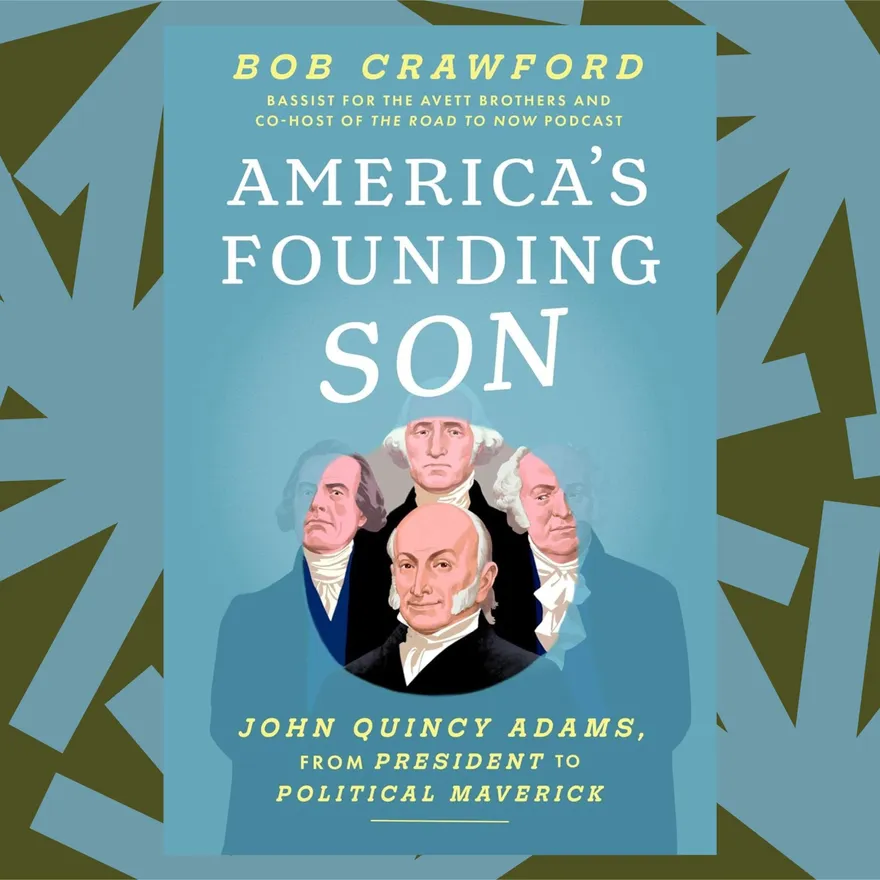

This is a preview of the Shortform summary of the Jul 7, 2026 episode of the NPR's Book of the Day
Sign up for Shortform to access the whole episode summary along with additional materials like counterarguments and context.
1-Page Summary
Adams' Political Rebirth: 1828 Defeat and Congressional Return
John Quincy Adams, the son of a founding father, lost the presidency to Andrew Jackson in 1828 as voters favored Jackson's populist movement over Washington insiders. However, Adams, raised with a deep sense of duty to serve the nation, didn't retire from public life. Instead, driven by obligation to preserve the founding generation's legacy—along with personal ambition and a desire for vindication—Adams ran for Congress, determined to continue shaping the country's future.
Gag Rule and First Amendment Fight
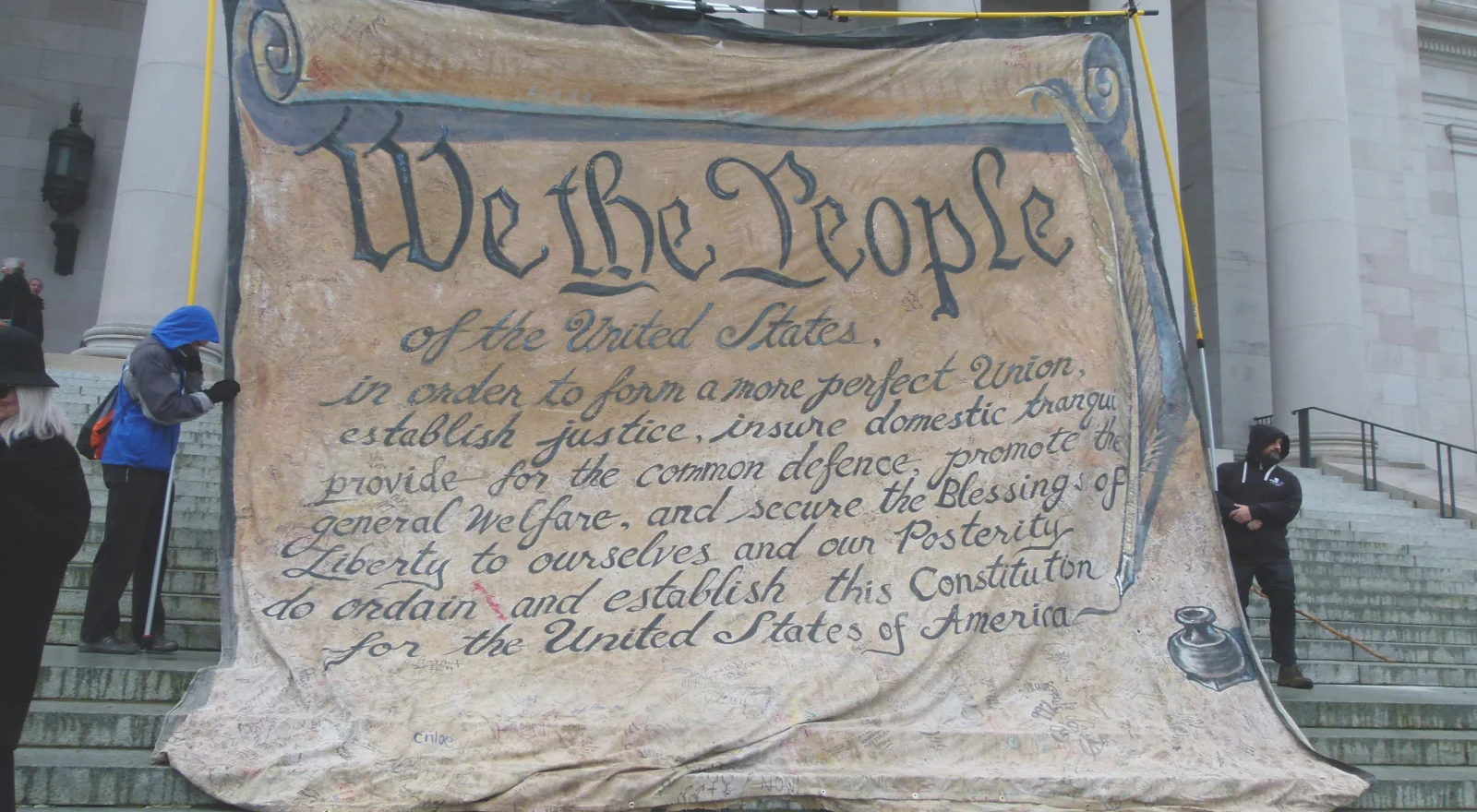
By 1836, Southern congressmen, alarmed by the flood of abolitionist petitions arriving at Congress, passed the gag rule requiring all slavery-related petitions to be immediately tabled and ignored. Bob Crawford explains that lawmakers feared these petitions, combined with slave uprisings like Nat Turner's rebellion, threatened the stability of the slave system. Adams transformed this conflict into a constitutional battle, shifting focus from slavery to First Amendment rights—specifically the right to petition the government. Steve Inskeep notes that this pro-slavery censorship backfired, as Crawford affirms: "you can't snuff out an idea. The attempt to snuff it out becomes the story." By defending free speech, Adams drew even more attention to the abolitionist cause.
Adams' Use of Parliamentary Procedures to Challenge Censorship
Adams leveraged his mastery of Congressional rules to circumvent the gag rule and force discussions about slavery. He memorized parliamentary procedures and repeatedly submitted controversial petitions to provoke debate. In one instance, he presented a petition supposedly from enslaved people, prompting outraged Southern congressmen to demand it be burned—before Adams revealed the petition actually advocated for slavery's continuation, exposing the absurdity of their reflexive censorship. When opponents attempted to censure him, Adams insisted on his right to defend himself, speaking for weeks on slavery and free speech. Eventually exhausted, his adversaries abandoned their censure efforts, having inadvertently given him an extensive platform.
Amistad Case: Adams' Supreme Court Defense
After a mutiny on the slave ship Amistad, abolitionist leaders enlisted Adams to defend the African captives before the Supreme Court. Drawing on his anti-slavery record from Congress, Adams argued passionately for their freedom and secured a Supreme Court victory. This win transformed Adams from a defeated single-term president into a national hero, marking both moral and personal vindication that elevated his legacy.
Adams' Confrontational Style and Willingness to Be Unpopular
Adams's leadership in presenting anti-slavery petitions placed him in direct opposition to the pro-slavery establishment, facing broad hostility from fellow congressmen. Crawford notes that Adams was comfortable being hated and even "hated large numbers of people" himself. This mutual animosity didn't deter him. Instead, his uncompromising principles and willingness to be combative became central to his advocacy, as he exploited every attempt to suppress him as evidence of injustice. His persistent, argumentative approach gradually shifted national sentiment on slavery and free speech, cementing his legacy as an unyielding fighter for justice.
1-Page Summary
Additional Materials
Counterarguments
- Adams’s focus on procedural battles over the gag rule, while principled, did not directly advance the abolition of slavery during his lifetime, and the institution persisted for decades after his efforts.
- His confrontational style and willingness to be unpopular, while effective in drawing attention, also alienated potential allies and may have limited broader coalition-building against slavery.
- Adams’s return to Congress after his presidency could be interpreted as motivated as much by personal ambition and a desire for relevance as by public duty.
- The Supreme Court victory in the Amistad case, while significant, was a unique legal situation and did not set a broad precedent for the abolition of slavery in the United States.
- Adams’s advocacy for free speech and the right to petition, though important, did not always translate into concrete legislative or policy changes regarding slavery.
- The narrative of Adams as a solitary hero may understate the contributions of other abolitionists and reformers working alongside or independently of him.
Actionables
- you can challenge attempts to silence discussion in group settings by calmly asking for the specific rule or reason behind shutting down a topic, then requesting that the group revisit the issue based on shared principles like fairness or free expression; for example, if someone tries to skip over a controversial agenda item in a meeting, politely ask which rule justifies that and suggest the group agree on a transparent process for handling sensitive topics.
- a practical way to highlight the flaws in censorship or exclusion is to use humor or irony to point out inconsistencies; for instance, if a group bans certain topics, you might jokingly ask if other, less controversial topics should also be banned for consistency, prompting reflection on the logic behind the original restriction.
- you can turn personal criticism or attempts to exclude you into opportunities to clarify your values and invite open dialogue; when someone attacks your stance, respond by briefly explaining your reasoning and inviting others to share their perspectives, which can shift the focus from personal attacks to constructive discussion.



Get access to the context and additional materials
Adams' Political Rebirth: 1828 Defeat and Congressional Return
Adams Lost the Presidency To Jackson but Stayed In Public Life
John Quincy Adams, an elite figure and the son of a former president, was ousted from the presidency in 1828 as voters rallied behind Andrew Jackson. Jackson positioned himself as a war hero and a common man, leading a populist wave that rejected the established insiders of Washington. Despite Adams' remarkable career as a diplomat and deep status as a Washington insider, he was swept from office as Americans favored Jackson's democratic movement.
After a Single-Term Presidency Defeat, Adams, Driven by Duty and Upbringing, Sought a New Government Role
After his defeat, Adams did not simply retire from public life. Raised with a strong sense of duty, Adams was brought up to serve his country, an ethic shaped by his parents' sacrifices in founding the nation. The sense of national obligation instilled in him from childhood spurred him to seek a new role in government after his single-term presidency.
Adams' Congressional Run Driven by Obligation, Ambition, and Vindication
Adams' decision to run for Congress was fueled by a mixture of motives. Central to his ambition was the belief that h ...
Here’s what you’ll find in our full summary
Adams' Political Rebirth: 1828 Defeat and Congressional Return
Additional Materials
Counterarguments
- While Adams' sense of duty and public service is emphasized, some historians argue that his return to Congress was also motivated by personal dissatisfaction with retirement and a desire to remain relevant in national politics.
- The portrayal of Jackson as solely a "common man" overlooks the fact that Jackson himself was a wealthy slaveholder and political insider by the time of his presidency.
- The narrative that Adams was "swept from office" by a populist movement may oversimplify the complex political, regional, and partisan factors that contributed to his defeat, including the controversial "corrupt bargain" of 1824.
- Adams' congressional career, while notable, was not universally celebrated at the time; he faced sign ...
Actionables
- you can identify a cause or value from your upbringing that still matters to you and find a small, ongoing way to serve it in your community, such as volunteering for a local board, mentoring, or supporting a neighborhood initiative, to honor your sense of duty and legacy.
- a practical way to channel ambition and desire for vindication is to set a personal challenge where you revisit a past setback and create a plan to contribute positively in a related area, like writing a letter to a local leader about an issue you once struggled with or joining a group that addresses it. ...
Get access to the context and additional materials
Gag Rule and First Amendment Fight
In 1836, Southern Congressmen, Alarmed by Abolitionist Petitions, Implemented the Gag Rule to Silence House Debate On Slavery
Amid a surge of abolitionist activism in the North, Southern congressmen grew alarmed as petitions opposing slavery began flooding Congress. Bob Crawford explains that by 1835, these petitions, mostly from radical Christians and Northern abolitionists, were arriving at the Capitol in great numbers—so many that Congressmen began to feel threatened. The Southern lawmakers, fearing that the persistent noise from the abolitionists and the willingness of a few in Congress to raise the issue would disrupt the status quo and even risk civil war, responded with the passage of the gag rule in 1836.
Gag Rule Mandated Tabling and Ignoring Slavery Petitions in Congress
The gag rule dictated that any petition regarding slavery be immediately tabled upon arrival. As Crawford notes, “they’re immediately tabled, which means they don’t exist.” By enforcing the gag rule, the House sought to completely silence debate on slavery within Congress.
Lawmakers Feared Abolitionist Activism and Uprisings Like Nat Turner's Rebellion Threatened Slave System Stability
Southern congressmen’s anxieties were heightened by real events, such as the Nat Turner uprising and other slave rebellions in the South. Lawmakers believed that the campaign from abolitionists, paired with these uprisings, was creating instability in the slave system.
Adams Turned the Conflict Into a Constitutional Battle Over Rights
Adams Defends Petition and Grievance Rights, Shifts Focus From Slavery To First Amendment
Instead of allowing the pro-slavery majority to control the narrative, John Quincy Adams redirected the fight. Crawford explains that the focus shifted from slavery itse ...
Here’s what you’ll find in our full summary
Gag Rule and First Amendment Fight
Additional Materials
Counterarguments
- While the gag rule did suppress debate on slavery in Congress, it did not prevent discussion or activism on the issue outside of Congress, where abolitionist movements continued to grow.
- The fear among Southern congressmen was not solely about the content of the petitions but also about maintaining procedural order and preventing what they saw as Northern interference in Southern affairs.
- Some historians argue that the gag rule was consistent with longstanding congressional practices of tabling petitions deemed disruptive or outside federal jurisdiction, rather than a unique response to abolitionism.
- The effectiveness of the gag rule in maintaining the status quo is debated, as it arguably delayed but did not prevent the eventual national reckoning with slavery.
- Not all Southern lawmakers believed the gag rule would prevent civil war; some saw it as a temporary measure to manage sectional tensions.
- John Quincy Adams’s focus on First Amendment rights, while significant, did not immediately overturn the gag r ...
Actionables
- you can write a short letter to a local official or organization about an issue you care about, then track whether you receive a response or acknowledgment, helping you experience firsthand the power and challenges of petitioning for change.
- a practical way to understand the impact of censorship is to keep a private journal for one week where you note any opinions or topics you hesitate to share publicly, then reflect on how self-censorship shapes your conversations and beliefs.
- you can set aside ...

Get access to the context and additional materials
Adams' Use of Parliamentary Procedures to Challenge Censorship In Anti-Slavery Activism
John Quincy Adams, leveraging his background as a former president and lifelong diplomat, enters Congress with a mastery of the institution’s rules and procedures. He uses this expertise not simply for legislative maneuvering but as a tactical tool to challenge censorship and force national conversations about slavery.
Leveraging His Expertise In Congressional Procedures, Adams Circumvented the Gag Rule to Force Discussions About Slavery
Adams Used Parliamentary Rules, Offering Controversial Petitions to Provoke Debate and Highlight Free Speech Suppression
Adams memorizes all parliamentary rules and employs his deep procedural knowledge to navigate and outmaneuver the gag rule, which is designed to suppress discussion of slavery. He repeatedly forces the issue into the Congressional record by using official procedures. One method involves offering seemingly controversial or even inflammatory petitions on the floor. On one occasion, he presents a petition supposedly from a group of enslaved people, sparking outrage among southern congressmen, who react by demanding the document be burned on the floor. Adams then reveals that they had refused to let him read the petition, which ironically advocated for the continuation of slavery, demonstrating their unthinking commitment to censorship and exposing the absurdities of the gag rule.
Trolling Opponents With Inflammatory Petitions
Adams essentially trolls his opponents, purposefully provoking them through parliamentary means. By submitting controversial petitions he knows will rile his pro-slavery colleagues, he draws attention to the absurd limits placed on free speech and debate about slavery, compelling the House to reckon with both the issue of slavery and the suppression of fundamental rights.
Adams Used Censure to Defend Himself and Occupy Congress With Slavery and Free Speech Debates
Southern Congressmen Tried to Censure Adams, Letting Him Defend Himself and ...
Here’s what you’ll find in our full summary
Adams' Use of Parliamentary Procedures to Challenge Censorship In Anti-Slavery Activism
Additional Materials
Counterarguments
- While Adams’ procedural tactics brought attention to censorship and slavery, they did not result in immediate legislative change or the repeal of the gag rule during much of his tenure.
- Some contemporaries and historians argue that Adams’ confrontational style may have further polarized Congress, making compromise on slavery-related issues more difficult.
- Adams’ focus on parliamentary maneuvering and debate, rather than coalition-building or direct legislative action, may have limited the practical impact of his efforts in the short term.
- The use of inflammatory petitions and “trolling” ta ...
Actionables
- you can learn the basic rules and procedures of any group or organization you belong to (like a school club, HOA, or workplace committee) so you can confidently raise issues that are often ignored or suppressed; for example, read the bylaws or meeting guidelines, then use your knowledge to bring up overlooked topics during meetings in a way that can't be easily dismissed.
- a practical way to highlight the inconsistency of rule enforcement is to respectfully submit requests or questions that align with the group’s stated values but challenge their usual practices, such as asking for equal time for all viewpoints or requesting transparency on decisions, and then documenting how your requests are handled to share wit ...

Get access to the context and additional materials
Amistad Case: Adams' Supreme Court Defense
Amistad Mutiny Advanced Anti-Slavery at Judiciary's Highest Level
The Amistad case emerged after a slave ship carrying African captives was the site of a mutiny off the coast of Long Island. The incident gained national attention and prompted the leaders of the abolitionist movement to seek powerful legal representation for the imprisoned Africans. They enlisted John Quincy Adams, a former president and respected statesman, to defend the captives before the Supreme Court.
Adams accepted the request and argued passionately for the freedom of the Amistad captives. His defense was grounded in his deep commitment to justice and his established anti-slavery record from his years in Congress. Ultimately, Adams secured a Supreme Court victory for the captives, validating both their right to freedom and his decades-long campaign against slavery in the nation’s highest legal forum.
Amistad Win Showed Adams' Political Transformation and Vindication
The Supreme Court victory in the Amistad case marked a turning point for Adams’ public image. Once a president d ...
Here’s what you’ll find in our full summary
Amistad Case: Adams' Supreme Court Defense
Additional Materials
Counterarguments
- The Amistad case, while significant, did not lead to widespread or immediate changes in U.S. slavery laws or the abolition of slavery; its impact was largely symbolic rather than legislative.
- John Quincy Adams was not the only legal advocate for the Amistad captives; Lewis Tappan, Roger Sherman Baldwin, and other abolitionists played crucial roles in organizing the defense and public support.
- The Supreme Court’s decision was based primarily on property and international law, rather than a broad moral or constitutional condemnation of slavery itself.
- The Amistad captives were freed largely because they were determined not to be legally enslaved under Spanish law, not because the Court recognized a universal right to freedom for all enslaved ...
Actionables
- you can practice standing up for others in everyday situations by speaking up when you see unfair treatment, even in small ways, such as supporting a colleague whose ideas are overlooked or helping someone who is being ignored in a group conversation; this builds your confidence to advocate for justice, just as Adams did for the Amistad captives.
- a practical way to strengthen your sense of principled leadership is to write a short personal statement outlining your core values and refer to it when making tough decisions, ensuring your actions consistently reflect your beliefs, much like Adams’ unwavering commitment to justice.
- you ca ...
Get access to the context and additional materials
Adams' Confrontational Style and Willingness to Be Unpopular
John Quincy Adams’s approach in Congress is marked by a readiness to embrace unpopularity and directly confront adversaries, reflecting his resolute adherence to principles over popularity.
Adams Faced Hostility and Rejection From Congressmen While Pursuing His Convictions
Adams becomes the recognized leader in presenting anti-slavery petitions, a position that places him in direct opposition to the pro-slavery political establishment. He faces broad hostility and outright rejection from many congressmen, but he remains unfazed by the dislike. As Bob Crawford notes, Adams is comfortable being hated by large numbers of people, even reciprocating that sentiment; Crawford observes, “He hated large numbers of people.” This mutual animosity does not discourage him. Adams’s resolve enables him to persist in making constitutional arguments and using parliamentary tactics, despite facing consistent majority opposition and personal attacks.
Adams' Uncompromising Principles Defined His Combative Legacy
Adams does not shrink from confrontation. Instead, he exploits the opposition he faces, highlighting every effo ...
Here’s what you’ll find in our full summary
Adams' Confrontational Style and Willingness to Be Unpopular
Additional Materials
Clarifications
- After serving as the sixth President of the United States, John Quincy Adams was elected to the House of Representatives, a rare move for a former president. In Congress, he became a leading opponent of slavery, using his platform to present petitions against it despite strong opposition. His role was significant because he championed free speech and the right to petition, challenging the "gag rule" that sought to silence anti-slavery petitions. Adams’s post-presidential congressional career helped shape the abolitionist movement and set precedents for civil liberties.
- Anti-slavery petitions were formal requests submitted by citizens to Congress, urging the government to take action against slavery. During Adams’s time, these petitions challenged the pro-slavery status quo and tested the limits of free speech in a deeply divided nation. Many Southern congressmen sought to block or ignore these petitions to protect slavery. The petitions played a key role in raising public awareness and pressuring lawmakers to address the moral and political issues of slavery.
- During Adams’s era, the United States was deeply divided over slavery, with Southern states supporting its continuation and expansion, while many Northern states opposed it. Congress was split between pro-slavery and anti-slavery factions, leading to intense political conflict. Southern politicians often sought to block anti-slavery petitions and legislation to protect their economic interests. This division made anti-slavery advocacy highly contentious and risky for politicians like Adams.
- Bob Crawford is a historian and author known for his works on American history. His opinion on Adams is relevant because he provides expert analysis and context on Adams's character and political style. Crawford's insights help readers understand the personal dynamics behind Adams's confrontational approach. His commentary adds credibility to the portrayal of Adams's willingness to face hostility.
- John Quincy Adams argued that the right to petition Congress was protected by the First Amendment, which guarantees free speech and the right to petition the government. He used parliamentary tactics like persistent motions to present anti-slavery petitions despite efforts to table or ignore them. Adams challenged rules that sought to prevent discussion of slavery petitions, asserting that Congress could not legally suppress these appeals. His approach combined legal reasoning with procedural maneuvers to keep the issue in the legislative spotlight.
- In politics, being “comfortable being hated” means accepting that standing firm on controversial principles can alienate many ...
Counterarguments
- Adams’s confrontational and uncompromising style, while principled, may have alienated potential allies and limited his effectiveness in building coalitions necessary for legislative change.
- His willingness to reciprocate animosity could be seen as counterproductive, potentially escalating tensions and reducing opportunities for constructive dialogue.
- Some historians argue that Adams’s approach, though morally admirable, resulted in limited immediate legislative success regarding anti-slavery measures during his tenure.
- Adams’s focus on principle over pragmati ...
Get access to the context and additional materials

 1-Page Summary
- Adams' Political Rebirth: 1828 Defeat and Congressional Return
- Gag Rule and First Amendment Fight
- Adams' Use of Parliamentary Procedures to Challenge Censorship In Anti-Slavery Activism
- Amistad Case: Adams' Supreme Court Defense
- Adams' Confrontational Style and Willingness to Be Unpopular
Create Summaries for anything on the web
Download the Shortform Chrome extension for your browser
