

Judy Blume says she doesn't miss writing … but she’s very glad she wrote
In this episode of NPR's Book of the Day, author Judy Blume discusses her five-decade writing career and her decision to step away from writing. Blume shares how she transitioned from a young mother seeking creative fulfillment to becoming one of the most influential voices in young adult literature, drawing on authentic childhood experiences and emotional truths to create stories that resonated with generations of readers.
The conversation explores Blume's writing philosophy—her commitment to honesty, her attention to small details that make fiction feel real, and her willingness to address subjects like spiritual questioning with unprecedented candor. Blume also reflects on why young readers wrote to her as a trusted confidant, her transition to owning a bookstore in Key West, and why she feels no regret about ending her writing career on her own terms.
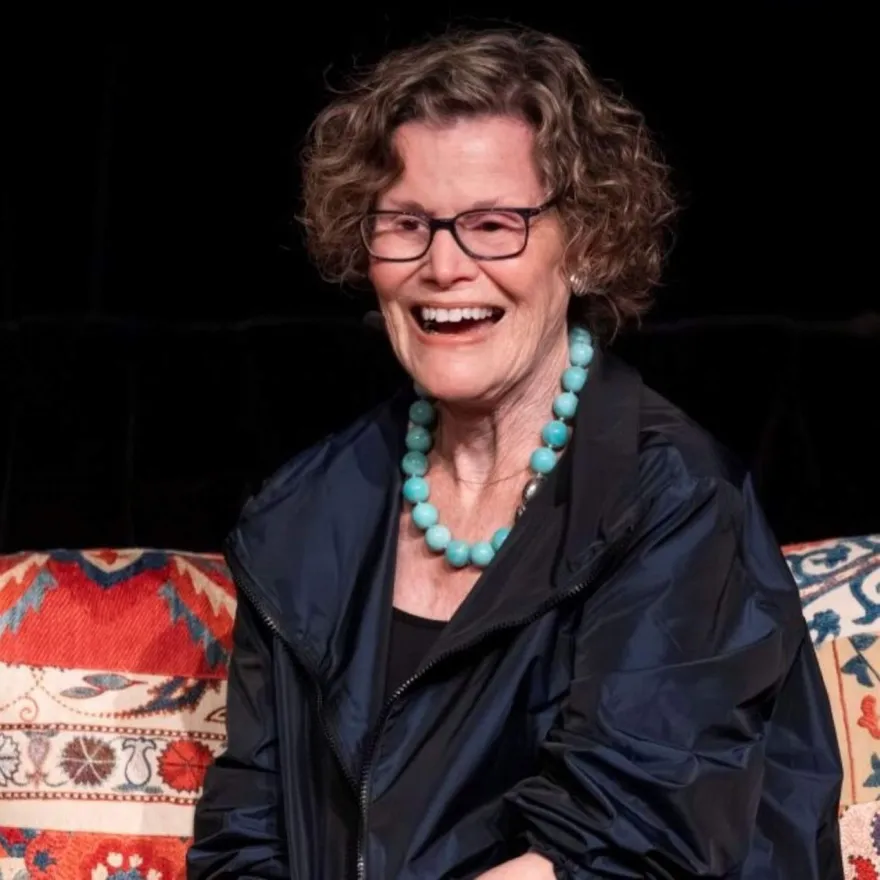

This is a preview of the Shortform summary of the Jul 2, 2026 episode of the NPR's Book of the Day
Sign up for Shortform to access the whole episode summary along with additional materials like counterarguments and context.
1-Page Summary
Judy Blume's Writing Journey: Early Inspiration and Motivation
From Childhood Imagination to Published Author
As a child, Judy Blume created elaborate stories in her mind while playing alone, though she never shared them for fear of seeming strange. She emphasizes that her writing began with a love of reading, insisting that aspiring writers must first be avid readers who understand storytelling by absorbing others' work.
After an allergy to Elmer's glue ended her felt art career, Blume used $300 from selling her artwork to buy a typewriter. As a young mother, she sought creative fulfillment beyond childcare, discovering that writing satisfied her need for self-expression. Though her first children's book went unpublished, Blume persisted, drawing on authentic childhood experiences—thumb-sucking, loving a teddy bear, cutting her own hair—to create relatable stories.
Blume's lack of literary connections fueled her authentic, naive writing approach. She wrote not for recognition but to tell stories honestly, drawing from her own emotional truth. This sincerity, she believes, is why her work has resonated with so many young readers.
Philosophy and Process: Authenticity, Character, and Craft
Blume values small details in fiction—characters brushing teeth or searching for shoes—that make stories feel real to young readers. Her creative process involves months of observation and note-taking before writing, developing what she calls "antennas" that heighten her awareness to capture genuine, nuanced details.
She writes honestly for young readers, addressing real adolescent concerns without talking down to them. In works like "Are You There God, It's Me, Margaret," Blume honored the spiritual, bodily, and social anxieties of her audience with respect and sensitivity. Her characters become real companions during the writing process, so vivid that she would share stories about them with her family as if they were actual people.
Her Impact on Young Adult Literature
A Trusted Confidant for Young Readers
Blume reflects that children wrote to her because she was a stranger they wouldn't have to face at breakfast, allowing them to pour out their feelings. Many young readers wished Blume could be their mother, seeking the understanding and validation they craved from adults. Her honest and respectful writing made her a trusted confidant for teens navigating complex feelings and social challenges.
Breaking New Ground with Spiritual Questioning
Blume's own childhood experiences of bargaining with God—promising achievements in exchange for her father's safety—informed her decision to include similar spiritual questioning in her novels. By portraying young people engaged in prayer, doubt, and negotiations with God, she validated readers' own questioning. Scott Simon notes the uniqueness of her approach, observing that few authors before Blume approached religion with such irreverence and authenticity in youth books.
A Transformative Legacy
Blume's five-decade commitment to honesty, emotional openness, and respect for young audiences set new standards in young adult literature. Her influence shaped how future authors approached writing for young people, encouraging them to embrace authenticity and complexity, trusting that young readers could handle difficult subjects with depth and candor.
From Writer to Bookstore Owner
After fifty years, Blume concluded her writing career on her own terms. The intense, isolated nature of writing—living with characters for months or years in a locked room—prompted her decision. Her final novel, In the Unlikely Event (2015), marked the culmination rather than a pause in her career.
Blume transitioned to owning a bookstore in Key West, Florida, finding renewed creative satisfaction in curating inventory and designing displays. The tactile pleasures of physical books—touching, smelling, and placing them in readers' hands—provide her with fulfillment without the solitary intensity of writing.
She feels no regret about stepping away, reflecting that "writing changed my life, but it was time to let it go." When asked if her characters ever call for new stories, she insists they know better and stay quiet. Despite reader requests for books like "Margaret in Menopause," Blume maintains that Margaret will always be twelve, and her characters belong in their published narratives and readers' imaginations, not clamoring for resurrection from her pen.
1-Page Summary
Additional Materials
Counterarguments
- While Blume emphasizes that aspiring writers must be avid readers, some successful authors have developed their craft through alternative means, such as oral storytelling traditions or personal experimentation, rather than extensive reading.
- The focus on drawing from personal childhood experiences may limit the diversity of perspectives in Blume's stories, potentially overlooking experiences outside her own background.
- Blume's approach of not resurrecting characters for sequels may disappoint readers who seek continued development or closure for beloved characters.
- Although Blume is praised for addressing adolescent concerns honestly, some critics have argued that her candidness about sensitive topics has led to controversy and book challenges in certain communities.
- The assertion that few authors before Blume approached religion with irreverence and authenticity in youth literature may overlook earlier works that addressed spiritual questioning, albeit less prominently.
- Blume's decision to step away from writing due to its isolating nature may not resonate with writers who find community and connection through the writing process.
Actionables
- you can keep a daily “detail diary” where you jot down small, realistic observations from your day to practice noticing and recording the kinds of nuanced details that make stories feel genuine; for example, write about the way sunlight hits your kitchen table or the exact words a child uses when asking a question.
- a practical way to honor emotional truth in your creative work is to set aside a few minutes each week to write a letter to your younger self about a real challenge or feeling you had at that age, focusing on honesty and respect for your own experience rather than trying to sound wise or offer solutions.
- you can create a “character companion” notebook where you invent a fictional friend and, for a week, record their imagined reactions to your daily life events, helping you practice making characters vivid and real without needing to share or publish the stories.

Get access to the context and additional materials
Judy Blume's Writing Journey: Early Inspiration and Motivation
Blume, a Naturally Creative and Imaginative Child, Developed a Passion For Reading That Led To Writing
Blume, as a Girl, Created Stories While Playing Alone but Never Shared Them Out of Fear Of Seeming Strange
As a child, Judy Blume spent hours in solitary play, bouncing a rubber ball against the side of her house while stories unfolded in her mind. At nine years old, she imagined dramatic tales, though she never shared them with friends or even revealed their existence, fearing others might think she was strange. These stories remained in her head, never written down, as she navigated childhood with a rich, inner creative life.
Learning to Write Through Reading and Practice
Blume emphasizes that her writing began with her love of reading. She insists that becoming a writer is closely tied to being an avid reader, stating that every writer she knows grew up consuming books voraciously. According to Blume, aspiring writers must first be readers, gaining an understanding of storytelling by absorbing the work of others, then experimenting on their own to develop their craft.
Blume Sought Creative Fulfillment and Became a Published Author While Raising Her Young Family
After Her Felt Art Career Ended Due to an Allergy, She Bought a Typewriter With Money From Selling Her Artwork
Before writing, Blume expressed her creativity through felt art, crafting pieces until an allergy to Elmer's glue forced her to stop. With $300 earned from selling her felt artwork, she purchased a small electric typewriter—a decision that marked the start of her writing career.
Young Mother Blume Sought a Creative Outlet Beyond Childcare, Discovering Writing Could Fulfill Her Need For Expression and Identity
Blume married young and had two children early in life. While she loved caring for her babies, she yearned for a creative outlet that would satisfy her need for self-expression and personal fulfillment—something beyond the scope of motherhood. She experimented with various forms of creativity before discovering writing as the medium that fulfilled her deepest need for expression.
Initially Writing Unpublished Stories, Including "You, Mom, You," Her First Children's Book, Blume Persisted In Her Craft Before Achieving Breakthrough Success
In the early stages of her writing journey, Blume wrote many stories that went unpublished. Her first children's book, "You, Mom, You," which she also illustrated herself despite not considering herself an artist, was never published, but this did not deter her. Blume continued to write, drawing on her own childhood experiences—sucking her thumb, lovin ...
Here’s what you’ll find in our full summary
Judy Blume's Writing Journey: Early Inspiration and Motivation
Additional Materials
Counterarguments
- While Judy Blume emphasizes the importance of being an avid reader to become a writer, some successful authors have developed their craft through alternative means, such as oral storytelling, life experience, or formal education, rather than extensive reading alone.
- The idea that Blume’s lack of literary connections led to greater authenticity could be challenged by noting that many writers with literary backgrounds or connections also produce authentic and resonant work.
- Although Blume’s stories are rooted in her own childhood experiences, some critics argue that relying heavily on personal experience can limit the diversity of perspectives represented in children’s literature.
- The narrative suggests that Blume’s persistence a ...
Actionables
- you can keep a private “imagination log” where you jot down any daydreams, story ideas, or creative thoughts that pop up during quiet moments, helping you recognize and value your unique inner world without pressure to share.
- a practical way to build writing skills is to set a weekly challenge to read something outside your usual interests, then write a short reflection or story inspired by what you learned, stretching both your reading and creative muscles.
- you can ...
Get access to the context and additional materials
Philosophy and Process: Authenticity, Character, and Craft in Writing for Young Readers
Blume Values Small Details in Fiction for Emotional Connections
Judy Blume emphasizes the importance of small, everyday actions in her fiction, like characters brushing their teeth or searching for their shoes. She notes that young readers often write to her, expressing appreciation for these moments because they make the stories and characters feel real and relatable. These mundane details ground the narrative in realism, creating a powerful bond between reader and character. Blume's gift lies in her ability to infuse stories with impactful and emotionally resonant details, such as a poignant scene involving wearing a mother's heels to a father's funeral. Such moments strike deeply, demonstrating how the inclusion of realistic, carefully observed actions enhances the believability and emotional impact of her characters and stories.
Blume Observes and Notes For Months Before Writing to Enrich Her Stories
Blume's creative process involves extensive observation and note-taking long before she begins the act of writing. She keeps project notebooks filled with snippets of conversation, observations, and ideas. Blume describes developing "antennas"—a heightened awareness that emerges as she prepares to write, enabling her to see and hear everything with greater sensitivity. She jots down all these small, significant discoveries, accumulating material over months. This practice ensures that her stories are enriched by genuine and nuanced details, helping to guarantee authenticity in her writing.
Blume Writes Honestly For Young Readers, Addressing Real Adolescent Concerns and Humor Without Talking Down To Them
Blume is committed to capturing the authentic voice of youth, reflecting their humor, frustrations, and relationships both with peers and with authority figures. She does not talk down to her young audience but instead treats their questions, anxieties, and joys with respect. In works like "Are You There God, It's Me, Margaret," Blume honored the spiritual, bodily, and social concerns of her readers, addressing real adolescent issues with honesty and sensitivity. Her commitment to authe ...
Here’s what you’ll find in our full summary
Philosophy and Process: Authenticity, Character, and Craft in Writing for Young Readers
Additional Materials
Counterarguments
- Some critics argue that an overemphasis on mundane details can slow narrative pacing and potentially bore readers who seek more action-driven or plot-focused stories.
- Not all young readers may find everyday actions or small details relatable or engaging, as individual preferences for storytelling vary widely.
- The focus on realism and authenticity may limit opportunities for imaginative or fantastical elements that some young readers enjoy.
- Extensive observation and note-taking before writing may not be necessary for all authors; some successful writers rely more on spontaneity or imagination rather than detailed pre-writing research.
- Writing honestly about adolescent concerns can sometimes lead to controversy or censorship, as some parents or educators may feel certain topics are inappropri ...
Actionables
- you can keep a daily log of small, unnoticed moments in your own life or in public spaces to practice noticing and recording the kinds of everyday details that make characters and stories feel real; for example, jot down the way someone fidgets with their sleeve while waiting in line or the sound of laughter echoing in a hallway.
- a practical way to build emotional connections with fictional characters is to write short letters from your character’s perspective about their day, focusing on their feelings about ordinary events; this helps you explore their inner world and develop empathy for their experiences.
- you can set aside a specific time each week t ...
Get access to the context and additional materials
Her Impact on Young Adult Literature: Irreverence, Honesty, and a Special Relationship With Her Audience
Judy Blume stands as a transformative figure in young adult literature, reshaping the genre through her approachable tone, willingness to address sensitive issues, and authentic portrayal of adolescent voices. Her legacy is defined by honest storytelling that fostered a special relationship with her readers, allowing them to process their own complex emotions and experiences with validation they often struggled to find elsewhere.
Blume Connected With Young Readers By Being Accessible When Parents and Teachers Often Were Not, Allowing Honest Emotional Expression
Children Wrote to Blume As an Unseen Confidant
Judy Blume reflects that when children still wrote letters, they often reached out to her because she was a stranger: "The reason that they came to me when kids still sat down and wrote letters, you know, is I was a stranger, and they wouldn't have to face me at the breakfast table, and they could pour out their feelings." Blume’s position as an accessible listener outside children's daily lives made her an unseen confidant for young readers, allowing them to share feelings they might withhold from family or educators.
Many Young Readers Wished Blume Could Be Their Mother, Seeking Understanding and Validation They Craved From Adults
Blume notes that many young readers expressed deep longing for the kind of understanding and empathy they perceived in her writing: "All these kids would say, oh, I wish you were my mother, I wish you were my mother. And I was thinking, you know, that's fantasy. Because I wasn't that great as a mother. I look back, and I think, oh, my God, I made so many mistakes." These heartfelt wishes underscore how Blume’s work filled important emotional gaps for her audience, offering the safety and validation they missed in their daily lives.
Blume's Honest and Respectful Writing Made Her a Trusted Confidant For Teens Navigating Complex Feelings and Social Challenges
Blume became a trusted voice for generations of teens by writing with honesty and respect about subjects seldom addressed in young adult literature. Her directness validated readers’ interior lives, and her characters freely expressed confusion, longing, fear, and doubt. This authenticity allowed young readers to trust Blume’s books as companions and guides while navigating the complexities of adolescence.
Blume's Depiction of Characters' Spiritual Doubts and Religious Questioning Broke New Ground In Young Adult Literature By Respecting Adolescent Complexity
Childhood Experiences of Bargaining With God Informed Her Decision to Include Similar Spiritual Questioning In Her Novels
Blume acknowledges that her own spiritual experiences informed her books. She describes her childhood practice of bargaining with God to protect her father in exchange for achievements, saying, "It really started with because I was trying to protect my father. And so I made bargains. If you protect Daddy and keep him safe while we were separated from one another, I will get 100 on my spelling test. And then it went into getting a little bit older and having my God as my confidant. I mean, it was my friend."
Validating Young Readers' Spiritual Lives Through Prayer and Doubt
By portraying young people engaged in prayer, doubt, and negotiations with God, Blume not only depicted a genuine part of adolescent experience but also validated readers’ own questioning. She describes God as a confidant and a friend, even noting the ambiguity and irreverence of her relationship: "You know, he wasn't there in synagogue when I went. I don't know where he was, but he was there for me. Or she. In thos ...
Here’s what you’ll find in our full summary
Her Impact on Young Adult Literature: Irreverence, Honesty, and a Special Relationship With Her Audience
Additional Materials
Counterarguments
- Some critics argue that Judy Blume’s books, while groundbreaking, have been challenged or banned in some communities due to their frank treatment of sensitive topics, suggesting that not all readers or parents found her approach appropriate for young audiences.
- While Blume’s portrayal of adolescent voices is often praised for authenticity, some have noted that her characters and situations may not reflect the diversity of all young readers’ experiences, particularly regarding race, class, or cultural background.
- The emotional openness and directness in Blume’s writing, though validating for many, may be seen by some as lacking subtlety or literary complexity compared to other works in the genre.
- Some educators and parents have expressed concern that Blume’s willingness to address taboo subjects could encourage premature exposure to complex issues among younger readers.
- Although Blume is credited with p ...
Actionables
- you can write a letter to your younger self or to a fictional adolescent, using an open and honest tone to validate feelings and experiences that might have been overlooked or dismissed, helping you practice empathy and emotional openness in your own communication.
- a practical way to foster trust and openness with young people in your life is to set aside regular time for them to share their thoughts or questions—especially about sensitive topics—without judgment or interruption, making it clear that all feelings and doubts are welcome.
- you can keep a private journal where you freely exp ...
Get access to the context and additional materials
From Writer to Bookstore Owner: Stopping After 50 Years and Finding Satisfaction in a New Role
Blume Ends Five-Decade Creative Journey
Judy Blume, the celebrated author of books such as Are You There God, It's Me Margaret, Deenie, Tiger Eyes, Tales of a Fourth Grade Nothing, and Blubber, concludes her fifty-year career as a writer on her own terms. She explains that the intense and isolated nature of writing—“You’re living with them for months, sometimes years with these characters. And you’re locked up in a little room all day with them, that’s why 50 years is enough. I was ready to come out into the world”—prompted her decision. She consciously chooses to bring her writing journey to an end rather than experiencing burnout. Her final novel, In the Unlikely Event (2015), about three plane crashes in Elizabeth, New Jersey, marks the culmination of her writing career rather than a mere pause. Blume emphasizes that although she could have written more books and conjured new ideas, she felt satisfied with her contributions and was ready for the next chapter of her life.
Blume Transitioned To a Creatively Satisfying and Personally Fulfilling Career in Bookstore Ownership and Management In Key West, Florida
Having stepped away from writing, Blume finds renewed creative satisfaction as a bookstore owner in Key West, Florida. She delights in curating the store’s inventory and designing displays: “I love making displays in the bookstore.” The tactile and sensory pleasures of physical books—touching, smelling, and handling them—provide her with engagement and fulfillment: “I love the hands-on. I love touching them and smelling them and, you know, putting them in the hands of readers. And it’s just very satisfying.” Her new role allows her to stay connected to literature, authors, and readers without the solitary intensity of writing. This daily involvement in the world of books sustains her connection to literary culture in a more communal, interactive setting.
Blume Feels No Regret or Longing for Her Past Career, Focusing On Her Present Life and Work
Judy Blume expresses no regret about stepping away from her identity a ...
Here’s what you’ll find in our full summary
From Writer to Bookstore Owner: Stopping After 50 Years and Finding Satisfaction in a New Role
Additional Materials
Counterarguments
- While Judy Blume expresses satisfaction with ending her writing career, some might argue that experienced authors can continue to evolve and produce meaningful work well into later life, and that creative burnout can sometimes be managed through new approaches rather than complete retirement.
- The portrayal of writing as intensely isolating may not reflect the experiences of all writers; some find the solitary aspects energizing or balance them with collaborative literary communities.
- Blume’s decision not to revisit her characters or write sequels may disappoint long-time fans who feel that revisiting beloved characters could offer new insights or address contemporary issues.
- The idea that characters should remain fixed in their original narratives is a personal artistic choice; other authors and readers value seeing characters grow and change over time.
- While Blume finds fulfillment in bookstore ownership, some might argue that this role, though rewarding, does not offer the same level of creative expression ...
Actionables
- you can create a personal transition ritual when ending a long-term project or role to mark the shift and help you mentally move forward; for example, write a letter to your past self about what you learned, then plan a small celebration or symbolic activity (like donating old work materials or taking a new route on your daily walk) to signify the change.
- a practical way to reconnect with your community after a period of solitary work is to volunteer at a local library or community center, helping others discover books or resources, which lets you stay engaged with your interests in a more social, hands-on way.
- you can design a ro ...


Get access to the context and additional materials

 1-Page Summary
- Judy Blume's Writing Journey: Early Inspiration and Motivation
- Philosophy and Process: Authenticity, Character, and Craft in Writing for Young Readers
- Her Impact on Young Adult Literature: Irreverence, Honesty, and a Special Relationship With Her Audience
- From Writer to Bookstore Owner: Stopping After 50 Years and Finding Satisfaction in a New Role
Create Summaries for anything on the web
Download the Shortform Chrome extension for your browser
