

In 'Names Have Been Changed,' a criminal on the run confesses her story on a podcast
In this episode of NPR's Book of the Day, the discussion centers on Yu-Mei Balasingamchow's novel about a woman who flees Singapore after committing a crime and lives under multiple aliases to evade capture. The conversation explores how the protagonist's constant use of false names leads to a profound disconnection from her authentic self, and how she eventually uses a podcast under a pseudonym to reclaim her voice and identity.
Balasingamchow discusses the role of language and accent as identity markers, particularly how Singlish connects Singaporeans to their homeland. The episode also examines the experience of exile and displacement, drawing parallels between the protagonist and another character who has lived away from Singapore for decades. Throughout, the conversation addresses the persistent emotional connection that displaced individuals maintain with their homeland, regardless of physical distance or time spent away.
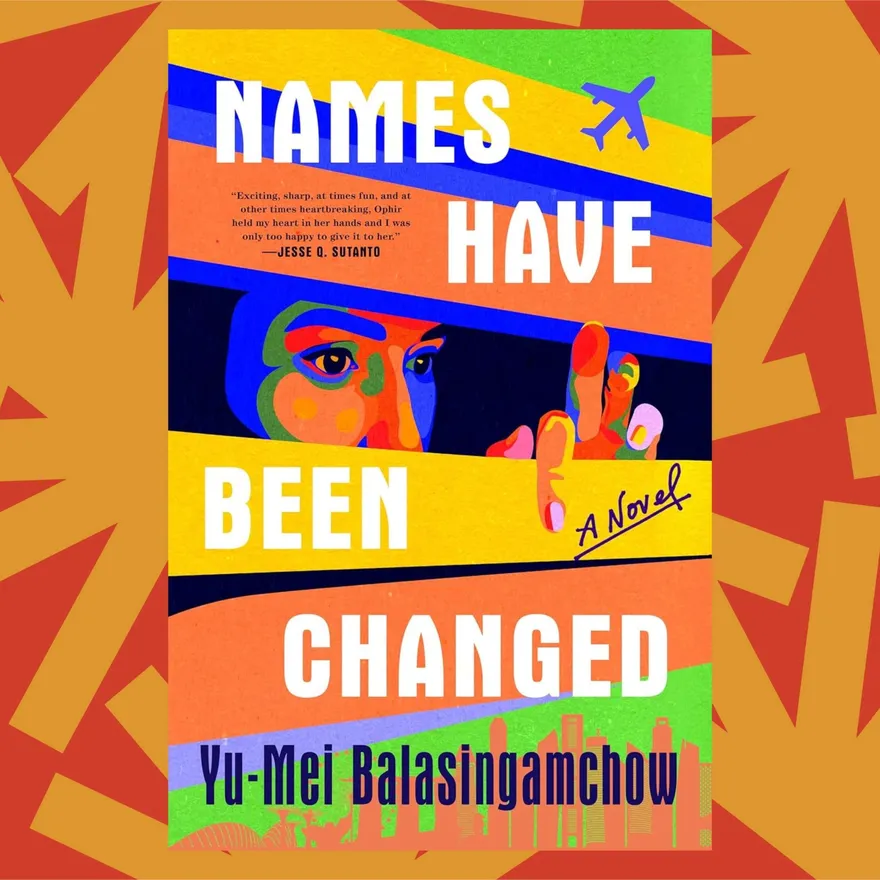

This is a preview of the Shortform summary of the Jul 1, 2026 episode of the NPR's Book of the Day
Sign up for Shortform to access the whole episode summary along with additional materials like counterarguments and context.
1-Page Summary
Identity and Self-Loss Through Aliases
The protagonist of Yu-Mei Balasingamchow's story narrates under the name Ophir but also adopts multiple aliases like Huiying, Hailey, and Cara while fleeing Singapore. The reader never learns her real name, which underscores her profound disconnection from her authentic self. After escaping Singapore following a crime, she lives under assumed identities to avoid capture. Early in the story, she confides, "I just wish someone would call me by my real name." After nearly a decade on the run, the loss of her original identity becomes palpable as she drifts further from her core self.
Balasingamchow explores how names gain significant emotional weight when stripped away. For Ophir, a former voice actor who was drawn into a money mule scheme by her best friend, the loss of her real name brings poignant grief. Only much later, after erasing her past self through constant flight and aliases, does she confront both her crime and the complete dissolution of her authentic identity.
Language and Voice as Markers of Identity
Balasingamchow describes Singlish as a Creole language unique to Singapore, naturally absorbed by anyone living there and serving as a significant identity marker. After going on the run, the protagonist suppresses her Singaporean accent and any use of Singlish, recognizing these vocal traits would easily reveal her origins. Balasingamchow notes that while the character believes this strategy is necessary for survival, she fails to realize she is cutting herself off from a vital part of herself.
Balasingamchow emphasizes that the way people speak—their vocal tone and natural voice—represents an essential piece of their identity. The character's need for genuine self-expression leads her to create a hidden podcast under the pseudonym Ophir, allowing her to speak freely while maintaining anonymity. Through this podcast, she reclaims her vocal presence and rediscovers a piece of her true self.
Exile: Leaving Home, Unable to Return
In Balasingamchow's novel, the Doctor has lived in exile for about forty years due to political reasons. When Ophir learns about the Doctor's story, she realizes it is possible to leave one's country and truly never return—a future she had never fully imagined for herself. This realization creates sympathy between Ophir and the Doctor, as Ophir foresees that her own flight from Singapore may prevent any chance of homecoming.
Despite physical distance and passing years, Balasingamchow explains that displaced individuals maintain an ongoing, complex relationship with their homeland. These characters are always glancing back at Singapore, emotionally engaged and eager to know what is happening there, with today's technologies making it easier than ever to remain tethered to their home country.
Singapore as a Significant Emotional Home for the Displaced
Balasingamchow describes Singapore as "tiny, crowded, sweaty, glorious," capturing both the challenges and the persistent sense of belonging it offers. She notes that while Singapore is small, it is densely packed with cultural richness and political complexity that profoundly shape the identities of its people. In her work, she endeavors to show the vast range of Singaporean experiences, acknowledging that both those who stay and those who depart maintain unique yet interconnected relationships to their homeland. For Singaporeans who leave, identity remains strongly anchored in shared language, accent, and lived experience, demonstrating that the sense of belonging transcends physical boundaries and persists through personal stories and collective memory.
1-Page Summary
Additional Materials
Counterarguments
- The protagonist’s adoption of multiple aliases and suppression of her accent may be interpreted not solely as a loss of identity, but as an act of agency and adaptability, demonstrating resilience rather than disconnection.
- The emotional weight attributed to names and language may not be universally experienced; some individuals may not feel a profound sense of loss when changing names or suppressing accents, especially if it is necessary for survival.
- The narrative centers on the pain of exile and displacement, but for some, leaving one’s homeland can be liberating or provide opportunities for personal growth and the formation of new identities.
- The emphasis on Singlish and accent as primary markers of Singaporean identity may overlook other significant aspects of identity, such as values, beliefs, or personal relationships, which can persist regardless of language use.
- The idea that a sense of belonging to Singapore persists through collective memory and language may not apply to all displaced Singaporeans, as some may intentionally distance themselves from their homeland or assimilate fully into new cultures.
- The portrayal of Singapore as “tiny, crowded, sweaty, glorious” is subjective and may not resonate with all Singaporeans, some of whom may have negative or ambivalent feelings about their homeland.
- The narrative suggests that those who leave Singapore remain emotionally tethered, but some individuals may experience a complete break and feel no ongoing connection.
Actionables
- you can create a private audio diary using your natural accent and language quirks to explore how your voice and speech patterns connect to your sense of self; record short reflections about your day, memories, or feelings, then listen back to notice which vocal traits feel most authentic and which you might suppress in different settings.
- a practical way to reconnect with your cultural identity is to write a letter to your homeland (even if you never send it), describing what you miss, what frustrates you, and what you cherish; this helps clarify your ongoing emotional relationship with your place of origin and how it shapes your identity, even from afar.
- you can experiment with using different names or nicknames in safe, low-stakes online spaces (like forums or game profiles) and reflect on how each one makes you feel about yourself, noticing any shifts in confidence, comfort, or connection to your authentic self.
Get access to the context and additional materials
Identity and Self-Loss Through Aliases
Protagonist Adopts False Identities, Loses Authentic Self Connection
The protagonist, who narrates under the name Ophir, also adopts aliases like Huiying, Hailey, Cara, and others while fleeing Singapore. Despite this rotation of names, the reader never learns her real name. This deliberate omission underscores her profound disconnection from her authentic self. When Ophir escapes Singapore after committing a crime, she abandons her real identity to avoid capture, living under assumed identities. Over time, her yearning intensifies for someone to simply acknowledge her true name. Early in the story, she confides, "I just wish someone would call me by my real name." After nearly a decade on the run, the loss of her original self becomes palpable, as she drifts further away from her core identity while crossing continents.
Names' Emotional Significance Grows When Identity Is Stripped Away
Names, though usually mundane, gain significant emotional weight when a person is deprived of them against their will. For Ophir, the stripping away of her real name brings about ...
Here’s what you’ll find in our full summary
Identity and Self-Loss Through Aliases
Additional Materials
Counterarguments
- The use of multiple aliases and the withholding of the protagonist's real name may not necessarily indicate a loss of authentic self; instead, it could reflect adaptability or resilience in the face of danger.
- The emotional significance attached to names may be overstated, as some individuals can maintain a strong sense of self despite using different names or identities.
- The protagonist's yearning for her real name to be acknowledged could be interpreted as nostalgia or homesickness rather than evidence of profound identity loss.
- Adopting aliases for survival is a pragmatic choice and does not inherently lead to the dissolution of one's core identity.
- The narrative focus on names may over ...
Actionables
- you can write a private letter to yourself using your real name and reflect on how it feels to address yourself directly, helping you notice the emotional significance your name holds and whether you feel connected or disconnected from it.
- a practical way to explore your relationship with identity is to keep a daily log where you note any moments you feel you’re acting differently around different people, then review the log weekly to see if you’re drifting from or returning to your authentic ...
Get access to the context and additional materials
Language and Voice as Markers of Identity
Language serves as a crucial marker of identity for the protagonist of Yu-Mei Balasingamchow’s story. One of the things she most misses about home is the language—a loss that runs deep both culturally and personally.
Protagonist Conceals Origins By Suppressing Singaporean Accent and Singlish
Singlish, described by Balasingamchow as a Creole language unique to Singapore, is naturally absorbed by anyone living there. It acts as a significant linguistic identity marker for Singaporeans. Singlish is not a formal language, but a widely used vernacular that becomes almost inherent for residents—absorbed “with the water.”
After going on the run, the protagonist, Rufia, decides to disguise her voice and completely suppress her Singaporean accent and any use of Singlish. She recognizes that these vocal traits are too recognizable and would easily give away her identity as a Singaporean. In making this choice, Rufia abandons her natural way of speaking and intentionally distances herself from her cultural identity. Balasingamchow notes that, although Rufia believes this strategy is necessary for survival, she fails to realize that by denying herself her natural voice and vernacular, she is cutting herself off from a vital part of herself.
Authentic Voice and Natural Language as True Self-Expression
Balasingamchow emphasizes that the way people speak—their vocal tone, physical method of making sounds, and use of their natural voice—represents an honest and essential piece of their identity. This vocal self, es ...
Here’s what you’ll find in our full summary
Language and Voice as Markers of Identity
Additional Materials
Counterarguments
- While language is an important marker of identity, individuals can and do construct meaningful identities through other aspects such as values, beliefs, or shared experiences, even when separated from their native language.
- The suppression of one’s accent or vernacular can be a pragmatic and empowering choice for safety or integration, rather than solely a loss or denial of self.
- Many people successfully navigate multiple linguistic and cultural identities, code-switching as needed, without feeling disconnected from their sense of self.
- The idea that authentic self-expression is only possible through one’s native language or accent may overlook the adaptability and resilience of individuals in expressing themselves through new linguistic forms.
- Anonymity and p ...
Actionables
- you can record short daily voice memos in your native language or dialect, even if you rarely use it in public, to reconnect with your authentic vocal identity and notice how your feelings shift when you speak naturally versus when you adapt your speech
- Take a few minutes each day to talk about your thoughts, memories, or plans in your native language or accent. Listen back and reflect on how your tone, word choice, and comfort level change compared to when you use a more neutral or adapted voice.
- a practical way to explore your relationship with language and identity is to write a private letter to yourself in your most natural voice, using the slang, expressions, and tone you’d use with close friends or family
- Let yourself be informal, playful, or emotional—whatever feels most genuine. Later, compare this letter to one written in a more formal or “masked” voice to see what parts of yourself come through differently.
- you c ...
Get access to the context and additional materials
Exile: Leaving Home, Unable to Return
Displacement of Singaporean Women Abroad
Yu-Mei Balasingamchow describes how exile shapes the lives of Singaporean women abroad in her novel. The Doctor, a character Ophir meets, has lived in exile for about forty years due to political reasons. Her long absence symbolizes the permanence often involved in leaving one’s homeland for good. When Ophir hears about the Doctor’s story and the circumstances that led her to leave, she realizes that it is possible for someone to leave their country and truly never be able to return—a future she had never fully imagined for herself before. This realization creates a certain sympathy and resonance between Ophir and the Doctor, even though they have little else in common. Like the Doctor, Ophir foresees that her own flight from Singapore may prevent any chance of homecoming, illustrating the deep sense of loss and the harsh reality that accompanies exile.
Displaced Individuals Retain a Complex Bond With Their Homeland Despite Distance and Time
Despite the physical distance and passing years, displaced individuals like Ophir, the Doctor, and other Singaporean women in the story maintain an ongoing, complex relationship ...
Here’s what you’ll find in our full summary
Exile: Leaving Home, Unable to Return
Additional Materials
Counterarguments
- While exile can be a source of profound loss, some individuals may experience personal growth, new opportunities, or a sense of liberation from restrictive environments after leaving their homeland.
- Not all displaced individuals maintain strong emotional or informational ties to their homeland; some may choose to fully assimilate into their new societies and intentionally distance themselves from their past.
- The narrative focuses on the pain and permanence of exile, but for some, the possibility of return or reconnection with their homeland may remain open, either through changes in political circumstances or personal choice.
- The experience of exile and displacement is highly indiv ...
Actionables
- You can create a private digital scrapbook where you regularly collect news clippings, photos, and personal reflections about your homeland, helping you maintain an active emotional and informational connection even if you can't return.
- A practical way to process the possibility of permanent separation from your homeland is to write a letter to your future self describing your hopes, fears, and what you want to remember or pass on about your origins, then revisit it each year to see how your relationship with your homeland evolve ...
Get access to the context and additional materials
Singapore as a Significant Emotional Home for the Displaced
Yu-Mei Balasingamchow describes Singapore as "tiny, crowded, sweaty, glorious," capturing both the challenges of life in the city-state and the persistent sense of belonging it offers its inhabitants and former residents. Ayesha Rascoe highlights how, despite being a place many cannot locate on a map, Singapore remains a powerful emotional anchor for those tied to it. Balasingamchow notes that while Singapore is small, it is densely packed with cultural richness and political complexity, making it impossible to capture entirely within a single narrative.
Singapore: A Culturally Rich, Politically Complex Nation Shaping Its Citizens' Identity
Balasingamchow explains that Singapore’s deep cultural and political intricacies profoundly shape the identities of its people. The nation’s diversity is reflected in the many choices open to its residents—whether to remain in Singapore or to leave in search of something different. In her work, she endeavors to show the vast range of Singaporean experiences, acknowledging that both those who stay and those who depart maintain unique yet interconnected relationships to their homeland.
Singapore as "Tiny, Crowded, Sweaty, Glorious," Reflecting Difficulty and Belonging For Inhabitants and Former Residents
By calling Singapore "tiny, crowded, sweaty, glorious," Balasingamchow evokes the physical and emotional landscape of the country. The description encompasses the everyday challenges, intense environment, and exceptional vibrancy that mark Singaporean life. For both those who continue to live on the island and those who have left, this intensity forges a lasting connection, making Singapore an enduring emotional home.
Singapore's Diversity in Choices to Stay or Leave
Balasingamchow emphasizes that within this small, multicultural nation, there exists a range of possibilities. People make diverse life decisions shaped by Singapore’s parti ...
Here’s what you’ll find in our full summary
Singapore as a Significant Emotional Home for the Displaced
Additional Materials
Counterarguments
- While Singapore is often described as emotionally significant for its people, some former residents may feel disconnected or ambivalent about their homeland due to political, social, or personal reasons.
- The portrayal of Singapore as a powerful emotional anchor may overlook the experiences of minority groups or individuals who feel marginalized within its society.
- The emphasis on cultural richness and diversity can sometimes mask underlying issues such as social stratification, limited freedom of expression, or government control.
- Not all Singaporeans who leave maintain strong ties to their homeland; some may assimilate fully into new cultures and lose their sense of connection over time.
- The narrative of Singaporean identity being closely tied to language and accent may not resonate with all, especially those from mixed ba ...
Actionables
- you can create a personal map that marks places in Singapore (or related to Singaporean culture) that evoke strong memories or emotions, then revisit or research these locations to deepen your sense of connection and reflect on how each spot shapes your identity; for example, mark a favorite hawker center, a childhood playground, or a street where you had a meaningful conversation, and jot down what each means to you.
- a practical way to reinforce your connection to Singaporean identity is to record short audio clips of yourself speaking in your natural accent or using familiar phrases, then listen to them when you feel distant from home or want to share your roots with others; you might even create a playlist of these clips to remind yourself of your linguistic heritage.
- you can start a weekly ritual of preparing ...

Get access to the context and additional materials


Create Summaries for anything on the web
Download the Shortform Chrome extension for your browser
