

Tom Perrotta’s novel 'Ghost Town' revisits a New Jersey childhood from a bygone era
In this episode of NPR's Book of the Day, Robin Young and author Tom Perrotta explore his novel about a TV writer who returns to his New Jersey hometown to confront a traumatic childhood summer. The conversation centers on how the death of protagonist Jimmy Parini's mother at age 13 left him without direction, leading to unsupervised adventures with troubled teens during the 1970s—a time when children roamed freely without the oversight common in modern parenting.
Perrotta draws from his own experiences growing up in a segregated, working-class Catholic community, contrasting that insular world with the demographic changes he observed upon returning years later. The discussion examines how grief manifests as supernatural elements in the novel, with ghosts representing unresolved trauma and memory. Ultimately, the episode explores how confronting painful memories through storytelling can provide psychological healing and creative renewal.
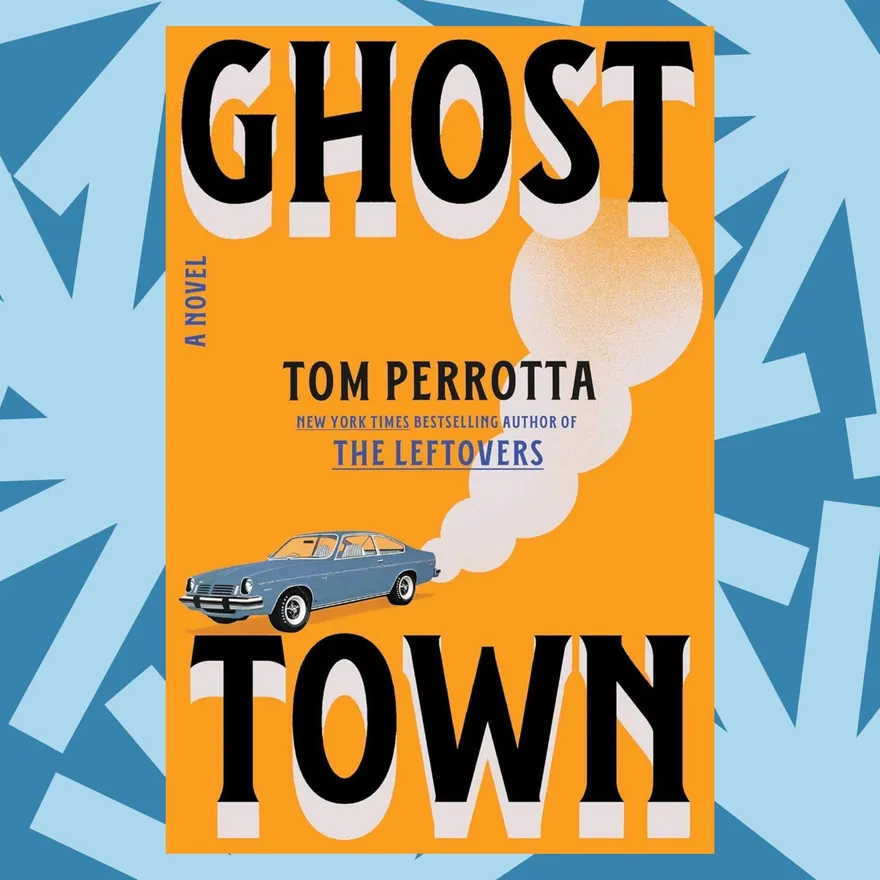

This is a preview of the Shortform summary of the Jun 29, 2026 episode of the NPR's Book of the Day
Sign up for Shortform to access the whole episode summary along with additional materials like counterarguments and context.
1-Page Summary
Grief and Loss In Shaping Identity and Behavior
In this episode, Robin Young and Tom Perrotta discuss how grief and parental loss reshape identity through the story of Jimmy Parini, whose mother's death at age 13 fundamentally altered his sense of belonging and safety.
Jimmy's Mother's Death and Loss of Direction
Jimmy's trauma unfolds publicly on a baseball field after eighth grade when officials escort him away as classmates witness his devastation. Young observes that this loss leaves Jimmy unmoored, and Perrotta notes that Jimmy realizes no one is watching out for him anymore. Without parental guidance, Jimmy gravitates toward older, troubled teens like Eddie, who drives a hot rod and smokes marijuana, and Olivia, an arts counselor who introduces him to new experiences like the Ouija board.
Parallels to the Author's Own Life
Perrotta draws parallels between Jimmy's story and his own family, describing his mother as the visionary who pushed her children toward college while his father was content with high school and trade work. Jimmy's summer without a mother becomes a period exploring the loss of a crucial guiding presence during formative years, leaving lasting consequences in the search for belonging.
1970s Childhood Nostalgia vs. Modern Parenting
Perrotta reflects on the stark differences between 1970s childhoods and contemporary parenting. In the 1970s, Jimmy's world was insular—nearly everyone was Catholic and Italian-American, sharing the same cultural touchstones. Without cell phones or internet, children roamed freely with minimal supervision, and parents often didn't know their whereabouts.
Perrotta acknowledges the romantic appeal of this free-range childhood but emphasizes the genuine dangers it posed. While this independence offered valuable lessons, Jimmy's unsupervised adventures with troubled teens led to harmful situations, presenting a nuanced view of both the allure and dark side of 1970s parenting.
Social Change: From Segregated Suburbs to Diverse Communities
Perrotta describes his New Jersey hometown, Garwood (fictionalized as Creamwood), as an exclusively white, working-class enclave in the 1970s—a deliberate result of postwar suburban segregation. Returning years later, he observed dramatic demographic shifts: Black neighbors, a transgender resident, and a Chinese woman now lived in the community, reflecting broader American diversity.
However, this new diversity didn't end racial tensions. Perrotta notes that his return coincided with the George Floyd murder and Black Lives Matter movement, resurfacing historical racial issues. He contrasts the segregated past with the integrated but still tension-ridden present, showing how 1970s racial attitudes continue to haunt contemporary society.
Grief and Memory as Supernatural Elements
Perrotto's storytelling intertwines the supernatural with grief and memory, allowing these forces to manifest as ghostly presences. Upon returning to his childhood home, Jimmy feels memories and ghosts resurfacing, creating a tangible sense of haunting.
The Ouija board becomes both a childhood game and a tool for spiritual communion, allowing characters to confront repressed emotions of loss. Perrotta clarifies that these ghosts aren't literal spirits but manifestations of personal trauma—the true haunting comes from unresolved pasts and the enduring power of memory.
Reclaiming the Past Through Writing
The novel follows Jimmy, now a successful TV writer, who returns to confront the summer that shaped him. Perrotta explains that Jimmy initially views his Creamwood childhood as a "broken off fragment" too painful to revisit. Returning to his childhood home forces him to rebuild his relationship with this traumatic past.
By narrating that defining summer for the first time, Jimmy integrates painful memories into his life story and achieves psychological wholeness. Perrotta draws parallels between this narrative process and therapy, emphasizing storytelling's therapeutic role. This journey also helps Jimmy overcome his writer's block, providing authentic material that revitalizes his work. Young suggests Jimmy could write a book titled "Ghost Town" about his upbringing—a notion Perrotta affirms, symbolizing Jimmy's reclamation of his past through storytelling.
1-Page Summary
Additional Materials
Counterarguments
- While grief and parental loss can significantly impact identity, many individuals demonstrate resilience and find alternative sources of guidance and belonging, such as extended family, mentors, or community organizations.
- The narrative emphasizes the dangers of 1970s free-range childhoods, but some research suggests that unsupervised play fosters independence, creativity, and problem-solving skills, which can be beneficial for development.
- The portrayal of increased diversity as not resolving racial tensions may overlook positive examples where integration has led to greater understanding and cooperation within communities.
- The use of supernatural metaphors for trauma and grief is a literary device that may not resonate with all readers; some may prefer more direct or realistic explorations of psychological themes.
- The idea that narrating traumatic experiences is universally therapeutic may not apply to everyone, as some individuals may find revisiting trauma through storytelling to be re-traumatizing or unhelpful.
- The focus on parental guidance as the primary source of direction may understate the agency and adaptability of adolescents in shaping their own identities and making positive choices despite adversity.
Actionables
- you can create a personal timeline that marks major life events, losses, and changes in your sense of belonging, then reflect on how each event shifted your identity and relationships by writing a short paragraph for each point; this helps you see patterns in how you respond to change and loss.
- a practical way to process unresolved feelings is to write a letter to a lost loved one or to your younger self at a difficult time, expressing what you wish you could have said or heard, then keep the letter somewhere private or destroy it as a symbolic act of release.
- you can walk through your old neighborhood or revisit a childhood place (in person or virtually using maps and photos), noting what memories or emotions surface, and jot down any recurring themes or feelings of “haunting” that arise, which can help you understand how your past still influences your present.
Get access to the context and additional materials
Grief and Loss In Shaping Identity and Behavior
Grief and the loss of a parent reshape identity, particularly during formative years. Jimmy Parini’s experiences offer a portrait of how a pivotal loss carves out lasting changes in behavior, relationships, and the sense of self.
Jimmy's Mother's Death Ruptures His Sense Of Belonging and Safety
Jimmy Faces His Mother's Death At a Baseball Game, Escorted Away as Classmates Witness His Trauma, Deepening His Alienation From Normal Childhood Experiences
Jimmy is haunted by the memory of being 13 years old, on the baseball field after eighth grade, when he learned his mother had died of cancer. The game is stopped. Officials, brimming with sorrow, escort him past preteen girls who are crying. This moment, unfolding publicly in front of friends and classmates, deepens Jimmy's sense of alienation. It marks a rupture from the normalcy of childhood and exposes him to trauma that sets him apart from his peers.
Lack of Parental Guidance Leaves Jimmy Unmoored, Realizing No One Looks Out For His Wellbeing or Directs His Path
Robin Young observes that Jimmy is unmoored by his mother's death; suddenly, he faces an absence of guidance. Tom Perrotta remarks that Jimmy comes to the realization that with his mother gone, no one is watching out for him or steering his life. This realization leaves him vulnerable and searching for direction outside his family.
Grieving Teens Seek Understanding Peers
Jimmy Connects With Eddie, an Older Teen Sharing His Societal Disconnection, Drives a Hot Rod, Smokes Marijuana
Left without a stable parental anchor, Jimmy gravitates toward older, troubled teens. He finds a mentor of sorts in Eddie, who drives a hot rod Vega and wants nothing more than to get high. Eddie’s own disconnection from society and authority resonates with Jimmy’s feelings of isolation and confusion.
Jimmy Bonds With Olivia, an Older Arts Counselor Who Also Understands His Emotional State
Jimmy also forms a connection with Olivia, an older recreation arts counselor described as an "interesting hippie." Olivia introduces him to new experiences, like the Ouija board, and shares a background with volunteer firemen dads, furthering their sense of understanding and kinship. Both Eddie and Olivia offer Jimmy a glimpse of companionship and understanding during his vulnerable summer.
Parallels Between Character's Loss and Author's Childhood Contemplation of Mother's Death
Mother Pushed Children Toward College For Ambition and Education, While ...
Here’s what you’ll find in our full summary
Grief and Loss In Shaping Identity and Behavior
Additional Materials
Counterarguments
- While grief and parental loss can reshape identity, not all individuals experience lasting negative changes; some may develop resilience, independence, or empathy as a result.
- The public nature of trauma, such as Jimmy’s experience at the baseball game, does not universally deepen alienation—some may find community support or solidarity in shared experiences.
- The absence of parental guidance does not always leave a child unmoored; extended family, mentors, or community members can provide stability and direction.
- Seeking companionship with peers who share feelings of disconnection is not the only coping mechanism for grieving teens; some may turn to structured activities, therapy, or academic purs ...
Actionables
- you can write a letter to your younger self describing how a major loss or change shaped your identity and what you wish someone had told you at the time, then reflect on how this guidance could help someone else in a similar situation today
- (writing this letter helps you process your own experience and clarifies the kind of support or understanding you needed, which can inform how you support others facing loss or identity shifts).
- a practical way to find connection is to join or start a small, informal group chat with peers who have experienced significant loss, focusing on sharing everyday challenges and small victories rather than only discussing grief
- (this creates a space for mutual understanding and normalizes feelings of disconnection, while also encouraging the sharing of positive moments and coping strategies).
- ...
Get access to the context and additional materials
1970s Childhood Nostalgia vs. Modern Parenting
Tom Perrotta reflects on the marked differences between growing up in the 1970s and the way children are raised today, observing how nostalgia for the past often includes both its freedoms and its hazards.
1970s Childhood: Minimal Supervision and Independence
In the 1970s, nearly everyone Jimmy knew was Catholic and most were Italian-American. The entire town celebrated the same holidays, ate the same food, watched the same TV shows simultaneously, and listened to the same top 40 hits on AM radio. There were no cell phones or internet, making it impossible for parents to track their children's exact whereabouts. Children roamed neighborhoods and had adventures freely, with little to no supervision. Parents often did not know where their children were, creating an environment that demanded kids handle challenges and figure out their lives for themselves.
Free-Range Childhood: Independence's Romantic Appeal vs. Genuine Dangers
Perrotta acknowledges the nostalgia for the era’s free-range parenting, which allowed kids to have independent, adventurous, and sometimes risky experiences. While there is an appealing romanticism in depicting children figuring things out on their own, his narrative about Jimmy reveals the genuine dang ...
Here’s what you’ll find in our full summary
1970s Childhood Nostalgia vs. Modern Parenting
Additional Materials
Counterarguments
- The perception of 1970s childhood as universally free-range and independent may overlook significant variations based on socioeconomic status, race, geography, and family structure; not all children experienced the same freedoms or community cohesion.
- The idea that modern parenting is uniformly more protective and monitored may be overstated, as many families today still encourage independence and unstructured play, albeit in different forms.
- The risks and dangers of 1970s-style free-range parenting are sometimes exaggerated in hindsight, as many children navigated these environments safely and developed resilience without significant harm.
- The romanticization of 1970s childhood can ignore the benefits of contemporary technology and communication, which can enhance safety, foster new forms of social connection, and provide educational opportunities.
- The notion that communities were more culturally homogeneous in the 1970s may not apply to all regions or groups, and such homogeneity could also lead t ...
Actionables
- you can schedule a weekly tech-free afternoon for your family where everyone leaves their devices at home and explores the neighborhood or local park independently, then regroups to share stories about what they discovered or experienced, encouraging both independence and reflection on personal adventures.
- a practical way to reconnect with shared cultural experiences is to host a monthly themed dinner where you and your friends or family each bring a dish, song, or TV clip from a specific decade, then discuss how these shared elements shaped your sense of community and belonging.
- you can create a pe ...

Get access to the context and additional materials
Social Change: From 1970s Segregated New Jersey Suburbs to Present Diverse Communities and Racial Tensions
1970s New Jersey Town Creamwood Built and Maintained As an Exclusive White Enclave, Reflecting Systemic Segregation of Postwar Suburbs
In the 1970s, Tom Perrotta describes his New Jersey hometown, Garwood (referred to in his writing as Creamwood), as a tightly-knit, working-class community where almost everyone Jimmy, his character, knew was Catholic and most were Italian-American. The town’s residents shared deeply rooted cultural experiences—celebrating the same holidays, eating the same food, watching the same TV shows at the same time, and singing along to the same top 40s on AM radio. Crucially, as Perrotta emphasizes, the town was all white: "every single one of them." This was not an accidental demographic fact but rather a deliberate result of postwar suburban housing patterns designed to exclude people of color. The town stood as an example of systemic segregation in American suburbs during that era.
Dramatic Demographic Shift in New Jersey Town Reflects U.S. Diversity
Returning years later to help his mother, Perrotta observed how the town had changed. What was once an exclusively white enclave had become visibly diverse, mirroring broader changes in American society. Black neighbors now lived nearby, a transgender resident was part of the community, and a Chinese woman lived across the street. Perrotta notes the surprise he felt at seeing these changes, remarking that "this town has become like America. It is no longer this all white enclave." The presence of people of color and LGBTQ individuals marked a dramatic demographic shift from the town's segregated past.
The new diversity did not bring an end to racial tensions. Perrotta points out that his return coincided with the national reckoning following the George Floyd murder, the resurgence of the Black Lives Matter movement, and the atmosphere of the Trump administration. These events resurfaced historical racial tensions and brought to the forefront issues many might have thought had disappeared with the old enclaves. Perrotta describes the "moment of George Floyd and Black Lives Matter" as a "ghostly presence" ...
Here’s what you’ll find in our full summary
Social Change: From 1970s Segregated New Jersey Suburbs to Present Diverse Communities and Racial Tensions
Additional Materials
Counterarguments
- While Perrotta emphasizes the persistence of racial tensions, some might argue that the increased diversity and integration in towns like Garwood represent significant progress and that many residents now experience more inclusive and harmonious community life than in the past.
- The narrative focuses on racial and cultural change but may understate the agency and positive contributions of new residents in shaping the community, rather than portraying them primarily as symbols of demographic shifts.
- The text attributes ongoing tensions largely to the legacy of segregation, but some scholars and commentators suggest that contemporary conflicts are also influenced by new economic, political, and social factors not directly tied to 1970s attitudes.
- The portrayal of the 1970s as uniformly exclusionary may overlook the diversit ...
Actionables
- you can map out the cultural and demographic changes in your own neighborhood by making a simple timeline or annotated map, noting when and how new groups, traditions, or tensions appeared, to better understand how your community’s past shapes its present
- (for example, jot down when you first noticed new cultural festivals, different languages spoken, or changes in local businesses, and reflect on what these shifts reveal about inclusion and lingering divides)
- a practical way to recognize and address the “ghostly presence” of past segregation is to keep a private journal where you record moments when old attitudes or assumptions about race and belonging surface in everyday life, whether in conversations, local news, or your own reactions
- (for instance, note if you catch yourself or others making assumptions about who “belongs” in certain spaces, and use these entries to spot patterns and challenge inherited biases)
- you can intentionally diversify your daily routines by choosing one small, regular activity—like ...


Get access to the context and additional materials
Grief and Memory Manifested As Supernatural and Spiritual Elements
Tom Perrotta's storytelling intertwines the supernatural with the powerful emotions of grief and memory, allowing these forces to manifest as ghostly presences and spiritual encounters.
Supernatural Elements Reflect Grief and Memory's Haunting
Jimmy's journey through his hometown is marked by profound loss and a growing disconnection from reality. Perrotta describes how, upon returning to his childhood home, he feels a pervasive presence of memories and ghosts resurfacing. The atmosphere in his old home is dense with unresolved feelings, allowing the past to make “its way back into the air,” creating an almost tangible sense of haunting that mirrors the hold of memory and the process of grief.
Ouija Board Becomes a Tool For Jimmy and Friends to Blend Childhood Play With Attempts at Spiritual Communion
The Ouija board, remembered by Perrotta as both a Parker Brothers board game and a suburban diversion, emerges as a nostalgic symbol of childhood but also becomes a medium for the characters to seek spiritual communion. Characters use the Ouija board with a mixture of playfulness and seriousness, hoping to reach out to spirits. Their sessions blur the boundaries between innocent childhood diversions and a deeper, more poignant attempt to access unconscious and repressed emotions of loss. While the board provides uncanny messages and evokes fear, it primarily serves as a conduit for the characters t ...
Here’s what you’ll find in our full summary
Grief and Memory Manifested As Supernatural and Spiritual Elements
Additional Materials
Counterarguments
- Some readers may find that the supernatural elements in Perrotta's work are not as prominent or central as suggested, and that the emotional themes of grief and memory could stand alone without the need for ghostly or spiritual motifs.
- The use of the Ouija board as a narrative device might be seen as a clichéd or overused trope in literature dealing with childhood and the supernatural.
- The interpretation that ghosts symbolize only past trauma and not literal spirits may overlook the possibility that some readers or critics interpret these elements as genuine supernatural occurrences within the story's universe.
- The blending of childhood play with spiritual seeking through the Ouija board could be viewed as an oversimplification of the ...
Actionables
- you can create a personal memory map of your home by walking through each room and jotting down memories, emotions, or unresolved feelings that surface, helping you notice which spaces feel emotionally charged or "haunted" by the past and why.
- a practical way to explore the emotional echoes of childhood objects is to select a few items from your past (like toys, books, or photos), spend a few minutes with each, and write down any unexpected feelings or memories they trigger, especially those related to loss or change.
- yo ...
Get access to the context and additional materials
Reclaiming the Past and Wholeness Through Writing and Storytelling
Jimmy, a Successful TV Writer, Returns to Confront the Summer That Shaped Him
Start of the Novel: Jimmy Views His Creamwood Childhood As a "Broken Off Fragment" of Life, Inaccessible Without Distress
The novel follows Jimmy, a middle-aged writer, who is compelled to revisit the pivotal summer after his mother's death. Tom Perrotta explains that, at the start, Jimmy regards his childhood in Creamwood as a "broken off fragment" of his life—something so painful and unresolved that revisiting it causes distress. He has spent years pushing those memories away, unable to even think about them without discomfort.
Return To Childhood Home Forces Him to Rebuild Relationship With Traumatic Past
The inciting incident of the novel requires Jimmy to return to his childhood home. This journey back forces him to confront the memories and trauma he has tried to ignore. As Jimmy moves through Creamwood again, the act of being present in the physical space triggers him to start remembering, compelling him to re-engage with the summer that shaped him so profoundly. This return sets the stage for a process of rebuilding his relationship with his traumatic past.
Narrating His Traumatic Summer Helps Jimmy Integrate Memories Into a Coherent Identity
By Recounting the Summer, Jimmy Reclaims His Past and Achieves Psychological Wholeness
Jimmy begins to narrate the story of that defining summer for the first time, a process which allows him to claim his past and assert, "I'm one person." Through this act of recounting, he finds a way to integrate those painful memories into the overall narrative of his life, enabling him to feel whole again.
Narrative Mirrors Storytelling's Therapeutic Role, Aiding Healing and Self-Understanding
Perrotta draws a parallel between this narrative process and therapy, emphasizing that telling a story can reclaim the past and foster self-coherence. By putting memories into words, Jimmy achieves a measure of psychological healing, using storytelling as a means to gain understanding and self-acceptance.
Writing Processes Grief and Solves Jimmy's Creative Block as a Writer
Returning To His ...
Here’s what you’ll find in our full summary
Reclaiming the Past and Wholeness Through Writing and Storytelling
Additional Materials
Counterarguments
- Not everyone finds healing or psychological wholeness through storytelling; for some, revisiting traumatic memories can exacerbate distress or lead to retraumatization.
- The idea that confronting the past is necessary for creative revitalization may not apply universally; some writers thrive by focusing on the present or future rather than mining personal trauma.
- Integrating painful memories into a coherent identity is not always possible or desirable for everyone; some individuals may prefer to compartmentalize or distance themselves from traumatic experiences.
- The therapeutic value of writing about trauma is debated; some psychological research suggests that expressive writing can have mixed or limited effects depending on the individual and context.
- The narrat ...
Actionables
- you can create a personal memory map by drawing a simple outline of your childhood home or neighborhood and labeling places that trigger strong emotions, then write a few sentences about what each spot means to you and how it shaped who you are today; this helps you visualize and process unresolved memories in a manageable way.
- a practical way to reclaim difficult memories is to record short voice memos describing specific moments from your past, then listen back and note any patterns or insights about how those experiences influence your current feelings ...
Get access to the context and additional materials

 1-Page Summary
- Grief and Loss In Shaping Identity and Behavior
- 1970s Childhood Nostalgia vs. Modern Parenting
- Social Change: From 1970s Segregated New Jersey Suburbs to Present Diverse Communities and Racial Tensions
- Grief and Memory Manifested As Supernatural and Spiritual Elements
- Reclaiming the Past and Wholeness Through Writing and Storytelling
Create Summaries for anything on the web
Download the Shortform Chrome extension for your browser
