

In 'View From the East Wing,' Jill Biden reflects on the debate that changed history
In this episode of NPR's Book of the Day, First Lady Jill Biden reflects on her memoir "View From the East Wing," discussing the emotional aftermath of President Biden's 2024 debate performance and the family's decision for him to withdraw from the presidential race. She shares the personal impact of that pivotal moment, including her husband's immediate recognition that he had made a significant mistake and the subsequent erosion of Democratic Party support that led to his endorsement of Vice President Kamala Harris.
Biden also addresses the challenges of balancing her official duties with family obligations, particularly during her son Hunter's trial, and her shock at the 2024 election outcome. The conversation touches on her experience as First Lady, the differences between that role and her time as Second Lady, and her advice for future presidential spouses about the importance of authenticity in defining the position according to personal values.
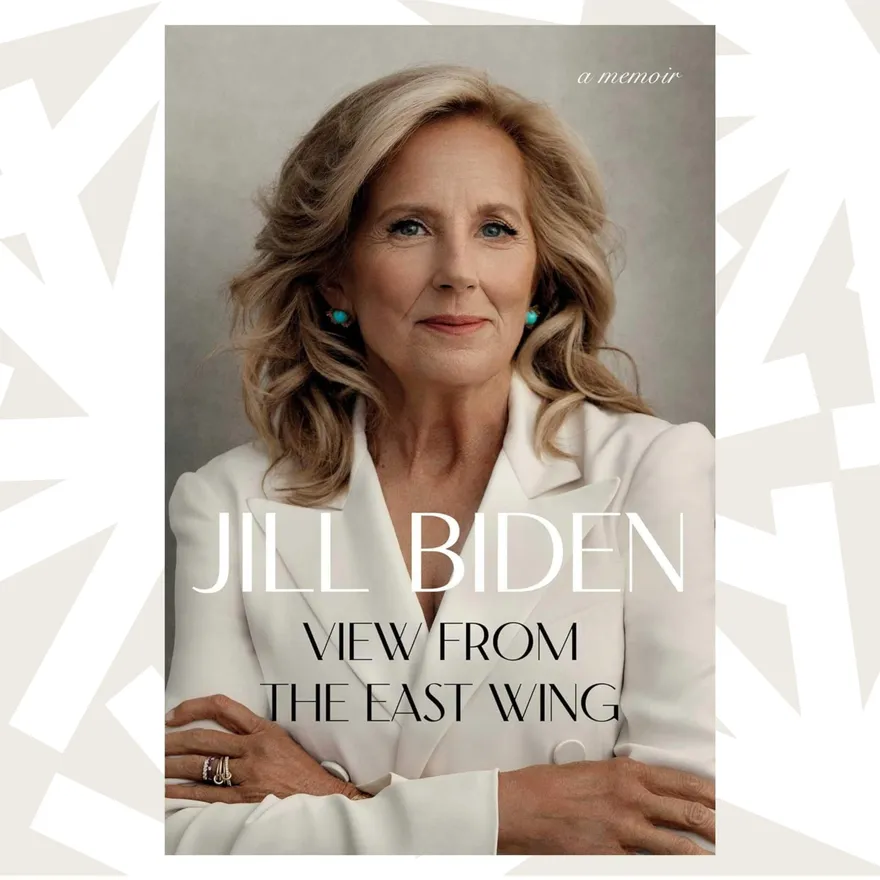

This is a preview of the Shortform summary of the Jun 8, 2026 episode of the NPR's Book of the Day
Sign up for Shortform to access the whole episode summary along with additional materials like counterarguments and context.
1-Page Summary
Biden's 2024 Campaign Withdrawal's Emotional Family Impact
Biden's Debate Performance and Family Response
After the pivotal 2024 debate, President Biden immediately acknowledged to his wife, "I really effed up, didn't I?" Jill Biden confirmed his self-assessment, though she never questioned his fitness for office and initially believed the debate wouldn't end his presidency.
Eroding Party Support and Campaign Withdrawal
In the weeks following the debate, the Bidens recognized that most Democrats had lost faith in President Biden's viability as the party's nominee. Responding to growing party pressure, President Biden withdrew from the race and endorsed Vice President Kamala Harris.
Emotional Impact of the Decision
The announcement day was emotionally overwhelming for Jill Biden. As Vice President Harris discussed endorsement details with President Biden, Jill had to leave the room, saying, "It was overwhelming...And at one point, it just got too much." She emphasized the emotional weight of witnessing her husband endure such a difficult transition after five decades of public service.
Election Outcome Disappointment
After Biden's withdrawal, Jill Biden actively campaigned for Harris and witnessed substantial voter enthusiasm. On election night, she went to bed believing Harris would win. She was shocked the following morning to receive a phone call with the unexpected results, experiencing profound disappointment that remained until the very end.
Balancing First Lady Duties and Family Matters
Supporting Hunter Biden During Trial
Jill Biden faced a challenging week shuttling between France, fulfilling official First Lady responsibilities, and Delaware, where her son Hunter stood trial. She explains that her first obligation was to Hunter as his mother, though she also recognized the weight of her position as First Lady and committed fully to both aspects of her life.
Consequences of Remaining Impartial
Jill Biden reflects that in working hard to avoid interfering with the Department of Justice, the family allowed the process to unfold in a way she feels was unfair to Hunter. She believes this approach guaranteed Hunter would face the "worst possible fate." After Donald Trump's election and his repeated public calls for Hunter to be jailed, Jill acknowledges that Joe Biden ultimately changed his mind regarding their impartial approach, moved by the reality of what Hunter might face under a Trump administration.
Shock and Disappointment of 2024 Election Outcome
Surprise at Election Results
Jill Biden expresses genuine surprise at the 2024 election results. Having developed deep conviction from her campaign trail experiences, the outcome didn't align with her expectations, leaving her shocked that President Trump won.
Impact on the Biden Family
The disappointment extended beyond Joe and Jill Biden to their grandchildren, who were deeply hurt by witnessing the campaign, debate, withdrawal, and final outcome. Jill Biden describes this period as a dark time, marked by hurtful commentary from people they once considered close, declaring, "No, I never wanna go through that again."
Unanswered Questions About Voters
When asked to explain why America wanted to put President Trump back in the White House, Jill Biden says she has "no idea," revealing how confounding the electorate's decision is to her and underscoring the depth of her surprise about the 2024 election.
First Lady's Role: Reflections and Lessons
Differences Between Second Lady and First Lady
Jill Biden reflects that she initially thought the two roles would be similar but found the First Lady position far more demanding. She notes that observing Michelle Obama's graceful approach served as a model for her own time in the White House.
Authenticity in the Role
Jill Biden underscores that each First Lady has interpreted the position according to her own values and vision. She cites examples including Barbara Bush, Laura Bush, Hillary Clinton, Michelle Obama, and Melania Trump, noting that each pursued what felt authentic and meaningful to her.
Advice for Future First Ladies
Jill Biden emphasizes the importance of authenticity, encouraging future presidential spouses to define their role in their own way and stay true to themselves. She advises that the new First Spouse should enter the role with a clear sense of the causes they feel passionately about, as defining the role based on personal values is essential for genuine purpose and effectiveness.
1-Page Summary
Additional Materials
Clarifications
- President Biden's debate performance was widely seen as weak and unconvincing, raising doubts about his ability to effectively lead and compete against opponents. His responses appeared hesitant and less sharp compared to previous debates, which concerned many Democrats about his stamina and clarity. This performance intensified existing worries about his age and cognitive fitness for office. Consequently, party members feared he might not secure a general election victory, leading to diminished support.
- Biden endorsing Kamala Harris signaled a strategic party unity move to consolidate Democratic support behind the vice president. It aimed to prevent a divisive primary and strengthen Harris's position against Republican opponents. The endorsement also reflected Biden's acknowledgment of his diminished electoral viability. This shift influenced campaign dynamics and voter perceptions within the 2024 election.
- Hunter Biden's trial involved federal investigations into his business dealings and tax affairs. It focused on allegations of tax evasion and failure to report income properly. The case attracted significant political attention due to Hunter's relationship with President Joe Biden. The trial was seen as a test of legal accountability amid partisan debates.
- Jill Biden believed impartiality was unfair because it allowed legal processes to proceed without intervention, despite potential political bias against Hunter. She felt this approach ignored the influence of partisan attacks, especially from opponents like Donald Trump. The family feared Hunter faced harsher treatment due to political motivations. Joe Biden later reconsidered impartiality, concerned about the consequences under a Trump administration.
- Donald Trump's election heightened concerns within the Biden family about potential political interference in Hunter Biden's legal case. They feared a Trump administration might use the justice system to target Hunter unfairly. This risk prompted Joe Biden to reconsider their initial stance of strict non-interference. The family recognized that impartiality could lead to harsher consequences under a politically motivated prosecution.
- The 2024 U.S. election occurred amid deep political polarization and economic challenges. Key issues included inflation, immigration, and social justice debates. President Biden faced criticism over his age and leadership, while former President Trump maintained strong support among his base. These factors influenced voter turnout and preferences, contributing to the unexpected election outcome.
- The First Lady is the president's spouse and typically leads national initiatives, represents the White House at official events, and supports social causes. The Second Lady is the vice president's spouse, with a less visible role focused on supporting the vice president and engaging in charitable or advocacy work. The First Lady's responsibilities are broader and more public, often shaping cultural and political influence. The Second Lady's role is more limited and secondary in prominence.
- Michelle Obama redefined the First Lady role by combining advocacy with relatability, focusing on health, education, and military families. She maintained a strong public presence while balancing privacy and authenticity. Her approach emphasized using the platform to promote meaningful social causes. This model showed future First Ladies how to blend personal values with public responsibilities effectively.
- Barbara Bush was known for her focus on literacy and family values, often emphasizing traditional roles. Laura Bush prioritized education and women's health, maintaining a low-key, supportive presence. Hillary Clinton took an active policy role, notably advocating for healthcare reform and women's rights. Melania Trump emphasized her "Be Best" initiative on children's well-being and maintained a more reserved, formal public image.
- Political events like debates, campaign withdrawals, and election outcomes can deeply affect a political family’s emotional well-being due to public scrutiny and personal stakes. The Bidens’ grandchildren experienced distress witnessing the intense pressures and negative commentary directed at their family. Such events can strain family relationships and create a sense of vulnerability among younger members. This emotional toll highlights the personal costs behind public political life.
- The electorate's decision to reelect President Trump in 2024 likely involved complex factors such as economic concerns, cultural issues, and political polarization. Some voters may have favored his policies or leadership style despite controversies. Media influence and campaign strategies also played significant roles. Ultimately, voter motivations are diverse and multifaceted, making a single explanation difficult.
Counterarguments
- While Jill Biden did not question President Biden's fitness for office, many observers—including members of the Democratic Party and the public—expressed concerns about his age and cognitive abilities, suggesting that her perspective may not reflect broader concerns.
- The assertion that most Democrats lost faith in Biden's viability as the nominee is supported by public reports, but some party members and voters continued to support him, indicating that party sentiment was not entirely unified.
- Jill Biden's emotional response to the withdrawal is understandable, but some critics argue that the Bidens should have prioritized the party's electoral prospects over personal feelings earlier in the process.
- Jill Biden's perception of substantial voter enthusiasm for Kamala Harris may not have been fully representative, as polling and eventual election results indicated significant challenges for the Democratic ticket.
- The belief that impartiality led to an unfair process for Hunter Biden is contested; others argue that the legal process was appropriately independent and that any interference would have been improper.
- Jill Biden's surprise at the election outcome may reflect a disconnect between campaign experiences and broader national sentiment, as polling and political analysis leading up to the election indicated a competitive race.
- The confusion about why voters chose to reelect President Trump overlooks documented factors such as economic concerns, dissatisfaction with the status quo, and policy preferences that motivated segments of the electorate.
- While Jill Biden emphasizes authenticity in the First Lady role, some critics argue that the position should have more clearly defined responsibilities or standards to ensure accountability and effectiveness.

Get access to the context and additional materials
Biden's 2024 Campaign Withdrawal's Emotional Family Impact
Biden's Assessment of Debate Performance and Family Response
After the pivotal 2024 debate, President Biden walked off stage and immediately turned to his wife, Jill Biden, acknowledging, "I really effed up, didn't I?" Jill Biden confirmed his self-assessment, responding, "Yes, you did. Yes, you did." Despite this frank exchange, Jill Biden never questioned her husband's fitness for office before or after that debate performance and believed at the time that the debate would not mark the end of his presidency.
Recognition That Party Support Was Eroding Summer 2024
However, in the weeks following the debate, it became clear to the Bidens that most Democrats had lost faith in President Biden's viability as the party's nominee. The mounting doubts among Democratic leadership and party members made it evident that Biden's campaign for reelection was no longer feasible. Responding to the growing party pressure, President Biden chose to withdraw from the 2024 race and promptly endorsed Vice President Kamala Harris as his successor.
The Emotional Experience Of Announcing Campaign Withdrawal
The day President Biden announced his campaign withdrawal was emotionally overwhelming for Jill Biden. As Vice President Harris spoke with President Biden about the timing and details of his endorsement, Jill had to leave the room. She recalls feeling consumed by the magnitude and uncertainty of the moment, saying, "It was overwhelming...how was he going to do it? When was he going to do it? What were the steps? What was the process? It was overwhelming. ... And at one point, it just got too much." She emphasized the emotional weight of witnessing he ...
Here’s what you’ll find in our full summary
Biden's 2024 Campaign Withdrawal's Emotional Family Impact
Additional Materials
Clarifications
- The 2024 debate was a key event in the Democratic primary where candidates presented their platforms to voters. It was significant because it influenced party members' and voters' perceptions of President Biden's ability to lead. Biden's poor performance raised doubts about his chances for reelection. This debate marked a turning point leading to his campaign withdrawal.
- President Biden's debate performance was considered poor because he appeared less focused and struggled to articulate his points clearly. Critics and viewers noted moments of hesitation and confusion, which raised concerns about his cognitive sharpness. This performance intensified existing doubts about his ability to lead effectively in a demanding political environment. The debate's impact was significant enough to influence party members' confidence in his reelection viability.
- The Democratic Party's loss of faith in Biden's viability likely stemmed from concerns about his debate performance and overall campaign strength. Party leaders may have worried about his ability to win against Republican opponents. Additionally, there could have been concerns about his age and stamina for another term. These factors combined to erode confidence in his candidacy.
- When a presidential candidate withdraws from a race, they formally announce they will no longer seek their party's nomination or the presidency. This often leads to the candidate endorsing another contender to unify party support. Withdrawal can shift campaign resources, donor support, and voter enthusiasm toward the endorsed candidate. It also signals a strategic decision based on polling, party pressure, or personal considerations.
- Vice President Kamala Harris is the second-highest official in the U.S. government and the first woman and person of color to hold the position. As Biden's chosen successor, she was the Democratic Party's candidate to continue his policies and leadership. Her role is significant because she represents continuity and change within the party. Harris's candidacy aimed to unite diverse voter groups and maintain the administration's agenda.
- Serving in public office for five decades means a person has dedicated most of their adult life to political leadership and public service. Such a long career builds a strong public identity and deep personal commitment to their role. A public transition after this time involves not only stepping down from a position of power but also adjusting to a new personal and professional identity. This process can be emotionally challenging due to the loss of influence, routine, and public recognition.
- The timing of Biden's endorsement was crucial to unify the Democratic Party quickly and strengthen Harris's candidacy. Discussions ensured the endorse ...
Counterarguments
- While Jill Biden never questioned President Biden's fitness for office, many observers—including members of the public and media—did raise concerns about his capacity to serve, both before and after the debate.
- The assertion that Jill Biden observed "substantial voter enthusiasm" for Vice President Harris may not fully align with polling data or reported turnout, which showed mixed enthusiasm and significant challenges for Harris's campaign.
- The belief that the debate would not end President Biden's presidency contrasts with the swift and significant erosion of party support, suggesting that the debate had a more immediate and profound impact than Jill Biden anticipated.
- The narrative centers on the emotional experience of the Biden family but does not address the broader implications for Democratic voter ...
Get access to the context and additional materials
Balancing First Lady Duties and Family Matters (Hunter's Trial)
The Logistical and Emotional Challenge Of Being First Lady While Supporting Hunter Biden's Trial
Jill Biden experiences a challenging week where she must balance her duties as First Lady with her role as a mother. She shuttles between France, fulfilling official ceremonial and diplomatic responsibilities, and Delaware, where her son Hunter Biden stands trial. Jill Biden explains that her first obligation is to Hunter as his mother, feeling it was absolutely necessary to support him personally during the legal proceedings. At the same time, she recognizes the weight of her position as First Lady, acknowledging that she is expected to fulfill her public and ceremonial roles. Despite the exhausting logistics and emotional stress, Jill Biden commits fully to both aspects of her life, embracing her official responsibilities in France while ensuring she is present for her son in Delaware.
Unintended Consequences of Remaining Impartial During Prosecutorial Processes
Jill Biden reflects on the results of the family's efforts to remain impartial and respect the process. She notes that in working hard to avoid interfering with the Department of Justice, they ultimately allowed the process to unfold in a way she feels was unfair to Hunter. The Biden family’s commitment to impartiality, including Joe Biden's refusal to use presidential influence, meant no protective measures were taken for Hunter.
Jill Biden expresses that this approach guaranteed Hunter would face the "worst possible fate." She also highlights the fear and concern generat ...
Here’s what you’ll find in our full summary
Balancing First Lady Duties and Family Matters (Hunter's Trial)
Additional Materials
Clarifications
- Hunter Biden is the son of Joe Biden, the President of the United States. He is a lawyer and businessman who has faced legal scrutiny over his financial dealings. The trial mentioned involves allegations related to his business activities and potential tax issues. This legal process has attracted significant public and political attention.
- Hunter Biden is on trial primarily for allegations related to his business dealings and tax matters. The charges include tax evasion and possibly illegal foreign lobbying activities. These legal issues stem from investigations into his financial transactions and compliance with tax laws. The trial examines whether he knowingly broke laws during his business operations.
- The First Lady of the United States often represents the country in diplomatic and ceremonial events abroad. These duties can include attending state dinners, meeting foreign leaders, and promoting cultural or humanitarian initiatives. France is a key ally of the U.S., so official visits there carry significant diplomatic weight. Jill Biden’s presence in France underscores her role in supporting U.S. foreign relations and public diplomacy.
- Joe Biden is the President of the United States. Jill Biden is his wife and the First Lady. Hunter Biden is their son. The family is publicly known for their close personal and political relationships.
- Donald Trump publicly accused Hunter Biden of corruption related to his business dealings, especially in Ukraine and China. He repeatedly called for Hunter to be investigated and jailed during his presidency and after. These statements were part of broader political attacks against Joe Biden and his family. The rhetoric heightened concerns about potential political interference in legal matters involving Hunter Biden.
- Donald Trump has publicly expressed hostility toward Hunter Biden, suggesting he would pursue legal action aggressively. A Trump presidency might have increased the risk of politically motivated prosecution against Hunter. Kamala Harris, as a Democrat and Joe Biden's running mate, would likely maintain a more neutral or protective stance. This contrast raised concerns about fairness and potential retribution in Hunter Biden's legal case.
- The "worst possible fate" refers to Hunter Biden facing the full legal consequences of his trial without any leniency or protection. This could mean a harsh sentence, including potential imprisonment. The phrase implies that political impartiality led to no special treatment despite concerns about fairness. It highlights the family's fear of punitive actions influenced by political motives.
- The Department of Justice (DOJ) is the federal agency responsible for enforcing the law and ensuring fair legal processes in t ...
Counterarguments
- Some may argue that public officials and their families should be held to the same legal standards as any other citizen, and that impartiality in legal proceedings is a fundamental principle of justice, regardless of personal hardship.
- The expectation that the First Lady fulfill her ceremonial and diplomatic duties is part of the role, and personal family matters, while important, should not interfere with official responsibilities.
- The assertion that Hunter Biden faced the "worst possible fate" may be seen as subjective, given that he received a fair trial under the law and was afforded due process.
- Concerns about political retribution under a Trump presidency are speculative, as legal outcomes should be determined by evidence and the judicial process, not by political rhetoric.
- The decision ...

Get access to the context and additional materials
Shock and Disappointment of 2024 Election Outcome
The 2024 election outcome brings profound shock and disappointment to the Biden family, especially to Jill Biden, who struggles to make sense of the results and cope with the aftermath.
Jill Biden's Surprise and Disbelief at Election Results
Jill Biden expresses genuine surprise and disbelief at the 2024 election results. She had developed a deep conviction from her experiences on the campaign trail, witnessing campaign dynamics firsthand while traveling. The outcome does not align with her expectations, leaving her shocked that the election did not proceed as anticipated and that President Trump won.
Disappointment's Impact on the Biden Family Beyond the Former President and First Lady
The disappointment and emotional pain of the election loss extend beyond Joe and Jill Biden. Jill Biden reflects on how the loss affected their grandchildren, who were deeply hurt by witnessing the campaign, the debate, the withdrawal, and the final outcome. She describes this period as a dark time in their lives, marked by hurtful commentary from friends and supporters—people they once considered close—who said painful things during the most turbulent moments. Jill Biden feels the severity of the hurt and turbulence and declares, "No, I nev ...
Here’s what you’ll find in our full summary
Shock and Disappointment of 2024 Election Outcome
Additional Materials
Counterarguments
- While the Biden family experienced disappointment, many Americans felt relief or satisfaction with the election outcome, reflecting the diversity of political perspectives in the country.
- Jill Biden’s surprise at the results may indicate a disconnect between the campaign’s internal expectations and broader public sentiment, which can occur in any political campaign.
- The emotional impact on the Biden family is understandable, but political losses are a common part of democratic processes, and public figures often face scrutiny and criticism.
- The inability to explain voter preferences may reflect the complexity of the electorate, which is influenced by a wide range of economic, social, and political factors.
- Many voters made their decision based on policy preferences, concerns about the economy, or other su ...
Actionables
- you can write a private reflection letter to yourself about a time when your expectations were upended by a group decision, then list the emotions you felt and how you processed them, to better understand your own reactions to collective outcomes
- This helps you recognize patterns in your emotional responses and develop personal strategies for coping with future disappointments that stem from decisions outside your control.
- a practical way to support family members or friends after a shared disappointment is to create a simple check-in routine, like sending a daily message or sharing a comforting activity, to help everyone feel less isolated and more connected
- For example, you might start a group text where each person shares one positive thing from their day, or set aside a weekly time to watch a favorite show together, even if remotely.
- you ...
Get access to the context and additional materials
First Lady's Role: Reflections and Lessons for Future Administrations
Differences Between Second Lady and First Lady
Jill Biden reflects on the dramatic differences between her time as Second Lady during the Obama administration and her experience as First Lady. She notes that she initially thought the two roles would be very similar, with perhaps only minor differences. However, she found that the responsibilities, expectations, and level of security required as First Lady were on a much higher level. The role was more demanding in every way than she anticipated. Jill Biden points out that observing Michelle Obama’s tenure as First Lady deeply influenced her understanding of the position. She describes Michelle Obama’s approach as graceful and poised, stating that seeing how beautifully Michelle navigated the challenges of the role served as a model for her own time in the White House.
Authenticity and Individual Interpretation in the First Lady Role
Jill Biden underscores that each First Lady has interpreted and carried out the position according to her own values, priorities, and vision. She mentions that every First Lady comes into the office with specific issues and causes she wants to work on, and that there is no single model to follow. Citing examples, she notes that Barbara Bush approached the role differently from Laura Bush, and Hillary Clinton’s style differed from Michelle Obama’s, just as Melania Trump chose her own distinct path. Each First Lady has pursued what felt authentic and meaningful to her, and these varied approaches highlight the individual contributions, strengths, and personal convictions each has brought ...
Here’s what you’ll find in our full summary
First Lady's Role: Reflections and Lessons for Future Administrations
Additional Materials
Clarifications
- The Second Lady is the spouse of the Vice President, with fewer public duties and less security detail. The First Lady is the spouse of the President, holding a highly visible national role with extensive responsibilities. The First Lady often leads major social initiatives and represents the White House at official events. Security and media attention are significantly greater for the First Lady.
- The First Lady of the United States is the president's spouse and serves as a prominent public figure. While the role has no official government duties or salary, the First Lady often leads social, cultural, and charitable initiatives. She typically represents the White House at official events and supports the president's agenda through advocacy. The position carries significant public visibility and influence, shaping national conversations on various issues.
- Barbara Bush was First Lady from 1989 to 1993 during George H.W. Bush's presidency. Laura Bush served as First Lady from 2001 to 2009 under George W. Bush. Hillary Clinton was First Lady from 1993 to 2001 during Bill Clinton's presidency. Michelle Obama and Melania Trump were First Ladies from 2009 to 2017 and 2017 to 2021, respectively, during Barack Obama’s and Donald Trump’s presidencies.
- The term "First Gentleman" refers to the husband of a female president or governor. It is the male equivalent of "First Lady." This title acknowledges that the presidential or gubernatorial spouse can be of any gender. The role carries similar public and ceremonial duties as those traditionally associated with the First Lady.
- The First Lady receives extensive security protection from the U.S. Secret Service, including a dedicated security detail. This protection covers her personal safety at all times, both in public and private settings. Security measures include secure transportation, advance planning of events, and constant surveillance. These requirements are more rigorous than those for the Second Lady due to the higher public profile and potential risks.
- The First Lady manages a high-profile public image while supporting the President and championing social causes. She faces intense media scrutiny and security protocols. The role demands constant public engag ...
Counterarguments
- While Jill Biden emphasizes the uniqueness of each First Lady’s approach, some critics argue that the role is inherently shaped by public expectations and institutional traditions, which can limit the extent of authentic self-expression or innovation.
- The assertion that authenticity is the most important quality for a First Spouse may overlook the importance of adaptability, diplomacy, and responsiveness to national needs, which sometimes require prioritizing public service over personal preference.
- Highlighting the distinctiveness of each First Lady’s tenure may understate the continuity and similarities in the charitable, ceremonial, and advocacy work that most First Ladies have undertaken, regardless of personal style.
- The focus on individual causes ...

Get access to the context and additional materials


Create Summaries for anything on the web
Download the Shortform Chrome extension for your browser
