

ABC News' Martha Raddatz on 'The Hero Next Door,' her collection of veterans’ stories
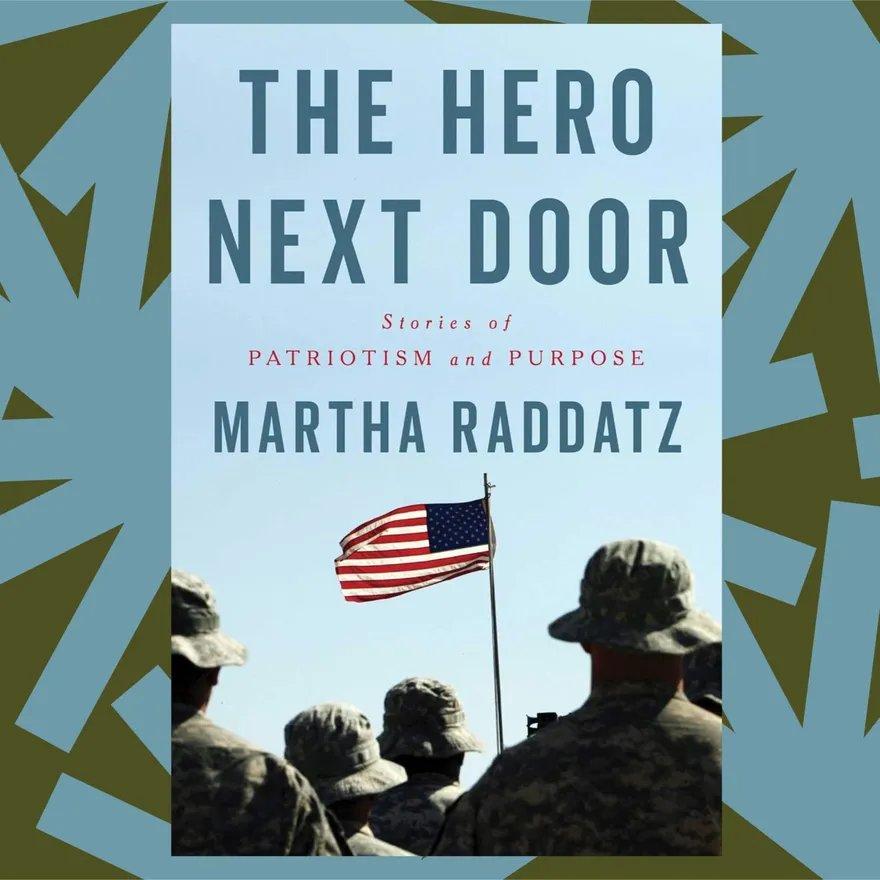
In this episode of NPR's Book of the Day, ABC News journalist Martha Raddatz discusses her book collecting stories of American veterans, including the account of 2nd Lt. Mark Little, who survived two IED blasts in Iraq and lost both lower legs. Raddatz shares how veterans like Little demonstrate resilience in the face of devastating injuries and often find renewed purpose through service-oriented work in civilian life.
Raddatz describes her role as a bridge between military and civilian worlds, drawing on decades of war reporting to tell authentic stories of service members. The conversation also addresses the current state of war journalism, with Raddatz noting the decline in embedded field reporting and its impact on public understanding of military interventions. The episode explores how veterans transition from combat to civilian life while maintaining the leadership and problem-solving skills developed during their service.

This is a preview of the Shortform summary of the Jun 1, 2026 episode of the NPR's Book of the Day
Sign up for Shortform to access the whole episode summary along with additional materials like counterarguments and context.
1-Page Summary
Veterans' Heroism and Resilience
The extraordinary courage of veterans is illustrated through 2nd Lt. Mark Little's story, whose heroism shines through devastating injuries sustained in Iraq. After surviving a first IED blast that left him with a severe concussion, Mark refused to stay away from combat. He returned to patrols and made a decision that saved a teammate's life by recognizing one of his men was unfit for combat that day, which shifted Mark into a different seat in the Humvee—one that would soon be struck by another IED.
In the second explosion, Mark lost both lower legs. Remarkably, he maintained composure, barking orders to his men while dragging himself from the burning vehicle and applying a tourniquet to stop his bleeding. Even upon arrival at the hospital, Mark kept his spirits high, joking with medical staff and expressing more concern about disappointing his mother than about his own injuries.
Mark's post-injury journey demonstrates how veterans refuse to let their worst moments define them. He swiftly adapted to prosthetic limbs and was photographed standing proudly before the Iwo Jima Memorial during a promotion ceremony. After his service, Mark founded a nonprofit dedicated to helping other wounded veterans with their financial and practical recovery needs, continuing his legacy of service.
Martha Raddatz: Bridging Military and Civilian Worlds
Martha Raddatz describes herself as a bridge between the military and civilians unfamiliar with military life and culture. In her book, "The Hero Next Door: Stories of Patriotism and Purpose," she shares stories of veterans who live as ordinary neighbors but have witnessed extraordinary circumstances. Raddatz emphasizes that service members are fundamentally civilians who suddenly transition from driving minivans to war zones, a duality many Americans don't fully appreciate.
Her longstanding relationships with veterans allow her to tell nuanced, authentic stories revealing the complexities of military service. Throughout her decades covering the U.S. military at NPR and ABC News, including wars in Afghanistan and Iraq, she has regularly met service members on battlefields and followed up years later. Her account of Mark Little exemplifies this approach—she first met him in 2007 as an Army Second Lieutenant and witnessed his arrival at the hospital after his injury, documenting how he reframed what could have been the worst day of his life as the best day simply because he survived.
Challenges in War Journalism
Raddatz notes that current conflict coverage has been largely limited to Pentagon press conferences, serving as poor substitutes for in-depth field reporting. She points out there has been little to no direct journalism from within war zones, with few journalists embedded with military units. Steve Inskeep echoes this sentiment, noting that stories from aircraft carriers or bases under fire simply don't appear anymore.
Raddatz emphasizes that effective war journalism requires military access to help the public make informed decisions about interventions. She argues that citizens need direct exposure through reporting to understand and form educated opinions on military policies. Without embedded reporting, these necessary connections aren't made, undermining the quality and authenticity of war journalism.
Veterans' Transition to Civilian Life
Veterans who sustain combat injuries consistently demonstrate strong resilience and positive outlooks during recovery. Rather than accepting imposed limitations, many actively resist restrictive roles and make notable efforts to return to familiar activities or leadership responsibilities quickly. This drive reflects a military ethos emphasizing perseverance and adaptability, with veterans leveraging training and mindset developed in service to confront civilian challenges.
Many veterans find renewed purpose through philanthropic and nonprofit work. Mark Little's nonprofit exemplifies how disabled veterans turn military experiences, including the adversity of injury, into meaningful contributions to society. With strong foundations in team leadership and problem solving, veterans find new ways to serve, building fulfilling civilian lives anchored in purpose and continued service.
1-Page Summary
Additional Materials
Counterarguments
- While Mark Little's story is inspiring, focusing on exceptional cases of resilience may unintentionally set unrealistic expectations for all wounded veterans, many of whom struggle with long-term physical and psychological challenges.
- The narrative emphasizes individual heroism but may underrepresent the systemic issues in veteran care, such as gaps in medical, psychological, and financial support for returning service members.
- Highlighting veterans' quick adaptation and positive outlooks could minimize the prevalence and severity of post-traumatic stress disorder (PTSD), depression, and other mental health issues common among combat-injured veterans.
- The portrayal of veterans as consistently resilient and purpose-driven may overlook those who experience difficulty transitioning to civilian life or who do not find renewed purpose through nonprofit or philanthropic work.
- Martha Raddatz’s position as a bridge between military and civilian worlds, while valuable, may still be limited by the perspectives and access granted to journalists, potentially resulting in incomplete or biased representations of military life.
- The argument that embedded journalism is essential for authentic war reporting does not address the ethical and safety concerns for both journalists and military personnel, nor does it consider the potential for embedded reporters to become sympathetic to the units they cover, possibly affecting objectivity.
- The focus on military ethos and adaptability may overshadow the need for broader societal and institutional support systems to assist veterans in their transition to civilian life.
- Emphasizing veterans’ leadership and problem-solving skills may not fully account for the challenges some face in translating military experience to civilian employment or social contexts.
Actionables
- you can practice bridging gaps between different communities by inviting someone with a background or experience very different from your own to share a meal or coffee, focusing your conversation on learning about their daily life and challenges to better understand perspectives outside your usual circle.
- a practical way to build resilience and adaptability is to set a weekly challenge where you intentionally do something outside your comfort zone—such as taking a new route to work, trying a new hobby, or volunteering for a task you’ve never done before—then reflect on what you learned about handling discomfort and change.
- you can support others’ recovery and growth by offering to help a friend or acquaintance facing a setback with a specific, concrete action (like running an errand, helping with paperwork, or just listening), and then following up later to show ongoing encouragement and belief in their ability to overcome challenges.
Get access to the context and additional materials
Veterans' Heroism Stories (E.G., Mark Little's)
The extraordinary courage of veterans is illustrated through the story of 2nd Lt. Mark Little, whose heroism and resilience shine in the face of devastating injuries sustained during his service in Iraq.
2nd Lt. Mark Little Survived IED Explosions in Iraq, Showing Exceptional Courage and Composure
Mark Little's encounter with danger began when the Humvee he was traveling in rolled over an improvised explosive device (IED) during his deployment in Iraq. Despite surviving the deadly blast with what turned out to be a severe concussion, Mark was determined not to let his injury keep him from his duties. Against medical advice and despite being limited to paperwork — a task he disliked — Mark's commitment to leadership never wavered. All he wanted was to return to his unit in the field.
Resuming patrols, Mark made a decision that likely saved a teammate’s life by recognizing one of his men's unfitness for combat and asking him to stay behind. This act shifted Mark into a different seat in the Humvee, one that would soon be struck by another IED.
Concussion From IED Didn't Deter Mark's Leadership Commitment
Mark’s earlier concussion did not dull his resolve or sense of duty. Despite being told to stay away from combat for his health, his desire to lead and serve his fellow soldiers was stronger than the fear or pain brought on by his injuries.
Mark Lost Legs, Took Command, Self-Treated, and Escaped Burning Vehicle
In the second explosion, the Humvee was destroyed, and Mark’s lower legs were blown off. Amidst the chaos, Mark displayed remarkable composure and leadership. He barked orders to his men, urging them to act quickly, all while smoke and fire threatened his life. Realizing the extent of his injuries, he managed to drag himself out of the burning vehicle and applied a tourniquet to one of his legs to stop the bleeding, even as he was losing blood rapidly. Once back at the forward operating base, he was medevaced to the combat support hospital.
Upon Arrival at the Hospital, Mark Joked With Staff and Worried About Disappointing His Mother, Not His Injuries
Even at the hospital, facing traumatic amputation, Mark kept his spirits high. As he arrived by helicopter and was rushed onto a gurney, he joked with the medical staff, standing out for his charm and humor on what could have been the worst day of his life. Remarkably, he was more concerned about how he would explain his injuries to his mother than about the injuries themselves. “My mom is going to kill me,” Mark joked, explaining that he had always insisted to her that he was never in danger.
Mark's Journey Shows how Veterans Refuse to Let Their Worst Moments Define Their Future and Help Others
Mark Little’s journey after his injury is defined by resilience, purpose, and a drive to help others.
Mark Swiftly Adapted To Prosthetic Limbs, Showing Determina ...
Here’s what you’ll find in our full summary
Veterans' Heroism Stories (E.G., Mark Little's)
Additional Materials
Counterarguments
- While Mark Little’s actions are undeniably courageous, returning to active duty against medical advice after a concussion could be seen as risking further harm to himself and potentially compromising the safety of his unit.
- The narrative focuses on individual heroism, which may unintentionally overshadow the systemic issues faced by veterans, such as inadequate mental health support or bureaucratic challenges in accessing care.
- Highlighting exceptional cases like Mark’s might set unrealistic expectations for other wounded veterans regarding recovery, resilience, or post-injury achievements.
- The story emphasizes personal resilience but does not address the broader responsibility of military leadership ...
Actionables
- you can practice making tough decisions under pressure by setting up a weekly challenge where you role-play quick, high-stakes scenarios (like deciding how to handle a sudden work crisis or family emergency) and reflect on your choices to build composure and leadership.
- a practical way to foster resilience is to keep a daily log of setbacks, big or small, and write down one positive action you took or could take in response, helping you train your mind to focus on solutions and growth rather than obstacles.
- you can show support for others ...
Get access to the context and additional materials
Martha Raddatz: "Bridge" Between Military and Civilians
Raddatz Acts As a Bridge Translating Military Experience For Americans Unfamiliar With Military Life and Culture
Martha Raddatz describes herself as a bridge, helping Americans who do not understand the military by translating military experiences into stories that resonate with civilians. She emphasizes that service members are, fundamentally, civilians who suddenly find themselves in combat zones; one day they are driving minivans and taking their children to school, and just days later, they transition to war zones. This duality is a reality many Americans may not appreciate or fully understand.
In her book, "The Hero Next Door: Stories of Patriotism and Purpose," Raddatz shares the stories of veterans who live as ordinary neighbors but have witnessed extraordinary circumstances. She presents examples of heroism, such as sergeants risking their lives to save teammates and families coping with the aftermath of severe injuries. Through these narratives, Raddatz humanizes the military, highlighting the sacrifices and resilience of service members and their families to civilians who may have no direct connection to military life.
Raddatz's Veteran Relationships Enable Nuanced, Authentic Stories Revealing Military Experiences
Raddatz's longstanding relationships with veterans allow her to tell nuanced, authentic stories that reveal the complexities and lifelong impact of military service. Throughout her decades covering the U.S. military at NPR and ABC News, including the wars in Afghanistan and Iraq, she has regularly met service members on battlefields and followed up wi ...
Here’s what you’ll find in our full summary
Martha Raddatz: "Bridge" Between Military and Civilians
Additional Materials
Counterarguments
- While Martha Raddatz aims to bridge the gap between civilians and the military, some critics argue that media portrayals can unintentionally romanticize or oversimplify the complexities of military service.
- Focusing on individual stories of heroism and resilience may inadvertently downplay systemic issues within the military, such as mental health challenges, bureaucratic obstacles, or the difficulties of reintegration into civilian life.
- The emphasis on patriotism and sacrifice might reinforce a narrow narrative about military service, potentially overlooking dissenting voices or critical perspectives from veterans who question aspects of U.S. military policy or culture.
- Raddatz’s close relationships with service members, while enabling authentic storytelling, could raise questions about journalistic objectivity or the potential for bias in her reporting.
- Highlighting the dualit ...
Actionables
- you can invite a neighbor or acquaintance who is a veteran or military family member to share a meal or coffee, focusing on listening to their everyday experiences rather than asking about combat or trauma, to better understand the duality of their civilian and military lives
- By creating a relaxed, everyday setting, you encourage open conversation about the ordinary aspects of life that coexist with extraordinary experiences, helping bridge the gap between civilian and military perspectives.
- a practical way to deepen your understanding of military resilience is to keep a personal journal for one week, reflecting each day on moments when you or people around you showed resilience or sacrifice, then compare these with stories you read or hear from veterans
- This exercise helps you recognize resilience in your own life and appreciate the scale and context of resilience shown by service members, making their experiences mo ...
Get access to the context and additional materials
War Journalism: Importance and Pentagon Access Challenges
Pentagon Limits on Media Hinder Understanding of Military Operations
Martha Raddatz notes that coverage of the current conflicts has been largely limited to occasional Pentagon press conferences, which serve as a substitute for in-depth reporting and visual accounts from the field. She points out that there has been little to no direct journalism from within the war zones, such as Iraq, with few—if any—journalists embedded with military units. Steve Inskeep echoes this sentiment, expressing that stories like those featuring reporters stationed on aircraft carriers or bases under fire simply do not appear. This lack of embedded reporting means that the experiences and stories of soldiers, as well as operational details, remain largely unreported and out of public view.
Effective War Coverage Needs Military Access for Public Informed Decisions on Interventions
Raddatz emphasizes that effective journalism in wartime is not only about uncovering the truth of operations but also about connecting the public to the individuals performing military duties. She argues that citizens ...
Here’s what you’ll find in our full summary
War Journalism: Importance and Pentagon Access Challenges
Additional Materials
Clarifications
- Embedded reporting is when journalists live and travel with military units during conflicts. This close proximity allows reporters to witness events firsthand and provide detailed, accurate accounts. It helps humanize soldiers by sharing their personal experiences and challenges. Without embedding, coverage often relies on secondhand information, reducing depth and authenticity.
- The Pentagon is the headquarters of the U.S. Department of Defense and oversees all military operations. It controls media access to military activities to protect operational security and manage information flow. Journalists often need Pentagon approval to embed with troops or report from sensitive areas. This control can limit the depth and immediacy of war reporting available to the public.
- Journalists stationed on aircraft carriers or bases under fire have direct access to frontline military operations and real-time events. This proximity allows them to report accurate, detailed, and immediate accounts of the conflict. Their presence helps convey the realities and risks faced by service members, providing the public with a clearer understanding of war conditions. Without such access, reporting often relies on secondhand information, reducing its depth and authenticity.
- Limited media access restricts journalists from witnessing events firsthand, leading to reliance on official statements that may omit critical details. Without direct observation, reporters cannot verify information or capture the full complexity of military operations. This results in coverage that may lack depth, nuance, and diverse perspectives. Consequently, the public receives a less accurate and less trustworthy portrayal of the war.
- War journalism provides firsthand accounts and detailed insights from conflict zones, giving the public a clearer picture of military realities. This direct information helps people understand the human and strategic aspects of war beyond official statements. Informed public opinion can influence government decisions on military interventions and policies. Without such reporting, opinions may be based on incomplete or bias ...
Counterarguments
- The Pentagon may restrict media access to protect operational security and the safety of both military personnel and journalists.
- Advances in technology, such as satellite imagery and remote communication, can provide alternative means of reporting on conflicts without direct embedding.
- Press conferences and official briefings, while limited, can still offer valuable information and prevent the spread of misinformation.
- Embedding journalists with military units can sometimes compromise journalistic objectivity due to close relationships formed with troops.
- Some operational details and soldiers' experie ...

Get access to the context and additional materials
Resilience, Recovery, and Purpose For Veterans With Disabilities Transitioning To Civilian Life
Veterans Maintain Resilience and Positivity After Combat Injuries and Disabilities
Veterans who sustain combat injuries and disabilities consistently demonstrate strong resilience and a positive outlook during their recovery process. Rather than allowing injuries to confine them to restrictive roles or diminish their ambitions, many veterans actively resist imposed limitations during recovery. They often make notable efforts to return to familiar activities or assume leadership responsibilities as quickly as possible, demonstrating continued determination and capability.
This drive to recover and not be permanently limited by injury reflects a broader ethos instilled by military service, emphasizing perseverance and adaptability. Veterans leverage the training and mindset developed in the military to confront civilian challenges, channeling the determination fostered in combat and recovery towards broader life transitions. Their approach to reintegration into civilian life is marked by a refusal to accept defeat and a focus on reclaiming agency, reinforcing patterns of resilience that extend far beyond the battlefield.
Veterans Transition Skills and Leadership Into Civilian Philanthropic and Nonprofit Work
The transition from military to civilian life often involves a search for renewed purpose, and many veterans find this through service in philanthropic and nonprofit sectors. Mark Little's nonprofit exemplifies how disabled veterans can turn their military experiences, including the adversity of injury, into m ...
Here’s what you’ll find in our full summary
Resilience, Recovery, and Purpose For Veterans With Disabilities Transitioning To Civilian Life
Additional Materials
Counterarguments
- Not all veterans experience or demonstrate strong resilience and a positive outlook after sustaining combat injuries; some may struggle significantly with mental health challenges, depression, or loss of identity.
- The narrative of veterans actively resisting limitations and quickly returning to leadership roles may overlook those who face prolonged or permanent setbacks, or who require extended periods of adjustment and support.
- Emphasizing perseverance and adaptability as universal traits among veterans can unintentionally marginalize those who do not fit this narrative or who need more assistance during their transition.
- The expectation that veterans will leverage military training and mindset to overcome civilian challenges may place undue pressure on individuals who find the transition difficult or whose military skills do not directly translate to civilian contexts.
- The focus on reclaiming agency and refusing to accept defeat may minimize the real and lasting impacts of trauma, disability, or systemic barriers that some veterans encounter.
- While many veterans find purpose in philanthropic and nonprofit work, others may not be interested in or able to pursue such paths, and may seek fulfillment in entirely different sectors or personal pursuits.
- Highlighting success stories of ...
Actionables
- You can create a personal “resilience tracker” by noting daily situations where you adapt or persist, then briefly jotting down what mindset or action helped you push through; review your notes weekly to spot patterns and reinforce your strengths in overcoming challenges.
- A practical way to reclaim agency and purpose is to set a monthly “mission challenge” for yourself, where you identify one area of your life or community to improve, outline a simple plan, and track your progress—such as helping a neighbor, learning a new skill, or organizing your space.
- You can practi ...
Get access to the context and additional materials


Create Summaries for anything on the web
Download the Shortform Chrome extension for your browser
