

Two new books approach running from different angles
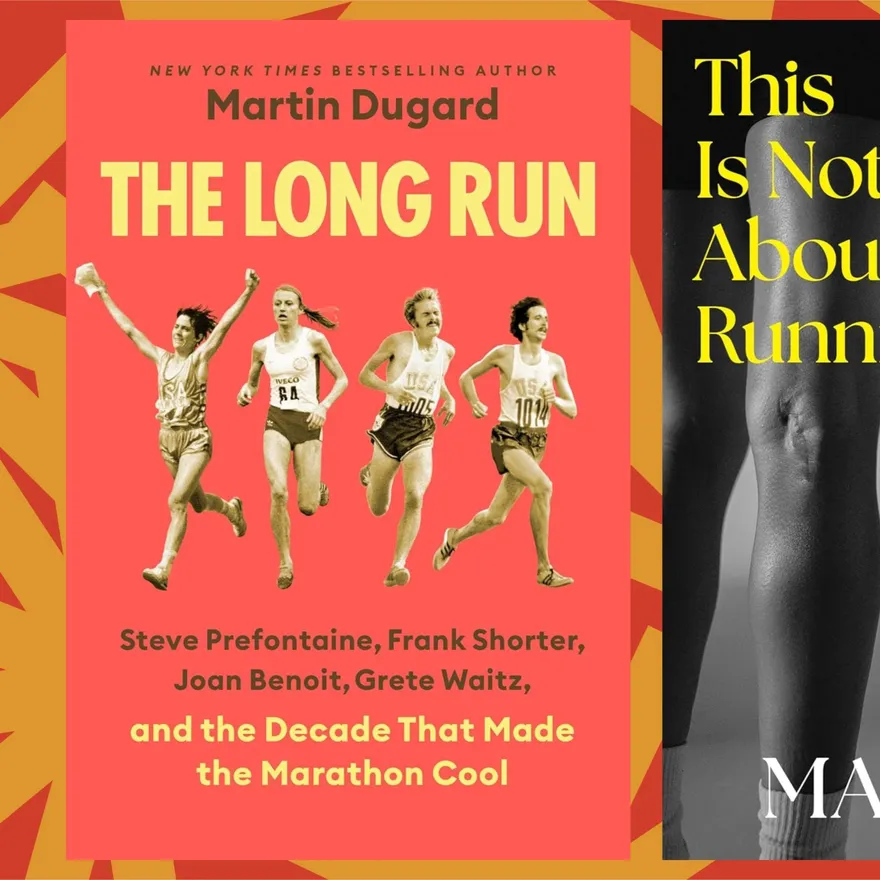
In this episode of NPR's Book of the Day, two books explore running from contrasting perspectives. The first examines the marathon's historical roots, tracing its origins from the Greek legend of Pheidippides through the establishment of the modern 26.2-mile distance at the 1908 Olympics. The discussion follows running's evolution from an elite Olympic sport in the mid-20th century to a mainstream activity embraced by everyday people, driven by cultural shifts and technological developments in the 1970s.
The second book takes a darker turn, exploring the abusive practices within Nike's Oregon Project through runner Mary Cain's experience. The episode details how extreme weight restrictions and intense training demands damaged Cain's physical and mental health, and how coaching staff dismissed her mental health crisis. The conversation concludes with guidance for parents of young athletes, emphasizing the importance of prioritizing wellbeing over performance and recognizing warning signs of abusive coaching environments.

This is a preview of the Shortform summary of the May 15, 2026 episode of the NPR's Book of the Day
Sign up for Shortform to access the whole episode summary along with additional materials like counterarguments and context.
1-Page Summary
Marathons: From Pheidippides Legend To Modern Olympics
Marathon's Origins Are in a Famous Greek Legend
The modern marathon draws its inspiration from the Greek legend of Pheidippides, who supposedly ran about 25 miles from Marathon to Athens after the Greeks defeated the Persians, proclaimed victory, and then collapsed and died. However, Martin Dugard notes the historical record is unclear—while Pheidippides was real and known for running to Sparta before the battle, no ancient historians mention him running to Athens afterward. The dramatic story we know today largely stems from British poet Robert Browning, who popularized and romanticized the tale in the late 19th century.
Marathon's 26.2-Mile Distance Set by Logistics, Not History
The 1896 Athens Olympics revived the marathon, directly inspired by the Pheidippides legend. The now-standard 26.2-mile distance came from the 1908 London Olympics, when organizers set the starting line 1.2 miles further back to accommodate King Edward VII's request that the race finish in front of the Royal Box. The Olympic marathon sparked a running craze in the late 19th century, and Frank Shorter's 1972 Olympic victory—the first marathon broadcast live in its entirety—catalyzed another surge in running's popularity.
Running's Transformation From Elite Olympic Sport to Mainstream Activity (1950s-1970s)
Running Evolved From an Elite Sport To a Widely Embraced Public Activity
Martin Dugard identifies the late 1950s and early 1960s as when recreational running began to organize, marked by the founding of the Roadrunners Club of America. At the time, runners were perceived as "nerds," lacking today's association with health and fitness. A pivotal development came in 1970 with the founding of the New York City Marathon, which signaled the opening of major organized races to everyday people and marked a turning point for average runners gaining acceptance.
1970s Tech and Cultural Shifts Mainstreamed Running
The 1970s saw a surge in running's popularity fueled by specialized running shoes and athletic clothing becoming commercially available. Frank Shorter's 1972 Olympic gold medal—the first U.S. marathon victory since 1908—inspired a generation of Americans to take up running. Dugard himself was compelled to run four miles in jeans and Pro Keds out of sheer motivation. Running's influence extended beyond participation, reshaping American habits from diet to fashion. The boom even drove changes in urban planning, with developers adding trails to subdivisions, embedding the sport into mainstream culture and community design.
Abuse and Toxic Culture in Nike Oregon Project's Elite Running Program
Nike Oregon Project Under Coach Salazar Fostered Athlete Abuse, Exploiting Mary Cain
Mary Cain, who became the first U.S. high school girl to run 800 meters in under two minutes at age 17, joined the Nike Oregon Project under renowned coach Alberto Salazar. Salazar had led elite athletes like Mo Farah and Galen Rupp to top Olympic performances, inspiring immense trust in Cain. However, Salazar pressured her to lose weight to an unhealthily low 114 pounds despite being 5'7''. The punishing training and dietary restrictions led to chronic pain, hair loss, constant cold, intense stomach aches, and eventually pushed Cain to the brink of suicide.
Coaching Staff Inaction on Cain's Mental Health Crisis
When Cain confided in Salazar and the program's psychologist about her mental health crisis, her distress was dismissed. Rather than receiving support, she blamed herself for being a burden. The Nike Oregon Project eventually closed after Salazar was banned for doping violations, revealing a pattern of abuse and systemic failures in safeguarding young athletes.
Effects of Intense Training and Diet on Young Athletes
Dietary Restrictions and Intense Training Harm Young Athletes' Health
Cain developed persistent low back pain, hair loss, constant cold, and intense stomach pain. Years later, she realized her stomach pain had been caused by hunger—a physiological crisis she hadn't understood at the time. The malnutrition impaired her emotional composure, making her more prone to crying and unable to maintain stability. In 2015, she confided in Salazar and the sports psychologist that she wanted to kill herself and was cutting herself, yet rather than recognizing their inadequate response, she internalized shame.
Toxic Coaching's Impact on Young Athletes' Self-Worth and Safety
After leaving the program in 2016, Cain describes the process as "incredibly difficult and deeply upsetting." The experience caused lasting mental health damage, making it difficult to rekindle her positive relationship with running. Her account demonstrates how young athletes develop distorted perceptions, prioritizing coaches' comfort over their own survival and well-being, illustrating how abusive systems erode self-worth.
Guiding Parents: Prioritizing Wellbeing Over Achievements in Young Athletes
Parents of Young Athletes: Advocating For Health Over Performance Pressure
Cain credits her parents for holding an intervention and insisting she prioritize her health and mental well-being above running achievements. Though difficult to accept, Cain believes this saved her life. She views her parents' actions as opposition to a broken system that prioritizes athletic success over athletes' humanity, emphasizing that parents must actively demonstrate their children are valued far beyond their accomplishments.
Parental Support and Love Protect Young Athletes Regardless of Performance
Cain urges parents to show their children they are valued not for performance but for who they are intrinsically. She explicitly states that unconditional love not tied to accomplishments saved her life. She also stresses the need for parents to watch for signs of abuse in youth sports programs, including extreme dietary restrictions, isolation from others, dismissive attitudes toward mental health, and pressure to compete through injury or illness.
1-Page Summary
Additional Materials
Counterarguments
- While the Pheidippides legend is widely cited as the inspiration for the marathon, some historians argue that the symbolic value of the story, rather than its factual accuracy, is what matters most for the tradition of the marathon.
- The establishment of the 26.2-mile marathon distance, though arbitrary, has become a meaningful standard for athletes and organizers, and its origin does not diminish the challenge or significance of the event.
- The perception of runners as "nerds" in the early days of recreational running may have been limited to certain regions or social groups and does not necessarily reflect the broader public view at the time.
- The Nike Oregon Project's abusive practices, while serious and well-documented in Mary Cain's case, may not represent the experiences of all athletes or coaches in elite running programs.
- Some athletes thrive under rigorous training and dietary regimens, and not all intense coaching environments result in harm; individual responses to coaching can vary widely.
- The positive influence of running on American culture, such as promoting health and community, can coexist with the need to address and prevent abuse in elite sports.
- Parental intervention is important, but not all parents have the knowledge or resources to recognize or address abuse in youth sports, and systemic change may be required beyond individual family actions.
Actionables
- you can create a personal running log that tracks not just distance and time, but also your mood, energy, and any physical or emotional changes, helping you notice patterns that might signal unhealthy habits or environments before they escalate
- By noting how you feel before, during, and after runs—physically and emotionally—you can spot early signs of overtraining, stress, or negative self-talk. For example, if you notice you’re consistently feeling anxious about performance or skipping meals to improve times, you can take steps to address these issues early.
- a practical way to safeguard your well-being is to set up a monthly self-check-in where you review your motivations for running and ensure they align with your values and health, not just external expectations
- Ask yourself questions like: Am I running because I enjoy it, or because I feel pressured to meet someone else’s standards? Am I prioritizing rest and nutrition? This helps you stay connected to your own goals and recognize if you’re slipping into unhealthy patterns.
- you can share a simple, anonymous feedback form with fellow runners or parents in your circle to encourage open conversations about coaching practices, athlete well-being, and any concerns about pressure or unhealthy behaviors
- This form could include prompts about how supported people feel, whether they’ve noticed unhealthy expectations, or if they feel comfortable voicing concerns. Collecting and sharing these insights (even informally) can help create a culture where everyone feels empowered to prioritize health and speak up about potential problems.


Get access to the context and additional materials
Marathons: From Pheidippides Legend To Modern Olympics
Marathon's Origins Are in a Famous Greek Legend
The modern marathon draws its inspiration from an enduring Greek legend involving the soldier Pheidippides. According to popular storytelling, after the Greeks triumphed over the Persians at the Battle of Marathon, Pheidippides, who fought in the battle, was dispatched to deliver the news of victory to Athens. He supposedly ran roughly 40 kilometers (about 25 miles) from Marathon to Athens, reached the Acropolis, proclaimed “Nike, Nike!” (“Victory, victory!”), and then collapsed and died.
However, Martin Dugard notes the historical record is unclear. While the figure of Pheidippides is real—he is known for having run all the way to Sparta and back to seek help before the battle—no ancient historians, from Herodotus up through writers of the third century, mention him running to Athens after the battle or dying upon arrival. The dramatic retelling of the run, as we know it today, largely stems from British poet Robert Browning, who popularized and romanticized the story in the late 19th century. Browning’s lively version helped shape the narrative that inspired the very first modern Olympic marathon.
Marathon's 26.2-Mile Distance Set by Logistics, Not History
When the 1896 Athens Olympics revived the idea of the marathon, organizers were directly inspired by the romanticized Pheidippides story. They named the race after the Battle of Marathon and charted the course along the supposed route taken by the legendary messenger.
The now-standard marathon distance of 26.2 miles did not come from ancient precedent, but from a quirk of logistics during the 1908 London Olympics. The British royal family requested that the race finish directly in front of the Royal Box for their convenience. To accommodate King Edwa ...
Here’s what you’ll find in our full summary
Marathons: From Pheidippides Legend To Modern Olympics
Additional Materials
Counterarguments
- The association of the modern marathon with the Pheidippides legend overlooks the fact that distance running events existed in other ancient cultures and were not unique to Greece.
- The focus on Robert Browning’s role in popularizing the Pheidippides story may understate the influence of other writers, artists, and historians who contributed to the legend’s spread in the 19th century.
- The narrative that the 1896 Olympic marathon alone sparked a running craze may oversimplify the broader social and athletic trends of the era, such as the rise of amateur athletics and physical fitness movements in Europe and America.
- The claim that Frank Short ...
Actionables
- you can create your own personal running challenge by mapping out a route that connects places meaningful to you, inspired by how the marathon distance was set for practical reasons rather than tradition; for example, run from your favorite park to your home, or from a local landmark to a friend’s house, and treat the finish as your own ceremonial moment.
- a practical way to explore the evolution of stories is to pick a well-known event or legend and research how its details have changed over time, then write a short version of the story as you would tell it today, noticing how your version differs from the original and what influences your ch ...
Get access to the context and additional materials
Running's Transformation From Elite Olympic Sport to Mainstream Activity (1950s-1970s)
Running in America evolves from an exclusive pursuit for elite competitors into an activity embraced by the general population, driven by organizational efforts, cultural shifts, and advancements in technology.
Running Evolved From an Elite Sport To a Widely Embraced Public Activity
Martin Dugard pinpoints the late 1950s and early 1960s as the period when recreational running begins to organize, marked notably by the founding of the Roadrunners Club of America. This era sees the rise of people running simply to contest races, moving beyond the exclusive world of elite, Olympic-level athletes.
At the time, recreational runners do not enjoy the cultural acceptance seen today. Dugard describes early runners as perceived "nerds," lacking the modern association of running with health, style, or fitness. This negative perception gradually erodes as more Americans participate in running outside the traditional track or Olympic context.
A pivotal development arrives in 1970 with the founding of the New York City Marathon. Initially, participation remains limited—55 finishers from 127 starters—but the event provides vital visibility. The NYC Marathon signals the opening of major organized races to everyday people and marks a turning point for average runners gaining visibility and acceptance.
1970s Tech and Cultural Shifts Mainstreamed Running
The 1970s see a surge in running’s popularity fueled by advancements in gear and pivotal events. Specialized running shoes and athletic clothing become commercially available, making running more comfortable and approachable for the public. The era witnesses runners reaping the benefits of improved footwear, further encouraging participation.
A Martínez highlights Frank Shorter's gold medal win at the 1972 Munich Olympic Marathon—a first for the U.S. since 1908. Shorter’s victory inspires a generation; Dugard himself is compelled to run four miles in jeans and Pro Keds out of sheer motivation. This widespread inspiration demonstrat ...
Here’s what you’ll find in our full summary
Running's Transformation From Elite Olympic Sport to Mainstream Activity (1950s-1970s)
Additional Materials
Counterarguments
- While running became more popular in the 1970s, it still remained inaccessible or unappealing to many Americans due to socioeconomic, physical, or cultural barriers.
- The narrative centers primarily on urban and suburban developments, potentially overlooking rural communities or regions where running did not become mainstream.
- The focus on technological advancements like specialized shoes may overstate their impact, as many people continued to run in basic or non-specialized footwear.
- The transformation of running into a mainstream activity may have been more gradual and less uniform across different demographics than the text sugges ...
Actionables
- you can map out a personal running route that highlights how your neighborhood or city has adapted to recreational running, such as using local trails, parks, or paths that didn’t exist decades ago, and reflect on how these spaces make running more accessible for you today.
- a practical way to embrace running’s cultural shift is to experiment with integrating running into your daily routine in non-traditional ways, like jogging to run errands or as a social activity with friends, to experience how running can fit seamlessly into modern lifestyles.
- you can track ...

Get access to the context and additional materials
Abuse and Toxic Culture in Nike Oregon Project's Elite Running Program
Nike Oregon Project Under Coach Salazar Fostered Athlete Abuse, Exploiting Mary Cain
Mary Cain, a child-running prodigy, broke barriers by becoming the first U.S. high school girl to run 800 meters in under two minutes, achieving this feat at just 17. This extraordinary accomplishment led her to join the Nike Oregon Project, regarded as an elite training ground for distance runners and run by the renowned coach Alberto Salazar. To Cain, Salazar was the greatest coach in the world, someone who had led athletes such as Mo Farah, Galen Rupp, and Matthew Centrowitz—some of the most recognized names in American distance running—to top Olympic performances. Nike's immense institutional support and Salazar's reputation inspired immense trust in Cain, making her believe she was both privileged and safe under their guidance.
Salazar Pressured Athletes to Meet Unsafe Performance Standards
Once in the program, Cain experienced excessive pressure from Salazar to improve her performance, particularly by losing weight. Despite being 5'7'', Cain was told she needed to weigh just 114 pounds—an unhealthily low target for someone of her height. The drive for this specific body type and performance standard took a toll on Cain's health. As her weight dropped, she began suffering from chronic pain, hair loss, feeling perpetually cold, intense stomach aches, and a general decline in overall well-being. The combination of punishing training and dietary restrictions created an abusively unhealthy atmosphere that deeply affected Cain both physically and psychologically, ultimately pushing her to the brink of suicide.
Coaching Staff Inaction on Cain's Mental Health Crisis
Amid Cain's worsening mental health, she confided in Salazar and the p ...
Here’s what you’ll find in our full summary
Abuse and Toxic Culture in Nike Oregon Project's Elite Running Program
Additional Materials
Counterarguments
- While Mary Cain’s experience was deeply troubling, not all athletes in the Nike Oregon Project have reported similar experiences of abuse or psychological harm.
- Alberto Salazar and Nike have publicly disputed some of the specific allegations made by Mary Cain, asserting that their intent was to support athlete performance and well-being.
- The use of weight targets and strict training regimens is not uncommon in elite sports, and some athletes may respond differently to such methods.
- The closure of the Nike Oregon Project was offici ...
Actionables
- You can create a personal checklist to regularly assess whether your environment or relationships are supporting your well-being or pressuring you toward unhealthy standards, then use this checklist to make small changes, like setting boundaries or seeking supportive peers, when you notice red flags.
- A practical way to protect yourself from harmful authority figures is to write down your own health and happiness priorities, review them monthly, and compare them to any advice or demands you receive, so you can spot when someone’s expectations conflict with your values or safety.
- ...
Get access to the context and additional materials
Effects of Intense Training and Diet on Young Athletes
Mary Cain’s experiences as a young elite runner reveal the deep harm intense training and strict dietary controls inflict on both physical and mental health.
Dietary Restrictions and Intense Training Harm Young Athletes' Health
Cain's Physical Symptoms: Chronic Pain, Hair Loss, Cold Sensitivity, and Stomach Pain
Mary Cain describes numerous physical symptoms resulting from the combination of extreme training and dietary restrictions. She recounts developing persistent low back pain, losing her hair, and always feeling cold. Additionally, she experienced intense stomach pain almost every other day, a sensation that plagued her throughout her teenage years as an athlete.
Cain's Body Faced a Physiological Crisis Under Starvation and Extreme Athletic Demands
Cain’s health degraded as she starved herself to meet expectations. Her body could no longer keep up with the intense athletic demands placed upon it. Years later, in writing her memoir, Cain realized her stomach pain had been caused by hunger—a form of physiological crisis she hadn’t understood at the time.
Dietary Restrictions and Training Pressure Harm Mental Health
Malnutrition and Caloric Restriction Impaired Cain's Composure
Cain reflects on how her ability to hold herself together emotionally deteriorated alongside her physical health. Starvation compounded her emotional distress, making her more prone to crying and unable to maintain her composure, especially when she was being actively abused by those responsible for her development.
Abusive Coaching and Malnutrition Led To Suicidal Thoughts and Self-Harm
She recalls moments of deep mental crisis, such as in 2015 when she struggled so much that she confided in her coach, Alberto Salazar, and the team's sports psychologist, admitting, “I think I'm losing my mind. I want to kill myself most days. I am cutting myself.” Yet, rather than seeing their inadequate response as inappropriate, she internalized shame, believing she was a burden to them.
Young Athletes Blame Themselves and Feel Shame For Struggles Instead of Recognizing Systemic Abuse
Cain highlights the lingering effects of abuse: rather than blame those responsible, she felt deep personal shame for her struggles. She emphasizes that this response is common among those enduring abuse, urging other athletes not to feel such shame, as the fault lies within the system and those in power.
Toxic Coaching's Impact on Young Athletes' Self-Worth ...
Here’s what you’ll find in our full summary
Effects of Intense Training and Diet on Young Athletes
Additional Materials
Counterarguments
- While Mary Cain’s experiences are deeply troubling, they may not be representative of all young athletes or all elite training environments; many programs prioritize athlete health and well-being.
- Some young athletes thrive under rigorous training and dietary regimens when these are properly supervised by qualified professionals and tailored to individual needs.
- There are examples of supportive coaching and positive athletic cultures that foster both high performance and mental health.
- Not all intense training or dietary control leads to harm; negative outcomes often result from lack of oversight, poor communication, or abusive practices rather than the training itself.
- Some athletes and experts argue tha ...
Actionables
- you can keep a daily log of your physical and emotional states to spot early signs of overtraining or undernourishment, such as unusual fatigue, mood swings, or persistent aches, and use this information to adjust your routines or seek support before issues escalate.
- a practical way to protect your mental health is to write a personal manifesto that lists your non-negotiable boundaries around training, nutrition, and self-worth, then review it weekly to remind yourself that your well-being comes before external approval.
- you can practice reframing self ...
Get access to the context and additional materials
Guiding Parents: Prioritizing Wellbeing Over Achievements in Young Athletes
Parents of Young Athletes: Advocating For Health Over Performance Pressure
Mary Cain reflects on her experience in the Nike Oregon Project, crediting her parents for intervening at a crucial moment. She explains that her parents held an intervention and insisted she prioritize her health, wellness, and mental health above her running achievements. Although difficult for her to accept, Cain believes this insistence on wellbeing over athletics is what ultimately saved her. Cain views her parents’ actions as opposition to a broken system that prioritizes athletic success at the expense of athletes’ humanity. She emphasizes that parents must actively resist systems that value medals over well-being, demonstrating to their children that they are valued far beyond their accomplishments.
Parental Support and Love Protect Young Athletes Regardless of Performance
Cain underscores the transformative power of parental support and unconditional love for children in high-pressure sports. She urges parents to show their children they are valued not for how fast they run or the grades they achieve, but for who they are intrinsically. Cain explicitly states that loving a child and making clear that this love is not tied to their accomplishments is what saved her life. This unwavering support provides crucial emotional grounding and protection to young athletes navigating the intense demands of competitive sports. She credits both the parental intervention and ongoing support as essential to her survival and recovery.
Parents Should Watch For Abuse Signs in Youth Sports Programs
Cain s ...
Here’s what you’ll find in our full summary
Guiding Parents: Prioritizing Wellbeing Over Achievements in Young Athletes
Additional Materials
Counterarguments
- While prioritizing wellbeing is important, some argue that a certain level of performance pressure can help young athletes develop resilience, discipline, and a strong work ethic that benefits them beyond sports.
- Not all competitive sports environments are inherently harmful; many programs successfully balance athlete health with high achievement, suggesting that systemic issues may not be universal.
- Some parents and athletes believe that striving for excellence and setting ambitious goals can be a source of motivation and personal growth, rather than solely a source of harm.
- There are cases where athletes themselves value their achievements and derive significant self-esteem and identity from their accomplishments, and parental intervention to reduce focus on performance could be perceived as undermining their autonomy or passion.
- The definition of "unconditional support" ...
Actionables
- you can set up a weekly check-in with your child where you both share one thing you appreciate about each other that has nothing to do with sports or achievements, reinforcing their value beyond performance and opening space for honest conversations about their well-being.
- a practical way to monitor for unhealthy sports environments is to keep a private log after practices or competitions, noting your child’s mood, appetite, sleep, and any comments about their coach or team, so you can spot patterns that might signal stress or unhealthy dynamics early.
- you can create a fam ...
Get access to the context and additional materials

 1-Page Summary
- Marathons: From Pheidippides Legend To Modern Olympics
- Running's Transformation From Elite Olympic Sport to Mainstream Activity (1950s-1970s)
- Abuse and Toxic Culture in Nike Oregon Project's Elite Running Program
- Effects of Intense Training and Diet on Young Athletes
- Guiding Parents: Prioritizing Wellbeing Over Achievements in Young Athletes
Create Summaries for anything on the web
Download the Shortform Chrome extension for your browser
