

Digital Dementia, Biohacking, and Why Your Brain Is Your Biggest Wealth Asset | Jim Kwik
In this episode of Money Rehab with Nicole Lapin, Jim Kwik discusses the connection between brain health and financial success. Kwik argues that cognitive abilities—including focus, memory, and adaptability—form the foundation of wealth creation, making the brain the most valuable asset in anyone's portfolio. He addresses concerns about "digital dementia" and how excessive reliance on AI may weaken human cognition, while also exploring how to use technology strategically as a learning tool rather than a replacement for thinking.
Kwik presents practical frameworks for optimizing brain function, including his MEDS approach (Meditation, Exercise, Diet, and Sleep) and accessible biohacking strategies like barefoot walking and breathing exercises. The conversation covers how small behavioral changes create momentum, why motivation follows action rather than preceding it, and how cognitive flexibility separates financial success from failure in a rapidly changing world. Throughout, Kwik and Lapin examine how improving brain health directly translates to better financial decisions and outcomes.
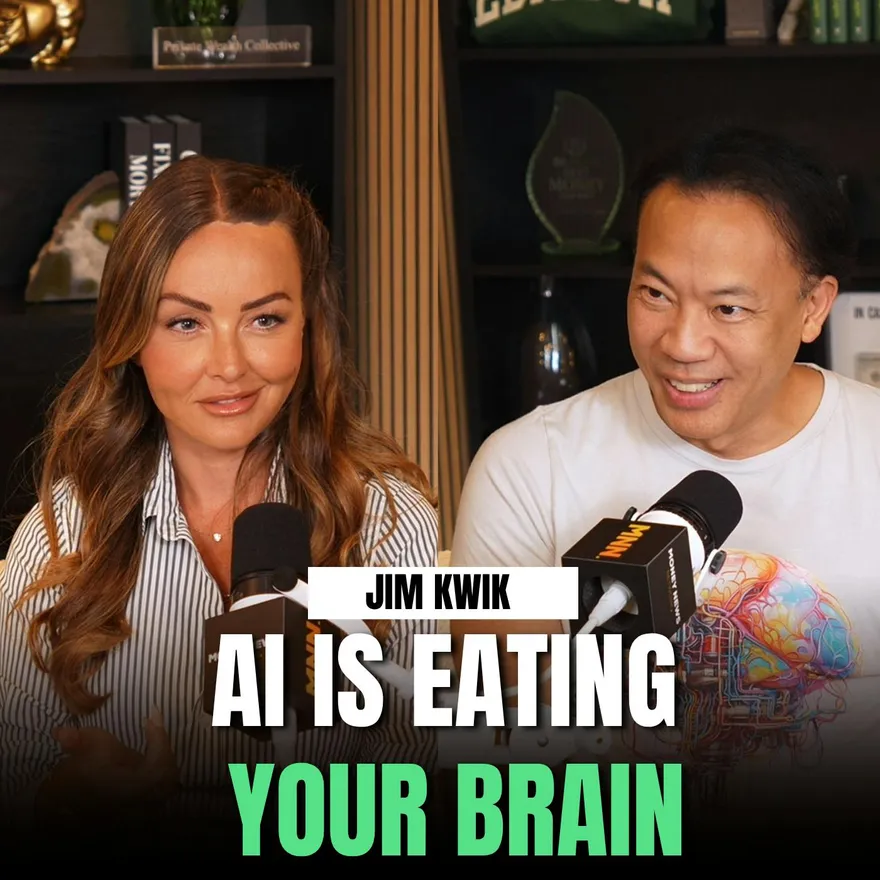

This is a preview of the Shortform summary of the Sep 7, 2026 episode of the Money Rehab with Nicole Lapin
Sign up for Shortform to access the whole episode summary along with additional materials like counterarguments and context.
1-Page Summary
Brain Health as Foundation For Wealth Creation
Jim Kwik and Nicole Lapin discuss how cognitive abilities form the bedrock of financial success, with brain health playing a crucial role in every financial decision and outcome.
The Mind as Wealth-Building Asset
Kwik emphasizes that "everything in your portfolio came from your mind," making the brain the number one wealth-building asset. While AI provides data, human cognition—the capacity to determine what matters, decide, and solve problems—creates actual wealth. He illustrates this through examples like Steve Jobs, who combined ideas across industries to create revolutionary products. According to Kwik, knowledge gains value only when applied wisely through the brain's abilities to learn and seek broader applications.
Superior cognitive abilities create measurable advantages. Strong focus allows individuals to spot opportunities, while better memory helps avoid costly mistakes—Kwik recounts how a commercial real estate professional lost a $50 million deal after repeatedly using the wrong client name. Improved stress regulation and emotional control lead to sounder decision-making during volatility. Kwik notes that financial outcomes mirror self-perception and internal narratives: "It's hard to outperform your self-image," making mindset management essential for building wealth.
Impact of AI on Human Cognition
Kwik raises concerns about "digital dementia," where excessive reliance on AI atrophies cognitive capabilities. He cites MIT research showing students using ChatGPT had far less recall than those completing tasks unaided. However, he emphasizes AI functions as a multiplier, not a replacement—clear thinkers gain exceptional results, while confused thinking gets amplified. Human qualities like empathy, emotional intelligence, and adaptability remain irreplaceable.
Kwik advocates strategic AI use as a learning partner, employing it for quizzing, spaced repetition, and identifying knowledge gaps. He warns of a growing wealth gap between those who use AI for augmentation versus passive consumption, stressing that people must continue challenging their memory and judgment to avoid cognitive atrophy.
Foundational Meds Framework and Biohacking Strategies
Kwik presents the "MEDS" framework—Meditation, Exercise, Diet, and Sleep—as the non-negotiable foundation for brain optimization. Meditation provides clarity and resilience; exercise, particularly walking, earns a perfect ten for brain benefits; diet affects inflammation and brain function; and sleep consistency enhances learning and emotional regulation.
Beyond MEDS, Kwik advocates nature-based biohacking as free alternatives to expensive interventions. Barefoot walking mimics electromagnetic therapy, sunlight resets circadian rhythms better than technology, and breathing exercises offer stress relief comparable to costly wellness devices. While he values premium strategies like sauna use—which studies show reduces mortality by 40%—he cautions that advanced interventions should remain secondary to mastering basic, cost-free practices.
Notably, Kwik highlights relationships as a critical yet overlooked element. Despite being an introvert, he gives socializing the highest score for brain enhancement, noting that meaningful connection yields cognitive benefits on par with physical interventions and directly fuels personal and professional growth.
Micro-Commitments and Action-Based Motivation
Kwik explains that motivation follows action rather than preceding it. Taking small steps—like flossing a single tooth or reading one line—releases [restricted term], creating momentum for continued action. He emphasizes that behavior change requires emotional connection to purpose, particularly understanding who relies on you or what you stand to lose.
Small rituals create behavioral consistency. Athletes use physical routines to reset focus, and even short practices like a 12-minute morning routine can build reliable frameworks. Kwik manages speaking anxiety by breaking experiences into tiny steps and focusing on serving just one or two audience members.
Adaptability and Cognitive Flexibility as Wealth Drivers
Kwik asserts that adaptability is humanity's ultimate competitive advantage. He points to Blockbuster and Kodak as examples of intelligent companies that failed due to cognitive rigidity rather than lack of knowledge. In a world where information is universally accessible through AI and the internet, success depends on the willingness to learn, unlearn, and relearn.
Lapin notes that the new wealth gap separates adapters from non-adapters. Kwik agrees, explaining that wealth increasingly concentrates among those demonstrating cognitive flexibility—the skill of changing one's mind based on evidence. As technology advances and skills become obsolete, he stresses building identities rooted in adaptability and continual learning rather than specific outdated capabilities.
1-Page Summary
Additional Materials
Clarifications
- "Digital dementia" refers to cognitive decline caused by overreliance on digital devices for memory and problem-solving. This dependence can weaken brain functions like memory retention and attention span. The term highlights risks of reduced mental exercise when technology handles tasks humans once performed mentally. It suggests the need for balanced tech use to maintain brain health.
- The "MEDS" framework stands for Meditation, Exercise, Diet, and Sleep, which are essential habits for optimizing brain health. Meditation improves mental clarity and emotional resilience by calming the mind. Exercise increases blood flow and neurogenesis, supporting cognitive function. Proper diet reduces inflammation and provides nutrients vital for brain cells, while consistent sleep consolidates memory and regulates emotions.
- AI functions as a "multiplier" by enhancing the effectiveness of clear, focused human thinking, amplifying good ideas and decisions. Conversely, it can also intensify confusion or errors if the user's thinking is unclear or flawed. This means AI's output quality depends heavily on the user's input quality and cognitive skills. Therefore, AI serves as a tool that boosts existing mental capabilities rather than replacing them.
- Spaced repetition is a learning technique that involves reviewing information at increasing intervals over time to enhance long-term memory retention. It leverages the brain’s natural forgetting curve by refreshing knowledge just before it fades. This method strengthens neural connections, making recall easier and more durable. It is widely used in language learning, medical studies, and skill acquisition to improve efficiency and mastery.
- Nature-based biohacking involves using natural activities or environments to enhance brain and body function without technology or supplements. Barefoot walking is believed to connect the body to the Earth's electrical energy, which some claim reduces inflammation and improves sleep, similar to electromagnetic therapy. Electromagnetic therapy uses controlled electromagnetic fields to promote healing and reduce pain. This natural approach aims to harness the Earth's energy for health benefits in a simple, cost-free way.
- Regular sauna use has been linked to improved cardiovascular health by lowering blood pressure and enhancing circulation. Studies show it can reduce the risk of heart disease and stroke, contributing to lower overall mortality rates. Heat exposure in saunas also promotes relaxation, reduces stress hormones, and supports detoxification through sweating. These combined effects help explain the reported 40% reduction in mortality among frequent sauna users.
- Motivation following action is driven by the brain's reward system, where [restricted term] is released as a chemical signal of pleasure and reinforcement. This release encourages repetition of the behavior by creating a sense of satisfaction and accomplishment. [restricted term] acts as a learning signal, strengthening neural pathways associated with the action taken. Thus, small actions trigger [restricted term], which fuels ongoing motivation and habit formation.
- Cognitive flexibility is the mental ability to switch between thinking about different concepts or to adapt behavior to new, unexpected, or changing events. It enables individuals to update beliefs and strategies based on new information, avoiding rigid thinking. In wealth creation, this skill helps people pivot in response to market shifts, innovate, and seize emerging opportunities. Without cognitive flexibility, one risks becoming obsolete as industries and technologies evolve rapidly.
- Blockbuster and Kodak failed because they stuck to old business models despite new technologies emerging. Blockbuster ignored the shift to online streaming, while Kodak hesitated to embrace digital photography. Their unwillingness to change strategies led to lost market relevance. This inflexibility is called cognitive rigidity.
- Learning, unlearning, and relearning is a continuous cycle essential for staying relevant as technology evolves. Learning involves acquiring new skills or knowledge, while unlearning means letting go of outdated beliefs or methods that no longer serve you. Relearning is the process of updating or modifying what you know based on new information or contexts. This adaptability prevents stagnation and enables effective responses to rapid technological changes.
- Cognitive augmentation means actively using AI tools to enhance your thinking, learning, and problem-solving skills. Passive consumption occurs when you rely on AI to do tasks for you without engaging your own mental effort. Augmentation builds your knowledge and sharpens your mind, while passive use can weaken cognitive abilities over time. The key difference is whether AI is a tool for growth or a crutch that reduces mental activity.
- Self-perception shapes confidence and risk tolerance, influencing financial decisions. Internal narratives are the stories people tell themselves about their abilities and worth, which guide behavior and choices. Negative self-beliefs can limit ambition and lead to missed opportunities, while positive narratives encourage proactive wealth-building. Changing these mental frameworks can improve decision-making and financial success.
- Emotional connection to purpose fuels intrinsic motivation, making actions feel meaningful rather than forced. This connection activates brain reward systems, releasing [restricted term] that reinforces positive habits. Without it, motivation often relies on external factors, which are less sustainable. Deep purpose helps overcome obstacles by linking behavior to personal values and identity.
Counterarguments
- While cognitive abilities and brain health are important, external factors such as socioeconomic background, access to education, systemic inequality, and social capital also play significant roles in financial success and wealth creation.
- The assertion that the brain is the primary wealth-building asset may overlook the impact of collaborative efforts, institutional support, and market conditions, which can be equally or more influential in wealth accumulation.
- Not all knowledge requires broad application to be valuable; specialized expertise can also lead to significant financial and professional success.
- The focus on individual mindset and self-perception may understate the influence of structural barriers and discrimination that can limit financial outcomes regardless of personal mindset.
- Concerns about "digital dementia" and cognitive atrophy from AI reliance are not universally supported by research; some studies suggest that technology can enhance certain cognitive skills and free up mental resources for higher-order thinking.
- The idea that AI cannot replace human empathy, emotional intelligence, and adaptability is challenged by ongoing advancements in affective computing and AI-driven adaptive systems, which are increasingly capable of simulating or supporting these qualities.
- The "wealth gap" attributed to AI use may be more closely related to broader issues of digital literacy, access to technology, and economic inequality rather than cognitive augmentation alone.
- The MEDS framework, while beneficial, may not be universally accessible due to factors such as chronic illness, disability, or socioeconomic constraints that limit access to healthy food, safe exercise environments, or adequate sleep.
- Nature-based biohacking practices may not be feasible or effective for everyone, particularly those living in urban environments or with mobility limitations.
- The emphasis on social relationships as a brain health factor may not account for neurodiversity or individual differences in social needs and preferences.
- The claim that motivation always follows action may not apply to individuals with certain mental health conditions, such as depression or anxiety, where initiating action can be particularly challenging.
- Adaptability and cognitive flexibility, while valuable, are not the sole determinants of success; factors such as timing, luck, and external support can also play critical roles.
- The narrative that failure to adapt leads to decline may oversimplify complex business failures, which often involve multiple factors beyond cognitive rigidity.
- Building identities rooted in adaptability may not be feasible or desirable for everyone, especially those whose sense of self is closely tied to specific skills, cultures, or communities.
Get access to the context and additional materials
Brain Health as Foundation For Wealth Creation
Brain health plays a crucial role in building wealth, influencing every financial decision and outcome. Jim Kwik and Nicole Lapin discuss how cognitive abilities form the bedrock of financial success, highlighting that a healthy, high-performing mind drives purposeful action and measurable results in wealth creation.
The Mind Drives all Financial Decisions and Outcomes
All portfolio choices, investment strategies, and financial actions originate from the mind. Kwik states that “everything in your portfolio came from your mind,” emphasizing that every decision, every area of focus, and every calculated risk find their roots in cognitive ability. He asserts that the “greatest wealth is between our ears”—the brain is the number one wealth-building asset, even in a world dominated by artificial intelligence. While AI provides data and information, it is ultimately human cognition—the capacity to determine what matters, to decide, and to solve problems—that creates actual wealth.
Kwik expands this idea by noting the critical roles of innovation, problem-solving, and pattern recognition. He illustrates this through creative thinkers like Steve Jobs, who combined ideas across industries to produce entirely new products, such as transforming the concept of a phone into a multi-tool for modern life. According to Kwik, knowledge is not powerful on its own; its true value emerges when it is applied wisely, driven by the brain’s abilities to learn, ask new questions, and seek broader applications.
Cognitive Abilities Create Measurable Financial Advantages
Superior focus allows individuals to spot opportunities and make deliberate, compounding choices that build wealth over time. Kwik points out that those who can remember important details, such as client names, can avoid costly business mistakes and embarrassment. He recounts an incident where a commercial real estate professional lost a $50 million deal after twice addressing his client by the wrong name—proof that even small lapses in memory can have profound financial consequences.
Improved stress regulation and emotional control are equally vital. The ability to remain composed and manage one’s internal state during market volatility or personal crises leads to sounder decision-making. Kwik emphasizes that strong brain health supports endurance and anti-fragility, helping individuals “bounce back” from setbacks and regulate mood under pressure. These cognitive skills amplify resilience and stamina, setting professionals apart in high-stakes environments.
Kwik summarizes that if you can “focus better, remember better, and learn faster,” you are equipped to make superior decisions and endure where others falter—“when other people are un ...
Here’s what you’ll find in our full summary
Brain Health as Foundation For Wealth Creation
Additional Materials
Clarifications
- Anti-fragility is a concept where systems improve and grow stronger when exposed to stress or challenges, unlike fragile systems that break down. In brain health, it means developing mental resilience that not only withstands pressure but benefits from it, enhancing cognitive function. Financially, this allows individuals to adapt, learn from setbacks, and capitalize on volatility rather than being harmed by it. Thus, anti-fragility supports sustained success by turning difficulties into growth opportunities.
- Pattern recognition in cognitive abilities refers to the brain's skill in identifying trends, similarities, or regularities in data or situations. In wealth creation, this means spotting market patterns, consumer behaviors, or investment signals that others might miss. Recognizing these patterns enables timely and informed financial decisions, leading to potential profit. It is a key mental process behind innovation and strategic thinking in finance.
- Internal narratives are the stories and beliefs people tell themselves about who they are and what they deserve. These narratives shape attitudes toward money, risk, and success, often subconsciously guiding financial behavior. For example, someone who believes they are "not good with money" may avoid investing or saving. Changing these narratives can lead to healthier financial habits and improved outcomes.
- Self-image shapes beliefs about what is possible, influencing motivation and behavior in financial decisions. People tend to make choices that align with their perceived worth and capabilities. Low self-image can limit risk-taking and goal-setting, reducing wealth-building opportunities. Conversely, a positive self-image encourages confidence, persistence, and higher financial achievement.
- Knowledge is raw information or facts that a person has learned. Without the ability to analyze, interpret, and apply this information effectively, knowledge remains unused or misused. Cognitive abilities like critical thinking, problem-solving, and creativity transform knowledge into practical actions and solutions. Thus, the brain’s skill in applying knowledge wisely determines its true value.
- Artificial intelligence processes and presents vast amounts of data quickly but lacks true understanding or judgment. Human cognition interprets this data, applies context, and makes strategic decisions based on values and goals. Wealth creation requires creativity, intuition, and ethical considerations that AI cannot replicate. Thus, AI is a tool, while human thinking drives meaningful financial outcomes.
- Mental discipline refers to the ability to control impulses, stay focused, and consistently apply rational thinking in decision-making. It involves setting clear financial goals, resisting emotional reactions like fear or greed, and following a well-planned strategy. Practically, this means avoiding impulsive purchases, sticking to budgets, and reviewing investments calmly despite market fluctuations. Developing mental discipline helps maintain long- ...
Counterarguments
- While brain health and cognitive abilities are important, external factors such as socioeconomic background, access to education, systemic inequality, and market conditions also play significant roles in wealth creation and financial outcomes.
- Many successful individuals have built wealth despite cognitive or mental health challenges, suggesting that brain health is not the sole or universal foundation for financial success.
- Financial literacy, practical experience, and mentorship can sometimes compensate for or outweigh raw cognitive ability in achieving financial goals.
- The influence of luck, timing, and connections in wealth accumulation is well-documented and can sometimes surpass the impact of individual cognitive skills.
- Overemphasizing self-image and mindset may inadvertently downplay the real barriers faced by people in disadvantaged circumstances.
- Artificial intelligence and automation are increasingly capable of making complex financial de ...


Get access to the context and additional materials
Impact of AI on Human Cognition
Digital Dementia Threatens Cognitive Capacity
Jim Kwik raises the concern of "digital dementia," describing it as a consequence of high reliance on technology like AI to remember and think for us. He compares this reliance to taking an elevator instead of stairs: it's convenient, but it means we don't get the mental "exercise" needed to keep our cognitive skills strong. MIT research is cited where students who used AI tools like ChatGPT to write essays had far less recall and neural engagement compared to those who completed tasks unaided. The group without technology showed the highest memory and neural activity, reinforcing Kwik's point that, if AI handles our thinking, we don't get necessary mental exercise. As a result, key cognitive capabilities—like memory, critical thinking, and problem-solving, which are essential for wealth building and personal development—atrophy when too much cognitive work is delegated to machines.
AI Amplifies Human Qualities Without Replacing Judgment
Kwik emphasizes that AI functions as a multiplier, not a replacement for human intelligence or judgment. If someone brings confusion or poor thinking to AI, those traits are amplified in outputs; conversely, clear and concise thinkers gain exceptional results. AI, he notes, can process vast information but lacks qualities like empathy, emotional intelligence, and adaptability. While it can feign responses, AI does not truly understand experiences such as heartbreak or provide the comforting "bedside manner" that humans do. Kwik stresses that, despite AI's ability to generate data and information, people must determine what matters, how to filter importance, apply wisdom, and adapt creatively. Human qualities—critical thinking, experienced-based judgment, curiosity, and the art of asking good questions—remain irreplaceable. Intelligence and emotional depth are what differentiate outcomes for individuals, even as access to powerful AI tools becomes universal.
Strategic AI Enhances Rather Than Replaces Cognitive Development
Kwik advocates for strategic use of AI as a learning partner, not a substitute for cognitive engagement. AI can enhance memory by quizzing users, delivering personalized content, and implementing spaced repetition—a m ...
Here’s what you’ll find in our full summary
Impact of AI on Human Cognition
Additional Materials
Clarifications
- "Digital dementia" is a term coined by South Korean neuroscientist Manfred Spitzer. It describes cognitive decline, especially memory loss, linked to overuse of digital devices reducing brain exercise. The concept draws parallels to dementia symptoms but attributes them to lifestyle and technology habits rather than neurological disease. It highlights how reliance on digital tools can impair brain functions traditionally strengthened by mental effort.
- Neural engagement refers to the level of activity and involvement of the brain's neurons during a cognitive task. It is often measured using brain imaging techniques like fMRI or EEG, which track blood flow or electrical signals in specific brain regions. Higher neural engagement indicates more intense mental effort and processing. This activity correlates with better learning, memory retention, and cognitive function.
- Spaced repetition is a learning technique that involves reviewing information at increasing intervals over time to improve long-term memory retention. It leverages the brain's natural forgetting curve by refreshing knowledge just before it is likely to be forgotten. This method strengthens neural connections, making recall easier and more durable. Digital tools often automate spaced repetition schedules for efficient study.
- Using AI tools like ChatGPT to complete tasks can reduce the brain's active engagement in processing and storing information. When people rely on AI to generate answers, they often skip the mental effort needed to encode memories deeply. In contrast, unaided tasks require active recall and problem-solving, which strengthen neural connections and improve long-term memory. This difference explains why memory recall and brain activity are higher without AI assistance.
- AI as a "multiplier" means it enhances and expands human abilities instead of taking over them completely. It processes large amounts of data quickly, helping humans make better decisions by providing more information and insights. However, AI lacks true understanding, creativity, and emotional judgment, which humans provide. Thus, AI boosts human intelligence but depends on human input and oversight to be effective.
- Augmentation means using AI to enhance and support human thinking, helping people learn and solve problems more effectively. Automation means AI performing tasks independently, reducing or replacing human effort. Augmentation keeps humans actively engaged, preserving cognitive skills. Automation risks making people passive, which can lead to cognitive decline.
- AI amplifies clarity and confusion because it generates outputs based on the input it receives. Clear, well-structured questions or ideas lead to precise, useful responses. Conversely, vague or flawed inputs produce confusing or misleading results. Thus, AI reflects and magnifies the quality of the user's original thinking.
- AI lacks empathy and emotional intelligence because it processes data through algorithms without conscious experience or feelings. It cannot genuinely understand human emotions or context, only simulate responses based on patterns in data. Adaptability in AI is limited to pre-programmed learning models and cannot match human creativity or intuition in novel situations. True emotional and social understanding requires subjective experience, which AI does not possess.
- Cognitive capabilities like memory, critical thinking, and problem-solving enable effective decision-making and learning. These skills help individuals identify opportunities, manage resources, and adapt to challenges, which are essential for building wealth. Personal de ...
Counterarguments
- The concept of "digital dementia" is debated; some cognitive scientists argue that offloading certain memory tasks to technology can free up mental resources for higher-order thinking rather than causing overall cognitive decline.
- Studies have shown that technology, including AI, can enhance learning and memory when used interactively and intentionally, rather than passively.
- The comparison between using AI and taking an elevator versus stairs may oversimplify the complexity of cognitive engagement, as not all mental tasks require the same type or level of "exercise."
- Delegating routine or repetitive cognitive tasks to AI can allow individuals to focus on more creative, strategic, or emotionally complex activities, potentially enhancing overall productivity and well-being.
- There is evidence that collaborative use of AI can foster new forms of critical thinking and problem-solving, as users learn to frame better questions and interpret AI outputs critically.
- The assertion that AI lacks empathy and emotional intelligence is accurate, but AI tools are increasingly being designed to support and augment human emotional needs, such as through mental health chatbots or adaptive learning platforms.
- The risk of cognitive atrophy may be mitigated by educational approaches that integrate AI as a supplement rather than a replacement, encouraging active engagement and reflection.
- The idea that ...


Get access to the context and additional materials
Foundational Meds Framework and Biohacking Strategies
Jim Kwik presents a holistic model for brain optimization, centering on the "MEDS" acronym—Meditation, Exercise, Diet, and Sleep—as a non-negotiable foundation before turning to biohacking extras and the critical role of relationships.
Meds Represents the Non-negotiable Foundation For Brain Optimization
Jim Kwik stresses that his MEDS framework is essential and cost-free, forming the basis of lasting cognitive health and performance.
Meditation Boosts Clarity and Resilience; Effectiveness Varies Per Individual
Kwik meditates once daily but notes its impact may vary. For him, meditation is more energizing than coffee and helps him face challenges with resilience. He reports he never regrets taking a pause to recalibrate and reduce stress, although he recognizes some individuals may benefit differently.
Exercise Benefits Mind, Mood, and Health for Minimal Cost
Exercise is a foundational practice for Kwik, particularly walking, which he rates a perfect ten for brain benefits. He describes walking as vital for creativity, mood, and brain health and emphasizes the neurological advantages of movement and being in nature. Regular physical activity, including daily walks, is integral to his well-being.
Diet Affects Inflammation, Microbiome, and Brain Function, Making Nutritional Choices Crucial
Kwik is mindful of his diet and oral health, noting that flossing supports brain health by managing inflammation and the microbiome. He has stopped drinking alcohol, finding it detrimental to his overall wellness. Nutritional choices are crucial, as diet influences inflammation, gut health, and brain function.
Sleep Consistency and Duration Are Key for Learning and Emotion Regulation
Kwik highlights the importance of sleep's consistency and duration. He recommends having an alarm not just for waking up, but also for winding down, to train the brain and promote rhythm. Regular, high-quality sleep enhances learning, memory, and emotional regulation.
Nature-Based Biohacking Provides Free Alternatives to Expensive Interventions
Kwik suggests that many expensive biohacking protocols merely replicate what nature offers, advocating for natural, accessible methods as primary approaches.
Barefoot Walking Grounds the Nervous System and Mimics Expensive Electromagnetic Therapy
Walking barefoot grounds the nervous system and mimics effects of pulse electromagnetic field therapy (PEMF), a costly intervention. Kwik incorporates barefoot outdoor walking into his morning routine for grounding and nervous system benefits.
Sunlight Resets Circadian Rhythms Better Than Technology With Consistent Outdoor Time
Daily exposure to sunlight, not through a window but outdoors, helps reset the body’s circadian rhythms. Kwik emphasizes the unique benefits of natural sunlight for brain health and notes how routines including sunlight exposure provide similar effects as red light therapy.
Breathing and Movement Exercises Offer Stress Relief and Focus Benefits Like Costly Wellness Devices
Kwik teaches his young son breathing exercises consisting of nasal breathing and extended exhales. These practices relax the nervous system and enhance focus, paralleling the benefits of expensive wellness technologies.
Premium Biohacking Strategies Offer Gains Beyond Foundational Practices
While advanced interventions are popular, Kwik underscores that foundational, cost-free practices should take priority.
Sauna Use Consistently Reduces Mortality By 40%
Frequent use of traditional sauna is highly ranked by Kwik, as studies show all-cause mortality decreases by 40% with consistent use. He integrates sauna with red light for synergistic effects and values the significant health gains.
Red Light Therapy and Cold Exposure May Not Justify the Significant Time and Financial Investment Required
Despite owning state-of-the-art wellness devices, Kwik cautions that time and financial investment in advanced biohacking tools—like hyperbaric chambers, flo ...
Here’s what you’ll find in our full summary
Foundational Meds Framework and Biohacking Strategies
Additional Materials
Counterarguments
- The effectiveness of meditation, exercise, diet, and sleep for cognitive optimization can vary significantly based on individual health conditions, genetics, and lifestyle factors; what works well for one person may not yield the same results for another.
- While foundational habits are important, some individuals with specific medical or neurological conditions may require advanced interventions or professional medical treatments beyond what the MEDS framework offers.
- The claim that sauna use reduces all-cause mortality by 40% is based on observational studies, which may be subject to confounding factors and may not establish causation.
- Not all expensive biohacking tools are simply mimicking nature; some are based on emerging scientific research and may offer unique benefits not easily replicated by natural methods.
- The emphasis on cost-free practices may overlook socioeconomic barriers that make even basic health habits (like access to safe outdoor spaces, healthy food, or time for sleep and exercise) challenging for some individuals.
- The assertion that relationships are universally beneficial may not account for individuals who thrive in solitude or have negative experiences with social interactions.
- The benef ...
Actionables
- You can create a daily “brain basics” checklist that includes a simple self-rating for meditation, movement, nutrition, sleep, and social connection to help you spot which area needs attention and keep your foundational habits balanced. For example, rate each area from 1–5 every evening and jot a quick note about what worked or what you’d like to try differently tomorrow.
- A practical way to strengthen meaningful social connections is to set a recurring “connection cue” on your phone that reminds you to reach out to someone you haven’t spoken with in a while, using a quick message, voice note, or even a funny meme, to keep relationships active and reduce feelings of isolation.
- You can expe ...

Get access to the context and additional materials
Micro-Commitments and Action-Based Motivation
Jim Kwik and Nicole Lapin discuss how building consistent motivation and lasting behavior change depends on taking micro-commitments, grounding goals in purpose, and using specific rituals to create momentum.
[restricted term] Follows Action Rather Than Preceding It
Kwik explains that the common belief that motivation must come before action is misguided. Instead, taking even a very small action—such as flossing a single tooth, opening a book and reading one line, or making a single sales call—releases [restricted term], the molecule responsible for motivation. This neurochemical reward encourages escalation, as the brain receives a signal that action feels good and wants more of it.
Both Kwik and Lapin emphasize that breaking down large tasks into manageable microcommitments, such as focusing on a single step at a time, helps people avoid feeling overwhelmed and stuck. Accomplishing these small steps releases [restricted term] and builds momentum, making it easier to continue with additional actions.
Purpose Sustains Difficult Behavior Change
Kwik insists that true behavior change is anchored in emotional connection rather than intellectual understanding alone. People know what they should do, but unless they genuinely feel either the benefit or, more often, the pain or cost of inaction, they are unlikely to follow through. For many, it is the emotional consequence—the heartbreak of not delivering for the people who rely on you—that creates the needed motivation.
Connecting specific actions to meaningful outcomes sustains effort. When considering a goal, framing it in terms of who is counting on you or what you stand to lose if you fail, rather than just abstract ambitions, leads to a stronger commitment and more reliable follow-through. Kwik points out that, biologically, people buy and act based on emotion, not just logic.
Small Rituals and Specific Practices Create Behavioral Consistency
Kwik highlights the importance of rituals for maintaining behavioral consistency, especially in high-pressure situations. Athletes often have physical routines, su ...
Here’s what you’ll find in our full summary
Micro-Commitments and Action-Based Motivation
Additional Materials
Clarifications
- [restricted term] is a neurotransmitter in the brain that helps regulate pleasure, reward, and motivation. It signals the brain to repeat behaviors that lead to positive outcomes, reinforcing habits. Unlike just making you feel good, [restricted term] drives you to take action to achieve rewards. Its release encourages learning and goal-directed behavior by linking actions to positive feelings.
- Motivation is often seen as a feeling that must come before doing something, but research shows that starting an action can actually create motivation. This happens because the brain releases [restricted term], a chemical that makes us feel rewarded and encourages us to keep going. Small actions trigger this [restricted term] release, which builds momentum and makes it easier to continue. Therefore, doing something—even a tiny step—can spark motivation rather than waiting to feel motivated first.
- Micro-commitments are very small, manageable actions that require minimal effort but move you toward a larger goal. They reduce resistance by making tasks feel less daunting and easier to start. Each completed micro-commitment builds confidence and momentum, reinforcing the habit loop. Over time, these small steps accumulate into significant behavior change.
- Intellectual understanding means knowing what to do or why it’s important, based on facts and logic. Emotional connection involves feeling a deep personal significance or emotional impact related to the behavior. Behavior change is more likely to last when driven by emotions because feelings motivate action more powerfully than knowledge alone. Emotions create urgency and personal relevance, making it easier to overcome obstacles and maintain commitment.
- Emotional consequences activate the brain's limbic system, which governs feelings and survival instincts. Pain or loss signals create a sense of urgency, triggering stress responses that motivate action to avoid negative outcomes. This emotional drive is stronger and more immediate than logical reasoning alone. Thus, fear of loss or discomfort often propels people to change behavior more effectively than abstract goals.
- The brain's limbic system, especially the amygdala, processes emotions and heavily influences decision-making. The prefrontal cortex, responsible for logical reasoning, often acts after emotional responses have been triggered. Neurotransmitters like [restricted term] reinforce behaviors linked to emotional rewards, guiding choices. This means emotions provide quick, powerful signals that shape decisions before conscious logic intervenes.
- Rituals are repeated actions that create a sense of control and predictability, helping to regulate emotions. They activate the brain’s habit system, reducing decision fatigue and stress in challenging moments. Examples include deep breathing, visualizing success, or a brief physical movement like stretching. These practices anchor focus and calm the nervous system, enabling consistent performance.
- Small rituals engage the brain’s habit centers, creating a predictable pattern that signals a transition in focus or emotional state. They can interrupt negative thought loops by redirecting attention to a simple, controlled action. This shift helps reduce stress hormones and activates calming neural pathways. Over time, these rituals conditio ...
Counterarguments
- While micro-commitments can help some people, others may find that breaking tasks into very small steps leads to procrastination or a lack of urgency.
- The claim that motivation always follows action is contested; for some individuals, a baseline level of motivation or readiness is necessary before any action can be initiated.
- Not all tasks provide immediate [restricted term] rewards, especially if the action is unpleasant or the outcome is not immediately visible, which may limit the effectiveness of this approach.
- Emotional connection is important, but for some people, logical reasoning and habit formation can be sufficient to sustain behavior change.
- The emphasis on emotional consequences may not work for everyone; some individuals respond better to positive reinforcement or logical incentives.
- The assertion that people act more on emotion than logic is debated in psychology, as decision-making often involves a complex interplay of bot ...


Get access to the context and additional materials
Adaptability and Cognitive Flexibility as Wealth Drivers
Jim Kwik emphasizes that adaptability and cognitive flexibility are the core drivers of wealth and success in the modern era, especially as technology and information become universally accessible.
Adaptability Represents Humanity's Fundamental Competitive Advantage
Kwik asserts that adaptability is humanity’s ultimate power and competitive advantage. He explains that human progress and success rely on the ability to learn, unlearn, and relearn—a process crucial amid constant change and an overwhelming supply of information. Rather than merely accumulating knowledge, the ability to discard outdated ideas and embrace new ones sets individuals apart.
He illustrates this point with failures like Blockbuster and Kodak. Both companies exhibited considerable intelligence and even technical innovation—Kodak, for example, created digital photography’s foundational technology. However, both failed because of cognitive rigidity. Their downfall was not due to a lack of intelligence but a refusal or inability to adapt their thinking when confronted with new industry realities.
Kwik stresses that in a world where information is readily available to all, success depends less on what a person knows and more on flexibility—the willingness to reconsider and change one’s mind when presented with new evidence. Knowledge is now universal through the internet and AI; adaptability is what differentiates individuals and organizations.
The New Wealth Gap Separates Adapters From Non-adapters
Nicole Lapin, echoing Kwik’s insights, points out that the new wealth gap is emerging not between traditional categories of rich and poor, but between those who can adapt and those who cannot. Kwik agrees, explaining that accessible technology—like AI and the internet—bridges most knowledge gaps. Anyone can obtain the knowledge necessary for informed decision-making. Therefore, the actual determiner of success and wealth is the ability to update thinking, acting on new information instead of clinging to establ ...
Here’s what you’ll find in our full summary
Adaptability and Cognitive Flexibility as Wealth Drivers
Additional Materials
Clarifications
- Cognitive flexibility is the mental ability to switch between thinking about different concepts or to adapt behavior to new, unexpected, or changing events. Unlike general intelligence, which measures overall problem-solving and reasoning skills, cognitive flexibility specifically involves adjusting one’s mindset and strategies in response to new information. It enables people to abandon outdated beliefs and embrace novel approaches quickly. This skill is crucial in dynamic environments where rigid thinking limits growth and success.
- "Learning, unlearning, and relearning" is a continuous cycle where you first acquire new knowledge or skills. Unlearning involves letting go of outdated or incorrect information that no longer serves you. Relearning means updating your understanding by integrating new insights or methods. This process helps you stay relevant and effective in changing environments.
- Blockbuster and Kodak failed due to cognitive rigidity because they stuck to their old business models despite clear market changes. Kodak invented digital photography but feared it would hurt their film sales, so they delayed embracing it. Blockbuster ignored the shift to online streaming and digital rentals, losing ground to more adaptable competitors like Netflix. Their inability to pivot quickly to new technologies and consumer preferences led to their decline.
- Sunk costs are past investments of time, money, or effort that cannot be recovered. They often cause people to continue a failing project or decision to avoid feeling that their previous investment was wasted. This leads to irrational decision-making, as choices should be based on future benefits, not past losses. Overcoming the sunk cost fallacy requires focusing on current and future outcomes rather than past commitments.
- The traditional wealth gap usually refers to differences in income or assets based on factors like education, inheritance, or social class. The new wealth gap based on adaptability means that success depends on how well people adjust to change, not just their current resources or knowledge. This shift is driven by rapid technological advances that make information widely accessible, reducing the advantage of static knowledge. Those who can quickly learn and apply new skills gain economic benefits, while those who cannot fall behind.
- Universal access to knowledge means anyone can quickly find information and learn new skills online. This reduces the advantage of having exclusive knowledge or formal education. Success now depends more on how well people apply, update, and adapt their knowledge rather than just possessing it. AI tools further accelerate learning and decision-making, making adaptability crucial.
- Identity and self-concept are how people see and define themselves, often tied to their skills and roles. Technological change can make certain skills obsolete, challenging these self-definitions. When people lose roles that shaped their identity, they may experience uncertainty or loss of purpose. Adapting identity means developing a flexible self-view that embraces learning and change rather than fixed abilitie ...
Counterarguments
- While adaptability and cognitive flexibility are important, structural factors such as socioeconomic background, access to resources, and systemic inequalities continue to play a significant role in determining wealth and success, regardless of individual adaptability.
- The assertion that knowledge is universally accessible via the internet and AI overlooks persistent digital divides, language barriers, and disparities in education and infrastructure that limit access for many people globally.
- Some industries and professions still highly value deep, specialized knowledge and expertise, which cannot always be replaced by adaptability or cognitive flexibility alone.
- The examples of Blockbuster and Kodak may oversimplify complex business failures that involved not only cognitive rigidity but also market forces, regulatory environments, and leadership decisions.
- Emphasizing adaptability as the primary driver of wealth may inadvertently downplay the importance of other qualities such as perseverance, collaboration, ethical decision-making, and emotional intelligence.
- The ...


Get access to the context and additional materials


Create Summaries for anything on the web
Download the Shortform Chrome extension for your browser
