

The Home Insurance Crisis That Could Crash the Housing Market with Chloe Demrovsky
In this episode of Money Rehab with Nicole Lapin, guest Chloe Demrovsky examines the growing crisis in home insurance as premiums surge and coverage becomes harder to obtain. The discussion reveals how climate-related disasters are overwhelming the traditional insurance model, with impacts spreading beyond high-risk states like California and Florida to previously stable markets across the country. The episode explores how this crisis threatens not just individual homeowners but the broader housing market and economy.
Lapin and Demrovsky outline the systemic risks created when homes become uninsurable, including declining property values, potential foreclosures, and the burden shifting to taxpayer-funded programs. The conversation also covers practical strategies for homeowners and buyers, from understanding policy gaps and coverage exclusions to conducting independent research on climate risks before purchasing property. The episode emphasizes the importance of preparedness and self-education in navigating this evolving landscape.
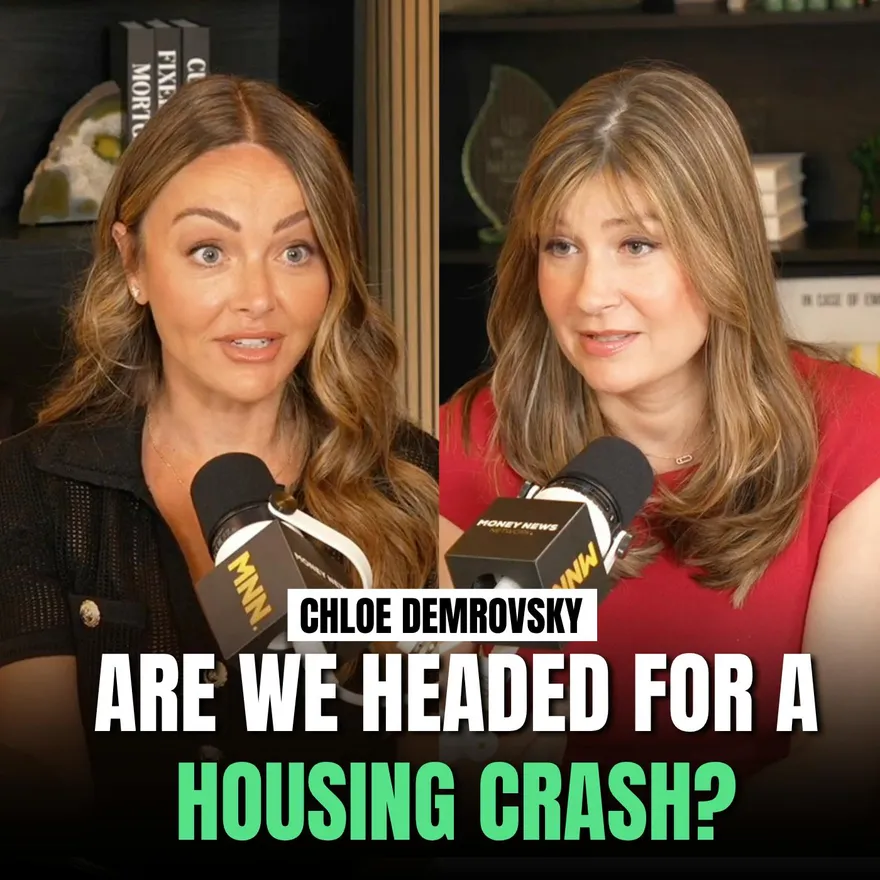

This is a preview of the Shortform summary of the Jun 24, 2026 episode of the Money Rehab with Nicole Lapin
Sign up for Shortform to access the whole episode summary along with additional materials like counterarguments and context.
1-Page Summary
The Insurance Affordability and Availability Crisis
Homeowners across the United States are facing a growing crisis as insurance premiums surge and coverage becomes increasingly difficult to obtain. The traditional insurance model, built around random and isolated losses, is failing to keep pace with the rising frequency of climate-related disasters, creating profound effects for families, communities, and the broader economy.
Insurance Premiums Outpace Inflation, Burdening Homeowners
Chloe Demrovsky notes that insurance premiums for homeowners have surged 74% since 2008—about 40% faster than inflation. What was once a minor budget item now rivals or exceeds property taxes and grocery costs in many markets. Nicole Lapin observes that insurance costs, once negligible, have become a major burden. Demrovsky warns this trend will likely continue, turning insurance into a "creeping affordability crisis."
Ninety-five percent of U.S. homeowners face premium hikes, and this isn't limited to high-risk states like California and Florida. Previously low-risk regions such as Ohio, Minnesota, and Massachusetts are also experiencing significant increases as extreme weather spreads risk nationwide. As insurers withdraw from unprofitable markets, homeowners often rely on costly state-backed plans when private options disappear. Lapin shares her experience with policy cancellation, illustrating the stress many Americans face.
"Uninsurable" Properties Exclude Homes From the Traditional Insurance Market
When a property becomes "uninsurable," insurers deem it too risky to cover at any profitable price. Demrovsky explains that homeowners with uninsurable properties may "self-insure"—shouldering all disaster costs themselves—or rely on minimal state Fair Plan coverage, exposing families to potential financial ruin. If insurance is unavailable, banks may refuse mortgages, forcing foreclosures. This threatens not just individual security but entire communities, as declining property values erode tax bases and reduce funding for schools and public services.
Insurance Model Incompatible With Rising Climate Disasters
The insurance business model breaks down when climate disasters repeatedly affect entire communities simultaneously. Demrovsky details how this stress extends through the insurance ecosystem: insurers depend on reinsurance, which itself faces unmanageable losses. Risk is then transferred through catastrophe bonds into global markets, meaning ordinary Americans are indirectly exposed through retirement funds. Demrovsky cautions that "pumping money at the problem" through disaster relief could risk inflationary pressures without careful management.
Systemic Economic Risk and Financial Contagion
Nicole Lapin and Chloe Demrovsky warn that the insurance crisis creates a domino effect endangering the housing market and overall economy, with echoes of 2008.
Insurance Crisis Endangers Housing Market and Economy
When homeowners can't afford insurance or insurers withdraw, home values drop because mortgages require insurance. Declining values spread through neighborhoods as homes become unsalable, with only cash buyers able to purchase them. The resulting foreclosures and bankruptcies directly weaken communities. Widespread vacant homes erode local tax bases, reducing funding for schools, infrastructure, and services—perpetuating a downward spiral. Meanwhile, displaced homeowners face an affordability crisis in rentals, forcing them far from jobs and support networks.
Crisis Endangers Middle Class and Homeownership As Wealth Pathway
This crisis particularly threatens the middle class and the traditional path of homeownership as a wealth-building vehicle. Essential workers like firefighters and police are priced out of city centers, forced into riskier disaster-prone areas where housing is cheaper but more vulnerable. Young families face devastation as uninsurable properties or high premiums force early retirement withdrawals for repairs, leaving them without residence or savings and undermining generational economic mobility.
Taxpayers to Shoulder Financial Crisis
As private insurers withdraw, state Fair Plans emerge as last-resort safety nets funded by taxpayers. These programs offer only minimum coverage to maintain housing stock, leaving significant gaps for struggling homeowners. The rising government insurance burden may crowd out other services or require tax hikes. If unaddressed, Demrovsky and Lapin warn, these cascading failures create systemic risk reminiscent of 2008, potentially triggering widespread foreclosures, market destabilization, and losses through catastrophe bonds.
Understanding Insurance Policy Coverage Gaps
Many homeowners purchase insurance only to satisfy mortgage requirements, often selecting the cheapest option without understanding coverage. Chloe Demrovsky explains that for most people, acquiring insurance is simply "checking a box," not ensuring meaningful protection. Nicole Lapin admits she never read her own policy until needing to make a claim.
Insurance Gaps: Homeowners Misunderstand Coverage
Demrovsky emphasizes that "most homeowners insurance does not include flood coverage." Many homeowners discover too late that standard policies exclude critical protections, leaving them with overwhelming out-of-pocket expenses. Regional exclusions vary—California policies typically exclude earthquakes, while other areas may not cover hail damage. Demrovsky urges homeowners to identify likely risks in their area and ensure policies account for them.
Living Expenses Coverage Is Crucial
Nicole Lapin stresses the importance of Additional Living Expense (ALE) coverage, which pays for temporary housing and meals when a home becomes uninhabitable. Demrovsky clarifies that ALE isn't automatic and must be included in a policy. Without it, displaced homeowners must pay these costs themselves, potentially leading to financial strain or bankruptcy.
Homeowners Should Research Policies Independently
Both experts urge homeowners to get informed about disaster risks and insurance gaps. Resources like whoshouldpay.org can help identify likely disasters by zip code. AI tools can assist in understanding policy fine print, though Demrovsky cautions that results must be verified. The experts emphasize that self-education is crucial because insurers may not highlight the full spectrum of risks or limitations.
Personal and Household Preparedness Strategies
Chloe Demrovsky and Nicole Lapin discuss steps buyers and homeowners can take to improve their resilience against increasing climate threats.
Research Insurance Risks and Quotes for Long-Term Affordability
Demrovsky stresses the importance of obtaining premium quotes before making an offer on a property to understand realistic insurance costs and availability. She recommends using FEMA maps and resources like whoshouldpay.org to research flood, wildfire, and other climate risks, though she cautions these tools may be outdated. Importantly, the burden of due diligence falls on buyers—sellers and agents aren't required to disclose past disasters or damage, making independent research critical.
Homeowners Should Promptly Understand, Document, and Protect Assets
Homeowners should thoroughly read insurance policies—potentially using AI tools for clarity—and back up digital copies to the cloud with strong passwords and two-factor authentication. Demrovsky and Lapin recommend creating a home inventory during calm periods, documenting valuable assets through video or photos to simplify insurance claims and replacement processes.
Families Should Create Cost-Effective Disaster Plans
Families should establish meeting points in case of service outages and pack go-bags with clothes, toiletries, documents, medications, and essentials for quick evacuation. Demrovsky recommends having industrial fans or drying equipment on hand to prevent mold growth after flooding.
Homeowners Should Mitigate to Reduce Disaster Risk
Homeowners can take mitigation steps such as clearing vegetation, installing hurricane windows, securing roofs, and bolting foundations. While these actions help reduce physical risk, Demrovsky notes they typically offer only minimal premium reductions and don't eliminate risk. To protect overall financial security, it's essential to diversify holdings rather than investing all savings in a single property.
Homeowners Should Adopt a Climate-Risk Mindset
Demrovsky encourages proactive engagement with preparedness during calm periods, when stress is low. Preparing in advance reduces trauma and loss when disasters strike. Ultimately, she emphasizes that self-care and stewardship of home and financial well-being demand deliberate, researched, and consistent preparedness—a small investment of time now can make a meaningful difference when disaster strikes.
1-Page Summary
Additional Materials
Clarifications
- State Fair Plans are state-established insurance programs designed to provide basic property insurance when private insurers refuse coverage. They typically offer limited protection at higher costs and are funded by premiums from policyholders and sometimes by assessments on insurers. These plans help maintain housing market stability but often lack comprehensive coverage. Because they are last-resort options, they reflect the high risk of insuring certain properties.
- Reinsurance is insurance that insurance companies buy to protect themselves from large losses. It spreads risk by allowing insurers to share potential claims with other companies. This helps insurers stay solvent after major disasters by covering part of the payout. Without reinsurance, insurers might face bankruptcy from catastrophic events.
- Catastrophe bonds are financial instruments that insurers issue to raise money for potential disaster losses. Investors buy these bonds, receiving high interest payments but risking loss of principal if a specified catastrophe occurs. This shifts some insurance risk from insurers to global investors, diversifying exposure beyond the insurance industry. It allows insurers to manage large-scale disaster costs without holding all the risk themselves.
- A property is labeled "uninsurable" when insurers determine the risk of loss is too high to offer coverage at a sustainable price. This often happens due to repeated damage, location in high-risk disaster zones, or poor property conditions. Being uninsurable limits a homeowner's ability to get a mortgage or sell the property, as lenders and buyers require insurance. It can force owners to bear all repair costs themselves or rely on limited, often costly, state-backed insurance programs.
- Standard homeowners insurance primarily covers damage to the physical structure and personal belongings inside the home. Additional Living Expense (ALE) coverage specifically pays for extra costs incurred if the home becomes uninhabitable, such as hotel stays, meals, and other living expenses. ALE coverage is a separate component that must be added to a policy and is not included by default. Without ALE, homeowners must cover these temporary living costs out of pocket during repairs.
- Flood coverage is typically excluded from standard homeowners insurance because floods are considered a separate, high-risk peril requiring specialized assessment. Flood damage is widespread and can affect entire regions simultaneously, making losses large and unpredictable for insurers. The National Flood Insurance Program (NFIP), a federal program, often provides flood insurance separately to manage this risk. This separation helps insurers limit exposure and maintain financial stability.
- Mortgage lenders require insurance to protect their financial investment in the property. Without insurance, lenders face higher risk of loss if the home is damaged or destroyed. Lack of insurance can lead lenders to deny mortgage approval or demand higher down payments. This ensures the property remains a secure collateral for the loan.
- Inflation measures the general rise in prices over time, so costs increasing faster than inflation means they become relatively more expensive. A 74% increase in insurance premiums since 2008, outpacing inflation by about 40%, means homeowners pay much more in real terms than before. This sharp rise strains household budgets because insurance costs grow faster than wages and other expenses. It signals that insurance is becoming less affordable, not just more expensive.
- Insurance market failures reduce homeowners' ability to secure mortgages, causing widespread property devaluation and foreclosures. This triggers a chain reaction affecting banks, investors, and local economies, similar to mortgage-backed securities collapsing in 2008. Additionally, insurers' reliance on reinsurance and catastrophe bonds spreads financial losses globally, risking broader market instability. Such interconnected failures can lead to credit tightening, reduced consumer spending, and economic recession.
- "Self-insuring" means a homeowner chooses to cover potential losses themselves instead of buying insurance. This requires having enough savings to pay for repairs or rebuilding after a disaster. The financial risk is high because a single event can cause catastrophic expenses that exceed personal funds. Without insurance, homeowners face total loss and no external financial support.
- Whoshouldpay.org is a specialized website that helps users identify likely disaster risks by location, but its data may not always be current or comprehensive. AI tools can analyze complex insurance policy language to highlight key terms and exclusions, aiding understanding. However, AI interpretations can be imperfect and should be cross-checked with official documents or expert advice. These resources support but do not replace thorough personal research and professional consultation.
- A home inventory is a detailed list of all personal belongings, including descriptions, purchase dates, and values, used to support insurance claims after loss or damage. Creating it involves systematically documenting items room by room, often with photos or videos for visual proof. This inventory speeds up claim processing and helps ensure fair compensation by providing clear evidence of ownership and value. Regularly updating the inventory keeps it accurate as possessions change over time.
- Homeowners can reduce disaster risk by reinforcing roofs, installing impact-resistant windows, securing foundations, and clearing flammable vegetation. These measures lower the chance of damage but do not eliminate the overall risk insurers face from widespread or severe disasters. Insurance premiums reflect aggregated risk across many properties and events, so individual mitigation has limited impact on insurer costs. Consequently, premium reductions from mitigation are typically small because insurers must cover large-scale, unpredictable losses.
- Adopting a "climate-risk mindset" means recognizing that climate-related disasters are increasingly frequent and planning accordingly. Proactive preparedness involves regularly updating knowledge about local climate threats and integrating risk reduction into daily decisions. It also means investing time and resources in preventive measures before disasters occur, rather than reacting afterward. This mindset helps reduce emotional stress and financial loss by fostering resilience and readiness.
- Insurance coverage gaps occur when policies exclude certain risks like floods or earthquakes, leaving homeowners responsible for repair costs. These exclusions mean that after a disaster, insurance payouts may not cover all damages. Without additional coverage or separate policies, homeowners must pay large expenses themselves. This financial burden can quickly become overwhelming, especially after major disasters.
- When home values decline due to insurance crises, property tax revenues fall because taxes are based on assessed home values. Reduced tax income limits local governments' budgets, forcing cuts to schools, emergency services, and infrastructure maintenance. This weakens community support systems and can lower overall quality of life. Over time, diminished services can further depress property values, creating a negative feedback loop.
- Real estate disclosure laws vary by state and often do not mandate reporting all past disasters or damage. Sellers may only need to disclose known material defects that affect property value or safety. Agents typically rely on sellers' honesty and are not legally required to investigate undisclosed issues. This creates gaps in buyer knowledge, making independent research essential.
Counterarguments
- While insurance premiums have risen significantly, some of the increase can be attributed to higher construction costs, increased home values, and inflation in addition to climate-related disasters.
- Not all regions or homeowners are equally affected; some areas still have competitive insurance markets and relatively stable premiums.
- State-backed insurance plans, while more expensive, ensure continued access to coverage for homeowners who might otherwise be left uninsured.
- The insurance industry is actively developing new risk models and products, such as parametric insurance and community-based risk pools, to adapt to changing climate risks.
- Some homeowners may benefit from government subsidies or tax incentives for mitigation measures, which can offset increased insurance costs.
- The comparison to the 2008 financial crisis may be overstated, as the underlying causes and systemic risks differ between the mortgage-backed securities collapse and the current insurance challenges.
- Homeowners can reduce their risk and potentially lower premiums through proactive mitigation efforts, even if premium reductions are modest.
- Increased awareness and education about insurance coverage gaps are leading to more informed consumer choices and policy improvements.
- Some states have begun to implement disclosure requirements for sellers regarding past disasters, improving transparency for buyers.
- The insurance market has historically adapted to new risks over time, suggesting potential for future stabilization as the industry innovates and governments intervene.


Get access to the context and additional materials
The Insurance Affordability and Availability Crisis
Homeowners across the United States face a growing crisis as insurance premiums become less affordable and harder to obtain. The traditional insurance model, designed for random and isolated losses, is proving incompatible with the rising frequency and severity of climate-related disasters. This has profound ripple effects for individual families, entire communities, and the broader economy.
Insurance Premiums Outpace Inflation, Burdening Homeowners
Insurance premiums for homeowners have surged 74% since 2008—about 40% faster than the rate of inflation. Chloe Demrovsky emphasizes that while the public is acutely aware of rising prices on everyday goods like gas and groceries, the increase in insurance costs has been even more dramatic. What was once a small and predictable line item on a homeowner’s budget now rivals and often exceeds property taxes, gas, or grocery costs in some markets. Nicole Lapin notes that the insurance-related portion of homeownership costs, once negligible, is now a major burden. Demrovsky warns that this trend is likely to continue, with people spending more on insurance premiums than other essential items in the next decade, turning insurance into a “creeping affordability crisis.”
Ninety-five percent of U.S. homeowners are facing premium hikes, and this is not isolated to states like California and Florida. Regions previously considered low-risk, such as Ohio, Minnesota, and Massachusetts, are also experiencing significant increases due to extreme weather events spreading risk nationwide. Fires in unexpected places like inland Massachusetts, wildfires in Florida, and floods in Texas exemplify that no region is immune. As Lapin and Demrovsky highlight, even homeowners in “safe” areas are now subject to unpredictable insurance costs as companies re-evaluate risk nationwide.
As this crisis deepens, insurers are increasingly withdrawing from unprofitable or high-risk markets. Homeowners are often left reliant on costly, bare-bones state-backed insurance plans when private options disappear. Nicole Lapin shares her experience with policy cancellation and the scramble to find any available coverage, illustrating the uncertainty and stress felt by many Americans.
"Uninsurable" Properties Are Homes too Risky for Coverage, Excluding Them From the Traditional Insurance Market
Insurance companies evaluate homes using sophisticated risk models, pricing policies year by year to reflect changing hazards and loss data. When a property becomes “uninsurable,” it means insurers deem it too high-risk to cover at any price that makes business sense. This designation isn’t about an individual homeowner’s behavior—it’s about a property’s aggregate risk.
Demrovsky explains that when a property is uninsurable, options dwindle. Homeowners may “self-insure”—shouldering all disaster costs themselves, relying on savings, or taking only minimal, expensive state Fair Plan coverage. This forced acceptance of risk exposes families to financial ruin after disasters. Furthermore, if insurance is unavailable or unaffordable, banks may refuse to issue or renew mortgages, driving families to foreclosure or forcing neighborhoods into decline as empty, unsellable homes drag down property values.
This trend threatens more than individual security. If widespread, uninsurability softens home values, erodes community tax bases, and reduces funding for public goods like schools. As nuisance flooding and uninhabitable properties increase, blocks and even entire towns may become less viable, compounding economic and social consequences across states and the nation.
Insurance Model Incompatible With Rising Climate Disasters Affecting Communities Simultaneously
The basic business model of insurance is undermin ...
Here’s what you’ll find in our full summary
The Insurance Affordability and Availability Crisis
Additional Materials
Clarifications
- The traditional insurance model relies on the principle of risk pooling, where many policyholders pay premiums to cover the losses of a few. It assumes that losses occur randomly and independently, so not all insured parties will claim at the same time. This allows insurers to predict overall losses and set premiums accordingly. When disasters affect many policyholders simultaneously, this model struggles to cover widespread claims.
- A property labeled “uninsurable” means no insurance company will cover it at a reasonable price due to extremely high risk. This often results from repeated damage or location in areas prone to disasters like floods or wildfires. Without insurance, homeowners face difficulty obtaining mortgages and may have to pay all repair costs themselves. This status can lower property values and destabilize local housing markets.
- To “self-insure” means a homeowner chooses to bear the financial risk of damage or loss themselves instead of buying insurance. Practically, this involves setting aside savings specifically to cover potential repair or replacement costs after disasters. Homeowners might also reduce coverage to minimal state plans, accepting higher out-of-pocket expenses. This approach requires strong financial discipline and the ability to absorb large unexpected costs.
- State-backed insurance plans are government-established programs that provide coverage when private insurers withdraw from high-risk markets. The “Fair Plan” is a type of state-backed insurance designed as a last-resort option for homeowners who cannot obtain coverage elsewhere. These plans often offer limited coverage at higher costs and may exclude certain risks. They aim to maintain basic insurance availability but are not intended to replace comprehensive private insurance.
- Banks require homeowners to have insurance to protect their investment in the property. Without insurance, the bank faces higher financial risk if the home is damaged or destroyed. Therefore, if insurance is unavailable or unaffordable, banks may refuse to issue or renew mortgages. This policy helps banks avoid potential losses from uninsured properties.
- Insurance pools collect premiums from many policyholders to pay for individual claims, spreading risk across a large group. When disasters strike simultaneously across many insured properties, the pool must cover a large number of claims at once. This sudden, massive payout can deplete the pool’s funds, making it hard to cover all losses. Replenishing the pool takes time, so repeated simultaneous disasters strain its financial stability.
- Reinsurance is insurance that primary insurers buy to protect themselves from very large losses. It helps spread risk by allowing insurers to share potential claims with other companies. This support stabilizes the insurance market by preventing any one insurer from facing financial ruin after major disasters. Without reinsurance, primary insurers would have less capacity to cover widespread or severe claims.
- Catastrophe bonds are financial instruments that insurers issue to raise money for potential disaster losses. Investors buy these bonds, effectively taking on the risk of a catastrophe in exchange for higher returns. If a specified disaster occurs, the bond’s principal is used to cover insurer losses, and investors may lose part or all of their investment. This mechanism spreads disaster risk from insurers to global capital markets, involving a wide range of investors worldwide.
- Many retirement funds invest in financial products like catastrophe bonds, which insurers use to spread risk. W ...
Counterarguments
- While insurance premiums have risen significantly, some of the increase can be attributed to higher construction costs, increased home values, and inflation in addition to climate-related risks.
- Not all regions or homeowners are equally affected; some areas still have competitive insurance markets and relatively stable premiums.
- State-backed insurance plans, while often more expensive and limited, do provide a safety net that prevents total loss of coverage for most homeowners.
- The insurance industry has a long history of adapting to new risks through innovations in risk modeling, product design, and public-private partnerships.
- Some argue that rising premiums more accurately reflect the true risk of living in hazard-prone areas, potentially encouraging better land use and mitigation practices.
- Govern ...
Get access to the context and additional materials
Systemic Economic Risk and Financial Contagion
The insurance crisis unfolding in various states is creating a domino effect that endangers the housing market and overall economy, with strong echoes of the 2008 financial collapse. Nicole Lapin and Chloe Demrovsky warn that this systemic risk is broader than rising premiums or insurers withdrawing; it threatens the stability of communities and the financial foundation of the middle class.
Insurance Crisis Endangers Housing Market and Economy, Echoes 2008
When homeowners can no longer afford property insurance or insurers pull out of geographic areas, home values drop because mortgages are contingent on insurance availability. Without insurance, homeowners become “stuck,” unable to sell their homes. As insurance costs rise or homes become uninsurable, these properties often eventually fall into foreclosure and bankruptcy.
Insurance Issues Lower Property Values and Trigger Financial Crises
Declining property values spread to entire neighborhoods as clusters of homes become vacant or unsalable. Lenders require insurance for mortgages, so when insurance is unavailable, only cash buyers can purchase these homes—and they are few. As a result, houses languish on the market, accelerating value erosion. If homes can’t be sold due to insurance issues, the incidents of personal bankruptcy and foreclosure rise, directly weakening communities.
Foreclosures Lower Tax Revenue, Reducing School, Service, and Infrastructure Funding, Perpetuating Decline
Widespread foreclosures mean homes sit empty for long periods, exacting a toll beyond individual owners. The proliferation of vacant houses erodes local tax bases, which municipalities rely on to fund essential public services, especially schools, infrastructure, and social programs. This perpetuates a downward spiral, weakening entire communities, cities, and, ultimately, broader state economies.
Displaced Homeowners Face Unaffordable Rentals, Forced far From Jobs and Support Networks
As people lose their homes, the lack of affordable housing exacerbates the strain. Renters already face a severe affordability crisis, and displaced homeowners find it difficult to secure new housing within their own communities or close to employment. As a result, some are forced into temporary accommodations far from their workplaces or support systems; in extreme cases, they might temporarily live with family, withdraw children from local schools, or endure lengthy commutes, compounding economic instability.
Crisis Endangers Middle Class and Homeownership As Wealth Pathway
This crisis hits the middle class especially hard, imperiling the historical path of homeownership as the core of generational wealth and economic mobility. Essential workers—including first responders, firefighters, and police—who form the backbone of neighborhoods, are priced out of city centers, forcing them into riskier, disaster-prone areas where housing is less expensive but more vulnerable. These workers end up on the “front line” of disasters, both economically and physically.
Essential Workers Priced Out, Forced Into Riskier Areas
As home prices and insurance premiums climb, essential workers who keep cities viable can no longer afford to live in central, safer neighborhoods. Instead, they must move to the urban periphery or hazard-prone areas, increasing their exposure to fires or floods, and placing further stress on community resilience during crises.
Young Families Face Devastation As Uninsurable Properties or High Premiums Force Early Retirement Withdrawals For Home Repairs or Abandonment, Leaving Them Without Residence or Savings
Young families who have worked for years to buy their first homes face the devastation of uninsurable or unaffordable properties. Many are forced to cash out retirement savings early to fund home repairs or secure alternative living arrangements. This sacrifices their long-term financial security and eliminates the possibility of benefiting from compounded retirement growth. Others may give up on homeownership altogether, moving into substandard rentals or back with family, undermining their aspirations and future stability.
Erosion of Middle-Class Homeownership Threatens Generational Economic Mobility and Wealth-Building Security
Repeated setbacks erode the engine of American prosperity: middle-class homeownership and the generational transfer of wealth. Without stable housing, families can’t build economic mobility or security, and local communities lose the stability that homeownership and property investment provide, undermining the broader dream of upwa ...
Here’s what you’ll find in our full summary
Systemic Economic Risk and Financial Contagion
Additional Materials
Clarifications
- Systemic risk refers to the potential for a problem in one part of the financial system to spread and cause widespread economic disruption. In insurance and housing markets, it means that failures like insurer withdrawals or unaffordable premiums can trigger a chain reaction affecting home values, lending, and community stability. This interconnectedness can lead to large-scale foreclosures, reduced tax revenues, and weakened public services. Ultimately, systemic risk threatens the entire economy, not just individual homeowners or insurers.
- Property insurance protects lenders' investments by covering damage risks to the home securing the mortgage. Mortgage lenders require proof of insurance before approving loans to ensure the property’s value is safeguarded. Without insurance, lenders face higher financial risk, making them unlikely to approve or continue mortgages. This requirement also affects home sales, as buyers must secure insurance to complete the purchase.
- Insurers withdraw from certain areas when risks, like natural disasters, become too frequent or severe, making coverage unprofitable. They also face regulatory limits on premium increases, restricting their ability to cover rising costs. Withdrawal reduces available insurance options, causing homeowners to struggle to get or afford coverage. This leads to decreased property values and market instability in those regions.
- When some homes lose value, nearby properties often follow due to perceived neighborhood decline. Vacant or unsold homes reduce demand and curb appeal, discouraging buyers. Lower demand leads to price drops, which can trigger more foreclosures and vacancies. This cycle creates a negative feedback loop spreading across the area.
- Foreclosures occur when homeowners fail to pay their mortgages, leading lenders to repossess and sell the property. Bankruptcies happen when individuals cannot meet their overall debt obligations, often triggered by financial distress like foreclosure. Both reduce residents' ability to spend locally, weakening businesses and lowering property values. This decline shrinks the tax base, reducing funds for public services and harming community financial health.
- Local governments primarily fund services through property taxes, which are calculated based on property values. When property values decline, the total tax revenue collected decreases. Foreclosures increase the number of vacant or abandoned homes, which often pay little or no property tax. This reduction in tax income limits funding for public services like schools and infrastructure.
- State "Fair Plans" are government-established insurance programs designed to provide basic property insurance coverage when private insurers withdraw from high-risk areas. They typically offer limited coverage, focusing on structural damage rather than personal property or additional living expenses. Funding for these plans comes from policyholders and sometimes state funds, but they often operate with financial constraints that limit their capacity. Because of these limitations, Fair Plans may not fully protect homeowners, leaving gaps in coverage and exposing taxpayers to potential financial risk.
- Catastrophe bonds are financial instruments that transfer insurance risk from insurers to investors, who receive high returns but lose principal if a disaster occurs. Reinsurance is insurance purchased by insurance companies to spread risk and protect themselves from large losses. Both help insurers manage exposure to major disasters but can suffer losses if claims surge, impacting financial stability. Their failure can amplify economic shocks by spreading risk through financial markets.
- Essential workers often earn moderate incomes that limit their housing options. Rising insurance premiums and housing costs increase their financial burden, making central, safer neighborhoods unaffordable. They are forced to move to cheaper, higher-risk areas with greater disaster exposure. This displacement reduces community resilience and increases their vulnerability during crises.
- Early retirement withdrawals involve taking money out of retirement accounts before the eligible age, often incurring penalties and taxes. This reduces the total amount saved for retirement, limiting future financial security and growth potential. Using these funds for home repairs or housing costs can create long-term economic hardship by depleting retirement resources prematurely. It also means less money is available to cover living expenses in old age, increasing vulnerability.
- Homeown ...
Counterarguments
- While the insurance crisis poses risks, the comparison to the 2008 financial collapse may be overstated, as the underlying causes and scale of exposure differ significantly.
- Some regions experiencing insurance market stress have implemented reforms or incentives that have stabilized or attracted new insurers, suggesting that market adaptation is possible.
- Not all homeowners are equally affected; those with significant equity or in less disaster-prone areas may retain access to insurance and stable property values.
- Government “Fair Plans” and state-backed insurance pools, while limited, have historically prevented total market collapse in high-risk areas, providing a safety net that mitigates the most severe outcomes.
- The impact on local tax bases and public services may be less severe in areas with diversified economies or strong fiscal reserves.
- Essential workers and middle-class families may have access to targeted assistance programs, down payment support, or insurance subsidies in some states, reducing displacement risk.
- The housing market is influenced by multiple factors beyond insurance availability, such as interest rates, employment trends, and migration patterns, which can offset or exacerbate local declines.
- Some analysts argue that higher insurance p ...


Get access to the context and additional materials
Understanding Insurance Policy Coverage Gaps
Many homeowners purchase insurance solely to satisfy mortgage requirements, often selecting the cheapest available option without understanding what is actually covered. Chloe Demrovsky explains that for most people, acquiring homeowners insurance is simply “checking a box” to qualify for a loan, not about ensuring meaningful protection. This approach often leads to significant coverage gaps because many do not read their policies or only review the details when forced by circumstance. Nicole Lapin admits to never reading her own insurance policy until she needed to make a claim, discovering important lessons only out of necessity.
Insurance Gaps: Homeowners Misunderstand Coverage
Homeowners frequently buy minimal or cheap insurance policies to meet lender demands, typically ignoring policy fine print and critical coverage details. A common misconception is that having insurance means complete protection against any disaster, but Demrovsky stresses that understanding coverage specifics is essential for genuine security.
A major gap arises with flood damage. Demrovsky emphasizes, “Most homeowners insurance does not include flood coverage.” Flooding, often seen as a coastal issue, is increasingly caused by extreme rainfall across the country in places like North Carolina and beyond. Many homeowners discover too late that replacements for destroyed belongings and repairs to damaged kitchens or bathrooms are not covered, leaving them with overwhelming out-of-pocket expenses.
Additionally, standard policy exclusions depend on regional risks. In California, for example, basic homeowners insurance typically excludes earthquake damage, requiring a supplemental policy. Other geographic exclusions include hail damage, which may not be covered in regions prone to hailstorms. Demrovsky warns that smaller, localized disasters such as hail and wildfires should also be considered, urging homeowners to identify likely risks in their area and ensure their policies account for them.
Living Expenses Coverage Is Crucial; Homeowners Often Lack or Misunderstand It, Leaving Them Vulnerable to Out-of-pocket Costs Post-Disaster
A critical yet frequently misunderstood element is Additional Living Expense (ALE) coverage. Nicole Lapin stresses the importance of understanding or having ALE coverage: it pays for temporary housing, hotels, rentals, meals, and other extra expenses when a home becomes uninhabitable due to a covered disaster. Demrovsky clarifies that ALE is not automatic—it must be included in a policy. Without adequate ALE coverage, displaced homeowners must pay for these temporary arrangements themselves, which can lead to financial strain or even bankruptcy.
Demrovsky points out that typical plans are designed to make a house barely livable again and do not cover ALE or personal property loss. These are extra costs that can multiply after a disaster. This becomes even more serious following community-wide disasters, where the cost of hotels and ren ...
Here’s what you’ll find in our full summary
Understanding Insurance Policy Coverage Gaps
Additional Materials
Clarifications
- Additional Living Expense (ALE) coverage reimburses policyholders for extra costs incurred when their home is uninhabitable due to a covered peril. It typically covers hotel bills, temporary rentals, meals, and other necessary expenses beyond normal living costs. ALE coverage usually has limits based on a percentage of the dwelling coverage or a time frame. It does not cover permanent relocation or losses unrelated to temporary living arrangements.
- Standard homeowners insurance covers common risks like fire, theft, and some weather damage but excludes certain high-risk events. Supplemental policies are separate add-ons purchased to cover specific risks not included in the standard policy, such as earthquakes or floods. These supplemental policies often require additional premiums and have their own terms and limits. Without them, damage from excluded events is not reimbursed by the standard insurance.
- Flood damage is typically excluded from standard homeowners insurance because flood risks are widespread and costly, making coverage expensive and complex. Instead, flood insurance is offered separately through government programs like the National Flood Insurance Program (NFIP) or private insurers. This separation helps insurers manage financial risk and keeps standard policy premiums lower. Homeowners in flood-prone areas are encouraged to purchase dedicated flood insurance to ensure proper protection.
- Regional exclusions in insurance policies reflect the varying risks in different geographic areas, meaning coverage for events like hail or wildfires depends on local likelihood. Insurers often exclude or limit coverage for disasters common in a region to manage their financial risk and may offer separate, specialized policies for those perils. For example, wildfire coverage is more critical and often separately priced in Western U.S. states prone to fires, while hail coverage is emphasized in Midwest areas where hailstorms are frequent. Understanding these exclusions helps homeowners ensure their policy matches the specific hazards they face.
- Without Additional Living Expense (ALE) coverage, homeowners must pay all costs for temporary housing, food, and other living expenses out of pocket. These costs can quickly add up, especially if repairs take months, leading to significant financial strain. Lack of ALE coverage increases the risk of debt accumulation or bankruptcy after a disaster. ALE coverage acts as a financial safety net, preventing unexpected expenses from overwhelming a homeowner’s budget.
- "Coverage gaps" refer to situations where an insurance policy does not provide protection for certain risks or damages, leaving the homeowner financially responsible. "Policy fine print" means the detailed terms and conditions written in the insurance contract that specify what is covered, excluded, or limited. These details often include exceptions, limits, and requirements that affect how claims are handled. Understanding the fine print is essential to know exactly what protection the insurance offers.
- When a community-wide disaster occurs, many residents simultaneously need temporary housing, creating high demand. This surge in demand drives up prices for hotels and rental properties due to limited availability. Additionally, local infrastructure damage can reduce housing options, further increasing costs. These factors combine to make temporary living exp ...
Counterarguments
- Some homeowners may intentionally choose minimal coverage because they have sufficient savings or assets to self-insure against certain risks, making comprehensive coverage unnecessary for their financial situation.
- Not all homeowners are uninformed; many do read and understand their policies, especially those who have experienced previous claims or live in high-risk areas.
- Lenders often require certain minimum coverages that already address the most common and catastrophic risks, reducing the likelihood of total financial loss for most homeowners.
- The cost of comprehensive insurance, including all possible supplemental coverages, may be prohibitively expensive for some homeowners, making selective coverage a rational financial decision.
- Some regions have low risk for certain disasters (e.g., earthquakes in the Midwest), so purchasing supplemental coverage for those events may not be practical or cost-effective.
- Insurance agents and brokers are regulated and often required to disclose major exclu ...

Get access to the context and additional materials
Personal and Household Preparedness Strategies
Personal and household disaster preparedness requires a blend of smart research, proactive asset protection, thorough documentation, and forward-thinking planning. Chloe Demrovsky and Nicole Lapin discuss steps that buyers and homeowners can take to improve their resilience in the face of increasing climate-related threats.
Research Insurance Risks and Quotes for Long-Term Affordability and Coverage
Contact Insurance Brokers For Premium Quotes Before Home Offers
Nicole Lapin asks about the wisdom of contacting a broker before putting in a bid on a home, and Chloe Demrovsky stresses that it's very important. Obtaining premium quotes prior to making an offer on a property helps buyers understand what their realistic insurance costs will be and whether long-term coverage is affordable and available.
Research Disaster Risks in a Property's Zip Code Using Possibly Outdated FEMA Maps
Demrovsky recommends using FEMA maps, but cautions they may be outdated. She also suggests using online resources like whoshouldpay.org, where buyers can research flood, wildfire, or other climate risks by entering a property's zip code and some details about the house to get a risk estimate. Even though these tools aren’t perfect, they provide vital information for making an informed decision.
Buyers Must Research Neighborhood History; Sellers/Agents Aren't Required to Disclose Past Disasters/Damage. Burden Is on Buyers to Find This Independently
The burden of due diligence primarily falls on buyers. Sellers and real estate agents are usually not required to disclose a property's disaster or damage history, including flood events and wildfire risks. Demrovsky notes that homeowners are often motivated to keep potential buyers from knowing about previous disasters since their life savings are tied up in the property. Buyers should press realtors and current owners for information and seek out neighborhood data independently. Previously, sites like Zillow included climate risk metrics, but these have been removed, making personal research even more critical. As a result, buyers must embrace a "caveat emptor" approach—buyer beware—to ensure they understand a property's true risk profile.
Homeowners Should Promptly Understand, Document, and Protect Their Assets While They Have Time and Clarity
Homeowners Should Fully Understand Insurance Policies Using AI Tools, and Back Up Critical Document Copies to the Cloud to Survive a Disaster
It’s critical for homeowners to thoroughly read and understand their insurance policies—potentially using AI tools for clarity—and back up digital copies instead of relying solely on vulnerable physical documents. Important items—like the insurance policy itself, marriage licenses, driver’s licenses, leases, and prescriptions—should be stored securely in the cloud (iCloud, Dropbox, OneDrive, etc.), on thumb drives, and (for added security) in waterproof bags within bins. Sensitive data should always have strong, unique passwords and two-factor authentication for cloud services and password managers, never reusing the same password across accounts.
Create a Home Inventory For Insurance Claims During Calm Periods
Demrovsky and Lapin recommend a digital or video inventory of valuable assets—furniture, appliances, jewelry, and other significant belongings. This practice, done well in advance during calm periods, greatly simplifies insurance claims and the replacement process, which can otherwise be traumatic after a loss.
Backup Critical Documents Digitally With Secure Cloud Services
Prescription records, legal documents, and other essential paperwork need secure offsite backups. In emergencies, retrieving these from cloud storage is vital, especially if local pharmacies or agencies are impacted, and helps avoid bureaucratic complications post-disaster.
Families Should Create Cost-Effective Disaster Plans for Better Outcomes
Families Should Set a Meeting Point or Plan In Case of Service Outage to Reunite During a Disaster
Plans should include designated meeting spots and communication strategies in case phone and internet go down. Discussing potential scenarios with family—especially for disasters like wildfires or earthquakes that offer little warning—ensures everyone knows where to regroup and who to contact, fostering better post-disaster outcomes.
Homeowners Should Pack Go-bags With Clothes, Toiletries, Documents, Medications, and Essentials for Quick Evacuation
Homeowners should have "go-bags" prepared with key clothing, toiletries, medications, back-up documents, essentials, and spare technology (chargers, portable WiFi like Starlink). Keeping such a bag in the trunk or a ready-to-go spot means families can evacuate quickly without forgetting critical items.
Store Backup Devices & Equipment to Ease Post-Disaster Conditions & Prevent Mold Growth
Demrovsky notes that post-flood mold can cause as much or more harm than the initial water damage. She recommends having industrial fans or drying equipment on hand for rapid response. Having backup devices for communication or basic utilities can diminish hardship and speed recovery after disaster.
Homeowners Should Mitigate to Reduce Disaster Risk and Potentially Lower Insurance Premiums, Recognizing These Offer Only Partial Protection
...
Here’s what you’ll find in our full summary
Personal and Household Preparedness Strategies
Additional Materials
Counterarguments
- Contacting insurance brokers for premium quotes before making home offers may not always yield accurate long-term affordability estimates, as insurance markets and premiums can change rapidly due to evolving climate risks and insurer policies.
- Relying on FEMA maps and online tools like whoshouldpay.org for disaster risk assessment can be problematic, as these tools may lack up-to-date or granular data, potentially leading to either overestimation or underestimation of actual risks.
- Expecting buyers to independently research neighborhood disaster history places a significant burden on individuals, which may disadvantage those without the time, resources, or expertise to conduct thorough investigations.
- The "buyer beware" approach can exacerbate inequities, as less experienced or first-time buyers may be less equipped to identify hidden risks compared to seasoned investors.
- Thoroughly understanding insurance policies, even with AI tools, can still be challenging due to complex legal language and frequent policy changes, potentially leading to misunderstandings about coverage.
- Digital backups of critical documents, while helpful, are not foolproof; cloud services can be vulnerable to hacking, outages, or data loss, and not all individuals are comfortable or familiar with digital security best practices.
- Creating a detailed home inventory may be impractical for some homeowners due to time constraints, privacy concerns, or lack of technological access.
- Disaster plans with designated meeting points and communication strategies may not be feasible for families with members who have disabilities, language barriers, or limited mobility.
- Preparing go-bags and backup equipment requires upfront costs and storage space, which may not be accessible ...
Actionables
- you can create a simple spreadsheet that tracks insurance quotes, disaster risks, and neighborhood incident reports for every property you consider, so you can compare true long-term costs and risks side by side before making an offer; include columns for premium estimates, disaster history, and any red flags you uncover.
- a practical way to ensure your disaster plan works is to schedule a quarterly “disaster drill day” at home, where you and your family simulate an evacuation, test your go-bags, practice communication plans, and review your digital backups to spot gaps or expired items.
- you can set a ...

Get access to the context and additional materials


Create Summaries for anything on the web
Download the Shortform Chrome extension for your browser
