

How to Invest During a Crisis: Oil, the Dollar, and What to Do Right Now with Lauren Simmons
In this episode of Money Rehab with Nicole Lapin, Lauren Simmons joins to discuss how the Iran conflict has driven oil prices sharply higher and created ripple effects throughout the global economy. They explore the connections between oil prices, inflation, the U.S. dollar's strength as a safe haven, and Federal Reserve policy, while examining how these dynamics impact both domestic markets and emerging economies holding dollar-denominated debt.
Simmons and Lapin offer practical investment guidance for navigating volatile markets, emphasizing long-term focus over daily reactions and the importance of diversification across asset classes. They discuss strategies including dollar-cost averaging, dividend reinvestment, and sector-specific ETFs, while addressing the current role of alternative assets like precious metals and cryptocurrencies in portfolio construction. The conversation provides frameworks for aligning investments with personal risk tolerance and financial goals during periods of geopolitical uncertainty.


This is a preview of the Shortform summary of the Apr 1, 2026 episode of the Money Rehab with Nicole Lapin
Sign up for Shortform to access the whole episode summary along with additional materials like counterarguments and context.
1-Page Summary
Impact of Oil Prices and Geopolitics on Global Economy
Oil Prices Surge Amid Iran War
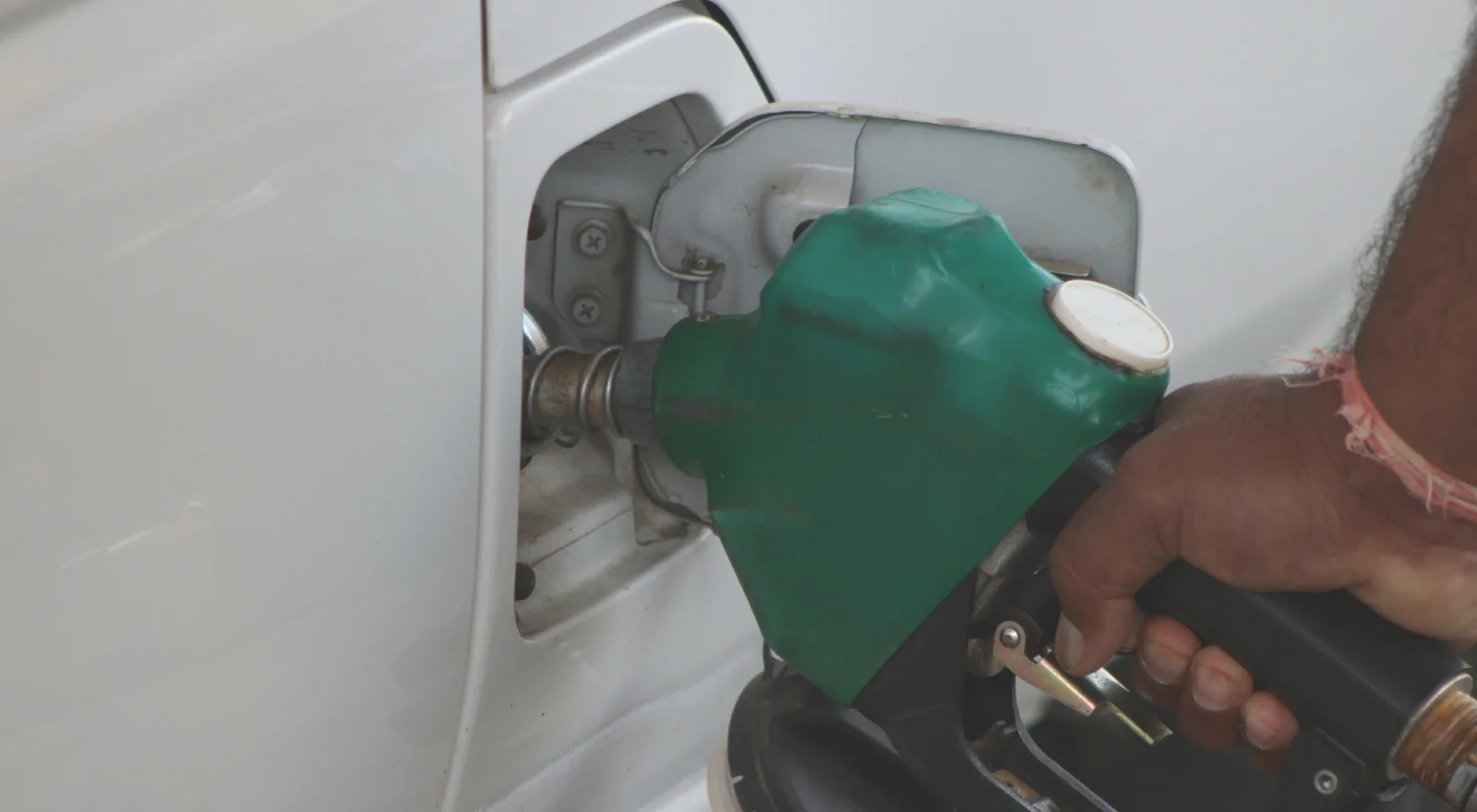
The Iran conflict has driven Brent crude oil prices from $65 to $107 per barrel, creating significant ripple effects across the global economy. Lauren Simmons explains that this surge stems from regional instability and disruptions to shipping through the Strait of Hormuz. These higher oil prices directly increase transportation costs, which filter through supply chains and ultimately raise consumer prices across numerous product categories. Simmons warns that even if the conflict were resolved immediately, the inflationary pressure from this oil price spike will persist for months.
Oil, U.S. Dollar, Inflation, and Interest Rate Links
Dollar Strengthens as Safe Haven
Simmons and Nicole Lapin note that the U.S. dollar has strengthened by about 1.5% to 2% recently as investors seek security amid geopolitical uncertainty. This pattern dates back to the 1970s petrodollar system, which created constant global demand for dollars. However, Simmons points out that the dollar's long-term outlook is less certain—it fell 4% over the past year, and Saudi Arabia declined to renew the petrodollar agreement in 2024. She observes institutional investors diversifying into emerging markets, gold, and silver rather than relying on the dollar's historical dominance.
Rising Oil Fuels Inflation and Fed Response
When oil prices rise, inflation expectations increase across the economy, prompting the Federal Reserve to raise interest rates. This makes U.S. assets more attractive and increases dollar demand. However, Simmons and Lapin explain that these dynamics create global consequences: emerging markets like Pakistan and Egypt, which hold dollar-denominated debt and import oil, face soaring costs when the dollar strengthens. Potential defaults in these countries could trigger losses for U.S. investors, creating ripple effects through global markets.
Investment Strategies and Portfolio Diversification in Volatile Markets
Long-Term Focus Over Daily Reactions
Lapin emphasizes that volatile periods, while overwhelming for investors watching their portfolios, can actually be when the greatest wealth is built. Simmons advises against knee-jerk reactions to market fluctuations, recommending quarterly portfolio reviews instead of obsessing over daily changes. She stresses maintaining focus on long-term goals and avoiding impulsive decisions based on short-term noise.
Diversification Across Asset Classes
Both hosts emphasize diversification across stocks, bonds, and commodities given current global uncertainties. Lapin suggests broad-based index funds like VOO for U.S. exposure and VXUS for international diversification. For targeted sector exposure like energy, Simmons recommends reviewing at least one to two years of historical performance and considering ETFs like XLE. She also prefers dividend-paying investments set to reinvest automatically to capitalize on compounding returns.
Lapin highlights dollar-cost averaging—investing regularly in small amounts rather than lump sums—as a prudent approach that smooths out entry points and manages risk. Both hosts stress the importance of aligning investments with personal values through value-based ETFs and ensuring portfolios reflect individual risk tolerance and goals.
Alternative Assets' Role and Performance
Precious Metals as Hedges
Simmons allocates about 10% of her portfolio to gold and silver through ETFs like GLD, SLV, and RING—well above the typical 3% guideline. She notes that while these metals have recently declined due to geopolitical unrest, she remains ahead due to early entry at lower prices. Simmons tracks institutional investor trends through sources like BlackRock's weekly market commentary, which currently favors commodities. However, she would not add to precious metals positions now, preferring to wait for price stabilization after geopolitical tensions ease.
Cryptocurrencies' Uncertain Role
Simmons observes that cryptocurrencies are not currently acting as effective diversifiers, with Bitcoin moving in tandem with technology stocks rather than providing uncorrelated returns. She notes that Bitcoin has been the most underperforming asset class year-to-date according to BlackRock's commentary. Simmons chooses not to invest in crypto due to its volatility and correlation with tech, preferring traditional tech stock exposure instead. Both hosts emphasize the importance of understanding personal risk tolerance and the unique challenges of crypto before allocating capital to this asset class.
1-Page Summary
Additional Materials
Counterarguments
- While the Iran conflict has contributed to oil price increases, other factors such as global supply-demand imbalances, OPEC+ production decisions, and post-pandemic recovery also play significant roles in oil price volatility.
- The persistence of inflationary pressure from oil price spikes can be mitigated by government interventions, strategic petroleum reserves, or shifts to alternative energy sources, which may reduce the duration and severity of inflation.
- The U.S. dollar's recent strengthening may also be influenced by relative economic performance, interest rate differentials, and global risk sentiment, not solely by geopolitical uncertainty or the petrodollar system.
- The end of the formal petrodollar agreement with Saudi Arabia does not necessarily mean an immediate or dramatic decline in global dollar demand, as the dollar remains the dominant reserve currency and is widely used in global trade.
- Institutional investors diversifying into emerging markets, gold, and silver is a common risk management strategy, but these assets also carry their own risks, such as political instability in emerging markets or volatility in commodity prices.
- The relationship between oil prices, inflation, and Federal Reserve policy is complex; other factors such as wage growth, supply chain normalization, and core inflation measures also influence Fed decisions.
- Not all emerging markets are equally vulnerable to dollar strength or oil price increases; some are net oil exporters or have diversified economies that can better withstand such shocks.
- While long-term investing and avoiding knee-jerk reactions are generally sound advice, some investors may benefit from more active management or tactical adjustments during periods of extreme volatility.
- Diversification is important, but over-diversification can dilute returns, and some investors may achieve their goals with more concentrated portfolios tailored to their specific risk profiles.
- Dividend-paying investments are not always superior; some growth stocks or sectors may outperform dividend payers, especially in certain market environments.
- Dollar-cost averaging can reduce risk, but in strongly rising markets, lump-sum investing has historically produced higher returns.
- Value-based ETFs may not always align perfectly with personal values due to differing definitions and methodologies for ESG or value-based investing.
- Allocating 10% to gold and silver may be excessive for some investors, especially given the historical volatility and lack of income generation from precious metals.
- Institutional investor preferences, such as those reported by BlackRock, can change rapidly and may not be suitable for all retail investors.
- While cryptocurrencies have recently correlated with tech stocks, their long-term diversification benefits and potential as alternative assets remain subjects of debate among financial professionals.
- Avoiding cryptocurrencies entirely may mean missing out on potential high returns or diversification benefits if market dynamics change in the future.
- Some investors with high risk tolerance and a deep understanding of the crypto market may find it a suitable addition to their portfolios, despite current volatility.
Actionables
- you can set up a monthly “global impact check” by tracking how changes in oil prices and the dollar affect the prices of everyday goods you buy, like groceries or gas, and adjust your shopping habits or budget categories accordingly to stay ahead of inflation.
- a practical way to manage risk from currency and commodity swings is to use a simple spreadsheet to simulate how your savings or investments would be affected if the dollar strengthens or weakens, or if oil prices spike, helping you spot vulnerabilities and plan small adjustments, like keeping a portion of cash in a multi-currency account if available.
- you can create a personal “stress test” for your finances by listing your recurring expenses and debts, then imagining scenarios where interest rates rise or your costs increase due to global events, so you can identify which expenses to cut or renegotiate first if needed.

Get access to the context and additional materials
Impact of Oil Prices and Geopolitics on Global Economy
Oil Prices Surge Amid Iran War, Boosting Inflation and Economy Impact
The ongoing conflict in Iran has driven global oil prices sharply upward, producing significant effects across the entire world economy. Brent crude oil, which serves as a key benchmark for global oil pricing, has surged from about $65 per barrel over the past 12 months to $107 per barrel. Lauren Simmons highlights the gravity of this jump, explaining that such a dramatic increase in oil prices has substantial implications beyond just gasoline costs.
Brent Crude Prices Surge From $65 to $107 per Barrel, Causing Ripple Effects
With Brent crude currently trading at $107, the steep increase from the previous average of $65 means that numerous economic sectors will be affected. The main driver behind this surge is the regional instability created by the Iran conflict, especially disruptions to shipping through the crucial Strait of Hormuz. Simmons points out that this volatility doesn’t just impact a single industry—it sets off a ripple effect worldwide.
Higher Oil Prices Increase Transportation Costs, Raising Consumer Prices
The price of oil directly influences transportation costs. When oil becomes more expensive, so does shipping, air travel, and freight. As companies pay more to move goods and people, these increased expenses filter through the supply chain and ultimately reach consumers. This leads to higher costs for products, ...
Here’s what you’ll find in our full summary
Impact of Oil Prices and Geopolitics on Global Economy
Additional Materials
Clarifications
- Brent crude oil is a major classification of crude oil sourced from the North Sea. It serves as a global price benchmark because it is widely traded and reflects supply and demand conditions in international markets. Many countries and companies use Brent prices to set contracts and gauge oil market trends. Its pricing influences global energy costs and economic decisions worldwide.
- The Strait of Hormuz is a narrow waterway between the Persian Gulf and the Gulf of Oman. It is one of the world's most critical chokepoints for oil transport, with about 20% of global petroleum passing through it daily. Any disruption there can significantly reduce oil supply and spike global prices. Its strategic location makes it a focal point in Middle Eastern geopolitical tensions.
- Oil is a primary fuel source for vehicles, ships, and airplanes, so higher oil prices increase fuel costs for these transport modes. Transportation companies often pass these higher fuel expenses onto customers through increased shipping and ticket prices. Additionally, oil-based products like lubricants and asphalt also become more expensive, raising maintenance and infrastructure costs. These combined factors cause overall transportation costs to rise when oil prices go up.
- When transportation costs rise, businesses face higher expenses to move raw materials and finished goods. To maintain profit margins, companies increase the prices of their products. These higher product prices are passed on to consumers as increased retail prices. This process causes inflation across various goods and services, not just fuel.
- Inflationary pressure means the overall rise in prices across the economy, reducing the purchasing power of money. When oil prices spike, production and transportation costs increase for many goods and services. Businesses often pass these higher costs to consumers, causing widespread price increases. This chain reaction contributes to general inflation, affecting the cost of living and economic ...
Counterarguments
- While oil prices have risen, some economies that are net exporters of oil may benefit from higher revenues, partially offsetting negative global impacts.
- The global economy has become more energy-efficient over recent decades, reducing the proportional impact of oil price spikes compared to previous eras.
- Alternative energy sources and increased adoption of renewables can help mitigate the effects of oil price volatility on some sectors and regions.
- Strategic petroleum reserves and international cooperation can sometimes cushion short-term supply shocks, lessening immediate economic impacts.
- Not all consu ...
Get access to the context and additional materials
Oil, U.S. Dollar, Inflation, and Interest Rate Links
The interplay between oil prices, the U.S. dollar, inflation, and interest rates shapes both the American and global economies, often with dramatic downstream effects.
Dollar Strengthens Amid Geopolitical Instability As Safe Haven
The U.S. dollar has historically been seen as a "safe haven" during times of global crisis or instability. Lauren Simmons and Nicole Lapin note that, in recent weeks, the dollar has strengthened by about 1.5% to 2% as investors seek security amidst ongoing geopolitical uncertainty. This demand for safety drives global capital into dollar-denominated assets, pushing the value of the dollar higher. This surge in demand is part of a longstanding pattern established in the 1970s when the U.S. struck a deal with Saudi Arabia to price and trade oil exclusively in dollars—creating constant worldwide demand for the dollar (the so-called "petrodollar" system).
Dollar's Long-Term Strength Uncertain
Despite this occasional strengthening, the longer-term outlook for the dollar is more complex and uncertain. Lauren Simmons points out that, while the dollar has crept up recently, it fell about 4% over the last year, with the first half of 2025 marking its largest semiannual decline in over half a century. In 2024, Saudi Arabia even declined to formally renew the petrodollar agreement, raising questions about the dollar's future dominance. Simmons observes institutional investors moving money out of the dollar into emerging markets, gold, and silver as they increasingly question its reliability as a safe haven. She herself views the current instability as a reason to diversify investments and hedge against risk rather than rely on the dollar's historical supremacy.
Oil Drives Inflation, Fed Raises Rates
Oil plays a pivotal role not just in energy but in shipping, food, transportation, and nearly every facet of the global economy. When oil prices rise, the cost of goods and services increases, spurring higher inflation expectations. The Federal Reserve typically responds by raising interest rates to fight this inflation, aiming to stabilize prices but also making U.S. assets more attractive to global investors—thereby increasing demand for the dollar. Simmons and Lapin note that the dollar's value and oil prices are intrinsically linked: as oil rises, so does demand for dollars, since oil is still denominated in ...
Here’s what you’ll find in our full summary
Oil, U.S. Dollar, Inflation, and Interest Rate Links
Additional Materials
Clarifications
- The "petrodollar" system began in the early 1970s after the U.S. ended the gold standard, linking the dollar's value to oil sales. Saudi Arabia agreed to price and sell oil exclusively in U.S. dollars, requiring other countries to hold dollars for oil purchases. This created a steady global demand for the dollar, reinforcing its status as the world's primary reserve currency. The system also helped finance U.S. deficits by recycling petrodollars into American assets.
- After World War II, the U.S. emerged as the dominant economic power with a stable currency. In the 1970s, the U.S. made agreements with major oil producers, especially Saudi Arabia, to price oil in dollars to ensure demand for the currency. This system simplifies global trade by providing a common currency for oil transactions. It also reinforces the dollar's role as the world's primary reserve currency.
- During geopolitical instability, investors seek to protect their assets from risk and uncertainty. The U.S. dollar is considered stable because the U.S. has a large, diverse economy and strong institutions. Additionally, U.S. Treasury securities are viewed as low-risk investments with high liquidity. This combination makes the dollar a preferred asset when global markets are volatile.
- Rising oil prices increase production and transportation costs, which businesses pass on to consumers as higher prices, causing inflation. Inflation reduces the purchasing power of money, prompting central banks like the Federal Reserve to raise interest rates to slow economic activity and control price increases. Higher interest rates make borrowing more expensive, reducing spending and investment, which helps lower inflation over time. This cycle links oil prices directly to inflation and interest rate adjustments.
- The Federal Reserve raises interest rates to make borrowing more expensive, which reduces spending and investment. This slowdown in demand helps lower inflation by decreasing pressure on prices. Conversely, lowering rates encourages borrowing and spending, boosting economic activity when inflation is low. The Fed adjusts rates based on economic data to maintain stable prices and support growth.
- Emerging markets often borrow money in U.S. dollars because it is a stable global currency. When the dollar strengthens, these countries need more of their local currency to buy the dollars required to repay their debt. This increases their debt burden and can strain their economies. If they struggle to pay, it risks defaults that can harm both their economies and international lenders.
- Emerging markets often borrow in U.S. dollars because it is a stable and widely accepted global currency. Dollar-denominated debt usually offers lower interest rates compared to local currency debt. Many international investors prefer dollar loans, increasing demand for such debt. However, this exposes these countries to currency risk if their local currency weakens against the dollar.
- The International Monetary Fund (IMF) provides financial support and advi ...
Counterarguments
- While the U.S. dollar often acts as a safe haven, other currencies such as the Swiss franc and Japanese yen also serve this role during periods of global instability.
- The petrodollar system's influence on global dollar demand has diminished over time as some countries increasingly use alternative currencies for oil and commodity trade.
- The decline in the dollar's value over a specific period does not necessarily indicate a long-term trend, as currency values are subject to cyclical fluctuations and can recover.
- The non-renewal of the formal petrodollar agreement by Saudi Arabia does not automatically mean an end to oil being traded in dollars, as the majority of global oil transactions still occur in dollars.
- Institutional investors diversifying away from the dollar is a common risk management strategy and does not necessarily signal a loss of confidence in the dollar's long-term stability.
- The relationship between oil prices and inflation is complex and can be influenced by factors such as technological advancements, alternative energy sources, and changes in consumer behavior.
- The impa ...
Get access to the context and additional materials
Investment Strategies and Portfolio Diversification in Volatile Markets
Nicole Lapin and Lauren Simmons discuss how investors can navigate turbulent markets by focusing on diversification, long-term thinking, and regular adjustment rather than reacting impulsively to daily fluctuations.
Investors Advise a Balanced, Long-Term Approach Over Reacting To Daily Market Changes
Nicole Lapin acknowledges the excitement and fear that arise during volatile markets, emphasizing that these are emotional triggers for many investors. She explains that these turbulent times, while overwhelming—especially for those watching their 401(k)s or other long-term portfolios—can actually be the periods when the greatest wealth is built. Lauren Simmons echoes this, noting that it's an important time for novice investors to learn how market dynamics influence investment outcomes, setting strong foundations for their future investing journeys.
Simmons highlights the importance of avoiding knee-jerk reactions to short-term market noise. She advocates for a focus on long-term goals, stating that reviewing portfolios on a quarterly basis is sufficient unless truly catastrophic market events occur. Making decisions based on every small fluctuation can lead to impulsive mistakes; instead, investors should stay focused on their broader objectives and maintain discipline amid market volatility.
Diversifying With Stocks, Bonds, and Commodities Mitigates Risk
Both Lapin and Simmons emphasize the value of diversification, especially given global uncertainties and questions over the US dollar's status as a safe haven. Simmons is allocating her investments to ensure her portfolio is hedged for current instability, spanning across stocks, bonds, and commodities. Lapin suggests broad-based index funds like VOO for US market exposure and VXUS for international diversification, while Simmons affirms that VXUS is a strong element in her own portfolio.
The discussion covers exposure to sectors like energy and defense, often only representing a small percentage (3-5%) of major indices like the S&P 500. For those wanting to tilt more heavily toward commodities, energy ETFs like XLE can serve as benchmarks. Simmons advises reviewing at least one to two years' worth of historical performance before picking individual energy stocks, as short-term gains might be misleading. She also prefers stocks and ETFs that offer consistent dividends, setting these to reinvest automatically ("DRIP") to capitalize on compounding returns.
Lapin and Simmons further address the importance of aligning investments with personal values. They recommend value-based ETFs for investors wishing to exclude sectors like oil, defense, tobacco, or private prisons. For those interested in the infrastructure and materials powering emerging industries, Lapin notes the opportunity to invest in companies supplying essential resources—like lithium—through careful research.
Regular Review and Rebalancing Over Impulsive Decisions During Volatile Periods
Lauren Simmons reiterates that investors should avoid obsessing over daily market shifts, recommending quarterly portfolio reviews as ideal for most. During highly volatile periods, small, thoughtful adjustments may be warranted, but wholesale changes based on transient news risk undermining long-term objectives. Dollar-cost averaging—investing regularly in small amounts, rather than in one lump sum—is highlighted by Lapin as a prudent approach, mitigating risk by smoothing out entry points over time.
For example, rather than in ...
Here’s what you’ll find in our full summary
Investment Strategies and Portfolio Diversification in Volatile Markets
Additional Materials
Counterarguments
- While diversification is widely recommended, during extreme market downturns, correlations between asset classes can increase, reducing the effectiveness of diversification as a risk mitigation strategy.
- Dollar-cost averaging may not always outperform lump-sum investing, especially in consistently rising markets where immediate full investment can yield higher returns.
- Quarterly portfolio reviews may not be sufficient for investors with highly volatile or concentrated portfolios, or for those with short-term financial goals.
- Avoiding all impulsive decisions may cause investors to miss timely opportunities to cut losses or capitalize on market dislocations.
- Value-based investing, while aligning with personal ethics, can limit diversification and potentially reduce returns if excluded sectors outperform.
- Emphasizing index funds like VOO and VXUS may overlook the potential benefits of active management or alternative investment strategies in certain market environments.
- Recommending not to invest 100% of savings in the market is prudent, but the appropriate allocation to cash or other asse ...
Actionables
- you can create a simple “emotional investing log” to track your feelings and thoughts before making any investment move, helping you spot patterns in your reactions to market swings and avoid impulsive decisions; for example, jot down what triggered your urge to buy or sell, rate your confidence level, and review your notes before acting.
- a practical way to reinforce long-term focus is to set up a recurring calendar reminder every three months to review your portfolio, and during each review, write down one lesson learned from the past quarter’s market events and how it might shape your next small adjustment.
- you can design a personal “investmen ...
Get access to the context and additional materials
Alternative Assets' Role and Performance: Precious Metals & Crypto
Nicole Lapin and Lauren Simmons discuss the nuanced roles of precious metals and cryptocurrencies in an investment portfolio, emphasizing hedging strategies, timing, and asset-specific risks.
Metals Like Gold and Silver Hedge Against Inflation and Uncertainty
Precious metals, particularly gold and silver, are often considered effective hedges against inflation and periods of uncertainty. Lauren Simmons shares that she allocates about 10% of her portfolio to gold and silver—well above the typical guideline of 3%. Even with recent price drops due to geopolitical unrest, Simmons remains ahead because of her early entry, buying gold and silver ETFs such as GLD, SLV, and RING when prices were lower. She points out that the movement of these metals is influenced by broader economic and geopolitical factors and tracks institutional investor trends through sources like BlackRock’s weekly market commentary, which currently favors commodities and emerging markets.
Simmons and Lapin both stress the importance of doing individual research before investing, paying close attention to ETF expense ratios, potential fees, and long-term trends. Simmons highlights that, at the moment, metals have declined in value due to instability caused by war, so she would not currently add to GLD or SLV. She suggests waiting for prices to stabilize, perhaps after geopolitical tensions ease, but still sees value in gradually increasing exposure over the coming one to two years. Lapin emphasizes disciplined entry strategies, investing in increments rather than all at once.
Investing In GLD and SLV: Timing Entries and Exits In Precious Metals
ETFs like GLD (gold) and SLV (silver) allow investors to access precious metals with relatively low fees compared to mutual funds. Simmons notes that while these ETFs are in decline now, they can be worthwhile additions in stable or recovering markets. Lapin and Simmons agree that it’s important to weigh current market conditions, personal investing goals, and expense ratios before entering or increasing positions. They recommend dollar-cost averaging, investing smaller amounts steadily rather than making large, single purchases.
Cryptocurrencies' Long-Term Role as a Diversifier Remains Uncertain
The discussion shifts to crypto assets, primarily Bitcoin. Simmons observes that cryptocurrencies are not currently acting as effective diversifiers or hedges. Instead of being uncorrelated as initially promised, major assets like Bitcoin have moved in tandem with technology stocks. Simmons references BlackRock’s market commentary, stating that Bitcoin has been the most underperforming asset class year-to-date. She chooses not to invest in cryptocurrencies because of their volatility and correlation with the tech sector, preferring to gain exposure to innovation and risk through trad ...
Here’s what you’ll find in our full summary
Alternative Assets' Role and Performance: Precious Metals & Crypto
Additional Materials
Counterarguments
- While precious metals like gold and silver are traditionally seen as hedges against inflation and uncertainty, historical data shows that their performance during some inflationary periods has been inconsistent, and they may not always provide effective protection.
- Allocating a higher percentage (e.g., 10%) of a portfolio to precious metals can reduce diversification benefits and may expose investors to concentration risk, especially if metals underperform for extended periods.
- Early entry into gold and silver ETFs can result in gains, but timing the market is difficult, and past performance does not guarantee future results.
- The prices of precious metals are influenced by many unpredictable factors, making it challenging for individual investors to anticipate price movements based on economic or geopolitical events.
- ETF expense ratios for precious metals can still be higher than those for broad market index funds, potentially eroding returns over time.
- Waiting for geopolitical tensions to ease before investing in precious metals may result in missed opportunities, as markets can react quickly and unpredictably to global events.
- Gradually increasing exposure over one to two years does not guarantee better outcomes, as dollar-cost averaging can underperform lump-sum investing in rising markets.
- ETFs like GLD and SLV do not provide ownership of physical metals, which may be a drawback for investors seeking direct exposure to tangible assets.
- The assertion that cryptocurrencies do not serve as effective diversifiers or hedges is based on recent performance; correlations can change over time, and crypto may behave differently in future market cycles.
- Bitcoin's correlation with technology stocks has varied historically, and periods of low or negative correlation have occurred in the past.
- While Bitcoin has underperformed year-to-date, it has outperformed many tradition ...
Actionables
- you can set up a monthly “portfolio check-in” calendar reminder to review your current allocations, compare the percentage of precious metals and crypto to your overall investments, and adjust your plan based on your evolving risk tolerance and financial goals; for example, use a simple spreadsheet to track how your allocations shift over time and note any changes in your comfort level or market outlook.
- a practical way to understand how economic and geopolitical news impacts your investments is to keep a brief weekly journal where you jot down major headlines and your observations about how your ETF and crypto holdings respond, helping you spot patterns and make more informed decisions about when to buy, hold, or wait.
- you can cre ...
Get access to the context and additional materials


Create Summaries for anything on the web
Download the Shortform Chrome extension for your browser
