

Forgotten War Heroes Who Changed The World - The Fat Electrician - #1165
In this episode of Modern Wisdom, Chris Williamson speaks with Nic Freitas (The Fat Electrician) about forgotten military heroes whose stories have been largely overlooked by mainstream history. Freitas shares accounts of remarkable individuals like Logan Weston, who fought in three wars and accumulated over 300 medals, and Paul "Pappy" Gunn, whose innovative bomber modifications altered the Pacific war's course.
The conversation explores why modern governments have moved away from celebrating war heroes, examining how economic shifts and concerns about political influence have changed military culture. Freitas and Williamson also discuss the psychology of heroism, the unique challenges modern soldiers face with instant connectivity, and how the tobacco industry applied its marketing expertise to engineer addictive processed foods. The episode demonstrates how individual narratives make history more accessible and why societies benefit from preserving these stories.
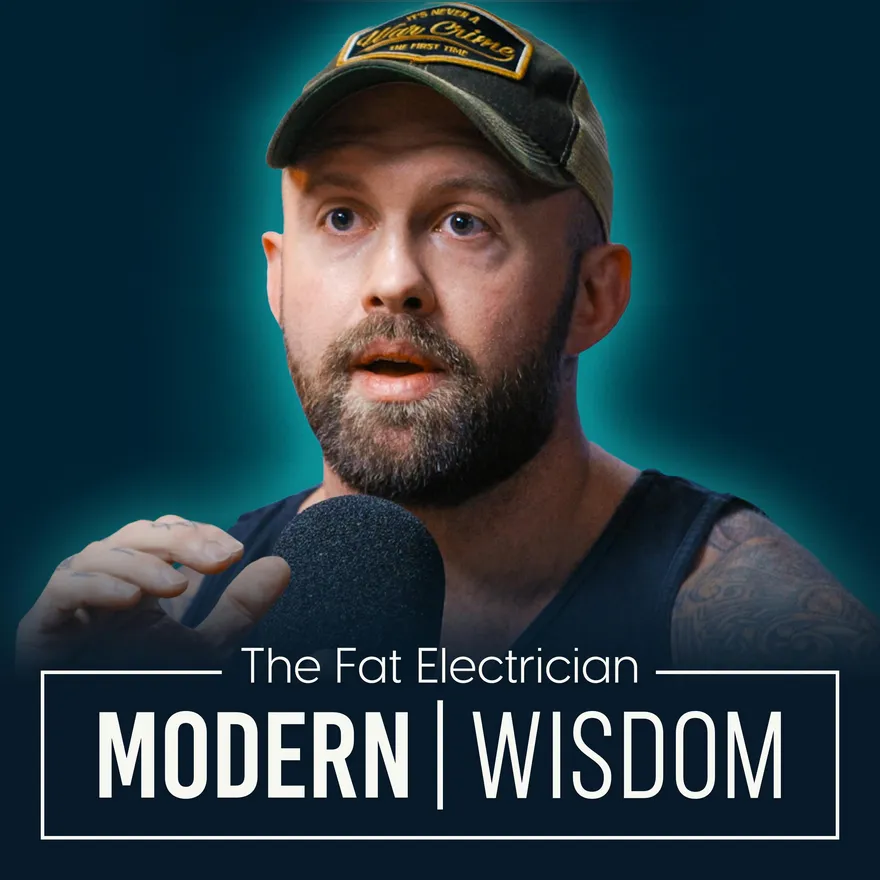

This is a preview of the Shortform summary of the Oct 19, 2026 episode of the Modern Wisdom
Sign up for Shortform to access the whole episode summary along with additional materials like counterarguments and context.
1-Page Summary
Forgotten War Heroes: Underappreciated Narratives That Shaped History
Mainstream military history often overlooks extraordinary individuals whose resilience and innovation shaped historical outcomes. Their stories honor human capability under extreme circumstances and reveal how individual choices influence history.
War Heroes Showcase Resilience and Innovation Under Extreme Circumstances
Logan Weston, known as "the fighting preacher," fought in WWII, Korea, and Vietnam, accumulating over 300 medals. Despite his legendary tenacity—including surviving encircled positions at New Georgia for 29 days with only three days of supplies and leading critical actions at the Pusan Perimeter—he never received the Medal of Honor due to a superior's political concerns. Nic Freitas emphasizes that knowing such feats are possible empowers others to rise to greatness.
Paul "Pappy" Gunn, a pioneering Navy pilot whose family was captured by the Japanese, innovatively modified B-25 bombers with mounted guns and tank cannons. His modifications enabled American forces to devastate a Japanese division at the Battle of the Bismarck Sea, sinking all eight transport ships and eliminating 8,000-12,000 enemy troops. Gunn's ingenuity significantly altered the Pacific war's course.
Vietnam sniper Ed Eaton survived a helicopter crash and, despite a broken back and damaged rifle, defended wounded comrades through the night by firing at enemy positions. His extraordinary perseverance and leadership saved lives under impossible conditions.
Heroic Stories Enhance Historical Education
Chris Williamson notes that audiences engage more deeply with individual narratives than statistics. Stories like Richard Bong strafing an alligator to save a comrade make history immediate and memorable rather than distant and dry.
Freitas argues that encountering relatable situations—facing adversity, deciding under pressure—prompts reflection on personal values and actions. This "decision-making history" teaches character and leadership lessons, not just facts. He takes pride in profiling heroes who lacked Wikipedia pages, demonstrating how curation can elevate forgotten figures to proper recognition.
American Military Culture Has Changed in Celebrating Warriors
During WWII, Medal of Honor recipients toured the country to inspire war bond purchases, transforming heroes into celebrities who supported the war effort. Freitas suggests the decline in publicly celebrated military heroes aligns with economic shifts—particularly abandoning the gold standard and adopting fractional reserve banking. With government financing no longer reliant on citizen bond purchases, the strategic value of military celebrities diminished.
Freitas points out that today's Medal of Honor awardees face heightened scrutiny requiring "narrative alignment" and "optic safety"—they're carefully vetted to avoid controversy, markedly different from WWII's immediate lionization of war heroes.
Why Governments No Longer Promote War Heroes
Modern governments avoid promoting war heroes as cultural beacons due to concerns about veterans forming influential political blocs. Freitas references post-WWI veterans who, denied promised benefits, organized a massive Washington march that demonstrated coordinated power strong enough to prompt military deployment against them.
Currently, discussions frame veterans primarily as victims needing care, particularly around PTSD. This portrayal diminishes their authority and leadership potential, making organized advocacy less likely. Elevating war heroes also risks granting unpredictable individuals moral authority that may later challenge official narratives. Freitas emphasizes that holding up battle-tested heroes creates potential "loose cannons" whose controversial opinions could damage those who supported their elevation. Williamson adds that rapid media connectivity amplifies the risk of placing too much influence in single public figures who could publicly contradict government narratives.
Bravery and Heroism Psychology
Freitas explains that individuals who achieve extraordinary feats often demonstrate "delusional self-confidence"—intense conviction in their beliefs despite opposition. This applies across military, business, and innovation contexts, as seen in figures like Henry Ford who insisted on his vision despite naysayers.
Pappy Gunn exemplifies this trait, repeatedly attempting unauthorized family rescue missions in defiance of authority. Freitas notes that the military's most effective combatants are often its most rebellious—those willing to disregard orders and find unconventional solutions. He summarizes: "It's always just some dude that is too stupid to quit with a never-say-die attitude that's willing to tell you to go fuck yourself."
Veterans Downplay Their Heroism
Williamson introduces "fading affect bias"—negative memories fade faster than positive ones, allowing trauma survivors to reframe experiences as less significant or even humorous over time. This psychological recalibration explains why veterans minimize their own heroism, describing extreme experiences as unremarkable. Because of this minimization, accounts from heroes themselves are often less reliable than external observations.
Society Gains by Elevating Exceptional Individuals
Freitas argues that when societies cease glorifying heroism, they lose behavioral templates for the next generation. Without these models, institutional loyalty, willingness to sacrifice, and valuation of individual excellence all diminish. Highlighting remarkable true stories produces the "possibility effect," showing that ordinary people can accomplish extraordinary feats, making heroism feel attainable.
Modern Warfare's Psychological Toll
During WWII, soldiers experienced lengthy decompression phases—months with comrades packing up, completing logistics, and traveling home by boat. Freitas describes how this gradual transition allowed trauma processing and reconnection with civilian life. Modern soldiers can move between the U.S. and Afghanistan in 48 hours with no decompression phase, intensifying psychological adjustment.
Modern technology prevents mental compartmentalization that aided trauma processing. Freitas and Williamson discuss how constant connectivity—video calls, instant messaging—forces emotional multitasking. Unlike WWII troops who processed experiences in relative isolation, contemporary soldiers must simultaneously handle operational focus and family matters. Freitas likens this to trying to work out while FaceTiming family between sets, but under life-and-death circumstances.
Freitas notes that WWII conscripts faced reintegration challenges from abrupt civilian-to-soldier transformation, while modern professional forces often possess greater psychological resilience to technology-enabled communication pressures due to military familiarity and family acceptance of deployment necessities.
Cigarette Companies' Manipulation
Major tobacco companies diversified into food as smoking health risks became widely known in the 1960s. R.J. Reynolds purchased Hawaiian Fruit Punch and rebranded it from an adult cocktail mixer to children's juice, demonstrating their ability to reframe product positioning. Philip Morris acquired Oscar Mayer and Kraft, applying tobacco marketing expertise to food products.
Lunchables exemplify psychological manipulation in food marketing. The interactive assembly justifies premium pricing, while transparent, compartmentalized packaging implies nutrition and freshness. Philip Morris used "reputation laundering" by co-branding Lunchables pizza with Tombstone sauce, exploiting parental trust.
Beyond Lunchables, tobacco companies engineered hyper-palatable foods targeting children. Teddy Grahams were cookies disguised as crackers, while gummy Life Savers overcame children's aversion to mint flavors. A 2003 study found processed foods from R.J. Reynolds and Philip Morris were 80% more likely to be engineered for hyper-palatability through ideal ratios of sugar, salt, and fat.
These engineered foods combine textures in unprecedented ways—crunchy and creamy, crisp and soft—triggering heightened reward responses that evolution didn't prepare human sensory systems to handle. By optimizing salt, sugar, fat, and texture, cigarette companies created foods that overwhelm biological satiation signals, driving people to eat beyond natural fullness even in populations unfamiliar with processed foods.
1-Page Summary
Additional Materials
Counterarguments
- While individual heroism is inspiring, the outcomes of wars are often determined by broader structural factors such as logistics, strategy, technology, and collective action rather than the actions of a few individuals.
- The focus on exceptional individuals can overshadow the contributions and sacrifices of ordinary soldiers and support personnel whose efforts are equally vital to military success.
- The narrative that governments intentionally avoid promoting war heroes to prevent political blocs may oversimplify complex factors, including changing media landscapes, evolving public attitudes toward war, and a broader cultural shift away from militarism.
- The decline in public celebration of military heroes may also reflect increased awareness of the psychological costs of war and a desire to avoid glorifying violence.
- The assertion that modern portrayals of veterans as victims diminishes their authority overlooks the importance of addressing mental health and the real challenges many veterans face.
- The idea that rebelliousness and disregard for orders are key to military effectiveness may not account for the necessity of discipline, coordination, and adherence to lawful commands in successful military operations.
- The psychological concept of "fading affect bias" is well-documented, but veterans' minimization of their heroism may also be influenced by cultural norms of humility or discomfort with public recognition.
- The connection between economic policy changes (like abandoning the gold standard) and the decline in hero promotion is debated and may not be causally established.
- Highlighting only extraordinary feats can create unrealistic expectations and may discourage those who do not see themselves as capable of such heroism.
- The marketing strategies of tobacco companies in the food industry are concerning, but similar techniques are widely used across the food sector, not exclusively by former tobacco firms.
- The engineering of hyper-palatable foods is a broader industry trend and not limited to companies with tobacco backgrounds.
- The assertion that modern professional forces are more psychologically resilient may not account for the diversity of experiences and outcomes among service members.
Actionables
- you can create a personal "forgotten hero" journal by researching and writing short profiles of lesser-known individuals whose actions shaped outcomes in your field of interest, then reflect on how their traits or decisions could inspire your own choices or responses to challenges
- By actively seeking out and documenting stories of overlooked contributors—whether in history, science, or your workplace—you build a habit of recognizing and learning from resilience and innovation. For example, you might write about a behind-the-scenes engineer who solved a critical problem or a community member who quietly led a local initiative, then note what specific behaviors or mindsets you could emulate.
- a practical way to reinforce positive behavioral templates for yourself and others is to identify and celebrate small acts of courage or leadership in your daily life, sharing these stories with friends or family to make heroism feel attainable and immediate
- When you notice someone standing up for a colleague, persevering through a tough situation, or finding a creative solution, acknowledge it in conversation or a message. This not only validates their actions but also helps you and your circle internalize the value of individual excellence and sacrifice, making such behaviors more likely to be repeated.
- you can experiment with mindful eating by keeping a log of foods that trigger cravings or overconsumption, then intentionally pairing them with contrasting textures or flavors to observe how engineered combinations affect your satiety and decision-making
- For instance, note when you feel compelled to eat more of a snack with both crunchy and creamy elements, and try substituting one component with a simpler alternative. This helps you become more aware of how food design influences your habits and empowers you to make choices that align with your health goals.
Get access to the context and additional materials
Forgotten War Heroes: Underappreciated Narratives That Shaped History
In recounting military history, mainstream narratives often overlook extraordinary acts of resilience and innovation demonstrated by lesser-known war heroes. Chronicling their feats not only honors human capability and determination under dire circumstances, but also deepens public understanding of how individual choices shape the course of history.
War Heroes Showcase Resilience and Innovation Under Extreme Circumstances, Exemplifying Human Capability and Determination
The stories of resilient individuals like Logan Weston, Pappy Gunn, and Ed Eaton starkly illustrate how ingenuity, grit, and leadership can shape historical outcomes even in the harshest of environments.
Logan Weston, "the Fighting Preacher," Survived Surrounded Situations in World War II and Korea, Including a Critical Action at the Pusan Perimeter That Prevented North Korea From Overrunning South Korea. He Received a Distinguished Service Cross Instead of the Medal of Honor Due to a Commanding Officer's Political Concerns
Logan Weston, referred to as "the fighting preacher," fought in World War II, Korea, and Vietnam, accumulating over 300 medals—every honor but the Medal of Honor, which eluded him due to a superior's political concerns. Weston's tenacity is legendary; his campaigns included critical moments like surviving and leading surrounded units at New Georgia and the Pusan Perimeter. In New Georgia, his company was encircled for 29 days with only three days of supplies, forcing them to endure starvation and tropical disease. Weston’s leadership guided his unit through nearly hopeless odds. Later, he and his men, surrounded for two more weeks, survived by relying on native guides and creative morale-boosting cook-offs using foraged food and military rations.
Nic Freitas emphasizes the importance of these stories, stating that knowing such feats are possible can empower others to rise to greatness.
Pappy Gunn Modified Aircraft With Gun Mounts and Tank Cannons to Save His Family From Japanese Camps and Aid In Winning the Battle of the Bismarck Sea
Paul Irvin "Pappy" Gunn’s story combines innovation with fierce personal motivation. A pioneering Navy pilot and airplane fanatic, Pappy had retired to the Philippines before WWII. When the Japanese invasion resulted in his wife and children’s capture, he was recommissioned and became obsessed with rescuing them and aiding the war effort. Gunn innovatively modified B-25 Mitchell bombers, mounting large-caliber guns and tank cannons in their noses, essentially Mad Maxing the planes. In the pivotal Battle of the Bismarck Sea, this technology enabled American bombers and attack aircraft to devastate a Japanese division in transit by strafing the decks and skip-bombing troop carriers, sinking all eight ships and eliminating between 8,000 and 12,000 enemy troops. Gunn’s ingenuity not only supported personal rescue attempts but also significantly contributed to altering the course of the Pacific war.
Ed Eaton, Vietnam Sniper, Survived Helicopter Crash, Returned Fire With Broken Back and Damaged Rifle, Held Off Enemy Forces Until Rescue, Showed Extraordinary Combat Leadership Despite Injuries
Ed Eaton’s valor in Vietnam exemplifies survival and leadership under impossible odds. During a night mission, he survived a helicopter crash and, despite a broken back and a damaged rifle, climbed atop the wreck to defend wounded comrades from enemy forces. Using an M16 and a cracked sniper rifle—its starlight night scope misaligned from the crash—Eaton fired at muzzle flashes and enemy positions, holding attackers at bay through the night. He switched between weapons, directing suppressive fire to prevent the enemy from overrunning the crash site, despite his debilitating injuries and danger from leaking fuel. His actions saved lives and demonstrated extraordinary perseverance.
Heroic Stories Enhance Historical Education Over Abstract Facts
Telling gripping stories about real individuals transforms abstract military history into compelling, memorable lessons that foster emotional engagement and critical reflection.
Intimate Stories Enhance Emotional Engagement and Retention of Historical Information
As Chris Williamson notes, audiences resonate more deeply with the narrative of a single hero than with the statistics of masses. Focusing on individual exploits—like Richard Bong strafing an alligator in a P-38 to save a comrade—grabs attention and aids retention. Stories make historical education feel immediate and exciting, rather than distant and dry.
Historical Narratives With Relatable Individuals and Meaningful Choices Prompt Audiences to Reflect On Values and Actions, Teaching Decision-Making History Alongside Military History
Nic Freitas argues that when learners encounter relatable situations—facing adversity, deciding under pressure—they naturally ask how they would act and what values matter. This form of “decision-making history” imparts more than facts; it imparts lessons about character, leadership, and the weight of true heroism. By spotlighting real choices made by individuals, history becomes a living guide to action and ethics, not just a string of dates and battles.
Lesser-Known War Heroes Remain Untold Due to a Lack of Mainstream Attention; Curation Can Elevate Them To Recognition and Wikipedia Documentation
Freitas takes pride in profiling heroes who lacked Wikipedia pages—a testament to how undera ...
Here’s what you’ll find in our full summary
Forgotten War Heroes: Underappreciated Narratives That Shaped History
Additional Materials
Counterarguments
- While individual acts of heroism are inspiring, the broader outcomes of wars are often determined by large-scale strategies, logistics, and collective efforts rather than the actions of a few individuals.
- The focus on heroic narratives can sometimes overshadow the contributions and sacrifices of ordinary soldiers and support personnel who played essential roles but did not receive recognition.
- Emphasizing individual heroism may risk simplifying or romanticizing the complexities and horrors of war, potentially leading to a less nuanced understanding of historical events.
- The assertion that mainstream military history "often overlooks" lesser-known heroes may not fully acknowledge the extensive work of military historians and scholars who have documented many such stories, even if they are not widely known to the public.
- The correlation between changes in military hero promotion and shifts in economic policy (such as abandoning the gold standard) is debatable and may oversimplify the multifaceted reasons for changes in public recognition of war heroes.
- The claim that modern Medal of Honor recipients are less celebrated due to "narrative align ...
Actionables
- you can keep a personal journal where you document stories of lesser-known individuals in your own family or community who showed resilience, ingenuity, or leadership during difficult times, then reflect on how their choices shaped outcomes for those around them; this helps you recognize and honor unsung heroes in your immediate world and see the impact of individual actions.
- a practical way to deepen your understanding of decision-making and character is to write short, fictionalized accounts inspired by real acts of courage or innovation, focusing on the dilemmas and choices faced; this exercise encourages you to empathize with others’ challenges and consider how you might act in similar situations.
- you can create a simple timeline or visua ...
Get access to the context and additional materials
Why Governments No Longer Promote War Heroes: Narrative Control, Institutional Incentives, and the Political Risk Of Empowering Veterans As Role Models
Government priorities around the public celebration and elevation of war heroes have shifted significantly, with broad implications for cultural narratives, institutional power, and political risk. Modern governments are wary of granting war heroes and veterans unquestioned authority and influence, and they have adopted strategies to marginalize veterans’ voices and prevent the rise of independent military role models.
Marginalizing Veteran Voices Diminishes Organized Community Influence
Governments consciously avoid promoting war heroes as cultural beacons due to the potential of veterans forming a cohesive, influential bloc capable of demanding political accountability. Nic Freitas references the post-World War I era, when veterans, denied their promised benefits, organized a massive march on Washington, D.C. They demonstrated organized power and political will, strong enough that the government deployed active-duty troops to disperse them. This historical moment illustrates the political challenge posed by coordinated veteran advocacy outside existing power structures.
In the current era, the narrative around veterans has shifted. Freitas notes that discussions now frequently frame veterans primarily as victims, emphasizing psychological trauma and the need for care—especially referencing PTSD. This victim-focused portrayal diminishes their perceived authority and public leadership potential, undermining the veterans’ ability to organize effectively and hold officials accountable. A reduction in their cultural status makes it less likely for veterans to form independent blocs that could serve as checks on political power.
War Heroes Risk Institutional Control By Empowering Unpredictable Role Models
Elevating war heroes poses another risk to institutional control: governments risk granting unpredictable individuals a platform and moral authority that may later challenge official narratives. If a celebrated war hero’s opinions are adopted as a societal bellwether, institutions lose the ability to control messaging. Freitas emphasizes that holding up a young, battle-tested war hero as a role model creates a potential "loose cannon"—someone whose later opinions coul ...
Here’s what you’ll find in our full summary
Why Governments No Longer Promote War Heroes: Narrative Control, Institutional Incentives, and the Political Risk Of Empowering Veterans As Role Models
Additional Materials
Clarifications
- After World War I, thousands of U.S. veterans demanded early payment of bonuses promised for their service, forming the Bonus Army. In 1932, they marched on Washington, D.C., setting up camps and peacefully protesting. The government, fearing unrest, forcibly removed them using the military under President Hoover’s orders. This event highlighted veterans' potential political power and the government's fear of their organized influence.
- Narrative control refers to how governments shape public stories and beliefs to maintain social order and political power. They manage cultural narratives by promoting certain perspectives while suppressing others to influence public opinion. This control helps prevent challenges to authority by limiting alternative viewpoints that could inspire dissent. It often involves media, education, and symbolic figures to reinforce preferred messages.
- Institutional power refers to the authority and control held by government bodies and organizations over society and its narratives. Veterans and war heroes, when publicly celebrated, can gain influence that challenges this control by shaping public opinion independently. Governments fear that empowered veterans might mobilize political pressure or dissent outside official channels. Thus, limiting veterans' institutional power helps maintain government dominance over social and political discourse.
- "Political flight risk" refers to the concern that a decorated military individual might later use their honored status to oppose or embarrass the government. It implies a risk that the person could become politically outspoken or controversial. This consideration affects decisions on awarding honors to avoid empowering potential critics. The term borrows from legal jargon where "flight risk" means someone likely to evade control or responsibility.
- "Key man risk" refers to the danger that arises when too much influence or responsibility is placed on a single individual. In the context of public figures, especially in the media age, this risk means that if the person makes a mistake or acts controversially, it can cause significant damage to the institutions or causes they represent. Rapid media connectivity amplifies this risk by spreading information and reactions instantly and widely. Therefore, organizations avoid relying heavily on one charismatic figure to prevent potential public relations crises.
- Framing veterans primarily as victims emphasizes their vulnerabilities rather than their strengths. This portrayal can lead the public to see them as dependent or fragile, reducing perceptions of their capability to lead or influence. It shifts focus away from their achievements and leadership qualities toward their need for care. Consequently, this limits their social and political power as respected role models.
- The Medal of Honor is the highest U.S. military decoration awarded for acts of valor above and beyond the call of duty. Candidates are nominated through a chain of command and undergo rigorous investigation and review by military and government officials. The award requires eyewitness accounts and detailed documentation of the heroic act. Final approval is granted ...
Counterarguments
- The shift in how veterans are portrayed may reflect a broader societal recognition of the real psychological costs of war, aiming to provide better support and care rather than intentionally diminishing veterans’ authority.
- Governments and societies still honor and celebrate military service through national holidays, memorials, and public ceremonies, suggesting that the cultural status of veterans remains significant in many countries.
- The risk of "key man risk" or unpredictable role models is not unique to military figures; it applies to celebrities, athletes, and other public figures as well, and is managed similarly across sectors.
- The process for awarding military honors has always involved scrutiny of character and conduct, not just battlefield actions, to maintain the integrity of such awards.
- The decline in the public elevation of war heroes may also be influenced by changing attitudes toward war itself, ...


Get access to the context and additional materials
Bravery and Heroism Psychology: What Separates Heroes From Ordinary People, the Veterans' Minimization Effect, and Society's Benefits From Role Models
Individuals Who Achieve Extraordinary Feats Under Duress Often Show Delusional Self-Confidence and a Willingness to Challenge Authority and Conventional Wisdom
Nic Freitas explains that people who perform at a heroic or exceptionally successful level—whether in the military, business, or innovation—commonly share a kind of "delusional self-confidence." These figures are intensely convinced of the correctness of their beliefs, often persisting despite opposition from governments, markets, superiors, or prevailing wisdom. This not only applies in military contexts, but across domains, as seen in personalities like Henry Ford, who famously insisted on building the car rather than providing "faster horses," disregarding naysayers. The ability to push against opposition and stick to their convictions is a defining characteristic of world-changers.
Conviction of Leaders in Military, Business, and Innovation Overcomes Opposition
Chris Williamson and Freitas discuss how figures in history who transformed their fields demonstrated not only immense confidence but also willingness to defy authorities and break with convention. They cite Pappy Gunn as a striking example—a fighter pilot recommissioned during World War II who repeatedly attempted, often in defiance of authority and procedure, to rescue his family from the Philippines after Japanese capture. Gunn continually disregarded both direct and implied orders, taking unauthorized actions and insisting on his own assessment over assurances from higher-ups.
Personality Likely to Achieve Remarkable Military Outcomes, Characterized by Insubordination and Rule-Breaking, Suggests Dangerous Qualities to Hierarchy Required For Exceptional Battlefield Improvisation
Freitas points out that some of the military’s most effective combatants are also its most rebellious: those most likely to disregard orders, seize resources, and find unconventional solutions amid chaos. Heroes like Gunn and Logan Weston exemplify how questioning orders and challenging hierarchy is sometimes crucial to surviving and winning in life-and-death situations. Freitas sums this up: “It’s always just some dude that is too stupid to quit with a never-say-die attitude that’s willing to tell you to go fuck yourself. That changes the world every single time.” These individuals are often unassuming in appearance, described as "chill," making their extraordinary actions even more striking.
Veterans Downplay Their Heroism to Process Trauma, Creating a Paradox of Humble Heroes
Williamson introduces the psychological concept of "fading affect bias" — the tendency for negative memories to fade faster than positive ones, sometimes even being reframed as humorous or less significant over time. This serves as a kind of psychological immune system, allowing individuals, including veterans, to distance and dissociate from trauma so they are not perpetually burdened by the hardships they endured. Over time, this leads to a recalibration of their experiences.
Fading Affect Bias Makes Negative Memories Fade More, Letting Trauma Survivors Reframe Experiences As Less Significant and Sometimes Humorous Over Time
Williamson gives an example of soldiers who recall a combat accident as a joke among friends rather than a traumatic incident. This reframing helps individuals recover from trauma and move forward.
War Heroes Use Minimization and Self-Deprecation, Not From False Modesty but Due to Psychological Recalibration and Diminished Emotional Intensity Over Time
Both Williamson and Freitas observe that veterans often minimize their own heroism, talking about extreme experiences as if they were unremarkable or even trivial (“It wasn’t that bad”). This tendency isn’t false modesty but instead arises from this psychological recalibration and reduced emotional impact as time passes.
Heroes' Casual Combat Descriptions Are Less Reliable Than External Accounts
Because of this minimization and reframing, the accounts from heroes themselves are often less reliable than the stories told by outside observers. Williamson reflects that many decorated veterans focus on the achievements of others, depict their own actions as routine, and rarely ...
Here’s what you’ll find in our full summary
Bravery and Heroism Psychology: What Separates Heroes From Ordinary People, the Veterans' Minimization Effect, and Society's Benefits From Role Models
Additional Materials
Counterarguments
- The characterization of "delusional self-confidence" as a prerequisite for heroism may overlook the role of careful planning, humility, and collaboration in many acts of bravery and innovation.
- Not all effective leaders or heroes are insubordinate or rule-breaking; many achieve extraordinary outcomes by working within systems and inspiring collective action.
- Excessive rule-breaking or insubordination can lead to negative consequences, such as undermining group cohesion, safety, or mission success, especially in high-stakes environments like the military.
- The focus on individual heroism may overshadow the importance of teamwork, systemic support, and the contributions of less visible participants.
- Minimizing or reframing traumatic experiences is not universally adaptive; for some, it may hinder seeking help or processing trauma in a healthy way.
- Elevating war heroes as primary role models may inadvertently glorify violence or militarism, potentially marginalizing other forms of heroism such as peacemaking, caregiving, or community service.
- The assertion that erasing war heroes from culture reduces institut ...
Actionables
- you can practice challenging small, everyday rules or conventions in low-stakes situations to build comfort with constructive defiance and independent thinking; for example, politely question a store policy that seems arbitrary, or suggest an unconventional solution during a group discussion, then reflect on the outcome and your feelings.
- a practical way to foster the possibility effect for yourself and others is to keep a private log of moments when you or people around you acted with unexpected courage or creativity, no matter how minor, and periodically reread these entries to reinforce the idea that extraordinary actions are within reach for ordina ...
Get access to the context and additional materials
Modern Warfare's Psychological Toll: Technological Impact on Soldier Reintegration vs. Wwii Decompression
Wwii Soldiers’ Decompression and Reintegration Differentiate Combat Trauma Processing From Contemporary Soldiers
During World War II, American soldiers returning home experienced a lengthy decompression phase. Nic Freitas describes how, after combat ended, soldiers would spend months with their comrades as they packed up, completed logistical procedures, and traveled home via boat. The transoceanic journey, paperwork, and time spent together allowed them to acclimate to safety and process the extreme situations they'd endured. This gradual reconnection with civilian life gave WWII soldiers time to decompress, reinforcing their bond and providing a buffer between the trauma of war and re-entry into society.
In contrast, modern soldiers often undergo swift deployment and extraction cycles. Freitas points out that it now takes as little as 48 hours for a soldier to be transported from the U.S. to Afghanistan, and vice versa. There is no decompression phase—soldiers rapidly shift from the combat zone back into civilian life, intensifying the psychological adjustment. The emotional whiplash is further amplified by real-time communication technology, which enables instant contact with family even while on deployment, contrasting sharply with WWII’s separation and reliance on delayed letters.
Modern Tech Complicates Psychology for Deployed Personnel By Preventing Mental Compartmentalization That Aided Trauma Processing
Modern technology erodes a soldier’s capacity to mentally compartmentalize war and home life. Chris Williamson and Freitas discuss the complications introduced by constant connectivity: video calls, instant messaging, and the expectation of immediate dialog with loved ones. Unlike WWII troops, who could process their experiences in relative isolation and respond to letters at their own pace, contemporary soldiers must engage in emotional multitasking. Personal and domestic problems intrude during patrols or moments intended for rest and focus.
Freitas describes the cognitive difficulty of maintaining operational focus while simultaneously handling family matters—likening the challenge to trying to work out while FaceTiming a spouse and child in between sets, but under life-and-death circumstances. Williamson points out that this "high resolution contrast" between civilian and combat life demands rapid psychological switching, reducing immersion in the present context and increasing stress.
Such persistent communication means home life “enters” the battlefield, with personal questions and family issues distracting deployed personnel, increasing their cognitive load, and potentially compromising situational awareness and decision-making capacity.
Conscript vs. Volunteer Forces: Vulnerability to Modern Communication's Psychological Toll
Freitas notes that World War II forces were mainly ...
Here’s what you’ll find in our full summary
Modern Warfare's Psychological Toll: Technological Impact on Soldier Reintegration vs. Wwii Decompression
Additional Materials
Clarifications
- The "decompression phase" refers to a transitional period after combat when soldiers gradually adjust from the intense stress of warfare to normal life. It often involves time spent in a safer environment with fellow soldiers, allowing emotional and psychological processing of combat experiences. This phase helps reduce shock and trauma by providing a buffer before full reintegration into civilian society. Without decompression, soldiers may face abrupt shifts that increase mental health challenges.
- The transoceanic journey provided WWII soldiers with a physical and temporal buffer between combat and civilian life. This time allowed gradual mental adjustment away from immediate combat stress. Shared experiences on the ship reinforced camaraderie and emotional support. The journey acted as a decompression period, easing psychological shock before reintegration.
- Conscripted forces are composed of individuals who are legally required to serve in the military, often through a draft system, regardless of personal choice. Volunteer forces consist of individuals who willingly enlist and choose military service as a career or duty. Conscripts typically have less training and military experience before deployment compared to volunteers. Volunteers often receive more specialized training and may have stronger personal motivation and commitment to military life.
- Special operations personnel are highly trained military members who conduct specialized missions such as reconnaissance, counterterrorism, and direct action. They often undergo rigorous selection and training processes to develop advanced skills and mental resilience. These soldiers typically serve in volunteer, professional forces rather than conscripted ranks. Their roles demand adaptability, discretion, and the ability to operate in complex, high-stress environments.
- Mental compartmentalization is a psychological process where individuals separate conflicting thoughts, emotions, or experiences into distinct mental "compartments" to avoid emotional overload. This allows a person to focus on one aspect of life without interference from unrelated stressors. In soldiers, it helps isolate combat stress from personal life, aiding emotional regulation and operational effectiveness. When this ability is disrupted, as by constant communication, it can increase stress and reduce mental clarity.
- Real-time communication technology keeps soldiers constantly connected to home, preventing mental separation from combat stress. This continuous contact can increase anxiety as soldiers juggle battlefield duties with personal issues simultaneously. It disrupts their ability to focus fully on missions, raising cognitive strain and emotional exhaustion. Over time, this heightened mental load can contribute to burnout and post-deployment adjustment difficulties.
- Emotional multitasking in a military context refers to managing intense personal feelings and family interactions while simultaneously performing combat duties. It requires soldiers to switch rapidly between emotional states, balancing concern for loved ones with the focus needed for survival and mission success. This constant mental shifting can increase stress and reduce effectiveness. Unlike isolated combat focus, emotional multitasking blends personal and operational demands in real time.
- "High resolution contrast" refers to the sharp and vivid difference between the peaceful, familiar environment of civilian life and the intense, dangerous conditions of combat. This stark contrast makes it mentally challenging for soldiers to switch quickly between thes ...
Counterarguments
- Some WWII veterans still experienced significant psychological trauma and struggled with reintegration despite the lengthy decompression phase, indicating that time alone may not be sufficient for trauma processing.
- Modern militaries have implemented structured decompression programs and mental health support upon return, which can help mitigate the lack of a physical decompression period.
- Real-time communication technology can provide emotional support and reduce feelings of isolation for deployed soldiers, potentially improving morale and mental health.
- Not all modern soldiers experience negative effects from constant connectivity; some may find it beneficial to maintain close family ties during deployment.
- The challenges of rapid reintegration and technological connectivity may be offset by increased awareness and destigmatization of mental health issues in contemporary military culture.
- WWII conscripts also faced stigma and lack of understanding regarding psychological trauma, which may have hindered their ...
Get access to the context and additional materials
Cigarette Companies' Manipulation: Diversifying Into Food, Targeting Children With Engineered Hyper-Palatable Products Using Psychological Marketing Techniques
Major tobacco companies like R.J. Reynolds and Philip Morris diversified into the food industry in response to growing public awareness of the health risks of smoking. Using psychological marketing techniques and expertise honed in tobacco advertising, these companies reshaped the processed food marketplace, targeting children and parents with engineered, hyper-palatable foods and manipulative narratives.
Tobacco Companies Pivoted To Food In the 1960s Amid Rising Smoking Risk Awareness
As health risks of smoking became widely recognized in the 1960s, R.J. Reynolds and Philip Morris strategically moved into the food sector.
R.J. Reynolds Rebranded Hawaiian Fruit Punch From Alcoholic Mixer To Children's Juice, Demonstrating Ability to Reframe Product Positioning and Target Demographics
R.J. Reynolds’ first major food move was purchasing Hawaiian Pacific Fruit Company, maker of Hawaiian Fruit Punch. Originally positioned as a cocktail mixer for adults, the product was cleverly re-marketed as a children’s fruit juice, demonstrating the company’s ability to reframe product positioning to target a new, younger demographic.
Philip Morris Acquired Food Brands, Enabling Coordinated Consumer Manipulation
Philip Morris aggressively acquired food brands, including Oscar Mayer and Kraft. By integrating these brands, Philip Morris gained access to extensive consumer data amassed over decades of tobacco marketing—providing insights into consumer behavior that would inform their food strategies.
Transition to Food Manufacturing Applied Consumer Behavior Expertise From Tobacco Marketing
These tobacco giants applied psychological marketing and consumer manipulation expertise from cigarettes to food. The ability to engineer desire and loyalty was transferred to products like Lunchables, Teddy Grahams, and gummy candies, turbocharging their impact in the food market.
Lunchables: Masterclass in Child and Parent Psychological Manipulation via Packaging and Narrative
Lunchables, created under Philip Morris’ ownership of Kraft, epitomize psychological manipulation in food marketing, drawing directly from strategies developed selling cigarettes.
Interactive Assembly in Lunchables Justifies Higher Pricing
Lunchables are deliberately designed so that children assemble the meal themselves. This interactive element makes the experience engaging and fun for kids while allowing the company to charge a premium—parents pay more for meals their children construct, much like enjoying "pick your own strawberries" versus buying them at a store.
Lunchables Packaging Design: Transparent, Compartmentalized to Imply Nutrition and Freshness
Packaging is clear and compartmentalized, reminiscent of a school lunch tray. Visible ingredients and distinct sections for meat, cheese, and grain components create an impression of freshness, completeness, and healthiness, even if the nutritional profile doesn’t match the appearance.
Philip Morris Used "Reputation Laundering" By Co-branding Lunchables With Tombstone, Exploiting Parental Trust to Falsely Equate a Branded Pizza With Components Assembled by Children
Lunchables pizza was branded with Tombstone sauce, a familiar pizza brand many parents had already given their kids. This co-branding "reputation laundering" built trust by associating the Lunchable meal with a recognizable and accepted pizza brand, making parents more likely to view the assemble-it-yourself Lunchable as wholesome and equivalent to a pizza they’d previously provided.
Cigarette Firms Engineered Foods Targeting Children, Keeping Narratives Wholesome or Educational
Beyond Lunchables, tobacco companies consistently engineered foods to be hyper-palatable while framing them as wholesome or even educational, especially when targeting children.
Teddy Grahams: Cookies Disguised As Crackers, Manipulating Children With Playful, Educational Appearances of Calorie-Dense Products
R.J. Reynolds’ Teddy Grahams were technically cookies but styled to look like crackers and shaped as cute teddy bears. This design blurred lines between cookies and healthier snacks, manipulating parents and children into believing they were making nutritionally sound choices while offering kids a playful, caloric treat.
Gummy Life Savers Overcame Children's Aversion to Mint Flavors, Showing how Companies Used Flavor and Texture Engineering to Expand Into Traditionally Adult Product Categories
Life Savers, originally a mint targeted at adults, became accessible to children via gummy versions that replaced "spicy" mint with palatable, sweet flavors. This pivot shows how strategic formulation allowed tobacco conglomerates to broade ...
Here’s what you’ll find in our full summary
Cigarette Companies' Manipulation: Diversifying Into Food, Targeting Children With Engineered Hyper-Palatable Products Using Psychological Marketing Techniques
Additional Materials
Counterarguments
- Diversification into the food industry by tobacco companies was a common business strategy among many large corporations in the mid-20th century, not unique to tobacco firms, and often driven by a desire for growth and risk mitigation rather than solely to escape negative publicity.
- The rebranding of products like Hawaiian Fruit Punch to target new demographics is a standard marketing practice across industries and not inherently manipulative or unethical.
- Many food companies, not just those owned by tobacco firms, have used psychological marketing techniques and consumer data to design appealing products and packaging.
- The creation of hyper-palatable foods is widespread in the processed food industry and not exclusive to tobacco-owned brands; similar strategies are used by independent food companies globally.
- Interactive packaging and meal assembly, as seen with Lunchables, can also be viewed as fostering independence and engagement in children, which some parents value.
- Co-branding and leveraging established brand trust is a common marketing tactic used across many industries, not just by tobacco companies.
- The presence of hyper-palatable foods in the market is influenced by consumer demand and preferences, not solely by corporate manipulation.
- Reg ...
Actionables
- you can run a weekly taste test at home where you compare the sensory experience of packaged snacks with simple, whole foods, noting which textures, flavors, and packaging cues make you want to eat more, so you become more aware of engineered triggers and can make more intentional snack choices.
- a practical way to spot and sidestep manipulative packaging is to make a habit of transferring snacks and convenience foods into plain, non-compartmentalized containers as soon as you get home, which helps break the association between packaging design and perceived freshness or healthiness.
- you can create a personal “ingredient swap” challenge b ...
Get access to the context and additional materials

 1-Page Summary
- Forgotten War Heroes: Underappreciated Narratives That Shaped History
- Why Governments No Longer Promote War Heroes: Narrative Control, Institutional Incentives, and the Political Risk Of Empowering Veterans As Role Models
- Bravery and Heroism Psychology: What Separates Heroes From Ordinary People, the Veterans' Minimization Effect, and Society's Benefits From Role Models
- Modern Warfare's Psychological Toll: Technological Impact on Soldier Reintegration vs. Wwii Decompression
- Cigarette Companies' Manipulation: Diversifying Into Food, Targeting Children With Engineered Hyper-Palatable Products Using Psychological Marketing Techniques
Create Summaries for anything on the web
Download the Shortform Chrome extension for your browser
