

How To Make Your Creativity Beat The Algorithm (w/Live Performance) - Dylan Gossett - #1155
In this episode of Modern Wisdom, Chris Williamson speaks with musician Dylan Gossett about his unexpected rise to success with the viral song "Cole" and the challenges of maintaining artistic authenticity in the modern music industry. Gossett shares how he wrote and recorded the song in 25 minutes during a difficult period, initially posting it with minimal engagement before it eventually transformed his career. He discusses his conscious rejection of conventional social media tactics and industry promotional formulas, preferring to focus on live performances and genuine fan connections over chasing viral moments.
The conversation explores broader tensions between art and commerce, including how technology and AI impact creativity, the role of algorithms in shaping music trends, and the economics of modern touring. Gossett and Williamson also examine why country music provides an emotional outlet for male vulnerability, and how artists navigate the pressure to replicate success while staying true to their creative vision. The episode offers perspective on balancing artistic integrity with the practical demands of building a sustainable music career.
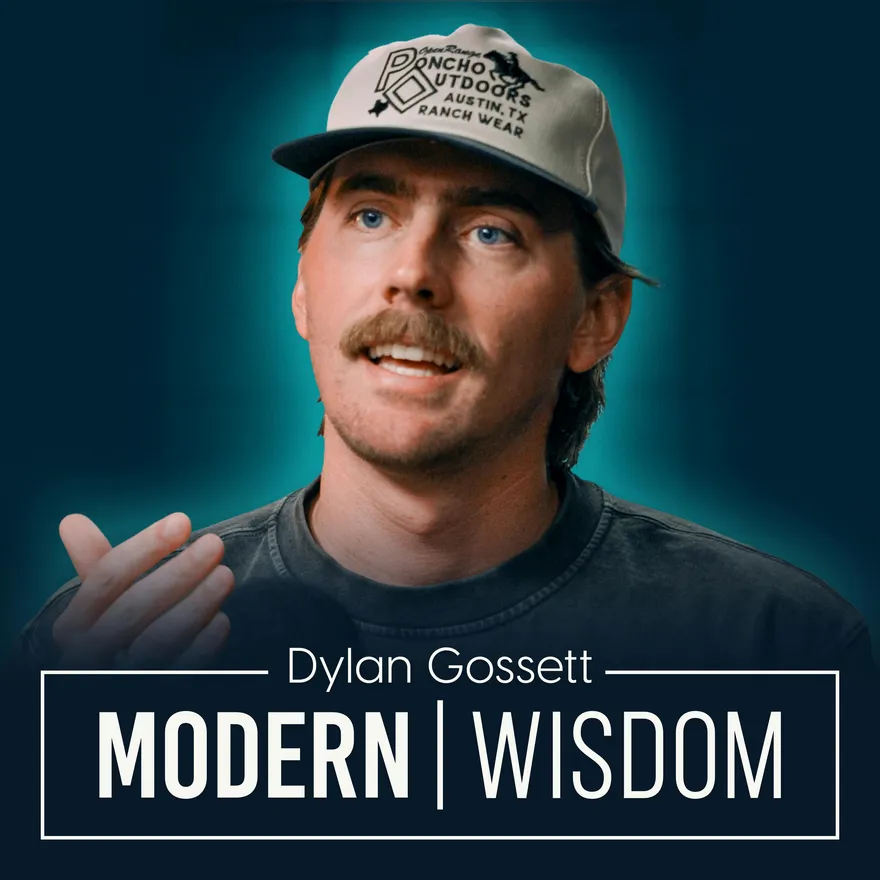

This is a preview of the Shortform summary of the Sep 26, 2026 episode of the Modern Wisdom
Sign up for Shortform to access the whole episode summary along with additional materials like counterarguments and context.
1-Page Summary
Dylan's Journey: From "Cole" to Success Manager
Dylan Gossett writes "Cole" in about 25 minutes while enduring grueling days working event operations at Circuit of the Americas racetrack in Austin. He records the song on his laptop with minimal production, sitting on his bed with his guitar. The song emerges from a place of struggle, capturing the feeling of relentless effort without visible rewards—a sentiment that resonates deeply with listeners who relate to working hard while still feeling stuck or unsuccessful.
Gossett's wife Julia immediately recognizes the song's potential and encourages him to share it widely. A camping trip with friend Kayden becomes the turning point when Kayden insists the song deserves an audience. Despite initial reluctance toward social media, Dylan posts early versions of "Cole" on TikTok with minimal engagement. He sits on the song for over a year until "to Be Free" gains traction, prompting him to try again—this time, a video post "changes everything."
The viral success of "Cole" transforms Dylan's life dramatically. The transition from event operations to touring and industry logistics proves jarring, though he maintains perspective, recognizing that everyday headaches like replacing a guitar tech are problems he once dreamed of having. The breakthrough comes shortly after he marries Julia and settles into a new home, providing stability amid sudden fame. Dylan realizes he doesn't need to chase viral moments to sustain his career, choosing to focus on ticket sales and live performances over fleeting social media trends.
Dylan consciously avoids conventional social media tactics in crafting "Cole," intentionally delaying the main hook until the second chorus to prioritize strong songwriting over viral 15-second snippets. He strictly limits promotional posts to seven to ten times—far fewer than typical industry standards—rejecting ads and repeated content drops. For Dylan, the success of "Cole" remains wonderfully unpredictable, leaving him uncertain whether tiny factors like mood, weather, or video choice made the difference between viral phenomenon and obscurity.
Authenticity vs. Commerce: Balancing Art and Business Pressure
Dylan's career illustrates the persistent tension between genuine creativity and industry expectations. He rejects traditional promotional formulas like tightly planned releases and constant advertising, frustrating his team but upholding artistic standards. Dylan describes a shift from creating music for passion to facing pressure to meet industry timelines and strategic calendars, though he remains aware of why formulaic approaches work commercially, even as he resists them.
Dylan discusses "audience capture"—a phenomenon where creators gradually drift into giving audiences what they expect rather than what the artist genuinely wants to create. He experiences this tension directly when fans demand stripped-down "porch versions" over produced studio tracks, making him feel boxed in as the "acoustic guy" despite wanting to evolve his sound. The industry rewards consistency, so artists often lean into proven formulas even when personal growth pulls them elsewhere.
To maintain authentic creativity, Dylan has deleted much of his social media presence and unfollowed industry accounts, finding the barrage of ads and criticism overwhelming and destructive. He works to separate his creative process from metrics and industry trends, preferring to write on his couch at home with his wife Julia watching TV—using her real-time feedback as his sounding board—rather than in professional Nashville writing rooms where music is produced as part of an industry assembly line.
Tech & AI In Music: Ethics and Convenience Costs
Gossett values how technology democratizes music creation, allowing him to write and record "Cole" independently on his laptop. Yet he voices deep concern over AI-assisted production leading to formulaic outcomes, where the industry's hunger for replication strips original art of its uniqueness. The ethical boundary between modest technological tools and AI-generated content remains murky. Gossett distinguishes between opening a rhyming website for writer's block versus using AI to pen lyrics or melodies, arguing the latter diminishes creative ownership: "You're either making music, or something else is making the music for you."
Gossett draws parallels between music production's evolution and larger societal patterns favoring convenience over effort. He recalls when musicians recorded live with tape, where imperfections became part of a song's unique tapestry. Modern technology enables endless editing and perfecting, but can sterilize the art. He observes how culture has shifted toward instant gratification—Uber Eats, YouTube Shorts, watching content at 2x speed—eroding what makes achievement meaningful. Chris Williamson echoes this by citing Mark Manson: "Easy wins are forgettable, hard ones change you."
A new paradox arises as the industry learns to engineer and commodify imperfection itself. Gossett notes that the quest to appear "authentic" has become performative, with producers deliberately manufacturing sonic imperfections—"artificially natural"—to create "fake rawness." While he values honest imperfections born from circumstance, not design, he worries the industry continues marketing lo-fi aesthetics as proof of authenticity, undermining genuine realness.
Modern Music Industry: Marketing, Touring, and Algorithm Dependency
Dylan describes the prevalence of "truck edits," where marketing teams create moody video clips with trucks and song lyrics to boost appeal through dedicated Instagram ecosystems. As an industry insider, he easily spots when a song's trajectory is artificially elevated by coordinated campaigns rather than organic success. Williamson notes that "the escalation of firepower" in marketing raises the entry bar for artists seeking recognition. Unlike those riding algorithmic waves, Dylan focuses on organic growth through ticket sales and genuine show attendance.
Williamson explains "Blue Dot Fever": many popular artists now struggle to sell enough tickets to sustain tours, partly because skyrocketing ticket prices and dynamic pricing make concerts inaccessible. Gossett notes that even in the worst seats, expenses reach four figures after factoring in hotels, parking, and merchandise. Emerging artists offering affordable intimate shows compete with established acts' premium arena shows, forcing audiences to choose between one expensive event or multiple cheaper alternatives. This tension impacts agents, promoters, and artists as cost-of-living pressures restrict what audiences can actually afford.
Music saturation and increased touring competition challenge artist breakthroughs. Williamson cites data showing rap music dropped from 34% of Billboard's Top 10 in 2020 to 17% by 2023, while country climbed from 7% to 27%. Gossett sees such swings as cyclical but questions whether trends reflect authentic preference or marketing influence. Despite preferring organic creativity, Dylan acknowledges the necessity of strategic planning for career sustainability, though he expresses nostalgia for when artists could drop complete albums as surprises. He admires approaches like Turnpike's mysterious desert billboard strategy, valuing surprise and artistic control over algorithmic reach.
Male Vulnerability in Country Music: An Emotional Outlet
Gossett observes that at country shows, men often stand arms around each other, passionately singing lyrics together—yet would never openly discuss their feelings with friends in daily conversation. Williamson suggests this reflects broader masculinity issues, where men are comfortable seeing emotions echoed in songs but struggle to expose them directly. Gossett likens the experience to group therapy, explaining that music offers many men the only space where vulnerability feels acceptable. Williamson notes that music frames vulnerability artistically, providing emotional distance that allows men to engage feelings safely.
Gossett observes a gender divide in how emotional disclosure is received: when women sing about vulnerability, many male listeners are dismissive, but when male artists voice vulnerability, audiences respond with empathy and support. Williamson and Gossett agree this pattern reflects cultural narratives where female country emphasizes empowerment while male songs foreground vulnerability, legitimizing masculine emotion within socially accepted frameworks.
Gossett finds that writing sad, emotionally complex songs flows more naturally than happy ones, which can sound cheesy or superficial. Williamson comments on the artistic pressure to maintain struggle or friction, observing that as a songwriter's life improves, the natural wellspring of material from lived emotional struggle can dry up. Gossett celebrates country music's storytelling tradition, which allows him to invent characters and explore emotional complexity without requiring ongoing personal crisis for material. He cites his song "Lone Old Cowboy" and Dolly Parton's "Jolene" as examples of how narrative blending achieves deep emotional resonance while using invention and distance to grapple with complex feelings.
1-Page Summary
Additional Materials
Counterarguments
- While Dylan prioritizes authenticity and organic growth, some might argue that strategic use of social media and marketing is necessary for artists to reach wider audiences and sustain careers in a highly competitive industry.
- The rejection of conventional promotional tactics could limit an artist's exposure and financial opportunities, potentially making it harder to maintain long-term success.
- Although Dylan values imperfections in music, some listeners and industry professionals prefer polished, high-quality production, viewing it as a sign of professionalism rather than inauthenticity.
- The concern about AI-assisted production leading to formulaic art may overlook the potential for AI to inspire creativity, assist with technical barriers, and democratize access for those without traditional resources.
- While Dylan experiences "audience capture" as restrictive, others may see responding to audience preferences as a way to build a loyal fanbase and ensure commercial viability.
- The critique of manufactured "authenticity" in music marketing may not account for the fact that many listeners enjoy and connect with these aesthetics, regardless of their origin.
- The focus on live ticket sales as a measure of success may exclude artists who thrive in digital spaces or whose audiences cannot afford live events.
- The observation that male vulnerability in country music is more accepted than female vulnerability could be challenged by pointing to successful female artists who have built careers on emotional storytelling and vulnerability.
- The idea that writing sad songs is more authentic or artistically valuable than happy songs may not resonate with all songwriters or audiences, as both can offer depth and resonance.
- While Dylan prefers writing at home with his wife, some artists find professional writing rooms and collaboration with industry peers to be creatively stimulating and beneficial.
Actionables
- you can set aside a specific time each week to create something quickly and with minimal resources, focusing on capturing your current emotions or struggles without worrying about polish or perfection; for example, write a short story, record a voice memo, or sketch a scene in under 30 minutes, then reflect on how the process felt and what you learned about your own creative instincts.
- a practical way to protect your creative process from outside pressure is to curate your digital environment by unfollowing or muting accounts that trigger comparison, criticism, or advertising overload, and instead follow only a handful of people whose feedback you genuinely value; notice how this shift affects your motivation and originality over a month.
- you can experiment with expressing vulnerability in a safe, collective way by joining or forming a small group (online or in person) where members share a song, poem, or story that reflects a personal struggle, but do so through a fictional character or narrative; observe how this indirect approach changes your comfort level with sharing and receiving empathy.
Get access to the context and additional materials
Dylan's Journey: From "Cole" to Success Manager
Dylan Wrote "Cole" In 25 Minutes At Circuit of the Americas In Austin, Recording It On His Laptop With Minimal Production
Dylan Gossett writes "Cole" in about 25 minutes, one of the fastest songs he's ever finished. The inspiration comes during a tough period while living in Austin, working long, grueling days in event operations at the Circuit of the Americas racetrack—often residing in a trailer on-site in the Texas heat. Gossett describes the songwriting process as organic and deeply personal, sitting on his bed with his guitar and laptop, recording with minimal equipment. At the time, he's writing songs solely for passion and as an outlet, without any particular expectations or ambition for recognition.
Song Emerged From Struggle, Capturing Effort Without Progress or Rewards
"Cole" emerges from a place of struggle, mirroring the feeling of relentless effort without visible rewards. Gossett recalls a trying but not overwhelming period in his life—enduring everyday challenges, feeling stuck, and not seeing immediate progress despite hard work and happiness at home with his wife and dog. This sentiment echoes in the response from listeners, with top comments reflecting feelings of working hard on oneself while still feeling lonely or unsuccessful.
Julia Saw the Song's Potential and Urged Him to Share It; Friend Kayden Later Stressed the Importance Of Releasing It To a Wider Audience, Convincing Dylan to Start Posting On Social Media
After finishing "Cole," Gossett’s wife Julia immediately sees its potential, enthusiastically sharing it via Snapchat and with friends—revealing Dylan’s hidden singing talent to their social circle. Despite Julia’s encouragement, Dylan initially holds back from social media or wider release, uninterested in TikTok and skeptical of the digital self-promotion grind.
The turning point comes on a camping trip with friend Kayden and their spouses. Kayden—who Dylan describes as having the best ear of anyone he knows—pushes him to play "Cole" again, records a voice memo, and insists the song deserves an audience. Spurred further by Julia, Dylan reluctantly tries posting on TikTok, despite his dislike of such platforms. Early TikTok videos of "Cole" meet little initial interest, and Dylan sets the song aside for a while.
Dylan Delayed the Song's Release For Years, Posting Early Videos With Little Engagement, Then Re-shared After "to Be Free" Gained Traction
Dylan sits on "Cole" for a year or two, not actively posting on social media. Even when he does share, the videos generate minimal attention. It isn’t until after his first song, "to Be Free," starts gaining traction that he decides to try again with "Cole"—this time, a video post “changes everything.” The original release is truly lo-fi, engineered and mixed at home (except for mastering), and Dylan now even considers today's released version rough, like a demo. The song needed remastering after its first release as it didn’t sonically match other songs.
"Success of 'Cole' Transformed Dylan's Life, Career, and Touring Opportunities"
Dylan's Transition From Event Operations to Tour and Industry Duties Was Jarring After Cole's Viral Success
The viral success of "Cole" brings massive change. Dylan describes the transition from event operations to a career in music as "jarring." Suddenly, he's attending to industry logistics, touring, and managing production tasks that were previously unimaginable. He reflects that everyday headaches—like replacing a guitar tech—are the very sorts of problems he once dreamed of having, and he tries to maintain perspective in the whirlwind.
Song's Success Followed Dylan Marrying Julia and Settling Into a New Home, Providing Stability Amid Sudden Fame
The timing of "Cole’s" breakthrough is significant. It comes shortly after Dylan marries Julia and the couple settles into a new house, providing stability just as his world changes with sudden fame.
Despite His Success, Dylan Realized He Didn't Need Viral Moments to Sustain His Career, Choosing Ticket Sales and Live Shows Over Chasing Viral Hits
As Dylan navigates new industry demands, he realizes that he doesn't need to chase viral moments to build his career. He chooses to focus on ticket sales and live performances, prioritizing stable, long-term success over fleeting social media trends. ...
Here’s what you’ll find in our full summary
Dylan's Journey: From "Cole" to Success Manager
Additional Materials
Counterarguments
- While Dylan’s approach to minimal promotion and resisting social media trends is admirable, it could be argued that leveraging modern promotional tools more aggressively might have helped "Cole" reach a wider audience sooner, benefiting his career earlier.
- The narrative emphasizes authenticity and organic growth, but many successful artists balance artistic integrity with strategic promotion without compromising their values.
- Although Dylan delayed the main hook for artistic reasons, some listeners may prefer songs that are more immediately engaging, and this choice could limit the song’s accessibility or replay value for broader audiences.
- The focus on unpredictability in virality may underplay the importance of consistent effort, networking, and strategic planning that often contribute to sustained success in the music industry. ...
Actionables
- you can set aside a specific time each week to create something personal (like a song, story, or journal entry) without worrying about sharing it or making it perfect, using whatever tools you already have, to give yourself a low-pressure creative outlet and track how your feelings or ideas evolve over time.
- a practical way to test the impact of sharing your work is to privately send it to one or two trusted people and ask them to describe how it made them feel, then reflect on whether their feedback changes your own view of your work or your willingness to share it more widely ...

Get access to the context and additional materials
Authenticity vs. Commerce: Balancing Art and Business Pressure
Dylan Gossett’s career illustrates the persistent tension artists face as they attempt to balance genuine creativity against industry expectations and commercial pressures. As his professional profile grows, so do the challenges that come with maintaining authenticity.
As Dylan's Career Grew, the Gap Between His Art and Industry Demands Widened, Forcing Him to Renegotiate His Relationship With Authenticity
Dylan Rejected Ads and Traditional Promotions, Frustrating His Team but Upholding Artistic Standards Despite Risking Commercial Reach
Dylan expresses his reluctance to strictly follow the conventional industry formulas for success, such as tightly planned single releases and constant music promotion. He prefers a more organic, week-by-week approach and is hesitant about the “system formula thing.” Dylan notes frustration among his team over his resistance to ads and constant promotional efforts, but he prioritizes artistic integrity and staying true to his process, even if this potentially reduces his commercial impact.
From Passion to Pressure: Dylan's Journey From Personal Music Creation To Meeting Industry Demands
Dylan describes a shift from the passion of creating music for himself to facing pressure to meet industry standards and timelines. The excitement of releasing new music is now intertwined with strategic calendar planning and considering what songs to tease or crowdsource, reflecting a necessary but sometimes uncomfortable adaptation as his profile rises.
Dylan Avoids Cynicism About the Industry's Formulaic Approaches, Understanding What Makes Music Promotable Even as He Resists These Methods
While Dylan resists fully adopting the industry’s formulaic strategies, he acknowledges why some methods—like using social media for promotion or carefully selecting singles—make sense for music’s commercial success. He’s aware that these approaches work to boost visibility but consciously chooses not to lean entirely on them.
"Audience Capture": How Artists Compromise Their Vision and Resent Themselves
Successful Artists Face Pressure to Replicate Success, Choosing Between Evolution and Security, Often Repeating Past Successes
Dylan discusses “audience capture,” a phenomenon described by Chris Williamson, where creators gradually drift into giving audiences what they expect rather than what the artist genuinely wants to create. This cycle can lead to repeated formulas, with artists feeling compelled to stick to a style or persona that brought them initial attention, sacrificing evolution for the security of audience approval.
Dylan Grapples With Tension as Fans Prefer Acoustic "Porch Versions" Over Produced Studio Tracks, Pressuring Him to Stay In a Narrow Artistic Lane
Dylan shares his struggle with this dynamic: when he releases upbeat, produced studio versions of his songs, fans often demand the stripped-down “porch version.” This feedback can be limiting, making him feel boxed in as the “acoustic guy.” He wants to expand his sound, inspired by artists like Billy Joel and Bob Dylan, who weren’t afraid to evolve, yet he also feels the weight of audience preference.
The Industry Rewards Consistency, So Artists Lean Into Proven Formulas Even When Personal Growth Pulls Them Elsewhere
Dylan observes that the industry favors consistent, easily marketable identities, rewarding musicians who capitalize on their niche—even if it comes at the expense of creative growth. He knows many artists who would like to pursue different musical styles but fear poorer commercial performance if they stray from what’s already successful.
Dylan Avoids Social Media and Metrics to Maintain Authentic Creativity and Prevent Performance Obsession
Dylan Unfollowed Industry Accounts, Calling Constant Promotion and Criticism Overwhelming and Destructive
Dylan has deleted much of his social media presence and unfollowed most country music industry accounts, finding the barrage of ads, promotions, and criticism exhausting and detrimental to his creative process. He contrasts the original intent of ...
Here’s what you’ll find in our full summary
Authenticity vs. Commerce: Balancing Art and Business Pressure
Additional Materials
Counterarguments
- While Dylan prioritizes authenticity over commercial strategies, many successful artists have found ways to balance both, using industry tools to amplify their reach without sacrificing artistic integrity.
- Rejecting traditional promotion methods may limit Dylan's audience and impact, potentially reducing opportunities for his music to be heard by those who would appreciate it.
- The "system formula" exists because it has proven effective for many artists in building sustainable careers and reaching wider audiences.
- Adapting to some industry demands does not necessarily mean compromising on creativity; it can also be seen as professional growth and learning to navigate a complex business.
- Audience feedback, even if it favors certain styles, can provide valuable insight into what resonates and help artists evolve in ways that still connect with listeners.
- Consistency in branding and sound can help artists build a loyal fanbase and long-term career stability, which can ultimately provide more freedom for creative exploration.
- Social media and metrics, when used judiciously, can offer artists direct engagement with fans and valuable data to inform their creative and promotional decisions.
- Writing in ...
Actionables
- you can set aside a weekly “creative hour” where you make something (music, writing, art, etc.) just for yourself, with no intention to share or promote it, to protect your authentic voice from outside pressures; for example, write a short story or record a song that you promise not to post online or show anyone, focusing only on what feels true to you in the moment.
- a practical way to resist the pull of trends and metrics is to create a “personal values checklist” that you review before sharing any creative work or making big decisions; for instance, list three qualities you want your work to always reflect (like honesty, originality, or playfulness) and check your choices against this list before you release or promote anything.
- you can experiment with “audience-free feedb ...
Get access to the context and additional materials
Tech & Ai In Music: Ethics and Convenience Costs
Ai Tools Challenge Artistic Integrity, Compelling Ethical Boundaries
Dylan Gossett openly values the democratization of music technology, emphasizing its positive impact on accessibility. He praises how technology allows him to write and record a song like "Cole" on his laptop and release it independently, with the freedom to bypass traditional gatekeepers. This empowerment, he notes, is an “awesome” development that fosters creativity for individuals who once needed industry backing.
Yet, Gossett also voices deep concern over AI-assisted production leading to formulaic outcomes. He worries the industry’s hunger for replication and commodification—"How do we replicate it? How do we dump a truckload of money behind it?"—quickly strips original human art of its uniqueness, pushing it toward mass production where genuine inspiration is mined and replicated by machines.
The ethical boundary between using modest technological tools and allowing AI to generate substantial portions of a song remains murky for Gossett. He draws a distinction between opening a rhyming website to solve writer’s block and using AI to pen lyrics or melodies. The former, he argues, is an extension of human intent, while the latter risks diminishing creative ownership: "You're either making music, or something else is making the music for you." He confesses, "I don’t think I have that thing in me where I’m like, how much can I squeeze out of this with AI to help me write this song without people thinking that it’s AI?"
Gossett recognizes a spectrum of AI use in music. AI-powered assistance for producers and engineers, such as help with audio engineering or EQ adjustments, seems less problematic than AI-generated song structures or lyrics, which threaten to overshadow the genuine, imperfect process at art’s heart. Wherever the line sits, he contends, is ultimately defined by an individual's own moral compass: "The only place that you can make this decision is my own kind of moral gauge for what I want on the other side of it."
Musical Shortcuts via Technology Echo Societal Trends of Diminishing Effort and Value in Struggle
Gossett draws parallels between the evolution of music production and larger societal patterns favoring convenience over effort. He recalls a time when musicians recorded live in studios with tape; imperfections from those sessions, such as a hat falling on piano keys, became part of a song’s tapestry, making the performance unique and sometimes magically perfect in its flaws. Modern technology enables musicians to edit, correct, and perfect endlessly, but it can sterilize the art, erasing the “key hit” that gives a record life.
He observes how culture has shifted from real-time execution (sit-down restaurants, movies) to revision and instant gratification (Uber Eats, YouTube Shorts, watching Instagram Reels at 2x speed). Gossett admits to experiencing these patterns himself—doomscrolling on tour, letting his phone summarize messages, and feeling his mind disengage from genuine effort: "I’m getting dumber by the day... I’m not exercising my mind." He yearns for the growth and satisfaction that comes from genuine struggle, relating it to why mere participation trophies in childhood feel empty compared to true earned victories.
Chris Williamson echoes this by citing Mark Manson: “Easy wins are forgettable, hard ones change you.” Together, they worry that the AI-driven pursuit of easy wins may erode what makes achievement meaningful. Despite the appeal of convenience, Gossett insists that art—like life—gains value from hard work, persistence, and personal investment, while AI-assisted shortcuts threaten that meaning: "There’s no like highs and lows in that... you’re just very—yeah, I don’t know."
The Paradox of Marketing Authenticity Through Unpolished Aesthetics Undermines Genuine Authenti ...
Here’s what you’ll find in our full summary
Tech & Ai In Music: Ethics and Convenience Costs
Additional Materials
Clarifications
- The "democratization of music technology" means making music creation tools accessible to everyone, not just professionals or those with industry connections. This shift allows more people to produce, record, and distribute music independently. It reduces reliance on traditional gatekeepers like record labels and studios. As a result, diverse voices and styles can emerge more freely in the music landscape.
- Traditional gatekeepers in the music industry are entities like record labels, radio stations, and music publishers that control access to production, distribution, and promotion. They decide which artists get funding, studio time, marketing, and airplay. Their approval often determines an artist’s commercial success and public exposure. This system historically limited who could reach wide audiences without industry backing.
- "Formulaic outcomes" in AI-assisted music production refer to songs that follow predictable patterns or structures repeatedly. AI often generates music based on existing data, which can lead to repetitive melodies, rhythms, or lyrics lacking originality. This results in music that feels generic and lacks the unique creativity of human artists. Such outcomes risk making songs sound mass-produced rather than artistically inspired.
- Replication in music refers to copying successful sounds, styles, or formulas to reproduce hits repeatedly. Commodification means turning music into a product primarily valued for its marketability and profit rather than artistic expression. Together, they lead to mass-produced music that prioritizes commercial success over originality. This process can diminish the uniqueness and emotional depth of art.
- A rhyming website provides suggestions based on user input, acting as a tool to inspire or unblock creativity without creating content independently. AI-generated lyrics or melodies produce substantial parts of a song autonomously, often without direct human creative input. The key difference lies in human control: rhyming sites assist decisions, while AI can replace the creative process. This raises ethical concerns about authorship and originality.
- The ethical boundary in music creation involves deciding how much AI involvement is acceptable before the work ceases to be genuinely human-made. It raises questions about authorship, originality, and creative ownership when AI generates significant parts of a song. This boundary varies by individual values and industry standards, reflecting differing views on authenticity and artistic integrity. Clear guidelines are still evolving as AI tools become more advanced and widespread.
- Audio engineering involves the technical process of recording, mixing, and mastering sound to achieve the desired quality and balance in music. EQ adjustments refer to equalization, which means altering the balance of different sound frequencies (bass, midrange, treble) to enhance or reduce certain tones. These techniques help shape the final sound of a track, making instruments and vocals clearer or more harmonious. AI tools can assist by automating these adjustments, speeding up the production process.
- Before digital recording, music was captured live onto magnetic tape, requiring musicians to perform entire takes in real time. Mistakes or unexpected sounds, like a dropped object, were permanently embedded in the recording. Editing was difficult and limited, so these imperfections became part of the song's character. This process emphasized authenticity and spontaneity in performances.
- The cultural shift from real-time execution to instant gratification reflects how people increasingly prefer quick, on-demand experiences over slower, more immersive ones. This change is driven by digital technology enabling fast access to content, reducing patience for longer, deliberate engagement. It affects attention spans and expectations, favoring brief, easily consumable media like short videos or fast food delivery. This trend can diminish appreciation for processes requiring time and effort, impacting creativity and learning.
- Doomscrolling is the habit of continuously consuming negative news or social media content, often leading to increased anxiety and stress. It can reduce mental focus by overwhelming the brain with distressing information. This behavior often creates a cycle where people feel compelled to keep scrolling despite feeling worse. Over time, doomscrolling can impair cognitive function and emotional well-being.
- Mark Manson is a well-known author and personal development blogger. His quote "easy wins are forgettable, hard ones change you" means that achievements gained without effort often lack lasting impact. Difficult challenges foster growth, resilience, and meaningful transformation. This idea emphasizes the value of struggle in personal and creative development.
- Lo-fi, short for "low fidelity," refers to music recorded with intentional imperfections or lower sound quality. It often incl ...
Counterarguments
- The use of AI in music production can democratize creativity even further by enabling people without traditional musical training or resources to express themselves artistically.
- Formulaic or commodified art is not unique to AI; the music industry has long produced formulaic content using human writers and producers.
- AI tools can serve as collaborators or sources of inspiration, augmenting rather than replacing human creativity.
- The distinction between "modest" technological tools and AI is not always clear-cut; many widely accepted tools (e.g., drum machines, autotune) have also been criticized for diminishing authenticity.
- Some listeners value polished, perfected recordings and may prefer music that has been edited for quality, regardless of how it was produced.
- The presence of imperfections does not inherently make music more authentic or emotionally resonant for all audiences.
- The pursuit of convenience and efficiency in music production can free artists to focus on other creative aspects or reach wider audiences.
- AI-assisted shortcuts can allow artists to experiment more, potentially leadi ...
Get access to the context and additional materials
Modern Music Industry: Marketing, Touring, and Algorithm Dependency
The contemporary music industry has become a battleground of aggressive marketing, saturated touring schedules, and rapidly changing audience preferences, challenging artists to navigate authenticity, business acumen, and algorithmic influence.
Music Marketing Tactics Override Artist Uniqueness
Truck Edits: Marketing Teams Use Moody Videos to Boost Song Appeal
Dylan Gossett describes the prevalence of "truck edits," where marketing teams create moody video clips featuring trucks and overlay song lyrics to boost a track’s appeal. These videos, thriving within dedicated Instagram ecosystems, are designed to catch music listeners who follow such content for song discovery. Teams will intentionally pump a song through these visually-appealing edits, leveraging the popularity of truck and similar lifestyle accounts for targeted marketing.
Visibility of Marketing Machines Exposes When Songs Are Pushed Artificially, Revealing Coordinated and Paid Promotions Over Organic Success
Gossett, as an industry insider, can easily spot when a song’s trajectory is being artificially elevated by marketing machinery. He notes the clear markers of a coordinated campaign: trending audio clips, an abundance of video edits, and predictable pushes that signal involvement of a well-resourced team. Chris Williamson adds that "the escalation of firepower" in marketing raises the entry bar for artists trying to achieve even modest recognition, as many moderately successful songs now have entire teams orchestrating their visibility.
Dylan Avoids Tactics, Growing His Tour Through Genuine Interest and Sales Rather Than Algorithms or Social Media Campaigns
Unlike those riding algorithmic waves or viral trends, Gossett aims for organic growth, focusing on ticket sales and genuine show attendance. Aside from one early viral moment, his career relies on building an audience by putting people in seats, not through artificially manufactured moments. He views continued growth of live shows as the truest measure of success, recognizing that standing out has become far more complicated as music marketing saturates every platform.
"Blue Dot Fever": Artists Struggle to Fill Venues Amid Shifting Touring Economics
Rising Ticket Prices and Additional Costs Make Concerts Inaccessible
Chris Williamson explains "Blue Dot Fever": many popular artists—even those headlining stadiums or arenas—now struggle to sell enough tickets to keep tours afloat or avoid cancellations, in part because of skyrocketing ticket prices and dynamic pricing strategies implemented by major sellers like Ticketmaster and Live Nation. Gossett notes that for him and his wife, even sitting in the worst seats yields a four-figure expense after factoring in tickets, hotels, parking, merchandise, and childcare. This steep cost deters many fans from attending large shows.
Emerging Artists With Affordable Tickets at Intimate Venues Compete With Established Artists' Premium Arena Shows, Forcing Audiences to Choose Between one Expensive Show or Multiple Cheaper Alternatives
Gossett points out the competitive tension: emerging artists offer smaller, intimate performances at affordable prices (e.g., $15 per ticket), while established acts price most fans out. With so many acts touring simultaneously, audiences are forced to choose between splurging on one premium event or attending several smaller ones.
Crisis as Audience Desire for Live Events Clashes With Inability to Afford Premium Pricing, Impacting Agents, Promoters, and Artists
As audiences crave real-world events and live connections post-pandemic—including concertgoing and other cultural gatherings—cost-of-living pressures restrict what they can actually afford. Williamson emphasizes how everyone is optimistic about the live event market, but venue owners, promoters, and artists alike face the dilemma of maximizing profits without pushing fans away. Gossett adds that agents find it increasingly hard to predict growth, as once-reliable metrics like previous sellouts and city-by-city returns now face audience hesitation: fans opt to try a new artist’s affordable show over returning to see a familiar act due to limited discretionary income.
Music Saturation and Touring Impact Audience Attention and Spending, Challenging Artist Breakthroughs
New Artist Affordable, Established Artist Premium Pricing
The influx of touring acts means new artists, often discovered through platforms like TikTok, play small-capacity venues at attainable pricing, while established stars keep pushing ticket prices higher. This crowding causes competition not just for attention but for limited audience spending.
Dylan's Touring Strategy: Ticket Sales and Venue Growth Face Challenges From Increased Competition and Consumer Economic Pressure
Gossett’s own approach—building his tour’s reputation through sales rather than virality—faces mounting challenges as economic pressures force fans to make hard choices and as more artists fight for both venues and consumer dollars. Agents, promoters, and musicians must recalibrate their expectations in a rapidly shifti ...
Here’s what you’ll find in our full summary
Modern Music Industry: Marketing, Touring, and Algorithm Dependency
Additional Materials
Clarifications
- "Truck edits" are short, visually appealing videos featuring trucks that tap into a specific lifestyle or aesthetic popular on social media. Trucks symbolize ruggedness, freedom, and Americana, resonating with certain audience demographics. These videos create emotional connections that enhance the song's appeal beyond just the music. Marketers use this imagery to target niche communities and increase song discovery through relatable content.
- Algorithms in music marketing analyze user data to predict and promote songs likely to engage listeners. They influence which tracks appear on playlists, social media feeds, and recommendation systems, shaping music discovery. This can prioritize songs with high engagement metrics, sometimes overshadowing organic or niche artists. Consequently, artists and marketers often tailor content to perform well within these algorithmic frameworks.
- "Blue Dot Fever" refers to the phenomenon where artists struggle to sell enough tickets despite high demand for live music. It highlights the disconnect between fans' desire to attend concerts and their financial ability to afford expensive tickets and associated costs. This issue pressures the entire touring ecosystem, including artists, promoters, and venues, to find sustainable pricing models. The term underscores the broader economic challenges impacting live music attendance post-pandemic.
- Dynamic pricing adjusts ticket costs in real-time based on demand, similar to airline pricing. When demand is high, prices increase, making tickets more expensive. This can price out many fans, especially for popular events. Companies like Ticketmaster and Live Nation use algorithms to maximize revenue through this method.
- Instagram ecosystems refer to interconnected communities or niche groups on Instagram centered around specific interests, like trucks or lifestyles. These ecosystems have dedicated followers who trust and engage with content tailored to their interests, making them effective for targeted music promotion. Marketers leverage these groups by embedding songs in relatable, visually appealing posts to increase discovery and sharing. This method bypasses traditional advertising by using authentic-feeling content within trusted social circles.
- "Escalation of firepower" in music marketing refers to the increasing use of extensive resources and sophisticated strategies by marketing teams to promote songs. This includes hiring large teams, investing heavily in advertising, and coordinating multi-platform campaigns to dominate audience attention. It raises the competitive bar, making it harder for independent or less-funded artists to gain visibility. Essentially, it's an arms race of marketing efforts to secure success.
- Organic growth in music careers happens when an artist gains fans and recognition naturally through genuine audience interest, live performances, and word-of-mouth. Artificially manufactured success involves strategic marketing tactics, paid promotions, and algorithm manipulation to boost visibility and popularity quickly. Organic growth tends to build a loyal, engaged fanbase over time, while artificial success may create temporary hype without lasting connection. The former relies on authentic interactions, whereas the latter depends on coordinated campaigns and resources.
- Rising ancillary costs add significant expenses beyond ticket prices, making concerts less affordable overall. Fans must budget for travel, accommodation, parking, and sometimes childcare, which can double or triple the total cost of attending a show. These extra costs disproportionately affect lower- and middle-income attendees, reducing their ability to participate in live events. Consequently, even if tickets are reasonably priced, the total financial burden can deter many potential concertgoers.
- Rising living costs reduce disposable income, limiting how much fans can spend on entertainment. Premium arena shows often have high ticket prices plus extra expenses like parking and merchandise. Smaller shows offer more affordable tickets, allowing fans to attend multiple events within their budget. This forces fans to prioritize either one costly experience or several cheaper ones.
- Music genre popularity often rises and falls in cycles due to changing cultural tastes and generational shifts. Marketing teams amplify these trends by heavily promoting certain genres to maximize commercial success. This promotion can blur authentic audience preferences, making some genres appear more dominant than th ...
Counterarguments
- While aggressive marketing and algorithmic influence are prominent, many independent artists have successfully leveraged these tools to reach niche audiences without compromising authenticity.
- "Truck edits" and similar marketing tactics may be seen as creative forms of fan engagement and visual storytelling, not merely artificial promotion.
- Paid marketing campaigns can help level the playing field for lesser-known artists who lack organic reach, providing opportunities for exposure that might otherwise be inaccessible.
- The rise in marketing "firepower" is not unique to music; it reflects broader trends in digital content industries, and some artists thrive by embracing innovative promotional strategies.
- Organic growth through touring and ticket sales is not always feasible for emerging artists without initial online visibility or algorithmic support.
- Rising ticket prices are often driven by increased production costs, inflation, and demand, not solely by artist or promoter decisions.
- Premium-priced arena shows often offer higher production value, unique experiences, and amenities that justify higher costs for some fans.
- The availability of affordable shows by emerging artists provides consumers with more choices and can foster a more diverse live music ecosystem.
- Economic pressures affecting live event attendance are not exclusive to music but impact all entertainment sectors; some artists and promoters have responded with flexible pricing and fan-friendly initiatives.
- Shifts in genre popularity may reflect genuine changes in audience taste, influenced by cu ...
Get access to the context and additional materials
Male Vulnerability in Country Music: An Emotional Outlet
Dylan Gossett and Chris Williamson discuss how country music serves as a crucial space for male emotional expression, providing an outlet that is often unavailable in daily life due to expectations of stoic masculinity.
Country Music Lets Men Safely Express Emotions, Distancing From Vulnerability to Process Unspoken Feelings
At country music shows, Gossett observes that men are often at the heart of the crowd, arms around each other, passionately singing lyrics together. He notes that while these men would never talk openly about their feelings with friends or in group chats, in the context of the music, they experience a cathartic release. Williamson suggests this dynamic reflects broader issues with masculinity, where men are comfortable seeing their emotions echoed in songs but struggle to expose them in direct conversation.
Gossett likens the experience to group therapy. He explains that, for many men, music offers the only space where vulnerability feels acceptable. In social settings outside music, expressing feelings might draw mockery or disapproval, but when wrapped in country melodies, songs that articulate these emotions become powerful connection points. Gossett shares that many male fans relate deeply to such songs, even if they would never admit it aloud, letting country music serve as a surrogate for emotional dialogue.
Williamson points out that music frames male vulnerability artistically, providing emotional distance that allows men to engage feelings safely. This group setting, mediated by live performance and shared lyrics, offers a form of communal therapy, reinforcing that, while direct vulnerability remains challenging, artistic expression creates socially acceptable pathways for men to process their inner lives.
Male Vulnerability in Country Music vs. Female Empowerment: Gender Patterns in Audience Response to Emotional Disclosure
Gossett observes a notable gender divide in how emotional disclosure is received within the genre. When women sing about vulnerability—particularly around relationship struggles—many male listeners are dismissive, regarding such themes as stereotypical or tiresome. In contrast, when male artists voice vulnerability, the same audience responds with empathy and support, celebrating the expression as powerful and relatable.
Williamson and Gossett agree that this pattern reflects cultural narratives where female country songs tend to emphasize empowerment, while male songs foreground vulnerability. The music provides men with an opportunity for emotional complexity within a framework that is socially accepted as masculine. This distinction helps explain country music’s strong resonance among male audiences, as it legitimizes masculine emotion and provides space for connection rarely found elsewhere.
Dylan's Work and Contemporary Country: Melancholic Songwriting's Emotional Resonance Over Happiness
Gossett finds that writing sad, emotionally complex songs often feels more natural and resonant than writing happy ones, which can sound cheesy or superficial. He notes that heartfelt, melancholic songwriting flows more easily, enabling him to paint powerful images and tap into emotional depth. Although he enjoys writing songs about love, particularly about his wife, he finds generic happy songs more challenging to craft authentically.
Williamson comments on the artistic pressure to maintain a sense of struggle or friction, observing that many successful artists' most powerful work stems from periods of difficulty. As a songwriter’s pe ...
Here’s what you’ll find in our full summary
Male Vulnerability in Country Music: An Emotional Outlet
Additional Materials
Counterarguments
- While country music may provide an emotional outlet for some men, it is not the only genre or cultural space where men can express vulnerability; other genres like hip-hop, rock, and folk also feature male emotional expression.
- The idea that men do not express emotions outside of music settings may overlook the diversity of male experiences and the existence of supportive friendships, therapy, or other outlets for emotional sharing.
- The claim that male vulnerability in country music is universally celebrated may not account for regional, generational, or subcultural differences in audience response.
- The assertion that female vulnerability in country music is dismissed by male listeners may not reflect the full spectrum of audience reactions, as many male fans do appreciate and relate to female artists' emotional songs.
- The focus on sadness and struggle as the most authentic or resonant songwriting themes may undervalue the artis ...
Actionables
- you can create a personal playlist of songs that express a range of emotions you rarely share, then set aside time to listen and sing along privately, using the experience to notice and name your own feelings as they arise
- By intentionally curating songs that mirror emotions you typically keep hidden—like sadness, longing, or regret—you give yourself a structured, low-pressure way to acknowledge and process those feelings. Singing along, even alone, can help you practice emotional openness in a safe space.
- a practical way to foster emotional connection with friends is to invite one or two trusted people to a casual listening session where each person brings a song that resonates with their current mood, then take turns sharing why they chose it
- This activity uses music as a bridge for discussing feelings that might otherwise feel awkward to express directly. By focusing on the song first, you create emotional distance and make it easier to talk about vulnerability or struggles.
- you can experiment with writing a short fictio ...
Get access to the context and additional materials


Create Summaries for anything on the web
Download the Shortform Chrome extension for your browser
