

“This Is The Culmination Of Everything I Know” - Dr Andrew Huberman #1150
In this episode of Modern Wisdom, Dr. Andrew Huberman shares his comprehensive framework for optimizing health through the alignment of daily routines with natural physiology. He explains how managing cortisol levels throughout the day—achieving high cortisol in the morning and low cortisol at night—forms the foundation for mood, focus, and stress resilience. Huberman covers practical strategies for improving sleep quality, enhancing learning through neuroplasticity, and building emotional regulation.
The conversation extends beyond foundational physiology to explore personal development, trauma recovery, and willpower cultivation. Huberman also outlines his approach to physical training, including specific protocols for cardiovascular work, resistance training, and mobility. Throughout the episode, he provides actionable techniques ranging from breathing exercises and focus strategies to structured frameworks for building resilience and navigating life transitions.
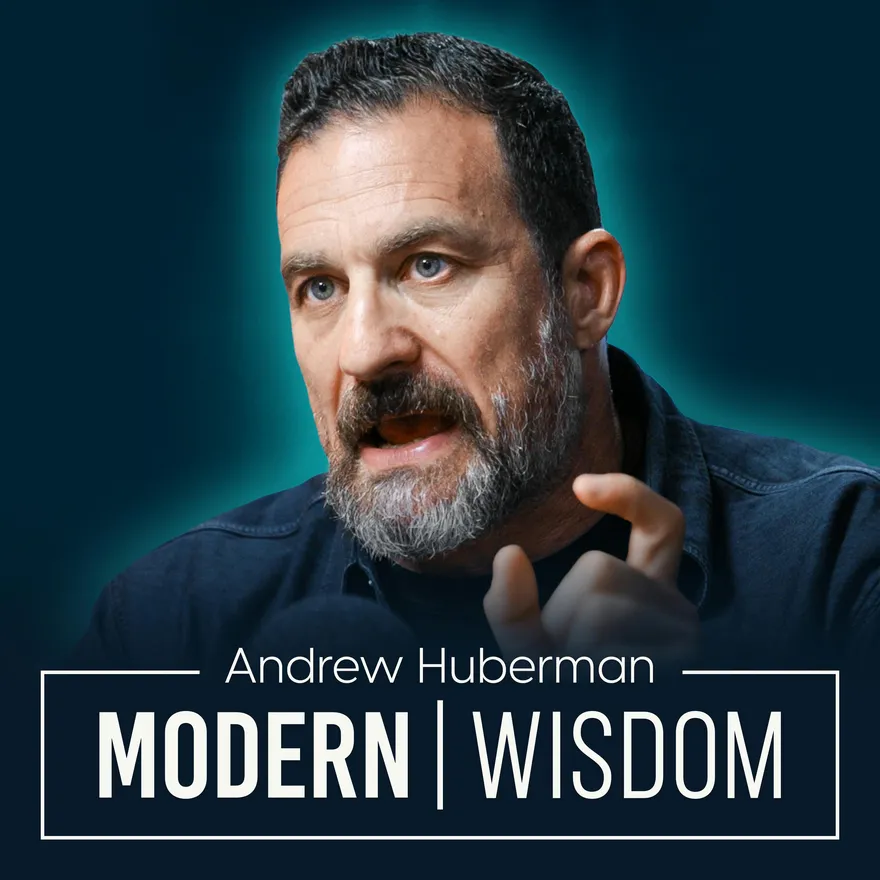

This is a preview of the Shortform summary of the Sep 14, 2026 episode of the Modern Wisdom
Sign up for Shortform to access the whole episode summary along with additional materials like counterarguments and context.
1-Page Summary
Sleep, Circadian Rhythms, and Foundational Physiology
Andrew Huberman emphasizes that aligning physiology with daily rhythms is crucial for mood, focus, and resilience. The most important health principle, he explains, is achieving high cortisol early in the day and low cortisol at night. High morning cortisol—boosted by bright light, hydration, caffeine, and early exercise—sets up better mood, focus, and stress resilience. Without this spike, cortisol stays elevated throughout the day, causing brain fog and reduced learning capacity.
In the evening, Huberman advises dimming lights, limiting screens and caffeine, and avoiding late exercise to lower nighttime cortisol and support quality sleep. He also highlights the "physiological sigh"—two inhales followed by a long exhale—as the fastest way to calm down by activating the vagus nerve. Practicing ten deliberate exhales daily boosts heart rate variability, a key marker of stress resilience.
Quality sleep is foundational for impulse control, learning, and emotional regulation, Huberman notes. Poor sleep shifts the brain toward impulsive control and reduces adaptability. For those struggling with sleep, he recommends the "wacky eye movement" technique, which disrupts bodily awareness and helps trigger sleep onset.
Learning, Focus, and Neuroplasticity
Huberman explains that genuine errors during learning are crucial for brain change. When attempting a skill, the gap between current and desired performance creates an error signal that drives neural adaptation. This process involves agitation from elevated catecholamines, which tag synapses for rearrangement during subsequent sleep. Sleep then consolidates these changes, cementing new skills.
Optimal focus requires calm alertness—not frantic arousal or detachment. Huberman suggests tethering awareness to the present by asking trivial questions about your immediate environment, which quiets internal distractions and enables sustained focus for about ninety minutes.
He stresses that self-testing vastly outperforms passive review for cementing knowledge. Actively retrieving information strengthens neural circuits and prevents memory decay. Huberman also clarifies that brain fog typically stems from an overactive default mode network, not metabolic issues. Activities like exercise naturally increase catecholamines, improving focus without pharmaceutical intervention. He notes that quality sleep enhances attention as effectively as stimulants like [restricted term], but without negative side effects.
Emotional Regulation and Stress Management
Huberman discusses how presence, neural tension, and daily routines foster resilience. A landmark Harvard study found that wandering minds are unhappy minds—happiness correlates with present-focused awareness, even during unpleasant moments. To cultivate presence, he recommends anchoring awareness to the immediate physical environment rather than internal sensations, which quiets distracting thoughts.
The brain operates with ongoing tension between bottom-up impulses (immediate gratification driven by deep brain structures) and top-down control (impulse suppression via the prefrontal cortex). Building top-down control doesn't require major willpower—small daily micro-disciplines like completing challenging tasks strengthen these circuits through repetition.
For stress management, morning sunlight anchors circadian rhythms and elevates cortisol, improving sleep quality and buffering stress. Long-term resilience develops by strengthening top-down control circuits and reducing nervous system reactivity. Acute techniques like deliberate exhales can rapidly lower heart rate in stressful moments, while integrating sleep, light exposure, exercise, and breathing practices enhances overall adaptability.
Personal Development and Psychology
Huberman outlines trauma recovery as an unrushable sequence: first, honestly acknowledging the experience; second, expressing the full emotional weight in a safe environment through therapy, journaling, or other modalities; third, decoupling the emotional charge from the memory through repeated safe exposure; and finally, transmuting suffering into meaning by serving others or creating something valuable from the experience.
He suggests a practical framework for fulfilling life: "Shut Up, Suit Up, Show Up, Listen Inward." This means practicing gratitude, maintaining self-care routines, actively engaging in work serving others, and ensuring regular inward reflection through meditation or solitude to stay aligned with authentic desires.
Willpower, Huberman explains, is built through consistent practice of choosing challenging options over comfort. This "micro sucks" strategy—embracing small unpleasant tasks daily—trains neural circuits for impulse control. He also describes "Manopause" as a critical life phase, typically in the late twenties or early thirties, when men reassess identity and values. Successfully navigating this transition requires intense focus on rebuilding habits and identity, even through periods of loneliness when old social circles no longer resonate.
Physical Health and Training
Huberman outlines a comprehensive approach to physical training. He stresses balancing low-intensity aerobic work with high-intensity training: a weekly 45-60 minute zone two cardio session builds aerobic base and mitochondrial health, while a weekly HIIT session of 20 seconds all-out with 10 seconds rest for six to eight rounds maximizes cardiovascular adaptations. A moderate-intensity run bridges these extremes and provides active recovery.
For resistance training, both Huberman and Chris Williamson emphasize full range of motion with controlled eccentric tension and progressive loading. Maintaining tension through stretched positions increases motor unit recruitment and enhances mobility, supporting long-term strength and injury resilience.
Mobility and core stability are essential despite often being undervalued. Huberman prescribes daily hip flexor stretches like the couch stretch, along with minimal bodyweight mobility work for thoracic spine, shoulders, and hips. For core stability, he advocates hanging knee raises progressing to L-sits, and back hyperextensions building up to 100 weekly repetitions to guard against injury and bolster compound lift performance.
Williamson promotes AG1, a comprehensive multivitamin that fills nutritional gaps and improves blood nutrient levels within three months. Huberman discusses strategic caffeine use for performance and acknowledges occasional nicotine use for alertness, though he cautions about addiction and cardiovascular effects. Both hosts emphasize mastering fundamental nutrition, movement, and supplementation over chasing novel interventions.
1-Page Summary
Additional Materials
Counterarguments
- The emphasis on achieving a high morning cortisol spike may not be universally beneficial; individuals with certain health conditions (e.g., adrenal insufficiency, anxiety disorders) may not tolerate or benefit from elevated cortisol.
- The claim that absence of a morning cortisol spike causes elevated cortisol throughout the day and brain fog is not universally supported by clinical evidence; cortisol rhythms can vary significantly among individuals.
- The effectiveness of the "wacky eye movement" technique for sleep onset lacks robust scientific validation and may not work for everyone.
- While the "physiological sigh" can be calming, other evidence-based breathing techniques (e.g., box breathing, paced respiration) are also effective for stress reduction.
- The assertion that brain fog is primarily due to an overactive default mode network overlooks other well-established causes such as sleep deprivation, nutritional deficiencies, and medical conditions.
- The idea that quality sleep enhances attention as effectively as stimulants like [restricted term] is not supported by direct comparative clinical trials; stimulants have distinct pharmacological effects.
- The concept of "Manopause" as a universal male experience in the late twenties or early thirties is not widely recognized in psychological or medical literature.
- The recommendation for weekly HIIT sessions may not be appropriate for all populations, especially those with cardiovascular risk factors or musculoskeletal limitations.
- The promotion of AG1 or any specific multivitamin as necessary for filling nutritional gaps is debated; many health organizations recommend obtaining nutrients primarily from a balanced diet.
- Occasional nicotine use, even for alertness, is discouraged by most health authorities due to its addictive potential and cardiovascular risks.
- The focus on morning sunlight exposure may not be feasible for individuals living in high-latitude regions or those with certain work schedules.
- The suggestion that mastering fundamentals is more important than novel interventions may undervalue the potential benefits of emerging, evidence-based health strategies.
Actionables
- You can set up a daily “circadian check-in” by using a simple journal or phone note to log your wake time, first light exposure, first hydration, first caffeine, and first movement, then review your notes weekly to spot patterns between your routines and your mood, focus, or sleep quality—this helps you fine-tune your habits for better alignment with your natural rhythms.
- A practical way to build top-down control and resilience is to create a “micro discomfort calendar” where you schedule one small, mildly uncomfortable task each day (like taking a cold shower, skipping an elevator for stairs, or delaying gratification on a snack), then briefly reflect on how you handled the urge to avoid it—this strengthens your impulse control circuits over time.
- You can anchor your awareness to the present by setting a recurring phone reminder labeled “scan your senses,” and when it goes off, pause to quickly note one thing you see, hear, feel, and smell—this simple habit interrupts internal distractions and trains your brain to stay present, even during routine or stressful moments.
Get access to the context and additional materials
Sleep, Circadian Rhythms, and Foundational Physiology
Andrew Huberman emphasizes the extraordinary impact of aligning physiology with daily rhythms, noting how crucial sleep and circadian management are for mood, focus, adaptability, and resilience.
Optimal Performance: High Morning Cortisol, Low Nighttime Cortisol
Huberman stresses that the most important thing for health and optimal performance is achieving high cortisol early in the day and low cortisol late at night. High morning cortisol sets up the brain and body for elevated mood, better focus, improved stress buffering, and enhanced learning. To maximize this spike in the first one to three hours after waking, he recommends getting bright light—especially sunlight or artificial sources around 10,000 lux—hydrating, consuming caffeine if desired, and exercising early if possible. Even eating within this window can spike cortisol, as any stimulating or arousing activity helps.
He explains that if you don’t achieve a high enough morning cortisol spike, you’re left with a “high, flat” cortisol curve throughout the day. This state diminishes stress resilience, clouds the mind with brain fog, and blunts the capacity to absorb and retain new knowledge.
In the evening, the pattern should reverse. In the last hour before bed, Huberman advises dimming lights—especially overhead lighting—using red light or candlelight, dimming screens, limiting caffeine, and avoiding exercise late unless absolutely necessary. This downshift helps lower nighttime cortisol, allows melatonin to rise, supports quality sleep, and sets up better days. Proper linkage—high morning cortisol, low nighttime cortisol, high melatonin—makes all physiological gears mesh for adaptive, present, less reactive living.
Sigh and Exhale Techniques Regulate Nervous System Through Respiration
Huberman points to the power of deliberate breathing to rapidly modulate nervous system balance. He describes the “physiological sigh,” a technique involving two inhales followed by a long, extended exhale. This mechanism, identified by physiologists in the 1930s, activates the vagus nerve via the parafacial nucleus in the brainstem to slow heart rate and induce a rapid parasympathetic (calm) response.
He further explains that extended, deliberate exhalation—especially when done consciously—directly activates a vagal pathway linked to the heart. This slows heart rate, offloads CO₂, and moves the body from sympathetic (alert, aroused) to parasympathetic (calm, restorative) dominance almost immediately. Huberman underscores that this is the fastest and most effective mechanism to calm down quickly in stressful scenarios.
By practicing exhale-emphasized breathing (longer, more deliberate exhales with passive inhales), individuals can induce calm and balance. Huberman notes that performing just ten such deliberate exhales throughout the day boosts heart rate variability (HRV), a key marker of cardiovascular health and stress resilience. Higher HRV, achieved through these techniques, means the vagal pathway is actively slowing the heart multiple times daily, supporting better overall autonomic regulation.
Quality Sleep Is Essential for Cognition, Emotions, and Physical Recovery
Huberman unequivocally states that quality sleep is foundational for adaptive circuits governin ...
Here’s what you’ll find in our full summary
Sleep, Circadian Rhythms, and Foundational Physiology
Additional Materials
Counterarguments
- The emphasis on achieving a high morning cortisol spike may not be universally applicable, as individual differences in chronotype (e.g., night owls vs. early birds) can affect optimal timing for alertness and performance.
- The evidence supporting the superiority of bright artificial light (~10,000 lux) for all individuals is mixed; some people may experience negative effects such as headaches or eye strain.
- The claim that a "high, flat" cortisol curve impairs learning and memory is not universally supported in the scientific literature, as cortisol’s effects on cognition are complex and context-dependent.
- Recommendations to avoid late exercise may not be necessary for everyone; some studies show that evening exercise does not disrupt sleep for all individuals and may even improve sleep quality for some.
- The physiological sigh and exhale-emphasized breathing techniques are helpful for many, but not all individuals experience significant or lasting reductions in stress or anxiety from these methods.
- Heart rate variability (HRV) is influenced by many factors beyond breathing techniques, including genetics, fitness level, and underlying health conditions, so increases in HRV may not be solely attribut ...
Actionables
- you can set a recurring morning alarm that plays an upbeat song and automatically opens your curtains or turns on a bright lamp to help trigger a strong morning cortisol rise and boost alertness, mood, and focus right after waking.
- a practical way to reinforce healthy evening wind-down is to create a “night mode” routine where you swap out regular lamps for string lights or fairy lights in your main living space, signaling your body to lower cortisol and prepare for sleep without needing to overhaul your entire lighting setup.
- yo ...
Get access to the context and additional materials
Learning, Focus, and Neuroplasticity
Andrew Huberman outlines the neurobiological foundations for effective learning, the optimal states for focus, and concrete strategies grounded in scientific research to foster neuroplasticity and skill retention.
Understanding Neurobiological Mechanisms For Optimal Learning
Huberman explains that genuine errors are crucial for brain change during learning. When someone sincerely tries to perform a skill—be it physical, such as a tennis serve, or cognitive, like learning a language—the gap between current performance and desired outcome provides an error signal. This error is processed by circuits involving the cerebellum and other brain areas, driving neural change because if there is no gap, there is no reason for the brain to adapt.
Making mistakes leads to a state of agitation, marked by elevated levels of catecholamines—specifically epinephrine and [restricted term]. These neurochemicals tag synapses, priming them for rearrangement during subsequent sleep. Huberman emphasizes that this agitation is necessary: it’s the signal for synaptic changes required to improve and cement skills. Thus, learning involves moving from curiosity (arriving at the ‘gate’), to genuine attempts (inserting and turning the ‘key’ by making errors), experiencing agitation (walking through the gate), and finally to sleep, which allows the brain to restructure itself and close the performance gap.
Sleep after learning is essential. At night, the synapses chemically tagged during periods of agitation undergo changes, cementing new skills and abilities whether it’s the same night or even over a couple of days.
Focus Requires a State of Alert Readiness, Not Frantic Arousal or Disengagement
Huberman draws an analogy from the game "Hot Hands" to describe the optimal mental state for learning: one of calm alertness and poised readiness, not hyper-arousal or lethargic detachment. In Hot Hands, as one awaits a sudden movement, the mind is alert, focused, and free of excess tension—the very state the brain needs for learning that’s challenging yet rewarding.
To achieve this state of focus, Huberman recommends tethering awareness to the present by asking oneself trivial questions about the immediate environment: for example, “What does it smell like in here?” or “How many cans are on this table?” By answering two or three such questions, internal distractions drop away, allowing the brain to lower competing neural activity and settle into a focused, present state. Once centered, one can direct this alertness toward the specific learning task.
He notes that focus at this level is effortful and typically sustainable for about ninety minutes before fatigue sets in, making breaks necessary.
Self-Testing and Retrieval Practices Enhance Learning and Retention
Huberman stresses that self-testing greatly outperforms passive review or visualization in cementing knowledge. When trying to remember specific information—such as details from a past event or scientific facts—actively retrieving that knowledge strengthens the corresponding neural circuits.
He invokes the Ebbinghaus curve to illustrate that, without retrieval practice, knowledge naturally decays. Hitting gaps in memory and then seeking answers (looking up information that can’t be recalled) effectively reinforces and prevents the weakening of synapses. Regular self-testing, whether to improve or to maintain skills and information, is critical—hence prac ...
Here’s what you’ll find in our full summary
Learning, Focus, and Neuroplasticity
Additional Materials
Clarifications
- The cerebellum is a brain region primarily responsible for coordinating movement and motor learning. It detects discrepancies between intended and actual movements, generating error signals to adjust and refine motor skills. This error processing helps the brain update motor commands for smoother, more accurate actions. Beyond movement, the cerebellum also contributes to some cognitive functions related to learning and error correction.
- Catecholamines are a group of neurotransmitters including [restricted term], [restricted term], and epinephrine that regulate brain functions like attention, motivation, and stress response. [restricted term] influences reward and learning, [restricted term] enhances alertness and focus, and epinephrine prepares the body for action during stress. These chemicals modulate synaptic plasticity, making neural connections stronger or weaker to support learning and memory. Their balanced release is crucial for optimal cognitive performance and emotional regulation.
- Synaptic tagging is a process where active synapses are marked during learning to identify them for later strengthening. During sleep, the brain replays and consolidates these tagged synapses, reinforcing important neural connections. This rearrangement stabilizes memories and skills by making synaptic changes more permanent. It ensures that only relevant information is retained while less important connections weaken.
- The default mode network (DMN) is a group of brain regions active during rest and mind-wandering. It supports self-referential thinking, daydreaming, and recalling memories. When the DMN is overactive during tasks, it interferes with attention and causes brain fog. Effective focus requires suppressing the DMN to engage task-related brain areas.
- The Ebbinghaus forgetting curve illustrates how quickly we lose information over time without reinforcement. It shows that memory retention drops sharply soon after learning, then levels off. This curve highlights the importance of reviewing material at spaced intervals to strengthen memory. Regular retrieval interrupts forgetting and helps transfer knowledge into long-term memory.
- Agitation involves high levels of catecholamines like epinephrine and [restricted term], causing heightened arousal and stress. Calm alertness features moderate [restricted term] and [restricted term] levels, promoting focused attention without stress. Agitation triggers a fight-or-flight response, while calm alertness supports sustained cognitive engagement. These biochemical states influence how effectively the brain processes and retains information.
- Neuroplasticity occurs through the strengthening or weakening of synapses, the connections between neurons. New synapses can form, and existing ones can change shape or efficiency based on experience and learning. This process involves changes in neurotransmitter release, receptor density, and gene expression within neurons. Over time, these physical changes alter neural circuits, enabling improved skills and memory.
- Stimulant medications like [restricted term] increase [restricted term] and [restricted term] levels qu ...
Counterarguments
- While errors can drive learning, some research suggests that repeated failure without guidance can lead to frustration and decreased motivation, potentially hindering learning rather than enhancing it.
- The necessity of agitation for neuroplasticity is debated; some studies indicate that learning can occur in low-stress, positive emotional states, and that excessive agitation or stress may impair memory formation.
- The role of sleep in memory consolidation is well-supported, but the exact timing and mechanisms can vary between individuals and types of learning (e.g., procedural vs. declarative memory).
- The "90-minute focus window" is not universally supported; individual differences in attention span and optimal work periods are significant, and some people may sustain focus for shorter or longer periods.
- Retrieval practice is effective, but passive review and visualization can also play important roles in learning, especially for complex or creative tasks.
- The Ebbinghaus forgetting curve is a general model and may not apply equally to all types of knowledge or learning contexts.
- The assertion that brain fog is primarily due to default mode network activity overlooks other contributing factors such as nutrition, hy ...
Get access to the context and additional materials
Emotional Regulation and Stress Management
Emotional regulation and stress management depend on the capacity to be present, understand internal impulses, and repeatedly practice disciplines that strengthen self-control. Neuroscience and behavioral research reveal how presence, dynamic neural tension, and daily routines synergistically foster resilience and adaptive functioning.
Presence and Focus Lead to Happiness and Effective Action
Harvard Study: Wandering Minds Are Unhappy
A landmark Harvard study finds that a wandering mind is an unhappy mind. The researchers pinged people throughout the day to ask what they were doing and how present they felt. The results showed that happiness correlates strongly with “present tethered awareness”—deep focus on the current moment, even if the moment itself is unpleasant. Conversely, distraction and mind-wandering—often ruminating about the past or worrying about the future—correlate with lower happiness.
Awareness Anchored To Environment vs. Internal Sensations
To practice presence, it’s effective to anchor awareness to the immediate physical environment rather than internal sensations. The brain translates environmental stimuli—light, sound, touch, chemicals—into perception. By directing focus to these real-time external perceptions, rather than internal states like heart rate or discomfort, individuals can quiet distracting thoughts. Meditation practices sometimes focus inward, but the data suggest focusing on the environment is more effective for cultivating happiness and calm. Asking oneself simple questions about one's surroundings primes the mind to stay in the present.
Control of Thought and Personal Transformation Stems From Presence, Awareness of Automatic Thoughts, and Conscious Choice
The path to high agency and happiness does not end with present-moment awareness. Once awareness is anchored, the next step is conscious choice: asking what to think, say, or do next. The mind’s thoughts seed further thoughts—letting them run on autopilot often leads to dissatisfaction. Taking deliberate control by focusing on the present, then intentionally pivoting to desired thoughts or actions, is the foundation for personal transformation.
Dynamic Tension: Key to Adaptive Human Functioning
Bottom-Up Influences: Impulses Driven by Hypothalamic and Deep Brain Structures For Immediate Gratification and the Path of Least Resistance
The brain operates with ongoing tension between bottom-up and top-down influences. Bottom-up impulses arise from deep brain structures like the hypothalamus, driving behavior toward immediate gratification and ease—such as eating a cookie on impulse, scrolling social media, or avoiding subtle discomfort.
Prefrontal Cortex Influences: Impulse Suppression, Delayed Gratification, and Long-Term Values
Top-down processes, centered in the prefrontal cortex, enable impulse suppression, delayed gratification, and adherence to long-term values. This form of control is evident in resisting a treat, completing a challenging task, or managing anxiety and impulsive responses.
Practicing Challenges and Micro-Disciplines Builds Control Circuits
Building top-down control circuits does not rely solely on major acts of willpower. Small daily micro-disciplines—such as picking up trash on the floor or completing small, challenging tasks—strengthen these circuits through repetition. Consistent practice in choosing harder actions or delaying gratification, even for inconsequential matters, gets “reps in” for the neura ...
Here’s what you’ll find in our full summary
Emotional Regulation and Stress Management
Additional Materials
Clarifications
- Dynamic neural tension refers to the ongoing interaction between different brain systems that regulate impulses and control. It involves a balance between bottom-up drives (like immediate desires) and top-down regulation (like self-control). This tension enables flexible responses to changing situations, supporting resilience by allowing adaptation rather than rigid reactions. Effective management of this tension strengthens neural pathways that promote adaptive functioning and emotional stability.
- "Present tethered awareness" means fully focusing your attention on the current moment without distraction. It helps prevent the mind from drifting into negative thoughts about the past or future. This focused state reduces stress and increases feelings of contentment. Neuroscience shows it activates brain areas linked to positive emotions and self-control.
- Anchoring awareness to the environment means focusing on external sensory inputs like sights, sounds, and smells, which are stable and less likely to trigger emotional reactions. In contrast, focusing on internal sensations involves tuning into bodily feelings such as heartbeat or discomfort, which can amplify anxiety or distraction. Environmental focus grounds attention in the present moment by engaging with neutral or positive stimuli. This approach helps reduce rumination and emotional escalation often linked to internal focus.
- The hypothalamus is a small brain region that regulates basic survival functions like hunger, thirst, and temperature. It triggers automatic responses to maintain the body's balance and immediate needs. Deep brain structures, including the limbic system, process emotions and drive instinctual behaviors. These areas generate impulses that prioritize quick reactions and gratification before conscious thought intervenes.
- The prefrontal cortex is the brain region responsible for complex cognitive behavior, decision-making, and moderating social behavior. It helps evaluate consequences, plan actions, and inhibit inappropriate impulses. This area develops fully in early adulthood, enhancing self-control and goal-directed behavior. Damage or underdevelopment can lead to impulsivity and poor judgment.
- Micro-disciplines are small, consistent actions or habits that require self-control, like choosing to stand instead of sit or pausing before reacting. These repeated behaviors strengthen neural pathways in the brain's prefrontal cortex, which governs decision-making and impulse control. Over time, this neural strengthening improves overall self-regulation and resilience to stress. Essentially, micro-disciplines act as mental "exercise" that builds the brain's capacity for control.
- Morning cortisol is a hormone released by the adrenal glands that helps increase alertness and energy after waking. It follows a daily pattern regulated by the circadian rhythm, peaking shortly after sunrise to prepare the body for the day. Proper timing and levels of morning cortisol support healthy stress responses and prevent excessive cortisol release later, which can harm health. Disruptions in this rhythm can lead to fatigue, poor stress management, and sleep problems.
- Top-down control circuits involve the ...
Actionables
- You can set a daily five-minute “external anchor walk” where you silently narrate out loud what you see, hear, and smell as you move through your environment, which helps tether your awareness to the present and interrupts mind-wandering.
- A practical way to strengthen self-control is to create a “micro-challenge jar” filled with slips of paper listing small, mildly inconvenient actions (like using your non-dominant hand for a task or waiting an extra minute before eating), then draw one each day and complete it to reinforce top-down control.
- You can design a personal “environmental cue map ...
Get access to the context and additional materials
Personal Development and Psychology
Trauma Recovery and Emotional Growth Follow a Specific, Unrushable Sequence
The process of recovering from trauma and fostering emotional growth proceeds through a specific, unrushable series of steps. First, it is essential to acknowledge the experience honestly. This means recognizing and facing what happened without denial or suppression, confronting the factual details of the event, regardless of how painful they are. This honest acknowledgment forms the factual foundation for recovery.
Next, one must express the trauma's full emotional weight in a safe environment, allowing the feelings to move through the nervous system. There is no shortcut here; feelings need to be fully felt, whether through therapy, journaling, breathing, or other modalities. This is why certain clinical trials investigate methods like MDMA-assisted therapy, but more accessible paths like talk therapy, EMDR, hypnosis, or structured journaling are recommended. For example, the Pennebaker protocol asks people to write for 15 minutes on four occasions about the traumatic event, which helps process and validate emotions.
After sufficiently expressing the emotions, the next stage is decoupling the intense emotional charge from the memory. This occurs through repeated and safe exposure to the memory, either through talk therapy, EMDR, or journaling. The aim here is to be able to recall the details and specifics of the traumatic experience with a lessening emotional load. Over time, the emotional pain diminishes as the memory becomes less triggering—much like memory exposure therapy.
Finally, healing reaches a stage where suffering is transmuted into beauty and meaning. Individuals use their recovery experience to serve others, such as counseling fellow trauma survivors or expressing healing through art, creating symbols, or finding new sources of value and gratitude in daily life. This transformation might take the form of helping others, creating something meaningful from the experience, or finding symbolic ways to honor the journey.
Framework: Suit Up, Show Up, Listen Inward For a Fulfilling Life
Andrew Huberman suggests a practical framework to live a fulfilling life: "Shut Up, Suit Up, Show Up, Listen Inward."
"Shut Up" represents the importance of gratitude, perspective, and letting go of unhelpful or draining narratives. It's about recognizing that someone always has it worse and focusing on what you have to be grateful for.
"Suit Up" means practicing self-care and getting prepared—organizing your environment, maintaining routines, and presenting your best self to the world. These practices support readiness to take on responsibilities and challenges.
"Show Up" calls for actively engaging in work serving others. Fulfilling societal, familial, or occupational roles builds confidence and psychological health by contributing value beyond oneself. Meaningful work—even if sometimes unpleasant—enhances self-esteem and confidence through service and responsibility.
"Listen Inward" is vital to ensure that playing roles and fulfilling duties does not lead away from authentic desires. Through meditation, breathwork, art, music, or time in solitude, one can step out of habitual reactivity, reconnect with core values, and reevaluate true aspirations. This balances the outward focus of responsibility with inward listening, ensuring a life path that aligns with personal desires and growth.
Building Willpower Through Consistent Practice Over Immediate Gratification
Willpower, according to this perspective, is built through consistent practice—especially by choosing more challenging options throughout daily life, rather than seeking comfort and immediate gratification. This "micro sucks" strategy involves embracing many small, mildly unpleasant tasks (like making the bed, replacing a toilet paper roll, or picking up trash) to strengthen impulse control and agency.
Such deliberate choices train the neural circuits responsible for impulse inhibition, in both substantial and trivial scenarios. The process mirrors the "grease the groove" principle from strength training: just as performing small numbers of pull-ups frequently is more effective than doing large sets infrequently, regularly doi ...
Here’s what you’ll find in our full summary
Personal Development and Psychology
Additional Materials
Clarifications
- EMDR is a psychotherapy technique designed to reduce distress from traumatic memories. It involves guided eye movements or other bilateral stimulation while recalling the trauma, which helps reprocess and integrate the memory. This process aims to weaken the emotional impact and promote adaptive healing. EMDR is evidence-based and often used for PTSD treatment.
- The Pennebaker protocol is a therapeutic writing exercise developed by psychologist James W. Pennebaker. It involves writing continuously for about 15-20 minutes on multiple days about one's deepest thoughts and feelings related to traumatic or emotional events. This process helps individuals organize and make sense of their experiences, reducing stress and improving mental health. The act of writing facilitates emotional processing by externalizing internal experiences.
- MDMA-assisted therapy combines psychotherapy with controlled doses of MDMA, a psychoactive drug, to enhance emotional processing. It helps patients access and confront traumatic memories with reduced fear and increased trust. Clinical trials have shown promising results for treating PTSD by facilitating deeper therapeutic engagement. The therapy is conducted under strict medical supervision to ensure safety and effectiveness.
- "Micro sucks" refers to small, mildly unpleasant tasks chosen deliberately to build mental discipline. These tasks create frequent opportunities to practice resisting immediate comfort, strengthening self-control circuits in the brain. The cumulative effect of these small challenges enhances overall willpower and resilience. This concept draws from behavioral psychology principles emphasizing consistent, manageable effort over sporadic intense exertion.
- The "grease the groove" principle involves frequent, low-intensity practice of an exercise to improve strength and neural efficiency without causing fatigue. It trains the nervous system to perform movements more effectively by reinforcing motor patterns. Applied to willpower, it means regularly practicing small acts of self-control to strengthen mental discipline. This consistent repetition builds habit and resilience over time without overwhelming effort.
- "Manopause" is a term describing a psychological and developmental phase rather than a biological event like menopause in women. It involves a deep internal reassessment of life goals, identity, and values, often triggered by unmet expectations or dissatisfaction with previous life patterns. This phase is significant because it can lead to profound personal growth and the establishment of more authentic, self-directed life paths. Successfully navigating manopause often requires intentional self-reflection, habit change, and seeking new social connections aligned with evolved values.
- The "empty elevator" phase metaphorically describes a period of social isolation during personal transition. It feels like being in a confined space alone, with no familiar social support or community. This phase occurs when old relationships no longer fit new values, but new connections have not yet formed. It requires resilience to endure until new, supportive social circles are established.
- Decoupling the intense emotional charge from a memory means reducing the strong negative feelings linked to that memory. This happens by safely recalling the event multiple times, allowing the brain to reprocess it without triggering overwhelming emotions. Over time, the memory becomes a neutral fact rather than a source of distress. This process helps individuals remember the event without reliving the pain.
- Breathwork involves controlled breathing techniques that regulate the nervous system, reducing stress and enhancing emotional clarity. It helps shift focus from external ...
Counterarguments
- The idea that trauma recovery follows a specific, unrushable sequence may not account for individual differences; some people may heal in non-linear or unique ways that do not fit a prescribed order.
- Not all individuals benefit from or require full emotional expression to recover from trauma; some may find alternative coping mechanisms or prefer cognitive approaches.
- The effectiveness of therapeutic modalities like MDMA-assisted therapy, EMDR, or hypnosis is still debated in the scientific community, and not all methods work for everyone.
- The transformation of suffering into beauty or meaning is not universally achievable or desirable for all trauma survivors; some may not wish to or be able to find meaning in their suffering.
- Huberman’s framework ("Shut Up, Suit Up, Show Up, Listen Inward") may oversimplify the complexities of psychological well-being and fulfillment, and may not resonate with or be applicable to everyone.
- The suggestion to "Shut Up" by focusing on gratitude and perspective could inadvertently minimize or invalidate genuine struggles, especially for those facing severe hardship or mental health issues.
- The emphasis on self-care routines and presenting one’s best self ("Suit Up") may be inaccessible or burdensome for individuals with disabilities, chronic illness, or limited resources.
- The idea that serving others ("Show Up") is essential for confidence and psychological health may not apply to introverts or those whose fulfillment comes from solitary pursuits.
- Practices like meditation, breathwork, or art ("Listen Inward") are not universally effective or appealing; some individuals may find other ways to reconnect with their values.
- The "micro sucks" approach to building willpower may not be suitable for everyone, particularly those with mental health conditions like ...


Get access to the context and additional materials
Physical Health and Training
Optimal physical health and training require a strategy that targets cardiovascular endurance, muscular strength, mobility, core stability, and addresses nutritional gaps with evidence-based supplementation. The principles outlined by Andrew Huberman and Chris Williamson provide a framework that integrates efficient aerobic and high-intensity training, meticulous strength development, movement quality, and smart supplementation for resilience and performance.
Optimizing Mitochondrial Health and Maximal Effort Capacity Requires Balancing Low-intensity Aerobic Work With High-Intensity Training
Weekly Slow Cardio Builds Aerobic Base, Enhances Capillaries & Mitochondria
Andrew Huberman stresses the importance of a regular, long slow cardio session each week—typically 45 to 60 minutes in upper zone two or zone three, where conversation is possible only with pauses. This aerobic work promotes development of capillary networks, enriches mitochondrial function, and provides genuine cardiovascular and energetic benefits. Such adaptations contribute to sustaining daily energy, in part by supporting mitochondrial health, which naturally declines with age.
Weekly HIIT With Short Maximum-Effort Intervals Boosts Heart Rate and Triggers Key Adaptations
Huberman recommends integrating a high-intensity interval session weekly, mentioning the Airdyne (or similar) bike as a preferred method: 20 seconds all-out, 10 seconds rest, for six to eight rounds. This approach elevates heart rate to 85–90% of maximum, maximizing adaptations with minimal injury risk due to the inclusion of both arms and legs. These short maximal-effort intervals drive cardiovascular gains and stress the system differently than steady-state cardio.
Moderate-Intensity Run Enables Speaking With Pauses, Bridges Extremes, Provides Active Recovery
A third weekly session might be a moderate-intensity run or swim for 25–30 minutes, situated between slow steady-state and maximal intervals. Here, exertion is high enough that breathing is hard but sustainable, further bridging the gap between aerobic endurance and high-intensity capacity. These runs act as active recovery while building efficiency and resilience.
Resistance Training: Emphasize Full Range, Controlled Eccentric Tension, Progressive Loading For Strength
Strength Is Gained Through Its Training Range; Partial-Range Training Fails to Build Complete Functional Strength
Chris Williamson underscores that functional strength develops through the full range of movement. Huberman reinforces the necessity of ensuring full range of motion, particularly by holding tension in the lengthened or stretched positions during exercises such as seated or lying hamstring curls—not merely passive stretching but active engagement in these terminal positions.
Lengthened Position Tension Enhances Motor Unit Recruitment and Neuromuscular Adaptation
Maintaining tension through full ranges, especially in the stretched position, increases motor unit recruitment and fosters neuromuscular adaptation. This method enhances mobility and quality of movement, supporting both athletic performance and everyday function.
Progressive Loading Creates Sustained Strength Adaptations; Long-Term Consistent Training Builds Musculoskeletal Durability and Injury Resilience
Consistent progression in resistance, combined with proper technique, drives long-term strength gains and improves musculoskeletal durability. This strategy supports resilience against injury and enables superior performance across physical modalities.
Mobility and Core Stability Prevent Injuries, Enabling Strong Performance Across All Training Modalities, Despite Seeming Less Important Than Major Lifts
Huberman and Williamson stress that maintaining mobility and core integrity is essential despite often being undervalued relative to heavy lifting.
Hip Flexor Mobility: Daily Couch Stretches or Lunges Restore Hip Function and Spinal Stability
Huberman prescribes daily stretches such as the couch stretch or lunges to counteract shortened hip flexors caused by modern sedentary habits. Extending the knee or foot behind the line of the glutes for short periods each day restores hip function and enhances spinal stability.
Bodyweight Mobility For Thoracic Spine, Shoulders, and Hips in Minimal Time
A daily mobility routine can be minimalistic: sumo squats with overhead reach for thoracic/neck/shoulder opening, reverse tabletop (crab pose) for shoulder extension, and the founder’s pose for the posterior chain. These movements collectively take five minutes and can be performed anywhere, supporting long-term joint health and movement quality.
Hyperextensions and Pike Hold Progressions Target Spinal Erectors and Lower Abdominals to Build an Injury-Preventing, Stronger Core for Safer, Heavier Lifts
Core stability work is vital. Huberman advocates hanging knee raises and their progressions (eventually moving to L-sits and toes-to-bar) as staple abdominal exercises. For lumbar stability, he prescribes back hyperextensions—working up t ...
Here’s what you’ll find in our full summary
Physical Health and Training
Additional Materials
Counterarguments
- The necessity of weekly long slow cardio sessions for everyone is debated; some research suggests that shorter, more frequent bouts of moderate activity can yield similar cardiovascular benefits, especially for those with time constraints.
- The superiority of full range of motion in resistance training is context-dependent; partial-range training can be beneficial for certain populations (e.g., those with joint limitations or in rehabilitation) and for targeting specific strength adaptations.
- The benefits of comprehensive multivitamin supplementation are contested; several large-scale studies have found limited evidence that multivitamins improve health outcomes in individuals without diagnosed deficiencies.
- The use of supplements like AG1 is not universally endorsed by nutrition experts, as whole foods are generally preferred for meeting micronutrient needs, and the efficacy of such products can vary.
- Occasional nicotine use, even in lower-risk forms, is discouraged by most health authorities due to its addictive potential and possible long-term health risks, regardless of delivery method.
- The emphasis on supplementation may detract from the importance of dietary quality and lifestyle factors, which are foundational for health and performance.
- The clai ...
Actionables
- You can create a weekly “movement audit” checklist to track whether you’ve included each key training element—cardio, HIIT, strength, mobility, and core—by simply marking off boxes as you complete each type, helping you spot gaps and stay balanced without needing a complex plan.
- A practical way to improve mobility and core stability is to set a recurring phone reminder to do a five-minute “mobility and core micro-break” at the same time each day, using simple bodyweight moves in your living room or office, so you never skip these essentials even on busy days.
- You can use a color-coded sticky note system on your fridge o ...
Get access to the context and additional materials


Create Summaries for anything on the web
Download the Shortform Chrome extension for your browser
