

“Age Reversal Is Coming.” Inside The First Human Trials - Dr David Sinclair - #1141
In this episode of Modern Wisdom, Dr. David Sinclair discusses his research on aging reversal, explaining his information theory of aging—the idea that aging results from corrupted epigenetic "software" rather than irreversible genetic damage. Sinclair covers breakthrough studies using Yamanaka factors to reset cellular age in animal models, restoring vision to blind mice and rejuvenating various tissues. He also describes ongoing human trials and the development of oral treatments that could potentially reverse biological aging.
Beyond the science of age reversal, Sinclair discusses practical longevity interventions available today, including fasting protocols, exercise recommendations, sleep optimization, and stress management. He addresses his personal supplement regimen—covering resveratrol, NAD precursors, statins, and GLP-1 agonists—while emphasizing the importance of supplement quality and evidence-based approaches. The conversation also explores AI's transformative role in accelerating drug discovery and Sinclair's perspective on avoiding over-optimization while focusing on foundational health behaviors that genuinely extend healthspan.
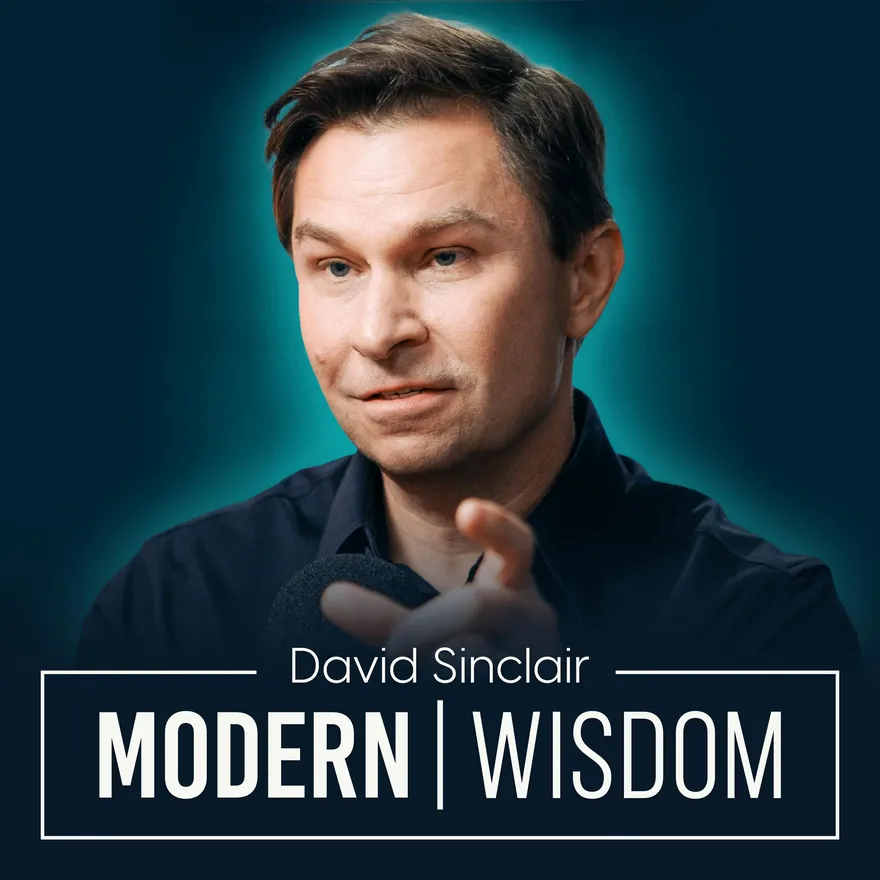

This is a preview of the Shortform summary of the Aug 24, 2026 episode of the Modern Wisdom
Sign up for Shortform to access the whole episode summary along with additional materials like counterarguments and context.
1-Page Summary
Aging Reversal Science: Epigenetics, Yamanaka Factors, and Treating Aging As Disease Breakthroughs
Reframing Aging As Treatable, Not Inevitable
David Sinclair advocates for recognizing aging as a treatable disease rather than an inevitable fate, drawing parallels to how reclassifying obesity led to GLP-1 drug development. He argues this shift would unlock research funding and pharmaceutical investment. Sinclair introduces the information theory of aging, explaining that aging results from epigenetic "software" corruption rather than irreversible genetic damage. This means the same genetic information exists in old and young cells, but the epigenetic instructions controlling gene expression have degraded—much like a scratched CD. Mouse models confirm that inducing epigenetic disruption causes premature aging, but encouragingly, this process appears reversible.
Epigenetics of Aging and Yamanaka Factors in Reversal
Sinclair describes the epigenome as the controller of DNA expression, determining which genes are active or inactive. With age, this pattern becomes corrupted, leading to cellular malfunction. The breakthrough came with Yamanaka factors—transcription factors originally used to convert adult cells into stem cells. Sinclair's group uses only three of the four factors (excluding C-Myc) to avoid cancer risk, allowing cells to regain youthful function while retaining their identity. This selective application effectively resets epigenetic age without compromising cell type.
Successful Age Reversal in Tissues Shown by Animal and Human Trials
In 2020, Sinclair's team published a landmark Nature study demonstrating safe age reversal in mice, restoring vision to blind mice by rejuvenating eye cells—the first evidence that complex tissues could have their biological age reversed. Subsequent experiments replicated results in monkeys and across various tissues including liver, motor neurons, and joints. Human trials have now begun with therapies like ER-100, aimed at restoring vision in macular degeneration and glaucoma patients.
Oral Pills Reverse Aging In Animals
Another major advance involves oral treatments to reverse aging. Sinclair's lab showed that an oral "cocktail" rejuvenated aged mice, improving memory and skin quality with just a few doses weekly. The mechanism involves TET enzymes that reset DNA's epigenetic state. Sinclair's research now focuses on reducing this to a single active molecule, potentially delivered as a supplement, drug, patch, or cream.
Timeline and Expectations For Age Reversal Therapies
Sinclair compares the pending first demonstration of human age reversal to the AI singularity—a pivotal moment that will trigger unprecedented investment. He predicts vast acceleration once convincing evidence emerges from human trials. Sinclair believes some people alive today will extend their healthy lifespan by decades, with the possibility that the first person to reach 150 years has already been born. The goal is extending healthspan—years of vibrant, disease-free life—rather than prolonging sickness.
Longevity Lifestyle: Fasting, Diet, Exercise, Sleep, Stress Management
Fasting and Time-Restricted Eating as Longevity Interventions
Sinclair emphasizes fasting's profound health impact, citing animal data and short-term human studies showing calorie restriction with proper nutrition improves biomarkers and longevity. Research from Rafael de Cabo demonstrates that eating timing matters more than macronutrient composition—animals fed within restricted windows lived substantially longer than those eating continuously, even with identical calories and macros. After three days of fasting, the body enters chaperone-mediated autophagy (CMA), a cellular housekeeping process that removes damaged proteins, sharpening mental clarity and activating longevity pathways. Sinclair occasionally undertakes two-week fasts consuming only zero-calorie drinks and supplements, reporting sustained energy and improved metabolic biomarkers.
Avoiding Excessive Protein and Emphasizing Plant-Based Whole Foods
Sinclair warns against chronically high animal protein intake, particularly branched-chain amino acids that activate the mTOR pathway. While brief mTOR engagement benefits muscle building, continuous stimulation shortens lifespan in animal models. He advocates alternating high-protein periods for muscle building with predominantly plant-based meals for longevity, allowing cycling between "growth" and "repair" states. Despite enjoying animal products, Sinclair shifted toward plant-based whole foods after seeing dramatic improvements in his health and longevity biomarkers.
Aerobic, Resistance, and Movement as Essential Longevity Components
Sinclair describes VO2 max as directly correlated with long life, recommending getting out of breath at least three times weekly for ten minutes through high-intensity exercise. Weightlifting and resistance training are essential for muscle maintenance, hormonal health, and bone integrity, while balance training reduces fall risk in older adults. Sinclair's routine incorporates continuous low-intensity movement including standing desks, frequent pacing, walking, and hobbies like gardening and kayaking.
Sleep Optimization Through Environment and Behavior
Sinclair stresses that sleep quality matters as much as quantity. Using wearables to track deep and REM sleep, he finds that with sleep efficiency above 90%, he can thrive on five or six hours nightly. He recommends minimizing late-day caffeine and alcohol, sleeping in cool environments, and using supplements or technologies that support rapid descent into deep sleep. Sinclair notes most people overestimate their nightly sleep by 30–60 minutes, making wearable tracking valuable for optimization.
Stress and Well-Being as Aging Accelerators or Decelerators
Sinclair reveals that high-stress life events—divorce, bereavement, illness, moving—powerfully accelerate aging by spiking cortisol and inflammation. With age and experience, he's learned to trust in his capacity to overcome adversity, emphasizing that most perceived catastrophes are manageable. To mitigate chronic stress, Sinclair recommends mindfulness strategies such as action-oriented thinking and "happy place" imagery, asserting that persistent training in self-reliance and calm gradually reduces stress-induced aging.
Longevity Supplements and Interventions: NAD, Resveratrol, Statins, GLP-1 Drugs, and Related Compounds
Resveratrol & NAD For SIRT1 Activation & Epigenetic Stabilization
Sinclair explains that resveratrol activates SIRT1, an enzyme crucial for stabilizing the epigenome and reducing age-related epigenetic noise. He's taken around one gram daily for nearly 20 years. A 2010 Pfizer paper challenged resveratrol's effectiveness, but Sinclair's team spent three years demonstrating its action at the atomic level through mouse models, definitively proving the compound's impact. While scientific consensus now supports resveratrol, public perception lags due to negative media coverage that favors controversy over resolution.
NAD Precursors and Aging-Related NAD Decline Controversy
Sinclair notes that NAD is essential fuel for SIRT1, with boosting through exercise or NMN supplementation supporting healthier cells. A recent study found no NAD decline in white blood cells with age, but Sinclair counters that muscle tissues show clear age-related NAD decline. His group has resubmitted a paper demonstrating NMN's ability to improve health and lifespan in older mice, though he warns that supplement quality is a major concern—even lab-grade NMN can be contaminated with inflammatory endotoxins.
Statins and PCSK9 Inhibitors for Genetically Predisposed Cardiovascular Health
Sinclair uses statins and PCSK9 inhibitors like Repatha to manage his familial predisposition to high cholesterol, advocating precision medicine tailored to individual risk factors. He disagrees with the American Medical Association's blanket recommendation against aspirin, emphasizing that people with high lipoprotein(a) derive significant anti-clotting benefits. Sinclair also uses nattokinase from fermented soybeans for potential arterial plaque reversal benefits, tracking his carotid intima-media thickness annually to evaluate progress.
GLP-1 Agonists: Longevity Benefits Beyond Weight Loss
Sinclair describes GLP-1 agonists as among the closest agents to a "longevity drug," with evidence showing improvements in metabolic health, potential dementia prevention, and cancer effects by modulating immune responses. He strongly supports these drugs for obese individuals, calling obesity a fast track to early death, and considers microdosing in healthy people struggling with weight. Interestingly, GLP-1 drugs also appear to reduce cravings for alcohol and compulsive behaviors, indicating broader neurobiological effects on reward and discipline systems.
Low-dose [restricted term] For Blood Flow and Dementia Prevention
Sinclair takes low-dose [restricted term] daily, asserting that low blood flow is an underappreciated cause of age-related diseases. Based on his 2012 research, he believes boosting blood flow through drugs and NAD enhancement may contribute to healthier muscles and brains. Enhanced brain blood flow may delay dementia, while improved follicle perfusion may slow hair loss. He and Chris Williamson discuss how normalizing these medications for longevity could reduce stigma and enable more open discussion of cardiovascular benefits.
Omega-3 Supplementation and Addressing Supplement Quality
Sinclair takes omega-3 supplements for anti-inflammatory effects, noting they're a reasonable longevity addition despite controversial heart disease prevention evidence. He stresses selecting reputable, GMP-certified brands to avoid contamination with heavy metals. Sinclair discourages routine high-dose multivitamin consumption, especially B and C vitamins which can become toxic, advocating instead for blood testing to identify deficiencies and addressing only those through targeted supplementation.
AI's Role in Longevity Research and Drug Discovery
Artificial intelligence is revolutionizing longevity research and drug discovery, compressing timelines that would have taken decades using traditional methods. A 19-year-old student in Sinclair's lab used AI to identify a biological signature in massive datasets—one that had eluded experts for over a decade. Sinclair notes that tasks previously taking months or 160 years using conventional methods can now be accomplished in months. The advent of AlphaFold, which models all 15,000 human protein structures in 3D, has fundamentally changed drug discovery by enabling atomic-level prediction of molecular interactions. Computers can now assess trillions of drug compounds against protein targets—a leap from the millions that even the largest pharmaceutical companies could screen.
Sinclair's lab demonstrates this new paradigm by using AI to identify 200 candidate molecules with age-reversal potential, ordering all from specialized companies within weeks, then testing them on human skin cells with AI-driven systems. The goal is finding a single molecule to replace cumbersome multi-component cocktails, potentially developing a streamlined supplement, drug, patch, or cream within months rather than the years and millions traditionally required.
Longevity: Evidence-Based Interventions vs. Hype and Over-Optimization
Distinguishing Between Well-Established and Speculative Longevity Interventions
Sinclair underscores foundational behaviors as the bedrock of healthy longevity: avoid overeating, maintain a lean body with BMI around 22–24, don't smoke, moderate alcohol, exercise regularly, get quality sleep, and manage stress. Some interventions show promise, like sauna bathing supported by Nordic population data, while cold plunging has theoretical benefits via brown fat activation but limited human studies. Laser therapies have emerging support, though evidence is inconsistent. Sinclair explicitly distances himself from interventions like grounding, preferring those with scientific rationale and human-based data.
Separating Legitimate Supplement Quality Concerns From Blanket Dismissal
Many supplements contain fewer active ingredients than labeled or are contaminated, making brand selection critical. Sinclair recommends choosing brands with established reputations, published analytics, GMP certification, and NSF third-party testing. His lab's discovery of endotoxin contamination in NMN supplements exposed how well-supported interventions can fail due to manufacturing issues. Given high costs and contamination risks, Sinclair recommends requesting batch-specific analytical reports from manufacturers.
Avoiding Obsessive Optimization and Psychological Harm From Biohacking
There's real risk that the quest for perfect health creates stress that undermines intended benefits. Sinclair advises treating health optimization as an enjoyable experiment rather than rigid perfectionism, emphasizing that absolute adherence isn't necessary—consistent application of evidence-based basics is the goal. An overemphasis on health metrics can distract from living well and feeling good. Scientific evidence from Harvard's Robert Voldinger shows that strong social connections and supportive relationships impact longevity as much as managing blood pressure or cholesterol. Sinclair shares his father's example: at 87, he enjoys vibrant social interactions, frequent travel, and engages enthusiastically in life without constant health monitoring.
Maintaining Realistic Expectations About Intervention Effects and Timelines
Most legitimate interventions work gradually, producing modest cumulative effects over time. Spectacular cases like Brian Johnson's epigenetic clock reversal are rare exceptions, not the norm. The best strategy is a "portfolio approach"—applying multiple modest interventions together rather than relying on a single magic bullet. Sinclair concludes that meaningful extension of healthspan is already accessible through consistent application of available interventions, while ongoing research continues to refine what's possible.
1-Page Summary
Additional Materials
Clarifications
- Epigenetics refers to chemical modifications on DNA and histone proteins that regulate gene activity without changing the DNA sequence. These modifications act like switches or markers that turn genes on or off in specific cells at specific times. Over time, environmental factors and cellular processes can cause these epigenetic marks to become disorganized or lost, leading to improper gene expression. This "software" corruption disrupts normal cell function and contributes to aging and disease.
- Yamanaka factors are a set of four specific proteins (Oct3/4, Sox2, Klf4, and c-Myc) that can reset adult cells to a pluripotent stem cell state, meaning they can develop into any cell type. This process, called cellular reprogramming, essentially "erases" the cell's specialized identity and age-related changes. By selectively using some of these factors, researchers can rejuvenate cells without losing their original function. This discovery earned Shinya Yamanaka a Nobel Prize in 2012 for revolutionizing regenerative medicine.
- C-Myc is a gene that promotes cell division and growth, which can lead to uncontrolled cell proliferation. Including C-Myc in reprogramming increases the risk of forming tumors or cancerous cells. Excluding C-Myc reduces this risk while still allowing cells to regain youthful functions. This makes the process safer for potential therapeutic use.
- Chaperone-mediated autophagy (CMA) is a selective process where specific damaged or misfolded proteins are identified and transported into lysosomes for degradation. It relies on chaperone proteins that recognize a particular amino acid sequence on target proteins. CMA helps maintain cellular health by preventing the accumulation of dysfunctional proteins that can impair cell function. This process becomes less efficient with age, contributing to cellular aging and disease.
- The mTOR pathway is a cellular signaling system that regulates growth, protein synthesis, and metabolism in response to nutrients and growth factors. It promotes muscle building by stimulating protein production and cell growth when activated. However, chronic overactivation of mTOR can accelerate aging by inhibiting cellular repair processes like autophagy. Balancing mTOR activity through diet and exercise helps optimize muscle maintenance while supporting longevity.
- VO2 max measures the maximum amount of oxygen your body can use during intense exercise, reflecting cardiovascular and respiratory efficiency. Higher VO2 max indicates better aerobic fitness, which supports heart and lung health. Studies link higher VO2 max to lower risk of chronic diseases and longer lifespan. Improving VO2 max through regular aerobic exercise enhances overall longevity and healthspan.
- SIRT1 is a protein that removes acetyl groups from histones, tightening DNA packaging and regulating gene expression. This activity helps maintain the proper "on" or "off" state of genes, preserving epigenetic patterns. By stabilizing these patterns, SIRT1 supports cellular health and longevity. It also responds to cellular stress and energy levels, linking metabolism to gene regulation.
- NAD is a vital coenzyme found in all living cells that helps convert nutrients into energy through metabolic processes. It also plays a key role in DNA repair and regulating cellular stress responses. NAD levels naturally decline with age, which can impair cell function and contribute to aging. Boosting NAD can enhance cellular health and support longevity by improving energy metabolism and activating protective enzymes.
- NMN is a precursor to NAD+, a molecule vital for cellular energy and repair. Endotoxins are toxic substances from bacterial contamination that can cause inflammation if ingested. Poor manufacturing practices can introduce endotoxins into NMN supplements, reducing safety and effectiveness. High-quality production and rigorous testing are essential to ensure NMN purity and avoid harmful contaminants.
- Statins are drugs that lower LDL cholesterol by blocking an enzyme involved in its production in the liver. PCSK9 inhibitors are newer medications that increase the liver’s ability to remove LDL cholesterol from the blood by preventing PCSK9 protein from degrading LDL receptors. Both reduce the risk of heart attacks and strokes, especially in people with genetic predispositions to high cholesterol. They are often prescribed together or separately based on individual cardiovascular risk profiles.
- Lipoprotein(a), or Lp(a), is a type of cholesterol particle linked to increased risk of cardiovascular disease due to its role in promoting blood clotting and arterial plaque buildup. Aspirin therapy can reduce clot formation, providing protective benefits for individuals with high Lp(a) levels. However, aspirin's risks and benefits vary, so its use is often personalized based on individual cardiovascular risk profiles. This precision approach contrasts with blanket aspirin recommendations for the general population.
- GLP-1 agonists mimic the glucagon-like peptide-1 hormone, enhancing insulin secretion and lowering blood sugar. They slow gastric emptying, reducing appetite and food intake. Beyond weight loss, they improve heart health by lowering blood pressure and inflammation. They also influence brain pathways that regulate reward and addiction behaviors.
- [restricted term] is a drug originally developed to treat erectile dysfunction by relaxing blood vessels and improving circulation. Improved blood flow can enhance oxygen and nutrient delivery to the brain, potentially slowing cognitive decline linked to dementia. Research suggests better vascular health supports brain function and may delay neurodegenerative processes. Daily low-dose [restricted term] is being explored for these vascular and neuroprotective benefits beyond its original use.
- AlphaFold is an AI system developed by DeepMind that predicts a protein's 3D structure from its amino acid sequence with high accuracy. Understanding protein structures is crucial because their shapes determine how they function and interact with other molecules. Before AlphaFold, determining structures experimentally was slow and expensive, limiting drug discovery. By rapidly providing accurate models, AlphaFold accelerates identifying drug targets and designing effective molecules.
- Biological age reversal refers to restoring cells and tissues to a younger functional state, distinct from chronological age. It is measured using biomarkers like epigenetic clocks, which analyze DNA methylation patterns that correlate with aging. These clocks provide a quantifiable estimate of cellular age and can show reductions after interventions. Changes in biological age reflect improved cellular function and health, not just time passed.
- Lifespan is the total number of years a person lives. Healthspan refers to the years lived in good health without chronic disease or disability. Extending healthspan focuses on maintaining quality of life, not just increasing years. Ideally, healthspan and lifespan increase together, minimizing time spent in poor health.
- Biomarkers are measurable indicators that reflect biological processes or states, such as aging. They help scientists track how fast or slow aging occurs and assess the effectiveness of anti-aging treatments. Common biomarkers include molecular changes, cellular function, and physiological traits linked to age-related decline. Using biomarkers allows researchers to quantify aging objectively and develop targeted interventions.
- AI accelerates drug discovery by analyzing vast biological data to identify promising molecules faster than traditional methods. It predicts how drugs interact with proteins at the atomic level, enabling precise targeting of aging-related pathways. AI-driven simulations reduce the need for costly, time-consuming lab experiments by prioritizing candidates with the highest potential. This approach shortens development timelines from decades to months, making longevity therapies more accessible.
- Resveratrol's effectiveness was initially questioned due to inconsistent results in early studies and challenges replicating benefits in humans. Media coverage often highlighted skepticism and negative findings, overshadowing later robust evidence supporting its role in activating longevity-related enzymes like SIRT1. The controversy partly stems from differences in dosage, bioavailability, and study design between animal models and human trials. This mixed messaging has led to public confusion despite growing scientific consensus on its potential benefits.
- Supplement quality varies widely due to differences in manufacturing processes and ingredient sourcing. GMP (Good Manufacturing Practice) certification ensures products are consistently produced and controlled to quality standards. Third-party testing provides independent verification of a supplement’s purity, potency, and absence of contaminants. These measures protect consumers from ineffective or harmful products and ensure label accuracy.
- The "portfolio approach" means combining several different longevity strategies to achieve better overall results. Each intervention may have a small effect alone, but together they create a stronger cumulative benefit. This approach reduces reliance on any single method, which might be less effective or uncertain. It mirrors financial investing, where diversification lowers risk and improves outcomes.
- Calorie restriction means reducing the total number of calories consumed daily, regardless of when you eat. Time-restricted eating limits food intake to a specific window each day without necessarily reducing calories. The key difference is calorie restriction focuses on quantity, while time-restricted eating focuses on timing. Both can improve health but work through different biological mechanisms.
- Branched-chain amino acids (BCAAs) are essential nutrients that include leucine, isoleucine, and valine. Leucine, in particular, directly activates the mTOR pathway, a key regulator of cell growth and protein synthesis. Chronic mTOR activation can accelerate aging by inhibiting cellular repair processes like autophagy. Therefore, managing BCAA intake helps balance muscle growth and longevity.
- Nattokinase is an enzyme extracted from natto, a fermented soybean dish, known for its ability to break down fibrin, a protein involved in blood clotting. By dissolving fibrin, nattokinase may help reduce blood viscosity and prevent clot formation, potentially improving blood flow. Some studies suggest it could aid in breaking down arterial plaques, which are composed partly of fibrin and other substances. However, clinical evidence for nattokinase's effectiveness in reversing arterial plaque in humans remains limited and inconclusive.
- Carotid intima-media thickness (CIMT) measures the thickness of the two innermost layers of the carotid artery wall using ultrasound. It serves as a non-invasive indicator of atherosclerosis and cardiovascular disease risk. Increased CIMT correlates with plaque buildup and arterial stiffness, predicting heart attack and stroke likelihood. Regular CIMT monitoring helps assess the effectiveness of treatments aimed at reducing arterial plaque.
- Cortisol is a stress hormone that, when chronically elevated, disrupts cellular function and accelerates tissue damage. Persistent inflammation triggers immune responses that harm cells and organs, promoting aging-related diseases. Together, high cortisol and inflammation increase oxidative stress and impair repair mechanisms, speeding biological aging. Managing stress reduces these harmful effects, supporting healthier aging.
- Wearable devices use sensors like accelerometers and heart rate monitors to estimate sleep stages by detecting movement and physiological signals. They analyze patterns to differentiate light, deep, and REM sleep phases, providing insights into sleep quality. Sleep efficiency is calculated as the percentage of time spent asleep while in bed, indicating how well one sleeps. These devices offer convenient, though less precise, alternatives to clinical sleep studies.
Counterarguments
- The classification of aging as a disease is debated within the scientific and medical communities; some experts argue that aging is a natural, multifactorial process rather than a pathological condition, and redefining it as a disease could have unintended ethical, social, and regulatory consequences.
- While epigenetic changes are implicated in aging, the relative contribution of epigenetic "corruption" versus other mechanisms (such as telomere shortening, mitochondrial dysfunction, and accumulated DNA mutations) remains an area of active research and debate.
- Most evidence for age reversal using Yamanaka factors and similar interventions comes from animal models; translating these findings to humans is complex and may not yield comparable results due to differences in physiology, lifespan, and safety concerns.
- The long-term safety and efficacy of partial cellular reprogramming in humans are not yet established, and there are concerns about potential risks such as cancer, loss of cell identity, or unintended tissue effects.
- Human clinical trials for age reversal therapies are in early stages, and no peer-reviewed, large-scale studies have yet demonstrated robust, reproducible age reversal or significant healthspan extension in humans.
- The claim that the first person to reach 150 years may already be alive is speculative and not supported by current demographic or clinical evidence.
- The benefits of fasting, time-restricted eating, and plant-based diets for longevity are supported by some studies, but long-term randomized controlled trials in diverse human populations are limited, and individual responses can vary.
- The impact of protein intake and mTOR pathway modulation on human longevity is not fully settled; some research suggests that higher protein intake may benefit older adults by preserving muscle mass and function.
- The effectiveness of supplements such as resveratrol, NAD precursors, and omega-3s for extending human lifespan or healthspan remains controversial, with mixed results in clinical studies and ongoing debate about their bioavailability and long-term effects.
- Quality control issues in the supplement industry are well-documented, and even reputable brands may face challenges ensuring purity and potency; regulatory oversight varies widely by country.
- The use of pharmaceuticals like statins, PCSK9 inhibitors, GLP-1 agonists, and [restricted term] for longevity in otherwise healthy individuals is not currently supported by clinical guidelines, and long-term safety data for such off-label use are lacking.
- Artificial intelligence has accelerated drug discovery, but most AI-identified compounds still require extensive validation in preclinical and clinical studies before being deemed safe and effective for human use.
- Some interventions highlighted (e.g., sauna, cold plunging, laser therapies) have limited or inconsistent evidence for longevity benefits in humans, and more rigorous studies are needed.
- The psychological impact of health optimization and biohacking can be negative for some individuals, potentially leading to anxiety, orthorexia, or social isolation.
- Social determinants of health, such as socioeconomic status, access to healthcare, and environmental factors, play a significant role in longevity and may outweigh the effects of individual interventions.

Get access to the context and additional materials
Aging Reversal Science: Epigenetics, Yamanaka Factors, and Treating Aging As Disease Breakthroughs
Reframing Aging As Treatable, Not Inevitable
David Sinclair advocates for recognizing aging as a treatable condition rather than an unavoidable fate. Drawing a parallel to the medical reclassification of obesity—which spurred research and led to the development of GLP-1 drugs—Sinclair argues that classifying aging as a disease will unlock research funding, pharmaceutical investment, and ultimately new therapies. He explains that most doctors still view old age as unpreventable and untreatable, limiting ambition and intervention. By treating aging as something that can be addressed, society will be encouraged to support research, adopt early interventions, and emphasize lifestyle changes that could slow the process.
Sinclair introduces the idea that aging is not caused by irreversible genetic damage, but rather by a form of epigenetic “software” corruption. In this view, an aged individual has the same genetic “information” as a younger self, but the epigenetic software—responsible for how genes are expressed—has become corrupted, much like a scratched CD or a sluggish software installation on a phone. This information theory of aging posits that DNA bundling and looping instructions, which define cellular identity and function, erode with age. Sinclair demonstrates this through mouse models where induced epigenetic disruption leads to premature aging. Encouragingly, this means aging is theoretically reversible: if we can restore the correct software, we can rejuvenate cells and tissues.
As a corollary, Sinclair predicts that future generations will look back at today’s health advice—like constant eating and discouraging hunger—as misguided, paralleling future attitudes toward aging as a treatable, not inevitable, process.
Epigenetics of Aging and Yamanaka Factors in Reversal
Sinclair describes the epigenome as the controller of DNA expression: it modifies which genes are compacted and inactive, or accessible and active, thus determining cellular identity (e.g., a nerve cell versus a skin cell). With age, the epigenome’s pattern of gene bundling and unbundling becomes corrupted, leading to cellular malfunction and aging.
The breakthrough in reversing epigenetic aging came with the discovery and adaptation of Yamanaka factors—transcription factors originally used to convert adult cells back into embryonic stem cells. Sinclair’s group avoids full dedifferentiation and cancer risk by using only a subset of three Yamanaka genes (leaving out C-Myc, the fourth). This selective application allows cells to regain youthful function while retaining their identity and preventing tumor development. This approach is powerful because it can reset epigenetic age, effectively instructing old cells to operate as young again, without compromising what type of cell they are.
Successful Age Reversal in Tissues Shown by Animal and Human Trials
In 2020, Sinclair and colleagues published a landmark study in Nature demonstrating the safe and effective reversal of aging in mice. Using gene therapy to introduce the three Yamanaka factors, they restored vision to blind mice by rejuvenating the cells in their eyes. This was the first evidence that complex tissues could have their biological age significantly reversed.
Subsequent experiments replicated these results in other animals, including monkeys, and across various tissues beyond the eye, such as the liver, motor neurons, joints, and potentially hearing. Human trials have now begun with therapies such as ER-100, aimed at restoring vision in patients with macular degeneration or glaucoma by reversing the epigenetic age of ocular tissues. Sinclair notes that these approaches are already being tested in people, offering hope of at least slowing vision loss and possibly reversing blindness.
Oral Pills Reverse Aging In Animals
Another major advance is the development of oral treatments to reverse aging. Sinclair’s lab has shown that an oral “cocktail” can rejuvenate aged mice, improving memory, s ...
Here’s what you’ll find in our full summary
Aging Reversal Science: Epigenetics, Yamanaka Factors, and Treating Aging As Disease Breakthroughs
Additional Materials
Clarifications
- Epigenetics involves chemical modifications that regulate gene activity without changing the DNA sequence itself. These modifications can turn genes on or off, influencing how cells function. Genetic mutations, in contrast, are permanent changes in the DNA sequence that can alter gene function or cause disease. Epigenetic changes are often reversible, while mutations are typically permanent.
- Epigenetic software corruption refers to changes in chemical tags on DNA and histone proteins that control gene activity without altering the genetic code itself. These changes can cause genes to be turned on or off inappropriately, disrupting normal cell function. Over time, this misregulation accumulates, leading to aging-related decline in tissues and organs. Restoring the correct epigenetic patterns can potentially reverse these functional impairments.
- DNA bundling and looping organize the genome within the cell nucleus, bringing distant genetic regions into close contact. This 3D structure controls which genes are accessible for activation or silencing, influencing cell function. Specific looping patterns help maintain a cell’s identity by ensuring the right genes are expressed for its type. Disruption of these structures can lead to misregulation of genes and loss of cellular identity.
- Yamanaka factors are a set of four specific genes—Oct3/4, Sox2, Klf4, and c-Myc—discovered by Shinya Yamanaka in 2006. They can reprogram adult cells back into pluripotent stem cells, which can develop into any cell type. This breakthrough allowed scientists to create induced pluripotent stem cells (iPSCs) without using embryos. The original use was to study development and disease, and to enable regenerative medicine.
- C-Myc is a gene that promotes cell proliferation and can increase the risk of cancer when overexpressed. Including C-Myc in reprogramming can cause cells to lose their identity and become tumorigenic. Excluding C-Myc reduces cancer risk while still allowing partial reprogramming to rejuvenate cells. This balance enables safer age reversal therapies.
- Cellular dedifferentiation is when specialized cells revert to a more primitive, stem-like state, losing their specific functions. This process can disrupt normal tissue structure and control mechanisms, increasing the risk of uncontrolled cell growth. Such uncontrolled growth can lead to cancer, as cells divide without the usual regulatory checks. Avoiding full dedifferentiation helps maintain cell identity and reduces the chance of tumor formation.
- Gene therapy delivers Yamanaka factors by using harmless viruses as carriers to insert specific genes into target cells. These viruses are engineered to carry only the desired Yamanaka factor genes without causing disease. Once inside the cell, the introduced genes produce proteins that reset the cell’s epigenetic state. This process reprograms the cell toward a more youthful function while maintaining its identity.
- TET enzymes chemically modify DNA by converting methylated cytosines into hydroxymethylcytosines, initiating DNA demethylation. This process removes epigenetic "marks" that silence genes, allowing previously inactive genes to be expressed again. By resetting these methylation patterns, TET enzymes help restore youthful gene activity profiles in cells. Their action is crucial for epigenetic reprogramming without altering the underlying DNA sequence.
- Viral gene delivery uses modified viruses to insert specific genes directly into cells, enabling precise control but requiring complex procedures and carrying some risks like immune reactions. Oral treatments deliver drugs through the digestive system, offering easier administration and broader accessibility but typically with less targeted gene control. Viral methods can reprogram cells at a genetic level, while oral treatments often work by influencing cellular processes chemically. Oral approaches aim to mimic the effects of gene therapy without the need for invasive techniques or viral vectors.
- Partial reprogramming refers to the process of activating some, but not all, of the Yamanaka factors to reset a cell’s epigenetic state without fully converting it into a stem cell. This avoids loss of the cell’s original identity and reduces the risk of cancer associated with full reprogramming. It rejuvenates cells by restoring youthful gene expression patterns while keeping their specialized functions intact. This technique enables age reversal without erasing the cell’s role in the body.
- Lifespan is the total number of years a person lives, while healthspan refers to the years lived in good health without chronic diseases or disabilities. Extending healthspan means increasing the time one remains physically and mentally healthy, not just alive. Focusing on healthspan aims to reduce the peri ...
Counterarguments
- The classification of aging as a disease is debated within the scientific and medical communities; some experts argue that aging is a natural, universal process rather than a pathological condition.
- While epigenetic changes are implicated in aging, other factors such as accumulated genetic mutations, mitochondrial dysfunction, and cellular senescence also contribute to the aging process and may not be fully reversible by epigenetic reprogramming.
- The long-term safety and efficacy of partial reprogramming with Yamanaka factors in humans remain unproven; risks such as cancer or loss of cellular identity have not been fully ruled out.
- Most evidence for age reversal using Yamanaka factors and oral cocktails comes from animal studies; results in mice and monkeys do not always translate to humans due to biological differences.
- Human trials for age reversal therapies are in early stages, and there is currently no peer-reviewed evidence demonstrating successful, safe, and significant age reversal in humans.
- The prediction that some people alive today will live to 150 years or that healthspan will be dramatica ...
Get access to the context and additional materials
Longevity Lifestyle: Fasting, Diet, Exercise, Sleep, Stress Management
David Sinclair outlines a comprehensive approach to longevity grounded in fasting, optimal nutrition, physical activity, quality sleep, and effective stress management, drawing on both anecdotal evidence and cutting-edge research.
Fasting and Time-Restricted Eating as Longevity Interventions
Sinclair emphasizes the profound health impact of fasting, despite the lack of long-term, placebo-controlled prospective studies in humans. Data from animals, and short-term human studies, show that calorie restriction with proper nutrition consistently leads to improved biomarkers and longevity. The macaque studies demonstrated less cancer, decreased heart disease, and longer lives with calorie restriction, findings which Sinclair finds motivational even if lifespan extension is modest.
Time-Restricted Eating Offers More Health Benefits Than Continuous Calorie Restriction, Regardless of Macronutrient Intake
Drawing on research from Rafael de Cabo and others, Sinclair illustrates that the timing of eating is more crucial to longevity than macronutrient composition or continuous calorie restriction. In animal studies, those fed within a restricted window lived substantially longer—even when total caloric intake and protein, carbohydrate, and fat ratios varied—than those allowed to eat continuously. Sinclair dismisses the marketing of constant eating and extols the value of enduring hunger, highlighting that "three meals a day plus snacks is marketing," not biology.
Three-Day Fasting Boosts Chaperone-Mediated Autophagy, Enhancing Mental Clarity, Body Composition, and Longevity Pathways
Sinclair explains that after three days of fasting, the body enters a mode called chaperone-mediated autophagy (CMA), a cellular housekeeping process that removes damaged and misfolded proteins. This mechanism sharpens mental clarity, reduces bloating, and activates pathways linked to longevity and improved body composition.
Sinclair's Two-week Fasts With Zero-Calorie Drinks and Supplements Are More Effective Than Daily Calorie Restriction
Sinclair occasionally undertakes extended fasts of up to two weeks, consuming only zero-calorie drinks and supplements. After the initial days of hunger, he reports sustained energy and marked improvements in metabolic biomarkers, verified with wearables and blood tests. He notes that intermittent adversity, such as fasting or caloric limitation, is more beneficial than chronic restriction. During fasting, Sinclair increases his workouts to prevent muscle loss. He speculates unproven benefits on the gut microbiome, likening fasting to a “shake-up” that induces hormetic stress.
Avoiding Excessive Protein and Emphasizing Plant-Based Whole Foods
Excessive Animal Protein's Branched-Chain Amino Acids Activate Mtor, Favoring Growth Over Repair and Longevity
Sinclair warns against chronically consuming high levels of animal protein, particularly those rich in branched-chain amino acids such as valine, isoleucine, and leucine. These amino acids activate the mTOR pathway, which promotes growth and muscle building but, when continuously stimulated, shortens lifespan in animal models. Brief engagement of mTOR is beneficial in youth and muscle maintenance but not for long-term health.
Balanced Approach: Alternating High Protein For Muscle Building and Plant-Based For Longevity
Sinclair advocates a flexible dietary pattern: periods emphasizing high protein intake when building muscle (including occasional meat) alternated with predominantly plant-based meals focused on longevity. This approach allows for intermittent activation and suppression of mTOR by cycling between "growth" and "repair" states, rather than persistent emphasis on either.
Sinclair Shifts to Plant-Focused Diet, Improving Biomarkers and Health Despite Preference For Animal Products
Personal experience prompted Sinclair to pivot toward a plant-based, whole-food diet. Despite an enjoyment of animal products, he acknowledges that increasing intake of plant protein and polyphenol-rich vegetables dramatically improved his health and longevity biomarkers.
Aerobic, Resistance, and Movement as Essential Longevity Components
Vo2 Max Gains: 10-minute High-Intensity Workouts Thrice Weekly For Longevity
Sinclair describes VO2 max—a measure of cardiovascular and aerobic fitness—as directly correlated with long life. He recommends getting out of breath at least three times a week for a minimum of ten minutes, using high-intensity exercise, vigorous sport, or even athletic sexual activity.
Resistance Training Builds Muscle For Hormones, Bone Health, Function In Aging; Balance Training Prevents Falls In Elderly
Weightlifting and resistance training are essential for muscle maintenance, hormonal health, and bone integrity. Sinclair also prioritizes balance training, which reduces fall risk in older adults and supports long-term independence.
Benefits of Continuous Movement: Standing Desks, Walking, Gardening, Sports
Sinclair’s everyday routine incorporates continuous low-intensity movement: standing desks to avoid extended sitting, frequent pacing, walking throughout the day, and engaging hobbies like gardening and kayaking. These activities collectively improve metabolic health and physical resilience.
Sleep Optimization Through Environment and Behavior
Sleep Efficiency Crucial: Quality Deep, Rem Sleep Supports Function On 5-6 Hours if 90-95% Efficient
Sinclair stresses th ...
Here’s what you’ll find in our full summary
Longevity Lifestyle: Fasting, Diet, Exercise, Sleep, Stress Management
Additional Materials
Counterarguments
- The long-term effects of fasting and time-restricted eating in humans remain unproven due to a lack of large, long-duration randomized controlled trials.
- Some studies suggest that calorie restriction may not be universally beneficial and could have adverse effects, such as loss of bone density or muscle mass, especially in older adults.
- The benefits of time-restricted eating observed in animal models do not always translate directly to humans due to differences in metabolism and lifestyle.
- Extended fasting (multiple days or weeks) may pose health risks, including nutrient deficiencies, electrolyte imbalances, and potential negative effects on mental health, particularly for certain populations.
- The assertion that "three meals a day plus snacks is marketing" overlooks cultural, social, and individual differences in eating patterns and nutritional needs.
- Evidence for chaperone-mediated autophagy (CMA) activation in humans through fasting is limited; most data come from animal or cell studies.
- Increasing exercise intensity during fasting may not be safe or effective for everyone and could increase the risk of injury or overtraining, especially in those with underlying health conditions.
- The impact of fasting on the gut microbiome is not fully understood, and some research suggests that extreme dietary changes can disrupt microbial balance.
- The relationship between animal protein, mTOR activation, and longevity in humans is complex and not fully established; some studies indicate that adequate protein intake is important for maintaining muscle mass and function, particularly in older adults.
- Plant-based diets can improve health markers, but not all individuals thrive on such diets, and some may require careful planning to avoid nutrient deficiencies (e.g., vitamin B12, iron, omega-3 fatty acids).
- The correlation between VO2 max and longevity does not imply causation; genetic factors an ...
Actionables
- you can set up a weekly "metabolic reset day" where you combine a shorter eating window with a new physical activity, like a brisk walk before your first meal and a balance exercise before your last, to reinforce time-restricted eating, boost VO2 max, and improve stability all in one day; track how you feel and adjust the activities to fit your schedule and preferences.
- a practical way to support muscle and bone health while managing mTOR activation is to alternate your protein sources by designating certain days for plant-based meals and others for higher-protein meals, then use a simple calendar or meal-planning app to visualize and balance your intake over the month.
- you can creat ...

Get access to the context and additional materials
Longevity Supplements and Interventions: Nad, Resveratrol, Statins, Glp-1 Drugs, and Related Compounds
David Sinclair and Chris Williamson discuss a range of interventions and compounds targeting longevity, focusing on both research evidence and practical approaches. The discussion centers on SIRT1 activators, NAD precursors, cholesterol-lowering agents, GLP-1 drugs, drugs for blood flow, omega-3s, and responsible supplement use.
Resveratrol & Nad For Sirt1 Activation & Epigenetic Stabilization
Resveratrol Activates Sirt1, Stabilizes Epigenome; Sinclair's 1G Daily For 20 Years
Sinclair explains that resveratrol, a compound found in stressed plants, activates SIRT1—an enzyme crucial for stabilizing the epigenome and reducing age-related epigenetic noise. He describes SIRT1 as a guardian against software “corruption” in cells, with increased activity slowing aging. Resveratrol binds directly to SIRT1 and enhances its ability to remove harmful chemicals from the epigenome. Sinclair reports taking around one gram of resveratrol almost daily for nearly 20 years, citing personal benefits and robust research support.
Pfizer Paper Claimed Resveratrol Ineffective; Sinclair's Team Confirmed With Mouse Models
A 2010 Pfizer paper challenged resveratrol’s benefits, claiming it was ineffective. In response, Sinclair’s team worked for three years to demonstrate the compound's action at the atomic level, showing that modifying SIRT1’s structure directly blocked resveratrol’s effects. Subsequent mouse models lacking the SIRT1 site lost resveratrol’s health benefits, offering definitive evidence that the compound’s impact is real. In scientific circles, this resolved the controversy, although public perceptions lag behind due to negative media coverage.
Media Preference for Negative Stories Fuels Controversy Over Resveratrol, Despite Scientific Consensus Supporting the Intervention and Limited Awareness of the Resolution
Sinclair highlights that while scientific consensus supports resveratrol as a beneficial intervention for activating SIRT1, the broader media often fixates on controversy rather than on subsequent definitive studies that resolved it. As a result, the public remains less informed about resveratrol’s established benefits.
Nad Precursors and Aging-Related Nad Decline Controversy
Nad Fuels Sirt1; Age-related Nad Decline Hampers Epigenetic Upkeep, Making Nmn Supplementation Beneficial for Longevity
Sinclair notes that NAD is essential fuel for SIRT1. Boosting NAD levels, through exercise or supplementation with precursors like NMN, supports healthier, more stable cells and tissues. A decline in NAD with age hampers SIRT1’s function, undermining epigenetic maintenance and accelerating aging, making NMN supplementation a promising longevity strategy.
Study: Nad Levels Stable in White Blood Cells, but Decline With Age In Muscle
A recent study found no decline in white blood cell NAD levels with age, prompting some critics to question the NAD-aging theory. Sinclair counters that muscle tissues—as shown in multiple studies—do exhibit age-related NAD decline, which correlates with metabolic issues and reduced activity. Thus, focusing only on blood cells is misleading, and raising NAD in muscle and other tissues is still shown to be beneficial.
Sinclair's Evidence of Nmn's Longevity Benefits in Female Mice Pending Paper Confirmation; Acknowledges Contamination Issues Needing Purification Improvements
Sinclair’s group has resubmitted a paper demonstrating NMN’s ability to improve health and lifespan in older mice, especially females. He further warns that supplement quality is a major concern, as even lab-grade NMN can be contaminated with endotoxins, leading to inflammation and confounding study outcomes. His lab and others report that many commercial NMN supplements are either underdosed or contaminated, underscoring the need for rigorous purification.
Statins and Pcsk9 Inhibitors for Genetically Predisposed Cardiovascular Health
Precision Medicine: Sinclair's Genetic Predisposition to High Cholesterol Treated With Statin and Repatha
Sinclair discusses using statins and PCSK9 inhibitors (like Repatha) to manage his familial predisposition to high cholesterol. He advocates precision medicine—tailoring interventions to individual risk factors—rather than blanket recommendations for all.
Ama's Universal Baby Aspirin Advice Overlooks Variations; High Lipoprotein a Individuals Benefit From Anti-Clotting Effects
Addressing daily aspirin use, Sinclair disagrees with the American Medical Association’s blanket recommendation against it, emphasizing that specific groups, notably those with high lipoprotein(a), derive significant anti-clotting benefits. He personally takes low-dose aspirin due to his high LP(a) levels.
Sinclair Takes Nattokinase From Fermented Soybeans, With Studies Suggesting It May Help Reverse Arterial Plaque, While Tracking Carotid Intima-Media Thickness Annually to Assess Effectiveness
Sinclair also uses nattokinase—an enzyme from fermented soybeans—for its possible benefits in reversing arterial plaque. He tracks his carotid intima-media thickness annually to evaluate progress.
Glp-1 Agonists: Longevity Benefits Beyond Weight Loss
Glp-1 Drugs Aid Obesity, Metabolic Health, Dementia Prevention, and Cancer Defense By Altering the Immune System, Nearing Longevity Medication Status
GLP-1 agonists, such as those developed by Novo Nordisk and Lilly, now show benefits beyond treating obesity. Sinclair describes them as among the closest pharmacological agents to a “longevity drug,” with evidence indicating improvements in metabolic health, potential dementia prevention, and even effects on cancer by modulating immune responses.
Sinclair Backs Microdosing Meds For Healthy Individuals Struggling With Weight, Seeing Obesity As a Fast Track to Premature Death
Sinclair strongly supports GLP-1 drugs for individuals who are obese, calling obesity a fast track to early death. He also considers microdosing in healthy people who struggle with weight, though he cautions about potential side effects such as kidney and eye issues.
Off-target Benefits of Glp-1 Drugs: Reduced Alcohol Cravings and Compulsive Behaviors Suggest Broader Neurobiological Effects
GLP-1 drugs appear to reduce cravings for alcohol and compulsive behaviors, including video games and pornography. This indicates potential neurobiological effects extending to reward and discipline systems, producing positive behavioral snowballs alongside physiological benefits.
Low-dose [restricted term] For Blood Flow and Dementia Prevention
Sinclair Uses Daily [restricted term]; Blood Flow Deficiency Is an Underrated Aging Cause
Sinclair personally takes low-dose [restricted term] (Cialis) daily. Based on his ...
Here’s what you’ll find in our full summary
Longevity Supplements and Interventions: Nad, Resveratrol, Statins, Glp-1 Drugs, and Related Compounds
Additional Materials
Counterarguments
- The evidence for resveratrol’s effectiveness in humans remains limited and inconsistent; most robust data comes from animal or in vitro studies, and large-scale, long-term human trials have not conclusively demonstrated significant longevity benefits.
- Sinclair’s personal use of resveratrol is anecdotal and does not constitute scientific proof of efficacy or safety for the general population.
- Some independent researchers and meta-analyses have found that resveratrol supplementation does not produce significant improvements in metabolic or cardiovascular markers in humans.
- The claim of “scientific consensus” on resveratrol’s benefits is debated; while some researchers support its potential, others remain skeptical due to mixed clinical results.
- The theory that NAD decline is a primary driver of aging is still under investigation, and not all scientists agree on its centrality or the effectiveness of supplementation.
- The FDA has taken regulatory action against NMN as a supplement, citing its investigation as a potential pharmaceutical, which complicates its legal status and availability.
- Human data on NMN supplementation is limited, with most evidence for longevity and healthspan benefits coming from animal studies.
- The safety and long-term effects of chronic NAD precursor supplementation in humans are not fully understood.
- Statins and PCSK9 inhibitors, while effective for many, can have side effects such as muscle pain, increased diabetes risk, and potential cognitive effects, and may not be appropriate for all individuals.
- The benefits of daily low-dose aspirin for primary prevention are controversial, with some studies showing increased bleeding risk outweighing cardiovascular benefits in people without established heart disease.
- The efficacy of nattokinase for reversing arterial plaque is not well established in large, high-quality human trials.
- GLP-1 agonists can cause significant side effects, including gastrointestinal symptoms, pancreatitis, and rare but serious complications, and their long-term safety for non-diabetic, non-obese individuals is not established.
- The use of GLP-1 dru ...
Actionables
- you can create a simple supplement tracking chart to log the brand, batch number, and any noticeable effects or side effects of each supplement you take, helping you spot patterns and avoid products that might be underdosed or contaminated.
- a practical way to personalize your supplement routine is to schedule an annual blood panel that includes nutrient levels, cholesterol subtypes, and markers of inflammation, then use the results to adjust your supplement choices and dosages only where deficiencies or risks are identifie ...
Get access to the context and additional materials
Ai's Role in Longevity Research and Drug Discovery
Artificial intelligence is revolutionizing the fields of longevity research and drug discovery, enabling breakthroughs that traditional scientific methods could not achieve in decades. David Sinclair’s lab provides a clear illustration of this transformation, where AI compresses research timelines and elevates early-career scientists to make unprecedented discoveries.
Ai Analysis of Datasets Revealing Missed Biological Signatures
AI’s capacity to uncover overlooked biological patterns is exemplified by the experience of a 19-year-old student in Sinclair’s lab. Given a task to identify a specific signature in massive biological datasets—a signature that had eluded experts for over a decade—the student employed a leading AI model for analysis. Using terabytes of data, he visually presented the discovery, naming the newly identified signature “the reverse tail.” The achievement was not a result of traditional coding in R or simple graphing but the use of advanced AI to synthesize and interpret vast data in ways humans, even seasoned professors, missed for years.
Sinclair notes that tasks which would previously have taken months, or even 160 years using conventional methodologies, can now be accomplished in a few months thanks to AI. This speed enables young researchers, even those straight out of high school, to drive revolutionary advances without needing the infrastructure or experience of established labs. Sinclair predicts that as AI-powered teams proliferate, the impact will become exponential.
Protein Structure Prediction Enabling Virtual Drug Screening
The advent of AlphaFold, which models all 15,000 human protein structures in 3D, has fundamentally changed drug discovery. Before AlphaFold, researchers could only guess at the shapes of proteins, waiting years to determine the structure of a single protein. Now, scientists know the three-dimensional arrangement of amino acids, permitting atomic-level prediction of molecular interactions. Computers can assess how proteins dock with one another, and ongoing advances suggest entire artificial cell models are within reach for fully in-silico experiments.
This technology allows researchers to computationally dock trillions of real or hypothetical drug compounds against these protein targets—a leap from old practices where even the largest pharmaceutical companies could only screen millions. The virtual screening narrows billions or trillions of options to a few hundred top candidates. Rather than laboriously testing millions of physical compounds, scientists can now order synthesis of just the most promising 200, with dedicated companies delivering new molecules within weeks.
Ai-driven Drug Discovery: F ...
Here’s what you’ll find in our full summary
Ai's Role in Longevity Research and Drug Discovery
Additional Materials
Clarifications
- Biological signatures are specific patterns or markers in biological data that indicate particular processes or states in living organisms. Identifying these signatures helps scientists understand complex biological functions or diseases. They can be found in genetic sequences, protein levels, or cellular behaviors within large datasets. Detecting new signatures can reveal previously unknown mechanisms or targets for treatment.
- “The reverse tail” likely refers to a newly discovered biological pattern or signature identified through AI analysis that had been previously overlooked. It may represent a specific sequence, structure, or behavior in biological data linked to aging or cellular processes. This term highlights how AI can reveal subtle, complex features invisible to traditional methods. Its discovery could provide new targets for longevity research or drug development.
- AI models analyze terabytes of biological data by using machine learning algorithms that identify patterns and correlations within complex datasets. These models preprocess data to reduce noise and standardize formats, enabling efficient computation. They then apply techniques like deep learning to extract meaningful features and generate predictions or classifications. This process often involves iterative training on labeled data to improve accuracy and uncover hidden biological signatures.
- Traditional protein structure determination relies on experimental techniques like X-ray crystallography, nuclear magnetic resonance (NMR) spectroscopy, and cryo-electron microscopy. These methods require growing high-quality protein crystals or preparing samples, which can be difficult and time-consuming. Data collection and analysis involve complex, iterative processes to resolve atomic details accurately. This entire workflow often takes months to years for a single protein structure.
- AlphaFold is an AI system developed by DeepMind that predicts protein 3D structures from their amino acid sequences. It uses deep learning models trained on known protein structures to infer spatial arrangements of atoms. This prediction helps scientists understand protein functions without needing slow, expensive lab experiments like X-ray crystallography. AlphaFold’s accuracy has significantly advanced structural biology by providing reliable models for nearly all human proteins.
- Proteins perform their functions based on their specific 3D shapes, which determine how they interact with other molecules. Knowing a protein’s structure helps scientists design drugs that fit precisely into its active sites, like a key in a lock. This precise fit increases drug effectiveness and reduces side effects by targeting only the intended protein. Without accurate 3D structures, drug design relies on guesswork, making discovery slower and less reliable.
- Docking is a computer simulation that predicts how a drug molecule fits into a protein's active site, like a key fitting into a lock. This helps scientists understand if the drug can effectively bind and influence the protein's function. Successful docking suggests the drug might alter biological processes, potentially treating diseases. It speeds up drug discovery by focusing on the most promising compounds before lab testing.
- Traditional drug screening physically tests millions of compounds, limited by time, cost, and lab capacity. AI-driven virtual screening simulates interactions of trillions of compounds computationally, vastly expanding the search space. This allows identification of rare, highly effective candidates that physical screening might miss. The scale difference accelerates discovery and improves chances of finding optimal drugs.
- Virtual drug screening uses computer algorithms to simulate how each compound fits and interacts with a target protein’s 3D structure. It scores compounds based on predicted binding strength and compatibility, filtering out those unlikely to work. Machine learning models further prioritize candidates by predicting properties like toxicity and bioavailability. This multi-step computational filtering reduces billions of possibilities to a manageable number for physical testing.
- Specialized companies, often called contract research organizations (CROs) or custom synthesis providers, produce chemical compounds on demand based on researchers' specifications. They have advanced labs and expertise to quickly and accurately create complex molecules that labs may not have the resources to synthesize themselves. This outsourcing accelerates research by delivering ready-to-test compounds within weeks instead of months or years. It allows scientists to focus on testing and analysis rather than time-consuming chemical manufacturing.
- Fluorescent markers ar ...
Counterarguments
- While AI accelerates data analysis and candidate generation, experimental validation and clinical trials remain time-consuming and resource-intensive, limiting the overall speed of drug development.
- AI models, including AlphaFold, can predict protein structures and interactions, but their predictions are not always accurate or sufficient for understanding complex biological functions or drug efficacy in living organisms.
- The quality of AI-driven discoveries depends heavily on the quality and completeness of input data; biases or gaps in datasets can lead to misleading results or overlooked risks.
- Early-career or inexperienced researchers may generate novel findings with AI, but interpreting results and designing robust experiments still require domain expertise and critical thinking.
- AI can identify promising drug candidates, but off-target effects, toxicity, and long-term safety cannot be fully predicted in silico and must be addressed through traditional laboratory and clinical research.
- The rapid synthesis and testing of hundreds of compounds may increase efficiency, but it also raises concerns about reproducibility, data integrity, and the potential for false positives.
- The promise of a single molecule replacing complex age-reversal treatm ...
Get access to the context and additional materials
Longevity: Evidence-Based Interventions vs. Hype and Over-Optimization
The pursuit of longevity is often caught between proven practices and the allure of new, sometimes unsupported trends. Experts like David Sinclair emphasize the importance of differentiating solid science from speculation, cautioning against over-optimization and advocating for a balanced, sustainable approach.
Distinguishing Between Well-Established and Speculative Longevity Interventions
Evidence-Based Interventions: Avoid Overeating, Maintain Lean Body, Exercise, Quality Sleep, Manage Stress, Don't Smoke, Moderate Alcohol
David Sinclair underscores foundational behaviors as the bedrock of healthy longevity: avoid overeating, keep a lean body with a BMI around 22–24, and maintain a healthy weight. He advises against smoking and excessive drinking, citing both personal loss and widespread scientific consensus. He also encourages regular exercise, good sleep, and stress management as universally agreed-upon fundamentals that substantially impact healthspan.
Promising Interventions: Sauna Bathing (Evidence From Nordic Populations), Cold Plunging (Theoretical Benefits via Brown Fat Activation, Limited Human Studies), Laser Therapies (Inconsistent Evidence)
Some interventions, like sauna bathing, show promising results, particularly supported by data from Nordic populations where regular sauna use correlates with health benefits. Cold plunging is rooted in the idea of activating brown fat, which theoretically can improve metabolism, though comprehensive human studies are lacking. Laser therapies, such as red and near-infrared light panels, have emerging support, though Sinclair is more skeptical about other varieties like yellow light due to inconsistent evidence. He acknowledges the importance of judicious biohacker experimentation but stresses the need for a mechanistic understanding and data from human studies before embracing speculative trends.
Sinclair Avoids Speculative Interventions Like Grounding, Preferring Those With a Mechanistic Understanding and Human Data
Sinclair explicitly distances himself from interventions such as grounding, preferring to focus on those with scientific rationale and human-based data. While staying open to new ideas, he cautions that not all popularized practices are supported by meaningful evidence.
Separating Legitimate Supplement Quality Concerns From Blanket Dismissal
Supplements Often Contain Fewer Active Ingredients Than Labeled or Contaminants, Making Brand Selection Critical: Reputation, Published Analytics, GMP Certification, and Third-Party Testing Are Key
The supplement industry faces significant challenges with consistency and safety. Sinclair and Chris Williamson agree that many supplements contain lower amounts of active ingredients than claimed or are contaminated. Sinclair recommends choosing brands with established reputations, transparency about product analytics, and certifications such as GMP and NSF for purity and manufacturing integrity. Williamson cites Momentus, a supplement company that prioritizes independent testing and transparent dosing, as a model of industry best practice.
Sinclair's Discovery: Endotoxin Contamination in NMN Supplements Shows That Well-Founded Interventions Can Fail Due to Manufacturing Issues
Sinclair's lab discovered endotoxin contamination in NMN supplements, exposing a hidden risk—even when following promising scientific leads. Endotoxin, a byproduct of bacterial contamination in the purification process, can trigger inflammation. The contamination was so significant that their own animal studies were compromised. This highlights that even well-supported interventions may be undermined by manufacturing problems.
Request Batch-Specific Analytics From Manufacturers Due to Supplement Costs and Contamination Risks
Given the high cost of supplements and the risk of contamination or inactive products, Sinclair recommends requesting batch-specific analytical reports from manufacturers. Brand transparency is non-negotiable; consumers should not hesitate to demand proof that what’s on the label matches what’s in the bottle.
Avoiding Obsessive Optimization and Psychological Harm From Biohacking
Health Obsession: Diminishing Returns and Stress Outweigh Benefits, Making Moderation Essential
There is a real risk that the quest for perfect health devolves into obsessive behavior, creating stress that undermines the intended benefits. Williamson notes the wastefulness and futility in over-supplementation or compulsive health tracking.
Viewing Health Optimization As an Enjoyable Experiment Enhances Compliance and Outcomes
Sinclair advises treating health optimization as an enjoyable, ongoing experiment rather than a rigid quest for perfection. This mindset encourages consistent application and makes long-term adherence more likely.
Sinclair Emphasizes That Perfect Adherence to Interventions Is Unnecessary; Consistent Application of Evidence-Based Basics Is the Goal
Sinclair stresses that absolute perfection isn't necessary. The most important factor is the steady application of evidence-based basics, not the exhaustive pursuit of every possible interve ...
Here’s what you’ll find in our full summary
Longevity: Evidence-Based Interventions vs. Hype and Over-Optimization
Additional Materials
Counterarguments
- The emphasis on BMI as a marker for healthy longevity is controversial, as BMI does not account for muscle mass, body composition, or distribution of fat, and may not be an accurate indicator of health for all individuals or ethnic groups.
- While foundational behaviors like exercise and not smoking are widely supported, the specific targets (e.g., BMI 22–24) may not be universally applicable or necessary for all populations.
- The evidence supporting sauna bathing is largely observational and based on specific populations; causality and generalizability to other groups remain uncertain.
- The theoretical benefits of cold plunging are not yet substantiated by robust human clinical trials, and potential risks (e.g., cardiovascular events) are not fully addressed.
- The supplement industry’s quality control issues are well-documented, but some regulatory bodies (e.g., in the EU or Australia) have stricter oversight than the US, which may mitigate some concerns.
- The focus on mechanistic understanding and human data may inadvertently slow the adoption of potentially beneficial interventions that lack complete mechanistic clarity but have strong empirical support.
- The assertion that obsessive health optimization causes harm may not apply to all individuals; some people may find detailed tracking and optimization motivating and beneficial for their mental health.
- ...
Actionables
- You can create a personal longevity dashboard by tracking only a handful of foundational habits (like sleep hours, daily movement, and meal size) on a simple paper chart or phone note, then review it weekly to spot patterns without obsessing over every metric or device reading; this keeps your focus on consistency and enjoyment rather than perfection.
- A practical way to strengthen social connections for longevity is to schedule a recurring, low-effort activity—like a weekly walk or coffee—with a friend or neighbor, making it a non-negotiable part of your routine so it becomes as automatic as brushing your teeth.
- You can test supplement qualit ...
Get access to the context and additional materials

 1-Page Summary
- Aging Reversal Science: Epigenetics, Yamanaka Factors, and Treating Aging As Disease Breakthroughs
- Longevity Lifestyle: Fasting, Diet, Exercise, Sleep, Stress Management
- Longevity Supplements and Interventions: Nad, Resveratrol, Statins, Glp-1 Drugs, and Related Compounds
- Ai's Role in Longevity Research and Drug Discovery
- Longevity: Evidence-Based Interventions vs. Hype and Over-Optimization
Create Summaries for anything on the web
Download the Shortform Chrome extension for your browser
