

Navy SEAL: “Not Killing People Is Hard” - DJ Shipley - #1112
In this episode of Modern Wisdom, DJ Shipley, a former Navy SEAL, discusses the intense realities of elite special operations—from the culture of perpetual readiness and obsessive training that defines these units, to the complex ethical constraints modern operators face in combat. Shipley describes how these forces operate more like professional sports teams than traditional military units, and explains the significant disadvantages created by rules of engagement that adversaries exploit.
The conversation shifts to the profound psychological toll of leaving military service. Shipley shares his personal struggle with losing identity, purpose, and community after retiring, leading to years of daily suicidal thoughts, prescription medication dependency, and family strain. He discusses how psychedelic therapies, specifically ibogaine and 5-MeO-DMT, transformed his mental health and saved his life. The episode also covers the importance of routine, community accountability, and open mental health dialogue in recovery, offering perspective on challenges faced by veterans and first responders transitioning to civilian life.
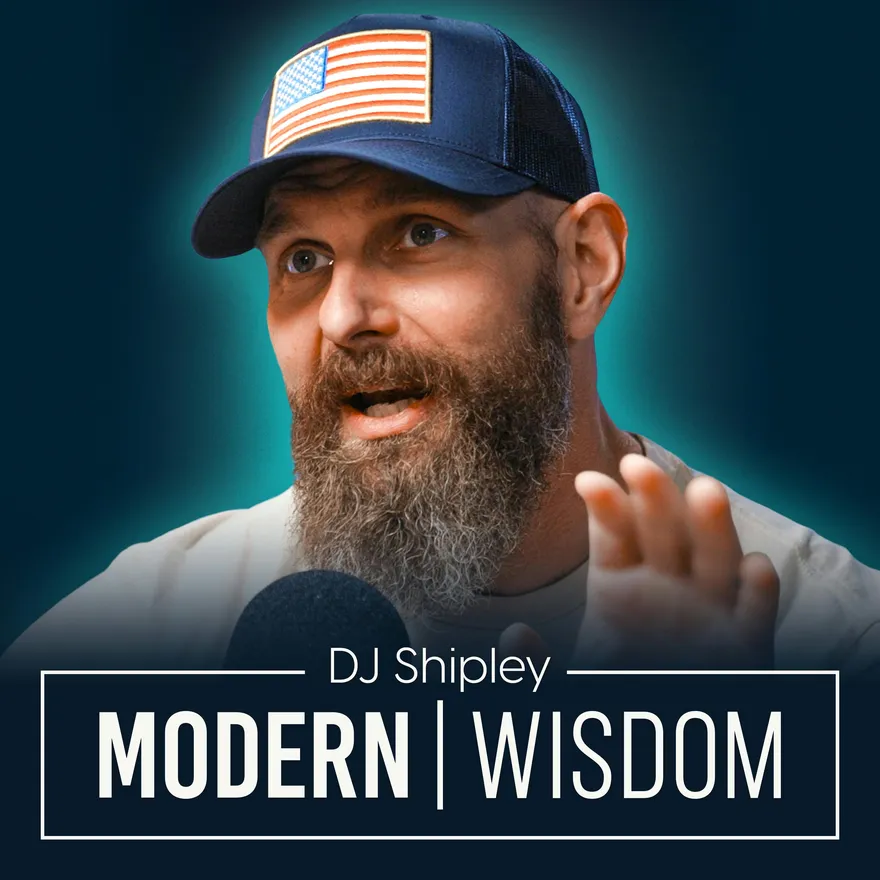

This is a preview of the Shortform summary of the Jun 18, 2026 episode of the Modern Wisdom
Sign up for Shortform to access the whole episode summary along with additional materials like counterarguments and context.
1-Page Summary
Culture, Training, and Philosophy of Elite Special Operations
Elite special operations forces operate in a world of constant readiness, intensive training, and complex ethical challenges that define both their effectiveness and the toll their service takes.
Prioritizing Competence, Cultural Fit, and Compartmentalized Excellence
Donald Wayne Shipley describes how special operations units maintain perpetual readiness, with members often living on "30 minute recall" for months—ready to deploy anywhere in the world within 30 minutes to 36 hours. These units benefit from elite logistical support, allowing operators to focus entirely on their craft. The daily culture, Shipley notes, resembles a professional sports team more than traditional military life: operators rarely wear uniforms, maintain relaxed grooming standards with long hair and beards, and eschew formal rituals unless as disciplinary measures.
Team composition mirrors sports drafts, with only the best performers selected for both proficiency and cultural alignment. If fit is lacking, lateral transfers ensure team unity. The ideal operator is a rare combination of intelligence, physical dominance, and controlled violence—a blend that, if replicable, would revolutionize operations.
Obsessive Training and Deliberate Practice Foster Elite Performance
Risk mitigation comes not from regulations but from deep familiarity developed through obsessive practice. Shipley describes immersive preparation, including helicopter rides to missions where operators sit in meditative silence, visualizing every tactical detail. Some report rehearsing operations "50,000 times" mentally.
Like Olympic athletes, elite operators maintain strict routines—early mornings, gym sessions, fight training, cryotherapy, nutrition, and recovery work. Top operators rarely indulge in alcohol or distractions, living a "monk-like" existence to sustain peak performance and readiness to deploy at any moment.
Modern Warfare Constraints Pose Disadvantages and Moral Dilemmas
Shipley and Williamson explain that modern operators face significant disadvantages due to rules of engagement emphasizing civilian protection. Adversaries exploit these constraints—using civilian shields, hiding weapons, and employing suicide bombers—while U.S. forces are legally bound not to respond in kind. After-action protocols requiring operators to photograph casualties create bureaucratic burdens and legal vulnerabilities in the chaos of combat.
Shipley suggests wars are often extended by financial interests rather than military necessity, with defense contracts incentivizing prolonged conflict. This creates frustration as operators face legal scrutiny for combat decisions judged by civilian standards, feeding tension between what war requires and what society tolerates.
Psychological Impact Of Losing Identity After Leaving Military Service
The transition from special operations to civilian life carries profound psychological consequences, as Shipley's account reveals.
Retiring From Special Operations Leads to Lost Purpose, Community, and Identity
Shipley emphasizes that no one prepares service members for life after the teams. The military becomes the central, defining feature of identity, and leaving feels like "an incomprehensible fall from grace," akin to death. After leaving, Shipley realizes his specialized skills are unmarketable—civilian jobs rarely require combat expertise, and the fantasy that wealthy civilians will pay for such skills proves false.
Separation shatters core social networks built over decades. Former teammates scatter, and the sense of accountability, belonging, and purpose evaporates. Most operators expect to serve indefinitely, unable to envision a future outside special operations. Lacking backup plans or secondary interests, many spin aimlessly, unable to reconstruct meaning in civilian life.
Compartmentalization and Readiness Strain Family Connections
Operators are typically gone 270-350 days yearly. When home, daily routines revolve around training and preparation, not family. Children often don't see parents during the week, and when operators are present, they're mentally preparing for the next deployment.
Success requires compartmentalization—blocking out personal emotions to focus exclusively on missions. This necessary hypervigilance becomes maladaptive at home, leading to emotional numbness. Most operators join young and marry sweethearts they soon uproot, leaving families isolated during deployments. Shipley admits regret for sacrificing family connection in service of operational excellence.
The divorce rate within special operations exceeds 100%, with most operators divorced at least once, leaving spouses devastated and children confused by paternal absence or emotional unavailability.
Prescription Legitimacy Masks Hidden Disability and Substance Abuse
Shipley reports consuming 40-60 pills daily for years—stimulants, painkillers, antidepressants, sleep aids, and blood pressure medication—normalizing a chemically altered state that masks physical and mental decline. Decades of trauma from skydiving accidents, combat impacts, and blasts lead to traumatic brain injuries, memory loss, photophobia, and cognitive decline, all masked rather than treated.
Physical injuries to shoulders, hips, knees, spine, and tendons are concealed to remain operational. Shipley describes "toughening through" pain well past safe limits. Unwittingly, operators are sometimes prescribed dangerous drug combinations—Shipley's provider tells him his daily mix would likely cause stroke or death.
Suicidal Ideation Persists Years After Military Separation
Shipley admits experiencing daily suicidal thoughts for years after retiring, desperately wishing to "reset" or escape the pain. Loss of the operational group removes accountability, purpose, and belonging—crucial supports for mental health. Shame is pervasive; admitting psychological struggle feels like weakness, keeping pain private and deepening isolation.
Shipley describes moments when practical considerations—anticipated impact on family and insurance—are the only deterrents from suicide. Encounters with loved ones, such as his wife physically intervening, serve as critical turning points.
Mental Health, Medication Dependency & Suicidal Thoughts in Veterans & First Responders
Mental health challenges, medication dependency, and suicidal thoughts pervade veterans and first responders, with cultures of stoicism and compartmentalization leaving individuals struggling in silence.
Silence on Mental Health Normalizes Hidden Suffering
Shipley recounts a fireman who, after rescuing children drowned by their mother, returned home and bathed his own daughter without sharing the traumatic experience with his wife or colleagues. This exemplifies relentless compartmentalization common in these roles. Both military and first responder cultures reward stoicism while stigmatizing vulnerability, making it difficult to process trauma or seek help.
Chris Williamson observes that veterans are expected to immediately reintegrate into family roles after extended deployments. Partners must rapidly reconnect while veterans deal with unprocessed burdens. Operators and veterans rarely receive training needed to be effective husbands, fathers, or friends—the assumption that these roles are automatic is false. Shipley urges open dialogue within families, something rarely practiced in these cultures.
Post-Separation: Accelerated Substance Abuse and Destructive Behaviors
Shipley details how operators frequently signal newfound freedom through reckless behaviors upon leaving the military. He describes the prevailing attitudes of early 2000s special operations, which inherited a hard-partying ethos: heavy drinking, fighting, and seeking sexual conquests were normalized after missions.
When structure and discipline disappear, many struggle to self-regulate, spiraling into chaos. Shipley admits that upon transitioning out, he "started doing all the things that I shouldn't have done," which ultimately "ruined everything." Without training for healthy integration, adjustment often involves avoidance—relocating to escape failing relationships and perpetuating self-destructive patterns.
Veteran Mental Health Decline Impacts Families, Children, Partners
As veterans become consumed by unaddressed struggles, the burden of maintaining stability falls on spouses. Williamson notes that partners essentially become single parents due to their partners' emotional and physical unavailability. Veterans often become emotionally distant in attempts to shield children from trauma, leaving children without guidance or connection.
As breakdowns escalate—often resulting in divorce—secondary trauma ripples through families. Children endure instability, partners suffer exhaustion, and veterans lose relational anchors that might support recovery.
Psychedelic Medicine (Ibogaine, 5-MeO-DMT) For Healing Trauma and Depression
Psychedelic therapies like ibogaine and 5-MeO-DMT are transforming how trauma, addiction, and depression are addressed, providing rapid relief especially among military veterans.
Ibogaine Rapidly Resets Addiction Pathways and Trauma Processing
Shipley asserts that ibogaine instantly eradicates addictions—nicotine, alcohol, opioids, sex, gambling—by eliminating neurological cravings. His decades-long Copenhagen habit ended overnight; after ibogaine, his body auto-rejected the substance. "Every ounce of your addiction is gone instantly. It's crazy," he says.
The ibogaine journey lasts sixteen to eighteen hours, with participants reliving memories in dream-like states. Users drop into childhood scenes, becoming both observer and participant, even experiencing events through others' eyes to understand their pain. This cultivates deep empathy and self-reckoning.
A notable component is intense purging: users vomit repeatedly, often into bronze bowls. Practitioners explain that little physical substance is expelled—participants have fasted—so the vomiting is interpreted as trauma being discharged. Veterans describe resurfacing long-buried trauma and gaining clear, sometimes photographic memory of suppressed events.
5-MeO-DMT Induces Ego-Death and Emotional Reset
Following ibogaine, Shipley partakes in 5-MeO-DMT, describing overwhelming physical and emotional intensity. The defining feature is ego dissolution—a feeling of "getting killed," with the ego completely reset. After this experience, unbearable emotional burdens become manageable, old patterns disappear, and suicidal ideation no longer seems compelling. Shipley describes an urgent need to reconnect with loved ones and attributes his survival to these sessions, likening the benefit to "15, 20 years of therapy in five days."
Retreat Protocol: Preparation, Integration, and Community Healing
The retreat protocol involves pre-screening, medication discontinuation, and therapy sessions to prepare intentions. Retreats include group sharing circles central to the experience. During these sessions, participants reveal struggles with trauma, suicidality, abuse, and depression. Initial disclosures prompt cascades of "me too" admissions, highlighting how common suffering is and how rarely it's shared, breaking isolation and shame.
Integration is critical for sustaining change. Shipley emphasizes that transformation can be so dramatic that reintegration becomes challenging, as loved ones may not recognize the new self. Support and coaching help manage these transitions.
Efficacy in Treating Depression, PTSD, and Suicidal Ideation
Shipley and others report an 80-90% reduction in depressive and PTSD symptoms with these protocols. Participants find themselves sober and unburdened mere hours after the medicine, with no cravings for nicotine, alcohol, or drugs, and with new clarity about their lives. Even those with decades-long dependency on psychiatric medications describe losing dependency overnight, with no withdrawal. Shipley credits this to total neurological rewiring.
Shipley notes that the deepest wounds among veterans stem not only from combat but from loss of identity, disconnection from community, and the challenge of returning to civilian life. The medicines—and the group healing environment—address these wounds directly.
Routine, Community Accountability, and Open Mental Health Dialogue For Wellbeing
Shipley's story reveals the foundational importance of routine, genuine community, open mental health discussions, and integration protocols for recovery.
Routine Discipline Stabilizes Psychology
Shipley describes his meticulous morning routine: he never hits snooze, placing his phone across the room so he must get up. Each night, he readies his clothes, water, and pills in exact order, ensuring he's out in minutes. He stresses that consistent routine is his primary safeguard against mental collapse. When he breaks routine, his mental health deteriorates rapidly.
Even in recovery from injury, his psychologist encouraged him to start with wrist curls using tiny dumbbells and daily 20-minute walks. This small act of scheduling anchored his recovery. Shipley notes that for veterans, steadfast routine offers greater psychological benefits than medication. Re-engaging with the same gym routines he's upheld since age 15 quickly stabilizes his emotions.
Better Company Inspires Growth and Prevents Isolation
Shipley underlines the critical value of group dynamics: in the military, peer accountability and a culture of excellence are the norm. Being around peers "better than me" propels him out of depression. When this group context evaporates post-military, veterans lose the structure and inspiration that motivated their best efforts. He notes that isolating or lacking positive community leads to decline, and intentionally cultivating supportive communities is vital for post-service prosperity.
Destigmatize Institutional Mental Health Through Leadership and Dialogue
Shipley and Williamson argue that breaking silence around mental health struggles would prevent half the crises faced by veterans and first responders. Leadership should train personnel to understand that witnessing trauma changes them psychologically, and the objective is not to avoid these impacts but to process them in community. When leaders are vulnerable about their own mental challenges, it encourages others to open up, diffusing stigma and creating more effective support systems than institutional counseling alone.
Stability Needs Skills and Presence Beyond Love
Shipley dispels the notion that being a good husband, father, or friend is innate. Despite his love for his family, his inability to integrate post-service drove him toward divorce. Reintegration requires deliberate skill, presence, and repetition. Many operator partners come from military families and are conditioned to accept emotional unavailability, breeding unhealthy relationships. Veterans who maintain family bonds through daily communication, vulnerability, and presence see stronger relationships and lower divorce rates.
Plant Medicine Integration Needs Behavioral Change and Environmental Restructuring
Shipley shares how plant medicines triggered dramatic transformation—"the only reason" he and his wife survived their crisis. However, these alterations are fragile if individuals return to toxic environments—positive changes quickly unravel in the same old context. Real integration requires eliminating toxic contacts and sources of conflict. Shipley describes blocking every person in his phone who contributed negativity.
He cautions that many who try plant medicine relapse if their daily lives don't change. Success is possible only if integration is supported by new routines, community structure, therapy, and actively rebuilding one's environment. Post-retreat coaching and ongoing integration support are critical. According to Shipley, plant medicine's benefits are fully realized only when combined with discipline, supportive community, therapy, and wholesale restructuring of daily life.
1-Page Summary
Additional Materials
Counterarguments
- The portrayal of special operations culture as uniquely elite and effective may overlook similar levels of professionalism, discipline, and camaraderie found in other military branches or high-performing civilian teams.
- The emphasis on obsessive training and "monk-like" discipline could contribute to unhealthy work-life balance and may not be universally necessary for operational effectiveness.
- The claim that modern rules of engagement place operators at a disadvantage does not account for the ethical and strategic importance of minimizing civilian casualties, which can be crucial for long-term mission success and international legitimacy.
- The assertion that financial interests and defense contracts primarily prolong wars is a contested viewpoint; geopolitical, strategic, and humanitarian factors also play significant roles in conflict duration.
- The idea that combat skills are unmarketable in civilian life may understate the value of leadership, teamwork, crisis management, and adaptability that veterans can bring to other sectors.
- High divorce rates and family strain are not unique to special operations; similar patterns are observed in other high-stress professions, suggesting broader systemic issues.
- The normalization of high prescription medication use among operators may reflect broader trends in healthcare and pain management, not just military culture.
- While psychedelic therapies show promise, their efficacy and safety are still under investigation, and not all participants experience lasting benefits or freedom from addiction and depression.
- The claim of 80-90% reduction in depression and PTSD symptoms from psychedelic protocols is based on anecdotal reports and small studies; larger, controlled clinical trials are needed for validation.
- The focus on plant medicine as a primary solution may overshadow the importance of evidence-based therapies, social support, and systemic reforms in veteran care.
- The suggestion that open dialogue and leadership vulnerability alone can prevent half of veteran mental health crises may underestimate the complexity of mental health challenges and the need for comprehensive, multi-faceted support systems.
- The narrative may underrepresent the resilience and successful reintegration experiences of many veterans who do not struggle with severe post-service issues.
Actionables
- You can create a daily micro-routine that mimics elite readiness by setting a timer for 30 minutes and using that window to prepare for a specific, meaningful task—like organizing your workspace, prepping a healthy meal, or planning your day—so you build the habit of rapid, focused action and adaptability.
- A practical way to strengthen your sense of community and accountability is to set up a simple, recurring check-in with a friend or family member where you each share one challenge and one win from your week, helping to replace lost team dynamics and reduce isolation.
- You can experiment with visualizing a challenging situation in your life (like a difficult conversation or new goal) by mentally rehearsing it in detail for five minutes each day, focusing on your actions and responses, to build confidence and reduce anxiety through deliberate mental practice.
Get access to the context and additional materials
Culture, Training, and Philosophy of Elite Special Operations
Elite special operations forces embody a unique blend of relentless training, adaptive culture, and ethical challenges that shape their philosophy and effectiveness. Their world requires both perpetual readiness and the ability to navigate modern warfare's shifting moral, legal, and operational terrain.
Prioritizing Competence, Cultural Fit, and Compartmentalized Excellence
Elite Organizations Sustain Readiness With Alert Schedules, Deploying Globally Within 30 Minutes To 36 Hours, Fostering Perpetual Mission Focus
Donald Wayne Shipley describes how special operations units maintain constant readiness, often living for months on “30 minute recall”—being ready to leave on a mission within half an hour after receiving a notification. Tier one units, he says, can be deployed anywhere in the world within 30 minutes to 36 hours, enforcing a permanent state of alertness and mission focus. These units benefit from full logistical support—best-in-class gyms, training facilities, intelligence, and human performance assets—allowing members to focus solely on their craft.
Teams Operate Like Sports Franchises, Allowing Long Hair and Beards, Emphasizing Skill Over Conformity
Shipley notes that the daily culture is closer to a professional sports team than a traditional military unit. Operators rarely wear uniforms outside of promotions or funerals, maintaining relaxed grooming standards with long hair and beards. Rituals or formality—like saluting, strict appearances, and clean-shaven faces—are eschewed unless used as disciplinary measures. Instead, routine and culture are shaped “bottom up” by members' daily standards and team cohesion, not simply enforced from the top.
Draft-Based Team Composition Ensures Proficiency and Alignment, With Transfers for Better Fit
The composition of elite teams mirrors sports drafts: only the best performers, selected for both their proficiency and cultural alignment, are chosen. If cultural or personality fit is lacking, lateral transfers to other teams are common, ensuring team unity and performance. Cohesion can sometimes outweigh raw talent, as teams with synergy often outperform those with just the highest individual stats.
Optimal Operators Blend Intelligence, Physicality, and a Readiness For Violence, Making Them Rare
The ideal operator is a rare combination: intelligent, physically dominant, and capable of controlled violence. Studies and firsthand experiences highlight how only a small fraction of the population—those who blend high intelligence, deep technical expertise, and willingness to fight—can excel in this field. Shipley observes that if such men could be mass-produced, it would revolutionize operations, but their scarcity defines the elite.
Obsessive Training and Deliberate Practice Foster Elite Performance
Familiarity Reduces Risk Over Rule-Making
Risk mitigation in special operations is achieved not by increasing regulations, but by developing deep familiarity with dangerous skills through obsessive practice—whether skydiving, shooting, or tactical maneuvers. Accumulating thousands of real repetitions is seen as vital for safety and performance.
Training Scenarios Replicate Conditions With Fidelity, Including Meditation-Like Helicopter Rides to Visualize Tactical Details for Mental and Physical Readiness
Preparation includes immersive scenario training and mental rehearsal. Shipley describes helicopter rides to missions as akin to meditation: every operator sits in silence, visualizing the operation in granular detail, mentally rehearsing each move. Operators report rehearsing an operation “50,000 times” in their minds, ensuring that both practiced routines and improvisation are at their fingertips.
Discipline Mirrors Elite Athletes: Operators Maintain Routines in Sleep, Nutrition, Recovery, and Skill Refinement
Just like Olympic athletes and NBA stars, elite operators live by strict routines—early mornings, gym sessions, fight training, cryotherapy, nutrition, and recovery work fill their daily schedule. The discipline of maintaining these routines—both during deployment cycles and at home—is fundamental to high performance. The focus on routines parallels the daily regimen of athletes like Steph Curry, Michael Phelps, or Tiger Woods, emphasizing the importance of executing the basics to perfection over many years.
Top Operators: Stay Performance-Ready With Moderation and Focus
Elite members rarely indulge even moderately in alcohol or distractions; moderation in all things ensures they can deploy and perform at a moment's notice. Their capacity for stress compartmentalization is unmatched, and many live a “monk-like” existence, optimizing every variable under their control to sustain peak performance.
Modern Warfare Constraints Pose Disadvantages and Moral Dilemmas For Operators Bound by Rules
Rules on Engagement and Collateral Damage Hinder Operators Against Adversaries Using Civilian Shields, Traps, and Suicide Bombers Without Such Constraints
Shipley and Williamson explain that modern operators fight with significant disadvantages due to rules of engagement emphasiz ...
Here’s what you’ll find in our full summary
Culture, Training, and Philosophy of Elite Special Operations
Additional Materials
Counterarguments
- The emphasis on constant readiness and rapid deployment can contribute to chronic stress, burnout, and negative long-term health outcomes for operators, potentially undermining performance and retention.
- Full logistical support and elite resources are not universally available to all special operations units, especially in less well-funded militaries or during prolonged deployments, which can affect readiness and morale.
- Relaxed grooming standards and informal culture may undermine discipline, unit cohesion, or respect for military hierarchy in some contexts, potentially leading to issues with integration when working alongside conventional forces.
- The draft-like team selection process, while optimizing for proficiency and fit, may inadvertently foster exclusivity or groupthink, potentially overlooking valuable diversity of thought or unconventional talent.
- Overemphasis on team cohesion and cultural alignment could suppress dissenting opinions or critical feedback, which are important for innovation and ethical decision-making.
- The portrayal of the "ideal operator" as a rare blend of intelligence, physicality, and readiness for violence may overlook the value of specialized skills, emotional intelligence, or non-combat contributions to mission success.
- Reliance on obsessive practice and familiarity for risk mitigation may not fully account for unpredictable variables or the need for adaptive decision-making in novel situations.
- Comparing operators' routines to elite athletes may oversimplify the unique psychological and moral burdens of combat, which differ significantly from sports.
- The assertion that rules of engagement disadvantage operators does not account for the strategic and moral importance of minimizing civilian casualties, which can be crucial for long-term mission success and legitimacy.
- Legal and bureaucratic oversight, while burdensome, serves to maintain accountability, uphol ...
Actionables
- you can create a personal readiness checklist for daily life, setting up a simple system to ensure you can respond quickly to unexpected opportunities or emergencies (like keeping a go-bag, prepping essential documents, and having a plan for sudden travel or work changes), mirroring the rapid deployment mindset.
- a practical way to strengthen team cohesion in any group setting is to organize a rotating “team fit” feedback session, where members anonymously rate how well they feel they fit culturally and skill-wise, then use the results to adjust roles or pairings for better collaboration and morale.
- you can practice stress comp ...

Get access to the context and additional materials
Psychological Impact Of Losing Identity After Leaving Military Service
The transition out of military service, especially from special operations, carries profound psychological consequences. Donald Wayne Shipley’s account reveals how leaving behind the intense identity, community, and purpose forged in special operations can result in a sweeping sense of loss and unraveling.
Retiring From Special Operations Leads to Lost Purpose, Community, and Identity From Inadequate Preparation or Support
Military Identity Crisis: Transition to Civilian Life Feels Like Death
Shipley emphasizes that no one truly prepares service members for life after the teams. The military, particularly special operations, becomes the central, defining feature of identity—"the only thing you do" and the justification for every sacrifice. He describes transitioning away from this life as an "incomprehensible fall from grace," likening it to a kind of death. The expectation is that newfound freedom will bring fulfillment, but, for many, it instead brings isolation and a longing to return to service.
Unmarketable Military Skills Leave Veterans Without Career Pathways
After leaving, Shipley realizes his entire adult life was spent developing highly specialized, untransferable skills. Civilian jobs rarely require expertise in compound assaults or combat tactics, and the fantasy that wealthy civilians will pay for such skills proves false. The realization that “the phone call is not coming” leaves veterans feeling useless and lost.
Decades-Long Military Social Networks Dissolve Upon Separation, Leaving Veterans Isolated and Misunderstood
Separation shatters the core social group—the team. After years in insular networks, Shipley feels cut off, with no group chat, no routines, and no one who understands his experience. Isolation deepens as former teammates scatter and the sense of accountability, belonging, and purpose evaporates. Discussing or publicizing military experiences is often met with contempt from the veteran community itself, furthering the sense of alienation.
"Incomprehensible 'Fall From Grace' for Veterans Seeking Purpose"
Shipley highlights there was never a plan for leaving. Most expect to serve indefinitely, unable or unwilling to see a future outside of special operations. Lacking a backup plan or secondary interests, he and many others spin, “circling the drain,” unable to reconstruct a sense of meaning in civilian life.
Compartmentalization and Readiness Strain Family Connections
Operators Away 270-350 Days, Spending Remaining Time in Preparation, Not With Families Who Become Functional Strangers
Shipley explains that operators are typically gone 270-350 days a year. When home, daily routines revolve around training, preparation, and recovery, with only fleeting interactions with spouses and children. Children often do not see their parents during the week; when they are home, operators are distracted, preparing for the next deployment.
Hypervigilance and Stress-Management Needed For Mission Focus—Ignoring Personal Emergencies Leads To Alienation at Home Despite Family Love
Success in special operations requires compartmentalization: blocking out personal emotions—even discovering a spouse has left—so as to focus exclusively on the mission. Shipley recounts how, in the field, family concerns are brutally repressed. This necessary hypervigilance, essential for operational readiness, becomes maladaptive at home, leading to emotional numbness and detachment.
Family Distractions Lead To Emotional Distance, Damaging Marital Connection and Preventing Fathers' Presence During Children's Formative Years
With most operators joining young and marrying sweethearts or partners they soon uproot, the family is left isolated while the operator deploys. Shipley admits regret for having sacrificed family connection in service of operational excellence, feeling like a stranger in his own home and never truly present. Family vacations and shared experiences are often passed up in favor of training or operational tasks, further eroding relationships.
Special Operations Divorce Rate Exceeds 100%, Leaving Families Devastated and Children Confused About Paternal Abandonment
The divorce rate within special operations exceeds 100%, with most operators divorced at least once and many partners eventually unwilling to remain in emotionally and physically distant marriages. This high rate of family dissolution leaves spouses devastated and children confused by the absence or emotional unavailability of their fathers.
Prescription Legitimacy Masks Hidden Disability and Substance Abuse Patterns
Operators Consume 40-60 Pills Daily: Stimulants, Painkillers, Antidepressants, Sleep Aids, and Blood Pressure Meds
Shipley and his peers consume vast quantities of prescribed medication—uppers for wakefulness, downers for sleep, painkillers for injuries, antidepressants, and blood pressure medication to control nightmares. He reports taking 40-60 pills a day for years, normalizing a chemically altered state that masks both physical and mental decline.
Accumulation of Traumatic Brain Injuries From Skydiving, Combat, and Blasts Without Adequate Treatment; Photophobia, Memory Loss, and Cognitive Decline Exacerbated By Sleep Deprivation and Medication Interactions
Decades of trauma—skydiving accidents, combat impacts, and blasts—lead to catastrophic injuries, especially traumatic brain injuries (TBI). Memory loss, photophobia, sleep deprivation, and cognitive decline are masked rather than rehabilitated, with medication interactions sometimes causing severe side effects, including neurological issues such as involuntary movements.
Injuries Including Shoulder, Hip, Knee, Spinal, and Tendon Damage Hidden Rather Than Rehabilitated, Operators "Toughen T ...
Here’s what you’ll find in our full summary
Psychological Impact Of Losing Identity After Leaving Military Service
Additional Materials
Clarifications
- Special operations are elite military missions requiring highly trained personnel to conduct unconventional warfare, counterterrorism, reconnaissance, and direct action. Operators undergo intense physical and mental training to perform in high-risk, covert environments. These missions often involve small teams operating independently behind enemy lines or in politically sensitive areas. The demands include extreme physical endurance, tactical expertise, secrecy, and rapid decision-making under pressure.
- "Compound assaults" refer to coordinated, multi-phase military attacks involving various units and tactics to overwhelm an enemy position. "Combat tactics" are the specific methods and strategies soldiers use to engage and defeat opponents in battle. These skills are highly specialized for military operations and rarely apply directly to civilian jobs. Their complexity and context-specific nature make them difficult to transfer outside the military environment.
- Compartmentalization in the military is a mental strategy where service members separate emotions and personal issues from their professional duties. This allows them to focus entirely on missions without distraction or emotional interference. It helps maintain operational effectiveness in high-stress, dangerous environments. However, this habit can hinder emotional expression and connection in personal life after service.
- Special operations personnel often deploy for extended periods due to mission demands and training cycles. This frequent absence disrupts normal family routines and emotional bonding. Limited time at home reduces opportunities for meaningful interaction and shared experiences. Over time, this creates emotional distance and weakens family relationships.
- Hypervigilance is a heightened state of sensory sensitivity and constant alertness to potential threats. In military contexts, it helps operators quickly detect danger and respond effectively during missions. However, this intense focus can make it difficult to relax or emotionally engage in safe environments like home. As a result, veterans may seem distant or unresponsive to family needs despite their love.
- Photophobia is an increased sensitivity or intolerance to light, causing discomfort or pain in the eyes. It commonly occurs after traumatic brain injuries (TBI) because the brain's visual processing centers and nerves can be damaged or inflamed. This sensitivity can worsen headaches and eye strain, complicating recovery. Managing photophobia often requires reducing light exposure and treating underlying neurological issues.
- Stimulants are used to increase alertness and counteract fatigue during demanding missions. Painkillers manage chronic or acute physical injuries sustained in training or combat. Antidepressants address mental health issues like depression and anxiety common in veterans. Sleep aids help regulate disrupted sleep patterns, while blood pressure medications control stress-related cardiovascular effects; these drugs are combined to manage overlapping physical and psychological conditions but can interact dangerously.
- Certain medications can interact dangerously, increasing risks like stroke or heart failure. Despite these risks, doctors may prescribe combinations to manage complex, overlapping symptoms when no single drug suffices. Military medical providers might prioritize immediate operational readiness over long-term safety due to mission demands. Monitoring and adjusting these regimens is challenging, leading to prolonged use of risky drug mixes.
- "Toughen through pain" reflects a military culture valuing endurance and resilience over seeking help. It encourages service members to ignore injuries and emotional distress to maintain mission readiness. This mindset often leads to untreated physical and psychological issues. It is deeply ingrained as a symbol of strength and commitment within military communities.
- A divorce rate "exceeding 100%" means that, on average, individuals have been divorced more than once. It reflects multiple divorces per person, not a percentage of people divorced. For example, if 100 people have 120 divorces total, the rate is 120%. This statistic highlights repeated marital breakdowns within the group.
- "Loss of identity" in military service refers to the profound disruption of a person's self-concept when they leave the military, especially elite units. Military identity often encompasses roles, values, and social connections that define a person's sense ...
Counterarguments
- Many veterans successfully transition to civilian life, finding new purpose, community, and fulfilling careers, especially with proper support and planning.
- Some military-acquired skills, such as leadership, discipline, teamwork, and problem-solving, are highly valued and transferable in civilian sectors.
- There are numerous veteran support organizations, transition programs, and mental health resources available to assist with reintegration and career development.
- Not all special operations veterans experience profound psychological distress or identity loss; individual experiences vary widely.
- Some families adapt well to the demands of military life, maintaining strong relationships despite frequent absences.
- Divorce rates in special operations, while high, do not statistically exceed 100%; this figure may be hyperbolic or anecdotal.
- Many veterans openly discuss their experiences and receive support from both the veteran community and civilians.
- Some v ...
Get access to the context and additional materials
Mental Health, Medication Dependency & Suicidal Thoughts in Veterans & First Responders
Mental health challenges, medication dependency, and suicidal thoughts are pervasive issues among veterans and first responders. The deeply ingrained cultures of stoicism, unaddressed trauma, and a lack of preparation for civilian life often leave these individuals and their families struggling in silence and isolation.
Silence on Mental Health Normalizes Hidden Suffering
Military Culture: Stoicism and Compartmentalization Mask Mental Health Struggles
Donald Wayne Shipley recounts the story of a fireman who, after rescuing children drowned by their mother in a bathtub—an incident fueled by her running out of pain medication—returned home and gave his own daughter a bath without sharing the traumatic experience with his wife or colleagues. This exemplifies relentless compartmentalization, a common coping mechanism in these roles where discussing traumatic calls is discouraged or ignored both on the job and at home. Shipley notes, "the boys at the station ain't talking about it, they just, same thing we did," highlighting how this silence perpetuates hidden suffering.
First Responders Pressured to Silence On Trauma, Leaving Them Isolated
Both military and first responder cultures reward stoicism while stigmatizing vulnerability, pressuring individuals to suppress emotional struggles. This makes it difficult for them to process trauma or seek help, deepening their isolation.
Immediate Reintegration Expectations Can Create Cognitive Dissonance in Operators
Chris Williamson observes that veterans and special operators are expected to immediately reintegrate into family roles after extended and high-stress deployments. Partners are asked to rapidly reconnect and support them while veterans are dealing with their own unprocessed burdens—often with little emotional or mental capacity left. Shipley agrees, underlining the difficulty: unless the partner is exceptionally attuned to military culture and its challenges, successful reintegration is rare. Even with such understanding, Shipley’s own experience ended in divorce, showing how fragile these relationships become under pressure.
No Formal Training On Being a Husband, Father, or Friend in Civilian Contexts Fosters the False Belief These Roles Come Naturally, Though They Require Practice and Vulnerability Operators Haven't Developed
Operators and veterans are rarely given the training or support needed to be effective husbands, fathers, or friends in civilian life. The assumption that these roles are automatic is false; the reality is that such relationships require vulnerability and communication skills that military and first responder training discourages or neglects. Shipley urges open dialogue within families, emphasizing the need to "say the shit nobody else is gonna say" to create deeper connection and resilience, something rarely practiced in these cultures.
Post-Separation: Accelerated Substance Abuse and Destructive Behaviors Due to Loss of Structure and Identity
Post-Service Behaviors: Operators and Veterans Signaling Freedom From Military Constraints
Shipley details how, upon leaving the military, operators frequently signal their newfound freedom through reckless behaviors. Activities they avoided during service—such as excessive drinking, drug use, and infidelity—often emerge in the aftermath.
Early 2000s Special Ops Culture Normalized Heavy Drinking, Fighting, and Sexual Conquest Post-Mission, With Many Adopting These Patterns Into Retirement
He describes the prevailing attitudes of the early 2000s special operations community, which inherited a hard-partying ethos from the 1980s and '90s. Heavy drinking, fighting, and seeking sexual conquests were normalized after missions: "You traveled around like you were in the Rolling Stones, every bar you went into beating up college kids, stealing their girlfriends, doing that over and over and over. Cause you're single. It's fun. It's normal," Shipley recalls.
Without Routine and Accountability, Operators Spiral Into Chaos Without External Discipline
When structure and external discipline disappear, many veterans and operators struggle to regulate themselves, often spiraling into chaos. Shipley admits that upon transitioning out, he "started doing all the things that I shouldn't have done, all the things I didn’t do in the past," which ultimately "ruined everything."
Transition Involves Relocating to Escape Relationship Issues, Avoiding Confrontation and Accountability, and Perpetuating Self-Destructive Patterns
In the absence of training for healthy integration, the adjustment to civilian life often involves avoid ...
Here’s what you’ll find in our full summary
Mental Health, Medication Dependency & Suicidal Thoughts in Veterans & First Responders
Additional Materials
Counterarguments
- While stoicism and compartmentalization are present in military and first responder cultures, many organizations have made significant strides in promoting mental health awareness and providing resources for support.
- Not all veterans and first responders experience severe mental health challenges or struggle with reintegration; many transition successfully and maintain healthy relationships.
- Some individuals find that the discipline and coping mechanisms learned in service help them adapt positively to civilian life.
- There are formal programs and resources available to assist with reintegration, relationship skills, and mental health, though their effectiveness may vary.
- Open dialogue and vulnerability are increasingly encouraged within military and first responder communities, with peer support groups and counseling becoming more normalized.
- Reckless behaviors post-service are not universal; many veterans and operators do not engage in substance abuse or destructi ...
Actionables
- you can set up a weekly family check-in where each person shares one challenge and one positive from their week, using a simple object (like a ball or token) to signal whose turn it is to speak, which helps normalize open dialogue and vulnerability at home without requiring anyone to lead or facilitate.
- a practical way to counter emotional distance is to write a short, honest note to your partner or child once a week describing a personal struggle or feeling, then invite them to respond in writing or conversation, making emotional sharing a routine rather than a rare event.
- you can create a personal transition plan ...
Get access to the context and additional materials
Psychedelic Medicine (Ibogaine, 5-MeO-DMT) For Healing Trauma and Depression
Psychedelic therapies like ibogaine and 5-MeO-DMT are transforming how trauma, addiction, and depression are addressed, providing rapid, profound relief and fostering deep healing, especially among military veterans. Donald Wayne Shipley details his experiences, illustrating the distinctive and life-altering impacts of these medicines.
Ibogaine Rapidly Resets Addiction Pathways and Trauma Processing
Ibogaine Instantly Eradicates Addictions—Nicotine, Alcohol, Opioids, Sex, Gambling—By Simultaneously Eliminating Neurological Cravings
Shipley asserts that ibogaine is unparalleled in its power to eliminate addiction, describing the eradication as immediate and total. Whether the dependency is heroin, gambling, sex, porn, or nicotine, Shipley describes it disappearing instantly after a single session. For example, his intense, decades-long Copenhagen habit ended overnight; after ibogaine, his body would not even allow him to use it again, despite his desire. He describes the experience as his body auto-rejecting the substance, unable to form a craving, similarly rejecting coffee. "Every ounce of your addiction is gone instantly. It’s crazy," he says, crediting ibogaine as the only intervention that can overcome even the strongest egos where other substances—MDMA, weed, [restricted term]—failed.
16-18 Hour Experience Allows Reliving Of Trauma and Childhood Wounds Through Dream-Like States, Shifting Perspectives to Understand Others' Motivations and Pain
The ibogaine journey lasts sixteen to eighteen hours, often beginning with a chorus of "bees buzzing" and leads participants through a sequence of vividly relived memories, likened by Shipley to flying through a wind tunnel with drawers of memories opening for exploration. Users report dropping into childhood scenes, becoming both observer and participant, and even living through others' eyes to understand their rage or pain, cultivating deep empathy and self-reckoning. Participants find new understanding of personal failings, mistakes, and relationships, leading to profound internal reckoning.
Purging Occurs Throughout—Users Repeatedly Vomit Into Ringing Bronze Bowls—Practitioners Note It's Psychological Trauma Being Expelled, Not Physical Substance
A notable component is intense purging: users vomit, often into bronze bowls whose "ting" echoes through the room. Practitioners explain that little or nothing physical is expelled—participants have fasted—so the vomiting is interpreted as trauma being discharged. Shipley recounts people throwing up so violently they injure themselves, yet the bowls remain largely empty, reinforcing the idea that this is energetic or psychological cleansing.
Veterans Report Restored Clarity and Photographic Memory, Surfacing Forgotten or Suppressed Childhood and Adulthood Experiences
Participants, especially veterans, describe resurfacing long-buried childhood and adulthood trauma, gaining clear and sometimes photographic memory of events. This clarity leads to reevaluation of personal history, relationships, and behaviors, enabling healing and understanding not accessible through other modalities.
5-MeO-DMT Induces Ego-Death and Emotional Reset, Removing Psychological Burdens Post-Ibogaine
5-MeO-dmt Causes Full-Body Consolidation Into a Spark Leading To Explosive Dissolution of Self-Awareness
Following ibogaine, Shipley partakes in 5-MeO-DMT—sometimes with other substances like psilocybin and MDMA—describing a smoking ritual where the experience rapidly overtakes the body: vibration radiates from the chest, and upon exhaling, there is a "blast off." The physical and emotional intensity is overwhelming, sometimes resulting in uncontrollable sobbing and vomiting.
Emerging From 5-MeO-dmt: Unbearable Emotions Become Manageable, Suicidal Thoughts Unconvincing, Entrenched Behaviors Vanish
The defining feature of 5-MeO-DMT is ego dissolution—a feeling of "getting killed," with the ego completely reset. Shipley recounts that after this experience, unbearable emotional burdens are suddenly manageable, old patterns disappear, and previous suicidal ideation no longer seems compelling. He describes an urgent need to reconnect with loved ones and attributes his survival to these sessions, likening the benefit to "15, 20 years of therapy in five days."
Ibogaine and 5-Meo-dmt: Bypassing 15-20 Years of Therapy and Surpassing Psychiatric Medications
Shipley attests that these combined sessions offer the transformative potential of skipping decades of traditional psychotherapy and medication, with radical, tangible change in a matter of days.
Retreat Protocol: Preparation, Integration, and Community Healing
Screening, Medication Discontinuation, and Therapy For Intention and Readiness: Retreat Requires Mental Preparation
The retreat protocol involves pre-screening (e.g., drug testing), medication discontinuation, and therapy sessions to prepare intentions. Participants write down issues to shed, sometimes burning these as a symbolic gesture of letting go before entering the medicine session.
Sharing Circles Foster Collective Healing and Mutual Recognition Among Veterans
Retreats include "gray days" for processing and integration, with group sharing circles central to the experience. Shipley describes sitting with peers—many close friends and colleagues—and swapping stories about the journey through and after the medicine.
Revelations of Shared "Me too" Moments Among Veterans—Discovering Peers Have Also Faced Suicide Contemplation, Depression, and Self-Destructive Behavior—Break Isolation and Shame Compounding Trauma
During these sessions, participants reveal deeply personal struggles with t ...
Here’s what you’ll find in our full summary
Psychedelic Medicine (Ibogaine, 5-MeO-DMT) For Healing Trauma and Depression
Additional Materials
Counterarguments
- The scientific evidence supporting the claim that ibogaine or 5-MeO-DMT can "instantly and completely eradicate" addictions or psychiatric symptoms after a single session is limited; most available studies are small, lack control groups, or rely on self-reported outcomes.
- Ibogaine and 5-MeO-DMT are not approved for medical use in most countries due to concerns about safety, lack of standardized protocols, and insufficient large-scale clinical trials.
- Ibogaine is associated with significant medical risks, including potentially fatal cardiac arrhythmias, and requires careful medical supervision, which is not always available in retreat settings.
- The mechanism by which ibogaine or 5-MeO-DMT might "rewire" neurological pathways or eliminate cravings is not fully understood and remains a subject of ongoing research.
- Reports of "purging trauma" through vomiting are anecdotal and not supported by scientific evidence; the physiological basis for this interpretation is unproven.
- Claims of "photographic memory" or instant recall of suppressed memories after psychedelic experiences are not consistently supported by empirical research and may be influenced by suggestibility or the nature of altered states.
- The assertion that these therapies can replace "15-20 years of therapy" or are superior to all psy ...
Actionables
- you can create a personal timeline of significant life events and use color-coding to visually map out periods of trauma, addiction, or emotional struggle, then identify patterns or triggers that might benefit from deeper healing approaches, helping you recognize connections between past experiences and current behaviors.
- a practical way to foster empathy and self-reckoning is to write a letter from the perspective of someone you’ve hurt or misunderstood, describing their feelings and motivations, then reflect on how this exercise shifts your understanding of your own actions and relationships.
- you can set up ...
Get access to the context and additional materials
Routine, Community Accountability, and Open Mental Health Dialogue For Wellbeing
Donald Wayne Shipley’s story reveals the foundational importance of routine, genuine community, open mental health discussions, relationship skills, and integration protocols for both personal and psychological recovery.
Routine Discipline Stabilizes Psychology and Must Be Maintained Regardless of Circumstances
Shipley describes his meticulous morning routine: he never hits snooze, instead placing his phone across the room so he has to get up to turn off the alarm. Each night, he readies his clothes, water, and pills in an exact order, ensuring he’s out of the house in minutes. This early preparation provides momentum and leaves nothing to chance. He even prepares in advance for travel by familiarizing himself with event spaces the night before.
He stresses that consistent routine is his primary safeguard against mental collapse. When he breaks from routine, his mental health deteriorates rapidly, spiraling into depression and anxiety. Spirals into guilt and lack of self-confidence follow any routine break. Even in recovery from injury—when he could barely move—his psychologist encouraged him to start with wrist curls using tiny dumbbells and daily 20-minute walks. This small act of scheduling and forward momentum anchored his recovery. Shipley notes that, for veterans, steadfast routine offers vastly greater psychological benefits than medication; “Don’t break it no matter what” becomes the medication.
Whenever Shipley loses structure—such as after leaving the military or his group—he finds himself at his mental low point. Re-engaging with the same gym routines he’s upheld since age 15 quickly stabilizes his emotions and pulls him from depressive cycles. He emphasizes that sticking to the routine makes everything easier and that as soon as momentum is regained, confidence and emotional stability follow.
Better Company Inspires Growth and Prevents Isolation
Shipley underlines the critical value of group dynamics: in the military, peer accountability and a culture of excellence are the norm. Being around peers “better than me” propels him out of depression and upholds his standards. When this group context evaporates post-military, veterans lose the structure and inspiration that previously motivated their best efforts.
He notes that isolating or lacking a positive, excellent community leads to decline. The pressure to excel in a high-performing group outweighs individual willpower or formal accountability measures. For post-service prosperity, intentionally cultivating like-minded and supportive communities is vital. Shipley’s family eventually became a surrogate for this group, but he sees community as necessary for both stability and emotional recovery.
Destigmatize Institutional Mental Health Through Leadership and Dialogue
Shipley and Williamson argue that breaking silence around mental health struggles, especially in high-stress fields like the military or emergency services, would prevent half the crises faced by veterans and first responders. Recognizing these struggles as a normal byproduct of hard service, rather than personal weakness, lifts stigma and makes intervention possible.
Leadership should train personnel to understand that witnessing hardship and trauma changes them psychologically. The objective is not to avoid these impacts, but to process them in community through open conversation. Shipley says that when leaders are vulnerable and honest about their own mental challenges, it encourages others to open up, diffusing stigma and creating support systems that are more effective than institutional counseling alone. He advocates for creating shared spaces and dialogue for emergency personnel to collectively process trauma.
Stability Needs Skills and Presence Beyond Love
Shipley dispels the notion that being a good husband, father, or friend is innate, even for high performers. He admits that, despite his love for his family, his inability to integrate with them post-service drove him toward divorce. Reintegration, he argues, requires deliberate skill, presence, and repetition—being physically and emotionally present is essential, and professional or military backgrounds do not automatically equip someone for family life.
Many operator partners come from military families and are conditioned to accept emotional unavailability, which b ...
Here’s what you’ll find in our full summary
Routine, Community Accountability, and Open Mental Health Dialogue For Wellbeing
Additional Materials
Counterarguments
- The emphasis on rigid routine as universally beneficial may not account for individual differences; some people thrive with flexibility and spontaneity rather than strict structure.
- While routine can support mental health, over-reliance on it may lead to increased anxiety or distress when disruptions inevitably occur.
- For some, medication is a necessary and effective component of mental health management, and suggesting routine is “vastly greater” may minimize the importance of medical treatment for certain conditions.
- Not all veterans or individuals experience loss of routine as a primary cause of mental health decline; factors such as trauma, financial stress, or lack of purpose may play a larger role for some.
- High-performing, accountable communities can sometimes foster unhealthy competition, exclusion, or pressure, which may negatively impact mental health for certain individuals.
- Family is not always a safe or supportive surrogate community, especially in cases of abuse, estrangement, or dysfunction.
- Open dialogue about mental health, while valuable, may not be feasible or safe in all environments due to stigma, privacy concerns, or cultural barriers.
- Institutional counseling and professional mental health services remain essential for many, and peer support or group dialogue should not be seen as a replacement.
- The assertion that love is insufficient for stable relationships may overlook the importance of emotional connection and mutual sup ...
Actionables
- You can create a daily “anchor card” by writing down three non-negotiable actions (like making your bed, a five-minute walk, and a check-in call with a friend) each morning and keeping the card visible to reinforce routine and accountability, especially during transitions or recovery periods.
- A practical way to build supportive community momentum is to set up a rotating “buddy check” system with two or three peers, where each person takes turns initiating a brief daily message or call to share one win and one challenge, ensuring regular connection and mutual encouragement without formal group structures.
- You can stre ...
Get access to the context and additional materials

 1-Page Summary
- Culture, Training, and Philosophy of Elite Special Operations
- Psychological Impact Of Losing Identity After Leaving Military Service
- Mental Health, Medication Dependency & Suicidal Thoughts in Veterans & First Responders
- Psychedelic Medicine (Ibogaine, 5-MeO-DMT) For Healing Trauma and Depression
- Routine, Community Accountability, and Open Mental Health Dialogue For Wellbeing
Create Summaries for anything on the web
Download the Shortform Chrome extension for your browser
