

#483 — The Knots We Tie Ourselves Into
In this episode of Making Sense with Sam Harris, Alain de Botton examines how the decline of organized religion has left secular societies without frameworks for addressing psychological needs, emotional rituals, and transcendent experiences. De Botton and Harris explore historical examples like ancient Greek festivals and nineteenth-century museums to illustrate how societies have attempted to provide communal spaces for emotional release and meaning-making, and they discuss how modern secular culture might reclaim these dimensions of human experience.
The conversation covers the potential of psychedelics for self-exploration and psychological growth, the role of existing cultural institutions like nightclubs and planetariums in fostering transcendence, and the psychological dynamics that drive political behavior. De Botton and Harris examine how accepting human limitations—including mortality—can reduce defensiveness and protect democratic societies from authoritarian regression. The episode offers perspectives on integrating profound experiences into secular life while maintaining intellectual honesty.
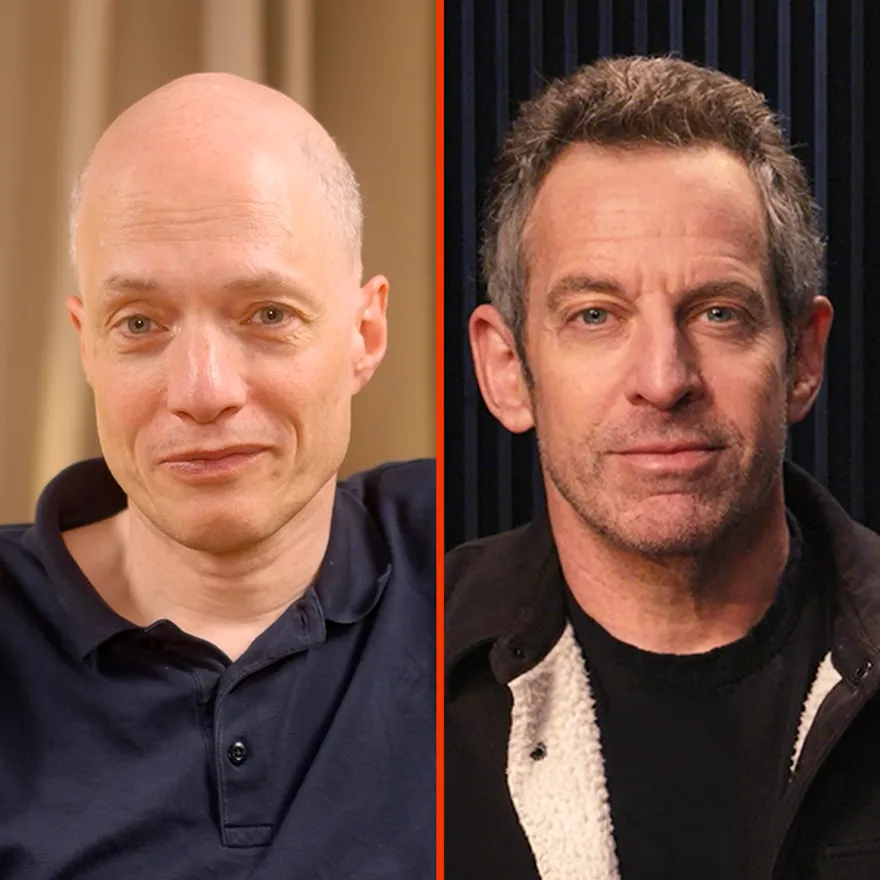

This is a preview of the Shortform summary of the Jul 1, 2026 episode of the Making Sense with Sam Harris
Sign up for Shortform to access the whole episode summary along with additional materials like counterarguments and context.
1-Page Summary
Religion's Decline and Secular Gaps in Psychological Rituals, Meaning, and Transcendence
Alain de Botton explores how the decline of organized religion has left modern secular societies without frameworks to address psychological needs, emotional rituals, and transcendence once provided by spiritual traditions.
Religious Societies Navigate Transitions Through Rituals Better Than Modern Secular Culture
Religious societies historically developed collective rituals to navigate major psychological transitions, organizing life communally through calendared observances that facilitated shared processing of love, awe of nature, and spiritual awakening. Modern secular culture, however, has privatized and individualized these experiences, leaving people to process emotions and moments of transcendence on their own without communal structures. This shift has left spiritual and psychological needs often unmet.
Nineteenth-Century Museums: Secular Replacements Lacking Religious Intensity
In the 19th century, civic institutions like museums were modeled after churches, with the belief that culture would become the new source of communal emotion and meaning. Despite these ambitions, de Botton notes that modern museum etiquette encourages private, subdued engagement with art, discouraging the communal, ecstatic responses once encouraged in religious spaces. High culture thus offers only an incomplete substitution for religious ritual, lacking structures that support collective transcendence or profound emotional release.
Ancient Greek Festivals and Rituals for Collective Emotional Release and Ego Dissolution
De Botton points to ancient Greek society as an example of integrating ritualized communal expression into civic life. The Greeks hosted annual festivals honoring Dionysus where citizens would dance ecstatically, creating sanctioned outlets for ego dissolution. Greek philosophy distinguished between divine madness, considered necessary for psychological well-being, and true mental illness resulting from denying this aspect of humanity. The cultural pairing of Apollo (reason and order) and Dionysus (ecstasy and chaos) created a balance between rationality and emotional excess that many modern secular societies have yet to replicate.
Reclaiming Ecstasy, Awe, and the Sacred in Secular Culture Without Religion
Sam Harris and Alain de Botton discuss how secular Western culture often neglects ecstatic and transcendent experiences, arguing that secular society can reclaim awe and profundity by drawing on intellectual honesty and existing cultural institutions.
Develop Western Frameworks For Emotional and Transcendent Experiences With Intellectual Honesty
Harris points out that secular culture is uncomfortable with ecstasy, lacking frameworks to normalize such experiences. He envisions the present era as an opportunity to reintegrate rituals around ecstasy through a scientifically informed yet profound cultural lens. De Botton agrees, emphasizing that secular culture needs a conception of the sacred and that many secular institutions—like nightclubs and planetariums—have untapped psychological and transcendental potential.
De Botton gives nightclubs as an example of spaces often associated solely with recreation rather than psychological or transcendental significance. He suggests they could be venues for collective communion and profound experiences, much like religious rituals once provided. Similarly, he contends that planetariums could cultivate awe and ego reduction by emphasizing the humility gained from contemplating the vastness of the universe, pointing to Zen Buddhist moon-viewing ceremonies as examples where natural spectacles serve as psychosocial tools.
Reimagining Secular Institutions For Meaning-Making and Emotional Benefits
De Botton and Harris propose revitalizing secular cultural institutions to foster emotional engagement and meaning-making akin to religious experiences. De Botton suggests that secular practices such as meditation, contemplating nature, or engaging with art can be intentionally structured to reduce ego and foster connections beyond oneself. Both challenge the false dichotomy between fun and transcendence, arguing that with appropriate cultural permission and context, recreational activities can also serve as routes to meaningful, ecstatic, or sacred experience.
Psychedelics and Substances For Self-Exploration, Ego Reduction, and Psychological Growth
Alain de Botton and Sam Harris discuss how psychedelics and other psychoactive substances can serve as vital tools for self-exploration and psychological growth when used appropriately.
Reconsidering Psychedelics for Therapeutic Insight and Emotional Growth in Controlled Settings
De Botton describes his use of MDMA and psilocybin in clinical settings for self-exploration rather than recreation, noting that such substances can lower psychological defenses and help individuals access self-knowledge ordinarily blocked by fear. Harris highlights the resurgence of interest in psychedelics, contrasting recreational use with contemplative approaches aimed at understanding the mind. He notes the promise of culturally integrated use that recalls ancient practices like the Eleusinian Mysteries, where psychoactive substances were used for spiritual and psychological breakthroughs. Both argue that perceiving psychedelics as simply "fun" overlooks their transformative potential as pharmacological tools for deepened self-understanding.
Psychedelics Enhance Recognition of Shared Humanity and Dissolve Barriers Between People
De Botton emphasizes that psychedelics remind users of their commonalities with others, dissolving ego defenses and helping individuals understand how boundaries between people are often overstated. He notes that MDMA induces profound love and connectedness, mimicking spiritual insight that human division is largely a mental construct. This openness enables deeper self-reflection and creates psychological space for exploration.
Self-Exploration and Psychological Openness Foster Interesting, Compassionate, and Generative Relationships and Conversations
De Botton argues that people who have deeply explored their own psyches project an openness that enriches interactions. Through self-exploration enabled by psychedelics, people develop recognition of complexity in human experience that naturally fosters compassion, allowing for more interesting, empathetic, and substantive conversations and relationships.
Collective Ego Loss and Authoritarian Regression vs. Democratic Recognition of Human Limitations
Alain de Botton and Sam Harris explore psychological tendencies that influence political and social life, focusing on the tension between regressive reliance on authority and democratic acceptance of human limitations.
Psychology Involves Regressing To Childhood By Projecting Omnipotence Onto Authority Figures During Stress or Anxiety
De Botton describes how childhood experiences of caregivers as almighty figures leave everyone with an unconscious capacity to project omnipotence onto others. During moments of stress or social uncertainty, people revert to these childhood patterns, projecting superhuman qualities onto leaders. Harris adds that in collective settings, people can lose individual egos and submit to larger powers. De Botton warns that when authority figures lack true wisdom or benevolence, societies are at serious risk.
Democratic Consciousness Recognizes Human and Leader Flaws, Not Superhuman Wisdom or Power
De Botton explains that healthy psychological development means realizing parents are flawed and fallible. He draws an analogy to politics, stating that a mature democratic mindset is "post-adolescent"—rejecting fantasies of superheroes in favor of recognizing leaders as ordinary, erring humans. True democracy is grounded in facing leaders' limitations, which shields societies from authoritarian regression and cults of personality.
Accepting Mortality and Limitations Liberates, Reducing Defensiveness, Rigidity, and Interpersonal Difficulty
De Botton emphasizes that keeping death in mind is crucial for remembering the limits of understanding and control that define all people. He argues that accepting both literal and metaphorical death—the limits all humans face—reduces defensiveness and excessive rigidity. People become more flexible and enjoyable when they stop pretending to be omnipotent. True contentment, de Botton concludes, is found in joyfully embracing human limitation rather than fantasizing about unlimited power.
1-Page Summary
Additional Materials
Clarifications
- In Greek philosophy, "divine madness" refers to inspired states of mind believed to come from the gods, enabling creativity, prophecy, or spiritual insight. It was seen as a positive, necessary condition for achieving higher understanding or artistic expression. This contrasts with mental illness, which was viewed as a harmful disorder disrupting normal functioning. Philosophers like Plato distinguished divine madness as a gift, not a pathology.
- Apollo and Dionysus are twin gods representing opposing forces in Greek culture. Apollo symbolizes order, reason, logic, and harmony. Dionysus embodies chaos, emotion, ecstasy, and instinct. Their balance reflects the human need to integrate rational control with emotional freedom.
- The Eleusinian Mysteries were ancient Greek religious rites held annually in Eleusis, honoring the goddess Demeter and her daughter Persephone. They promised initiates secret knowledge and hope for life after death, symbolizing cycles of life, death, and rebirth. These mysteries involved ritual use of psychoactive substances to induce transformative spiritual experiences. They were highly influential in shaping later Western mystical and religious traditions.
- The psychological mechanism of projecting omnipotence onto authority figures stems from early childhood, where caregivers are perceived as all-powerful protectors. This unconscious pattern persists into adulthood, causing individuals to attribute exaggerated power and infallibility to leaders during stress. It serves as a coping strategy to reduce anxiety by placing trust in a seemingly all-capable figure. However, this can lead to unrealistic expectations and vulnerability to manipulation.
- Collective ego loss occurs when individuals in a group temporarily dissolve their personal identities, merging into a shared identity or cause. This can lead to heightened unity and emotional intensity but also to diminished critical thinking and increased susceptibility to authoritarian influence. In politics, it may cause people to follow leaders unquestioningly, risking manipulation. Recognizing this dynamic helps societies guard against blind obedience and maintain democratic accountability.
- Psychedelics like MDMA and psilocybin are being studied for their ability to reduce fear and defensiveness, allowing patients to confront and process traumatic memories safely. These substances can promote neuroplasticity, helping the brain form new connections that support emotional healing. Clinical sessions typically involve guided therapy to ensure safe, meaningful experiences. Their effects differ from recreational use by focusing on psychological insight and lasting therapeutic benefits.
- Ego dissolution refers to a temporary loss of the sense of a separate self or individual identity. Psychologically, it can reduce self-centered thinking and increase feelings of connectedness with others and the world. This state often leads to greater emotional openness, reduced anxiety, and enhanced well-being. It is considered important for breaking rigid mental patterns and fostering personal growth.
- Religious rituals create shared, emotionally intense experiences that foster community and a sense of the sacred. Museums, nightclubs, and planetariums are secular spaces that can evoke awe or collective engagement but lack formalized rituals to guide these experiences. Unlike religious ceremonies, these institutions often encourage individual, passive participation rather than active, communal emotional release. The challenge is to redesign secular spaces to intentionally cultivate shared transcendence and meaning.
- "Intellectual honesty" means acknowledging reality without self-deception or bias. In secular frameworks for transcendence, it involves openly confronting the limits of human knowledge and experience. This honesty allows for sincere exploration of awe and meaning without relying on supernatural claims. It fosters authentic, evidence-based approaches to emotional and spiritual experiences.
- Zen Buddhist moon-viewing ceremonies, known as "Tsukimi," are traditional events that honor the beauty and impermanence of the moon. They encourage mindfulness and contemplation, fostering a deep connection to nature and the present moment. Psychologically, these ceremonies promote calmness, ego reduction, and a sense of awe, helping participants transcend everyday concerns. Culturally, they serve as communal rituals that reinforce shared values of simplicity and impermanence.
- Recreational use of psychoactive substances focuses on pleasure, fun, and social enjoyment without a structured purpose. Contemplative use involves intentional, mindful consumption aimed at self-exploration, psychological insight, or spiritual growth. The contemplative approach often includes preparation, guidance, and integration of the experience into one’s life. This method seeks lasting personal transformation rather than temporary intoxication.
- "Post-adolescent" democratic consciousness refers to a mature mindset that moves beyond idealized, simplistic views of authority. It recognizes that leaders are fallible humans rather than infallible heroes. This awareness fosters critical thinking and skepticism toward power. It supports a political culture grounded in realism and accountability.
- Accepting mortality helps individuals confront the reality of life's finite nature, reducing fear and anxiety about death. This acceptance fosters humility, encouraging people to let go of unrealistic control and perfectionism. Recognizing human limitations promotes psychological flexibility, making it easier to adapt to challenges and uncertainties. Ultimately, it cultivates a deeper sense of peace and contentment by embracing imperfection and vulnerability.
Counterarguments
- While organized religion has historically provided communal frameworks, many secular societies have developed alternative structures for meaning-making and psychological support, such as therapy, support groups, and community organizations.
- The privatization of emotional and transcendent experiences in secular culture can also be seen as empowering individual autonomy and diversity of expression, rather than inherently leaving needs unmet.
- Museums and other secular institutions may foster deep communal engagement through public events, educational programs, and shared cultural experiences, even if their etiquette differs from religious rituals.
- Ancient Greek festivals and rituals, while offering communal catharsis, were also associated with social exclusion, gender inequality, and sometimes violence, suggesting that not all aspects are desirable to replicate.
- The dichotomy between reason (Apollo) and ecstasy (Dionysus) is a philosophical construct that may oversimplify the complexity of both ancient and modern societies’ approaches to emotion and rationality.
- Many secular individuals and communities report high levels of meaning, connection, and transcendence through art, science, activism, and relationships, challenging the notion that secular culture is inherently deficient in these areas.
- The transformative potential of psychedelics is still under scientific investigation, and their effects can be unpredictable or harmful for some individuals, raising concerns about broad cultural integration.
- Psychedelic experiences are not universally positive or enlightening; some users report distressing or destabilizing effects, and not all cultures or individuals value ego dissolution or altered states.
- The assertion that secular culture lacks frameworks for ecstasy and transcendence overlooks the existence of secular festivals, music events, and communal celebrations that provide such experiences.
- Projecting omnipotence onto authority figures is not unique to secular or religious societies and can be mitigated through education, critical thinking, and robust civic institutions.
- The idea that accepting mortality and limitation leads to contentment may not resonate with all individuals or cultures, some of whom find meaning in striving for transcendence or overcoming limits.
Get access to the context and additional materials
Religion's Decline and Secular Gaps in Psychological Rituals, Meaning, and Transcendence
Alain de Botton explores how the decline of organized religion has left modern secular societies struggling to address psychological needs, emotional rituals, and experiences of transcendence once provided by shared spiritual frameworks.
Religious Societies Navigate Transitions Through Rituals Better Than Modern Secular Culture
Religious societies historically developed collective rituals to navigate major psychological transitions. Such rituals shaped specific days and collective moments around spiritual and psychological significance, placing priorities of the soul above business and technical matters that fill modern diaries. In the religious eras, life was organized communally through calendared observances, facilitating shared forms for processing love, awe of nature, communal identity, and spiritual awakening. Modern secular culture, however, has privatized and individualized these experiences. People now process emotions or moments of transcendence—falling in love, being moved by nature, or yearning for community—on their own, without a communal structure. This shift towards individualization leaves many without frameworks that promote psychological health or collective understanding, and organized religion’s decline has led to spiritual and psychological needs often remaining unmet.
Nineteenth-Century Museums: Secular Replacements Lacking Religious Intensity
In the 19th century, civic institutions like museums were explicitly modeled after churches, as seen in structures such as the Rijksmuseum in Amsterdam. There was a widespread belief that, in the absence of divine scripture, culture would become the new source of communal emotion, guidance, and meaning. Art and cultural spaces were to serve as secular churches for emotional and cultural communion. Despite these ambitions, the etiquette imposed in modern museums encourages private, subdued engagement with art. Publicly expressing overwhelming emotions—such as crying or dancing in front of a Mark Rothko painting—is discouraged and swiftly managed by museum staff. Art, although positioned as deeply important, is consumed individually and without the communal, ecstatic responses once encouraged in religious spaces. High culture thus offers only an incomplete substitution for religious ritual, lacking the structures and contexts that support collective transcendence or profound emotional release.
Ancient Greek Festivals and Rituals for Collective Emotional Release and Ego Dissolution
De Botton points to ancient Greek society ...
Here’s what you’ll find in our full summary
Religion's Decline and Secular Gaps in Psychological Rituals, Meaning, and Transcendence
Additional Materials
Clarifications
- Alain de Botton is a contemporary philosopher and author known for applying philosophical ideas to everyday life. He founded "The School of Life," an organization focused on emotional intelligence and practical philosophy. His work often explores how culture, art, and philosophy can address modern psychological and existential challenges. His perspective is significant because he bridges academic philosophy with accessible insights on living well in secular societies.
- Organized religion historically provided structured rituals for life events like birth, marriage, and death, helping individuals process emotional transitions. It offered communal ceremonies that fostered a sense of belonging and shared identity. Religious practices also addressed existential questions, giving meaning to suffering and life’s purpose. These rituals created regular opportunities for collective emotional expression and spiritual connection.
- Transcendence refers to experiences where individuals feel connected to something greater than themselves, beyond ordinary reality. It often involves a sense of awe, unity, or spiritual elevation that surpasses everyday emotions. Psychologically, it can promote well-being by providing meaning, purpose, and relief from self-centered concerns. Such experiences are common in religious rituals but can also occur through art, nature, or meditation.
- Religious rituals historically structured time by marking important life events and seasons with specific ceremonies, creating a shared social rhythm. These calendared observances often aligned with agricultural cycles, celestial events, or foundational myths, reinforcing community identity and values. Rituals provided collective experiences that helped individuals process emotions, transitions, and existential questions within a supportive group. This communal framework fostered psychological stability and a sense of belonging through repeated, meaningful practices.
- The Rijksmuseum in Amsterdam was designed in the 19th century to resemble a church to evoke a sense of reverence and communal gathering around art. This architectural choice symbolized the idea that art could serve as a secular source of shared meaning and emotional experience, similar to religious worship. The grand, cathedral-like spaces aimed to inspire awe and contemplation, positioning culture as a new form of spiritual engagement. This reflected a broader cultural movement to replace religious rituals with secular institutions that foster collective identity and emotional connection.
- Museums enforce etiquette rules to maintain a quiet, respectful environment for all visitors and to protect artworks from damage. Loud or intense emotional displays can disrupt others' experiences and may be seen as inappropriate in these formal settings. Staff intervene to preserve order and ensure the museum remains a contemplative space. This contrasts with religious rituals, where collective emotional expression is encouraged and integral.
- Dionysus was the ancient Greek god of wine, fertility, theater, and ritual madness. He symbolized the breakdown of social norms and the unleashing of primal emotions through ecstatic celebrations. His festivals, like the Dionysia, included theatrical performances and communal revelry that fostered social cohesion and emotional release. Dionysus represented the vital, chaotic forces necessary to balance the order and rationality embodied by Apollo.
- Ancient Greek Dionysian festivals celebrated Dionysus, the god of wine, fertility, and ecstasy. These events involved music, dance, and theatrical performances that encouraged emotional release and communal bonding. They served as a social safety valve, allowing participants to break free from everyday norms and experience altered states of consciousness. The festivals reinforced community cohesion by balancing order with chaos through ritualized celebration.
- In Greek philosophy, "divine madness" refers to inspired states of mind granted by the gods, ...
Counterarguments
- Many secular societies have developed new forms of communal rituals and shared meaning, such as national holidays, sports events, music festivals, and community organizations, which can fulfill similar psychological and social functions as religious rituals.
- Psychological and spiritual needs can be met through individual practices such as meditation, therapy, and personal reflection, which do not require communal or religious frameworks.
- The privatization and individualization of emotional experiences can empower people to seek meaning and fulfillment in ways that are personally authentic, rather than conforming to prescribed communal norms.
- Not all religious rituals historically promoted psychological health; some have been sources of exclusion, guilt, or psychological distress for certain individuals or groups.
- The claim that high culture or museums fail to provide collective transcendence overlooks participatory art events, interactive exhibitions, and community-based art projects that foster shared emotional experiences.
- The decline of organized religion has coincided with increased pluralism ...


Get access to the context and additional materials
Reclaiming Ecstasy, Awe, and the Sacred in Secular Culture Without Religion
Sam Harris and Alain de Botton discuss how secular Western culture often neglects ecstatic and transcendent experiences, failing to provide frameworks for integrating them into daily life. They argue that by drawing on intellectual honesty and existing cultural institutions, secular society can reclaim awe and profundity once monopolized by religion.
Develop Western Frameworks For Emotional and Transcendent Experiences With Intellectual Honesty
Sam Harris points out that secular culture is uncomfortable with ecstasy, lacking frameworks to normalize or prioritize such experiences. He describes a neglected positive pole of human well-being—one religion historically explored—which remains underdeveloped in modern secular life. Harris envisions the present era as an opportunity to reintegrate rituals around ecstasy and profundity through a sober, scientifically informed, yet profound cultural lens.
Secular Culture Should Mine Institutions Like Nightclubs, Planetariums, and Natural Phenomena for Their Potential to Generate Awe and Ego Reduction, Not Just For Recreation or Education
De Botton agrees, emphasizing that secular culture needs a conception of the sacred and profound, traditionally the domain of religion. He argues that many secular institutions—like nightclubs and planetariums—have untapped psychological and transcendental potential. Rather than viewing these spaces as merely recreational or educational, he believes they could foster experiences of awe, ego reduction, and collective meaning.
Nightclubs: A Path to Ecstasy and Collective Communion With Psychological and Transcendental Meaning
De Botton gives the example of nightclubs, locations often associated solely with fun or the use of ecstasy as a drug, rather than sites of psychological or transcendental significance. He laments that nightclubs lack cultural prestige or meaning, missing the deeper themes that previous ages might have drawn from communal, ecstatic gatherings. In reimagining nightclubs, de Botton suggests they can be venues for collective communion and profound psychological experiences, much like religious rituals once provided.
Planetariums Could Highlight Human Smallness In the Cosmos
Similarly, de Botton highlights planetariums, which typically focus on delivering scientific facts about celestial phenomena. He contends that planetariums could do more to cultivate awe and ego reduction by emphasizing the humility and perspective gained from contemplating the vastness of the universe—a role fulfilled by religious ceremonies in the past. He points to Zen Buddhist moon-viewing ceremonies as an example, where natural spectacles serve as psychosocial tools for cultivating meaning and emotional impact.
Reimagining Secular Institutions For Meaning-Making and Emotional Benefits
De Botton and Harris propose revitalizing secular cultural institutions to foster emotional engagement, participation, and meaning-making akin to religious experiences.
Revamping Cultural Institutions to Foster Emotional Engagement and Participation
Cultural institutions, including nightclubs, planetariums, and public ceremonies, can be reimagined to intentionally engage people in emotionally profound and co ...
Here’s what you’ll find in our full summary
Reclaiming Ecstasy, Awe, and the Sacred in Secular Culture Without Religion
Additional Materials
Clarifications
- In a psychological or transcendent sense, "ecstasy" refers to a state of intense joy, rapture, or profound connection beyond ordinary experience. It often involves a loss of self or ego, creating feelings of unity with something greater. This state can arise through meditation, art, nature, or communal rituals, not just drugs. Historically, many religions cultivated ecstasy as a pathway to spiritual insight and emotional well-being.
- Ego reduction refers to a temporary lessening of self-centered thoughts and the sense of a separate, individual identity. It often occurs during transcendent experiences, allowing people to feel connected to something larger than themselves. This state can lead to feelings of unity, peace, and awe, which are central to many spiritual or profound moments. Ego reduction helps dissolve barriers between self and others, fostering empathy and a sense of shared existence.
- The "positive pole of human well-being" refers to states of joy, ecstasy, awe, and deep meaning that enhance life quality. Religions historically cultivated these states through rituals, ceremonies, and communal practices. These experiences promote psychological health by fostering connection, purpose, and transcendence. Modern secular culture often lacks structured ways to access or value these uplifting states.
- Intellectual honesty in secular culture means acknowledging transcendent experiences without relying on supernatural explanations. It involves using scientific understanding and critical thinking to explore these experiences' psychological and neurological aspects. This approach respects evidence while valuing the emotional and existential significance of awe and ecstasy. Thus, secular frameworks can honor profound experiences without contradicting rational inquiry.
- Rituals are structured actions or ceremonies that create shared meaning and emotional connection among participants. In religious contexts, they often symbolize beliefs, mark important life events, and foster community cohesion. Secular rituals can serve similar purposes by providing a sense of belonging, marking transitions, or evoking profound experiences without religious content. Both types help individuals feel connected to something larger than themselves, supporting psychological well-being.
- Nightclubs create immersive environments with music, lighting, and social connection that can induce altered states of consciousness and collective unity. Planetariums offer awe-inspiring views of the cosmos, prompting feelings of smallness and interconnectedness that mirror spiritual humility. Both settings can evoke emotional intensity and ego dissolution, key elements of transcendent experiences. Historically, sacred experiences often arose from communal rituals and encounters with vast natural phenomena, which these venues can replicate in secular forms.
- Zen Buddhist moon-viewing ceremonies are traditional practices where participants gather to observe the full moon in a mindful, contemplative way. These ceremonies encourage reflection on impermanence, beauty, and the interconnectedness of life. Psychosocially, they foster a shared sense of peace, awe, and community among participants. This creates emotional meaning and spiritual connection without relying on formal religious doctrine.
- Recreation involves activities done primarily for enjoyment and relaxation without deeper meaning. Education focuses on imparting knowledge or skills, often through structured learning. Transcendence refers to experiences that go beyond ordinary life, evoking awe, connection, or spiritual insight. Cultural institutions traditionally emphasize recreation or education but can also be designed to facilitate these profound, transformative experiences.
- Collective communion refers to a shared experience where individuals feel deeply connected to each other and to something greater than themselves. It often involves synchronized emotions, ...
Counterarguments
- The claim that secular Western culture neglects ecstatic and transcendent experiences may overlook the prevalence of such experiences in secular contexts, such as music festivals, sports events, artistic performances, and communal celebrations, which many people find deeply meaningful and transformative.
- The assertion that secular society lacks frameworks for integrating awe and profundity may underestimate the role of philosophy, science, literature, and the arts in providing avenues for wonder, reflection, and existential meaning outside religious contexts.
- The idea that nightclubs and planetariums should be reimagined for transcendence may not align with the intentions or desires of all participants, some of whom may prefer these spaces for recreation or education without added layers of meaning.
- The proposal to intentionally design secular practices to replicate religious experiences could be seen as artificial or forced, potentially lacking the authenticity or communal resonance that organically developed religious rituals possess.
- The suggestion that secular culture needs a conception of the sacred may not resonate with individuals who are content with a purely materialist or humanist worldview and do not feel a need for sacredness or transcendence.
- The dichotomy between fun and transcendence may not be as universally false as suggested; for some, the pursuit of fu ...


Get access to the context and additional materials
Psychedelics and Substances For Self-Exploration, Ego Reduction, and Psychological Growth
Leading thinkers such as Alain de Botton and Sam Harris discuss how psychedelics and other psychoactive substances can serve as vital tools for self-exploration, the reduction of ego, and fostering psychological and spiritual growth when used appropriately.
Reconsidering Psychedelics for Therapeutic Insight and Emotional Growth in Controlled Settings
Alain de Botton describes his use of MDMA and psilocybin in clinical or pseudo-clinical settings specifically for self-exploration rather than for recreation. He notes that such substances, when used deliberately, can be tremendously helpful for personal insight. This approach aligns with Freudian ideas that self-examination is often blocked by fear—defenses that prevent individuals from confronting uncomfortable truths about themselves, such as the complexity of sexuality or aggressive urges. Substances like MDMA can lower these defenses, helping individuals access self-knowledge that is ordinarily blocked by psychological resistance.
Sam Harris highlights a resurgence in interest around the use of psychedelics, both in scientific research and in recreational settings. He points out the important difference in mood or intention when using these substances—contrasting recreational, fun-seeking use with a more contemplative, inward-looking approach aimed at understanding the mind and alleviating unnecessary suffering. Harris notes the promise of a more scientific, methodical, and culturally integrated use of psychedelics—that recalls ancient practices, such as the Eleusinian Mysteries in Ancient Greece, where psychoactive substances were used for profound spiritual and psychological breakthroughs. Similarly, de Botton references Dionysus and the central role of wine in ritual to suggest that the spiritual and psychological use of substances is deeply rooted in human culture and tradition and should not be dismissed as merely recreational.
Both de Botton and Harris argue that the common perception of psychedelics as simply "fun" overlooks a more serious and transformative dimension. Used thoughtfully, these substances can be important pharmacological tools for deepened self-understanding and growth, in line with ancient wisdom about ritual and altered states.
Psychedelics Enhance Recognition of Shared Humanity and Dissolve Barriers Between People
De Botton emphasizes one social function of psychedelics and MDMA: to remind us of our commonalities with others. He observes that users often report an experience of love or connection to everybody, which mirrors what spiritual and religious traditions seek to generate through meditation and ecstatic practices—the realization of exaggerated psychological separateness in daily life. Psychedelics dissolve ego defenses, helping individuals understand how the boundaries between people are often overstated. In altered states produced by these substances, it becomes easier to recognize shared humanity rather than focusing on differences, briefly transforming perception to foster a sense of unity and collective belonging. MDMA in particular is described as inducing a state of profound love and connectedness, mimicking the spiritual insight that human division is, to a significant extent, a mental construct.
Lowered Barriers Create Psychological Space For Self-Exploration
De Botton also suggests that psychedelics create more psychological space for exploring the mind. The state of openness fostered by these substances enables deeper ...
Here’s what you’ll find in our full summary
Psychedelics and Substances For Self-Exploration, Ego Reduction, and Psychological Growth
Additional Materials
Clarifications
- MDMA primarily increases the release of serotonin, dopamine, and norepinephrine, producing feelings of empathy, emotional warmth, and reduced fear, which helps lower psychological defenses. Psilocybin, found in certain mushrooms, acts on serotonin receptors to alter perception, cognition, and mood, often inducing mystical or insightful experiences. Both substances can facilitate emotional openness and self-reflection but differ in their chemical action and subjective effects. Their therapeutic use focuses on creating a safe mental state for exploring difficult emotions and thoughts.
- "Ego reduction" refers to the temporary weakening of the sense of a separate, self-centered identity. This process can help individuals see beyond their habitual self-importance and rigid self-concepts. By reducing ego defenses, people become more open to new perspectives and emotional experiences. This openness supports psychological growth by fostering humility, empathy, and deeper self-awareness.
- Psychological defenses are unconscious mental processes that protect a person from uncomfortable feelings or thoughts. They act as barriers to avoid anxiety or distress by distorting or blocking reality. Substances like MDMA can reduce these defenses, making it easier to face difficult emotions or memories. This lowered resistance allows for deeper self-awareness and emotional processing.
- Freudian theory suggests that the mind uses defenses to protect itself from painful or threatening thoughts. These defenses create resistance to self-examination because confronting hidden desires or fears can cause anxiety. Psychedelics may reduce these defenses, allowing access to repressed memories or emotions. This process helps individuals gain insight into unconscious aspects of their psyche.
- The Eleusinian Mysteries were ancient Greek religious rites held annually in honor of the goddess Demeter and her daughter Persephone. They involved secret ceremonies promising initiates rewards in the afterlife and profound spiritual insight. Participants likely consumed a psychoactive potion called kykeon, which may have induced altered states of consciousness. These mysteries influenced later spiritual traditions by emphasizing transformation through ritual and altered perception.
- Dionysus was the ancient Greek god of wine, fertility, and ritual madness, symbolizing both joy and chaos. Wine played a central role in his festivals, which involved ecstatic dancing, music, and altered states to break social norms and connect with the divine. These rituals aimed to dissolve ego boundaries and foster communal unity and spiritual insight. They influenced later spiritual practices that use altered consciousness for psychological and social transformation.
- Recreational use of psychedelics focuses on enjoyment, socializing, and entertainment without a specific goal beyond pleasure. Contemplative use involves intentional, often solitary or guided sessions aimed at self-reflection, emotional insight, or spiritual growth. The mindset and setting in contemplative use are carefully controlled to support deep psychological exploration. This approach seeks lasting personal transformation rather than temporary enjoyment.
- The idea that perceived boundaries between people are mental constructs means that the sense of separation we feel is created by our minds, not an absolute reality. Our brains categorize and label differences to make sense of the world, which can exaggerate divisions. Psychedelics can reduce these mental barriers, revealing a deeper sense of connection and shared experience. This insight challenges the notion of rigid individual separateness and highlights common humanity.
- MDMA increases the release of neurotransmitters like serotonin, dopamine, and oxytocin, which enhance feelings of trust, empathy, and emotional closeness. Oxytocin, often called the "love hormone," plays a key role in bonding and social connection. This neurochemical effect reduces fear and defensiveness, allowing users to feel more open and connected to others. These changes mimic spiritual experiences of unity and unconditional love by temporarily altering brain activity related to social and emotional processing.
- Psychedelics alter brain activity by reducing the influence of the default mode network, a brain system linked to self-focused thought and rigid mental patterns. This reduction weakens habitual defenses and mental f ...
Counterarguments
- The therapeutic benefits of psychedelics are still under investigation, and robust, long-term clinical evidence supporting their efficacy and safety for psychological growth is limited compared to established treatments.
- Psychedelics can induce adverse psychological reactions, including anxiety, paranoia, or psychosis, especially in individuals with a predisposition to mental health disorders.
- The effects of psychedelics are highly variable and unpredictable, making standardized therapeutic outcomes difficult to guarantee.
- Not all individuals report positive or transformative experiences; some may experience distressing or destabilizing effects that outweigh potential benefits.
- The use of psychedelics outside of controlled clinical settings carries legal, ethical, and safety risks, including potential for misuse or harm.
- Historical and cultural precedents for psychedelic use do not necessarily validate their safety or effectiveness in modern therapeutic contexts.
- Psychological growth and compassion can be cultivated through other evidence-based ...


Get access to the context and additional materials
Collective Ego Loss and Authoritarian Regression vs. Democratic Recognition of Human Limitations
Alain de Botton and Sam Harris explore the psychological tendencies that influence political and social life, focusing on the tension between regressive reliance on authority and the democratic acceptance of human limitations.
Psychology Involves Regressing To Childhood By Projecting Omnipotence Onto Authority Figures During Stress or Anxiety
Early Perceptions of Caregivers as Mighty, All-knowing Figures Persist Unconsciously
De Botton begins by describing the universal childhood experience: as infants, caregivers appear almighty and all-knowing—they can throw, speak, sing, and seem to embody power and mastery. This early awe leaves everyone with an unconscious capacity to project omnipotence onto others.
During Social Stress, Uncertainty, or Psychological Regression, Individuals and Populations Can Revert To a Childhood Mentality and Project Heroic, Omnipotent Qualities Onto Political Leaders and Authority Figures
During moments of stress or social uncertainty, people, and even entire populations, unconsciously revert to such childhood patterns—projecting superhuman qualities onto leaders. Harris adds that, at mass rallies or in collective settings, people can lose their individual egos and merge into a crowd mentality, resulting in a willingness to submit to larger powers or causes. The danger is acute when the authority figures lack true wisdom or benevolence. Without such traits, de Botton warns, societies are at risk of serious trouble.
Danger Arises When Authority With Power Lacks True Benevolence or Wisdom
When pressured populations seek comfort in projecting childhood fantasies of omnipotence onto leaders who are not truly benevolent, risks of authoritarianism, exploitation, and collective harm sharply increase.
Democratic Consciousness Recognizes Human and Leader Flaws, Not Superhuman Wisdom or Power
Recognition of Parental Fallibility Parallels Political Maturation For Democracy, Viewing Leaders as Peers, Not Superhuman Saviors
De Botton explains that healthy psychological development means realizing over time that parents are flawed and fallible. By adolescence, people come to see that even those who once seemed powerful are actually vulnerable, frightened, and uncertain.
Effective Democracy Requires Realistic Views of Leaders' Human Limitations
Recognizing Human Limits Protects Against Authoritarianism and Cults of Personality
He draws an analogy to politics, stating that a mature democratic mindset is "post-adolescent"—it rejects the fantasy of superheroes in favor of recognizing leaders as ordinary, erring humans. True democracy is grounded in facing leaders’ limitations, not idealizing them as saviors. Accepting that ...
Here’s what you’ll find in our full summary
Collective Ego Loss and Authoritarian Regression vs. Democratic Recognition of Human Limitations
Additional Materials
Clarifications
- Psychological regression is a defense mechanism where an individual reverts to an earlier stage of emotional development when faced with stress or anxiety. This means they temporarily adopt behaviors, thoughts, or feelings typical of childhood to cope. In this state, people may seek comfort by idealizing authority figures as all-powerful protectors, similar to how children view caregivers. This regression can influence political behavior by increasing dependence on strong leaders during crises.
- "Projecting omnipotence" means attributing unlimited power and control to someone else, often unrealistically. It happens when people unconsciously imagine authority figures as all-powerful protectors, similar to how children view caregivers. This projection helps reduce anxiety by creating a sense of safety and certainty. However, it can lead to unrealistic expectations and blind obedience.
- Collective ego loss occurs when individuals in a group temporarily lose their sense of personal identity and self-awareness. This often happens in large crowds or emotionally charged settings, leading to heightened suggestibility and conformity. The crowd mentality can amplify emotions and reduce critical thinking, making people more likely to follow leaders or group norms unquestioningly. This psychological state explains why people may act differently in groups than they would alone.
- Recognizing parental fallibility means understanding that caregivers are imperfect and vulnerable, not all-powerful. This realization shifts a person from idealizing authority to seeing adults as flawed humans. Politically, this maturity translates into viewing leaders as fallible peers rather than infallible heroes. It fosters critical thinking and resistance to authoritarianism by rejecting unrealistic expectations of leaders.
- "Authoritarian regression" refers to a psychological and social fallback where people, under stress, seek strong, controlling leaders and give up personal autonomy. This contrasts with democratic recognition, which involves accepting leaders as fallible humans and valuing shared decision-making. Authoritarian regression often leads to unquestioning obedience, while democratic recognition encourages critical thinking and accountability. The former is rooted in fear and dependency; the latter in maturity and collective responsibility.
- Contemplating mortality reminds individuals that life is finite, which weakens the ego's need to appear invincible or perfect. This awareness reduces fear of failure or judgment, lowering defensive behaviors. Accepting death fosters humility and openness, allowing people to embrace vulnerability. Consequently, ego rigidity softens, promoting psychological flexibility and healthier relationships.
- A "cult of personality" occurs when a political leader is idealized and glorified to an extreme, often through propaganda and media control. This creates an unquestioning loyalty among followers, overshadowing democratic debate and accountability. It can lead to authoritarianism by concentrating power in one individual and suppressing opposition. Such dynamics undermine demo ...
Counterarguments
- The projection of omnipotence onto authority figures during stress is not universal; some individuals respond to uncertainty by becoming more skeptical or independent rather than regressing to childhood patterns.
- The analogy between parental fallibility and political maturity may oversimplify the complex motivations behind political engagement and leadership selection.
- Crowd behavior and loss of individual ego at mass rallies can also foster solidarity, collective action, and positive social change, not just submission to authority.
- Recognizing leaders as fallible does not always prevent authoritarianism; some authoritarian regimes persist despite widespread awareness of leaders' flaws.
- Acceptance of human limitations may not universally lead to greater happiness or flexibility; for some, striving for mastery or overc ...
Get access to the context and additional materials

 1-Page Summary
- Religion's Decline and Secular Gaps in Psychological Rituals, Meaning, and Transcendence
- Reclaiming Ecstasy, Awe, and the Sacred in Secular Culture Without Religion
- Psychedelics and Substances For Self-Exploration, Ego Reduction, and Psychological Growth
- Collective Ego Loss and Authoritarian Regression vs. Democratic Recognition of Human Limitations
Create Summaries for anything on the web
Download the Shortform Chrome extension for your browser
