

Bringing Extinct Species Back to Life | Dr. Beth Shapiro
In this episode of the Huberman Lab podcast, Dr. Beth Shapiro discusses the science of de-extinction—using advanced genetic technologies to bring back extinct animals like mammoths, dodos, and dire wolves. Shapiro explains how scientists recover ancient DNA from fossils, compare it to living relatives, and use genome editing to recreate traits that allow these animals to fulfill ecological roles rather than creating exact genetic copies. She also covers how these same technologies are being used to save endangered species today, from black-footed ferrets to Australian quolls.
The conversation extends to human genetic selection and editing, exploring how IVF embryo screening and CRISPR therapies are already changing medicine and raising ethical questions about germline modifications. Shapiro emphasizes the importance of transparent communication, rigorous ecological impact analysis, and public engagement in ensuring these technologies serve conservation goals responsibly. The episode provides a comprehensive look at how genetic engineering is reshaping both conservation efforts and discussions about humanity's genetic future.


This is a preview of the Shortform summary of the Oct 5, 2026 episode of the Huberman Lab
Sign up for Shortform to access the whole episode summary along with additional materials like counterarguments and context.
1-Page Summary
De-extinction: Mammoths, Dodos, Wolves, and Genetic Technology
Beth Shapiro and Andrew Huberman explore the science and implications of de-extinction projects aiming to revive extinct animals like mammoths and dodos through advanced genetic technologies.
Scientific Basis and Target Selection
Modern de-extinction relies on recovering and sequencing ancient DNA to identify genetic differences between extinct species and their living relatives. Shapiro explains that DNA preservation depends heavily on environment—mammoth bones from the Arctic can yield DNA up to a million years old, while warm, wet climates like Mauritius destroy DNA rapidly. Dinosaurs remain beyond reach, as DNA cannot survive 66 million years. Scientists compare fossil DNA to living relatives, like comparing mammoth genomes to Asian elephants, to map the specific genetic changes needed to recreate extinct traits.
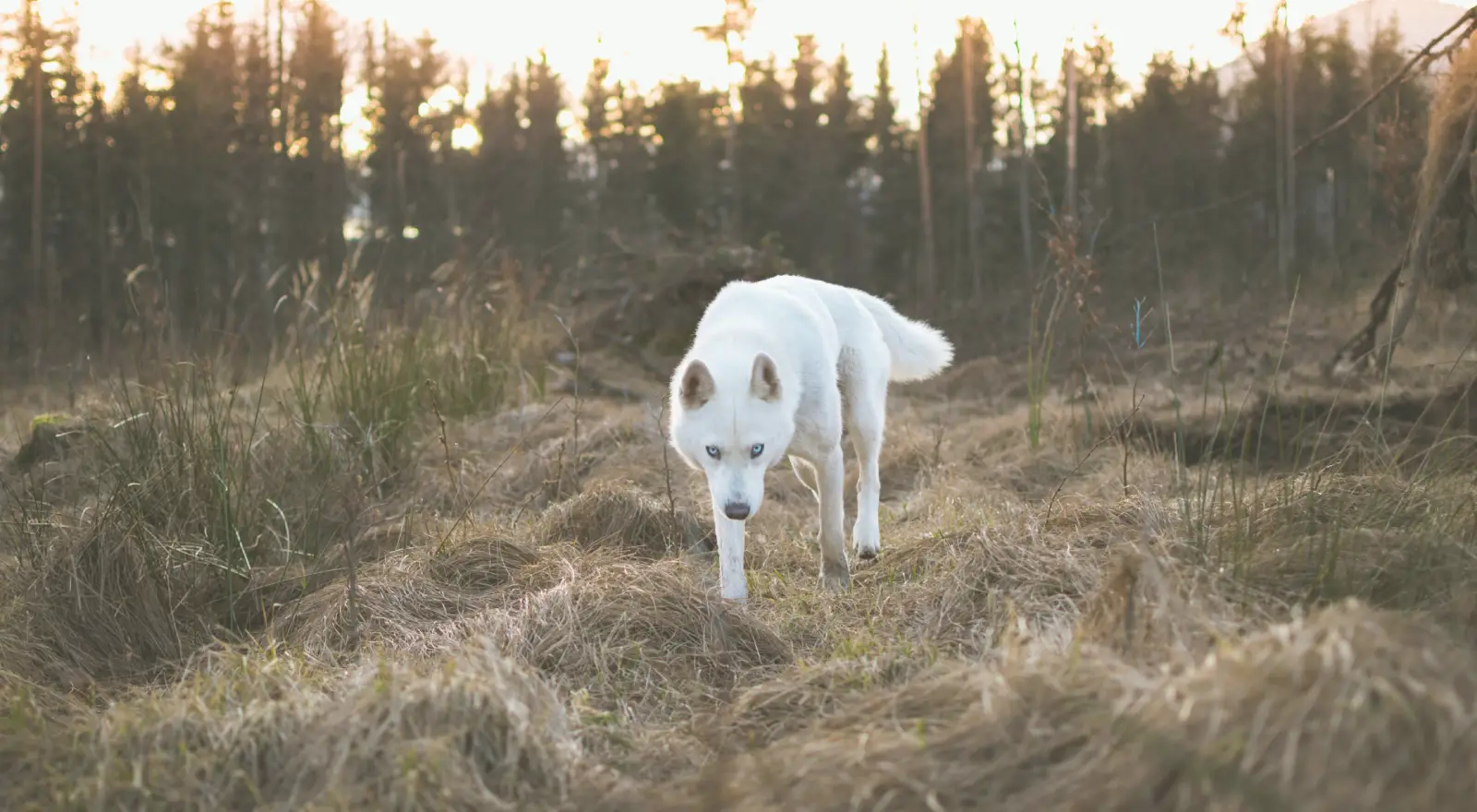
De-extinction focuses on charismatic megafauna like mammoths, dire wolves, and dodos because these animals captivate public imagination and drive funding. Shapiro notes that excitement about these species inspires new genetic methods benefiting broader conservation. For dire wolves, scientists identified about 20 genome edits from fossil DNA, though they sometimes use safe gene variants from living wolves to avoid health risks. Three reconstructed dire wolves are being raised for research, not immediate rewilding.
Function Over Perfect Replication
Shapiro emphasizes that de-extinction doesn't aim for exact genetic copies but rather animals that fulfill ecological roles and resemble their extinct counterparts. Species boundaries are human constructs; mammoths and Asian elephants share roughly 99% of their DNA. Scientists identify and edit genes for specific traits like cold adaptation, requiring coordinated changes to multiple gene networks. Additional edits address modern challenges like new pathogens and food sources to ensure animal health.
Artificial reproductive technologies like artificial wombs could eventually allow multiple mammoth embryos to develop without burdening endangered Asian elephants through 22-month pregnancies. Shapiro notes these advances could benefit human medicine, including cancer treatment during pregnancy and neonatal care.
Conservation Through Genetic Engineering
Genetic engineering is actively preventing present-day extinctions. The black-footed ferret, once thought extinct, was rediscovered in Wyoming and became the focus of captive breeding. Despite population recovery, genetic diversity remained low due to inbreeding. Scientists cloned Elizabeth Ann from 40-year-old tissue to reintroduce genetic variation, and subsequent clones have successfully reproduced. Researchers are now searching for plague resistance genes from domestic ferrets to protect wild populations through genome editing.
Australia's northern quoll faces extinction from toxic cane toads. Shapiro explains that scientists engineered a single amino acid change—one letter in the genetic code—allowing quoll cells to break down toad toxins, potentially saving the species and giving them a new ecological role as predators of cane toads.
Projects involving edited animals undergo rigorous ecological impact analysis before release. Scientists use ecosystem modeling and increasingly AI-powered "digital twins" to predict long-term outcomes. Pleistocene Park in Siberia demonstrates this approach, where reintroduced grazers reshape landscapes and affect permafrost dynamics. Regulatory oversight remains robust, with care reports documenting scientific assessments, community conversations, and compliance.
The technologies developed for de-extinction—genome engineering, stem cell methods, and DNA-to-trait mapping—directly support conservation of living species. Shapiro notes that excitement about high-profile projects like mammoths attracts funding and student engagement that benefits less famous but equally imperiled species.
Human Gene Editing and Selection
Huberman and Shapiro discuss how genetic selection has shaped human populations throughout history. Shapiro explains that height in Northern Europeans traces to genes introduced by Yamnaya steppe people 4,700 years ago through migration and mate choice, not genetic engineering. She observes that mate choice has always been a form of genetic selection, though society remains uncomfortable acknowledging this.
IVF now enables embryo genome sequencing for trait prediction. Huberman describes companies offering predictions on IQ, height, and disease risks, expanding selection beyond traditional mate choice. While some focus on preventing disease, others market enhancement, raising ethical distinctions and concerns about access inequality. Sperm sorting based on X and Y chromosome size already enables sex selection.
Gene-editing technology is clinically implemented. Shapiro recounts how baby KJ, a six-month-old, was cured of urea cycle deficiency through bespoke CRISPR base editor therapy delivered to his liver—a landmark example of personalized medicine. However, future scenarios like pandemics targeting specific genetic variants might push society toward accepting germline modification to prevent mass fatalities. Shapiro highlights the difference between somatic therapy affecting only one individual and germline changes imposed on future generations without their consent.
Scientific Ethics and Public Communication
Shapiro emphasizes that de-extinction research operates under IACUC protocols and USDA oversight, not as rogue science. Colossal's advisory panels include politicians, land managers, and biologists, while projects like the Moa in New Zealand involve Maori stewards and Indigenous leadership. Gene drive technology, while powerful, can be engineered to persist for limited generations, allowing reversal if problems arise. Natural selection tends to limit gene drives as well, as mutations restoring normal reproduction will be favored.
Transparent communication through peer-reviewed journals, social media, documentaries, and public events helps build understanding and trust. Shapiro notes that charismatic species like dire wolves inspire classroom discussions across multiple disciplines, fueling careers in conservation.
Responsible de-extinction requires understanding why species went extinct and whether their ecological niche remains open. Shapiro argues that assuming a "natural" baseline ignores millennia of human influence—conservation already means active management. Building ecosystem redundancy through multiple species performing similar roles enhances resilience to future shocks.
Public trust depends on thorough communication of risks, benefits, and participatory decision-making. Shapiro and Huberman discuss how people initially respond to new technology with fear before curiosity emerges. Transparent education and engagement with diverse expert teams, rather than single spokespersons, grounds decision-making and fosters credibility for transformative interventions like de-extinction and ecosystem-scale genetic engineering.
1-Page Summary
Additional Materials
Counterarguments
- The focus on charismatic megafauna for de-extinction may divert resources and attention from conserving less "popular" but ecologically important species that are still extant and in need of urgent protection.
- Creating functionally similar animals rather than exact genetic copies may not fully restore lost ecological interactions or behaviors, potentially leading to unforeseen ecological consequences.
- The ecological niches once occupied by extinct species may have changed or been filled by other organisms, making reintroduction potentially disruptive rather than restorative.
- Artificial reproductive technologies and genome editing, while promising, remain expensive and technically challenging, potentially limiting their scalability and accessibility for broader conservation needs.
- The long-term health, welfare, and adaptability of de-extinct or heavily edited animals remain uncertain, raising ethical concerns about animal suffering and unintended consequences.
- Relying on technological solutions like de-extinction could reduce the perceived urgency of addressing root causes of extinction, such as habitat destruction, climate change, and overexploitation.
- Public enthusiasm for de-extinction may be based on misconceptions about the feasibility and outcomes of these projects, potentially leading to disappointment or misallocation of conservation funding.
- The introduction of gene drives and edited organisms into the wild, even with safeguards, carries risks of unintended ecological effects that may not be fully predictable or reversible.
- The use of advanced genetic technologies in conservation may exacerbate inequalities, as wealthier countries or organizations are more likely to access and benefit from these innovations.
- Ethical concerns persist regarding germline editing, particularly the lack of consent from future generations and the potential for unforeseen long-term effects.
- The narrative that species boundaries are merely human constructs may oversimplify complex biological realities and evolutionary histories.
- While regulatory oversight exists, the rapid pace of technological development may outstrip the ability of existing frameworks to adequately assess and manage risks.
- The excitement generated by high-profile de-extinction projects could overshadow the importance of traditional conservation strategies that have proven effective.
Actionables
- you can track and compare how different environments in your home (like the fridge, freezer, or a dry cupboard) affect the preservation of everyday organic items (such as fruit, bread, or flowers) over time, helping you understand the impact of climate on biological material and make better storage choices.
- a practical way to explore the idea of ecosystem redundancy is to list the roles different plants or animals play in your local park or garden, then brainstorm and research alternative species that could fill those roles if one disappeared, deepening your appreciation for biodiversity and resilience.
- you can practice transparent communication and participatory decision-making by inviting friends or family to help decide on a shared project (like choosing a pet, planning a garden, or organizing a trip), openly discussing risks, benefits, and everyone’s preferences, which builds trust and models collaborative problem-solving.

Get access to the context and additional materials
De-extinction: Mammoths, Dodos, Wolves, and Genetic Technology
De-extinction projects seek to revive extinct animals, from the mighty mammoth to the iconic dodo, using advanced genetic technologies. Beth Shapiro and Andrew Huberman discuss the science, ambition, and implications driving these efforts.
Scientific Basis of De-extinction: Recovering and Sequencing Ancient DNA to Identify Genetic Differences Between Extinct and Living Species
Modern de-extinction is grounded in recovering and sequencing DNA from ancient specimens to identify genetic differences between extinct and extant relatives. As soon as an organism dies, its DNA starts fragmenting due to UV light, freeze-thaw cycles, and especially microbial decay. DNA persists much longer in cold Arctic environments, where remains are quickly frozen, like mammoth bones that can yield DNA as much as a million years old. In contrast, in warm, wet places like Mauritius—home of the dodo—DNA decays so thoroughly that bones left behind rarely contain anything recoverable. High-quality dodo DNA came from a bird transported alive to Europe and preserved in a museum, not from the island.
The oldest animal DNA ever recovered comes from a mammoth bone, dating up to one or two million years ago. Dinosaurs, extinct for over 66 million years, are far outside the limit for recoverable DNA; their skeletons are now rock fossils. Claims of dinosaur DNA have been disproven.
Sequencing ancient DNA involves assembling millions of short fragments using computational methods and comparing genomes from multiple ancient and living individuals. For mammoths, scientists compare sequenced DNA to that of Asian elephants (their closest living relatives), mapping the changes unique to mammoths. Even a single well-preserved specimen can reveal which genes must be edited to give an elephant mammoth traits.
De-extinction Projects Target Megafauna Because These Species Generate Public Excitement and Drive Investment in Genetic Technologies
De-extinction efforts focus on charismatic megafauna like mammoths, dire wolves, and dodos because such animals captivate imaginations and attract funding and innovation. Awe and excitement—sparked by a mammoth's size or a dodo’s cartoonish beak—engage the public, investors, and inspire new genetic methods that can benefit conservation broadly. Dodos, chosen largely for their unique appearance and cultural legacy, spark amazement, especially in children. Woolly mammoths are popular because they are big, famous, and recent enough for their extinction to feel relatable. Dire wolves gained attention partly from "Game of Thrones" and their legendary status as giant wild canids.
Genetic editing relies on knowledge gained by sequencing fossil DNA. For the dire wolf project, scientists identified about 20 genome edits—discovered from fossil DNA—that confer on gray wolves the large size, heavy build, and light coat color of dire wolves. However, for some traits like the light coat, researchers bypassed risky edits to avoid health problems and instead selected safe gene variants known from living dogs and wolves, maximizing animal welfare.
Three reconstructed dire wolves, Romulus, Remus, and Khaleesi, are hand-reared and display wild animal behaviors. They are raised for research into health, genes, and potential ecosystem impact—not for immediate rewilding. Plans exist to establish more such animals for study.
Bringing back extinct birds, like the dodo, required innovation beyond the cloning techniques used in mammals because bird reproductive systems make it difficult to manipulate egg cells at the needed stages. For birds, researchers develop new approaches to synthetic biology and germline engineering.
De-extinction Tech Creates Animals With Extinct Traits, Focusing On Function and Appearance Over Exact Genetic Replicas
De-extinction doesn’t aim to resurrect an exact genetic copy of a lost species, but to recreate animals that fulfill the role and resemble the extinct counterpart using living relatives as a base. The notion of "species" is a human-made concept for brain-to-brain communication; biology does not inherently recognize species boundaries. Taxonomy and species concepts—biological, genetic, or geographic—have fluid definitions. For instance, mammoths and Asian elephants share roughly 99% of their DNA, comparable ...
Here’s what you’ll find in our full summary
De-extinction: Mammoths, Dodos, Wolves, and Genetic Technology
Additional Materials
Counterarguments
- The focus on charismatic megafauna for de-extinction may divert resources and attention from conserving currently endangered species and ecosystems that are in urgent need of protection.
- De-extinction projects may create animals that are not true ecological replacements for extinct species, potentially leading to unforeseen ecological consequences if released into the wild.
- The high cost and technological complexity of de-extinction could limit its practical impact on biodiversity conservation compared to more traditional conservation strategies.
- Artificial reproductive technologies, such as cloning and artificial wombs, raise ethical concerns regarding animal welfare, especially given the high rates of failure and suffering observed in early cloning experiments.
- The introduction of de-extinct animals could pose risks to existing ecosystems, including the spread of novel diseases or competition with native species.
- The argument that species concepts are fluid and human-constructed does not ne ...
Actionables
- you can create a personal photo archive of local animal and plant species, noting where and when you find them, to help future generations understand biodiversity changes and the importance of preserving genetic information before it’s lost
- (For example, take photos of birds, insects, or trees in your neighborhood, record the date and location, and store them in a digital folder or cloud album labeled by year and place. This builds a small-scale record that could be valuable for future ecological or genetic studies.)
- a practical way to support animal welfare in emerging genetic technologies is to donate to or volunteer with organizations that advocate for ethical treatment and habitat protection of living relatives of extinct species
- (For instance, you might choose to support elephant sanctuaries or bird conservation groups, ensuring that advances in genetics don’t come at the expense of current animal populations.)
- you can start a ...
Get access to the context and additional materials
Conservation Through Genetic Engineering: Rescuing Endangered Species Like Black-Footed Ferrets and Quolls
Genetic engineering is revolutionizing conservation efforts for endangered species. Projects involving cloning, genome editing, and synthetic biology are not only attempting de-extinction of vanished animals but are actively helping prevent present-day extinctions. The case studies of black-footed ferrets and northern quolls illustrate the promise, possibilities, and challenges of these cutting-edge approaches.
Cloning and Synthetic Biology as Genetic Rescue Tools for Endangered Species
The black-footed ferret, once considered extinct because of habitat destruction and efforts to eradicate prairie dogs—a major prey species and agricultural pest—became the focus of an extraordinary rescue operation. After farmers attempted to control prairie dogs, black-footed ferret populations collapsed, leading to the mistaken belief that the species was extinct. However, in the late twentieth century, a remnant population near Meeteetsee, Wyoming, was rediscovered thanks in part to a family dog finding one and bringing it to local attention. Conservationists acted quickly, capturing the remaining animals and initiating a captive breeding program. Scarface, a particularly prolific male, sired hundreds of litters, and today about 500 ferrets are released annually into the wild.
Despite captive population growth, genetic diversity remained a serious concern due to the small number of founders—all from the same area, leading to inbreeding. To address this, scientists turned to cloning. The San Diego Frozen Zoo preserved tissues from other ferrets that had no surviving descendants in the wild population. Using advanced cloning methods, they produced Elizabeth Ann—the first black-footed ferret cloned from 40-year-old tissue—demonstrating the feasibility of reintroducing new genetic diversity into small, inbred populations. While Elizabeth Ann did not reproduce, subsequent clones from the same line did, opening new options for enhancing population health.
In addition to genetic diversity, black-footed ferrets now face existential threats from bubonic plague. Interestingly, domestic ferrets are resistant to this disease. Scientists are now searching for the genetic underpinnings of plague resistance in domestic ferrets. If the responsible genes can be identified, synthetic biology could enable editing of black-footed ferret genomes to instill this protection, using the same kind of genome engineering applied in studies on other endangered predators like red wolves. Researchers found wild canines with more than 75% red wolf ancestry and used cloning to infuse fresh genetic variation into captive red wolf populations.
Genetic Edit Could Save Northern Quoll From Toxic Cane Toad Extinction
Australia’s northern quoll, a small carnivorous marsupial, faces extinction due to invasive toxic cane toads. Cane toad poison is deadly to most native predators, but some global mammals naturally tolerate such toxins due to a specific mutation—an amino acid change from a single-letter gene difference. Leveraging this comparative biology insight, conservation geneticists engineered this mutation into quolls.
Laboratory tests show that the edited gene allows quoll cells to break down cane toad toxins, potentially saving wild populations from extinction and even giving them a new ecological role as one of the only Australian predators able to eat cane toads. This highlights the precision of current genome engineering: a single, targeted edit can have far-reaching conservation impacts.
De-extinction and Conservation Projects Are Assessed For Ecological Impacts Before Release, Involving Ecosystem Evaluations and Stakeholder Consultation
Projects involving cloned or genetically edited animals are subject to rigorous ecological impact analysis before any field releases. Scientists must evaluate the historical ecological role of the species, present-day ecosystem states, and the likelihood that the population can establish itself and function as intended. Ecosystem modeling, increasingly using advanced AI and “digital twins,” helps predict the possible long-term outcomes of introducing new or re-engineered organisms. This method can better gauge complex food web changes, niche overlaps, or disease risks that a single biologist or team could never predict unaided.
One example is Pleistocene Park in Siberia, where researchers reintroduce bison, horses, deer, and musk ox to restore lost ecosystem functions. The presence of grazers resha ...
Here’s what you’ll find in our full summary
Conservation Through Genetic Engineering: Rescuing Endangered Species Like Black-Footed Ferrets and Quolls
Additional Materials
Counterarguments
- Genetic engineering approaches, while promising, are expensive and resource-intensive, potentially diverting funding and attention from traditional conservation methods such as habitat protection and restoration.
- The long-term ecological consequences of releasing genetically engineered or cloned animals are difficult to predict, and unintended effects on ecosystems or non-target species may occur despite rigorous assessments.
- Cloning and genetic rescue do not address the root causes of species endangerment, such as habitat loss, climate change, and human-wildlife conflict, which may continue to threaten populations even after genetic interventions.
- The focus on charismatic or high-profile species for genetic engineering projects may lead to neglect of less well-known but equally threatened species that lack public appeal.
- There are ethical concerns regarding the welfare of cloned or genetically modified animals, including potential health problems and reduced fitness compared to naturally bred ...
Actionables
- you can support conservation genetic rescue by donating to or volunteering with organizations that fund the collection and preservation of genetic samples from endangered species, helping ensure future options for genetic diversity restoration even if you lack scientific expertise; for example, you might help with outreach campaigns that encourage landowners or zoos to contribute tissue samples from rare animals.
- a practical way to encourage responsible innovation in conservation is to write to local policymakers or wildlife agencies, advocating for transparent public reporting and independent review of genetic engineering projects in your region; this helps ensure that new technologies are used safely and ethically, and that community voices are included in decision-making.
- you can help build public understandin ...

Get access to the context and additional materials
Human Gene Editing and Selection: Future Applications and Ethical Implications
Advances in genetic technologies are accelerating the possibilities—and controversies—around how humans select and edit genetic traits, both historically and in modern medicine. Huberman and Shapiro discuss the trajectory of human genetic selection, from natural mate choice to emerging gene-editing therapies and impending ethical debates.
Genetic Selection and Reproductive Technologies' Role In Shaping Human Populations Throughout History
Throughout human history, mate choice has acted as a form of genetic selection. Beth Shapiro explains that many tall people in Northern Europe, like the Dutch, owe their height to genes introduced by the Yamnaya steppe people about 4,700 years ago. This introduction of new alleles, rather than genetic engineering, explains the shift in average height. Shapiro notes that height in Northern Europe has plateaued, suggesting that the current gene set has reached its limit for this trait.
Genetic selection occurs subtly through mate preferences, often without societal acknowledgment. Shapiro highlights sexual selection for visible traits, such as eye color, and suggests that although contemporary society is discomforted by the idea, mate choice has always been a form of genetic selection shaping the human gene pool. She asserts that this process is unrecognized but pervasive and is neither controlled nor absent from humanity’s evolutionary history.
IVF Genetic Selection Expands With Embryo Genome Sequencing For Trait Prediction
IVF allows direct intervention in human genetics. Andrew Huberman describes how embryos are now genetically sequenced, enabling selection based on health and traits. In recent years, several companies have emerged to provide deep sequencing for both IVF and non-IVF embryos. Parents can now receive predictions on which embryos might develop higher IQ, greater height, or lowered disease risks. Some companies focus on preventing disease, while others market enhancement of desirable attributes. Huberman points out that this starkly expands the scale of selection previously performed only through mate choice.
The ethical distinction between selecting against disease and enhancing traits like intelligence is debated. With costs currently high, access to genetic selection technology threatens to widen inequality, motivating initiatives like scholarships to democratize access.
Embryo selection can happen through genome sequencing or methods like ICSI (intracytoplasmic sperm injection), which involves selecting a particular sperm—often chosen for chromosome content—to fertilize the egg. Shapiro explains that sorting sperm based on the size difference between X and Y chromosomes enables sex selection. This targeted intervention is more comfortable for some due to its necessity in treating male infertility, but both ICSI and genetic selection increasingly shift reproductive outcomes away from natural chance.
Base Editing and CRISPR Gene Therapy Have Treated Genetic Diseases, Including a Six-month-Old Cured of Urea Cycle Deficiency via a Bespoke CRISPR Medicine Delivered To Liver Cells, Showing Clinical Implementation of Somatic Gene Therapy
Gene-editing technology is already clinically implemented. Shapiro recounts the case of baby KJ, a six-month-old cured of urea cycle deficiency through a bespoke CRISPR base editor therapy. This landmark treatment was achieved through collaboration between academia, industry, the NIH, and the Children's Hospital of Philadelphia. Scientists conducted comprehensive research and designed a CRISPR medicine specifically for his condition. The medicine ...
Here’s what you’ll find in our full summary
Human Gene Editing and Selection: Future Applications and Ethical Implications
Additional Materials
Clarifications
- The Yamnaya steppe people were a prehistoric group from the Pontic-Caspian steppe region around 5,000 years ago. They are significant for spreading Indo-European languages and genes into Europe through migrations. Their movement introduced new genetic traits, influencing the ancestry and physical characteristics of many modern Europeans. This migration played a key role in shaping the genetic landscape of Northern Europe.
- Alleles are different versions of the same gene found at a specific spot on a chromosome. They influence traits by determining variations in how genes are expressed, such as producing taller or shorter stature. Multiple alleles from both parents combine to shape complex traits like height. Environmental factors also interact with alleles to affect the final outcome of these traits.
- In vitro fertilization (IVF) is a medical procedure where eggs are collected from a woman's ovaries and fertilized by sperm in a laboratory dish. The resulting embryos are monitored for development before being implanted into the woman's uterus. IVF bypasses natural fertilization inside the body, helping with infertility issues. It allows for genetic testing of embryos before implantation to select for desired traits or health conditions.
- Embryo genome sequencing involves analyzing the complete DNA of an embryo to identify genetic variants. Scientists compare these variants to large databases linking genes with traits or disease risks. Predictive models estimate the likelihood of traits like height or intelligence based on the embryo’s genetic profile. However, these predictions are probabilistic, not guarantees, due to complex gene-environment interactions.
- Selecting embryos to prevent disease focuses on avoiding serious genetic disorders that cause suffering or early death. Enhancing traits aims to improve non-essential characteristics like intelligence or height beyond typical human variation. Disease prevention is widely seen as medically necessary, while enhancement raises ethical concerns about fairness and social pressure. The distinction influences public acceptance and regulatory policies.
- ICSI is a laboratory procedure used in IVF where a single sperm is directly injected into an egg to achieve fertilization. It is primarily used to overcome male infertility issues, such as low sperm count or poor sperm motility. The injected egg is then monitored for successful fertilization before being implanted in the uterus. This technique bypasses natural sperm-egg interaction, increasing fertilization chances in challenging cases.
- Sperm sorting for sex selection exploits the fact that X chromosome-bearing sperm carry slightly more DNA than Y chromosome-bearing sperm. This difference allows specialized machines, like flow cytometers, to stain and separate sperm based on DNA content. The sorted sperm can then be used in assisted reproduction to increase the likelihood of conceiving a child of the desired sex. This method is not 100% accurate but significantly skews the sex ratio.
- CRISPR is a gene-editing tool that uses a protein called Cas9 to cut DNA at specific locations, allowing precise changes to genes. Base editing is a newer technique that directly converts one DNA base into another without cutting both DNA strands, reducing errors. Both methods enable targeted correction of genetic mutations causing diseases. These technologies offer potential for personalized medicine by fixing faulty genes in living cells.
- Urea cycle deficiency is a rare genetic disorder that impairs the body's ability to remove ammonia, a toxic waste product, from the bloodstream. Without treatment, ammonia builds up to dangerous levels, causing brain damage, coma, or death. The urea cycle normally converts ammonia into urea, which is safely excreted in urine. Early intervention is critical to prevent fatal outcomes.
- Somatic gene therapy alters genes in specific body cells and affects only the treated individual, without passing changes to offspring. Germline genetic modification changes genes in reproductive cells or embryos, making edits inheritable by future generations. Somatic therapy is generally considered less ethically controversial because it does not impact descendants. Germline editing raises concerns about consent, long-term effects, and potential societal impacts.
- Germline modification changes DNA in eggs, sperm, or embryos, so alterations pass to all future descendants. Ethical concerns include the inability of future generations to consent to these changes. There is also fear of unintended consequenc ...
Counterarguments
- While mate choice has influenced genetic traits, environmental factors such as nutrition, disease exposure, and social structures have also played significant roles in shaping human populations and traits like height.
- The assertion that height in Northern Europe has plateaued due to genetic limits may overlook ongoing environmental influences and potential future gene flow or mutations.
- The focus on visible traits like eye color in sexual selection may understate the importance of non-visible genetic factors and cultural influences in mate choice.
- The predictive power of embryo genome sequencing for complex traits like IQ and height is currently limited, as these traits are influenced by many genes and environmental factors, making accurate prediction and selection challenging.
- The ethical distinction between selecting against disease and for enhancement is not universally agreed upon; some argue that both involve subjective judgments about what constitutes a "desirable" trait.
- Concerns about increasing social inequality due to access to genetic selection technologies may be mitigated by future reductions in cost and broader access, as seen with other medical technologies.
- The use of ICSI and sperm sorting for sex selection is controversial and is restricted or banned in many countries due to ethical concerns, suggesting that societal acceptance is not universal.
- The successful use of CRISPR-based therapies in rare cases does ...


Get access to the context and additional materials
Scientific Ethics, Safety, and Public Communication (Regulations, Ecosystem Modeling, Stakeholder Involvement, Public Trust in Transformative Tech)
Colossal Operates Under Iacuc, Usda, and Advisory Panels, Showing De-extinction Is Regulated Like Traditional Research
Beth Shapiro emphasizes that de-extinction and genetic rescue research are deeply regulated, far from the “Jurassic Park-style” image of rogue science. Colossal, the company pioneering these projects, functions within IACUC protocols and remains subject to oversight by agencies such as the USDA. The first gene-edited organism specifically for conservation—the American chestnut tree—was recently deregulated by the USDA, demonstrating genetic intervention for restoration operates under existing regulatory structures.
Colossal projects don’t proceed in isolation; their advisory panels include politicians, land managers, biologists, and scientists to ensure decisions about de-extinction and genetic rescue align with community interests. For example, the Moa project in New Zealand is co-led by Ngāi Tahu and Maori stewards, exemplifying the involvement of local stakeholders and Indigenous leadership in steering technology for their land and biodiversity.
Gene Drive Technology Needs Safety Measures to Prevent Unintended Ecological Impact
Gene drive technology offers powerful ecosystem-intervention tools, but according to Shapiro, they require stringent safety measures. Gene drives can be engineered to persist for a limited number of generations, allowing for their removal or reversal if unintended consequences arise. Natural selection also tends to limit the persistence of gene drives; any mutation restoring the ability of organisms to reproduce “normally” will be favored and cause the gene drive to dissipate.
Shapiro suggests this instability may be an asset, as gene drives become difficult to sustain indefinitely, making them safer for temporary use. For instance, a gene drive might suppress invasive cheatgrass in California temporarily so native plants can recover, providing a window for ecosystem healing without permanent genetic disruption.
Communication Channels For De-extinction and Genetic Modification
Transparent and varied science communication is essential for public understanding and trust in genetic interventions. Colossal’s science teams use diverse channels: publishing in peer-reviewed journals, preprints on archives, social media campaigns, documentary collaborations, podcasts, and National Geographic Live events to reach different audiences. Public outreach aims to demystify the science and directly address concerns or misconceptions.
The recent announcement regarding the dire wolf de-extinction project sparked enthusiastic and skeptical discussions in classrooms spanning ecology, sociology, and anthropology. Shapiro observes that such charismatic, recently extinct, and culturally potent species like dire wolves or mammoths inspire awe, curiosity, and even emotional engagement—fueling careers and interest in conservation and biology.
Considerations For Resurrecting or Rescuing Species
Technical feasibility restricts de-extinction to species with recoverable DNA, such as those preserved in museum conditions; warmer, humid environments degrade DNA more rapidly, so many extinct species remain beyond reach. Responsible de-extinction requires understanding the original cause of a species’ extinction and the ecological niche it filled, ensuring that returning a species enhances ecosystem robustness instead of repeating past mistakes.
Ecosystem redundancy, where multiple species perform similar roles, enhances resilience to “bad stuff” and ecosystem shocks. Reintroducing lost species or restoring key interactions can thus future-proof communities, provided their previous niche is still open. Notably, charismatic extinct species generate more public excitement and support than equally critical, less “popular” endangered species.
Neglecting Genetic Intervention Is Riskier, as Inaction Leads To Ecosystem Degradation and Species Extinction
Human activities have modified all ecosystems for millennia, from overhunting and introducing new species, to domestication and fostering invasive species. Shapiro argues that conservation already means active management—monitoring, feeding, vacc ...
Here’s what you’ll find in our full summary
Scientific Ethics, Safety, and Public Communication (Regulations, Ecosystem Modeling, Stakeholder Involvement, Public Trust in Transformative Tech)
Additional Materials
Counterarguments
- Existing regulatory frameworks (such as IACUC and USDA oversight) were not originally designed for the unique risks and ethical questions posed by de-extinction and gene drive technologies, potentially leaving gaps in oversight.
- Involvement of advisory panels and stakeholders does not guarantee that all affected communities, especially marginalized groups or future generations, have meaningful input or that their concerns are fully addressed.
- Indigenous stewardship in some projects is commendable, but not all de-extinction or genetic intervention efforts globally have adequately included or respected Indigenous perspectives and rights.
- The reversibility and instability of gene drives are not absolute safeguards; unintended ecological effects could still occur before a gene drive dissipates or is removed.
- Natural selection may not always act quickly enough to mitigate the spread of gene drives, especially in small or isolated populations.
- Public communication efforts, while broad, may not reach or effectively engage all segments of society, particularly those with limited access to scientific information or with deep-seated mistrust of biotechnology.
- Focusing on charismatic species for de-extinction may divert resources and attention from less “popular” but ecologically critical species and broader conservation needs.
- Technical feasibility based on DNA preservation limits de-extinction to a small subset of extinct species, potentially skewing conservation priorities toward those species rather than broader ecosystem restoration.
- Active management and geneti ...
Actionables
- you can track and compare how different news sources and organizations communicate about genetic technologies by keeping a simple journal of headlines, language, and imagery, then reflect on which approaches make you feel more informed or reassured and why
- (for example, note if a news article uses technical jargon, emotional language, or visuals like infographics, and consider how these elements affect your understanding and trust in the information)
- a practical way to understand ecosystem resilience is to observe a local park or green space over several months, noting changes in plant and animal presence, and then research which species play similar roles or could substitute for each other if one disappeared
- (for example, if you notice fewer bees one month, look for other pollinators like butterflies or flies and consider how their presence might help maintain the ecosystem)
- you can practice transparent, multi-perspective decision-making at home b ...
Get access to the context and additional materials

 1-Page Summary
- De-extinction: Mammoths, Dodos, Wolves, and Genetic Technology
- Conservation Through Genetic Engineering: Rescuing Endangered Species Like Black-Footed Ferrets and Quolls
- Human Gene Editing and Selection: Future Applications and Ethical Implications
- Scientific Ethics, Safety, and Public Communication (Regulations, Ecosystem Modeling, Stakeholder Involvement, Public Trust in Transformative Tech)
Create Summaries for anything on the web
Download the Shortform Chrome extension for your browser
