

What Humans, Animals and Plants Tell Us About Consciousness | Michael Pollan
In this episode of the Huberman Lab podcast, Andrew Huberman and author Michael Pollan explore the elusive nature of consciousness and its manifestations across humans, animals, and plants. They discuss competing theories about consciousness's origins—from brain-generated emergence to filter theories and panpsychism—and examine research suggesting consciousness may arise from brainstem feelings rather than cortical thought. The conversation also addresses the paradoxical role of the "self" in consciousness and how psychedelics, meditation, and awe can induce ego dissolution.
Beyond human consciousness, Pollan presents evidence of plant intelligence and sentience, describing how plants solve problems, deploy chemical defenses, and manipulate human behavior for reproductive advantage. The episode also covers the microbiome's influence on mood and consciousness, the therapeutic potential and risks of psychedelics, and the urgent need for regenerative agriculture to address health crises linked to industrial food systems. This wide-ranging discussion challenges conventional assumptions about consciousness, intelligence, and the interconnected relationships between humans and other living systems.


This is a preview of the Shortform summary of the Sep 28, 2026 episode of the Huberman Lab
Sign up for Shortform to access the whole episode summary along with additional materials like counterarguments and context.
1-Page Summary
Consciousness: Defining and Understanding Its Nature
Consciousness Remains Mysterious Despite Our Familiarity With It
Andrew Huberman, a neuroscientist, asks Michael Pollan if consciousness can be described in a sentence, noting its definition seems elusive. Pollan agrees, explaining that the only thing we can be fully certain of is our own consciousness—everything else is inferred through that experience, making it inherently difficult to define.
Pollan references philosopher Thomas Nagel's framework, which defines consciousness as requiring subjective experience. Nagel's famous question, "What is it like to be a bat?" established that if it feels like something to be a creature, then that creature is conscious. Human consciousness, Pollan notes, stands out for incorporating self-awareness, emotional life, and the ability to mentally "time travel"—imagining futures and reflecting on the past.
Sentience vs. Consciousness: How Organisms Engage With Environments
Pollan distinguishes sentience from consciousness. Sentience is a foundational awareness—an organism's capacity to register and respond to environmental changes—which may be widespread among living creatures, including plants and bacteria. True consciousness, as seen in humans, layers metacognition, emotion, and future-based imagination onto this basic sentience. Huberman highlights that human consciousness includes knowing that we know and deeply considering "why." Pollan stresses that every species develops its own variety of sentience, driven by its particular body and sensory apparatus, reminding us not to use the human model as the default standard.
Competing Theories Propose Different Origins For Consciousness
Pollan and Huberman agree there is no consensus on consciousness's origin. The traditional theory that consciousness emerges from brain complexity lacks definitive support. Huberman points to perplexing findings, such as experiments where rearranging neural activity sequences didn't alter behaviors, challenging how brains generate experience.
Pollan describes alternative theories. The "filter theory" proposes that brains act as receivers, detecting an external field of consciousness rather than generating it—much like a TV tuning into signals. Panpsychism suggests consciousness is intrinsic to all matter, with even particles bearing primitive elements that organize into complex consciousness in living beings. Neuroscientist Christoph Koch, formerly a materialist, now believes consciousness exists outside the brain and is accessed by living beings.
Some thinkers propose quantum physics may hold clues, though Pollan admits evidence connecting quantum effects to brain function remains inconclusive.
Neuroscience: Consciousness Stems From Bodily Feelings, Not Cortical Thought
Research by Antonio Damasio and Mark Solms challenges the view that consciousness arises primarily from cortical processes. Instead, they propose consciousness originates in the brainstem, rooted in feelings and internal bodily states. The brain's primary function is sustaining life via constant bodily communication—monitoring hunger, temperature, and discomfort through signals relayed mostly by the vagus nerve.
Pollan points to evidence that consciousness may exist without a cortex, since decorticated animals and children born without one still show behavioral and emotional responses. This implies feelings, unlike thoughts, may be fundamentally conscious, suggesting that far more animals possess conscious experience than commonly assumed.
The Self: An Advanced, Paradoxical Aspect of Consciousness That Shapes Experience
At the apex of human consciousness is the "self"—a complex construct that creates psychological boundaries and enables long-term planning. Yet consciousness doesn't always organize around the self. Pollan notes that meditation, awe-inspiring experiences, and psychedelic states can temporarily dissolve the sense of self, leaving "consciousness without self." This paradox reflects a deep truth: while a stable self is needed for achievements, some of life's happiest moments occur when the self recedes, allowing union with something greater.
Plant Intelligence, Sentience, and Human-Plant Symbiosis
Plants Show Problem-Solving Skills and Behaviors Indicating Sentience Beyond Human Consciousness
Michael Pollan describes demonstrations of plant intelligence. A corn plant can navigate a maze to access nutrients, suggesting problem-solving not dictated solely by genetics. He references biologist Michael Levin's xenobots—constructed from frog skin cells—which exhibit learned behaviors and maze navigation without genetic instructions, indicating that memory and planning can arise outside neurons.
Plants also demonstrate targeted defense mechanisms: detecting caterpillar chewing vibrations, they dispatch toxins to the specific attacked leaf. Pollan notes plants possess around twenty senses—including sensitivity to gravity and pH—far surpassing the human set.
He highlights that Venus flytraps lose their rapid-response trapping ability under anesthetic gas, similar to how animals lose consciousness under anesthesia. Though Pollan avoids calling this plant "consciousness," he suggests it hints that processes underlying awareness might operate fundamentally across species.
Plants Develop Biochemical Methods to Influence Human Behavior For Reproduction and Distribution
Plants have evolved strategies to manipulate human behavior to their reproductive advantage. Pollan explains that psychoactive plants like cannabis produce THC, inducing humans to carry and propagate them globally. This demonstrates that plants have "mastered our desires as their evolutionary strategy."
Coffee and tea plants evolved caffeine for pest defense, but in humans it creates addiction and withdrawal cycles that encourage cultivation. Pollan argues this makes plants—through their "genius at biochemistry"—not passive but intelligent players that actively shape human culture, health, and consciousness.
Plants and Humans: Mutual Manipulation Over Domination
Michael Pollan suggests the relationship between humans and plants should be more like a marriage than domination. He contrasts the American environmental tradition, which idealizes distant wilderness, with the practical engagement required of gardeners who must actively negotiate with plants for mutual success.
He offers examples of plant sophistication: plants capable of kin recognition will cooperate with relatives but compete with unrelated individuals. Pollan observes that gardeners who fulfill plant needs are rewarded with healthy crops, acknowledging that plants have agency and their own "wants."
Expanding on biology's mutual relationships, Pollan notes humans outsource critical neurochemical production to gut bacteria, showing intelligence often arises from cooperation across kingdoms. He argues that while Americans seek lessons from wilderness, the garden is now a more practical site for environmental learning—acknowledging both human and plant interests and seeking coexistence.
Psychedelics, Ego Dissolution, and Therapeutic Potential
Psychedelics Induce Ego Dissolution—Revealing the Constructed Nature of Identity
Michael Pollan describes how high doses of psilocybin can dissolve the sense of self completely. In his own experience, Pollan became the Bach Cello Suite he was listening to—no longer a distinction between subject and object. Despite this ego dissolution, awareness persists, distinguishing the experience from unconsciousness.
Pollan emphasizes that when the ego is set aside, all dividing walls fall away. People often report merging with something much larger—divinity, the universe, or love—enabling deep connection and unity. At the core is an objective equanimity, a completely impersonal vantage point from which to observe reality.
Psychedelics Alter Ego Relationship Without Eliminating the Self
Andrew Huberman clarifies that although ego dissolution is profound during the psychedelic journey, it doesn't permanently eliminate the ego. Rather, individuals gain insights into their own ego patterns. Pollan shares that after such experiences, he better recognizes when his ego acts defensively, understanding it's only one "voice" among many within himself. This newfound perspective allows conscious observation of the ego's demands without always identifying with them.
Multiple Pathways to Similar Ego Dissolution and Pro-social Effects Without Psychedelics
Pollan notes that profound ego dissolution isn't exclusive to psychedelics. Meditation can also yield ego transcendence. He describes research by Dacher Keltner showing that awe can reliably shrink one's sense of self—after experiencing awe, people draw themselves much smaller in self-portraits. This ego reduction is associated with greater pro-social behavior and increased capacity for connection with others.
Psychedelics Offer Hope for Resistant Mental Health Conditions Amid Misunderstanding and Risks
Pollan and Huberman discuss how psychedelics like MDMA and psilocybin show remarkable efficacy in controlled trials for trauma, depression, and end-of-life distress. The FDA is fast-tracking multiple psychedelics, including Ibogaine and MDMA therapy.
However, they emphasize these drugs aren't suitable for everyone. Huberman warns that wider adoption may bring unforeseen risks, particularly regarding addiction and psychosis. People with predispositions to psychosis or certain heart issues should avoid psychedelics entirely. Public education about risks and strict screening protocols are urgently needed.
Microbiome: Bacterial Influence on Consciousness and Behavior
Bacteria Affect Mood, Behavior, and Consciousness via Neurochemicals and Immune Signaling
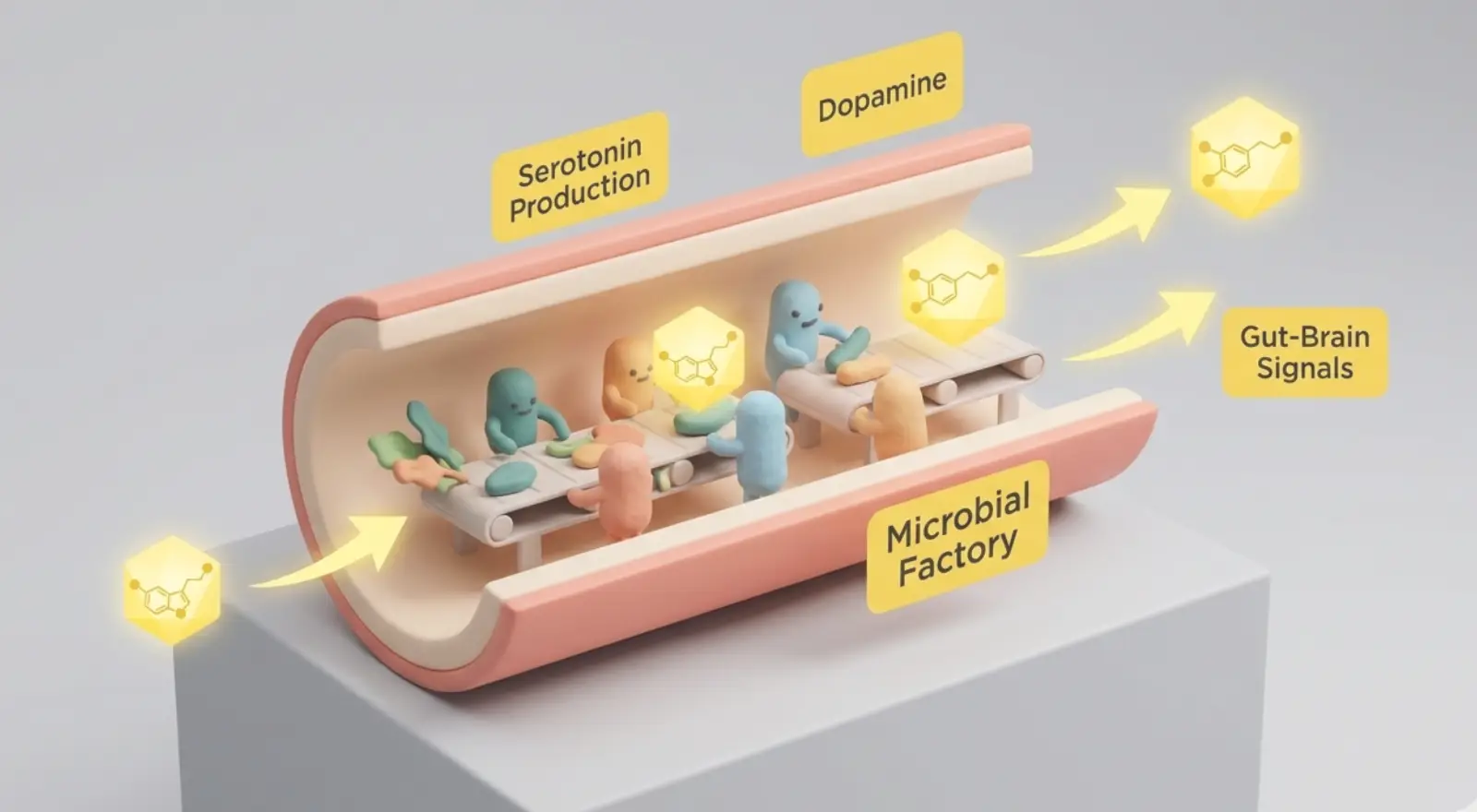
Humans host vastly more bacterial genes than human genes. Michael Pollan notes we are "super organisms," relying on bacteria to supply essential chemicals like glutamate, GABA, and serotonin. These bacterial products directly shape brain function, calm moods, reduce anxiety, and influence energy and sociability.
The vagus nerve plays a central role: about 80% of its signals travel from the body—including our microbial world—up to the brain. This means microbes send a constant stream of information influencing our brains, moods, and consciousness.
Microbiome Preceded Humans and Maintains Independent Interests Not Always Aligned With Human Health
Microbes existed long before humans, evolving strategies to ensure their survival. Pollan and Justin Sonnenberg argue that microbes manipulate human behavior to advance their own interests. They may influence our inclination for social contact—behaviors like handshakes and kisses—helping them travel and proliferate.
This microbial agenda can even shape humanity's ambitious goals. In space travel contexts, bacteria may resist ultra-processed, sterile foods designed for Mars missions, potentially leading to health problems. A conflict can arise: microbial well-being may not always align with human aspirations or happiness.
Humans and Microbiota: A Mutual Manipulation, Not Parasitism or Dominance
The relationship between humans and their microbiota is mutual manipulation, not parasitism or dominance. While microbes shape our moods and behaviors, humans also curate their internal microbial communities through intentional choices. Pollan highlights that consuming polyphenol-rich foods—like coffee and tea—nourishes beneficial bacteria.
This two-way interaction forms a complex super-organism where integrating human and bacterial interests benefits both parties. As Pollan concludes, it's "creepy" yet "beautiful" that we are used by life and also take part in using life.
Regenerative Food Systems and Agriculture
Industrial Agriculture: Corn & Soy Monocultures Harm Health & Soil, Boost Pesticides
Michael Pollan emphasizes that American agriculture remains dominated by corn and soy production, the foundational ingredients of ultra-processed foods responsible for widespread health issues. Subsidized corn leads to proliferation of high-fructose corn syrup, fueling the diabetes epidemic. The government supports both disease creation—by subsidizing commodities leading to unhealthy foods—and disease treatment, creating a cycle that's both "insane" and costly.
Despite rhetoric about supporting regenerative agriculture, significant policy decisions routinely cut funding for farm-to-school programs and regenerative initiatives, reinforcing the unhealthy status quo.
Regenerative Grass-Based Farming: A Sunlight-Powered, Nutritious Alternative to Fossil Fuels
Pollan advocates for regenerative agriculture, describing it as a "sunlight-based food chain" contrasting with the fossil-fuel-intensive conventional beef production system. Industrially produced beef depends on fossil fuels to grow corn for animal feed, making animals sick and requiring pharmaceutical intervention. Regenerative farming relies on animals grazing grass, with sunlight as the primary energy input, making systems more ecologically resilient and nutritionally beneficial.
Joel Salatin's polyculture grazing exemplifies this approach, demonstrating a working model where rotationally grazing animals improve soil and produce healthier food. Pollan shares an anecdote about surging consumer demand for grass-fed beef, illustrating growing interest in regeneratively-raised food, with consumers willing to travel and pay premiums.
Sustainable Food Systems Need Consumer and Policy Shifts to Make Healthy Food Cheaper Than Unhealthy Food
Pollan stresses that consumers alone have limited agency, as industrial food remains cheap due to subsidies while regenerative food is expensive. Policy is a crucial lever; as long as bad food is subsidized, dietary change will be limited. Making healthy food cheaper requires shifting subsidies toward sustainable agriculture.
Achieving such change needs bipartisan cooperation. Pollan points to recent cross-partisan collaborations, such as "maha moms" working alongside activists in Congress who stripped provisions from federal legislation that would have granted pesticide manufacturers immunity from lawsuits. These successes show the potential for unlikely alliances emphasizing shared goals around food quality.
America's Lack of Deep Indigenous Food Traditions Made It Vulnerable to Corporate Food Marketing
Pollan observes that America lacks a deep native food tradition; in his words, "fast food is really our food." Immigrant foodways have often been eroded, leaving Americans more exposed to corporate marketing and ultra-processed foods.
In other cultures, strong food traditions—like the Mediterranean diet—act as bulwarks against unhealthy corporate influences. Pollan suggests Americans could shift dietary patterns by borrowing established alternatives known to improve health. However, changing eating habits requires more than individual effort: educational initiatives, appealing cultural messaging, and policy change are all needed. Pollan concludes that a holistic approach, integrating grassroots movements, cross-partisan policy action, cultural adaptation, and economic reform, is essential for transforming American food systems toward health and sustainability.
1-Page Summary
Additional Materials
Clarifications
- Thomas Nagel's essay argues that subjective experience is central to consciousness and cannot be fully understood from an objective, third-person perspective. He uses the example of a bat, whose sensory world (echolocation) is radically different from humans', to illustrate that we cannot know what it truly feels like to be that creature. This highlights the "subjective character" of experience as a key aspect of consciousness. Nagel's work challenges reductionist views that try to explain consciousness solely through physical processes.
- Sentience is the basic capacity to perceive or feel stimuli, enabling simple awareness of the environment. Consciousness builds on sentience by adding self-awareness, reflective thought, and complex emotions. Sentience can exist without higher cognitive functions, while consciousness involves an internal narrative and understanding of one's own mental states. Different species exhibit varying levels of sentience and consciousness depending on their neurological complexity.
- The "filter theory" suggests the brain does not create consciousness but filters or selects it from a broader, external field. This idea contrasts with mainstream views that consciousness arises solely from brain activity. It implies consciousness exists independently and the brain acts like a receiver or tuner. The theory aims to explain phenomena that brain-based models struggle with, such as near-death experiences or psychic phenomena.
- Panpsychism is a philosophical view that consciousness is a fundamental and ubiquitous feature of the universe. It suggests that all matter, from particles to complex organisms, possesses some form of basic experience or awareness. This contrasts with views that consciousness emerges only in complex brains. Panpsychism aims to address the "hard problem" of consciousness by positing it as inherent rather than produced.
- The brainstem controls basic life functions and generates core feelings tied to bodily states, forming the foundation of consciousness. The cortex, especially the cerebral cortex, supports higher-order processes like reasoning, language, and self-reflection. Evidence from animals and humans without a cortex shows consciousness can persist, indicating feelings arise independently of cortical thought. This challenges the traditional view that consciousness depends mainly on cortical activity.
- The vagus nerve is a major nerve connecting the brain to many internal organs, including the heart, lungs, and digestive tract. It transmits sensory information about the body's internal state to the brain, influencing emotions and mood. This nerve helps regulate vital functions like heart rate, digestion, and immune responses. Its role in consciousness involves integrating bodily signals that shape feelings and awareness.
- Decorticated animals have had their cerebral cortex—the brain's outer layer responsible for higher cognitive functions—surgically removed or damaged. Despite lacking this region, these animals can still exhibit basic behaviors and emotional responses. This suggests that consciousness, especially fundamental feelings, may arise from deeper brain structures like the brainstem. It challenges the idea that the cortex alone generates conscious experience.
- Xenobots are tiny, programmable living robots created from frog skin cells. They can move, work together, and adapt their behavior without a nervous system. Their ability to navigate mazes and perform tasks suggests memory and planning can emerge from cellular interactions alone. This challenges the idea that neurons are required for such cognitive functions.
- Plants produce chemical compounds like THC and caffeine as evolutionary tools to affect animal behavior, ensuring their survival and reproduction. THC binds to receptors in the human brain, altering mood and perception, which encourages humans to cultivate and spread cannabis plants. Caffeine acts as a natural pesticide for plants but stimulates the human nervous system, creating dependence that promotes repeated cultivation and consumption. These biochemical interactions represent plants' adaptive strategies to manipulate animals, including humans, for their ecological benefit.
- Plants detect environmental cues through specialized cells and molecular mechanisms that function like sensory receptors. These "senses" include detecting gravity (gravitropism) to orient growth and sensing pH to regulate nutrient uptake and stress responses. Unlike animals, plants use chemical and electrical signals to process information and respond adaptively. This sensory complexity enables plants to navigate their environment despite lacking a nervous system.
- Ego dissolution refers to a temporary loss of the usual sense of self or personal identity. Psychedelics disrupt brain networks that maintain the ego, allowing a feeling of unity with the environment or universe. Meditation can similarly reduce ego boundaries by training attention and awareness to transcend self-focused thoughts. Both processes can foster feelings of connection, reduce self-centeredness, and promote psychological flexibility.
- Gut bacteria produce neurochemicals that act as messengers influencing brain activity and mood. Glutamate excites nerve cells, enhancing brain signaling, while GABA inhibits nerve activity, promoting calmness. Serotonin regulates mood, appetite, and sleep, with much of it produced in the gut. These chemicals affect the brain via the vagus nerve and bloodstream, shaping emotions and behavior.
- The vagus nerve is a major communication highway connecting the gut and brain, carrying sensory information about the body's internal state. It transmits signals from gut microbes that produce neuroactive compounds influencing mood and stress responses. These microbial signals can modulate brain chemistry, affecting emotions and cognitive functions linked to consciousness. Thus, the vagus nerve helps integrate bodily and microbial inputs into our conscious experience.
- Humans and their microbiota engage in a dynamic interaction where both influence each other's behavior and well-being. Microbes can affect human mood, digestion, and immune responses, while humans shape microbial communities through diet, hygiene, and lifestyle. This reciprocal influence means neither side fully controls the other, creating a balanced coexistence. Understanding this relationship helps explain how health depends on maintaining microbial diversity and harmony.
- Government subsidies lower the cost of producing certain crops like corn and soy, making them cheaper than other foods. This encourages farmers to grow these subsidized crops extensively, leading to monocultures and overproduction. Cheap corn and soy are then used in many processed foods, keeping unhealthy food prices low. As a result, healthier, sustainably produced foods remain more expensive and less accessible to most consumers.
- Regenerative grass-based farming restores soil health by mimicking natural ecosystems, enhancing carbon sequestration and water retention. Polyculture grazing involves rotating diverse animal species across pastures to prevent overgrazing and promote biodiversity. This method improves pasture resilience, reduces the need for chemical inputs, and supports healthier livestock. Together, they create sustainable, productive systems that benefit the environment and food quality.
- Bipartisan cooperation means members of different political parties work together to pass laws. Food system reform often requires changing subsidies and regulations, which can be politically contentious. When both parties agree, reforms are more likely to be enacted and sustained. This cooperation helps overcome ideological divides that otherwise stall progress.
- Before European colonization, many Indigenous peoples in America had diverse, regionally adapted food systems based on local plants, animals, and seasonal cycles. Colonization disrupted these traditions through displacement, forced assimilation, and loss of land, eroding native food knowledge and practices. This disruption left a cultural void that made it easier for industrialized, processed foods to dominate American diets. Without strong, continuous food traditions, Americans have been more vulnerable to corporate marketing of unhealthy foods.
- Humans host trillions of microbes whose genes outnumber human genes by about 100 to 1. These microbes perform essential functions like digesting food, producing vitamins, and regulating immunity. Together, human and microbial cells form an integrated biological system called a "superorganism." This concept highlights that human health and behavior depend on the combined genetic and metabolic activity of both human and microbial partners.
- The FDA fast-tracking a drug means it speeds up the review process to make promising treatments available sooner. This status is granted when a drug shows potential to address serious conditions with unmet medical needs. MDMA and psilocybin are being studied for mental health disorders like PTSD and depression. Fast-tracking involves more frequent communication between the FDA and developers to resolve issues quickly.
Counterarguments
- Some philosophers and neuroscientists argue that consciousness can be defined operationally or functionally, even if subjective experience remains elusive.
- Critics of Nagel's framework contend that "what it is like" is not a sufficient or necessary criterion for consciousness, as it is difficult to empirically verify.
- Some cognitive scientists argue that elements of self-awareness and mental time travel are present in non-human animals, challenging the uniqueness of human consciousness.
- The claim that sentience is widespread among plants and bacteria is disputed by many biologists, who argue that behavioral responses do not necessarily indicate subjective experience.
- Some researchers maintain that metacognition and future-based imagination have been observed in certain animal species, not just humans.
- The assertion that each species develops its own form of sentience is criticized for lacking empirical evidence and for anthropomorphizing non-human organisms.
- Some neuroscientists argue that meta-knowledge and deep inquiry into "why" are not exclusive to humans and may be present in other intelligent animals.
- While there is no consensus on the origin of consciousness, some neuroscientists believe that accumulating evidence still supports brain-based theories.
- The significance of experiments showing unchanged behavior after neural sequence rearrangement is debated, with some arguing these do not undermine brain-based models of consciousness.
- The filter theory and panpsychism are considered speculative by many scientists and lack empirical support.
- Critics argue that there is no robust evidence for consciousness existing outside the brain or for panpsychism.
- Theories linking quantum physics to consciousness are widely regarded as unsubstantiated within the scientific community.
- The claim that consciousness originates in the brainstem is contested; many neuroscientists maintain that cortical processes are essential for higher-order consciousness.
- Some researchers argue that behavioral and emotional responses in decorticated animals or children do not necessarily indicate conscious experience.
- The idea that feelings are fundamentally conscious is debated, as some neuroscientists argue that feelings can occur without conscious awareness.
- Some psychologists and philosophers argue that the self is not merely a construct but may have a biological or evolutionary basis.
- Critics of plant intelligence argue that plant behaviors can be explained by complex biochemical signaling and do not require positing sentience or intelligence.
- The analogy between plant anesthesia and animal consciousness is disputed, as loss of movement in plants under anesthesia does not necessarily indicate loss of awareness.
- Many biologists reject the idea that plants possess agency or "wants," viewing such language as anthropomorphic.
- The claim that xenobots exhibit memory and planning is controversial; some scientists argue their behaviors are emergent properties of physical systems, not evidence of cognition.
- Some researchers argue that the influence of psychoactive plants on human behavior is better explained by co-evolution and selective pressures rather than intentional manipulation by plants.
- The concept of mutual manipulation between humans and plants is criticized as anthropomorphic and lacking scientific rigor.
- The assertion that humans outsource neurochemical production to bacteria is challenged by those who argue that human bodies regulate and control these processes, with bacteria playing a supporting role.
- Some scientists argue that the influence of the microbiome on consciousness and behavior is significant but not as determinative as suggested.
- The idea that microbes manipulate human social behavior is considered speculative by many microbiologists.
- Critics argue that the relationship between humans and their microbiota is more accurately described as mutualism or symbiosis, not manipulation.
- Some agricultural economists argue that monocultures are economically efficient and necessary to feed large populations, despite their drawbacks.
- The link between corn subsidies and the diabetes epidemic is debated, with some researchers pointing to multiple contributing factors.
- Critics of regenerative agriculture argue that it may not be scalable or economically viable for feeding the global population.
- Some nutritionists and policy analysts argue that consumer choice and education can play a larger role in dietary change than suggested.
- The claim that America lacks deep indigenous food traditions is contested by scholars who point to rich Native American foodways and regional culinary histories.
- Some argue that adopting foreign food traditions may not be culturally appropriate or effective for all Americans.
Get access to the context and additional materials
Consciousness: Defining and Understanding Its Nature
Consciousness Remains Mysterious Despite Our Familiarity With It
Andrew Huberman, a neuroscientist, admits that the topic of consciousness was long considered taboo in his field because it is so hard to define. He asks Michael Pollan if consciousness can be described in a sentence, noting its definition seems elusive—perhaps because everything else is filtered through it. Pollan concurs, stating that the only thing we can be fully certain of is our own consciousness: we know ourselves to be conscious, and everything else is inferred through that experience. Thus, defining consciousness is inherently difficult.
Pollan references philosopher Thomas Nagel’s influential framework, which defines consciousness as requiring subjective experience. Nagel famously asked, “What is it like to be a bat?” and argued that if it feels like something to be a creature, then that creature is conscious. Pollan extends this, noting that while humans have a complex, self-reflective consciousness, the essential core is subjective experience. Human consciousness stands out for incorporating awareness, self-awareness, emotional life, and an ability to reflect and imagine the future. For example, Pollan notes how humans can “time travel” mentally, imagining futures and reflecting on the past—abilities rare or absent in more basic consciousness.
Sentience vs. Consciousness: How Organisms Engage With Environments
Pollan draws a distinction between sentience and consciousness. Sentience is a foundational awareness—an organism’s capacity to register and respond to environmental changes such as good or bad conditions. He suggests this is widespread, perhaps even universal among living creatures, including plants and single-celled organisms. For example, plants can sense and react to light, and bacteria can detect chemical gradients and differentiate between morning and evening.
Yet, true consciousness as seen in humans layers metacognition, emotion, and future-based imagination onto this basic sentience. Huberman highlights the crucial distinction: while many organisms respond to the environment, human consciousness includes knowing that we know, reflecting upon our own responses, and deeply considering “why.” Pollan agrees and stresses that every species develops its own variety of sentience, driven by its particular body and sensory apparatus—underscoring the error of using the human model as the default standard for all conscious experience.
Pollan observes that many animals’ abilities—such as pit vipers’ detection of infrared radiation or honeybees’ perception of UV—serve to remind us that all conscious experience is filtered through the limitations and capacities of each species’ unique senses.
Competing Theories Propose Different Origins For Consciousness
Pollan and Huberman agree that after extensive study, there is still no consensus on the origin of consciousness. The traditional theory that consciousness is an emergent property arising from brain complexity faces substantial challenges and lacks definitive scientific support. Huberman points out perplexing findings from neuroscience research, such as experiments where rearranging the sequence of neural activity did not alter resulting behaviors. Such results complicate our understanding of how the brain generates experience and challenge the view that complex neural patterns alone suffice.
Pollan describes alternative theories. One proposal is that brains act as receivers, passively detecting an external field of consciousness, much like a TV set tunes into signals rather than generating content itself. This “filter theory” or “receiver theory” implies that consciousness exists outside individuals, and brains limit, or “filter,” the vastness of this external field into the manageable experience needed for survival. Historical figures such as philosopher Henri Bergson and writer Aldous Huxley advocated for this idea.
Panpsychism extends further, suggesting that consciousness is intrinsic to all matter; even particles may bear primitive elements of consciousness, which organize into the complex consciousness of living beings. Another related notion is that consciousness constitutes a field or collective phenomenon in which all living things participate. The neuroscientist Christoph Koch, formerly a leading materialist, now believes—following a powerful psychedelic experience—that consciousness exists outside the brain and is accessed or tuned into by living beings.
Some thinkers posit that quantum physics, with phenomena like entanglement and non-locality, may hold clues about consciousness. However, Pollan admits the evidence connecting quantum effects and brain function remains inconclusive, partly because the brain’s warm, wet environment seems inhospitable for known quantum effects, though future research may yield surprising connections.
Neuroscience: Consciousness Stems From Bodily Feelings, Not Cortical Thought
A line of research initiated by Antonio Damasio and continued by Mark Solms challenges the view that consciousness arises primarily from cortical (thinking) processes. Instead, it proposes that consciousness originates in the brainstem, rooted in feelings and internal bodily states. The brain’s original, primary function is sustaining life via constant bodily communication—monitoring hunger, temperature, and discomfort. These homeostatic feelings, relayed to the brain mostly by the vagus nerve, are not mediated by thought; rather, feel ...
Here’s what you’ll find in our full summary
Consciousness: Defining and Understanding Its Nature
Additional Materials
Clarifications
- Subjective experience refers to the personal, first-person perspective of what it feels like to be an individual. It highlights that consciousness involves more than observable behavior—it includes inner sensations and feelings unique to the experiencer. Philosophically, this raises the "hard problem" of explaining how physical processes in the brain produce these private experiences. It challenges purely objective science to account for the qualitative nature of awareness.
- Thomas Nagel’s question highlights the subjective nature of consciousness, emphasizing that an organism’s experience is inherently tied to its unique sensory and cognitive perspective. It challenges reductionist views by arguing that objective science cannot fully capture what it feels like to be another creature. This idea underscores the limits of understanding consciousness solely through external observation or physical processes. Nagel’s work has deeply influenced debates on the mind-body problem and the study of subjective experience.
- Sentience refers to the basic capacity to feel sensations and respond to stimuli without necessarily having awareness of those experiences. Consciousness includes sentience but adds self-awareness, the ability to reflect on one’s own thoughts and feelings. Sentience can be seen in simple organisms reacting to their environment, while consciousness involves higher cognitive functions like planning and imagination. This distinction helps clarify why some beings may feel but not think about their feelings.
- Metacognition is the ability to think about and monitor your own thinking processes. It involves self-awareness of your knowledge, beliefs, and cognitive strategies. This "knowing that we know" allows us to evaluate and regulate how we learn or solve problems. It is a higher-level cognitive function unique to advanced consciousness.
- The notion of consciousness as an emergent property means that consciousness arises naturally when the brain reaches a certain level of complexity. It suggests that individual neurons alone are not conscious, but their combined interactions produce conscious experience. This idea is similar to how individual water molecules are not wet, but together they create the property of wetness. Emergence implies that consciousness cannot be fully explained by looking at parts in isolation but only by studying the whole system.
- Some neuroscience experiments manipulate the timing or order of neural firing patterns to test how brain activity relates to behavior. Surprisingly, altering these sequences sometimes does not change the resulting behavior, suggesting that precise neural timing may not fully determine conscious experience. This challenges the idea that consciousness arises solely from specific complex neural patterns. It implies that other factors beyond neural sequence order contribute to generating conscious awareness.
- The "filter theory" suggests the brain does not create consciousness but limits or shapes a broader, universal consciousness into individual experience. It likens the brain to a radio receiver tuning into a pre-existing signal rather than generating it. This theory challenges materialist views by proposing consciousness exists independently of the brain. It implies consciousness could persist beyond physical death or brain function.
- Henri Bergson was a French philosopher who emphasized intuition and experience over scientific analysis, proposing that consciousness flows continuously and cannot be fully captured by objective methods. Aldous Huxley was a writer and thinker who explored altered states of consciousness, especially through psychedelics, suggesting these states reveal deeper layers of mind beyond ordinary awareness. Both contributed to the idea that consciousness might extend beyond the brain, supporting theories like the “filter” or “receiver” model. Their work challenges purely materialistic views by highlighting subjective and expansive aspects of conscious experience.
- Panpsychism is a philosophical view that consciousness is a fundamental and ubiquitous feature of the universe, present even in the smallest particles. It suggests that all matter, from atoms to complex organisms, possesses some form of experience or awareness, however basic. This idea challenges the traditional view that consciousness emerges only in complex brains. Panpsychism aims to bridge the gap between physical matter and subjective experience by positing consciousness as a basic property of reality.
- Christoph Koch is a prominent neuroscientist known for studying the neural basis of consciousness. Initially, he supported materialism, the view that consciousness arises solely from brain activity. After a profound psychedelic experience, he reconsidered this stance, suggesting consciousness might be a fundamental aspect of reality, not confined to the brain. This shift aligns with ideas that consciousness could be a universal field accessed by brains rather than produced by them.
- Quantum entanglement occurs when particles become linked so that the state of one instantly influences the state of another, regardless of distance. Non-locality means this connection defies classical ideas of space and time, suggesting instantaneous effects. Some theorists speculate these phenomena might explain how consciousness transcends physical brain processes. However, no conclusive evidence currently supports a direct link between quantum effects and consciousness.
- The brainstem controls basic life functions and processes internal bodily signals that create fundamental feelings, forming a primary level of consciousness. The cortex, especially the outer layers, supports higher-order thinking, self-awareness, and complex reflection. Evidence shows consciousness can persist without a cortex, indicating feelings from the brainstem are inherently conscious. Thus, consciousness likely arises first from bodily states managed by the brainstem, with the cortex adding advanced cognitive layers.
- The vagus nerve is a major nerve connecting the brain to many internal organs, including the heart, lungs, and digestive tract. It transmits sensory information about the body's physiological state to the brain, such as heart rate and gut activ ...
Counterarguments
- The assertion that consciousness is uniquely difficult to define may be overstated; other scientific concepts (e.g., life, intelligence) also lack universally accepted definitions but are still studied productively.
- The claim that only one’s own consciousness can be known with certainty is a philosophical stance (solipsism) that is not universally accepted; many philosophers and scientists argue for the validity of inferring consciousness in others based on behavior and neural correlates.
- The distinction between sentience and consciousness is not universally agreed upon; some researchers use these terms interchangeably or define them differently.
- The idea that sentience is “possibly universal” among living things, including plants and single-celled organisms, is controversial and not widely supported by empirical evidence in mainstream biology or neuroscience.
- The “filter theory” and panpsychism are minority positions in the scientific community; the majority of neuroscientists and philosophers still favor materialist or emergentist explanations for consciousness.
- The claim that animals without a cortex or children born without a cortex are conscious is debated; some argue that behavioral responses do not necessarily indicate subjective experience.
- The suggestion that quantum physics is relevant to consciousness is highly speculative and lacks empirical support; most neuroscientists do not consider quantum effects necessary to ex ...
Get access to the context and additional materials
Plant Intelligence, Sentience, and Human-Plant Symbiosis
Plants Show Problem-Solving Skills and Behaviors Indicating Sentience Beyond Human Consciousness
Michael Pollan describes several astonishing demonstrations of plant intelligence. He recounts how a corn plant can navigate a maze to access nutrients, such as ammonium nitrate, by finding the fastest path through unfamiliar challenges, suggesting a type of problem-solving and intelligence not dictated solely by genetics. This ability is not one plants would typically face in the wild but illustrates their capacity for novel problem-solving.
Further, Pollan references the work of biologist Michael Levin, who has shown that evolution produces cognitive beings—like his lab-made xenobots—that solve novel problems using bioelectric fields, indicating that memory and planning can arise outside of genetics and neurons. Levin’s xenobots, constructed from frog skin cells, exhibit learned behaviors, maze navigation, and conditioning without genetic instructions for such tasks.
Plants also demonstrate defense mechanisms indicating more than mere reflex. For example, if they detect the sound vibrations of caterpillars chewing leaves, they dispatch toxins or foul-tasting chemicals to the specific leaf under attack, a targeted response beyond simple preprogrammed reaction.
Pollan points out that plants possess around twenty senses—far surpassing the human set—including sensitivity to gravity, pH, and nutrient gradients. These abilities allow plants to optimize growth and resource uptake with remarkable precision.
He also highlights research showing that Venus flytraps lose their rapid-response trapping ability under anesthetic gas, such as xenon, in ways parallel to how animals lose consciousness under anesthesia. Although Pollan avoids calling this “consciousness” in plants, he suggests anesthesia causes a genuine loss of sentience, hinting that processes underlying human awareness might operate in plants at a fundamental level.
Plants Develop Biochemical Methods to Influence Human Behavior For Reproduction and Distribution
Plants have evolved strategies cleverly designed to manipulate human behavior to their own reproductive advantage. Pollan explains that psychoactive plants, such as cannabis, originated in Western China but now thrive globally because producing THC induced humans to carry and propagate it, creating a symbiotic relationship.
Pollan generalizes this idea: plants have “mastered our desires as their evolutionary strategy,” exploiting the human craving for altered states of consciousness. Coffee and tea plants, for example, evolved caffeine for defense against pests. While caffeine can be lethal to some insects, in humans it tweaks the mind, providing addiction and withdrawal cycles that encourage ongoing cultivation. Since lethal toxins prompt rapid resistance, these more nuanced chemical strategies—such as slightly interfering with or enhancing mental function—turned out to be more effective for plant success.
He also references catnip’s effect on cats, describing it as so powerful that the cat forgets where the source is, exemplifying plant ingenuity. Many psychoactive plant chemicals diminish appetite or change behavior in ways beneficial for plant survival.
Corn, too, became globally dominant by evolving traits desirable to humans, ensuring its mass cultivation and worldwide spread. Both cannabis and corn, through their influences on human culture, demonstrate plant agency: these organisms shape agricultural priorities, global expansion, and even human consciousness by providing something humans deeply desire.
Pollan argues this makes plants—through their “genius at biochemistry”—not passive parts of nature but intelligent players that actively shape human culture, health, and consciousness.
Plants and Humans: Mutual Manipulation Over Domination
Michael Pollan, drawing on Wendell Berry and experiences in his own life, suggests the relationship between humans and plants—and nature at large—should be more like a marriage than a relationship of domination. He contrasts th ...
Here’s what you’ll find in our full summary
Plant Intelligence, Sentience, and Human-Plant Symbiosis
Additional Materials
Clarifications
- Plants navigating mazes refers to experiments where plants grow roots or shoots through complex paths to reach resources like nutrients or water. This behavior shows plants can adapt growth patterns based on environmental cues, not just genetic programming. It suggests plants process information and make "decisions" to optimize survival, indicating a form of intelligence. Unlike animals, this intelligence is slow and chemical-based rather than neural.
- Michael Levin’s xenobots are tiny, programmable living robots made from frog cells that can move and perform tasks. They demonstrate that biological systems can exhibit problem-solving and adaptive behaviors without a brain or nervous system. This challenges traditional views by showing cognition-like processes can emerge from cellular interactions and bioelectric signals. Their study suggests intelligence might arise from fundamental biological properties beyond neurons and genetics.
- Bioelectric fields are patterns of electrical charges generated by cells that influence how cells communicate and organize. In organisms without neurons, these fields guide growth, healing, and behavior by transmitting information across tissues. They enable cells to store and process information, effectively creating a form of memory and decision-making. This allows such organisms to solve problems and adapt without a nervous system.
- Plants detect environmental cues through specialized receptors that sense light, temperature, humidity, chemical signals, and mechanical stimuli. These senses include photoreception (light detection), gravitropism (gravity sensing), and chemoreception (detecting nutrients or toxins). Plants use electrical and chemical signaling to process information and coordinate responses, similar to nervous systems in animals but without neurons. This complex sensory network enables plants to adapt growth, defend against threats, and optimize resource use.
- Plants detect caterpillar chewing through specialized mechanoreceptors that sense vibrations and damage patterns on leaves. These signals trigger a cascade of chemical responses, activating genes that produce toxins or repellents localized to the affected area. This targeted response conserves energy by focusing defenses only where needed. Additionally, plants can communicate distress signals to neighboring tissues or plants, enhancing collective protection.
- Anesthesia typically disrupts neural activity, causing loss of consciousness in animals. Venus flytraps, though lacking neurons, also lose their rapid leaf-closing response under anesthesia. This suggests their signaling mechanisms share fundamental features with animal nervous systems. It implies that some form of plant "awareness" or sentience might be chemically suppressed like animal consciousness.
- Plants produce chemical compounds that interact with human brain receptors, altering mood, perception, or behavior. These substances often evolved to deter herbivores or pests but coincidentally affect human nervous systems. By inducing pleasurable or addictive effects, plants encourage humans to cultivate and spread them. This biochemical manipulation enhances the plants' reproductive success through human activity.
- Cannabis originated in Central Asia, where early humans began cultivating it for fiber, food, and medicinal uses. The plant produces THC, a psychoactive compound that affects the human brain, encouraging repeated use and cultivation. Over time, humans spread cannabis globally through trade and migration, selecting strains with higher THC for stronger effects. This mutual relationship enhanced cannabis’s reproduction and distribution beyond its native range.
- Caffeine evolved in plants primarily to deter herbivorous insects by acting as a natural pesticide, disrupting their nervous systems. In humans, caffeine blocks adenosine receptors in the brain, reducing feelings of tiredness and increasing alertness. This stimulant effect can lead to dependence, encouraging repeated consumption and cultivation of caffeine-producing plants. Thus, caffeine's dual role benefits plants by protecting them and promoting their spread through human use.
- Plant agency refers to the idea that plants are not passive objects but active participants influencing their environment and other species, including humans. Through biochemical signals and traits, plants can affect human behavior, such as inducing cravings or altering moods, which encourages humans to cultivate and spread them. This mutual influence means plants have shaped human culture by guiding agricultural practices, dietary habits, and even social rituals. Thus, plants contribute to human consciousness by interacting with our neurochemistry and cultural evolution.
- Plants can detect chemical signals released by the roots of nearby plants to assess genetic relatedness. When g ...
Counterarguments
- The interpretation of plant behaviors as evidence of "intelligence" or "sentience" is controversial; many scientists argue these behaviors can be explained by complex biochemical and physiological processes without invoking cognition or awareness.
- The analogy between plant responses to anesthetics and animal consciousness is debated; loss of movement or responsiveness in plants under anesthesia does not necessarily imply subjective experience or sentience.
- The concept of "plant agency" may anthropomorphize plants, attributing intentionality or desires where only evolutionary adaptation and natural selection are at work.
- The idea that plants "manipulate" humans for their own benefit frames co-evolutionary relationships in a way that may overstate plant influence and understate the role of human agency and cultural factors in plant domestication and spread.
- Claims about plants having "twenty senses" are not universally accepted; while plants can detect many environmental cues, equating these with human senses may be misleading.
- The assertion that gardening requires negotiation with plants may be seen as metaphorical rather than literal, as plants do not possess consciousness or intentionality t ...
Get access to the context and additional materials
Psychedelics, Ego Dissolution, and Therapeutic Potential
Psychedelics Induce Ego Dissolution—Revealing the Constructed Nature of Identity
Michael Pollan describes how high doses of psilocybin can dissolve the sense of self so completely that individuals may merge with music, color, or even a sense of universal consciousness, while maintaining clear awareness. In his own experience, Pollan recounts becoming a piece of music—the Bach Cello Suite—where there was no longer a distinction between subject and object. He was not merely listening to the music; he was the music, experiencing a profound beauty beyond normal perception. Despite this ego dissolution, awareness persists, distinguishing the experience from unconsciousness.
Pollan emphasizes that when the ego is set aside, all dividing walls fall away. The ego, he notes, is a defensive structure that separates “me” from “them” or “us” from “others.” With the ego temporarily absent, people often report merging with something much larger—divinity, the universe, love, or even other people—enabling a deep connection and sense of unity. At the core of this state is an objective equanimity, a completely impersonal vantage point from which to observe thoughts, emotions, and reality itself.
Psychedelics Alter Ego Relationship Without Eliminating the Self
Andrew Huberman clarifies that although the experience of ego dissolution is tangible and profound during the psychedelic journey, it does not permanently eliminate the ego. Rather, individuals return to their baseline consciousness, but often gain valuable insights into the workings of their own ego patterns and defense mechanisms. Pollan shares that after such experiences, he is better able to recognize when his ego is acting in self-interested, critical, or defensive ways, understanding that this is only one “voice” among many within himself.
This newfound perspective allows for conscious observation of the ego’s demands and narratives—without the need to always identify with them. The experience often reduces self-interest and helps people notice their own fears, inclinations towards criticism, and defensiveness. Psychedelic journeys offer a kind of portal—one that can be revisited through conscious reflection—for accessing this perspective in everyday life.
Multiple Pathways to Similar Ego Dissolution and Pro-social Effects Without Psychedelics
Pollan notes that profound ego dissolution is not exclusive to psychedelics. Meditation, though it requires more time and effort, can also yield ego transcendence. He describes research by Dacher Keltner on experiences of awe, showing that awe can reliably shrink one’s sense of self. In one experiment, after experiencing awe—such as river rafting—people would draw themselves much smaller in self-portraits. This ego reduction, whether through psychedelics, meditation, or awe, is associated with greater pro-social behavior, reduced self-centeredness, and a dramatically increased capacity for connection with others.
Psychedelics Offer Hope fo ...
Here’s what you’ll find in our full summary
Psychedelics, Ego Dissolution, and Therapeutic Potential
Additional Materials
Clarifications
- In psychology, the "ego" refers to the part of the mind that mediates between the conscious self and external reality, shaping identity and self-awareness. Ego dissolution describes a temporary loss or weakening of this self-boundary, leading to a feeling of unity with surroundings or others. This state can reduce self-centered thoughts and defenses, allowing a broader perspective on one’s identity. It is often described in spiritual or altered states of consciousness, not as a permanent loss of self.
- Psilocybin and other psychedelics primarily act on serotonin 2A receptors in the brain, especially in the cortex. This action disrupts the default mode network (DMN), a brain network linked to self-referential thinking and the sense of ego. Reduced DMN activity leads to decreased boundaries between self and environment, causing ego dissolution. Additionally, psychedelics increase global brain connectivity, allowing novel communication between brain regions.
- Merging with music, color, or universal consciousness during psychedelic experiences reflects a breakdown of normal boundaries between self and environment. This phenomenon is linked to altered brain connectivity, where sensory and self-processing regions interact differently. It can lead to feelings of unity and profound emotional insight, often described as spiritual or mystical. Such experiences may help reframe personal identity and foster psychological healing.
- Ego dissolution is a state where the usual sense of a separate self fades, but awareness and perception remain intact. Unconsciousness means a loss of awareness and responsiveness to the environment. During ego dissolution, a person still experiences thoughts, sensations, and emotions clearly. This distinction allows for profound experiences without losing conscious control or memory.
- The ego acts as a psychological boundary that helps maintain a stable sense of personal identity. It filters experiences to protect the self from emotional harm and uncertainty. By distinguishing "me" from "others," the ego creates a sense of separateness necessary for social functioning. This separation can also lead to defensiveness and conflict when the ego feels threatened.
- "Objective equanimity" refers to a calm, balanced mental state where one observes thoughts and feelings without emotional bias or judgment. An "impersonal vantage point" means seeing experiences from a detached perspective, as if watching from outside oneself. During ego dissolution, this allows individuals to witness their mind and emotions without identifying with them personally. This shift helps reduce emotional reactivity and promotes clarity and insight.
- Psychedelics temporarily disrupt normal brain activity, reducing the influence of the ego's usual control and allowing unconscious thoughts and emotions to surface. This altered state creates a space where individuals can observe their habitual mental patterns and defenses from a detached perspective. The experience often reveals how the ego protects itself through criticism, fear, or self-interest. Reflecting on these insights after the experience helps integrate new understanding into everyday awareness.
- Ego inflation refers to an exaggerated sense of self-importance or grandiosity, often leading to arrogance or narcissism. It contrasts with ego dissolution, where the sense of self temporarily diminishes or disappears, fostering humility and connection. Ego inflation can result in defensive or aggressive behaviors, while ego dissolution promotes openness and empathy. In psychedelic contexts, managing ego inflation is important to avoid negative psychological effects.
- Trauma involves psychological harm from distressing events, often causing anxiety and flashbacks. Depression is a mood disorder marked by persistent sadness and loss of interest. End-of-life distress includes anxiety and existential suffering in terminal illness. Psychedelics may help by disrupting negative thought patterns and promoting emotional openness, enabling therapeutic breakthroughs.
- MAPS (Multidisciplinary Association for Psychedelic Studies) is a nonprofit organization that conducts research and advocates for the medical and legal use of psychedelics, especially MDMA-assisted therapy for PTSD. Compass Pathways is a mental health care company focused on developing and commercializing psilocybin therapy for treatment-resistant depression. Both organizations run clinical trials to gather scientific evidence supporting the safety and efficacy of psychedelic treatments. Their work is crucial for gaining regulatory approval and integrating psychedelics into mainstream medicine.
- The FDA fast-tracking process speeds up the review of drugs that treat serious conditions and fill an unmet medical need. It allows more frequent communication between the FDA and drug developers to resolve questions quickly. Fast-tracked drugs may also ...
Counterarguments
- The subjective reports of ego dissolution and merging with universal consciousness during psychedelic experiences are difficult to verify scientifically and may be influenced by expectation, cultural context, or suggestion.
- The claim that ego dissolution leads to increased pro-social behavior is based on limited studies, and long-term effects on personality or behavior are not yet well established.
- Meditation and awe can induce similar ego-dissolving experiences without the physiological risks or legal issues associated with psychedelics.
- The therapeutic efficacy of psychedelics for mental health conditions, while promising, is still under investigation, and results from controlled trials may not generalize to broader, real-world populations.
- Not all individuals report positive or transformative experiences with psychedelics; some may experience distressing or destabilizing effects, even in controlled settings.
- The mechanisms by which psychedelics produce therapeutic benefits are not fully understood, and attributing improvements solely to ego dissolution may oversimplify complex neurobiological and psychological processes.
- There is a risk of romanticizing or overstating the benefits of psychedelics, potentially leading to misuse or underestimatio ...

Get access to the context and additional materials
Microbiome: Bacterial Influence on Consciousness and Behavior
Bacteria Affect Mood, Behavior, and Consciousness via Neurochemicals and Immune Signaling
Humans are home to vastly more bacterial genes than human genes, relying on these microbial partners for fundamental aspects of survival and neurological function. Michael Pollan notes that we are "super organisms," collective beings who depend on bacteria to supply essential chemicals for our health. Instead of manufacturing crucial metabolites ourselves, such as glutamate, GABA, serotonin, and short-chain fatty acids, we have outsourced this biochemical labor to bacteria. These bacterial products are not just metabolic necessities; they directly shape brain function, calm our moods, reduce anxiety, and influence our levels of energy and sociability.
The vagus nerve plays a central role in this crosstalk: about 80% of its signals travel from the body—including the microbial world inside us—up to the brain, with only 15% to 20% making the reverse trip. This means our microbes send a significant and constant stream of information influencing our brains, moods, and consciousness.
Microbiome Preceded Humans and Maintains Independent Interests Not Always Aligned With Human Health or Happiness
Microbes have existed long before humans, evolving strategies to ensure their survival and prosperity. Pollan and Justin Sonnenberg argue that microbes manipulate human behavior to advance their own interests. They may influence our inclination for social contact, encouraging handshakes, kisses, and exchanges of objects—behaviors that help them travel and proliferate. Outgoing social traits benefit their reproduction and dispersal.
This microbial agenda can even shape humanity’s most ambitious goals. For instance, in the context of space travel, bacteria may resist environments that lack food diversity and sanitation, as seen in the ultra-processed, sterile foods designed for Mars missions. Such conditions thwart the microbiota's survival, potentially leading to health problems for the human host. In this way, a conflict can arise: the well-being of our microbial companions may not always align with our aspirations or happiness. Their “interest” is to persist and spread, not necessarily to optimize human comfort or longevity.
Humans and Microbiota: A Mutual Manipulation, Not Parasitism or Dominance
The relationship between humans and their microbiota is not simply that of host and parasite o ...
Here’s what you’ll find in our full summary
Microbiome: Bacterial Influence on Consciousness and Behavior
Additional Materials
Clarifications
- The human body contains trillions of bacteria, collectively called the microbiome. These bacteria have their own genes, which outnumber human genes by about 100 to 1. This vast genetic diversity allows bacteria to perform many biochemical functions humans cannot. Thus, our health and biology depend heavily on bacterial genes and their products.
- Glutamate is the main excitatory neurotransmitter, essential for learning and memory. GABA acts as the primary inhibitory neurotransmitter, calming neural activity and reducing anxiety. Serotonin regulates mood, sleep, and appetite, influencing overall emotional balance. Short-chain fatty acids support brain health by reducing inflammation and strengthening the blood-brain barrier.
- Bacterial metabolites like serotonin and GABA act as neurotransmitters or influence their production in the brain, directly affecting mood and anxiety levels. Short-chain fatty acids produced by gut bacteria can reduce inflammation, which is linked to improved mental health and energy. These chemicals also modulate the nervous system via the vagus nerve, altering brain activity related to sociability and stress responses. Thus, bacterial metabolites create biochemical signals that shape emotional and behavioral states.
- The vagus nerve is a major nerve connecting the brain to many organs, including the gut. It transmits sensory information about the state of the body’s internal environment to the brain. This nerve helps regulate vital functions like heart rate, digestion, and immune responses. Its role in gut-brain communication is crucial for how microbes influence mood and behavior.
- Microbes can produce chemicals that affect the brain and nervous system, subtly altering mood and behavior. These changes can increase social interactions or dietary preferences that help microbes spread to new hosts. This manipulation benefits microbes by enhancing their survival and reproduction, even if it doesn't always benefit the human host. Such evolutionary strategies are common in nature, where organisms influence others to improve their own fitness.
- Microbes can influence the production of neurochemicals that affect mood and social motivation, making people more inclined to seek contact. They may alter hormone levels, such as oxytocin, which promotes bonding and trust. Some bacteria produce metabolites that impact brain regions controlling social behavior. This biochemical manipulation increases opportunities for microbes to spread between hosts through close interactions like handshakes and kisses.
- Microbes require diverse nutrients and a stable environment to thrive, which can be disrupted by sterile, processed diets typical in space missions. Such conditions reduce microbial diversity and function, potentially harming human digestion, immunity, and mental health. This creates tension because maintaining microbial health is crucial for overall human well-being. Therefore, space travel's controlled environments may unintentionally undermine the microbiome's survival, conflicting with h ...
Counterarguments
- While the microbiome does influence certain metabolites and may impact mood and behavior, the extent of its direct effect on consciousness and complex psychological states in humans remains under scientific investigation and is not fully established.
- The claim that humans "outsource" the production of neurotransmitters like serotonin and GABA to bacteria can be overstated; most serotonin, for example, produced in the gut does not cross the blood-brain barrier and may not directly affect brain function.
- The idea that microbes "manipulate" human behavior to advance their own interests is a metaphorical interpretation and not a proven evolutionary strategy; attributing agency or intent to microbes can be misleading.
- The mutual manipulation model may oversimplify the relationship, as many interactions between humans and microbes are neutral or incidental rather than actively manipulative or mutually beneficial.
- The influence of dietary choices on the microbiome is significant, but individual responses vary greatly, and not all polyphenol-rich foods have t ...


Get access to the context and additional materials
Regenerative Food Systems and Agriculture
Michael Pollan critiques the U.S. food system, exploring how industrial agriculture driven by corn and soy monocultures harms human and ecological health, and contrasts it with the promise of regenerative, grass-based farming. He highlights the influence of policy, the potential of consumer movements, and the importance of cultural food traditions in shaping dietary habits and public health.
Industrial Agriculture: Corn & Soy Monocultures Harm Health & Soil, Boost Pesticides
Pollan emphasizes that American agriculture remains dominated by the production of corn and soy, the foundational ingredients of ultra-processed foods responsible for widespread health issues. Subsidized corn leads to the proliferation of high-fructose corn syrup and other cheap additives, fueling the diabetes epidemic. The government supports both disease creation—by subsidizing commodities that lead to unhealthy foods—and disease treatment, by funding diabetes medications, creating a cycle that is both “insane” and costly.
Policy makers routinely back the continued growth of corn and soy. These subsidized crops form the backbone of ultra-processed foods, while policies simultaneously restrict the regulation of pesticides, supporting practices that harm both public health and the environment. Despite rhetoric from politicians about supporting regenerative and small-scale agriculture, significant policy decisions, like the “big beautiful bill” referenced by Pollan, routinely cut funding for farm-to-school programs and regenerative initiatives, reinforcing the unhealthy status quo.
Regenerative Grass-Based Farming: A Sunlight-Powered, Nutritious Alternative to Fossil Fuels
Pollan advocates for regenerative agriculture, describing it as a “sunlight-based food chain” in contrast to the fossil-fuel-intensive system of conventional beef production. Industrially produced beef depends on fossil fuels to grow corn for animal feed—grain that makes animals sick, requiring pharmaceutical intervention. Regenerative farming, by contrast, relies on animals grazing grass, with sunlight as the primary energy input, making these systems more ecologically resilient and nutritionally beneficial.
Joel Salatin’s polyculture grazing exemplifies this approach, building sustainable food production and healthy ecosystems. Salatin’s farm, highlighted in Pollan’s “Omnivore’s Dilemma,” demonstrates a working model where animals rotationally graze, improving soil and producing healthier food.
Pollan shares an anecdote about consumer demand, noting a surge in requests for grass-fed beef at a local butcher shop shortly after his influential work was published. This illustrates growing interest in regeneratively-raised food, with consumers willing to travel and pay premiums for such products. These local networks—supported by organizations like Weston Price Society—create market pressure for more sustainable, nutritious food.
Sustainable Food Systems Need Consumer and Policy Shifts to Make Healthy Food Cheaper Than Unhealthy Food
Pollan stresses that consumers alone have limited agency, as industrial food remains cheap due to subsidies, while regenerative food is expensive because of higher production costs. Policy is a crucial lever; as long as bad food is subsidized, dietary change will be limited. Making healthy food cheaper requires shifting subsidies and support away from ultraprocessed commodities and toward sustainable agriculture.
Achieving such change needs bipartisan cooperation. Pollan points to recent cross-partisan collaborations—such as “maha moms” (mothers advocating for healthier food for their children, some affiliated with the Weston Price Society) working alongside activists like Shelley Pingree in Congress. Together, they stripped provisions from federal legislation that would have granted pesticide manufacturers immunity from lawsuits. These successes show the potential for unlikely alliances between the left and right, emphasizing reductions in pesticides and improvements in ...
Here’s what you’ll find in our full summary
Regenerative Food Systems and Agriculture
Additional Materials
Clarifications
- Corn and soy monocultures refer to large-scale farming of only one crop over extensive areas, reducing biodiversity. This practice depletes soil nutrients, making land less fertile and more reliant on chemical fertilizers. It also increases vulnerability to pests and diseases, leading to higher pesticide use. Additionally, monocultures disrupt ecosystems and reduce habitat for beneficial insects and wildlife.
- High-fructose corn syrup (HFCS) is a sweetener made from corn starch that is cheaper and sweeter than regular sugar. It is widely used in processed foods and sugary drinks, contributing to excessive calorie intake. High consumption of HFCS is linked to insulin resistance, a key factor in developing type 2 diabetes. Its prevalence in the diet is a major driver of the obesity and diabetes epidemics.
- Government subsidies are financial supports given to farmers or agribusinesses to lower production costs and stabilize food prices. These payments often target specific crops, influencing what farmers grow by making some crops more profitable regardless of market demand. Subsidies can encourage overproduction of certain commodities, like corn and soy, which are then used in many processed foods. This system can distort food markets, making unhealthy, subsidized ingredients cheaper and more prevalent than healthier options.
- Regenerative agriculture is a farming approach focused on restoring soil health, increasing biodiversity, and enhancing ecosystem services. It uses practices like cover cropping, reduced tillage, and rotational grazing to rebuild organic matter and sequester carbon. Unlike conventional farming, which often relies on chemical inputs and monocultures, regenerative methods work with natural processes to improve long-term farm resilience. This approach aims to create sustainable food systems that benefit both the environment and human health.
- Polyculture grazing involves raising multiple animal species together on the same land to mimic natural ecosystems. Different animals graze on various plants, promoting diverse plant growth and reducing overgrazing. This diversity enhances soil health by improving nutrient cycling and increasing organic matter. Healthier soil supports more nutritious forage, leading to better food quality from the animals.
- Industrial beef production relies heavily on fossil fuels for growing feed crops like corn, which require fuel for tractors, irrigation, and synthetic fertilizers made from natural gas. Transporting feed, processing meat, and operating feedlots also consume significant fossil fuel energy. This dependence increases greenhouse gas emissions and environmental impact. In contrast, grass-based systems use sunlight directly through photosynthesis, reducing fossil fuel inputs.
- The Weston A. Price Foundation is a nonprofit organization promoting traditional diets rich in nutrient-dense, whole foods. It advocates for sustainable farming, raw dairy consumption, and food sovereignty. The group supports local food networks and educates consumers on the health benefits of ancestral eating patterns. Its influence helps build market demand for regenerative and traditional food systems.
- Bipartisan cooperation means politicians from both major political parties work together despite differing ideologies. In food policy reform, this collaboration helps pass laws that improve food quality and safety by combining diverse perspectives and support. It is crucial because food issues affect everyone, transcending typical political divides. Such cooperation increases the chances of sustainable, long-lasting policy changes.
- “Maha moms” refers to a group of mothers in Nebraska (abbreviated as "Maha") who advocate for healthier food policies, especially in schools. They often collaborate across political lines to push for reduced pesticide use and better nutrition standards. Their activism highlights the power of grassroots, family-centered movements in influencing food legislation. This group exemplifies how local community efforts can impact national food policy debates.
- Pesticide manufacturer immunity refers to legal protections that prevent companies from being sued for harm caused by their products. This immunity can limit accountability for health or environmental damage linked to pesticide use. Removing such immunity allows affected individuals or communities to seek compensation through lawsuits. It also pressures manufacturers to improve product safety and transparency.
- Indigenous food traditions are deeply connected to local ecosystems, promoting diets based on seasonal, natural foods that support health and sustainability. Immigrant food traditions often bring diverse, nutrient-rich culinary practices that can counterbalance processed food consumption. When these traditions are preserved and integrated, they create cultural resistance to unhealthy, industrialized diets. The loss or erosion of these traditions leaves populations more vulnerable to corporate food marketing and poor dietary habits.
- Ultra-processed foods dominate the American diet largely due to government subsidies that make ingredients like corn and soy cheap and abundant. These subsidies lower production costs, enabling mass production and aggressive marketing of processed foods. Additionally, the fast-paced lifestyle and widespread availability of convenience foods reinforce their consumption. In contrast, many other cultures maintain stronger traditional food practices that prioritize whole, minima ...
Counterarguments
- While industrial agriculture has drawbacks, it has also enabled large-scale food production that helps feed a growing population at lower costs, contributing to food security and affordability for millions.
- Corn and soy subsidies have historically supported rural economies and stabilized farmer incomes, especially during periods of market volatility.
- The link between high-fructose corn syrup and the diabetes epidemic is complex; overall dietary patterns, lifestyle factors, and genetics also play significant roles in public health outcomes.
- Pesticide use, while controversial, has contributed to increased crop yields and reduced food loss due to pests, supporting global food supply.
- Regenerative agriculture, while promising, may not yet be scalable or economically viable for all farmers, especially in regions with different climates, soils, or market access.
- Grass-fed and regeneratively-raised meats are often more expensive, potentially limiting access for lower-income consumers and raising concerns about equity.
- Some critics argue that the environmental benefits of grass-fed beef are offset by higher methane emissions per pound of meat compared to grain-fed beef.
- Local food systems can reduce transportation emissions but may not always be more efficient or sustainable than well-managed large-scale supply chains.
- The erosion of immigrant food traditions is also influenced by assimilation, convenience, and changing lifestyles, not solely by corporate marketing.
- ...


Get access to the context and additional materials


Create Summaries for anything on the web
Download the Shortform Chrome extension for your browser
