

Stepping Out of the Shadows
In this episode of Hidden Brain, Shankar Vedantam and Alison Ledgerwood examine negativity bias—the brain's tendency to prioritize negative information over positive. They explain how this evolutionary adaptation once protected humans from threats but now shapes everything from personal relationships to international relations. The discussion covers research on framing effects, revealing how negative presentations of information stick more firmly than positive ones, and explores the asymmetry that makes it difficult to shift perspectives once negativity takes hold.
The episode also features David Pizarro discussing the science of disgust, its evolutionary origins as a protective mechanism against disease, and how disgust sensitivity varies across individuals and cultures. Vedantam and his guests present practical strategies for counteracting negativity bias, including gratitude journaling and reframing mistakes as learning opportunities, while examining how disgust influences healthcare, politics, and public health campaigns. The episode provides insight into managing these hardwired responses to build more balanced perspectives.
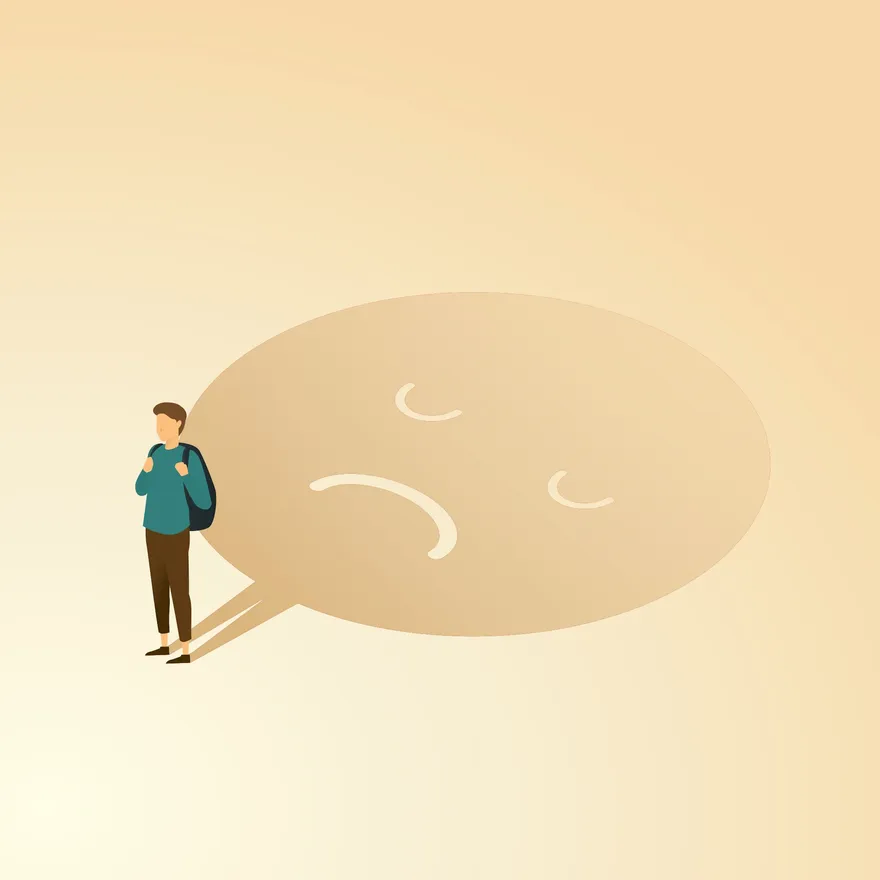

This is a preview of the Shortform summary of the Jun 22, 2026 episode of the Hidden Brain
Sign up for Shortform to access the whole episode summary along with additional materials like counterarguments and context.
1-Page Summary
Negativity Bias: Why Our Brains Focus On Negative Over Positive Information
Negativity bias is an evolutionary adaptation that shapes how humans experience and remember events. Shankar Vedantam and Alison Ledgerwood explain that evolution prioritized building survival machines rather than objective observers, leading our brains to focus intensely on threats and negative information.
Negativity Bias Originated to Make Our Brains Survival Machines, Not Objective Reality Observers
Vedantam explains that evolution designed brains to optimize survival in an environment filled with predators and scarce resources. Ledgerwood illustrates this with the example of encountering a tiger: the brain needed to focus exclusively on the threat while dismissing distractions like scenic beauty. This vigilant orientation to danger was a survival advantage, and these threat-detection systems remain hardwired in modern humans, causing us to prioritize negative experiences over positive ones.
Negativity Bias in Relationships, Work, and Geopolitics
Ledgerwood describes how negativity bias affects all aspects of life. In her own experience, a single negative teaching evaluation could dominate her thoughts despite hundreds of positive reviews. This dynamic extends to international relations—during the Cold War, both the United States and Soviet Union fixated on threats, escalating tensions dangerously. Even major achievements can be recast as failures due to prominent negative moments. Ledgerwood cites NASA's Genesis mission, which despite a 99% success rate in collecting solar particles, was widely considered a failure because of a crash landing that dominated headlines.
Brain Imaging Shows Stronger Response to Negative Information
Scientific research confirms the potency of negativity bias. Ledgerwood notes that brain imaging studies using event-related potentials reveal much stronger neurological responses to negative images compared to positive or neutral ones, showing that negativity bias is embedded in our neurological wiring.
Negativity Bias's Essential Functions Despite Its Unhappiness
While negativity bias can make us anxious and unhappy, it serves crucial adaptive functions. Ledgerwood stresses that focusing on mistakes is vital for learning and improvement, and attention to environmental threats enables collaborative problem-solving. Vedantam and Ledgerwood caution that eliminating negativity bias would strip us of crucial alertness needed for growth, safety, and social problem-solving.
Framing Effects: How Positive or Negative Terms Alter Preferences and Decision-Making, With Negative Frames Sticking More
Framing effects demonstrate that how information is presented substantially alters perception and decision-making, with negative frames proving especially difficult to dislodge.
Perception of Neutral Information Influenced by Positive or Negative Wording
Kahneman and Tversky's influential 1981 study showed that when medical choices were framed in terms of "lives saved," participants preferred conservative options, but when described as "lives lost," they chose riskier alternatives—despite identical information. Similarly, a surgical procedure with a "70 percent survival rate" is judged more favorably than one with a "30 percent mortality rate," even though the statistics are mathematically identical.
Framing Effects Show Asymmetry: Easy Shift to Negative From Positive, Hard to Shift Positive From Negative
When people first encounter positive framing and then a negative reframe, they often shift their opinion quickly. However, if framing starts negative, reframing it positively rarely changes perceptions. This "stickiness" means negative frames resist being moved by positive information, leading to an overall drift toward pessimism.
Why Negative Frames Are Harder to Escape: Brain's Processing Differences
Research shows that converting positive information to negative happens quickly, while the reverse takes significantly longer. Ledgerwood likens this to highways and back roads in the brain: positive information travels efficiently, but negative information forces positive updates to take indirect, effortful routes. Our brains are wired to notice and dwell on bad news, giving outsized weight to the negative.
Countering Negativity Bias: Gratitude Journaling, Celebrating Positives, Reframing Mistakes, Shared Positivity in Relationships
Ledgerwood and Vedantam discuss proven methods to counteract negativity bias and cultivate habits that make positives more salient.
Gratitude Practice Rewires Negative Thinking Patterns
Gratitude journaling helps retrain the mind to appreciate positive experiences. Ledgerwood shares that beginning a gratitude journal felt forced, but with daily practice, identifying positives grew easier and eventually automatic. Research by Robert Emmons found that just a few minutes of daily grateful writing can significantly boost well-being over time.
Sharing Positive Experiences Amplifies Their Benefits Beyond Individual Experience
Expressing positive emotions with others multiplies their impact. Research from Tomika Younita shows that couples who share positive emotions experience notable health benefits, such as lower cortisol levels. Celebrating successes with friends—what researchers call "capitalizing"—is as vital as offering support during hard times.
Display Family Achievements to Preserve Positive Memories
Ledgerwood suggests displaying achievements prominently, such as on the refrigerator, to keep positive moments present and encourage families to celebrate each other's milestones. This routine helps counteract the brain's fixation on problems by balancing recognition of successes.
Mistakes As Learning Opportunities Direct Energy Toward Improvement
Ledgerwood practices "gain framing"—reframing mistakes as learning opportunities rather than sources of disappointment. This shift redirects energy from regret to planning better strategies, making errors constructive rather than defeating.
Celebrate Progress to Prevent Overshadowing By Incompleteness
Celebrating incremental progress maintains psychological momentum. Too often, people quickly adapt to success and focus on what's incomplete, allowing setbacks to overshadow wins. By deliberately marking milestones, people ensure that successes don't fade into the background, creating a balanced, resilient outlook.
The Science of Disgust: Evolution, Variation, Contagion, and Culture
Disgust is deeply intertwined with human health, psychology, and culture. Vedantam and David Pizarro explore its evolutionary origins, individual differences, and cultural shaping.
Disgust Evolved to Protect Humans From Disease Before Germ Theory
Long before understanding germs, disgust functioned as a behavioral immune system, keeping people from pathogens. Pizarro explains the "contagion effect": one fly on toast ruins the toast, but one piece of toast on flies doesn't cleanse them. This reflects disgust's evolved tracking of contamination to safeguard individuals from infection.
Individual Disgust Sensitivity Varies by Genetics, Experience, and Culture
Each person's disgust sensitivity is shaped by genetics, personal history, and culture. Pizarro notes that people can adapt through repeated exposure—cleaning a toilet becomes less revolting over time. Disgust divides into types including moral, sexual, and pathogen disgust, each with distinct triggers.
Sensory Pathways Vary In Disgust Intensity; Smell Is Most Powerful
Different senses elicit varying disgust strengths, with smell being most potent. Pizarro highlights that the smell of feces triggers far stronger reactions than the sight, partly due to the direct neural pathway from nose to emotional centers. Research shows women generally have lower thresholds for olfactory disgust than men.
Disgust Varies By Time and Culture, Shaped by Necessity, Custom, and Social Learning
Disgust perception varies by cultural necessity and history. Practices once tolerated—like sharing toothpicks or dumping waste in streets—were norms due to lack of alternatives. In modern Western society, especially the U.S., disgust sensitivity is high, fueled by expectations of antiseptic environments. Religious and cultural practices also reflect different purity frameworks, codifying attitudes toward bodily or spiritual cleanliness rooted in disgust psychology.
Applications of Disgust: Its Role in Healthcare, Politics, Public Health, and Managing Responses Through Compassion and Perspective-Taking
Disgust impacts professional, social, and political interactions, revealing both constructive and destructive capacities.
Professionals Must Reframe or Suppress Disgust to Give Compassionate Care
Pizarro notes that first-year medical students experience disgust comparable to the general population, but adapt with exposure. However, compassion requires more than technical adaptation. Pizarro and a caller who trained as a chaplain emphasize that withholding displays of disgust offers stigmatized patients dignity, counteracting their isolation. Pizarro cites Mother Teresa, who would visibly touch and embrace people society deemed disgusting, demonstrating that compassion can override disgust.
Perspective and Humanity Can Manage Disgust Responses
Vedantam underscores that healthcare workers can reduce disgust by focusing on patients' full identity—their history, hopes, and dreams—rather than the aspect that provokes disgust. This perspective-taking allows genuine reduction of disgust through empathy and expanded understanding.
Emotion Regulation Sustains Compassion Despite Disgust
One strategy is attentional deployment—shifting focus away from the disgusting stimulus—but this doesn't address the underlying trigger. More effective is cognitive reappraisal, which involves reinterpreting the stimulus in a positive or neutral way. While such strategies are easier for visual disgust than odors, they help counter immediate emotional reactions and enable more compassionate interactions.
Disgust Weaponized to Dehumanize Opponents and Marginalized Groups
Disgust has historically been weaponized to marginalize groups. Rhetoric about menstruation has been used to undermine women in leadership, with ancient codes separating menstruating women to justify exclusion. The tactic involves tagging groups with disgust to persuade others to see them as less human.
Public Health Campaigns Can Harness Disgust to Motivate Behavior Change When Calibrated to Avoid Message Avoidance
Public health campaigns have found that harnessing disgust can be highly persuasive. Vedantam recalls an anti-smoking ad stating "kissing a smoker is like licking an ashtray." Pizarro adds that fear of being unattractive—such as concern about wrinkles—can be more motivating than warnings about distant health risks. Hand-washing campaigns effectively use disgust about germs, but if messages induce too much disgust, people may avoid them. Campaigns focusing on immediate appearance changes are more motivating than abstract long-term threats because social undesirability is tangible and immediate.
1-Page Summary
Additional Materials
Clarifications
- Event-related potentials (ERPs) are brain responses measured using electroencephalography (EEG) that occur in reaction to specific sensory, cognitive, or motor events. They reflect the timing and strength of neural activity linked to processing stimuli. ERPs help researchers understand how the brain processes information by showing patterns of electrical activity milliseconds after a stimulus. This method is non-invasive and provides precise temporal resolution of brain function.
- Gain framing means presenting information by emphasizing the positive outcomes or benefits rather than the negatives. In the context of mistakes, it involves viewing errors as opportunities for growth and improvement instead of failures. This approach encourages constructive thinking and motivation to learn. It contrasts with loss framing, which focuses on what was lost or done wrong.
- The "contagion effect" refers to the belief that objects once in contact with something disgusting remain contaminated, even if cleaned. This effect causes people to avoid items associated with contamination due to perceived invisible transfer of "essence." It reflects an evolved psychological mechanism to prevent disease by overgeneralizing contamination risks. The effect persists despite logical understanding that contamination may no longer be present.
- Moral disgust arises from violations of social or ethical norms, like dishonesty or cruelty. Sexual disgust relates to aversions toward certain sexual behaviors or partners deemed inappropriate or taboo. Pathogen disgust is a reaction to things that might carry disease, such as spoiled food or bodily fluids. These types engage different psychological and neural processes but all serve to protect individuals and social groups.
- Smell signals travel directly from the olfactory receptors in the nose to the brain's limbic system, which controls emotions and memory. This direct route bypasses the thalamus, unlike other senses, allowing smells to evoke immediate, strong emotional reactions. The close connection to the amygdala intensifies feelings like disgust. This neural shortcut makes odors especially potent triggers compared to sights or sounds.
- Attentional deployment is an emotion regulation strategy where a person shifts their focus away from a distressing stimulus to reduce its emotional impact. Cognitive reappraisal involves changing the way one interprets a situation to alter its emotional meaning, often by viewing it in a more positive or neutral light. Both strategies help manage immediate emotional reactions but differ in that attentional deployment avoids the trigger, while reappraisal directly modifies its perceived significance. These techniques are widely used in psychological therapies to improve emotional control and resilience.
- Throughout history, many cultures viewed menstruation as impure or contaminating, linking it to spiritual or physical pollution. This belief justified excluding menstruating women from religious rituals, leadership roles, and social activities to maintain perceived purity. Such exclusion reinforced social hierarchies by portraying women as less fit for power during menstruation. These practices institutionalized stigma, using disgust to marginalize women and limit their societal influence.
- "Capitalizing" refers to the act of sharing positive events with others to enhance their emotional impact. It strengthens social bonds and increases feelings of happiness and support. This process involves actively responding to and celebrating someone’s good news. Positive social interactions through capitalizing can improve overall well-being.
- Kahneman and Tversky's 1981 study introduced Prospect Theory, showing people value gains and losses differently. It revealed that people are risk-averse when facing gains but risk-seeking when facing losses. This study demonstrated that how choices are framed influences decision-making beyond objective facts. It challenged traditional economic models assuming rational behavior.
- Positive information often requires more cognitive resources because it involves integrating new, favorable data with existing beliefs, which can be complex. Negative information triggers faster, more automatic brain responses due to evolutionary survival mechanisms prioritizing threat detection. This means negative stimuli activate direct neural pathways linked to emotion and attention, while positive stimuli engage broader, slower networks involving reasoning and memory. Consequently, the brain processes positive updates less efficiently, making them harder to accept quickly.
- The behavioral immune system is a set of psychological mechanisms that help detect and avoid potential sources of disease before infection occurs. It triggers feelings like disgust to motivate behaviors that reduce contact with pathogens, such as avoiding spoiled food or sick individuals. This system complements the biological immune system by preventing exposure rather than fighting infection after it happens. It evolved because avoiding contamination is often more efficient and less costly than treating illness.
- "Objective observers" would perceive the world accurately and impartially, without bias or emotional influence. "Survival machines" prioritize processing information that enhances chances of survival, even if it distorts reality. Evolution favored brains that quickly detect threats and respond, rather than ones that neutrally analyze all information. This means our brains emphasize negative or dangerous stimuli over neutral or positive details to keep us safe.
- "Stickiness" in framing effects refers to the tendency of negative frames to persist in people's minds more than positive ones. This happens because negative information triggers stronger emotional and cognitive responses, making it harder to change initial impressions. As a result, once a negative frame is established, it resists being replaced by positive reframing. This leads to a bias where opinions are more easily swayed toward negativity and less easily corrected.
- Cortisol is a hormone released in response to stress, often called the "stress hormone." Lower cortisol levels generally indicate reduced stress and better overall health. Sharing positive emotions can decrease cortisol, promoting relaxation and emotional well-being. This physiological change helps explain why expressing positivity benefits health.
- Psychological momentum refers to the positive feeling and motivation gained from making progress toward a goal. It helps maintain focus and effort by reinforcing a sense of achievement. Celebrating small wins boosts confidence and encourages continued action. This momentum can prevent discouragement from setbacks by highlighting ongoing success.
Counterarguments
- While negativity bias is evolutionarily adaptive, in modern environments with fewer immediate threats, it can lead to chronic stress, anxiety, and maladaptive behaviors that may outweigh its original benefits.
- The assertion that negativity bias is universally hardwired may overlook individual and cultural differences in emotional processing and resilience.
- Some research suggests that positive emotions and optimism can also confer survival and health benefits, such as fostering social bonds and promoting recovery from adversity.
- The framing effect's influence on decision-making can be mitigated through education, critical thinking, and awareness, suggesting that people are not entirely at the mercy of cognitive biases.
- The idea that negative frames are always "stickier" than positive ones may not hold in all contexts; for example, in some cultures or situations, positive reframing can be highly effective.
- Gratitude journaling and positive psychology interventions may not work equally well for everyone, particularly for individuals with certain mental health conditions or cultural backgrounds that value humility or collective achievement over individual celebration.
- The claim that disgust is primarily an evolved disease-avoidance mechanism may understate its complex social and moral dimensions, which can be shaped by learning and context rather than biology alone.
- The effectiveness of using disgust in public health campaigns is mixed; excessive use can backfire, causing message avoidance or stigmatization rather than positive behavior change.
- The emphasis on reframing mistakes as learning opportunities may not account for environments where repeated failure has serious consequences or where systemic barriers limit the ability to learn from errors.
- The discussion of gender differences in disgust sensitivity may risk reinforcing stereotypes and does not account for significant overlap and variability within genders.
- The portrayal of negativity bias and disgust as primarily negative or problematic may overlook their roles in fostering caution, ethical behavior, and social cohesion.


Get access to the context and additional materials
Negativity Bias: Why Our Brains Focus On Negative Over Positive Information
Negativity bias is a deeply rooted trait of the human mind, shaping how we experience, remember, and respond to events. Shankar Vedantam and Alison Ledgerwood explain that this bias is not an accident of perception, but an evolutionary adaptation designed to optimize survival rather than record objective reality.
Negativity Bias Originated to Make Our Brains Survival Machines, Not Objective Reality Observers
Shankar Vedantam explains that the architect of evolution was not concerned with crafting brains for objective, philosophical overview. The evolutionary agenda prioritized building humans into survival machines. In the ancestral environment, ancient humans faced menacing predators, scarce resources, and social dilemmas. Having internal biases to focus on negative or threatening information conferred an edge in such a world. Alison Ledgerwood gives the example of encountering a tiger on the plains: it was essential for the brain to focus excessively on this threat, shouting “tiger, tiger, tiger,” and to keep that alert elevated, dismissing distractions like the beauty of the landscape. This vigilant orientation to threats was a survival advantage—our ancestors who fixated on dangers were more likely to pass on their genes, while those who ignored potential peril were less likely to survive.
These evolutionary threat-detection systems are hardwired into modern humans. Vedantam notes that the same brains that kept ancient people alive continue to shape the way we perceive, prioritize, and remember information today, making us focus more on negative experiences or risks than on neutral or positive moments.
Negativity Bias in Relationships, Work, and Geopolitics
Ledgerwood describes how negativity bias permeates personal and professional relationships: positive achievements or feedback are easily overshadowed by even one negative incident or comment. She recalls that a single negative teaching evaluation among hundreds of glowing reviews could dominate her thoughts, causing her to internalize the criticism and minimize the many positive affirmations.
This dynamic extends to personal interactions, like a minor confrontation with a jaywalker: despite an otherwise pleasant day, a small negative encounter can linger, inciting self-doubt and rumination about one’s own actions.
In professional and national spheres, negativity bias drives decision-making and evaluation. For instance, in international relations, the focus on possible threats has led nations to overestimate adversarial hostility. Vedantam and Ledgerwood discuss how, during the Cold War, the United States and Soviet Union both fixated on the possibility of threat, escalating suspicion and armament cycles and bringing the world dangerously close to conflict. Similarly, World War I resulted, in part, from Germany’s exaggerated sense of threat from its neighbors. This tendency for both individuals and countries to focus on what could go wrong—rather than what could go right—can lead to destructive cycles of escalation.
Major achievements, too, are susceptible to being recast as failures due to prominent negative moments. Ledgerwood gives the example of NASA’s Genesis space mission. Despite the probe’s 99% success rate in collecting and returning solar particles for scientific analysis, a crash landing dominated the public narrative. Headlines focused on the mishap, and the mission was widely regarded as a failure, even though scientists recovered the critical data. The single error overshadowed all successes because our brains are primed to emphasize the negative.
Brain Imaging Shows Stronger Response to Negative Information
Scientific research backs up the potency of negativity bias within the brain. Drawing on the work of psychologist Tiffany Ito, Ledgerwood notes that brain ima ...
Here’s what you’ll find in our full summary
Negativity Bias: Why Our Brains Focus On Negative Over Positive Information
Additional Materials
Clarifications
- Event-related potentials (ERPs) are brain responses measured using electrodes placed on the scalp. They reflect the brain's electrical activity triggered by specific sensory, cognitive, or motor events. ERPs provide precise timing information about how the brain processes stimuli. Researchers use ERPs to study attention, perception, and emotional reactions.
- Shankar Vedantam is a journalist and author known for exploring social science topics, especially psychology and human behavior. Alison Ledgerwood is a social psychologist and professor who studies how people think about themselves and others, including biases. Both contribute expert insights into how negativity bias affects cognition and behavior. Their work bridges scientific research and public understanding.
- The Cold War (1947-1991) was a tense rivalry between the United States and the Soviet Union, marked by nuclear arms buildup and ideological conflict without direct military combat. Both sides perceived each other as existential threats, leading to suspicion, espionage, and proxy wars. World War I (1914-1918) began partly due to mutual distrust and fear among European powers, with Germany feeling encircled and threatened by neighboring countries. These threat perceptions fueled aggressive policies and alliances that escalated into large-scale conflicts.
- NASA’s Genesis mission aimed to collect solar wind particles and return them to Earth for analysis. Although the spacecraft successfully gathered valuable samples, its return capsule crashed due to a parachute failure. This crash damaged the capsule, leading the public and media to focus on the mishap rather than the scientific achievements. As a result, the mission was widely perceived as a failure despite its significant scientific success.
- Focusing on negative information helps detect and avoid dangers quickly, increasing chances of survival. Early humans who noticed threats like predators or poisonous plants were more likely to live and reproduce. This selective attention to threats became encoded in the brain through natural selection. Over time, this bias ensured that individuals who prioritized negative cues had a survival advantage.
- The brain's amygdala plays a key role in detecting and processing negative stimuli, triggering stronger emotional and physiological responses. Negative information activates stress-related neural circuits, enhancing memory encoding through the release of stress hormones like cortisol. This heightened alertness ensures rapid reaction to potential threats. Additionally, the prefrontal cortex modulates attention, prioritizing negative over positive inputs for survival.
- In psychology, "rumination" refers to the repetitive and passive focus on negative thoughts or feelings, often about past events, which can increase stress and depression. "Motivational responses" are brain and behavioral reactions that drive a person to take action, either to approach positive stimuli or avoid negative ones. These responses help prioritize attention and behavior based on the perceived importance or threat of information. Together, they influence how we process and react to emotional experiences.
- The brain evolved primarily to enhance survival, not to provide a perfe ...
Counterarguments
- While negativity bias is well-documented, some research suggests that positive experiences can also have strong and lasting impacts on memory and behavior, especially when they are novel or emotionally significant.
- The degree of negativity bias can vary significantly across individuals and cultures, indicating that it is not entirely hardwired or universal.
- In modern environments, an excessive negativity bias can lead to maladaptive outcomes such as chronic anxiety, depression, and impaired decision-making, which may outweigh its evolutionary benefits.
- Some psychological interventions, such as cognitive-behavioral therapy and positive psychology practices, have demonstrated that people can learn to counteract or balance negativity bias, suggesting it is not immutable.
- There is evidence that in certain contexts, such as creative problem-solving or innovation, a focus on positive possibilities and optimism can be more adaptive than a focus on threats or negatives.
- The argument that eliminating negativity bias would be wholly detrimental overlooks the pot ...

Get access to the context and additional materials
Framing Effects: How Positive or Negative Terms Alter Preferences and Decision-Making, With Negative Frames Sticking More
Framing effects demonstrate that the way information is presented—using positive or negative terms—substantially alters how people perceive situations and make decisions. Notably, negative frames not only shift opinions quickly but also tend to lodge in the mind, proving especially difficult to dislodge with subsequent reframing.
Perception of Neutral Information Influenced by Positive or Negative Wording
Decades of research find that even trivial changes in phrasing can powerfully reshape preferences and judgments. Kahneman and Tversky’s influential 1981 study exemplifies this: participants were told to imagine an outbreak of a deadly disease, with 600 lives at stake. One group was presented options in terms of “lives saved,” while another was given the same options, but in terms of “lives lost.” For example, out of 600 lives, they would consider either the number that would be saved or those that would be lost.
The shift in language had striking effects on risk preferences. When choices were cast in terms of lives saved, participants leaned toward conservative, risk-averse responses. However, when options were described as lives lost, participants were more willing to gamble and pick riskier alternatives.
This powerful framing effect also arises in medical decisions. If a new robotic surgical procedure is said to have a “70 percent survival rate,” people judge it favorably. If instead, it is described as having a “30 percent mortality rate,” support drops significantly—even though the information is mathematically identical. In studies, patients and evaluators tend to view procedures more favorably when discussed in terms of survival, revealing the potency of positive framing.
Similarly, when people assess team competence or performance, framing the same results in positive or negative language sways their judgments. A positive description foregrounds success and competence; a negative one highlights failure or lack of skill.
Framing Effects Show Asymmetry: Easy Shift to Negative From Positive, Hard to Shift Positive From Negative
Framing is powerful not only because of the immediate shift in preference, but because of its asymmetry. When people first encounter an issue through a positive lens—like a survival rate—and then are exposed to a negative reframe—like a mortality rate—they often shift their opinion, quickly following the negative lead and becoming more critical.
However, if the framing starts negative, such as mentioning a “30 percent mortality rate” first, reframing it later as “70 percent survival” rarely changes perceptions for the better. The initial negative impression tends to stick, and people remain pessimistic even when presented with an optimistic perspective.
This “stickiness” means that negative frames are hard to shake. Once an individual’s judgment is set by a negative spin, it resists being moved by positive information, leading to an overall drift toward pessimism in attitudes and expectations.
Why Negative Frames Are Harder to Escape: Brai ...
Here’s what you’ll find in our full summary
Framing Effects: How Positive or Negative Terms Alter Preferences and Decision-Making, With Negative Frames Sticking More
Additional Materials
Clarifications
- Framing effects occur because people interpret information based on how it is presented, not just on the facts themselves. This happens because our brains use mental shortcuts that are sensitive to wording and context, influencing emotions and judgments. Decision-making is affected as these frames activate different cognitive and emotional responses, leading to varied choices even with identical data. Essentially, framing shapes perception by highlighting certain aspects while downplaying others, guiding preferences subconsciously.
- Kahneman and Tversky’s 1981 study introduced the "Asian disease problem" to illustrate framing effects in decision-making. It showed that people’s choices change depending on whether outcomes are framed as gains or losses, despite identical statistics. This study was foundational in behavioral economics, revealing systematic deviations from rational decision-making. It highlighted how cognitive biases influence risk perception and preferences.
- "Risk-averse" describes a preference for safer options that minimize potential losses, even if they offer smaller gains. "Riskier alternatives" involve choices with uncertain outcomes that could lead to higher rewards or greater losses. People who are risk-averse avoid these uncertain options to prevent possible negative results. In decision-making, this means choosing predictable, stable outcomes over gambles.
- The cognitive process of converting positive to negative information involves quickly reframing the same fact by focusing on losses instead of gains, which aligns with our brain’s automatic negativity bias. This shift is easier because the brain prioritizes detecting and responding to potential threats or bad outcomes. Conversely, converting negative to positive requires more deliberate, effortful thinking to override the initial negative impression. This asymmetry reflects how our neural pathways favor rapid processing of negative information but require more cognitive resources to reinterpret it positively.
- The "highways" represent fast, direct neural pathways that process positive information efficiently. The "back roads" symbolize slower, more complex routes the brain takes when updating or changing negative information to positive. This analogy highlights that the brain handles positive and negative information differently in speed and effort. It reflects how negativity requires more cognitive work to reframe or override.
- Negativity bias is a psychological phenomenon where negative events, emotions, or information have a greater impact on an individual's mental state than neutral or positive things of equal intensity. This bias evolved as a survival mechanism, helping humans quickly detect and respond to threats. It affects attention, memory, and decision-making, making negative experiences more memorable and influential. Consequently, people often weigh negative information more heavily than positive, shaping their perceptions and behaviors.
- Mathematically identical information leads to different perceptions because people focus on the emotional impact of the words used. "Survival rate" emphasizes hope and positive outcomes, triggering feelings of safety. "Mortality rate" highlights loss and danger, activating fear and caution. This emotional framing influences judgment beyond the raw numbers.
- ...
Counterarguments
- While framing effects are robust, their magnitude can vary significantly depending on context, individual differences, and prior knowledge; not all people are equally susceptible to framing.
- Some studies suggest that with increased awareness or training, individuals can become less influenced by framing effects, indicating that these biases are not entirely immutable.
- In certain decision-making scenarios, positive frames can be just as sticky or influential as negative ones, especially when they align with existing beliefs or desires.
- The persistence of negative frames may be less pronounced in cultures or groups that emphasize optimism or positive reinterpretation.
- The negativity bias, while well-documented, is not universal in all cognitive domains or across all cultures; some research points to contexts where positivity bias can emerge.
- The asymmetry in r ...


Get access to the context and additional materials
Countering Negativity Bias: Gratitude Journaling, Celebrating Positives, Reframing Mistakes, Shared Positivity in Relationships
Negativity bias is our brain’s natural tendency to focus on problems and setbacks. Alison Ledgerwood and Shankar Vedantam discuss proven methods to counteract this bias and cultivate habits that make positives more salient in our lives.
Gratitude Practice Rewires Negative Thinking Patterns
Gratitude journaling helps retrain the mind to see and appreciate positive experiences. Ledgerwood shares that beginning a gratitude journal felt forced and uncomfortable, much like taking an unfamiliar route to work for the first time—she often stared at a blank page, struggling to note even one thing, such as simply writing "dog" without genuine gratitude. However, with daily practice, identifying positives grew easier, eventually becoming automatic, much like easily commuting a familiar route.
As this routine continued, Ledgerwood found herself noticing good things throughout the day, not just during journaling. This growing mindfulness becomes a mental habit, making appreciation and gratitude part of everyday thinking.
Research by Robert Emmons supports this long-term effect. He found that just a few minutes of writing grateful thoughts each day can significantly boost well-being over time—proving that gratitude is a skill that grows stronger and more automatic with practice.
Sharing Positive Experiences Amplifies Their Benefits Beyond Individual Experience
Expressing positive emotions with others multiplies their impact. Research from Tomika Younita shows that couples who share positive emotions experience notable health benefits, such as lower cortisol levels and effects that last well beyond the moment. Celebrating victories together helps form a shared reality, making good moments feel more significant.
It’s not just for romantic partners; celebrating successes with friends—what researchers call "capitalizing"—is as vital as offering support during hard times. Sharing positive emotions, telling others about your wins, or talking about something good that happened, increases the sense of joy and helps anchor those moments in reality.
Display Family Achievements to Preserve Positive Memories
Ledgerwood suggests displaying family members' achievements, like awards or good news, prominently, such as on the refrigerator. This not only keeps the positive moment present in everyone’s mind but also encourages the family to actively notice and verbally celebrate each other's milestones.
She recounts posting both her child's school award and her partner's professional praise (for an especially well-read audiobook) on the fridge, emphasizing achievements both for children and adults. This routine helps counteract the brain’s fixation on problems by b ...
Here’s what you’ll find in our full summary
Countering Negativity Bias: Gratitude Journaling, Celebrating Positives, Reframing Mistakes, Shared Positivity in Relationships
Additional Materials
Counterarguments
- Gratitude journaling and similar practices may not be effective for everyone; some individuals, especially those with certain mental health conditions like depression, may find these activities unhelpful or even frustrating.
- The benefits of gratitude journaling and positive psychology interventions can be modest and may diminish over time, as some studies suggest the effects plateau or fade with prolonged use.
- Focusing on positivity and reframing mistakes could risk minimizing or invalidating genuine negative emotions, which are important for processing experiences and personal growth.
- The emphasis on celebrating achievements and sharing positives may inadvertently create pressure to appear happy or successful, potentially leading to feelings of inadequacy or inauthenticity for those who are struggling.
- Cultural differences exist in how emotions and achievements are expressed; some cultures may value humility or collective success over individual celebration, making these practices less universally applicable.
- Displaying achievements prominently in the home may not be comfortable or meaningful for all f ...
Actionables
- you can set a daily phone alarm labeled with a prompt to notice and mentally note one positive thing that happened in the past hour, which helps disrupt negativity bias and makes gratitude a spontaneous habit throughout your day
- By associating a regular, gentle reminder with your phone, you train your mind to scan for positives in real time, not just during journaling. For example, when your alarm goes off at 3pm, you might recall a friendly chat with a coworker or a moment of sunshine, reinforcing the habit of noticing good moments as they happen.
- a practical way to amplify shared positive emotions is to create a rotating “joy messenger” role in your household or friend group, where each day a different person is responsible for highlighting and celebrating someone else’s recent win or effort
- This keeps everyone engaged in recognizing each other’s achievements, big or small, and ensures that positive moments are regularly shared and acknowledged. For instance, one day you might point out your partner’s creative dinner, while the next day they highlight your patience during a stressful call.
- you can keep ...



Get access to the context and additional materials
The Science of Disgust: Evolution, Variation, Contagion, and Culture
Disgust stands out as an emotion deeply intertwined with human health, psychology, and cultural practice. Shankar Vedantam and David Pizarro explore its evolutionary origins, individual differences, sensory mechanisms, and cultural shaping.
Disgust Evolved to Protect Humans From Disease Before Germ Theory
Long before scientific understanding of germs, disgust played a crucial role as a behavioral immune system. Aversion to rotting food, feces, or visible signs of disease kept people from ingesting pathogens or coming too close to sources of infection. As Vedantam notes, people have “internal barometers” for revolting items, usually things rotten, smelly, or diseased.
The contagiousness of disgust is central to its disease-prevention function. Even a small contaminant, like a fly landing on toast, renders it inedible—while a clean object entering a contaminant area is not “cleansed” by proximity. Pizarro explains that this “contagion effect” reflects disgust’s evolved tracking of contamination: “One fly on your toast ruins the toast, but one piece of toast on a group of flies does not somehow cleanse the flies.” Disgust, as an emotion, spreads to safeguard individuals and social groups from potential infection.
Individual Disgust Sensitivity Varies by Genetics, Experience, and Culture
Each person’s sensitivity to disgust—how strongly and to what stimuli they react—is shaped by genetics, personal history, and cultural context. Some tolerate initially disgusting things better than others. Pizarro describes how people can adapt to disgust through repeated exposure; for instance, the first time cleaning a toilet may be revolting, but it becomes less so with experience, reflecting domain-specific adaptation.
Disgust is further divided into types, including moral disgust, sexual disgust, and pathogen disgust—each with distinct triggers and mechanisms. Notably, research shows little correlation between pathogen disgust sensitivity and traits related to being controlling, like Machiavellianism. In fact, those who are less sensitive to disgust may display more Machiavellian tendencies, while those easily disgusted are less likely to be manipulative.
Sensory Pathways Vary In Disgust Intensity; Smell Is Most Powerful
Vedantam and Pizarro discuss how different senses elicit varying strengths of disgust, with smell being the most potent. Pizarro highlights olfactory disgust’s primacy: the smell of feces triggers a far stronger reaction than the sight. This is partly due to the direct neural pathway from nose to emotional centers in the brain, evoking immediate responses, such as intense disgust or even nostalgia and memory recall from certain smells.
Research indicates women generally have lower thresholds for olfactory disgust, detecting and reacting to unpleasant odors at lower concentrations than men. Experimental measurements show these sex-based differences in processing contaminants, especially through smell.
Trypophobia, the disgust triggered by patterns of small holes or bumps, is also mentioned. Many report aversion to such ...
Here’s what you’ll find in our full summary
The Science of Disgust: Evolution, Variation, Contagion, and Culture
Additional Materials
Clarifications
- The "behavioral immune system" refers to psychological mechanisms that help avoid disease before infection occurs. It triggers feelings like disgust to steer people away from potential sources of pathogens. This system complements the biological immune system by preventing contact with harmful microbes. It evolved to increase survival by reducing exposure to illness.
- The "contagion effect" means people believe that once something touches a contaminated object, it becomes permanently tainted, even if it looks clean. This belief persists despite scientific knowledge that not all contact transmits germs. It influences behaviors like avoiding objects or people perceived as "dirty" to reduce infection risk. The effect reflects an evolved psychological mechanism prioritizing caution over accuracy.
- Moral disgust arises from violations of social or ethical norms, like dishonesty or cruelty. Sexual disgust relates to aversions toward certain sexual behaviors or partners deemed inappropriate or taboo. Pathogen disgust is a reaction to things that might carry disease, such as spoiled food or bodily fluids. These types engage different psychological and neural processes but all serve to protect individuals and societies.
- Machiavellianism is a personality trait characterized by manipulation, deceit, and a focus on self-interest and personal gain. It is named after Niccolò Machiavelli, an Italian Renaissance political philosopher known for his writings on cunning and strategic behavior. People high in Machiavellianism tend to be strategic, unemotional, and willing to exploit others to achieve their goals. This trait is part of the "Dark Triad," along with narcissism and psychopathy.
- The olfactory system sends signals directly from the nose to the brain's limbic system, which controls emotions and memory. This pathway bypasses the thalamus, unlike other senses, allowing smells to trigger immediate emotional responses. Key brain areas involved include the amygdala and hippocampus, which process fear, disgust, and memory. This direct link explains why odors can evoke strong feelings quickly and vividly.
- Trypophobia is thought to stem from an evolutionary aversion to patterns resembling those found on poisonous animals or diseased skin, which could signal danger or infection. This reaction likely helped early humans avoid harmful creatures or contaminated surfaces. The discomfort arises because these visual patterns trigger a primal fear response linked to survival. Although not officially classified as a phobia, it reflects an innate protective mechanism.
- Disgust sensitivity is influenced by genetic factors that affect how strongly individuals react to certain stimuli. Life experiences, such as repeated exposure to disgust-inducing situations, can reduce sensitivity through habituation. Cultural norms and practices shape what is considered disgusting and how people learn to respond emotionally. These factors interact, creating wide variation in disgust responses across individuals and societies.
- Religious purification rites often symbolize cleansing of mo ...
Counterarguments
- While disgust likely played a role in disease avoidance, some researchers argue that not all disgust triggers are directly linked to pathogen avoidance, suggesting that the emotion may have evolved for multiple functions, including social boundary enforcement.
- The claim that disgust sensitivity is primarily shaped by genetics, experience, and culture is widely accepted, but some studies indicate that situational factors and immediate context can override these influences, leading to significant variability in disgust responses.
- The assertion that women generally have lower thresholds for olfactory disgust is supported by some research, but other studies have found that sex differences in disgust sensitivity are inconsistent and may be influenced by socialization rather than biology alone.
- The idea that modern Western societies have higher disgust sensitivity due to cleanliness culture is debated; some anthropologists argue that disgust sensitivity is not necessarily higher, but rather expressed differently or directed at different targets comp ...
Get access to the context and additional materials
Applications of Disgust: Its Role in Healthcare, Politics, Public Health, and Managing Responses Through Compassion and Perspective-Taking
Disgust is a powerful emotion that impacts not only personal reactions but also professional, social, and political interactions. Its presence in healthcare, religious compassion, public messaging, and political discourse reveals both its constructive and destructive capacities.
Professionals Must Reframe or Suppress Disgust to Give Compassionate Care
Medical Students' Initial Disgust Matches the General Population, but Adapts With Exposure to Cadavers and Disease
David Pizarro notes research indicating that first-year medical students experience disgust at levels comparable to the general population, especially when exposed to cadavers and disease. However, with exposure over time, medical professionals adapt specifically to such stimuli. This adaptation is necessary for them to carry out their daily duties effectively.
Displaying Disgust Towards Stigmatized Patients Intensifies Isolation and Shame
Compassion in healthcare and social professions requires more than just technical adaptation. Both Pizarro and a caller who trained as a chaplain emphasize that if professionals allow feelings of horror or revulsion to dominate, they become powerless to help. The act of withholding displays of disgust is vital, as stigmatized patients are often already aware that society finds them repellent. Not showing disgust offers these individuals dignity and kindness, counteracting their isolation and shame.
Religious Figures Like Mother Teresa Demonstrate Compassion Overriding Disgust By Touching and Embracing Those Deemed Disgusting By Society
Pizarro cites examples like Mother Teresa, who would visibly touch, hug, and kiss people that society deemed disgusting. Such acts show that compassion can override disgust, challenging societal stigmas and offering marginalized individuals true kindness and mercy.
Perspective and Humanity Can Manage Disgust Responses
Seeing Beyond Disgust to Embrace Full Personhood
Shankar Vedantam underscores that healthcare workers can reduce their disgust response by focusing on the full identity of a patient—their history, hopes, and dreams—rather than the physical or behavioral aspect that might initially provoke disgust.
Focusing On Human Complexity Naturally Reduces the Disgust Response Without Forced Suppression
Opening oneself to the complexity of another person's humanity becomes a natural method of shifting attention and reappraising the situation. This perspective-taking allows for a genuine reduction of disgust, not through forced suppression but through empathy and expanded understanding.
Emotion Regulation Sustains Compassion Despite Disgust
Attentional Deployment Temporarily Reduces Disgust Without Addressing the Trigger
One strategy professionals and individuals may use is attentional deployment—deliberately shifting focus away from the disgusting stimulus. This can temporarily reduce the feeling of disgust, but does not fundamentally address the underlying trigger.
Reappraisal, Focusing On Positive Reinterpretation, Manages Disgust Long-Term Better Than Mere Attention Shifting
More effective than avoidance is cognitive reappraisal. This involves intentionally reinterpreting the stimulus in a positive or neutral way—for example, thinking of blood in a scary movie as ketchup. While such tricks are easier for visual disgust than for odors, they can help to counter the initial emotional reaction.
Reframe Disgusting Stimuli Despite Knowing the Reality
Even when it is difficult because the reality is known, strategies for emotion regulation—like honest confrontation and understanding of primitive emotions—can help individuals set aside their immediate visceral response, enabling more compassionate interactions or decisions.
Disgust Weaponized to Dehumanize Opponents and Marginalized Groups
Rhetoric on Menstruation Used to Undermine Women In Leadership
Disgust has historically been weaponized to marginalize groups or individuals. For example, rhetoric about menstruation has been used to undermine women in leadership, insinuating impurity or unfitness based on normal bodily functions.
Ancient Codes Separated Menstruating Women, Using Bodily Functions to Justify Exclusion
These attitudes have deep roots, with ancient codes separating and isolating menstruating women, thereby justifying exclusion through bodily disgust.
Using Disgust to Dehumanize Groups
Overall, the tactic involves tagging certain groups with disgust by highlighting something perceived as 'other' or distasteful, effectively persuading others to see them a ...
Here’s what you’ll find in our full summary
Applications of Disgust: Its Role in Healthcare, Politics, Public Health, and Managing Responses Through Compassion and Perspective-Taking
Additional Materials
Clarifications
- Attentional deployment is a technique where a person consciously shifts their focus away from an unpleasant or distressing stimulus to reduce emotional impact. It works by redirecting mental resources to something neutral or positive, lessening the intensity of the negative emotion. This strategy is often temporary because it does not change the meaning of the stimulus itself. It is one of several emotion regulation methods used to manage feelings like disgust or anxiety.
- Cognitive reappraisal is a psychological strategy where a person changes their interpretation of a situation to alter its emotional impact. Instead of avoiding or suppressing feelings, they actively rethink the meaning of the stimulus in a more positive or neutral way. This process engages higher brain functions to regulate emotions and reduce negative reactions. It is commonly used in therapy to help manage stress, anxiety, and other emotional challenges.
- Medical students initially experience disgust similar to the general population because they have not yet been exposed to medical environments or learned to manage emotional reactions. Disgust is a natural, evolutionary response to potential sources of contamination or harm, such as dead bodies or disease. Without training or repeated exposure, their instinctive reactions remain unfiltered. Over time, repeated exposure and education help them develop coping mechanisms to reduce this disgust.
- Repeated exposure to disgust-inducing stimuli, like cadavers or disease, gradually reduces the emotional intensity of disgust. This process, called habituation, helps healthcare workers maintain focus and perform necessary tasks without being overwhelmed. Adaptation also involves cognitive changes, where professionals reframe their perception of these stimuli as part of their work. This combination of emotional and cognitive adjustment enables compassionate, effective care.
- Disgust is weaponized in politics and society by associating certain groups with repulsive traits or behaviors to evoke fear and rejection. This emotional manipulation dehumanizes targets, making it easier to justify discrimination or exclusion. It exploits deep-seated biases and cultural taboos to influence public opinion and policy. Such tactics often reinforce social hierarchies and marginalize vulnerable populations.
- Ancient codes like the Hebrew Bible's Levitical laws declared menstruating women ritually impure, requiring separation during their periods. Similar practices existed in Hindu and some Indigenous cultures, where menstruating women were excluded from religious activities and communal spaces. These rules reflected beliefs linking menstruation to spiritual or physical contamination. Such separations institutionalized stigma and justified social exclusion based on natural bodily functions.
- Disgust triggers a psychological distancing that reduces empathy toward the target. This distancing makes it easier to perceive others as less human or morally inferior. Dehumanization then justifies exclusion or mistreatment by framing the target as fundamentally different or contaminating. This process exploits innate avoidance instincts to enforce social boundaries.
- Appearance-focused health messages emphasize immediate, visible effects of behaviors, such as bad breath or wrinkles, which people can easily imagine and relate to socially. Mortality-focused messages highlight long-term risks like disease or death, which feel abstract and distant. People, especially younger individuals, often respond more strongly to appearance-based warnings because the consequences seem more tangible and personally relevant. This immediacy makes appearance-focused messages more effective at motivating behavior change.
- Public health campaigns calibrate disgust by balancing emotional impact to engage without overwhelming the audience. They use relatable, moderate disgust cues that prompt action but avoid triggering strong aversion or denial. Messages often combine disgust with positive or empowering elements to maintain attention and motivation. Testing and audience feedback help fine-tune the intensity and framing of disgust-based appeals.
- Mother Teresa worked with people society often rejected due to poverty, illness, or deformity. Her physical acts of touching and embracing these individuals challenged deep-rooted social taboos about cleanliness and purity. By showing love and care, she redefined what was considered worthy of compassion. This helped shift public perception from disgust to dignity.
- Disgust is an emotion that signals something is offensive or harmful, often leading to negative judgments. When directed at people, it can create stigma by marking them as socially undesirable or "contaminated." This stigma causes others to avo ...
Counterarguments
- While suppressing or reframing disgust is often necessary in healthcare, some argue that completely suppressing natural emotional responses can lead to emotional exhaustion or burnout among professionals.
- The adaptation to disgust in medical training may risk desensitization, potentially reducing empathy or leading to a lack of appropriate emotional response in situations where disgust is a signal of genuine concern (e.g., infection control).
- Not all displays of disgust are inherently harmful; in some cases, they may serve as important social signals about boundaries or safety, especially in public health contexts.
- The emphasis on compassion overriding disgust may overlook cultural differences in how disgust is expressed and managed, which can affect the feasibility and appropriateness of certain interventions.
- Cognitive reappraisal and perspective-taking may not be equally effective for all individuals, especially those with certain psychological conditions or trauma histories.
- The use of disgust in public health campaigns, while effective for some, can backfire by increasing stigma or avoidance behaviors, particularly among vulnerable populations.
- The argument th ...


Get access to the context and additional materials

 1-Page Summary
- Negativity Bias: Why Our Brains Focus On Negative Over Positive Information
- Framing Effects: How Positive or Negative Terms Alter Preferences and Decision-Making, With Negative Frames Sticking More
- Countering Negativity Bias: Gratitude Journaling, Celebrating Positives, Reframing Mistakes, Shared Positivity in Relationships
- The Science of Disgust: Evolution, Variation, Contagion, and Culture
- Applications of Disgust: Its Role in Healthcare, Politics, Public Health, and Managing Responses Through Compassion and Perspective-Taking
Create Summaries for anything on the web
Download the Shortform Chrome extension for your browser
