

Listen Now: My Mom’s Murder
In this episode of American History Tellers, Lauren tells the story of how she spent 27 years believing her mother died of natural causes when she was just 18 months old. This narrative remained unchallenged until 2020, when a Facebook message from a woman claiming to be her mother's childhood friend revealed a different truth: Lauren's mother was murdered, and the crime was never investigated by authorities.
The episode follows Lauren's transition from accepting the explanation she'd been given her entire life to actively investigating her mother's death herself. She describes her stable life in Rhode Island before the revelation and her subsequent decision to pursue answers by revisiting overlooked evidence and confronting inconsistencies in the accounts of what happened. Despite the decades that have passed and the system's failure to investigate, Lauren works to uncover who was responsible for her mother's death.
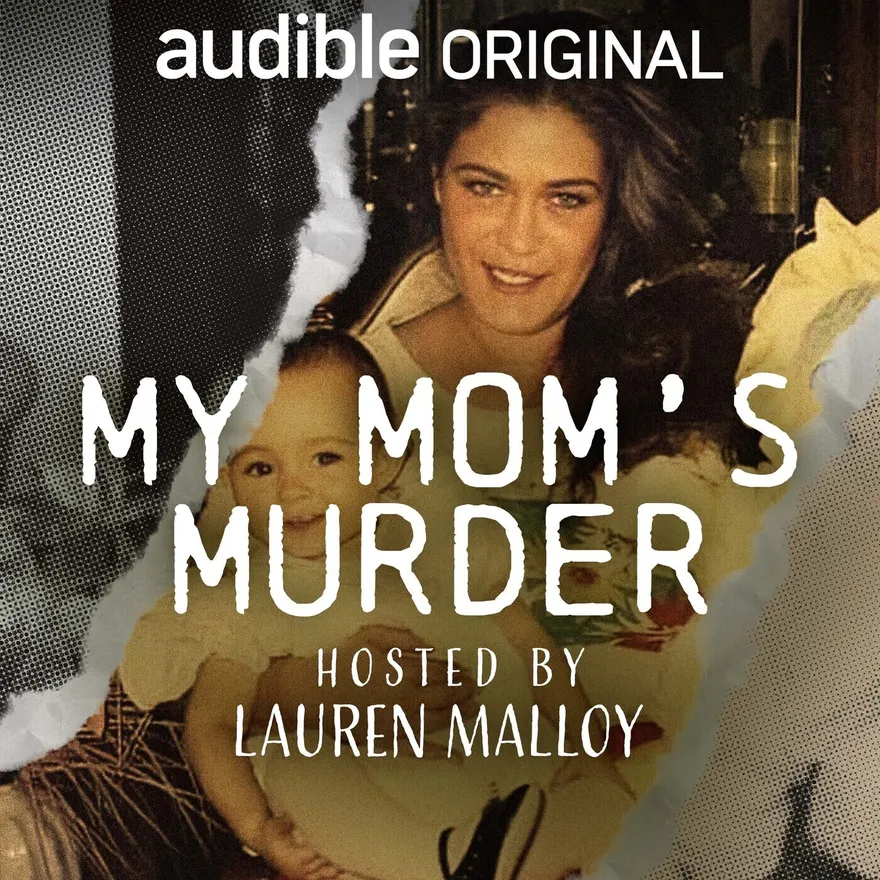

This is a preview of the Shortform summary of the Sep 28, 2026 episode of the American History Tellers
Sign up for Shortform to access the whole episode summary along with additional materials like counterarguments and context.
1-Page Summary
30-year False Narrative About Mother's Death
Lauren shares that she was only 18 months old when her mother, Laurie Lee Malloy, died at age 30. With no personal memories to verify what happened, Lauren spent 27 years believing her mother died from natural causes—specifically hypertrophic cardiomyopathy. She accepted this explanation without question, as everyone around her reinforced this narrative for nearly three decades.
Revelation: Louise's Mother Was Murdered and Never Investigated
In June 2020, Lauren received a Facebook message from a woman named Louise who claimed to be her mother's middle school best friend. Louise shared intimate family details, including that Lauren was named after her mother's favorite perfume. To establish her credibility, Louise correctly identified photographs and shared pictures from Lauren's mother's life, including her wedding day. Through their conversations, Louise revealed a shocking truth: Lauren's mother was murdered, and the crime was never investigated by law enforcement.
Lauren's Life in Rhode Island Before the Discovery
Before Louise's message, Lauren led a stable life rooted in Rhode Island's tightly-knit community culture. She had lived in Rhode Island her entire life, primarily around Providence, where she found deep belonging in the state's familiar culture of shared history and local connections. Lauren's career had shifted from finance to communications at a large tech company, providing her with engagement and stability. She describes herself as "a creature of habit," with a routine adult life revolving around work, family, and friends.
Lauren's Quest to Solve Her Mother's Murder
After Louise's revelation, Lauren rejected the narrative she'd been told and decided to pursue the truth herself. She began investigating unanswered detective work, visiting places that hadn't been examined in decades and confronting contradictions in accounts of her mother's death. As Lauren pieces together the fragments of the case, she realizes something terrible happened to her mother and someone is responsible for her death. Despite the system's failure to investigate, Lauren remains committed to uncovering who killed her mother.
1-Page Summary
Additional Materials
Counterarguments
- The information provided by Louise, while detailed and seemingly credible, is still anecdotal and may not constitute definitive proof that Lauren's mother was murdered.
- The narrative that Lauren's mother died of natural causes was accepted by family and community for decades, possibly because there was no clear evidence at the time to suggest otherwise.
- The lack of investigation by law enforcement could have been due to the absence of suspicious circumstances or evidence at the time of death, rather than intentional concealment.
- Lauren's decision to pursue her own investigation is based on new information, but without corroborating evidence from official sources, the case remains unresolved.
- The emotional impact of learning new information about a loved one's death can influence perception and interpretation of past events, potentially leading to confirmation bias.
Actionables
- you can review the stories and explanations you’ve been told about significant family events and write down any questions or inconsistencies you notice, then set aside time to gently ask relatives for their own memories or perspectives to see if new details emerge
- (for example, if you’ve always heard a vague explanation about a relative’s absence or a family move, jot down what you know, what feels unclear, and ask a trusted family member to share their version of events, which may reveal overlooked information or prompt meaningful conversations)
- a practical way to challenge long-held assumptions is to create a timeline of major events in your life or your family’s history, noting who provided each piece of information and how you learned it, then highlight areas where you relied solely on secondhand accounts and consider seeking out alternative sources or documentation
- (for instance, if you realize you only know about your grandparents’ immigration story from one person, you might look for old letters, photos, or public records to fill in gaps or verify details)
- you can set aside a regular time each month to revisit and update your understanding of your personal or family history, treating it as an ongoing project where you add new findings, correct errors, and reflect on how your perspective changes as you gather more information
- (for example, keep a dedicated notebook or digital file where you record discoveries, questions, and reflections, allowing you to track how your understanding evolves and ensuring you remain open to new insights)

Get access to the context and additional materials
30-year False Narrative About Mother's Death
Lauren Misunderstood What Happened To Her Mother
Lauren Was 18 Months Old When Her Mother Passed, So She Had No Memories to Verify the Account
Lauren shares, "I was only 18 months old when my mother died." Being so young, Lauren had no personal memories of her mother’s passing and had to rely entirely on what others told her.
Lauren's Mother, Laurie Lee Malloy, Died At 30 From Cardiomyopathy
For the first 27 years of her life, Lauren accepted the explanation that her mother, Laurie Lee Malloy, died at age 30 from heart disease—specifically hypertrophic cardiomyopathy. Lauren recalls, "For 30 years, I thought my mom died of natural causes. That's what everyone told me and what I believed."
Lauren, 27, Accepted ...
Here’s what you’ll find in our full summary
30-year False Narrative About Mother's Death
Additional Materials
Counterarguments
- While Lauren had no personal memories of her mother's death, it is common and reasonable for young children to rely on the accounts of trusted adults regarding events from early childhood.
- The fact that everyone around Lauren reinforced the narrative does not necessarily mean there was intentional deception; it could simply reflect the information available to them at the time.
- Accepting a widely agreed-upon explanation for a loved one's death, especially in the absence of contradictory evidence, ...
Actionables
- you can create a personal timeline of significant family events and ask relatives to fill in details or clarify any gaps, helping you spot stories you’ve accepted without question and encouraging open dialogue about family history
- (For example, jot down what you know about major events, then invite family members to review and add their perspectives, which may reveal new information or prompt you to reconsider long-held beliefs.)
- a practical way to challenge inherited narratives is to pick one family story you’ve always accepted and research public records, news archives, or other documentation to see if the facts align with what you’ve been told
- (For instance, if you’ve always heard a relative moved for work, look up old addresses, employment records, or local news to see if there’s more to the story.)
- you can set a re ...

Get access to the context and additional materials
Revelation: Louise's Mother Was Murdered and Never Investigated
June 2020 Facebook Message Upends Beliefs About Mother's Death
In June 2020, Lauren receives a surprising Facebook message from a woman named Louise. Louise asks if Lauren is the daughter of Lori Molloy and mentions Lauren's Aunt Allison from East Providence, Rhode Island. The personal details catch Lauren off-guard—she has no idea how a stranger could possess such specific information about her family.
Louise, Claiming to Be Lauren's Mother's Middle School Best Friend, Reached Out With Personal Family Details, Including Lauren's Naming After Her Mother's Favorite Perfume
Louise continues messaging Lauren, sharing more intimate details. She tells Lauren she was her mother's middle school best friend and was so close to Lauren’s mother that she even knows Lauren is named after her mother's favorite perfume. Louise adds that Lauren was almost named after her—Louise—suggesting a deep bond between the two women.
Louise's Evidence and Memories Established Her Credibility Of Knowing Lauren's Mother
To prove her connection, Lauren sends Louise a photograph: her mother, in her early to mid 20s, wears a blue dress and stands in a kitchen beside another woman in a skirt and sweater with a heart. The back of the photo reads, "Me and Louise on our way to a busy town." Louise confirms it is indeed her, recalling, "Yup, me and your mom on the way to New York City."
Louise further confirms her credibility by sending Lauren several ...
Here’s what you’ll find in our full summary
Revelation: Louise's Mother Was Murdered and Never Investigated
Additional Materials
Counterarguments
- The information provided by Louise, while detailed and personal, is based solely on her claims and has not been independently verified.
- The assertion that Lauren's mother was murdered and that the crime was never investigated relies entirely on Louise's account, without corroborating evidence from law enforcement or official records.
- Photographs and personal anecdotes, while suggestive of a close relationship, do not constitute proof of the circums ...
Actionables
- you can verify unexpected personal claims from new contacts by privately cross-checking details with other family members or trusted friends before responding, helping you avoid misinformation or manipulation
- For example, if someone reaches out claiming to know your family, ask a relative if they recognize the name or details before engaging further.
- a practical way to safeguard your family's history is to create a secure digital archive of important photos and documents, sharing access only with trusted relatives
- For instance, scan and store wedding photos, family letters, and key documents in a password-protected cloud folder, so you control who can use or share them.
- you can keep a privat ...
Get access to the context and additional materials
Lauren's Life in Rhode Island Before the Discovery
Before Louise's Message, Lauren Led a Stable Life Rooted In Rhode Island Culture
Lauren's Permanent Home: Rhode Island
Lauren has lived in Rhode Island her entire life, mainly around the capital city of Providence. She describes Rhode Island as always being home, underscoring a deep-rooted connection to the state’s geography and community.
Lauren's Sense Of Belonging Shaped by Rhode Island's Community Culture
Lauren emphasizes the tightly-knit community culture that defines Rhode Island. She notes that the state is tiny and Providence is even smaller, creating a place where “somebody always knows somebody who can help with whatever you need.” Local greetings like “how you doing” are standard, and directions are often given with references to long-gone landmarks, such as, “You try that new taco spot? It’s where the old Benny’s used to be.” Lauren’s experiences are shaped by the sense of familiarity, shared history, good food, and notorious roads that define Rhode Island life.
Lauren's Career Shifted From Finance To Communications At a Large Tech Company, Engaging and Stabilizing Her
Lauren started her prof ...
Here’s what you’ll find in our full summary
Lauren's Life in Rhode Island Before the Discovery
Additional Materials
Counterarguments
- While Lauren feels a deep-rooted connection to Rhode Island, others might find the state's small size and tightly-knit community limiting or stifling, especially if they value anonymity or diversity of experience.
- The reliance on local references and shared history in Rhode Island could make it challenging for newcomers or outsiders to feel included or navigate the community easily.
- Lauren’s description of her life as routine and predictable may be seen by some as lacking excitement, novelty, or opportunities for personal growth that can come from living in more dyna ...
Actionables
- you can strengthen your sense of belonging by mapping out your own network of local helpers, listing people you know in your area who could assist with everyday needs, and then intentionally reaching out to one or two to offer your help in return, creating a reciprocal support circle.
- a practical way to deepen your connection to your community’s shared history is to keep a personal log of local phrases, inside jokes, or references you hear in daily conversations, then use these in your own interactions to foster a sense of shared identity and continuity.
- you can make your daily routines mor ...

Get access to the context and additional materials
Lauren's Quest to Solve Her Mother's Murder
After Louise's Revelation, Lauren Pursued the Truth Over the Narrative
Lauren decides to seek the real story behind her mother's death, rejecting simple or incomplete explanations. Determined to do what the original detectives would not, she picks up the investigation herself.
Lauren Investigates Unanswered Detective Work
Lauren actively pulls at the unresolved threads in her mother's case. She visits places that have seen no inquiry for decades and confronts long-standing mysteries and ignored questions.
Lauren Investigates Contradictions In Accounts of Her Mother's Death, Pursuing Decades-Old Leads
Not content to accept contradiction or silence, Lauren seeks out old witnesses and information, re-examining accounts that never made sense. She faces closed doors and decades-old secrets, determined to shine new light on her mother's fate.
Lauren's Co ...
Here’s what you’ll find in our full summary
Lauren's Quest to Solve Her Mother's Murder
Additional Materials
Counterarguments
- Lauren's decision to investigate the case herself could risk compromising evidence or interfering with any potential ongoing investigations.
- The original detectives may have had valid reasons, such as lack of evidence or resources, for not solving the case, and Lauren may not have access to tools or expertise that professionals possess.
- Revisiting old witnesses and leads after decades may yield unreliable or faded memories, potentially leading to false conclusions.
- Lauren's personal involvement and emotional connection to t ...
Actionables
- you can create a personal timeline of any unresolved event in your life, listing every detail you remember and noting gaps or inconsistencies, then revisit those gaps by asking yourself new questions or seeking out overlooked sources like old emails, photos, or conversations
- (for example, if you have a family mystery or a confusing work incident, map out what you know, highlight what doesn’t add up, and brainstorm new ways to fill in the blanks, such as reaching out to people who were present but never asked for their perspective).
- a practical way to challenge incomplete explanations in your daily life is to keep a “why journal” where you write down situations that don’t make sense and, over time, document every new piece of information or perspective you uncover, no matter how small
- (for instance, if you’re puzzled by a decision at work or a family disagreement, jot down your questions and revisit them regularly, updating your notes as you gather more context or insights).
- you can practice confronting ignored questions ...
Get access to the context and additional materials


Create Summaries for anything on the web
Download the Shortform Chrome extension for your browser
