

Bill Gurley: Searching for Feynman
In this episode of All-In with Chamath, Jason, Sacks & Friedberg, Bill Gurley examines why major catastrophes typically trigger thorough investigations while Covid-19—despite causing orders of magnitude more deaths and economic damage—has not received comparable scrutiny. Gurley draws parallels between historical disaster investigations like Challenger and Fukushima, highlighting how independent investigators and journalists uncovered root causes despite institutional resistance from "blockers" who obscured accountability.
Gurley argues that the pandemic's origins remain unexamined due to a coordinated campaign by key virologists who suppressed inquiry into laboratory origins. He discusses the role of gain-of-function research, the suppressed Diffuse Proposal linking U.S. researchers to the Wuhan Institute of Virology, and evidence contradicting the wet market theory. The episode raises questions about institutional failures that prevented the standard investigative mechanisms from functioning when society needed them most.
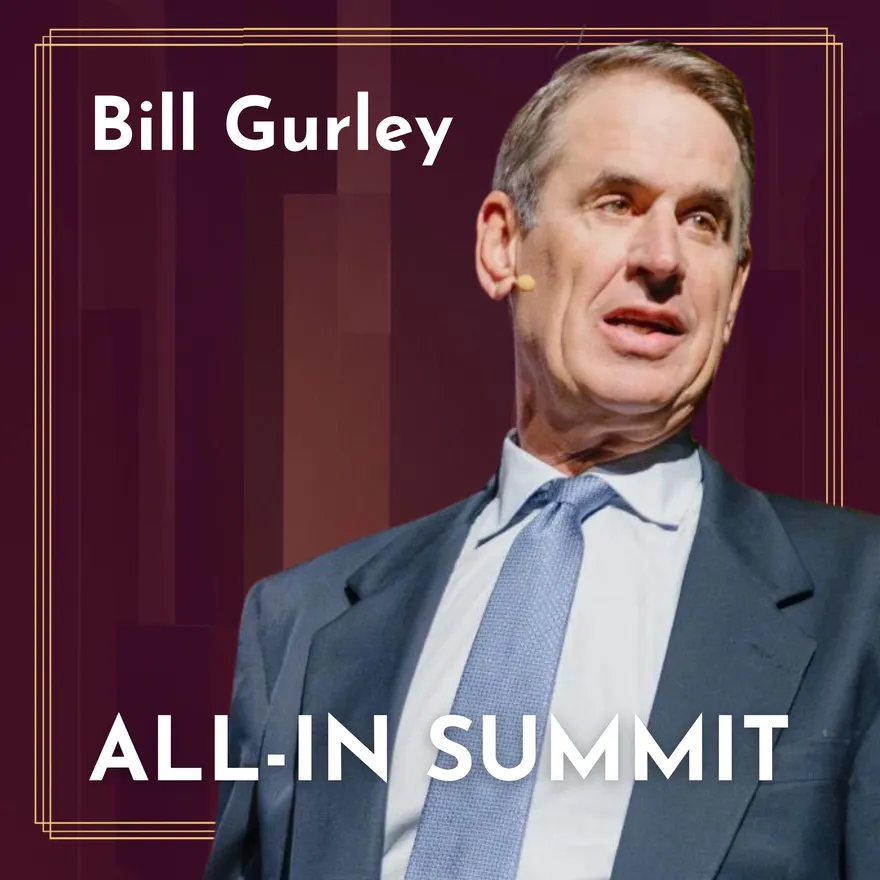

This is a preview of the Shortform summary of the Sep 19, 2026 episode of the All-In with Chamath, Jason, Sacks & Friedberg
Sign up for Shortform to access the whole episode summary along with additional materials like counterarguments and context.
1-Page Summary
Investigating Major Catastrophes: Searchers, Blockers, and Independent Heroes In Uncovering Root Causes
Investigative Teams Set Gold Standard For Post-Catastrophe Accountability and Prevention
Major disasters like Surfside, the Boeing 737 Max crashes, Hurricane Katrina, Fukushima, and the Challenger shuttle disaster have established paradigms for accountability through robust investigations. These investigative teams follow methodologies like CAPA—Corrective and Preventive Action—which emphasizes detection, investigation, root cause confirmation, corrective action, and prevention measures. CAPA is legally mandated in pharmaceutical, medical device, and aerospace industries.
Journalism has played a crucial role in uncovering truths after disasters. The Miami Herald's investigation of the Surfside collapse, led by Executive Editor Monica Richardson with a team of 37, earned a Pulitzer Prize. Similarly, Dominique Gates at the Seattle Times covered the 737 Max disaster, and reporters Mark Sluffstein and John McQuade warned of Katrina's preventable levee failures, earning two Pulitzers. These investigations often work alongside or against official commissions, ultimately reaching consensus on root causes.
Blockers Obscure Truth, Searchers Pursue Accountability In Catastrophe Investigations
Blockers are entities or agencies implicated in disasters who resist revealing their failures. For Katrina, the US Army Corps of Engineers shifted blame while the American Society of Civil Engineers (ASCE) received financial incentives to deflect accountability. At Fukushima, Tepco and NISA exemplified regulatory capture, where oversight became entwined with industry interests. After the 737 Max crashes, Boeing blamed pilot training while the FAA refused document requests, prompting Senator Ted Cruz to charge that the FAA had been "captured" by Boeing.
Bill Gurley notes that blockers tend to "circle the wagons" under scrutiny—a predictable institutional self-protection rather than malice. Successful investigators maneuver around these obstacles, keeping focus on root causes and prevention rather than attacking blockers directly.
Independent Heroes Feynman and Kurokawa Showed Moral Courage By Resisting Pressure
Independent actors have exhibited exceptional commitment to truth when confronted with institutional pressure. Dr. Kiyoshi Kurokawa led Japan's first private, parliament-sanctioned investigation after Fukushima, assembling a team with no ties to Tepco or NISA. He published the report in English first to ensure global transparency, concluding the disaster was "manmade and could have and should have been prevented."
Similarly, Nobel laureate Richard Feynman brought fierce independence to the Challenger investigation. His famous live TV demonstration revealed the O-ring failure, and he insisted his unredacted notes be included as an appendix to the final report, underscoring transparency over diplomatic smoothing.
Covid-19: Why the Devastating Event Lacks Serious Independent Investigation
Covid-19: A Catastrophe far Exceeding Five Major Disasters With Minimal Scrutiny
Bill Gurley highlights that Covid-19 has caused at least 15 million deaths, disrupted billions of children's education, and resulted in $45 trillion in global economic damage. He shares how his own children lost three crucial years to the pandemic's disruptions. Comparing Covid-19 with five major disasters yields about 5,000 deaths and $349 billion in damages from those events—Covid's toll is 3,000 times that. Even combining all plane accidents, hurricanes, nuclear accidents, building collapses, and space accidents reaches only about one-third the loss inflicted by Covid-19.
Given this unparalleled devastation, Gurley argues society should demand investigations at least as thorough as those conducted after far smaller disasters. Instead, he observes, just the opposite has happened.
Failure of Standard Investigative Mechanisms Reveals Profound Institutional Issues
Despite the pandemic's overwhelming impact, Gurley notes the lack of serious, coordinated investigations into its origins. No major paper assembled a large investigative task force for Covid-19, unlike previous disasters. There have been no bipartisan congressional committees with the focus seen after Katrina, nor any authoritative independent commission like those involving Feynman or Kurokawa. None of the primary U.S. research funding agencies—including NIST, NSF, or NIH—launched major scientific investigations into the pandemic's origins, and there has been no coordinated legal action from victims' families.
Gurley cites the role of misinformation campaigns from certain experts within virology, where raising questions about origins was stigmatized and made into a social faux pas. Six years after the pandemic began, root causes remain undefined, raising troubling questions about society's ability to safeguard against the next disaster.
Covid Origins Investigation Obstructed: Experts Misinformation Campaign Suppressed Lab Leak Theory
Five Virologists Became Institutional Blockers Instead of Objective Investigators
Gurley identifies five virologists—Francis Collins, Anthony Fauci, Peter Daszak, Jeremy Farrar, and Ralph Baric—who acted as blockers to open inquiry rather than objective experts. Each was a prior advocate of gain-of-function research, which involves deliberately increasing viral transmissibility or pathogenicity. Gurley notes that Fauci himself argued in a 2011 Washington Post editorial that such research's benefits outweighed risks.
Gurley argues that behavioral psychology shows individuals deeply invested in prior decisions cannot be impartial judges of outcomes. Despite their direct stake in defending research practices and their reputations, these five remained at the center of pandemic origin discussions.
Blockers Orchestrated Misinformation, Labeling Lab Leak Inquiry as Conspiracy
Gurley contends these blockers actively orchestrated a campaign to dismiss and suppress inquiry into a laboratory origin. He singles out the "Proximal Origins" paper, written within a week, as hastily produced work intended to shape consensus rather than investigate. A similar Lancet paper echoed this messaging. Both became extensively cited, creating self-reinforcing references that shut down reconsideration and presented coordinated messaging as "settled science."
The blockers also conflated scientific questions with partisan politics, linking lab leak theories to Trump and polarizing opinions along party lines. Jason Calacanis highlights that anyone questioning the official narrative faced being labeled a conspiracy theorist. Gurley calls this "pure evil," arguing it undermined scientific inquiry where no line of questioning should be off limits.
Rather than encouraging investigation, these blockers discouraged and ridiculed those seeking answers. Gurley asserts "they stopped searching but they never started searching," taking people "off the scent" when inquiry should have been most urgent.
Key Evidence: The Diffuse Proposal & Gain-Of-function Research Connections Under Investigation
Diffuse Proposal Links U.S. Virologists, Funding, and Gain-Of-function Research at Wuhan Institute of Virology
The Diffuse Proposal, led by Peter Daszak, connects U.S. researchers at Duke University and UNC with virologists at the Wuhan Institute of Virology. The proposal outlines plans to insert a furin cleavage site into a bat coronavirus—a modification that increases viral transmission. This is clear gain-of-function research linking U.S. funding with Chinese collaborators.
Gurley notes that only 22 percent of scientists who believed in animal spillover had heard of the proposal, while 78 percent had not. He emphasizes that no major journals ever covered the Diffuse Proposal, resulting in the scientific community largely overlooking this critical evidence.
Diffuse Proposal's January 2020 Exposure Was Suppressed, Allowing Alternative Narratives
Had the Diffuse Proposal been exposed in January 2020, Gurley argues the conversation would have shifted dramatically. He references an AI analysis using CAPA principles, which recommended "direct investigation," "elite, highly critical analysis," and treating the proposal as a "major investigative priority." The suppression of this evidence allowed alternative narratives to flourish while sidelining a direct investigative path.
Follow-up investigations at Duke and UNC are logical next steps, but searchers have encountered resistance. Gurley notes that "The University of North Carolina and the state of North Carolina are blockers. They're refusing to deliver the documents."
Evidence Shows Fauci and Experts Knew Of Pre-market Spillover Cases, Contradicting Wet Market Theory
Gurley cites documents revealing that Dr. Fauci and other key figures knew of multiple Covid cases predating the widely publicized wet market event, directly undermining the theory that the Huanan wet market was the singular source. China has tested 80,000 animals searching for evidence of animal-to-human transmission, yet no such transmission has been documented, further weakening the wet market hypothesis and contradicting blockers' theories about Covid's origins.
1-Page Summary
Additional Materials
Counterarguments
- The scale and complexity of the Covid-19 pandemic far exceed previous disasters, making direct comparisons to events like Surfside or the Challenger disaster potentially misleading; the global scope, ongoing nature, and geopolitical sensitivities present unique challenges for investigation.
- While CAPA is effective in regulated industries, its direct application to a global pandemic involving multiple sovereign nations, scientific uncertainties, and evolving evidence may not be straightforward or feasible.
- Some investigations into Covid-19 origins have occurred, including reports by the World Health Organization (WHO), U.S. intelligence community assessments, and independent scientific reviews, though their conclusions may be contested or limited by access.
- The lack of a single, large-scale independent commission does not necessarily indicate a lack of scrutiny; instead, multiple smaller-scale investigations, journalistic inquiries, and scientific studies have contributed to the ongoing debate.
- The assertion that five specific virologists orchestrated a misinformation campaign is disputed; some argue that their actions reflected prevailing scientific consensus at the time, and that rapid publication of papers was intended to address urgent public health concerns.
- Labeling the lab leak theory as a conspiracy was not universal; over time, mainstream scientific and media outlets have increasingly acknowledged it as a plausible hypothesis alongside natural spillover.
- The absence of evidence for animal-to-human transmission does not conclusively disprove the wet market hypothesis, as zoonotic origins can be difficult to trace and may require years of investigation.
- Institutional reluctance to release documents may be due to legal, privacy, or national security concerns rather than solely an intent to block investigation.
- The Diffuse Proposal was a grant application that was not funded, and its existence does not constitute direct evidence of the origin of SARS-CoV-2.
- The scientific community's awareness of the Diffuse Proposal may have been limited by its status as an unfunded proposal, which is not uncommon in research funding processes.
- The presence of Covid-19 cases predating the Huanan wet market event does not necessarily rule out a natural origin, as early cases in pandemics are often difficult to pinpoint and may be missed or misclassified.
Actionables
- you can practice critical investigation in your daily life by keeping a personal log of situations where you notice conflicting explanations or unclear causes, then use a simple step-by-step process (detect, investigate, confirm root cause, act, and prevent) to clarify what really happened and how to avoid similar issues in the future; for example, if a recurring problem happens at work or home, document what led up to it, what you learn, and what you change.
- a practical way to recognize and navigate around blockers is to pay attention to situations where people or organizations seem to avoid accountability or transparency, then experiment with asking neutral, open-ended questions that focus on facts and solutions rather than blame, such as “What information would help us understand this better?” or “How can we make sure this doesn’t happen again?”
- you can build your own habit of moral courage and transparency by setting a monthly reminder to reflect on one decision you made where you felt pressure to go along with a group or authority, then write down what you would do differently if you prioritized truth and prevention over comfort or conformity, helping you strengthen your ability to resist groupthink in the future.

Get access to the context and additional materials
Investigating Major Catastrophes: Searchers, Blockers, and Independent Heroes In Uncovering Root Causes
Investigative Teams Set Gold Standard For Post-Catastrophe Accountability and Prevention
Major disasters such as Surfside, the Boeing 737 Max crashes, Hurricane Katrina, Fukushima, and the Challenger shuttle disaster have established paradigms for accountability and learning through robust investigations.
Investigative teams and official commissions are guided by methodologies like CAPA—Corrective and Preventive Action—which emphasizes a rigorous five-step process: detection of the problem, thorough investigation, confirmation of the root cause, implementing corrective action, and instituting prevention measures. CAPA is legally mandated in the pharmaceutical, medical device, and aerospace industries, reinforcing its value as the post-catastrophe gold standard. This process aims not just to correct failure but to prevent recurrence, insisting on a focus on root causes rather than superficial explanations.
Journalism plays a crucial role in uncovering truths after disasters. The Miami Herald’s investigation of the Surfside collapse stands out, even as the paper was emerging from bankruptcy. Executive Editor Monica Richardson led the team of 37, including beat reporter Alan Leibowitz and investigative lead Sarah Blaske. Collaborating with experts such as Professor Dawn Lehman from the University of Washington, the Herald's team developed 3D models and followed the story with relentless detail, earning a Pulitzer Prize and cementing a commitment to ongoing investigation and prevention.
Similarly, Dominique Gates at the Seattle Times dedicated 16 years covering Boeing and played a pivotal role in Pulitzer-winning coverage of the 737 Max disaster. Peter Robeson added depth with his book "Flying Blind." Investigative journalism by the New York Times and Martin Fackler, particularly on disasters like Fukushima, established a record of deep accountability; Fackler was a Pulitzer finalist, and on Fukushima, Mr. Yorimitsu's expanded investigative team earned two awards. Before Katrina, reporters Mark Sluffstein and John McQuade foresaw levee failures, earning two Pulitzers for journalism that warned of preventable catastrophe. In Japan, protests and citizen claims after Fukushima illustrated press power and public engagement.
Within official investigations, the breadth varied. For Katrina, the House, Senate, and National Science Foundation each commissioned separate inquiry teams, and Louisiana hired an LSU-based team. Often, these teams occasionally obstructed or aided one another but ultimately reached a consensus on man-made elements as the root cause of disaster.
Blockers Obscure Truth, Searchers Pursue Accountability In Catastrophe Investigations
Blockers are often those entities or agencies implicated in disasters—organizations reluctant to reveal their failures and sometimes abetted by regulatory bodies that prioritize institutional protection over truth. For Hurricane Katrina, the US Army Corps of Engineers, responsible for the levees, shifted blame to acts of God, while internal investigations and collaborations with groups such as the American Society of Civil Engineers (ASCE) ultimately became vehicles for deflecting accountability. ASCE received financial incentives and became encapsulated within the Corps’ efforts, as documented in a 42-page report by Raymond Seed on systematic blocking. The University of North Carolina and the state of North Carolina similarly refused document requests regarding a separate disaster, demonstrating regional examples of institutional blocker behavior.
At Fukushima, Tepco (plant operator) and NISA (regulator) acted as blockers. Tepco and NISA’s relationship exemplified regulatory capture, where oversight became lax and entwined with industry interests, prioritizing self-protection over public safety. Following the disaster, Japanese citizens responded with protests and formal claims, seeking accountability impeded by this institutional coziness.
The aviation sector after the 737 Max crashes highlighted blocking in both private industry and government. Boeing initially blamed pilot training, and the FAA refused document requests from a Senate panel. There was widespread concern that the FAA had been “captured,” operating more as an ally of Boeing than an independent regulator, as Senator Ted Cruz publicly charged.
Blockers tend to “circle the wagons” under scrutiny, a reaction described as institutional self-protection with a keen sense for minimizing exposure rather than being inherently malicious. Investigators must skillfully maneuver around such obstacles—Bill Gurley notes that attacking blockers directly is less productive than persistently seeking root causes and solutions, keeping the focus on prevention instead of punishment or partisanship.
Independent Heroes Feynman and Kurokawa Showed Moral Courage By Resisting Pressure, Pursuing Evidence Outside Channels, and Refusing to Soften Findings For Convenience
Independent actors within major investigations have exhibited exceptional commitment to truth when confronted with institutional pressure to conceal or soften findings. After the Fukushima disaster, Dr. Kiyoshi Kurokaw ...
Here’s what you’ll find in our full summary
Investigating Major Catastrophes: Searchers, Blockers, and Independent Heroes In Uncovering Root Causes
Additional Materials
Counterarguments
- While CAPA is widely regarded as a gold standard in certain industries, its effectiveness can be limited by organizational culture, resource constraints, or lack of enforcement, leading to superficial compliance rather than genuine prevention.
- Investigative journalism, though crucial, can sometimes be influenced by editorial bias, commercial pressures, or limited access to information, potentially affecting the objectivity or completeness of findings.
- Multiple official investigations may lead to duplication of effort, conflicting conclusions, or public confusion rather than consensus, especially when coordination is lacking.
- The focus on root cause analysis may sometimes overlook the importance of addressing systemic or cultural issues that contribute to repeated failures, not just technical or procedural faults.
- Not all instances of institutional self-protection are benign or merely self-preserving; in some cases, they may cross into deliberate deception or obstruction, which can be harmful and deserving of stronger condemnation.
- The narrative of independent heroes may understate the contributions of collaborative teams or systemic reforms, and can risk oversimplifying complex investigations into stories of individual valor. ...
Actionables
- you can practice root cause thinking in everyday problems by asking "why" at least five times when something goes wrong in your personal or work life, then writing down your answers to identify deeper issues rather than settling for surface explanations (for example, if you miss a deadline, keep probing beyond "I was busy" to uncover patterns or system flaws you can address).
- a practical way to build your own accountability habit is to keep a private "transparency log" where you document mistakes, what led to them, and what steps you take to prevent recurrence, reviewing it monthly to spot trends and ensure you’re learning from errors rather than repeating them.
- you can strengthen your resistance to groupthink by regularly ...

Get access to the context and additional materials
Covid-19: Why the Devastating Event Lacks Serious Independent Investigation
Covid-19: A Catastrophe far Exceeding Five Major Disasters With Minimal Scrutiny
Bill Gurley highlights that Covid-19 has caused at least 15 million deaths, upended every life on the planet, disrupted the education of billions of children, and resulted in $45 trillion in global economic damage. Gurley shares a personal perspective, recounting how his own children in high school and college lost three crucial years of their lives to the pandemic's disruptions. He stresses the enormous scale of loss and social havoc, especially for the world’s youth.
To put the magnitude in perspective, Gurley compares Covid-19 with five major disasters: the Surfside building collapse, the crashes of Boeing 737 Max jets, Hurricane Katrina, the Fukushima nuclear disaster, and the Challenger space shuttle accident. Adding together all the deaths and the economic costs from these tragedies yields about 5,000 deaths and $349 billion—Covid’s toll is 3,000 times that. Gurley goes further, noting that even the sum totals from all plane accidents, hurricanes, nuclear accidents, building collapses, and space accidents only reach about one-third the loss inflicted by Covid-19.
Given this unparalleled devastation, Gurley argues that society should be demanding a serious reckoning—if extraordinary investigative resources and efforts were mobilized after far smaller disasters, then the pandemic’s scale warrants investigations that are at least as thorough, if not more so. Instead, he observes, just the opposite has happened.
Failure of Standard Investigative Mechanisms Reveals Profound Institutional Issues
Despite the pandemic’s overwhelming impact, Gurley draws attention to the lack of serious, coordinated investigations into its origins and impacts. Unlike previous catastrophes for which newsrooms assigned dozens of reporters for lengthy Pulitzer Prize-winning investigations—led by determined journalists—no major paper assembled a large investigative task force for Covid-19. Gurley sees this as a major failure of the press, calling for newsrooms to follow the examples of dogged reporters in previous disasters, and bemoaning the lack of any journalist backed by their newsroom to pursue the root causes.
He points out that there have been no bipartisan congressional committees with the focus and authority seen after Hurricane Katrina or the 737 Max crashes. Nor has any authoritative, standalone independent commission—equipped to compel testimony and documents, such as those involving Feynman or Cura Caua—been formed to address Covid-19. This stands in contrast to the vigorous congressional and expert-led inquiries in response to lesser tragedies.
Further, none of the primary U.S. research funding agencies—including the National Institute of Standards and Technology (NIST), National Science Foundation (NSF), or National Institutes of Health (NIH)—have launched major scientific investigations into the pandemic’s origins or failures. In cases involving building collapses or nuclear accidents, t ...
Here’s what you’ll find in our full summary
Covid-19: Why the Devastating Event Lacks Serious Independent Investigation
Additional Materials
Clarifications
- The Surfside building collapse in 2021 was a sudden failure of a residential tower in Florida, killing nearly 100 people. The Boeing 737 Max crashes in 2018 and 2019 involved two fatal airplane accidents caused by software issues, leading to a global grounding of the aircraft. Hurricane Katrina in 2005 was a devastating storm that caused massive flooding and over 1,800 deaths, exposing failures in disaster response. The Fukushima nuclear disaster in 2011 resulted from a tsunami damaging a nuclear plant in Japan, causing radiation leaks and long-term environmental harm. The Challenger space shuttle accident in 1986 was a catastrophic explosion shortly after launch, killing all seven astronauts onboard and prompting major NASA safety reforms.
- The National Institute of Standards and Technology (NIST) develops measurement standards and conducts research to improve technology and infrastructure safety. The National Science Foundation (NSF) funds basic scientific research across many disciplines to advance knowledge and innovation. The National Institutes of Health (NIH) primarily supports medical and health-related research to improve public health. These agencies often sponsor independent investigations into disasters to understand causes and prevent future incidents.
- A bipartisan congressional committee is a group of lawmakers from both major political parties formed to investigate or oversee specific issues. These committees have the authority to hold hearings, subpoena witnesses, and request documents to gather information. Their investigations aim to provide accountability, inform legislation, and recommend policy changes. Such committees often have significant influence due to their official government status and cross-party representation.
- Independent commissions with subpoena power are official bodies created to investigate major incidents thoroughly. They can legally compel witnesses to testify and require the production of documents, ensuring access to critical information. The Feynman Commission, for example, investigated the Challenger space shuttle disaster, providing authoritative findings. Such commissions operate independently from political influence to maintain objectivity and credibility.
- A class action lawsuit is a legal case where many people with similar claims sue a defendant as a group. It allows victims to combine their resources, making it easier and more efficient to seek compensation. Courts must approve the group and the settlement to ensure fairness. This process helps hold responsible parties accountable when individual lawsuits would be impractical.
- Misinformation campaigns within scientific communities involve spreading false or misleading information that can distort understanding and hinder objective inquiry. In virology, this can suppress legitimate questions about virus origins or pandemic responses by labeling them as fringe or conspiratorial. Such campaigns create social and professional pressure, discouraging open debate and critical investigation. This undermines trust, delays discovery of truth, and impedes effective public health measures ...
Counterarguments
- While Covid-19’s impact is immense, there have been multiple investigations and reports by international bodies (e.g., the World Health Organization), national governments, and independent researchers into the origins and handling of the pandemic, even if not always at the scale or with the authority the author desires.
- Major news organizations have published extensive reporting, exposés, and analyses on various aspects of the pandemic, including government responses, vaccine development, and public health failures, though perhaps not always in the form of a single, unified investigative task force.
- The complexity and global nature of the pandemic, with many countries involved and limited access to key data (especially from China), have posed significant barriers to more thorough investigations, which is a practical limitation rather than solely an institutional failure.
- Congressional hearings and investigations into aspects of the Covid-19 response have occurred in the U.S., including inquiries into the origins of the virus, government preparedness, and the handling of public health guidance, though these may not have matched the scale of commissions for other disasters.
- The legal context for class action lawsuits is different for pandemics compared to discrete, localized disasters, making coordinated legal action more challenging due to issues of causation, jurisdiction, and sovereign immunity.
- Scientific agencies such as the NIH and NSF ...


Get access to the context and additional materials
Covid Origins Investigation Obstructed: Experts Misinformation Campaign Suppressed Lab Leak Theory, Hindered Scientific Inquiry
Five Virologists Became Institutional Blockers Instead of Objective Investigators
Bill Gurley identifies five virologists—Francis Collins, Anthony Fauci, Peter Daszak, Jeremy Farrar, and Ralph Baric—who, rather than serving as objective experts in the search for Covid-19’s origins, acted as blockers to open inquiry. Each was a prior advocate of gain-of-function research, which involves deliberately increasing the transmissibility or pathogenicity of viruses in order to study them. Gurley notes that these experts had publicly promoted such research, with Fauci himself arguing in a 2011 Washington Post editorial that its benefits outweighed the risks, even after the Obama administration had placed restrictions on the practice.
Incentives to Suppress Investigation due to Prior Advocacy For Gain-Of-function Research
Gurley argues that, according to behavioral psychology, individuals deeply invested in a prior decision are not impartial judges of the outcomes of that decision. He says it is impossible for someone to remain neutral when their own actions may have contributed to a global catastrophe, such as a pandemic responsible for millions of deaths. Gurley points out that, in other domains with clear conflicts of interest, people displaying such bias would be disqualified from positions of investigatory authority, yet in the Covid origins discussion, the same individuals continued to be relied upon as central experts.
Bias Could Have Led To Dismissal, yet They Were Deemed Credible Despite Conflicts of Interest
Despite their direct stake in both the research practices under scrutiny and the defense of their reputations and careers, these five individuals remained at the center of pandemic origin discussions. Their biases, unaddressed and unmitigated, could have—and likely did—result in the early dismissal of the laboratory origin hypothesis, yet they were consistently treated as credible authorities.
Blockers Orchestrated Misinformation, Labeling Lab Leak Inquiry as Conspiracy and Using Scientific Credentials to Suppress Questions
Gurley contends that these blockers actively orchestrated a misinformation campaign to dismiss, ridicule, and suppress legitimate inquiry into whether a laboratory incident could have started the pandemic.
Rapid Publication of Papers and Statements Created a False Consensus, Reflecting Coordinated Messaging From Conflicted Individuals Rather Than Genuine Investigation
Gurley singles out the "Proximal Origins" paper, written within a week and widely publicized, as an example of hastily produced work intended not to investigate but to shape public consensus. A similar paper published in The Lancet echoed this messaging. Both papers were extensively cited, creating self-reinforcing references that shut down reconsideration. Wikipedia articles and popular discourse repeatedly referenced these same sources, effectively closing the loop on public debate and presenting as “settled science” what was actually coordinated messaging from people with conflicts of interest.
Self-Reinforcing References Closed Reconsideration
These highly cited papers became the foundation for further discussion, making it almost impossible to revisit or question their conclusions. The campaign created the appearance of broad scientific agreement, discouraging attempts to reopen the inquiry.
Blockers Conflated Science With Politics By Linking Lab Leak Theories to Trump, Polarizing Beliefs On Origins Along Political Lines
Additionally, Gurley notes that the blockers conflated scientific questions with partisan politics. By labeling lab leak inquiries as “conspiracy theories” closely tied to Donald Trump, they managed to polarize opinions along party lines. Polling showed that Democrats and Republicans developed divergent beliefs about the pandemic’s origin, despite the irrelevance of political affiliation to scientific investigation. This manufactu ...
Here’s what you’ll find in our full summary
Covid Origins Investigation Obstructed: Experts Misinformation Campaign Suppressed Lab Leak Theory, Hindered Scientific Inquiry
Additional Materials
Counterarguments
- Multiple independent investigations, including those by the World Health Organization and various national and international scientific bodies, have found no direct evidence supporting the lab leak hypothesis over natural origins, though both remain possible.
- The rapid publication of papers like "Proximal Origins" reflected the urgent need for scientific guidance during a global crisis, and the conclusions were based on the best available evidence at the time.
- Scientific consensus is not static and can change as new evidence emerges; the initial consensus did not preclude later reconsideration or investigation into alternative hypotheses.
- The individuals named have decades of experience in virology and public health, making them logical choices for expert consultation during a novel pandemic.
- Advocacy for gain-of-function research does not inherently disqualify someone from objectively assessing pandemic origins, especially when oversight and transparency mechanisms are in place.
- The politicization of the lab leak theory was influenced by broader media and political dynamics, not solely by the actions of the named scientists.
- Labeling certain theories as "conspiracy" was often a response to the spread of unsupported or misleading claims, not to suppress legitimate scientific inquiry.
- Subsequent to the ini ...
Actionables
- you can keep a personal log of news stories and scientific claims about controversial topics, noting the sources, their potential conflicts of interest, and how often the same experts or papers are cited, to spot patterns of consensus-building or suppression over time
- By tracking which voices dominate coverage and how often certain studies or experts are referenced, you’ll become more aware of how narratives are shaped and when legitimate questions might be sidelined. For example, if you notice the same few names or papers repeatedly cited as definitive, you can flag this as a sign to look for alternative perspectives.
- a practical way to encourage open inquiry in your circles is to ask neutral, curiosity-driven questions when controversial topics come up, focusing on the evidence and process rather than personalities or politics
- Instead of debating or taking sides, try asking, “What evidence would change your mind?” or “How do we know this source is unbiased?” This keeps conversations focused on facts and methods, making it easier for others to engage without fear of being labeled or dismissed.
- you can creat ...
Get access to the context and additional materials
Key Evidence: The Diffuse Proposal & Gain-Of-function Research Connections Under Investigation
Diffuse Proposal Links U.S. Virologists, Funding, and Gain-Of-function Research at Wuhan Institute of Virology
The Diffuse Proposal, put forth by EcoHealth Alliance and led by Peter Daszak, connects U.S. researchers at Duke University, the University of North Carolina (UNC), and virologists at the Wuhan Institute of Virology. The proposal outlines research plans to insert a furin cleavage site into a bat coronavirus, a modification known to increase viral transmission. This is a clear example of gain-of-function research linking U.S. funding and expertise with Chinese collaborators for experiments that could potentially enhance the spread of bat coronaviruses.
Limited Awareness of Top-classified Document Among Scientists
Awareness of the Diffuse Proposal among experts remains extremely limited. Bill Gurley notes that when surveyed, only 22 percent of scientists who believed in animal spillover had heard of the proposal, while 78 percent had not. Gurley emphasizes, "This is nuts. Look, it's like three people. OK, no major journals ever covered the diffuse proposal." The lack of coverage by major journals has resulted in the scientific community largely overlooking this critical evidence in discussions about Covid’s origins.
Major Journals Ignored the Diffuse Proposal, Failing to Amplify Critical Evidence on Covid Origins
Despite its significance, no major journals have ever covered or amplified the implications of the Diffuse Proposal. This omission contributed to its obscurity within the broader scientific debate over the origins of Covid-19.
Diffuse Proposal's January 2020 Exposure Was Suppressed, Allowing Alternative Narratives
Had the Diffuse Proposal been exposed in January 2020, Bill Gurley argues the conversation around Covid origins would have shifted dramatically. He references an AI analysis using the CAPA (Corrective and Preventive Action) scientific principles, which, when presented with the Diffuse Proposal, recommended “direct investigation,” “elite, highly critical analysis,” and treating the proposal as a “major investigative priority.” The document is categorized as “primary document evidence, highest tier evidence class.” The suppression of this evidence in early 2020 allowed alternative and potentially less substantiated narratives to flourish while sidelining a direct investigative path.
Questions on Additional Documentation at Duke and UNC For FOIA Requests and Investigations
According to Gurley and AI-derived recommendations, follow-up investigations and document searches at Duke University and UNC are logical next steps for uncovering further evidence relevant to Co ...
Here’s what you’ll find in our full summary
Key Evidence: The Diffuse Proposal & Gain-Of-function Research Connections Under Investigation
Additional Materials
Counterarguments
- The Diffuse Proposal was never funded or executed; it was a grant application that was ultimately rejected by DARPA, so the described experiments were not carried out under this proposal.
- There is no direct evidence that the specific gain-of-function experiments outlined in the Diffuse Proposal were performed at the Wuhan Institute of Virology or elsewhere.
- The presence of a furin cleavage site in SARS-CoV-2 does not, by itself, prove laboratory manipulation, as similar features can and do arise naturally in coronaviruses.
- Limited awareness of the Diffuse Proposal among scientists may reflect its status as an unfunded proposal rather than a deliberate suppression or cover-up.
- Major scientific journals typically focus on published, peer-reviewed research rather than unfunded grant proposals, which may explain the lack of coverage.
- The existence of early Covid-19 cases before the Huanan wet market event does not necessarily disprove the possibility of a natural zoonotic origin, as spillover events ...
Actionables
- you can email your local representatives or university administrators to request greater transparency and public access to research documents related to publicly funded virus research, explaining that open access helps prevent misinformation and supports public trust in science.
- a practical way to raise awareness is to create a simple infographic or timeline summarizing key facts about international virus research collaborations and share it with friends, family, or on social media, making complex topics more understandable for non-experts.
- you can kee ...


Get access to the context and additional materials

 1-Page Summary
- Investigating Major Catastrophes: Searchers, Blockers, and Independent Heroes In Uncovering Root Causes
- Covid-19: Why the Devastating Event Lacks Serious Independent Investigation
- Covid Origins Investigation Obstructed: Experts Misinformation Campaign Suppressed Lab Leak Theory, Hindered Scientific Inquiry
- Key Evidence: The Diffuse Proposal & Gain-Of-function Research Connections Under Investigation
Create Summaries for anything on the web
Download the Shortform Chrome extension for your browser
