

Flock CEO Garrett Langley on Controversy, "Surveillance State" Claims, and Privacy vs Safety
In this episode of All-In with Chamath, Jason, Sacks & Friedberg, Jason Calacanis speaks with Flock CEO Garrett Langley about the company's safety technology, which includes license plate readers and rapid-response drones now deployed in over 6,000 U.S. cities. Langley explains how the technology functions, addressing common misconceptions—particularly false claims about facial recognition—and discussing the significant challenges Flock has faced from misinformation and privacy concerns.
The conversation examines the balance between public safety and privacy, covering topics like data retention policies, community control over surveillance decisions, and mechanisms designed to prevent police misconduct. Langley discusses how local governments set their own rules through democratic processes and how audit tools help identify officers misusing the system. The episode provides insight into how communities navigate the tradeoffs between security and civil liberties, and how Flock aims to improve its communication with the public.


This is a preview of the Shortform summary of the Aug 18, 2026 episode of the All-In with Chamath, Jason, Sacks & Friedberg
Sign up for Shortform to access the whole episode summary along with additional materials like counterarguments and context.
1-Page Summary
Flock's Technology and Functionality
In a conversation between Jason Calacanis and Garrett Langley, the discussion centers on Flock's advanced safety systems, which include license plate readers and rapid-response drones now deployed in over 6,000 U.S. cities. The technology has helped solve over a million crimes and locate more than 10,000 missing people.
License Plate Readers Beyond Basic Plate Capture
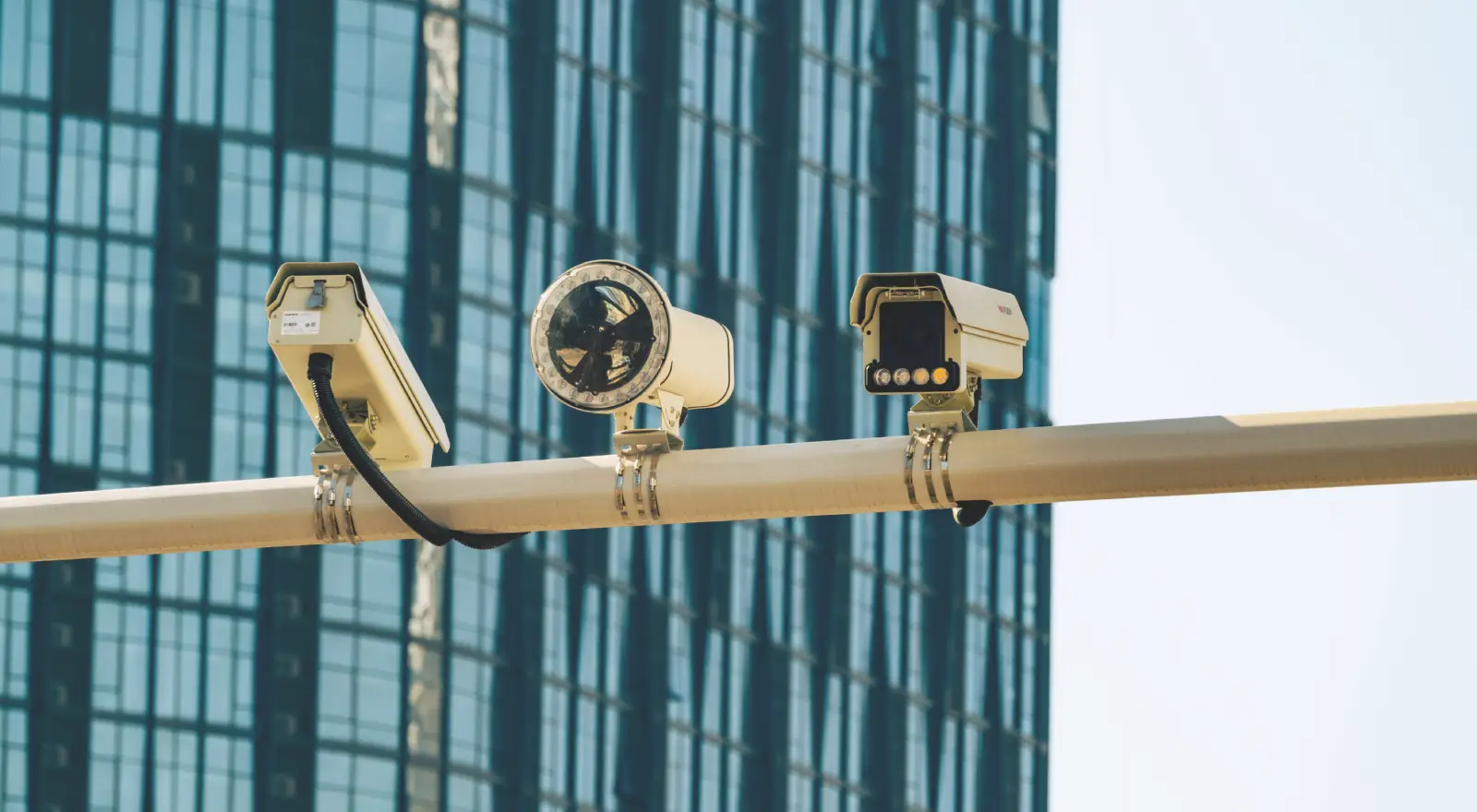
Flock's cameras have evolved to detect not just license plates but also vehicle characteristics like roof racks, bumper stickers, dents, color, make, and model. This enables investigators to search by distinct physical features—for instance, an Atlanta homicide case was advanced by narrowing down vehicles missing a specific hubcap within a 15-minute window.
Drones as Rapid-Response Safety Tools
Flock's drone system stations climate-controlled units on rooftops, dispatching them in under a minute when 911 calls come in. Equipped with 40x optical zoom cameras, these drones arrive before officers to assess situations. In one Dallas-Fort Worth case, a drone quickly identified what appeared to be a gun as merely a toy lighter, avoiding unnecessary escalation and providing real-time visuals for better decision-making.
The Safety vs. Privacy Balance
Langley acknowledges the complexity of balancing public safety with privacy concerns, emphasizing that democratic processes are essential for navigating these tradeoffs.
Data Retention Policies Reflect Community Values
While 90% of crimes are solved within seven days of data retention, the remaining 10%—including serious cases like homicides—may require longer periods. Langley explains that Flock switched its default retention from 30 days to seven days, but local governments make the final decision. State regulations vary widely: New Hampshire restricts retention to three minutes, while New Jersey mandates five years. City councils must weigh police recommendations against privacy concerns and set policies reflecting their community's values.
Technology Extends Security Beyond Wealthy Communities
Calacanis notes that affluent areas have long relied on private security, cameras, and guards—protections most people cannot afford. Langley points out that technologies like Flock's provide community-wide safety measures previously available only to the wealthy, extending security to underserved communities that depend on public solutions.
Preventing Police Abuse and Ensuring Accountability
The discussion addresses concerns about officers misusing surveillance systems, emphasizing the need for robust oversight mechanisms.
Audit Tools Flag Misconduct
Flock has introduced an audit tool that detects abnormal officer behavior, such as repeatedly searching the same vehicle without legitimate investigative steps. This system has uncovered nearly a dozen misconduct cases in eight years. In Georgia, police chiefs using Flock terminated nine officers for stalking and unauthorized data access. The audit tool, now mandatory for all Flock customers, helps identify and remove officers abusing these systems.
Transparency Portals and Proportional Oversight
Transparency portals allow city managers and officials to review detailed logs of surveillance activities, though with a deliberate lag to protect active investigations. Langley explains that oversight mechanisms must scale to agency size—large departments may need multi-step authorization systems, while smaller agencies benefit from simplified protocols proportionate to their use.
Democratic Governance and Community Control
Flock's deployment is managed through local democratic processes, with city councils making final decisions about installation and use.
Communities Set Their Own Rules
Decisions to install Flock cameras are made by city councils after public meetings where Flock representatives explain the technology. Communities determine data retention periods and access permissions within state regulations, ensuring local control over surveillance policies.
Some Cities Discontinued Service
Out of 6,000 cities, approximately 60 to 70 have discontinued Flock services, primarily due to public pressure and misinformation—particularly false beliefs that Flock uses facial recognition. However, nearly 20 cities have reversed their decisions after experiencing increased crime or witnessing neighboring jurisdictions solve cases with Flock's help.
Communication and Addressing Public Concerns
Flock has faced significant challenges from misinformation about its surveillance capabilities and mounting privacy concerns.
Misconceptions Drive Opposition
Langley emphasizes that critics have falsely claimed Flock uses facial recognition or records video continuously. In reality, Flock does not implement facial recognition, does not capture video or look inside vehicles, and prohibits searches for people. These misconceptions have contributed to a 1% customer churn rate and affected employee morale. Social media campaigns on TikTok and Instagram advocating camera destruction have added operational challenges, with vandals often unaware they face felony charges.
Improving Communication and Finding Compromise
Langley states that Flock now aims to appear on major news programs to deliver accurate information to wider audiences. He asserts that when communities receive clear facts—including assurances that cities can set their own limits—most people find the balance reasonable. Privacy advocates like the ACLU have proposed compromises such as limiting data retention to 48 hours, which Langley calls reasonable. He emphasizes that community dialogue is critical for tailoring policies that balance public safety with civil liberties.
1-Page Summary
Additional Materials
Counterarguments
- The effectiveness of Flock’s technology in solving over a million crimes and locating missing people is difficult to independently verify, as such claims often rely on internal or police-reported data rather than peer-reviewed studies or third-party audits.
- Expanding surveillance infrastructure, even without facial recognition, raises concerns about the normalization of mass surveillance and the potential chilling effect on civil liberties and public behavior.
- Detailed vehicle data collection, while useful for investigations, can still be used to track individuals’ movements over time, raising privacy concerns even if the system does not capture faces or look inside vehicles.
- Audit tools and transparency portals, while positive steps, may not fully prevent misuse or unauthorized access, especially if oversight is weak or if there is insufficient public transparency about audit results and disciplinary actions.
- Local democratic processes may not always reflect the will of marginalized or less vocal community members, and public meetings can be dominated by those with more resources or stronger opinions, potentially skewing policy outcomes.
- Data retention policies set by local governments may be influenced by law enforcement preferences rather than privacy best practices, leading to longer retention periods than some privacy advocates recommend.
- The claim that Flock’s technology extends security to underserved communities may overlook concerns that increased surveillance can disproportionately impact communities of color or lower-income neighborhoods, potentially exacerbating existing inequalities or leading to over-policing.
- The assertion that misinformation is the primary driver of opposition may understate legitimate privacy and civil liberties concerns raised by critics, including those from established organizations like the ACLU.
- Even without facial recognition, the aggregation of vehicle and location data can enable forms of indirect identification or profiling, which may be used in ways not originally intended or disclosed.
- The presence of surveillance cameras and drones, regardless of their stated purpose, can contribute to a sense of being constantly watched, which some community members may find objectionable or distressing.
Actionables
- You can attend your local city council or public safety meetings and ask specific questions about how surveillance technology is used, what data is collected, and how long it’s kept, so you can help shape policies that reflect your community’s values and privacy expectations.
- A practical way to balance safety and privacy is to review your city’s public safety website or transparency portal (if available) and submit feedback or suggestions about data retention periods, access permissions, or oversight mechanisms, encouraging your city to adopt clear, community-driven guidelines.
- You can help reduce misinformation by sharing accurate, easy-to-understand summaries about how surveillance technology works and what it does not do (such as not using facial recognition or recording video continuously) with neighbors, friends, or on local social media groups, so your community makes decisions based on facts rather than rumors.
Get access to the context and additional materials
Flock's Technology and Functionality
Flock develops advanced safety systems focused on license plate readers and rapid-response drones, with technology already impacting thousands of communities across the country and credited with solving numerous crimes and locating missing persons.
Plate Readers Help Identify Stolen Cars, Solve Crimes
Vehicle Photography System: License Plates & Characteristics Detection For Investigations
Flock’s license plate reading cameras have evolved beyond basic plate capture. Initially, the system took a still image of a car as it passed and read its license plate, storing the information for investigative use. Over time, Flock’s technology has become more sophisticated, capable of detecting key vehicle features, such as the presence of a roof rack, bumper stickers, unique dents or damage, color, make, and model. This enhanced identification system enables law enforcement to search not just by plate number but also by distinct physical characteristics. For example, in an Atlanta homicide case, the crucial detail was a missing back right hubcap. Detectives used Flock’s database to narrow down all vehicles lacking that hubcap within a 15-minute window, effectively jumpstarting their investigation.
Flock's Tech Solved 1 Million Crimes and Found 10,000 Missing People in 6,000 Cities Nationwide
Flock’s impact is nationwide, with its technology deployed in over 6,000 U.S. cities. The system has helped solve over a million crimes and locate over 10,000 missing people. In one case in Atlanta, a two-year-old missing child was quickly recovered after being abducted in a stolen vehicle, thanks to Flock cameras and cooperation with the local police. In July alone, law enforcement recovered about 1,125 missing people and more than 20,000 stolen cars with Flock’s assistance. Major metropolitan areas, such as San Francisco, are known for utilizing automated license plate readers like Flock’s, cementing their value in ongoing investigations and public safety.
Drones as Rapid-Response Safety Tools From Rooftop Docks
Drones Swiftly Dispatched For 911 Calls, Using 40x Zoom to Assess Before Officers Arrive
Flock’s safety ecosystem includes drones stationed in climate-controlled rooftop docks, often positioned at police precincts or fire departments. When a 911 call comes in, a drone can be dispatched before police officers, arriving at the scene in under a minute by traveling up to 60 miles per hour and flying directly to the location. Equipped with a 40x optical zoom camera, these drones can make precise assessments of a situation before officers arrive on the ground.
A notable example occurred in the Dallas-Fort Worth area: a woman at a gas station called 911, frightened by a man displaying what she thought was a gun. Instead of sending officers rushing into a possibly dangerous scenario, the drone arrived swif ...
Here’s what you’ll find in our full summary
Flock's Technology and Functionality
Additional Materials
Counterarguments
- The widespread deployment of Flock’s surveillance technology raises concerns about privacy and the potential for mass surveillance, even if the intent is public safety.
- Automated license plate readers and drones may disproportionately impact certain communities, leading to concerns about over-policing or biased enforcement.
- The effectiveness of such surveillance systems in actually reducing crime rates, as opposed to merely aiding in investigations after crimes occur, is debated among experts.
- There are concerns about data security and the potential misuse or unauthorized access to the large amounts of sensitive information collected by Flock’s systems.
- Civil liberties organizations have raised questions about the lack of transparency and oversight regarding how data from these systems is used, stored, and shared.
- The presence of constant surveillance may create a ...
Actionables
- You can create a personal vehicle log that records unique features of your car and those of family or friends, making it easier to share detailed descriptions with authorities if needed. For example, note bumper stickers, dents, roof racks, and custom paint so you can quickly provide accurate information in emergencies.
- A practical way to support rapid response in your neighborhood is to set up a group text or messaging chain with neighbors to quickly share information about suspicious vehicles or urgent incidents, helping everyone stay alert and coordinate with local authorities if necessary.
- ...
Get access to the context and additional materials
The Safety vs. Privacy Balance
The discussion between Jason Calacanis and Garrett Langley centers on the ongoing challenge of balancing public safety with privacy concerns, particularly as surveillance technologies become increasingly available to communities.
Surveillance vs. Community Security Tradeoff
Langley acknowledges that striving for safer neighborhoods is crucial but admits that balancing safety and privacy is a complex process. He emphasizes that focusing exclusively on either privacy or safety misses the point, suggesting that democratic processes are essential for navigating such complicated tradeoffs. Safety, he contends, is a fundamental government responsibility, yet how safe individuals feel varies dramatically by wealth, gender, and race—underscoring the need for equal safety across all communities.
When it comes to solving crime, Langley states that 90% of crimes are solved within the first seven days of data retention. However, the remaining 10%—often the most complex and serious cases like homicides or delayed reports of sexual assault—may require longer data retention. Thus, communities must decide their comfort level for data storage, ranging from the 48 hours favored by privacy advocates to longer periods preferred by law enforcement.
Langley insists that city councils, or other democratically elected representatives, should have the authority to determine retention periods and sharing practices for surveillance data. These decisions should reflect community values, and law enforcement should play a consultative role in the process.
Data Retention Affects Crime-Solving and Privacy Exposure
Langley explains that Flock switched its default data retention period from 30 days to seven days, considering this a reasonable compromise, but the final decision remains with local governments. This flexibility allows cities to tailor policies to their specific needs—some may even choose two or three days, especially if they prioritize responding to urgent cases like Amber or Silver Alerts while minimizing privacy exposure.
State regulations create a complex patchwork: New Hampshire restricts license plate data retention to just three minutes, which Calacanis jokes is the equivalent of zero retention, while Washington allows for 21 days, and New Jersey mandates five years. Most states have now established their own maximum limits, so periods vary widely, and ultimately, it is the responsibility of city leaders to educate themselves, consult with police, and decide what works best for their community.
Privileged Areas Have Long Used Private Security Similar to Flock's Community-Wide Protections
Calacanis highlights how affluent areas have long relied on private sec ...
Here’s what you’ll find in our full summary
The Safety vs. Privacy Balance
Additional Materials
Counterarguments
- Democratic processes may not always adequately protect minority rights or privacy, as majority rule can sometimes lead to the erosion of civil liberties, especially for marginalized groups.
- Surveillance technologies, even when intended to increase safety, can disproportionately impact communities of color and other vulnerable populations, leading to over-policing and potential abuses.
- The effectiveness of surveillance in actually reducing crime rates is debated; some studies suggest that increased surveillance does not necessarily correlate with lower crime, but may instead shift crime to less monitored areas.
- Data retention, even for short periods, poses risks of misuse, unauthorized access, or data breaches, potentially exposing innocent individuals to harm or unwarranted scrutiny.
- Community consent for surveillance measures may not be fully informed or representative, especially in areas with low civic engagement or where local governments are influenced by law enforcement or private vendors.
- The normalization of surveillance can erode societal expectations of privacy over time, making it difficult to reverse or limit surveillance practices in the future.
- Relying on technology to address safety concerns may divert attention and resources from addressing root causes of crime, such as poverty, lack of opportunity, or inadequate social services.
- The framing that surveillance technologie ...
Actionables
- you can track your own sense of safety in different places and times by keeping a simple daily log, noting where you feel most and least secure and what factors (like lighting, presence of cameras, or people) influence those feelings, then use this information to advocate for changes in your neighborhood or building that address specific safety gaps without overreaching on surveillance.
- a practical way to participate in local decisions about surveillance and privacy is to email your city council representative with your preferred data retention period and a brief explanation of why it matters to you, referencing your own privacy and safety priorities rather than general arguments.
- you can compare the security measures avai ...

Get access to the context and additional materials
Preventing Police Abuse and Ensuring Accountability
Concerns about police abuse of data systems, such as running license plates for illicit reasons, highlight why abuse detection and accountability must be core features of modern law enforcement technology. This need for oversight is underscored by public distrust stemming from past abuses, data privacy debates, and cases where officers circumvented measures like body cameras or wore masks during operations.
Surveillance Misconduct Needs Detection and Accountability Measures
A major challenge is identifying "dirty cops" who exploit surveillance tools for personal or criminal gain. For instance, Flock Safety has introduced an audit tool designed to flag abnormal officer behavior—such as repeatedly searching for the same vehicle tag without placing it on a department "hot list," a step that would involve transparency and team notification if the search was legitimate. Repeated, isolated searches often signal stalking or personal data misuse, not legitimate investigation.
Flock’s audit tool leverages its knowledge of crime-solving patterns and abuse red flags. Since its rollout, it helped uncover almost a dozen cases of misconduct in eight years. In practice, this tool has led to tangible action. In Georgia, police chiefs using Flock terminated nine officers for stalking and unauthorized data access, openly acknowledging these firings as the department’s strictest response to abuse. Such public accountability is regarded as necessary for building trust and maintaining ethical standards. The audit tool has moved from optional to mandatory for Flock customers to proactively identify and remove officers abusing these systems.
Audit Trails & Transparency Portals Enable Oversight by City Managers & Officials
Another layer of accountability comes from audit trails and transparency portals. These systems enable city managers, mayors, and other oversight officials to view detailed logs of database searches, camera deployments, and drone flights. They can, at any time, independently verify law enforcement’s use of surveillance and investigative resources.
However, this transparency is balanced with operational safety. There’s a deliberate lag in reporting activity, ensuring real-time updates do not compromise active investigations or public safety. Although this delay prevents instant oversight in ongoing pursuits, it allows for thorough retrospective reviews of law enforcement actions, further deterring misuse and ensuring after-the-fact accountability.
Large Police Departments Need More Sophisticated Oversight Than Small-Town Agencies
Oversight mechanis ...
Here’s what you’ll find in our full summary
Preventing Police Abuse and Ensuring Accountability
Additional Materials
Counterarguments
- Audit tools and transparency portals, while helpful, may not fully prevent determined officers from finding new ways to circumvent oversight, especially if there is a lack of a strong organizational culture of accountability.
- The effectiveness of audit tools like Flock’s is limited by the quality and completeness of the data they monitor; if officers use unofficial channels or manipulate records, misconduct may go undetected.
- Publicizing officer terminations for misconduct may build trust with some community members, but it can also contribute to adversarial relationships between police and the public or within police departments.
- Mandatory use of specific audit tools by vendors like Flock may create dependency on proprietary technology, potentially limiting agency flexibility or raising concerns about vendor lock-in and data privacy.
- Delayed transparency, while protecting operational safety, may hinder timely intervention in cases of ongoing abuse or urgent public concern.
- Multi-step authorization systems, such as the "double key system," can introduce bureaucratic delays that impede legitimat ...
Actionables
- you can request and review your local police department’s public records on surveillance technology use and audit logs to better understand how your community handles data access and officer accountability; for example, file a simple public records request for recent audit trail summaries or transparency reports, then compare how your city’s oversight practices align with best practices for abuse detection.
- a practical way to encourage stronger oversight is to write a brief letter or email to your city council or police oversight board asking them to adopt multi-step authorization or independent review processes for police data access, referencing the importance of proportional oversight for departme ...

Get access to the context and additional materials
Democratic Governance and Community Control
The deployment and management of Flock camera technology is deeply intertwined with local governance and community preferences, ensuring transparency and democratic oversight at every step.
City Councils Retain Authority Over Implementing Flock Technology
Decisions to install Flock cameras are made by local city councils, reflecting a community-based approach. Flock, as a company, attends approximately 10,000 city council meetings each year to explain the technology's capabilities and limitations. Their representatives provide information to both police chiefs—who often advise city councils—and elected officials, ensuring that decisions are informed and align with community values. These council meetings are public and recorded, maintaining transparency in the decision-making process surrounding surveillance measures.
Communities Determine Data Retention and Access Permissions Democratically
Local communities also decide how long data from Flock cameras is retained and who can access it. Retention policies must comply with state regulations—for instance, New Jersey mandates a five-year data retention, while California and Washington have set maximum retention limits. Cities can choose periods ranging from very short windows of two or three days to longer periods such as 30 days, striking a balance between public safety needs and privacy concerns. Generally, while police departments may request longer retention (such as 30 days), it is city councils—democratically elected bodies—that set the final policy, ensuring community oversight. These policies affect the product's effectiveness, but providing flexibility allows communities to optimize according to their unique priorities and regulatory environments.
60-70 Cities Discontinued Flock Services Due to Public Pressure and Misinformation
Despite this democratic process, some cities—estimated at 60 to ...
Here’s what you’ll find in our full summary
Democratic Governance and Community Control
Additional Materials
Counterarguments
- While city councils are democratically elected, public participation in surveillance technology decisions may be limited, and not all community members are equally informed or engaged in the process.
- The presence of Flock representatives at city council meetings could introduce a potential conflict of interest, as their primary goal is to promote their product, which may influence the objectivity of the information presented.
- Transparency through public and recorded meetings does not guarantee that all stakeholders, especially marginalized groups, have meaningful input or that their concerns are adequately addressed.
- Even with local control over data retention and access, the existence of mass surveillance infrastructure can raise broader civil liberties and privacy concerns that are not fully mitigated by retention limits.
- State regulations on data retention may override local preferences, limiting true community control in some jurisdictions.
- The flexibility in data retention policies may lead to inconsistencies in privacy protections across different communities, potentially creating confusion or unequal standards.
- Decisions to discontinue Flock services, even if based on misinformation, reflec ...
Actionables
- you can attend a city council meeting in your area and ask for a simple, plain-language summary of any surveillance technology decisions, then share that summary with neighbors who might not follow local government updates, helping demystify the process and encourage informed community input.
- a practical way to help your community make informed decisions is to create a quick-reference chart comparing your city’s surveillance data retention policies with those of nearby cities or states, then distribute it to local social media groups or neighborhood newsletters to spark fact-based conversations.
- you ...


Get access to the context and additional materials
Communication and Addressing Public Concerns
Flock has encountered significant public backlash and operational challenges fueled by misinformation, mischaracterizations of their surveillance technology, and mounting privacy concerns. The company continues to refine communication strategies and policies, working with communities and advocates to strike a balance between public safety and civil liberties.
Flock Faced Backlash and Challenges Over Misinformation On Its Surveillance Capabilities
A persistent point of contention revolves around misunderstandings of Flock's technology. Critics and some members of the public have falsely claimed that Flock uses facial recognition, records video continuously, or allows searches based on an individual's appearance. In reality, Flock does not implement facial recognition, does not capture video or look inside vehicles, and prohibits searches for people—contrasting with certain competitors that employ these capabilities.
These misconceptions have contributed to some communities discontinuing Flock's service out of inaccurate concerns, resulting in a customer churn of about 1%, where previously there was zero churn. Garrett Langley recalls a notable incident where a customer ended Flock's contract based on a mistaken association with a competitor's facial recognition technology found through a web search. Often, he says, these decisions are made on the basis of misinformation. While some cities discontinued service, nearly 20 have reversed their decisions after observing negative impacts on community safety.
The controversy and misunderstanding have also affected Flock's internal morale. Employees are discouraged by hostility directed at the company based on features Flock does not offer. Langley emphasizes that addressing these mischaracterizations and effectively communicating the facts is both a challenge and a critical responsibility for the company.
Activists Vandalize Cameras, Often Unaware of Legal Consequences
The rise of campaigns on TikTok and Instagram advocating for the destruction of Flock cameras has added to operational obstacles. Langley notes that individuals vandalizing cameras may not realize they face felony charges, with penalties of 15 to 20 years imprisonment. The social media campaigns are often driven by users seeking engagement through likes and views, rather than the actual participants engaging in the vandalism. Langley warns that the destruction of cameras undermines important tools used in urgent public safety situations, such as responding to Amber Alerts and missing persons cases.
Improve Flock-Customer Communication to Address Privacy Concerns and Clarify Misconceptions
Flock recognizes the need to improve communication with both direct customers and the broader communities they serve. Langley states the company now aims to proactively appear on major news programs—such as the Today Show and Good Morning America—to deliver accurate information about their technology to wider audiences. Langley maintains that when communities receive clear, factual explanations—such as assurances that cities can set their own limits and guardrails—most people feel the balance of safety and privacy ...
Here’s what you’ll find in our full summary
Communication and Addressing Public Concerns
Additional Materials
Counterarguments
- Even without facial recognition or continuous video, Flock’s license plate reader technology still enables mass surveillance of vehicle movements, raising legitimate privacy concerns.
- The collection and retention of vehicle location data, even for short periods, can be used to track individuals’ movements and associations, which some privacy advocates argue is inherently invasive.
- The presence of surveillance cameras in public spaces can have a chilling effect on free movement and assembly, regardless of the specific technical features or limitations of the system.
- Community decisions to discontinue Flock’s service may reflect broader concerns about surveillance and civil liberties, not just misinformation.
- The reversal of discontinuation decisions by some communities does not necessarily indicate widespread public support or acceptance of Flock’s technology.
- Law enforcement’s desire for longer data retention periods may conflict with community values and privacy expectations, and compromise solutions may not fully address all privacy concerns.
- The threat of severe felony charges for vandalizing cameras may be viewed as disproportionate by some, especially if motivated by civil disobedience or protest against surveillance.
- Relying on police chief ...
Actionables
- you can create a personal fact-checking habit by pausing before sharing or reacting to social media posts about surveillance technology, taking a minute to look up the company’s official FAQ or privacy policy, and then sharing a brief, accurate summary in your own words if you see misinformation spreading in your local online groups
- (for example, if you see a post claiming a camera uses facial recognition, check the company’s website and comment with a simple correction and a link to the relevant policy).
- a practical way to support balanced community decisions is to participate in local surveys or feedback forms about public safety technology, making sure to mention both privacy and safety concerns, and suggesting specific data retention periods that feel reasonable to you
- (for example, if your city asks for input, you might recommend a 7-day retention period and explain your reasoning, helping officials see that residents value both privacy and effective policing).
- you can help reduce vandalism and ...

Get access to the context and additional materials


Create Summaries for anything on the web
Download the Shortform Chrome extension for your browser
