

Nate Silver Predicts: Democrats Take the House, Newsom Is Fading & AOC Might Win It All in 2028
In this episode of All-In with Chamath, Jason, Sacks & Friedberg, Nate Silver joins the hosts to discuss American electoral dynamics and the forces reshaping both parties. Silver examines concerns about election integrity, particularly California's delayed vote-counting process, and explains how polarization now dominates political outcomes—making results in most states predictable years in advance. He identifies three competing factions within the Democratic Party and explores how entrenched partisanship affects candidate quality.
The conversation shifts to forecasting the 2026 midterms and the emerging 2028 Democratic primary field, where Silver notes Gavin Newsom's declining support and the rise of younger candidates like Jon Ossoff and AOC. Silver and the hosts also discuss generational and demographic shifts in party alignment, including how economic experiences shape younger voters' political views and why Hispanic and Asian voters are increasingly moving toward the GOP. The episode examines how algorithm-driven media platforms amplify polarization and create distinctly different information environments across generations.
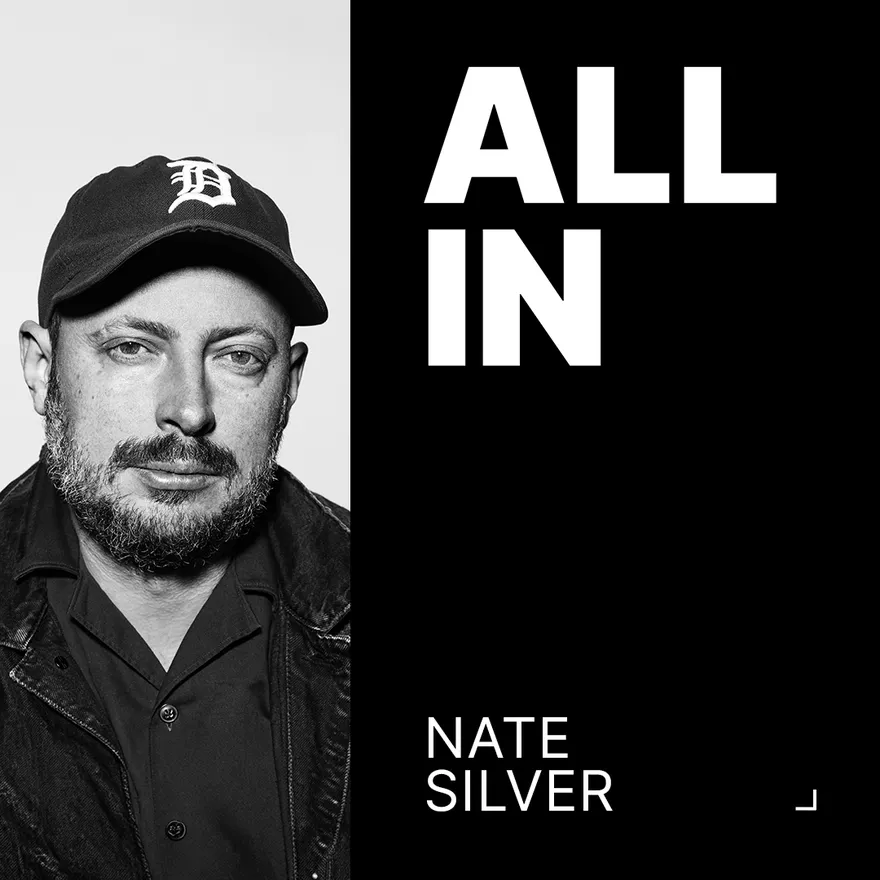

This is a preview of the Shortform summary of the Jun 29, 2026 episode of the All-In with Chamath, Jason, Sacks & Friedberg
Sign up for Shortform to access the whole episode summary along with additional materials like counterarguments and context.
1-Page Summary
Election Integrity Concerns and Voting System Inefficiency
Nate Silver and David Friedberg discuss widespread concerns about California's election counting process and the broader inefficiency of the U.S. voting system, which erodes voter confidence despite minimal evidence of systemic fraud.
California's Delayed Counting Undermines Trust
Silver emphasizes that California's vote-counting process is exceptionally slow, taking weeks to deliver complete results. He contrasts this with countries like India, France, and the UK, which provide results within hours—even in remote polling locations. While California officials justify delays by citing verification needs, Silver argues this prolonged timeline is nearly unique among advanced democracies and reflects "arrogance" and "complacency."
Friedberg and Silver explain that voting patterns contribute to perception issues: Democrats tend to vote by mail later, while Republicans vote earlier and in person—a pattern partly driven by Trump's anti-mail-voting rhetoric. This explains late surges for Democratic candidates without indicating fraud. Silver maintains that other democracies manage both rigorous integrity and speed, while California's system fuels speculation through dramatic late shifts in results.
Minimal Fraud but Systemic Flaws Damage Confidence
Jason Calacanis references the Heritage Foundation's database showing that proven fraud cases are too rare to affect major elections. Silver uses an analogy to explain the "blue shift" and "red shift" phenomena: having multiple voting methods is like having different entrances at Madison Square Garden, each yielding different demographic groups. While voter ID may be reasonable, Silver argues California's core problem is simply being too slow.
Silver recommends systemic reform: simplify voting processes and deploy efficient technology to deliver results within hours, not weeks. He notes that America's decentralized system prevents central rigging but creates wide variation and inefficiency. Countries like India, France, and the UK demonstrate that secure and swift results can coexist.
Political Polarization as Dominant Force
Silver argues that polarization now dominates American politics, creating predictably stagnant electoral outcomes and influencing party strategy across the board.
Partisanship Makes Most States Predictable
Silver states that in 43 of 50 states, election results can be forecast with 97% confidence years in advance, not due to rigging but because polarization sets the fundamental "gravity" for nearly every race. Partisan loyalties determine not just top-line votes but all issue positions and candidate selection.
There are exceptions in purple regions—Silver cites moderates like Charlie Baker and Phil Scott winning as governors in deep-blue New England, and Andy Beshear in Kentucky. However, California's sheer size and impersonal politics have made it an archetypical "machine state," overwhelmingly Democratic. Even highly talented Republican candidates cannot overcome California's partisan lean, unlike New York's more heterodox political history.
Three Democratic Factions Compete Within Partisan Framework
Silver identifies three major Democratic factions. The left faction, personified by AOC and Bernie Sanders, excels at movement politics but rarely wins outside deep-blue areas. The "abundance liberals," inspired by Ezra Klein, champion pro-market policies and criticize California's governance failures around housing and infrastructure. The "resistance liberal" faction remains highly partisan and combative, viewing Republicans as illegitimate and rallying around aggressive figures like Gavin Newsom.
Partisanship Reduces Candidate Quality
Entrenched partisanship has impacted nomination strategies, as Democrats often stick with establishment picks despite weak showings, while Republicans favor insurgents in primaries. Triangulation strategies work well for Democrats in deep-blue states but produce weaker national nominees. Silver argues this explains why Democrats have won only one of the last four competitive presidential elections. He also notes that younger generations, shaped by the Great Recession rather than 1990s prosperity, lack firsthand experience of broad-based American affluence, deepening skepticism toward capitalism and altering the electoral outlook.
2026 Midterm Forecasts
Democrats Likely to Control House
Silver assesses that Democrats' odds of controlling the House may be as high as 85-90%. All forecasting mechanisms point in their favor: an unpopular GOP president, economic anxiety, typical midterm backlash, and strong Democratic performances in recent special elections. Republicans face entrenched unfavorable ratings and high Democratic enthusiasm. Silver argues that for Republicans to change the dynamic would require significant macro shifts like major drops in gas prices or geopolitical changes.
Senate Control Hinges on Red-State Wins
Silver explains that the Senate is fundamentally different—even in a favorable environment, Democrats must win in deep red states like Ohio, Iowa, and Alaska. A particular risk lies in Maine, where Graham Platner trails Susan Collins despite it being a D+8 state. Silver sees this as essentially 50-50, creating unnecessary risk if Democrats fail to flip tougher red-state seats.
The outcomes are highly correlated: if Democrats capture the Senate by flipping red-state seats, that momentum would almost certainly result in House control too. Silver estimates the odds of Democrats winning the Senate but not the House at about 1%.
2028 Democratic Primary Dynamics
The 2028 Democratic primary field is rapidly taking shape around demands for change and generational transition, marking a clear departure from establishment continuity.
Voters Reject Newsom's Continuity Strategy
Silver observes that Gavin Newsom's support has fallen significantly, from about 25% to 15% in polls, with similar declines in prediction markets. Silver and Calacanis agree that the party now demands change. Newsom's close association with the Biden-Harris administration and advocacy for continuity leave him out of step with the base. His attempts to moderate—hosting Charlie Kirk, opposing a billionaire tax—have failed to revive his candidacy or distance him from California's governance problems.
Jon Ossoff Symbolizes Shift to Younger Leaders
Silver notes Jon Ossoff's rise as emblematic of Democrats' preference for youth and fresh faces. Like Newsom, Ossoff is young and polished, but brings added credibility from winning in Georgia—a competitive purple state. The Democratic base increasingly favors generational change over establishment figures.
AOC and Leftists Viable if Dissatisfaction Grows
Silver suggests that with rising dissatisfaction toward the establishment, candidates like AOC become increasingly viable. At 36 in 2028, AOC leverages charisma and national media presence to position herself as an anti-establishment figure. Silver draws an analogy to Republican primaries, where establishment predictions failed until outsider figures like Trump broke through, cautioning against assuming the Democratic establishment can dictate outcomes.
2028 Candidates Will Blend Progressive Policy With Post-Partisan Rhetoric
Silver reminds listeners that Obama's 2008 victory came from blending left-of-center positions with inclusive, post-partisan rhetoric—positioning left of Clinton on Iraq while presenting himself as a "bridge builder." Ultimately, the party faces a crossroads: whether to appeal to younger voters with entrepreneurial opportunity and upward mobility, or embrace a more explicitly socialist platform.
Generational and Demographic Shifts in Party Alignment
Political party alignment is shifting in response to generational experiences, economic realities, and increasingly algorithm-driven media landscapes.
Youth Skepticism Reflects Economic Experience
Silver identifies a generational split at around age 40. Those who came of age during the Clinton-era boom experienced prosperity and established careers before the Great Recession. Younger generations, especially those in college during 9/11 or entering adulthood during the recession, never experienced that growth. Friedberg points out that about 45 million Americans graduated in the past decade with significant student debt, facing far more difficulty with repayment than prior generations. This long-term economic anxiety deepens disillusionment with conventional economic narratives.
Hispanic and Asian Voters Shift Toward GOP
Among Hispanic and Asian American populations, there's notable movement toward the GOP, driven by entrepreneurial values and economic self-reliance. Silver observes that first-generation immigrants who experienced authoritarian socialism are often wary of left-wing economic ideas, but as generations progress, this memory fades. The Democratic Party has lost support among communities who prioritize entrepreneurial capitalism as their path to prosperity.
Media Fragmentation Amplifies Polarization
Silver notes a drastic shift from centralized news—where editors curated what the nation saw—to algorithm-driven media. Where once editorial meetings decided the front page, now algorithms select content based on engagement metrics, often favoring partisan outrage. Calacanis and Silver discuss how platforms like Twitter prioritize engagement over followed content, creating echo chambers. Silver emphasizes that algorithm-driven news shapes younger generations' worldview differently than older broadcast media, with platforms like TikTok and YouTube exposing users to more personalized yet more polarizing information flows, amplifying both polarization and generational differences.
1-Page Summary
Additional Materials
Counterarguments
- While California's vote-counting process is slower than some countries, the extended timeline is partly due to policies designed to maximize voter participation, such as accepting ballots postmarked by Election Day and allowing time for signature verification, which some argue increases access and enfranchisement.
- Comparing California to countries like India, France, and the UK may overlook significant differences in election laws, ballot complexity (e.g., multiple races and propositions on a single ballot), and the scale of mail-in voting, which is far more prevalent in California.
- The assertion that slow counting reflects "arrogance" or "complacency" is subjective; others argue it reflects a commitment to accuracy and inclusion, especially for provisional and mail-in ballots.
- Dramatic late shifts in results are a transparent consequence of how ballots are processed and reported, not evidence of systemic flaws; public education about the process could mitigate speculation.
- The U.S. decentralized election system, while inefficient, is designed to protect against centralized manipulation and allows for local adaptation to community needs.
- Voter ID requirements, while seen as reasonable by some, are criticized by others as potentially disenfranchising certain groups, and there is ongoing debate about their necessity given the rarity of proven fraud.
- The claim that polarization makes most states' outcomes predictable does not account for demographic changes, migration, or unexpected political events that can shift state-level dynamics over time.
- While partisanship is strong, competitive races and candidate quality can still influence outcomes in some states and districts, as seen in recent elections.
- The characterization of California as a "machine state" may overlook local and intra-party competition, as well as the presence of nonpartisan and reform movements within the state.
- The decline in Democratic support among Hispanic and Asian American voters is not uniform; these groups are diverse, and voting patterns can vary significantly by region, generation, and issue.
- Media fragmentation and algorithm-driven news consumption can also expose users to a wider range of perspectives, not just echo chambers, depending on individual usage patterns and platform design.
- The generational split in economic outlook is influenced by many factors, and some younger Americans remain optimistic about capitalism and entrepreneurial opportunity.
Actionables
- you can track and compare how long it takes for election results to be finalized in your area versus other regions or countries, then share a simple timeline or infographic with friends or on social media to highlight differences and spark conversations about election efficiency and trust
- (for example, note when polls close, when initial results appear, and when final counts are certified, then contrast this with publicly available timelines from other democracies to make the process more transparent for your network)
- a practical way to understand how voting methods affect outcomes is to organize a small, informal poll among friends or family using different voting methods (in-person, mail-in, digital) and observe how timing and method influence participation and results
- (for example, ask everyone to vote on a group decision using different methods and track when votes come in and whether the method changes who participates or how they vote)
- you can reduce your exposure to algorithm-driven echo chambers by intentionally following a set number of news sources or commentators with opposing viewpoints for a week, then noting how your perceptions or emotional responses shift
- (for example, if you usually get news from one platform or perspective, add two or three sources with different leanings and keep a brief daily log of how the coverage and tone differ, helping you recognize polarization and broaden your information diet)
Get access to the context and additional materials
Election Integrity Concerns and Voting System Inefficiency
The discussion highlights widespread concerns over California’s election counting process, the inefficiency of the broader U.S. system, and the resulting erosion of voter confidence, even in the absence of systemic fraud.
California Election System Faulted For Delayed Counts
Nate Silver and David Friedberg emphasize that California’s vote-counting process stands out for its extreme slowness, taking weeks to deliver complete results. Silver argues that delayed counting undermines confidence in elections, especially when compared to countries like India, France, and the UK, which typically provide results within hours—even in remote conditions such as Indian polling stations in the Himalayas. Silver critiques what he calls California’s “arrogance” and “complacency,” as state officials justify delays by citing the need for robust verification, yet the prolonged timeline is almost unique among advanced democracies.
Mail-In Ballots' Timing Shows Partisan Shifts: Democrats Vote Later By Mail, Republicans Vote In-person Earlier
Friedberg and Silver address the statistical patterns in voting methods and timelines. Under recent political climates, Democrats tend to vote by mail later, while Republicans vote earlier and more often in person. This systematic difference—fueled partly by former President Trump’s rhetoric against mail voting—explains the late surge in mail-in ballots for Democratic candidates, such as Nipya Rahman over Karen Bass. Silver asserts that this pattern reflects real differences in when and how partisan groups cast ballots, not fraud.
Extended Counting in California Takes Weeks, Unlike India, France, and the Uk, Which Count Votes Within Hours, Suggesting Inefficiency Despite the State's Claims of Verification
Silver maintains that while California claims to prioritize thorough verification, other democracies manage both rigorous integrity and speedy counts. The current system’s inefficiency, where late-arriving ballots lead to dramatic shifts in documented results as days pass, fuels speculation and damages trust.
Late-Arriving Mail-In Ballots Favor Nipya Rahman Over Karen Bass, Reflecting Later Voters' Composition, Not Fraud
Both Silver and Friedberg point out that Nipya Rahman's advantage in late mail-in ballots simply reflects the demographics and voting behavior of people who submit ballots closer to or after Election Day—primarily Democrats—rather than any evidence of fraud or manipulation.
Fraud Is Minimal but Systemic Flaws Undermine Confidence
Jason Calacanis references data from the Heritage Foundation’s database, which tracks proven cases of election fraud. He explains that, even when exaggerated, such isolated registration issues and fraudulent incidents have never been numerous enough to alter major elections. Most cases affect only the smallest, hyper-local contests.
Multiple Voting Methods Cause Blue and Red Shifts, Similar to how Different Entry Lines at Madison Square Garden Yield Varied Demographics
Silver explains the phenomenon using an analogy: having five different methods to vote is like setting up multiple entrances at Madison Square Garden—VIP, staff, main gates—each yielding groups with different demographics. These systemic features predictably cause the “blue shift” (late counts favoring Democrats) and “red shift” (early counts favoring Republicans), further complicating public perception of fairness.
Voter ID Alone Doesn't Explain California's Issues; Failing to Match Ballots To Voters Suggests Irregularity
The group discusses whether voter ID requirements explain parti ...
Here’s what you’ll find in our full summary
Election Integrity Concerns and Voting System Inefficiency
Additional Materials
Counterarguments
- The comparison to countries like India, France, and the UK may overlook significant differences in election laws, ballot complexity, and the volume of mail-in or provisional ballots, making direct efficiency comparisons potentially misleading.
- California’s extended counting period is partly due to policies designed to maximize voter participation, such as accepting mail-in ballots postmarked by Election Day and allowing time for signature verification, which some argue is a deliberate choice to prioritize enfranchisement over speed.
- The U.S. system, including California’s, often features longer ballots with numerous races and propositions, which can require more time to process and verify than the simpler ballots used in many other democracies.
- The decentralized nature of U.S. elections, while contributing to inefficiency, also serves as a safeguard against large-scale manipulation and may be valued for its checks and balances.
- Speeding up vote counting could risk reducing the thoroughness of verification processes, potentially increasing the risk of errors or disenfranchisement, especially for voters whose ballots require additional scrutiny.
- The presence of multiple voting methods is intended to increase accessibility and turnout, and the resulting shifts in vote totals are a transparent reflecti ...
Actionables
- you can track your own ballot’s progress online and share updates with friends or family to demystify the process and show how long each step takes, helping others understand the timeline and reducing anxiety about delays
- By checking your ballot status and posting or texting updates like “Ballot received,” “Ballot counted,” or “Still processing,” you make the process more transparent for your circle and encourage patience and trust in the system.
- a practical way to encourage faster results is to submit your mail-in ballot as early as possible and remind others to do the same, reducing the last-minute surge that slows down counting
- Set a calendar reminder for yourself and send a group message or social media post encouraging early voting, explaining that early ballots help speed up the overall count and make results available sooner.
- you can compare the election result timelines of different countries by following their official election websites or news s ...
Get access to the context and additional materials
Political Polarization and Partisan Gridlock as Dominant Force
Nate Silver argues that political polarization and partisanship dominate American political dynamics, creating predictably stagnant electoral outcomes and influencing party strategy, candidate quality, and factional competition.
Partisanship Makes 43 States Predictable With 97% Confidence Irrespective of Electoral Mechanics
Silver states that partisanship now has so much force that in 43 out of 50 states, election results can be forecast with 97% confidence years in advance, and not because of any rigging or technical manipulation, but because polarization sets the fundamental “gravity” for nearly every race. Voter preferences by party predict all downstream issue positions and electoral alignments.
Voter Preferences Predict all Other Issue Positions
Partisan loyalties now determine not only top-line votes, but also drive issue positions, attitudes, and candidate selection at all levels, making meaningful campaign persuasion and cross-partisan appeal rare.
Purple States Like New England See Moderates Winning, but California's Partisanship Overwhelms Candidate Appeal Despite Republican Quality
There are still exceptions in purple regions like New England, where cross-partisanship can occur. Silver cites moderates like Charlie Baker and Phil Scott as governors in deep-blue New England, and a Democrat like Andy Beshear winning Kentucky as a moderate. However, California is different. Despite its reputation for political eccentricity, its sheer size and impersonal politics have made it the archetype of a “machine state,” highly partisan and overwhelmingly Democratic, unlike the idiosyncratic, heterodox politics of states like Maine or New York.
Republican Talent Can't Overcome Partisan Lean In Deep-Blue States
In California, even highly talented Republican candidates cannot overcome the state's partisan lean. There is no viable route for GOP leadership no matter the quality of their candidates, contrasting with New York’s history of more heterodox leadership, from socialists to Republican mayors like Bloomberg and Giuliani.
Three Democratic Factions Compete Within a Partisan Framework
The Democratic Party, according to Silver, is split into three major factions that compete against the backdrop of entrenched partisanship and state-level ideological gravity.
Left Faction Struggles to Win Outside Deep Blue States Despite Emphasizing Redistribution and Bold Policy Change
One is the left, personified by figures like AOC, Zoran, and Bernie Sanders, who are effective at movement politics and articulate bold changes centered on redistribution and social justice. However, this faction rarely wins outside of the deepest blue states or districts.
Abundance Liberals, Inspired by Ezra Klein, Push Free Market Solutions and Criticize California's Democratic Governance Failures, Focusing On Housing, Population Decline, and Government Collapse
A second faction, the “abundance liberals” inspired by Ezra Klein, champion pro-market policy, growth, and infrastructure. They are critical of Democratic failures in California, pointing to dysfunctional governance, convoluted public systems, population exodus, and slow housing growth, and often clash with the party over culture war issues.
Liberal Faction Stays Partisan, Frustrated With Democrats, Viewing Republicans As Illegitimate, Showing Loyalty To Aggressive Figures Like Gavin Newsom
The third “resistance liberal” faction remains highly partisan and combative, expressing discontent with Democratic leadership while viewing Republicans as illegitimate. This group, typified by loyalty to figures like Gavin Newsom, favors aggressive, never-apologize tactics and rally around the party as “our team” in a zero-sum contest, echoing aspects of the Trump playbook.
Partisanship Encourages Quality-Reducing Nomination Strategies Ignoring Electoral Fundamentals
Entrenched partisanship has further impacted candidate quality and nomination strategies, as both parti ...
Here’s what you’ll find in our full summary
Political Polarization and Partisan Gridlock as Dominant Force
Additional Materials
Clarifications
- Partisan polarization refers to the growing ideological distance and loyalty between political parties, reducing overlap in voter preferences. This division causes voters to consistently support their party regardless of candidates or issues, creating stable, predictable voting patterns. "Electoral gravity" is a metaphor for how strong partisan loyalty pulls election outcomes toward expected results, like a force keeping races within predictable boundaries. It limits the impact of campaign efforts or candidate qualities on changing voter behavior.
- "Purple states" are U.S. states where neither the Democratic nor Republican party has overwhelming dominance, resulting in competitive elections. New England is considered purple because it has a mix of moderate Democrats and Republicans who can win elections, unlike solidly blue or red states. This political balance allows for more cross-party cooperation and less predictable outcomes. The term contrasts with "blue states" (Democratic-leaning) and "red states" (Republican-leaning).
- The named politicians represent well-known figures symbolizing different political styles or factions within U.S. politics. Charlie Baker and Phil Scott are moderate Republican governors in traditionally Democratic New England states, showing cross-party appeal. AOC, Zoran, and Bernie Sanders are progressive Democrats advocating for left-wing policies. Bloomberg and Giuliani are examples of heterodox Republican leaders who succeeded in a diverse political environment like New York City.
- A "machine state" refers to a political system dominated by a powerful, centralized party organization that controls elections and governance with little room for opposition. California is described as one because its large, impersonal bureaucracy and strong Democratic dominance create a rigid political environment. This limits individual candidate influence and reinforces partisan loyalty over personal appeal. The term highlights the state's entrenched, systematic political control rather than grassroots or diverse political competition.
- Triangulation in politics refers to a strategy where a candidate adopts positions that blend elements from multiple ideological sides to appeal to a broader range of voters. It aims to capture the center by avoiding extreme stances, thus attracting moderates and independents. This approach often involves compromising on some party principles to gain wider electoral support. It was notably used by Bill Clinton in the 1990s to win over both Democrats and moderate Republicans.
- The "left faction" focuses on systemic change and social justice, often advocating for wealth redistribution and progressive reforms. "Abundance liberals" emphasize market-driven growth, infrastructure, and pragmatic solutions, critiquing Democratic governance failures like those in California. "Resistance liberals" prioritize partisan loyalty and aggressive opposition to Republicans, adopting combative tactics to defend the party. These distinctions reflect differing strategies and priorities within the Democratic Party's broad coalition.
- "Culture war issues" refer to divisive social topics like race, gender, religion, and identity politics that deeply polarize public opinion. These issues often overshadow economic or policy debates within parties, intensifying factional conflicts. In the Democratic Party, disagreements over culture war stances contribute to tensions between the abundance liberals, who may prioritize pragmatic governance, and resistance liberals, who emphasize ideological purity. Such conflicts affect party unity and strategy, influencing electoral outcomes and policy priorities.
- Since the 2010s, Republican primaries have often favored insurgents who challenge party elites, reflecting grassroots frustration with establishment politics and a shift toward more ideologically extreme candidates. Democrats, with a more institutionalized party structure and broader coalition, tend to support establishment candidates to ...
Counterarguments
- While partisanship is a strong predictor, there are still notable instances of electoral surprises and shifts, such as the 2022 midterms and the 2016 presidential election, indicating that outcomes are not entirely predetermined.
- Voter preferences and issue positions are not always perfectly aligned with party lines; there is evidence of ticket-splitting and issue-based voting in various states and localities.
- Campaign persuasion and cross-partisan appeal, though less common, still play a role in close races and can be decisive in swing districts or states.
- California has elected Republican governors in the recent past (e.g., Arnold Schwarzenegger), suggesting that partisan dominance is not absolute or permanent.
- The characterization of California as a "machine state" may overlook the state's internal diversity and the presence of competitive local and regional elections.
- The assertion that highly talented Republican candidates have no viable route in deep-blue states does not account for the potential impact of unique circumstances, scandals, or third-party dynamics.
- The Democratic Party's factionalism is not unique; the Republican Party also contains significant internal divisions that influence strategy and outcomes.
- The claim ...

Get access to the context and additional materials
2026 Midterm Forecasts and Predictions
Democrats Likely to Control House With 85-90% Market Odds
Nate Silver assesses that the odds for Democrats to control the House may even be understated and could be higher, around 85-90%. He notes that every forecasting mechanism currently points in their favor, despite the challenges of predicting inherently volatile midterm elections. The Democrats are bolstered by a series of factors: an unpopular GOP president, widespread economic anxiety, the lack of major new Middle Eastern wars, and the typical midterm backlash against the president’s party. Recent strong Democratic performances in New Jersey, Virginia, and various special elections strengthen their case. Silver argues that, even with uncertainty, all major indicators—ranging from electoral history to polling and special elections—align in favor of the Democrats for the House.
Republicans, meanwhile, face entrenched unfavorable ratings and high Democratic enthusiasm, even among Democrats who have reservations about their own party. Silver believes that for Republicans to change the dynamic, significant macro factors would be required, such as a noticeable drop in gas prices or major geopolitical shifts. However, those variables remain highly uncertain and, for now, the momentum remains with Democrats. Silver adds that while there is always a slim chance the underdog prevails—analogous to unlikely sports upsets—the fundamental indicators heavily favor Democrats.
Senate Control Hinges on Red-state Democratic Wins
Silver explains that the Senate is fundamentally different and more of a "numbers game." Even in a favorable environment for Democrats, they must secure victories in deep red states such as Ohio, Iowa, and Alaska, which sets a much higher bar for success compared to the House. Achieving control of the Senate thus depends on Democrats outperforming in states that typically favor Republicans, making their path significantly more difficult even if broader national conditions are similar.
Democratic Risks in Maine: Graham Platner Trails Susan Collins in D+8 State, Potentially Costing Chamber if Redder Seats Aren't Flipped
A particular risk for Democrats lies in Maine—a state Biden won by substantial margins (D+8 or D+10)—but where Graham Platner is running only two points ahead of incumbent Susan Collins, a Republican. Silver treats this polling at face value and sees the race as essentially 50-50. This creates an unnecess ...
Here’s what you’ll find in our full summary
2026 Midterm Forecasts and Predictions
Additional Materials
Counterarguments
- Forecasting midterm elections remains inherently uncertain, and even high-probability predictions can be upended by late-breaking events or polling errors, as seen in past cycles.
- Reliance on recent special election results and polling may overstate Democratic strength if those contests are not representative of broader national trends or if turnout patterns shift in the general election.
- The assumption that economic anxiety will benefit Democrats may not hold if voters blame both parties or if the GOP successfully reframes economic issues.
- High Democratic enthusiasm does not guarantee turnout, especially in non-presidential years when turnout typically drops and can be more variable.
- The impact of divisive or personal attacks in red-state Senate races is difficult to quantify and may not always disadvantage Democrats, depending on local dynamics and candidate quality.
- The correlation between Senate and House outcomes, while historically strong, is not absolute; ticket-splitting and local fact ...
Actionables
- you can track and compare local polling data for your congressional and senate districts in a simple spreadsheet to spot early shifts or anomalies, helping you anticipate which races might become unexpectedly competitive and where your attention or resources could make the most difference; for example, note changes in polling margins, candidate favorability, and turnout enthusiasm week by week.
- a practical way to prepare for sudden shifts in election dynamics is to set up news alerts for key economic indicators like gas prices or major geopolitical events, so you can quickly recognize when the underlying factors that influence election forecasts are changing and adjust your expectations or conversations accordingly.
- you can create a person ...
Get access to the context and additional materials
2028 Democratic Primary Dynamics and Candidate Positioning
The 2028 Democratic primary field is rapidly taking shape around a demand for change, generational transition, and new candidate profiles, marking a clear departure from past cycles driven by establishment continuity.
Voters Reject Newsom's Continuity Strategy, Candidacy Declines
Newsom Drops In Support and Prediction Markets
Nate Silver observes that Gavin Newsom’s support in Democratic primary polls has fallen significantly, dropping from about 25% to 15%. Prediction markets like Polymarket similarly show a decline, from 33% to 22%. Silver attributes Newsom’s previous strength largely to name recognition rather than underlying enthusiasm or momentum.
Electorally Toxic Strategy: Defending Biden-Harris Record Amid Demand For Change
Silver and Jason Calacanis agree that the prevailing spirit in the Democratic Party now resembles a near-perpetual “change election” dynamic. Candidates like Kamala Harris and Newsom, both closely associated with the Biden-Harris administration and its record, struggle to gain traction as the Democratic base looks for alternatives. Newsom’s advocacy for continuity—embracing Biden’s legacy and tying himself to the current administration—renders his campaign out of step with a party and electorate craving change. Silver points out that the Democratic establishment’s old playbook of picking the “least unacceptable” option (such as Harris, Hillary Clinton, or John Kerry) is increasingly outmoded.
Newsom's Efforts to Moderate Through Media and Oppose the Billionaire Tax Have Failed to Revive His Candidacy or Distance Him From California's Governance Issues, Leaving Him Defensive
Newsom’s attempts to reposition himself—such as hosting figures like Charlie Kirk on his podcast, opposing a billionaire tax, and expressing moderate views on culture war issues—have failed to turn around his campaign or distance him from California’s much-criticized governance. Silver argues that Newsom remains “in a pretty defensive position,” with efforts at media outreach and moderation falling flat and leaving him unable to shed negative associations with the state’s problems.
Jon Ossoff Symbolizes Democratic Shift to Younger, Purple-State Leaders
Ossoff Merges Youth and Appeal Like Newsom, Adding Credibility By Winning In Georgia, a Proven Purple State for Democratic Viability
Silver notes the rise of Jon Ossoff as emblematic of the Democrats’ bias toward youth and fresh faces. Like Newsom, Ossoff is young and polished, but he brings added credibility from winning in Georgia—a competitive purple state essential to Democratic national prospects.
Democratic Base Favors Generational Change Over Establishment, Opening Opportunities for Loyal, Strategic Departures
Democrats increasingly seek generational change—with the base showing preference for younger candidates, as seen in Ossoff’s and Zoran’s ascents. This shift opens the door for candidates who reflect the demand for new leadership, whether through loyalty to the party’s evolving values or a strategic break from the establishment, rather than simply continuing existing policies or leadership.
Safer Alternatives in Janet Mills vs. Progressive Outsider Risks
Though attention centers on youthful newcomers, safer establishment-aligned options, such as Maine’s Janet Mills, remain on the table. Silver points out that, while safer, these traditional choices may not offer the change many Democratic voters now seek, thus increasing the risk-taking appetite for outsider or even progressive alternatives.
AOC and Other Leftists Viable if Dissatisfaction With Democrats Grows
AOC, 36 by 2028, Meets Constitutional Requirements, Uses Charisma and Media Presence to Become an Anti-Establishment Figure Like Trump in Republican Primaries Despite Opposition
Silver suggests that, with rising dissatisfaction toward the establishment, candidates like Alexandria Ocasio-Cortez (AOC) become increasingly viable. At 36 years old (the minimum for presidential candidacy), AOC leverages her charisma and national media profile to position herself as an anti-establishment figure, much as Donald Trump did during Republican primaries. Silver and Calacanis agree that the appetite among voters for someone who can channel frustration with the party’s status quo is high, even if AOC’s path would face establishment opposition.
Republican Establishment Dominance Predictions Failed, Suggesting Democratic Assumptions About Inevitable Nomination Outcomes May Also Be Incorrect
Silver draws an analogy to past Republican primaries, where establishment favorites traditionally won out—until outsider figures like Trump broke through, revealing limits to establishment control. He cautions against assuming the Democratic establishment can simply dictate outcomes, acknowledging that a burst of outsider support or a generational rift could upend expectations.
Younger Voters May Support Outsider Candidates Over Ideology ...
Here’s what you’ll find in our full summary
2028 Democratic Primary Dynamics and Candidate Positioning
Additional Materials
Counterarguments
- While the demand for generational change is prominent in media narratives, historical voting patterns show that older, more established candidates often perform well in primaries due to higher name recognition and established networks.
- Declines in early polling and prediction markets for candidates like Newsom are not always predictive of final outcomes, as primary dynamics can shift rapidly with debates, endorsements, or unforeseen events.
- The association of Newsom and Harris with the Biden-Harris administration may be a liability for some voters, but others within the Democratic base still value continuity and experience, especially in uncertain times.
- The assertion that the Democratic establishment’s strategy is outdated overlooks the fact that establishment-backed candidates have still won recent primaries (e.g., Joe Biden in 2020).
- Efforts to moderate or reposition a candidate’s image can take time to resonate with voters, and media narratives may not fully capture grassroots sentiment or the impact of local campaigning.
- The emphasis on purple-state victories as a marker of national viability may undervalue the importance of coalition-building and turnout in reliably blue states, which are essential for Democratic electoral success.
- While younger voters are often described as less loyal to party branding, turnout among younger demographics has historically lagged behind older voters, potentially limiting their influence in primaries.
- The comparison between AOC’s potential candidacy and Trump’s outsider breakthrough may ...
Actionables
- you can track and compare the public statements and policy proposals of emerging political candidates to identify who genuinely represents generational change and new leadership, then share your findings in a simple chart with friends or on social media to encourage informed discussions about candidate authenticity and alignment with change-focused values.
- a practical way to test your openness to outsider or non-establishment candidates is to create a personal candidate scorecard that rates contenders on factors like age, background, policy innovation, and independence from party leadership, helping you consciously challenge your own biases toward traditional or establishment figures.
- you can ...
Get access to the context and additional materials
Generational and Demographic Shifts in Party Alignment
Political party alignment in the U.S. is shifting in response to generational experiences, economic realities, demographic changes, and increasingly fragmented media landscapes shaped by algorithms.
Youth Disillusioned With Capitalism Reflects Economic Experience, Not Ideology
Cutoff For Capitalism Skepticism Is Age 40; Younger Cohorts Experienced Great Recession and Wars, Missing 1990s Prosperity That Shaped Older Gen X
Nate Silver identifies a key generational split at around age 40. Those old enough to have come of age during the Clinton-era boom—roughly the second half of Gen X—benefited from the prosperity of the 1990s and the sense that the American system “worked.” Many in this cohort entered the workforce before the Great Recession, already having established careers and financial security when economic instability hit. In contrast, younger generations, especially those who were in college during 9/11 or entered adulthood during the Great Recession, never experienced that same era of growth. Instead, they navigated a world marked by war, economic volatility, and fewer opportunities, fueling skepticism toward capitalism and institutions.
College Graduates Face Long-Term Economic Anxiety From Federal Student Loan Debt, Complicating Debt Repayment Compared To Predecessors
David Friedberg points out that about 45 million Americans graduated college in the past decade, most with significant student debt. Unlike prior generations, these graduates face far more difficulty escaping their debt burden due to federal student loan policies and underwriting that hinder financial mobility. This long-term economic anxiety deepens disillusionment with conventional economic narratives, setting these cohorts apart from their predecessors.
9/11 Generation vs. Clinton '96 Voters: Real Generational Divides
Silver draws a further contrast between voters shaped by 9/11 and the wars that followed, and those whose formative political moment was the optimism of the 1996 Clinton re-election. These real generational divides reinforce why younger Americans are less likely to see capitalism as benevolent or trustworthy. As a result, skepticism toward the economic and political status quo is shaped more by lived experience than abstract ideology.
Hispanic, Asian Voters Shift To Gop For Entrepreneurship, Economic Mobility Values
Immigrant Communities: Entrepreneurs Embrace Capitalism, Clash With Democrat Skepticism
Among Hispanic and Asian American populations, there is notable movement toward the GOP, driven by different relationships to capitalism. For many immigrant communities, entrepreneurship and economic self-reliance are central values. These groups have historically embraced capitalism for providing pathways to prosperity. This often places them at odds with Democratic skepticism about capitalism, especially when that skepticism resonates more with U.S.-born younger voters.
Second and Third-Generation Americans May Lack Understanding of Socialism's Failures Carried by First-Generation Immigrants From Authoritarian Regimes, Allowing Capitalism Skepticism to Grow As Memory of Alternatives Fades
Silver observes that first-generation immigrants who experienced authoritarian socialism firsthand are often wary of left-wing economic ideas. However, as generations progress, the vivid memory of socialist failures fades among second and third-generation Americans. This makes these younger cohorts more open to capitalism skepticism, since they lack personal or familial memories of the alternatives’ dangers or failures.
Democratic Support Losses Concentrate Among Hispanic and Asian Americans Due to Their Focus on Entrepreneurial Capitalism For Prosperity
Political parties are seeing these generational and cultural divides reflected in electoral coalitions. Notably, the Democratic Party has lost support among Hispanic and Asian communities who prioritize entrepreneurial capitalism as their path to prosperity, further reshaping American party politics.
Media Fragmentation and Algorithms Amplify Polarization Beyond Ideology
From Editorial Control to Algorithmic Feeds, Human Judgment in News Is Replaced by Metrics Favoring Partisan Outrage
Nate Silver notes a drastic shift from a world of highly centralized news—where editors at institutions like The New York Times curated what the ...
Here’s what you’ll find in our full summary
Generational and Demographic Shifts in Party Alignment
Additional Materials
Counterarguments
- While generational economic experiences influence political alignment, research also shows that family upbringing, local culture, and religious affiliation remain strong predictors of party identification across age groups.
- The narrative that younger generations are uniquely disillusioned with capitalism may overlook the cyclical nature of economic skepticism, which has appeared in previous generations during periods of economic downturn.
- Some studies indicate that younger Americans’ skepticism toward capitalism is not universal; many still express support for market-based solutions, especially in the context of technological innovation and entrepreneurship.
- The shift of Hispanic and Asian American voters toward the GOP is not uniform; significant portions of these communities continue to support Democratic candidates, and voting patterns can vary widely by region, country of origin, and socioeconomic status.
- The claim that Democratic skepticism of capitalism drives minority voters to the GOP may oversimplify complex factors such as immigration policy, social issues, and perceptions of discrimination, which also influence voting behavior.
- The idea that algorithm-driven news uniquely polarizes younger generations may understate the role of traditional media in shaping partisan divides, as cable news and talk radio have long contributed to polarization among older Americans.
- Some research ...
Actionables
- you can track your own news consumption for a week by noting which sources and platforms you use, then intentionally swap one algorithm-driven feed for a direct, non-algorithmic source (like a news website’s homepage or a print newspaper) to see how your perspective or emotional response to current events changes.
- a practical way to understand generational economic differences is to ask older and younger family members or friends about their first jobs, student debt, and views on financial security, then write down the biggest differences you notice and reflect on how these shape your own attitudes toward work and institutions.
- you can experiment with broadening your social media ...
Get access to the context and additional materials


Create Summaries for anything on the web
Download the Shortform Chrome extension for your browser
