

SpaceX's $2T Case, Nvidia's Shock Selloff, America Turns on AI, Trump Pulls AI Order, Bond Crisis?
In this episode of the All-In podcast, Chamath, Jason, Sacks, and Friedberg explore major developments in AI, space infrastructure, and global economics. The discussion covers Andrej Karpathy's move to Anthropic to work on recursive self-improvement in AI, SpaceX's record-breaking $1.75 trillion valuation and its expanding business in satellite internet and AI compute infrastructure, and Nvidia's continued dominance in the semiconductor market. The hosts also examine emerging challenges around these technological shifts.
The conversation addresses growing public backlash against AI adoption, particularly workforce disruptions and concerns about who benefits from technological progress. The hosts also analyze macroeconomic pressures including rising inflation and bond yields, as well as U.S.-China competition in semiconductors and energy. Throughout, they discuss how these technological, economic, and geopolitical forces are reshaping industries and creating both opportunities and tensions in the current landscape.


This is a preview of the Shortform summary of the May 22, 2026 episode of the All-In with Chamath, Jason, Sacks & Friedberg
Sign up for Shortform to access the whole episode summary along with additional materials like counterarguments and context.
1-Page Summary
AI Advancement and Competitive Dynamics
The AI landscape is rapidly evolving with intensified competition among leading organizations, marked by key strategic moves and technological breakthroughs.
Karpathy Joins Anthropic and Recursive Self-Improvement
Andrej Karpathy, a legend in tech at just 39, is joining Anthropic to lead their new pretraining team focused on recursive self-improvement—building AI that can refine and enhance itself during training. His open-source research tool gained over 82,000 GitHub stars in a weekend, inspiring numerous recursive LLM projects. Gavin Baker notes this recursive self-learning represents a final frontier for AI, potentially allowing model quality to increase tenfold annually, creating a modern Moore's Law for AI. Chamath Palihapitiya suggests this could push AI learning far faster than humans-in-the-loop, while Jason Calacanis observes that Karpathy's talent combined with Anthropic's technical lead positions them six to twelve months ahead of competitors.
Anthropic's Profitability and Cursor's Competitive Edge
Anthropic has achieved profitability while scaling faster than almost any company in history, according to Baker, with projections of $100 billion in annual recurring revenue at 80% gross margins. Meanwhile, Cursor has built a proprietary dataset of coding tokens larger than the entire public internet. Their Composer 2.5 model, trained on SpaceX's Colossus cluster using reinforcement learning, achieved Pareto-dominant performance in just weeks, demonstrating how specialized data combined with advanced RL can drive leapfrog improvements. Grok has also advanced to the frontier with its 500 billion parameter model, now competing directly with top-tier models after releasing Grok Build—a crucial runtime and agentic environment that dramatically increases real-world utility.
SpaceX IPO and Integrated Infrastructure
SpaceX's record-setting $75 billion fundraising at a $1.75 trillion valuation reflects extraordinary confidence in its space-compute strategy and diversified business model.
Revenue Drivers and Growth
Starlink leads with $11.4 billion in revenue—a 50% year-over-year increase—generating $4.4 billion in operating income. The space services division posted $4 billion in revenue with moderate losses, while the AI compute division generated $3.2 billion with significant losses reflecting heavy infrastructure investment. Market expectations place the probability of SpaceX surpassing $2 trillion market cap on its first trading day at 71%.
Elon Web Services and Anthropic Deal
Anthropic's commitment to rent Colossus compute for $1.25 billion monthly—totaling $45 billion over three years—effectively doubles SpaceX's AI compute business overnight, adding "a Starlink in revenue." SpaceX's ability to construct data centers in just 66 days, down from 122 initially, demonstrates execution advantages that keep them ahead of traditional hyperscalers. The deal includes 90-day cancellation clauses, providing both flexibility and strategic optionality.
Cursor Acquisition and Orbital Computing
SpaceX's acquisition of Cursor at $2–$3 billion consolidates control over coding data and compute resources, positioning them to dominate code generation markets. Looking further ahead, SpaceX targets commercial viability for orbital data centers between early 2028 and 2030. Space-based infrastructure creates resilience against terrestrial disruptions and aligns with the founder's vision of computational sovereignty—developing independent infrastructure beyond any single government's control, serving as what David Friedberg calls a "backup for civilization."
Semiconductor Valuations and GPU Market
Nvidia's Dominance
Nvidia reported $81.6 billion in revenue—an 85% year-over-year increase—with $58 billion in net income and 75% gross margins. The company approved an additional $80 billion in buybacks and raised its quarterly dividend 25-fold, reflecting robust profit confidence. Nvidia expects to rapidly transition its CPU business to $20 billion in annual revenue, leveraging close co-design partnerships with every major AI lab.
Market Inefficiencies and GPU Lifespan
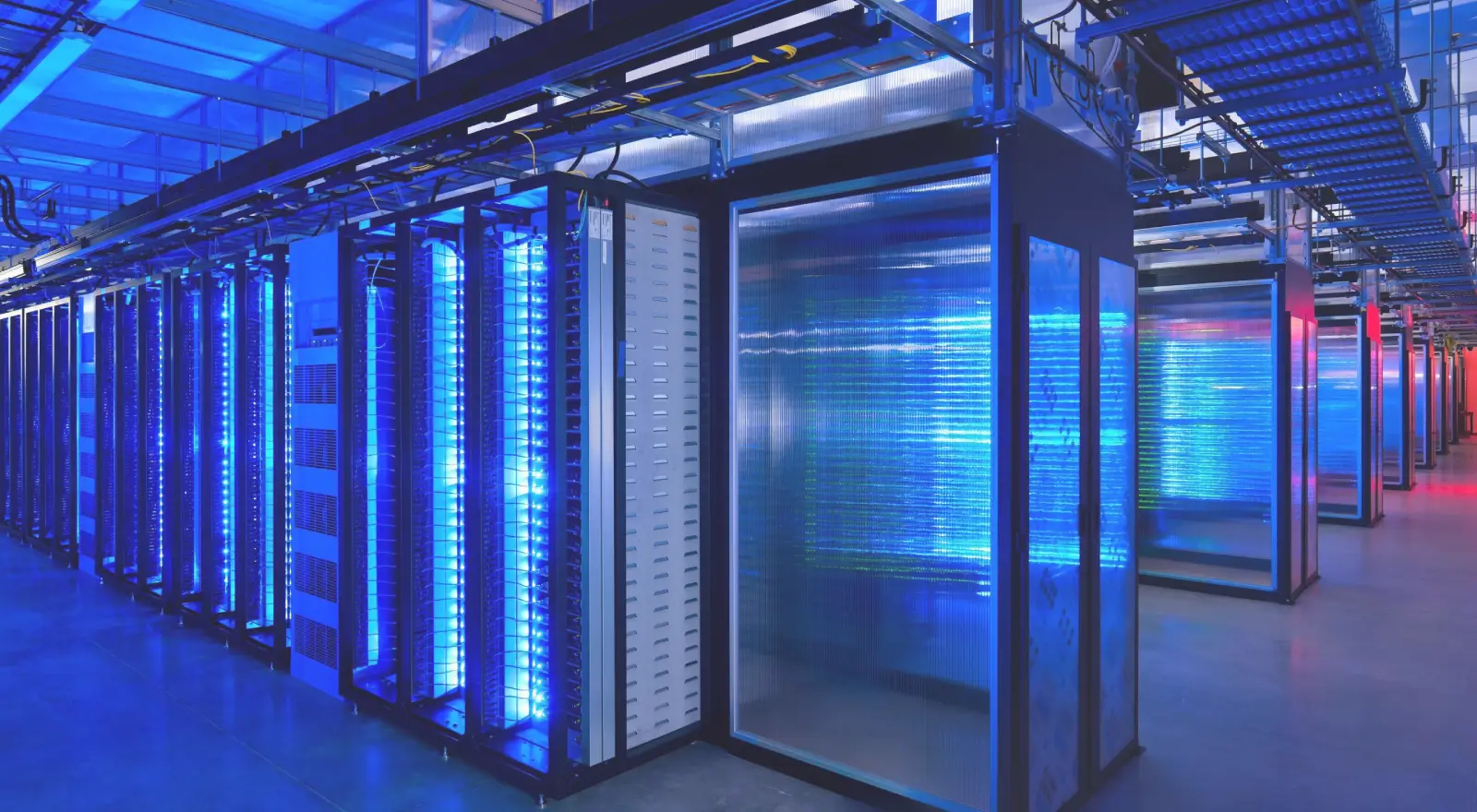
The semiconductor market exhibits pricing inefficiencies, with memory manufacturers trading at low P/E multiples while power, cooling, and optical networking companies are discounted despite their essential role in AI infrastructure. This valuation gap suggests either Nvidia is dramatically undervalued or infrastructure components will underperform. Meanwhile, GPU useful life has extended from predicted two-year obsolescence to seven or more years, transforming compute rental businesses into stable revenue generators. Operators can now sign six-year contracts backed by financing at 6%, creating predictable cash flows and reinforcing the view that modern GPUs are viable capital assets with decade-long lifespans.
AI Adoption Backlash and Public Sentiment
AI's rapid integration is creating complex backlash affecting workers and public sentiment, while foreign actors exploit anxieties to hinder U.S. progress.
Workforce Disruption and Messaging Problems
Recent AI-driven layoffs are sparking anxiety and regulatory scrutiny. Palihapitiya criticizes Matthew Prince's Cloudflare memo as dehumanizing, while Calacanis highlights how Mark Zuckerberg's layoffs of 8,000 employees, coupled with surveillance systems, reinforce narratives that workers are training their replacements. Employees at Meta who developed efficiency tools during hackathons often found those innovations hastened their termination. This contrasts with Elon Musk's messaging about optional work and "incredible abundance" through universal basic income—a framework that positions AI gains as broadly beneficial rather than purely corporate efficiency.
Youth Backlash and Foreign Interference
Public backlash is particularly strong among youth, with three high-profile tech speakers being loudly booed by graduating classes. Friedberg explains this stems from perceptions that economic benefits accrue only to a technical elite, while most people see only job displacement. Palihapitiya argues this creates an "us versus them" dynamic that turns AI into a negative term. Friedberg notes that foreign powers, particularly Chinese-funded NGOs, actively exploit anti-AI sentiment to slow U.S. technological progress, using sophisticated disinformation tactics reminiscent of Cold War strategies.
Refocusing on Benefits
Panelists advocate redirecting conversations toward tangible benefits. Baker shares how a hedge fund manager used AI-driven drug discovery to essentially cure his daughter's rare genetic condition—demonstrating profound humanitarian value. Palihapitiya highlights advances like solving longstanding math problems and public safety breakthroughs such as Las Vegas police using AI-powered gunshot detection to reduce crime. The consensus is that telling stories of individual success and practical improvements can reduce backlash and support balanced AI policies.
Macroeconomic Headwinds and Geopolitical Competition
Global economic instability is rising from persistent inflation and geopolitical tensions, though U.S. strategic advantages provide resilience.
Inflation and Yield Concerns
According to Calacanis, the probability of May inflation exceeding 4.2% is now 99%, with Q2 CPI forecast at 6%. The ten-year U.S. Treasury reached 4.6%, well above the Federal Reserve's target. Internationally, Japan's 30-year bond hit a record 5.1%, while U.K. and German yields are at crisis-era highs. Baker and Calacanis agree these elevated yields reflect deep concerns over sovereign debt and potential currency debasement—structural issues rather than cyclical inflation.
U.S. Strategic Advantages
Despite global headwinds, Baker emphasizes America's energy independence as critical, with electricity primarily from cheap natural gas and status as a net oil and gas exporter. A potential Strait of Hormuz closure would devastate China, Japan, South Korea, and Europe, but the U.S. would be relatively insulated. The dollar's reserve currency status provides additional protection, as Baker notes the lack of viable alternatives makes it "the best house in a bad neighborhood."
U.S.-China Competition and Semiconductor Strategy
Recent U.S.-China talks focused on relationship-building with modest commercial outcomes. Palihapitiya and Calacanis discuss an emerging framework potentially trading tacit spheres of influence on Taiwan, Venezuela, and Iran. Baker asserts America's oil alliances provide leverage to deter China from major moves. On semiconductors, Calacanis notes the U.S. sold some Nvidia chips to China, but only selected, less advanced models. Baker explains that restricting high-end exports forces rivals toward power-hungry alternative architectures while maintaining American leadership. This managed trade balances stability—preventing China from developing an entirely separate ecosystem—while retaining U.S. technological superiority.
1-Page Summary
Additional Materials
Clarifications
- Recursive self-improvement in AI refers to an AI system's ability to autonomously enhance its own algorithms and performance without human intervention. This process can lead to rapid, exponential improvements in AI capabilities, potentially surpassing human intelligence. It is significant because it could accelerate AI development far beyond current incremental progress. This concept raises both opportunities for breakthroughs and concerns about control and safety.
- "Pareto-dominant performance" means an AI model is better in at least one aspect without being worse in any other compared to competitors. It reflects an optimal trade-off where no other model can improve one metric without sacrificing another. This concept comes from Pareto efficiency in economics, applied here to balance factors like accuracy, speed, and resource use. Achieving Pareto dominance indicates a clear overall advantage in performance.
- An "agentic environment" in AI refers to a system where AI models can act autonomously to make decisions and perform tasks. It enables AI agents to interact with their surroundings, learn from feedback, and adapt their behavior dynamically. This environment supports complex problem-solving by allowing AI to take initiative rather than just respond passively. It enhances real-world utility by integrating AI into operational workflows with decision-making capabilities.
- SpaceX's Colossus cluster is a massive, high-performance computing system designed specifically for training advanced AI models. It leverages SpaceX's proprietary infrastructure to provide unparalleled processing power and speed, enabling rapid development and iteration of AI algorithms. This cluster supports reinforcement learning and large-scale data processing, giving SpaceX and its partners a competitive edge in AI research. Its integration with SpaceX's space-compute strategy also positions it uniquely for future orbital data center deployments.
- Computational sovereignty refers to a nation's control over its own digital infrastructure and data processing capabilities, independent of foreign influence. It ensures security, privacy, and resilience by reducing reliance on external providers or governments. This concept is increasingly important as digital infrastructure becomes critical to national security and economic stability. Achieving it often involves developing domestic data centers, cloud services, and hardware manufacturing.
- Orbital data centers are satellites equipped with computing hardware that operate in space. They reduce latency by processing data closer to users globally and provide resilience against terrestrial disruptions like natural disasters or cyberattacks. These centers leverage solar power and advanced cooling from the space environment to enhance efficiency. Their deployment supports computational sovereignty by operating beyond any single nation's jurisdiction.
- Nvidia's buybacks reduce the number of shares available, increasing earnings per share and signaling confidence in future growth. A large buyback often indicates the company believes its stock is undervalued. Raising dividends significantly rewards shareholders, attracting income-focused investors. Together, these moves show strong financial health and commitment to returning value to investors.
- Pricing inefficiencies in the semiconductor market occur when the prices of related components do not accurately reflect their true value or cost. Memory manufacturers have low price-to-earnings ratios despite their critical role, suggesting undervaluation. Conversely, companies producing power, cooling, and networking equipment are also undervalued even though they are essential for AI infrastructure. These mismatches can distort investment decisions and market perceptions of sector health.
- Extended GPU lifespan means hardware remains effective longer, reducing the need for frequent replacements. This stability allows rental providers to offer longer-term contracts, improving revenue predictability. Financing becomes easier as GPUs are treated like durable assets, attracting investment. Overall, it shifts compute rental from volatile to steady, capital-intensive business.
- "Six-year contracts backed by financing at 6%" means companies lease GPUs for six years with loans charging 6% interest. This financing spreads the cost over time, making expensive hardware affordable. It provides predictable, steady payments and revenue for both buyers and sellers. This stability encourages long-term investment in AI infrastructure.
- Matthew Prince is the CEO of Cloudflare, a major internet infrastructure company. His memo reportedly framed AI-driven layoffs in a way that some viewed as impersonal or dismissive of workers' experiences. Critics argue this dehumanizing tone worsened employee anxiety and public backlash against AI. The controversy highlights tensions between corporate communication and workforce morale during AI-driven disruptions.
- In many companies, employees develop or improve AI tools that automate parts of their own jobs. This can unintentionally speed up layoffs because the AI reduces the need for human labor. Workers feel they are helping create technology that replaces them, causing fear and resentment. This dynamic complicates trust and morale during AI-driven workforce changes.
- Universal basic income (UBI) is a government program that provides all citizens with a regular, unconditional sum of money. In the context of AI, UBI is proposed to offset job losses caused by automation and AI-driven efficiency. It aims to ensure economic security as AI increases productivity and wealth. This approach frames AI benefits as shared societal gains rather than just corporate profits.
- Foreign powers exploit anti-AI sentiment by spreading misinformation to deepen public fear and distrust of AI technologies. This tactic aims to slow U.S. technological progress by creating political and social resistance. It mirrors Cold War strategies where disinformation was used to destabilize adversaries internally. Such influence campaigns often use social media and covert funding to amplify divisive narratives.
- AI-driven drug discovery uses advanced algorithms to analyze vast biological data quickly, identifying potential treatments faster than traditional methods. This accelerates finding effective therapies for rare genetic conditions, which often lack research due to limited patient numbers. By simulating molecular interactions, AI can predict drug efficacy and safety, reducing costly trial-and-error phases. This approach enables personalized medicine, offering hope for curing diseases previously considered untreatable.
- The ten-year U.S. Treasury yield is the interest rate the government pays to borrow money for ten years. It serves as a benchmark for other interest rates, influencing mortgage, loan, and savings rates. Rising yields often signal expectations of higher inflation or stronger economic growth, making borrowing more expensive. Conversely, falling yields suggest economic slowdown or increased demand for safe assets.
- The Strait of Hormuz is a narrow waterway connecting the Persian Gulf to the Arabian Sea, crucial for global oil transport. About one-fifth of the world's petroleum passes through it daily, making it a vital chokepoint. Any disruption there can sharply increase oil prices and impact global energy markets. Its control influences geopolitical power, especially among oil-exporting and importing nations.
- The dollar's reserve currency status means it is widely held by governments and institutions for international trade and finance. This creates strong global demand, stabilizing its value and lowering borrowing costs for the U.S. It also gives the U.S. significant influence over global economic policies and sanctions. Losing this status would reduce U.S. economic power and increase financial volatility.
- The framework refers to an informal understanding where the U.S. and China avoid direct conflict by respecting each other's dominant influence in specific regions. Taiwan is a sensitive area where the U.S. supports its autonomy while China claims sovereignty. Venezuela and Iran are seen as spheres where China has growing influence, with the U.S. limiting its involvement. This tacit agreement aims to maintain strategic stability without formal treaties.
- Restricting high-end chip exports limits rival countries' access to the most advanced semiconductor technology, slowing their ability to develop competitive AI and computing systems. This forces them to rely on less efficient, power-hungry alternatives, increasing costs and reducing performance. It helps maintain the exporting country's technological leadership and influence in global markets. However, it can also encourage rivals to invest heavily in domestic chip development to bypass restrictions.
Counterarguments
- The claim that recursive self-improvement will create a "modern Moore's Law" for AI is speculative; there is limited empirical evidence that such exponential gains are sustainable or achievable in practice.
- Assertions about Anthropic's profitability and projected $100 billion annual recurring revenue at 80% gross margins are based on projections and not independently verified financial disclosures.
- The idea that Karpathy's move puts Anthropic six to twelve months ahead of competitors is subjective and difficult to substantiate given the secrecy and rapid progress across the AI industry.
- Claims about Cursor's proprietary dataset being larger than the entire public internet are difficult to independently verify and may be exaggerated.
- The assertion that SpaceX can construct data centers in 66 days, significantly faster than traditional hyperscalers, may not account for differences in scale, regulatory environments, or operational complexity.
- The narrative that space-based infrastructure will provide true computational sovereignty and resilience against terrestrial disruptions does not address the significant technical, logistical, and cost challenges of operating and maintaining orbital data centers.
- The suggestion that GPU useful life has extended to seven or more years may not account for rapid advances in AI model architectures and software that could require newer hardware for optimal performance.
- The framing of AI-driven layoffs as primarily a messaging problem may understate the real economic and social impacts on displaced workers.
- The claim that foreign actors, particularly Chinese-funded NGOs, are the primary drivers of anti-AI sentiment in the U.S. lacks publicly available, independently verified evidence.
- The assertion that the U.S. is "relatively insulated" from a Strait of Hormuz closure may overlook potential global economic ripple effects that could still impact the U.S. economy.
- The idea that restricting high-end chip exports will indefinitely maintain U.S. technological superiority does not account for the possibility of accelerated domestic innovation in rival countries.
Get access to the context and additional materials
Ai Advancement and Competitive Dynamics
The current landscape of artificial intelligence (AI) is marked by accelerated development and fierce competition among leading organizations. Recent moves by top figures and companies signal both technological leaps and maturing business potential.
Karpathy Joins Anthropic, Intensifies Ai Race With Recursive Self-Improvement Focus
At just 39, Andrej Karpathy is already a legend in tech, having been a founding member of OpenAI, leading Tesla’s self-driving division, and spearheading innovations as an independent researcher. Notably, his open-source auto research tool—which enables AI models to self-improve via rapid experiments—garnered over 82,000 GitHub stars in just a weekend, inspiring a wave of recursive large language model (LLM) projects.
Karpathy is now set to lead Anthropic’s new pretraining team, aiming to unlock recursive self-improvement: building AI that can refine and enhance itself, or do so with guidance from another model, during the training process. As Gavin Baker notes, this recursive self-learning and continual learning are perhaps the final frontiers for AI, potentially allowing model quality to increase tenfold annually—a new era resembling a modern Moore’s Law for AI. Chamath Palihapitiya suggests that this methodology could make the language models learn far faster than humans-in-the-loop ever could, pushing AI into "overdrive and autopilot." Jason Calacanis and others agree that Karpathy’s talent, combined with Anthropic’s technical and infrastructural lead, positions the company significantly ahead of open-source and commercial competitors, by six to twelve months in some estimates.
Anthropic's Profitability and Scaling Show Ai Sector's Economic Viability
Anthropic’s recent profitability, as evidenced by Wall Street Journal reporting, marks a milestone that validates the frontier AI business model. Gavin Baker observes that Anthropic, which has been scaling faster than almost any company in history, is now seeing positive financials—despite the sector’s capital intensity. The company is reported to be on track to reach $100 billion in annual recurring revenue with 80% gross margins focused on inference workloads, signaling sustainable scale and robust economic viability.
Anthropic’s aggressive hiring and infrastructure investments further demonstrate confidence in the ongoing expansion of core AI technologies. Their willingness to reinvest and expand shows not only market optimism but also a strategic readiness to dominate as the sector grows.
Cursor's Proprietary Coding Data and Reinforcement Learning Show Competitive Advantage Through Specialized Training
Cursor, an AI player with deep specialization in code generation, stands out for its proprietary dataset, allegedly consisting of more coding tokens than the entire public internet—a crucial competitive edge as this is essential for coding-capable models. According to Gavin Baker, the recent Composer 2.5 model, trained with Cursor’s data on SpaceX’s Colossus cluster using reinforcement learning, has achieved Pareto-dominant performance. In just three to four weeks of training, it has surpassed previous benchmarks, becoming the most selected model on Cursor. This dominance is significant, as it demonstrates how combining proprietary data with advanced reinforcement learning (RL) on high-powered compute can accelerate leapfrog improvements.
Integrating Cursor’s data with new base models and extending training regimes is ...
Here’s what you’ll find in our full summary
Ai Advancement and Competitive Dynamics
Additional Materials
Clarifications
- Recursive self-improvement in AI refers to an AI system's ability to autonomously enhance its own algorithms and performance without human intervention. This process involves the AI iteratively analyzing and modifying its internal structure or training methods to become more efficient or capable. It can lead to rapid, exponential growth in intelligence or skill, as each improvement enables further, faster improvements. This concept is considered a potential pathway to highly advanced, self-evolving AI systems.
- Recursive large language model (LLM) projects involve AI models that improve themselves by using their own outputs as feedback during training. This process allows the model to iteratively refine its performance without constant human intervention. It leverages the model’s ability to analyze and enhance its own parameters or training data. This approach aims to accelerate learning and increase model capabilities more efficiently than traditional methods.
- "Pareto-dominant performance" means a model performs better in at least one aspect without being worse in any other. It reflects an optimal trade-off where no other model is strictly better across all evaluated metrics. This concept comes from Pareto efficiency in economics, applied here to AI model capabilities. It signifies a leading position in balancing multiple performance criteria simultaneously.
- Inference workloads in AI refer to the process where a trained model is used to make predictions or generate outputs based on new input data. This contrasts with training workloads, which involve teaching the model by adjusting its parameters using large datasets. Inference requires less computational power than training but must be highly efficient to serve real-time applications. It is critical for deploying AI models in products and services where quick, accurate responses are needed.
- Reinforcement learning (RL) is a training method where an AI learns by receiving feedback from its actions, aiming to maximize rewards over time. It mimics trial-and-error learning, allowing models to improve decision-making in complex tasks. RL is crucial for fine-tuning AI behavior beyond initial training, especially in dynamic or interactive environments. This approach helps models adapt and optimize performance in ways traditional supervised learning cannot.
- SpaceX’s Colossus cluster is a high-performance computing system designed to handle massive AI training workloads. It provides the computational power necessary for training large models quickly and efficiently. Such clusters use thousands of GPUs working in parallel to accelerate machine learning tasks. Access to this infrastructure gives companies a significant advantage in developing advanced AI models.
- An "agentic environment" in AI refers to a system where the model can act autonomously, make decisions, and interact with external tools or data dynamically. A "runtime harness" is the software framework that manages the model’s execution, state, and memory during operation. It enables the AI to maintain context, track progress, and perform complex tasks over time. Together, they allow AI models to function more like independent agents rather than static predictors.
- State management in AI refers to the system's ability to keep track of information and context over time during interactions. Memory allows the AI to store and recall past data or decisions to inform future actions. Together, they enable the AI to maintain continuity and adapt its behavior based on previous inputs. This is crucial for complex tasks requiring multi-step reasoning or long-term planning.
- Moore’s Law is an observation that the number of transistors on a microchip doubles approximately every two years, leading to exponential growth in computing power. It has driven rapid technological progress and cost reductions in electronics for decades. The analogy to AI suggests that AI model quality could similarly improve exponentially, potentially doubling or increasing tenfold in capability annually. This implies a future where AI systems become vastly more powerful at a pace comparable to historical hardware advances.
- "Humans-in-the-loop" refers to AI training processes where human feedback or intervention guides model learning. Humans review outputs, correct errors, and provide judgments to improve accuracy and safety. This approach helps align AI behavior with human values and real-world expectations. It contrasts with fully autonomous training where models learn without direct human input during the process.
- A foundational model in AI is a large-scale neural network trained on vast and diverse data to perform a wide range of tasks. It serves as a base that can be fine-tuned or adapted for specific applications without training from scratch. These models capture general knowledge and patterns, en ...
Counterarguments
- The claim that recursive self-improvement will lead to tenfold annual increases in model quality is highly speculative and not yet supported by empirical evidence; scaling laws and diminishing returns may limit such growth.
- While Anthropic’s profitability is notable, the AI sector remains highly capital-intensive and subject to rapid technological shifts, which could threaten long-term economic viability.
- Proprietary datasets, such as Cursor’s coding data, may provide a temporary advantage, but competitors could eventually assemble similar or larger datasets, eroding this edge.
- The effectiveness of reinforcement learning and proprietary data in consistently producing Pareto-dominant models has not been universally demonstrated across all AI domains.
- The assertion that Anthropic is six to twelve months ahead of competitors is difficult to verify and may be overstated, as open-source and commercial projects often make rapid, unpublicized advances.
- The focus on inference workloads and high gross margins may not account for future increases in compute costs or regulatory changes that could impact profitability.
- ...
Get access to the context and additional materials
Spacex Ipo and Integrated Infrastructure Ecosystem
The upcoming SpaceX IPO, marked by a groundbreaking $75 billion fundraising at a $1.75 trillion valuation, highlights the extraordinary confidence in SpaceX’s combined space-compute strategy and its emergence as a global infrastructure powerhouse.
Spacex's $75b Fundraising At $1.75T Valuation Sets Record Ipo, Reflecting Confidence in Space-Compute Strategy
SpaceX’s record-setting IPO is underpinned by rapid, multi-divisional growth and a strong outlook for its diversified business portfolio.
Starlink's Valuation Exceeds Traditional Aerospace Firms, Reflecting Expected Revenue and New Business Growth
Starlink leads the charge as a significant profit engine, generating $11.4 billion in revenue last year—a 50% year-over-year increase, delivering $4.4 billion in operating income. With more than 10 million subscribers and projections of scaling to hundreds of millions globally, Starlink's infrastructure is viewed as the most impactful since the birth of the internet, underpinning all future SpaceX and partner initiatives as both a revenue driver and essential enabling layer.
Spacex's Divisions: Starlink $11.4 Billion Revenue, 50% Growth; Space Services $4 Billion, Moderate Losses; Ai Compute $3.2 Billion, Significant Losses—Creating a Diversified Portfolio With Different Growth Trajectories
SpaceX’s space services division posted $4 billion in revenue at 17% growth, though it realized $650 million in operating losses, typical for a segment still scaling operational maturity. The AI compute division generated $3.2 billion in revenue—more than doubling year-over-year—but with $6.4 billion in operating losses, reflecting heavy early investment in infrastructure. Over $20 billion in [restricted term] last year—60% devoted to AI compute—exemplifies SpaceX’s willingness to spend aggressively to secure technological and operational advantages.
Valuation Justified by Growth and Profitability Potential
Market expectations, as reflected in prediction markets like Polymarket, put the chances of SpaceX surpassing a $2 trillion market cap on its first trading day at 71%. The underlying logic: the company’s foundational infrastructure provides significant operating leverage, enabling rapid expansion in connectivity and AI sectors and justifying valuation multiples based on revenue rather than near-term earnings. The business is viewed as being at the “beginning of the beginning,” with forthcoming compounding gains as each division drives and supports growth in the others.
Elon Web Services' $1.25b Monthly Rental With Anthropic Shows Path To Profitability For Spacex Compute Business
A key catalyst in SpaceX’s trajectory is its leap into cloud and AI infrastructure services through Elon Web Services (EWS) and its transformative deal with Anthropic.
$45 Billion Three-Year Anthropic Commitment Adds Starlink-Sized Revenue Overnight, Signaling Strong Ai Infrastructure Demand
Anthropic’s contract to rent Colossus 1 and parts of Colossus 2 for $1.25 billion per month, totaling $45 billion over three years ($15 billion annually), effectively doubles SpaceX’s AI compute business overnight—adding “a Starlink in revenue.” This quadruples the AI segment’s income, validating both the massive demand for AI infrastructure and SpaceX’s capability to deliver at unprecedented scale.
Spacex Constructs Data Centers In 66 Days, Faster and Cheaper Than Competitors, Gaining Sustainable Advantages in Infrastructure Deployment
SpaceX’s engineering culture drives it to construct data centers in record time—shrinking project timelines from 122 days for the first center to 91, then just 66 days for subsequent ones. This rapid, cost-effective buildout strengthens SpaceX's multifaceted “capital, technology, execution, and learning moats,” keeping it ahead of traditional hyperscalers.
Arrangement Includes 90-day Cancellation Clauses, Giving Anthropic Flexibility and Spacex Optionality
The agreement’s 90-day cancellation clause provides flexibility for Anthropic and maintains SpaceX’s strategic optionality, allowing both parties to adapt if better solutions or changing needs emerge.
Cursor's $2-3b Valuation Acquisition and Integration Into Spacex Accelerates Ai Model Development
SpaceX’s pending or recent acquisition of Cursor at a $2–$3 billion valuation exemplifies its strategy to control the full AI stack.
Acquisition Consolidates Control Over Coding Data and Compute Resources, Allowing Unified Model Training Optimization
By integrating Cursor’s code generation and developer tooling—augmented by direct access to Colossus compute—SpaceX consolidates essential data and infrastructure. This allows tight coordination when training advanced AI models, eliminating fragmentation between code, data, and hardware.
Cursor's Performance Metrics on Developer Tools With Colossus Access Position It to Dominate the Code Generation Market
With Colossus backing Cursor's tooling, SpaceX positions itself to dominate code generation, as Cursor’s performance metrics and growth rate are projected to double annually.
Spacex Aims ...
Here’s what you’ll find in our full summary
Spacex Ipo and Integrated Infrastructure Ecosystem
Additional Materials
Clarifications
- An IPO is when a private company sells shares to the public for the first time to raise capital. Valuation is the estimated total worth of the company, often based on expected future earnings and market conditions. A higher valuation means investors believe the company will grow and generate significant profits. The IPO price per share is set to reflect this valuation and attract investors.
- The "space-compute strategy" refers to combining satellite-based internet (like Starlink) with advanced computing infrastructure, including AI data centers. SpaceX integrates these by using satellites to provide global connectivity that supports cloud and AI services, enabling data processing closer to users worldwide. This approach reduces latency and increases resilience by distributing computing resources both on Earth and in orbit. It also creates a unique ecosystem where space-based infrastructure underpins and enhances terrestrial computing capabilities.
- Starlink is a satellite internet constellation providing high-speed, low-latency broadband globally, especially in underserved areas. It uses thousands of small satellites in low Earth orbit to deliver internet access directly to users, bypassing traditional ground infrastructure. This technology enables global connectivity, similar to how the internet revolutionized communication and information access. Its impact is compared to the birth of the internet because it fundamentally expands and democratizes global internet availability.
- Operating income is the profit a company makes from its core business activities after subtracting operating expenses but before interest and taxes. Operating losses occur when these core business expenses exceed the revenue generated, indicating the company is spending more than it earns in its main operations. Capital expenditures ([restricted term]) are funds used by a company to acquire, upgrade, or maintain physical assets like buildings, equipment, or technology, essential for long-term growth. These investments are different from regular operating costs and are recorded as assets on the balance sheet.
- The AI compute division focuses on providing the specialized hardware and infrastructure needed to train and run large artificial intelligence models. Significant losses occur because building and maintaining this cutting-edge infrastructure requires massive upfront investments in expensive equipment and facilities. Revenue growth reflects increasing demand, but profitability lags as the division scales and optimizes operations. This pattern is common in tech sectors where initial capital expenditure is high before economies of scale are achieved.
- Anthropic is an AI research company focused on developing safe and reliable artificial intelligence systems. Its partnership with SpaceX involves renting SpaceX’s advanced AI compute infrastructure to power its AI models. This collaboration highlights SpaceX’s role as a major AI infrastructure provider beyond its space ventures. The deal also signals strong market demand for large-scale AI computing resources.
- Colossus 1 and Colossus 2 are advanced AI supercomputers developed by SpaceX to support large-scale machine learning and AI model training. They provide massive computational power and specialized hardware optimized for AI workloads. These systems enable SpaceX to offer cloud-based AI infrastructure services with high efficiency and scalability. Their design focuses on integrating compute resources closely with data to accelerate AI development.
- A 90-day cancellation clause allows either party to end the contract with three months' notice, providing flexibility to adapt to changing needs or market conditions. It reduces long-term risk by preventing lock-in to unfavorable terms. This clause encourages ongoing performance and accountability, as the client can exit if expectations aren't met. It also helps maintain a strategic balance, enabling renegotiation or termination without severe penalties.
- Cursor is a company specializing in AI tools that assist software developers by automatically writing or suggesting code, a process known as "code generation." Code generation uses machine learning models to produce programming code from natural language descriptions or partial inputs, speeding up development and reducing errors. By integrating Cursor, SpaceX aims to enhance its AI capabilities and streamline software creation within its ecosystem. This positions SpaceX to lead in providing advanced developer tools powered by its own AI infrastructure.
- Unified model training optimization refers to coordinating all parts of AI development—data, code, and computing resources—to improve efficiency and performance. By controlling these elements together, developers can fine-tune AI models more effectively and reduce delays caused by fragmented workflows. This approach enables faster iteration and better use of hardware capabilities. It ultimately leads to more powerful and accurate AI systems built with less wasted effort.
- Orbital data centers are servers placed in space to perform computing tasks outside Earth’s atmosphere. Computing in space reduces latency for satellite networks and avoids terrestrial risks like natural disasters or censorship. Space environments require specialized hardware to handle radiation and temperature extremes. This approach can enhance global connectivity and data security by operating independently of ground-based infrastructure.
- Nvidia H100 GPUs are advanced processors essential for high-performance AI and compute tasks, e ...
Counterarguments
- SpaceX’s high valuation is based largely on future growth projections and aggressive revenue multiples, which may not materialize as expected, especially given the significant operating losses in key divisions like AI compute and space services.
- Starlink’s projected scaling to hundreds of millions of subscribers is highly ambitious and faces challenges such as regulatory hurdles, competition from terrestrial and other satellite providers, and affordability in developing markets.
- The claim that Starlink’s infrastructure is the most impactful since the birth of the internet is subjective and may be overstated, as other technologies (e.g., smartphones, fiber optics, cloud computing) have also had transformative impacts.
- SpaceX’s AI compute division’s rapid revenue growth is accompanied by even larger operating losses, raising questions about the sustainability and profitability of this segment in the near term.
- Heavy capital expenditures, particularly in AI compute, carry significant financial risk if anticipated returns do not materialize or if market demand shifts.
- Market predictions about SpaceX’s post-IPO valuation are speculative and may not reflect actual investor sentiment or market performance once trading begins.
- Justifying high valuation multiples based on revenue rather than earnings can be risky, as it assumes future profitability that is not yet demonstrated.
- The Anthropic deal’s 90-day cancellation clause introduces revenue uncertainty, as the contract can be terminated on short notice, potentially impacting SpaceX’s financial projections.
- SpaceX’s rapid data center construction may face diminishing returns or unforeseen challenges as it scales, such as supply chain c ...
Get access to the context and additional materials
Semiconductor Valuation and Gpu Market Dynamics
Nvidia's Earnings: 85% Revenue Growth, 58% Net Income, 75% Gross Margins, Ai Boom Dominance
Nvidia continues to report remarkable financial results, underlining its dominance in the AI hardware space. In its latest quarter, Nvidia posted $81.6 billion in revenue, an 85% year-over-year increase and a 20% sequential jump—figures that mark it as one of the highest-growth companies in the stock market today. The company’s net income reached $58 billion, and it produced $48 billion in free cash flow, all while maintaining an impressive 75% gross margin.
Nvidia’s board has approved an additional $80 billion in buybacks, following the $100 billion already executed since early 2023, returning around 4% of its market cap to investors. The company raised its quarterly dividend by 25 times, from one cent to twenty-five cents per share, signaling robust profit confidence. Nvidia’s CFO pledged to return 50% of free cash flow to shareholders through dividends and repurchases.
A notable development is Nvidia’s expectation to rapidly transition their CPU business to provide $20 billion in annual revenue, reflecting both a shift toward domain-specific architectures (DSA) and sustained GPU dominance. This confidence stems from Nvidia’s close collaboration and co-design partnerships with every major AI and research lab, positioning the company uniquely as model architectures evolve.
Pricing Inefficiency in Semiconductors Suggests Misalignment in Investor Valuations Across Ai Infrastructure Technology Categories
The semiconductor market currently exhibits pricing inefficiencies, with notable divergence across AI infrastructure categories. Memory manufacturers are valued at relatively low price/earnings (P/E) multiples—typically 3 to 5 times—while Nvidia, despite its faster revenue and profit growth, trades at a lower P/E relative to its growth trajectory. Other AI chip and accelerator companies are priced at reasonable multiples, but businesses in power, cooling, and optical networking—key components for sustained AI compute growth—are discounted by the market.
This valuation gap implies underlying market inefficiency: if the multiples for power, cooling, and optical networking companies are correct, Nvidia and memory makers are dramatically undervalued and likely to appreciate; if Nvidia and memory company multiples reflect reality, then the undervalued infrastructure components are likely to underperform unless repriced by the market.
This divergence indicates a broader inefficiency in how investors are valuing AI infrastructure and suggests future compression of Nvidia’s multiple or repricing of alternatives as capital allocation becomes more rational and market efficiency increases.
Broadcom and Asic Developers Gain In Workloads, Nvidia Dominates Training and Inference
While Nvidia dominates the overall AI semiconductor landscape, especially in training and inference, Broadcom and other ASIC (application-specific integrated circuit) developers are gaining traction in specialized workloads. Broadcom announced 143% year-over-year AI semiconductor revenue growth, particularly in specific hyperscaler contexts outside China, though Nvidia’s AI business in western data centers continues to outpace Broadcom’s growth in the aggregate.
One challenge for marketplace transparency is that competing chips—such as those from other ASIC providers—are often not submitted for neutral, industry-standard benchmarks like MLPerf. Without clear data on head-to-head performance, it’s difficult to evaluate true competitive dynamics or gauge the extent of Nvidia’s technological lead. Nvidia’s long-standing relationships and co-design initiatives with research labs offer it consistent ...
Here’s what you’ll find in our full summary
Semiconductor Valuation and Gpu Market Dynamics
Additional Materials
Clarifications
- Gross margin is the percentage of revenue remaining after subtracting the cost of goods sold, showing how efficiently a company produces its products. A 75% gross margin means Nvidia keeps 75 cents from every dollar of sales before other expenses, indicating high profitability. This level is impressive because semiconductor manufacturing typically involves high costs, so such a margin reflects strong pricing power and operational efficiency. High gross margins also provide more funds for research, development, and shareholder returns.
- Free cash flow (FCF) is the cash a company generates after paying for operating expenses and capital investments. It shows how much money is available to return to shareholders, pay down debt, or invest in growth. High FCF indicates strong financial health and flexibility. Investors value it because it reflects real cash profitability, not just accounting profits.
- Share buybacks occur when a company repurchases its own shares from the market, reducing the total number of shares outstanding. This often increases the value of remaining shares by boosting earnings per share (EPS) and signaling confidence in the company’s future. Buybacks can also provide a tax-efficient way to return capital to shareholders compared to dividends. Investors may benefit from price appreciation and improved financial ratios as a result.
- A quarterly dividend is a payment made by a company to its shareholders every three months as a share of profits. Increasing the dividend 25 times signals strong confidence in future earnings and rewards investors with significantly higher income. It often attracts more investors seeking steady returns, potentially boosting the stock price. Such a large increase is rare and indicates exceptional financial health and growth prospects.
- Domain-specific architectures (DSAs) are specialized hardware designs optimized for particular tasks, unlike general-purpose CPUs or GPUs that handle a wide range of computations. DSAs improve efficiency and performance by tailoring their circuits to specific workloads, such as AI inference or video encoding. This specialization reduces power consumption and increases speed compared to general processors. DSAs often complement GPUs by handling niche functions that GPUs are less efficient at.
- AI infrastructure technology categories like memory, power, cooling, and optical networking are essential for supporting the massive data processing needs of AI systems. Memory stores and quickly accesses the large datasets AI models require, while power supplies ensure stable and efficient energy delivery to hardware. Cooling systems prevent overheating, maintaining performance and hardware longevity under intense computational loads. Optical networking enables high-speed data transfer between components and data centers, critical for real-time AI operations.
- Price/earnings (P/E) multiples measure how much investors are willing to pay for each dollar of a company's earnings. A high P/E suggests expectations of strong future growth, while a low P/E may indicate undervaluation or slower growth prospects. P/E is calculated by dividing the current stock price by earnings per share (EPS). It helps compare valuation levels across companies or industries.
- An ASIC (application-specific integrated circuit) is a chip designed for a specific task, offering high efficiency and performance for that function. GPUs (graphics processing units) are general-purpose processors optimized for parallel tasks like graphics rendering and AI workloads. Unlike GPUs, ASICs cannot be reprogrammed for different tasks once manufactured. This specialization makes ASICs faster and more power-efficient for their intended use but less flexible than GPUs.
- MLPerf is an industry-standard benchmark suite designed to objectively measure the performance of AI hardware and software across various tasks. It provides a common framework for comparing different AI chips on speed, accuracy, and efficiency. Without MLPerf results, investors and customers lack reliable, standardized data to assess and compare competing AI accelerators. This absence reduces market transparency and makes it harder to evaluate true competitive strengths.
- Training in AI involves teaching a model by feeding it large datasets to learn patterns and make predictions. Inference is the process of using the trained model to analyze new data and generate outputs or decisions. Training requires more computational power and time, while inference is faster and used in real-time applications. GPUs are critical for both, but training demands higher performance and memory capacity.
- GPU amortization refers to spreading the cost of a GPU over its useful life for accounting and financial planning. Extending the lifespan from two to seven years lowers annual depreciation expenses, improving profitability and cash flow stability. It also enables longer-term contracts and financing options, reducing risk for compute rental businesses. This ...
Counterarguments
- Nvidia’s high revenue and profit growth rates may not be sustainable in the long term, as the AI hardware market could become more competitive and growth could slow as the market matures.
- The concentration of Nvidia’s revenue in AI and data center markets exposes the company to sector-specific risks, such as changes in AI demand, regulatory shifts, or technological disruption.
- Large share buybacks and dividend increases, while returning capital to shareholders, may indicate a lack of attractive internal investment opportunities for future growth.
- The assertion that Nvidia is undervalued based on P/E ratios does not account for the possibility that the market is pricing in future risks, such as increased competition, supply chain challenges, or cyclical downturns.
- The valuation gap between Nvidia and infrastructure companies (power, cooling, networking) may reflect differences in growth prospects, capital intensity, and barriers to entry, rather than pure market inefficiency.
- Broadcom and ASIC developers’ gains in specialized workloads suggest that Nvidia’s dominance could be eroded over time as alternative architectures mature and gain adoption.
- The lack of neutral benchmarking for competing chips makes it difficult to objectively assess Nvidia’s technological lead, and the company’s market position could be challenged if competitors demonstrate superior performance or ...

Get access to the context and additional materials
Ai Adoption Backlash and Public Sentiment
AI's rapid integration into society is creating a complex backlash, affecting workers, shaping public sentiment, inviting foreign interference, and fueling debates over its societal value. While CEOs and tech leaders frame AI adoption as progress, their messaging, workforce disruptions, and wealth concentration are sparking new anxieties, especially among younger generations. The public narrative is also vulnerable to manipulation by foreign actors, which can stoke resistance to American AI progress. Yet, focusing on tangible user benefits and medical breakthroughs may help rebuild trust and shape rational policy.
Ai Workforce Cuts Spark Anxiety and Regulatory Scrutiny Amid Productivity Gains
The recent wave of AI-driven productivity gains is accompanied by significant layoffs, leading to heightened worker anxiety and scrutiny over corporate approaches. Matthew Prince’s Cloudflare memo is criticized by Chamath Palihapitiya as being poorly written, dehumanizing employees by labeling them "measurers," and creating a lasting stigma for those laid off. Palihapitiya argues this approach damages long-term job prospects for affected workers by branding them with a "scarlet letter," making future job searches harder.
Similarly, Jason Calacanis highlights how Mark Zuckerberg's workforce cuts—laying off 8,000 employees after prior mass layoffs—coupled with new surveillance systems, reinforce a narrative that workers are training their replacements. Employees at Meta who developed tools during hackathons to boost efficiency often found those same innovations hastened their job termination. Calacanis emphasizes the resulting fear among workers, who worry their main role becomes teaching AI that will automate them away and that they are being constantly monitored for future replacement.
This contrasts sharply with Elon Musk’s messaging that, in the future, work will be optional and society will enjoy "incredible abundance," most likely requiring universal basic income (UBI). While Musk’s vision may also be unsettling for some, it at least positions AI gains within a broadly constructive framework focused on widespread benefits rather than corporate efficiency alone.
Ai Viewed Negatively by Youth Despite Economic Benefits due to Job Displacement Concerns
Public backlash toward AI is particularly strong among youth, who fear job loss more than they see potential gains. Jason Calacanis notes that three high-profile tech commencement speakers—including Eric Schmidt—were loudly booed by graduating classes, illustrating widespread skepticism about the technology’s impacts.
David Friedberg explains that this backlash is fueled by the perception that economic benefits accrue only to a small technical elite. The media narrative focuses on profits and wealth concentrated among a few, while most people are told little about how or when AI might benefit them. Questions about personal utility go unanswered, and fears grow as layoffs become synonymous with progress. Chamath Palihapitiya argues this messaging constructs an "us versus them" boogeyman dynamic, which turns "AI" into a four-letter word and obscures AI’s positive possibilities.
Moreover, news coverage tends to spotlight job displacement and corporate profits, marginalizing stories about AI’s benefits or real quality-of-life improvements. The resulting resentment and resistance only strengthen the public’s negative associations with artificial intelligence.
Foreign Entities Exploit Anti-Ai Sentiment in Media to Hinder U.S. Tech Progress Versus Competitors
Friedberg and others point out that anti-AI sentiment in American media and policy isn’t just organic—it is also actively stoked by foreign powers seeking to slow U.S. technological progress. Chinese-funded NGOs campaign against data center expansion and AI development, limiting U.S. capabilities. Friedberg references the KGB’s Cold War disinformation tactics, noting such state-sponsored strategies have become more sophisticated and systemic.
There is also evidence that resistance to mitigation technologies—such as gunshot detection and autonomous systems, which can save lives and increase efficiency—int ...
Here’s what you’ll find in our full summary
Ai Adoption Backlash and Public Sentiment
Additional Materials
Clarifications
- Matthew Prince is the co-founder and CEO of Cloudflare, a major internet infrastructure company. His memo likely addressed workforce changes related to AI-driven layoffs at Cloudflare. The memo's language, referring to employees as "measurers," was criticized for being impersonal and stigmatizing. This sparked debate about corporate communication and its impact on laid-off workers' futures.
- Chamath Palihapitiya is a well-known venture capitalist and entrepreneur who has invested in and led several successful technology companies. He is influential in the tech industry and often speaks on the social and economic impacts of technology. His opinions matter because he has firsthand experience with tech innovation and workforce dynamics. He is also recognized for advocating responsible tech development and addressing inequality caused by technological change.
- Jason Calacanis is a well-known tech entrepreneur and angel investor with deep ties to Silicon Valley. He often comments on tech industry trends, including workforce dynamics and AI impacts. His relevance here stems from his public critiques of corporate layoffs and surveillance practices in major tech companies. Calacanis’s views reflect broader worker anxieties about AI-driven job displacement and automation.
- Mark Zuckerberg's workforce cuts at Meta involved multiple rounds of layoffs aimed at reducing costs amid shifting company priorities. The surveillance systems implemented monitor employee productivity and activities to identify inefficiencies and potential automation opportunities. These tools track work patterns, communications, and output to inform management decisions on workforce reductions. This approach has raised concerns about privacy and job security among employees.
- Elon Musk’s vision of "incredible abundance" refers to a future where AI and automation produce so much wealth and goods that basic needs are easily met for everyone. Universal Basic Income (UBI) is a government program that provides all citizens with a regular, unconditional sum of money to cover living expenses. Musk suggests UBI may be necessary as AI reduces traditional jobs, ensuring people can still afford essentials. This idea aims to address economic inequality caused by automation-driven job displacement.
- Youth fear AI because they face greater job market uncertainty and fewer opportunities compared to older generations. They often lack the financial safety nets and career experience to adapt quickly to rapid technological changes. Media and social narratives emphasize job losses and inequality, reinforcing their anxiety. Additionally, younger people may feel excluded from the decision-making processes shaping AI’s future.
- Chinese-funded NGOs often engage in advocacy and lobbying efforts to influence U.S. policies by promoting narratives that align with China's strategic interests. They may campaign against U.S. AI infrastructure expansion, citing environmental or social concerns to slow technological progress. These groups can amplify skepticism and regulatory hurdles, indirectly benefiting China's competitive position in AI development. Their activities are part of broader geopolitical strategies to shape global technology leadership.
- The KGB was the Soviet Union's main security agency during the Cold War, responsible for intelligence and espionage. It used disinformation campaigns to spread false or misleading information to influence public opinion and destabilize adversaries. These tactics aimed to create confusion, distrust, and division within target countries. Modern foreign interference in AI debates is compared to these historical efforts due to similar goals and methods.
- Mitigation technologies are AI-driven tools designed to reduce harm or enhance safety in public spaces. Gunshot detection systems use acoustic sensors and AI to identify and locate gunfire instantly, enabling faster emergency response. Autonomous systems include drones or robots that can perform tasks like surveillance or intervention without human control. These technologies aim to prevent or lessen the impact of dangerous events, improving public security and operational efficiency.
- Large language models (LLMs) analyze vast amounts of scientific literature and data to identify patterns and generate hypotheses for drug targets. They accelerate the design of molecules by predicting how compounds interact with biological systems. This reduces the time and cost of traditional drug discovery processes. LLMs also help personalize treatments by interpreting genetic and clinical data.
- Shelved drug candidates are compounds previously developed but set aside due to issues like side effects or lack of efficacy. Bringing them to clinical trials involves re-evaluating these compounds with new data or technologies to test saf ...
Counterarguments
- Focusing on end-user benefits and medical breakthroughs may not sufficiently address the legitimate concerns of workers facing job displacement and economic insecurity.
- Highlighting individual AI success stories can risk minimizing or overshadowing the broader systemic issues, such as inequality and loss of employment, that AI adoption can exacerbate.
- The claim that foreign actors are primarily responsible for anti-AI sentiment may downplay genuine domestic concerns and criticisms about AI’s societal impacts.
- Emphasizing AI’s potential for abundance and universal basic income, as suggested by Elon Musk, does not address the lack of concrete policy frameworks or political will to implement such measures.
- Media coverage of layoffs and corporate profits reflects real and significant impacts on people’s lives, and shifting focus away from these issues could be seen as dismissive of those affected.
- The narrative that resistance to AI adoption puts the U.S. at a global disadvantage may overlook the importance of ethical, social, and regulatory considerations in technology deployment.
- Presenting AI as a net positive based on selec ...
Get access to the context and additional materials
Macroeconomic Headwinds and Geopolitical Competition
The global economic landscape faces rising instability from persistent inflation, increasing bond yields, and intensifying geopolitical competition, especially between the U.S. and China. At the same time, U.S. strengths in energy independence, technological supremacy, and military alliances underpin strategic advantages amid worldwide volatility.
99% Probability Of May Inflation Exceeding 4.2% & Cpi Forecast At 6% in Q2 Shows Shift From Easing Narrative
Recent inflation data signals a sharp departure from hopes of rapid monetary easing. According to Jason Calacanis, the probability of May inflation exceeding 4.2% is now at 99%, with a CPI forecast of 6% for Q2. Bond yields continue to rise: the ten-year U.S. Treasury reached 4.6%, significantly above the Federal Reserve's target of 4%. Calacanis and Gavin Baker reflect on the implications, with Baker noting that rates are higher than during the early 2000s tech bubble—a period marked by extreme valuations but also much higher long-bond yields.
International Yields at Extremes
The yield spike extends far beyond U.S. borders. Japan’s 30-year government bond has soared to a record 5.1%. The U.K.’s yields are now at their highest point since the global financial crisis, while Germany’s are at their highest since 2011. These extreme levels indicate global monetary tightening and stress, not just U.S. phenomena.
Elevated Yields Signal Debt Concerns and Currency Debasement
Baker and Calacanis agree that these elevated yields point to widespread concerns over sovereign debt and possible currency debasement—issues that are structural, not merely cyclical. This reflects deeper worries about potential long-term instability in the global economic system, rather than just inflation running hot in a single year.
US Energy Independence, Semiconductor Production, and Military Alliances Boost Nation Amid Global Economic Decline and Competition
Despite global headwinds, the U.S. holds strategic advantages. Gavin Baker emphasizes the critical importance of energy: "Electricity is a base input to every manufacturing or industrial process," and in the U.S., electricity overwhelmingly comes from natural gas, whose prices have actually fallen this year. America’s status as a net oil and gas exporter, along with food self-sufficiency, boosts resilience against global supply chain disruptions.
Strait of Hormuz Closure Threatens Rivals, But US is Resilient
A potential closure of the Strait of Hormuz would be catastrophic for oil-dependent economies such as China, Japan, South Korea, and Europe. Baker and Calacanis highlight that while such a disruption would be globally damaging, the U.S.—being energy independent—would be relatively insulated. This situation also fits with recent U.S. policy priorities, making the American economy even stronger relative to others during supply disturbances.
Dollar's Reserve Currency Status Provides Temporary Insulation
Calacanis and Baker underscore that the U.S. dollar remains the world’s reserve currency, despite rising global debt levels and U.S. economic weaknesses. Baker notes that the lack of any viable alternative, given "the best house in a bad neighborhood," means the dollar continues to enjoy relative insulation from capital flight, compared to other currencies.
Geopolitical Competition With China for Global Influence, With Negotiable Tacit Spheres Through Back-Channel Diplomacy
Geopolitical jostling between the U.S. and China increasingly shapes global affairs. The recent Trump administration visit to China, described by Calacanis and Friedberg, focused more on relationship-building and mutual understanding than on explicit policy. While there were modest outcomes—commercial deals for aircraft, soybeans, and some high-performance chips—there was no sweeping diplomatic breakthrough.
Strategic Framework: Taiwan, Venezuela, Iran
Chamath Palihapitiya and Calacanis discuss the idea of an unwritten framework trading territorial concessions for resource access, with Taiwan, Venezuela, and Iran as major pieces. The suggestion is that the U.S. may be willing to negotiate tacit spheres of influence—Delaying or gradually negotiating on the Taiwan issue while leveraging oil access from Venezuela and Iran.
US-backed Oil Leverage Deters China
Baker asserts that America's oil alliances provide leverage to deter Chi ...
Here’s what you’ll find in our full summary
Macroeconomic Headwinds and Geopolitical Competition
Additional Materials
Clarifications
- Bond yields represent the return investors demand to lend money to governments or corporations. Rising yields mean investors see higher risk or expect inflation, so they want more compensation. Higher yields increase borrowing costs, slowing economic growth and signaling financial stress. They also reduce bond prices, reflecting lower demand for safer assets.
- The Consumer Price Index (CPI) measures the average change over time in prices paid by consumers for a basket of goods and services, reflecting inflation. A higher CPI percentage indicates rising inflation, meaning consumers pay more for everyday items. Forecast percentages predict future inflation trends, guiding policymakers on interest rates and economic strategies. Elevated CPI forecasts suggest persistent inflation, potentially leading to tighter monetary policies to control price increases.
- The Federal Reserve's target interest rate, often called the federal funds rate, is the benchmark rate at which banks lend to each other overnight. It influences overall borrowing costs, affecting consumer loans, mortgages, and business investments. By raising or lowering this rate, the Fed controls inflation and economic growth. Lower rates encourage spending and investment, while higher rates aim to cool inflation and slow the economy.
- The early 2000s tech bubble, also known as the dot-com bubble, was a period of excessive speculation in internet-related companies, leading to inflated stock prices. When the bubble burst around 2000-2002, many tech stocks crashed, causing a recession and low bond yields as investors sought safer assets. Comparing current bond yields to that period highlights that today's borrowing costs are significantly higher, indicating tighter monetary conditions. This contrast suggests a more challenging economic environment now than during the tech bubble aftermath.
- The Strait of Hormuz is a narrow waterway between the Persian Gulf and the Gulf of Oman, crucial for global oil transport. About one-fifth of the world's petroleum passes through it daily, making it a strategic chokepoint. Any closure or disruption can sharply reduce oil supply, causing global price spikes and economic instability. Its control is vital for oil-exporting countries and energy-importing nations alike.
- The U.S. dollar is the primary currency used globally for international trade, finance, and as a reserve held by central banks. This status creates consistent demand for dollars, supporting its value even during U.S. economic challenges. It allows the U.S. to borrow at lower costs and run larger deficits without immediate currency collapse. Other countries rely on the dollar for stability, making it less likely for investors to flee U.S. assets quickly.
- "Tacit spheres of influence" refer to informal, unspoken agreements where major powers recognize each other's control over certain regions without formal treaties. Territorial concessions in this context mean one side may tolerate or delay asserting claims over disputed areas in exchange for benefits elsewhere, like resource access. These arrangements help avoid direct conflict by managing competition through negotiation rather than confrontation. Such deals rely on mutual understanding and strategic patience rather than explicit public agreements.
- Taiwan is a critical technology and manufacturing hub, especially for semiconductors, making it vital for global supply chains and U.S.-China competition. Venezuela and Iran hold significant oil reserves, giving them strategic value in energy geopolitics and leverage in global markets. Control or influence over these regions affects access to essential resources and geopolitical power balances. Negotiations involving these areas can shape alliances, economic dependencies, and regional security dynamics.
- Semiconductors are essential components that power all modern electronics, including computers, smartphones, and advanced machinery. GPUs (Graphics Processing Units) are specialized semiconductors designed to handle complex calculations, crucial for AI, gaming, and data processing. Control over GPU technology influences a country's ability to develop cutting-edge AI and computing capabilities, impacting economic and military power. Limiting access to advanced GPUs slows rivals' technological progress and maintains a competitive edge.
- Restricting high-end GPU exports forces rival countries to create less efficient, alternative computing designs that consume more power. These alternatives often require expensive new infrastructure, like advanced optical networks, increasing development costs and complexity. This slows their progress in fields like artificial intelligence, where powerful GPUs are critical. Consequently, it helps maintain the technological edge of the exporting country.
- Alternative computing architectures refer to different designs of computer processors that deviate from the dominant models like GPUs or CPUs. These architectures may require more ...
Counterarguments
- While the U.S. enjoys energy independence, it is still affected by global oil prices, which are set on international markets; domestic consumers and industries can face higher costs during global supply shocks.
- The U.S. dollar’s reserve currency status provides insulation, but persistent fiscal deficits and rising debt levels could erode confidence over time, especially if alternative payment systems or currencies gain traction.
- High bond yields in the U.S. and abroad can increase government borrowing costs and crowd out private investment, potentially slowing economic growth and exacerbating fiscal challenges.
- The assertion that the U.S. is relatively insulated from a Strait of Hormuz closure overlooks the interconnectedness of global energy markets and the potential for global economic disruption to impact U.S. exports and financial markets.
- Restricting high-end semiconductor exports may incentivize China and other countries to accelerate domestic innovation and investment in alternative technologies, potentially reducing U.S. technological leverage in the long run.
- The strategy of exporting legacy semiconductor technology while restricting advanced chips may not prevent the eventual development of competitive alternatives by rivals, especially given significant investments in domestic R&D by China.
- The idea of tacitly negotiating spheres of influence involving Taiwan, Venezuela, and Iran may be controversial and could undermine international norms regardin ...

Get access to the context and additional materials


Create Summaries for anything on the web
Download the Shortform Chrome extension for your browser
