

Under Secretary of State Sarah B. Rogers on dismantling the "Censorship Industrial Complex"
In this episode of All-In, Sarah B. Rogers joins Jason Calacanis and David Sacks to examine the differences between US and European approaches to free speech regulation. The discussion covers recent European legislation like the Digital Services Act and its impact on American tech companies, along with how governments use indirect methods to influence content moderation despite First Amendment protections.
The panel explores how the definition of "disinformation" has evolved and its implications for content moderation on tech platforms. They analyze emerging solutions for managing online content, including AI-powered fact-checking tools and community-driven moderation systems, with particular attention to how these approaches can bridge divides between opposing viewpoints while maintaining free speech principles.
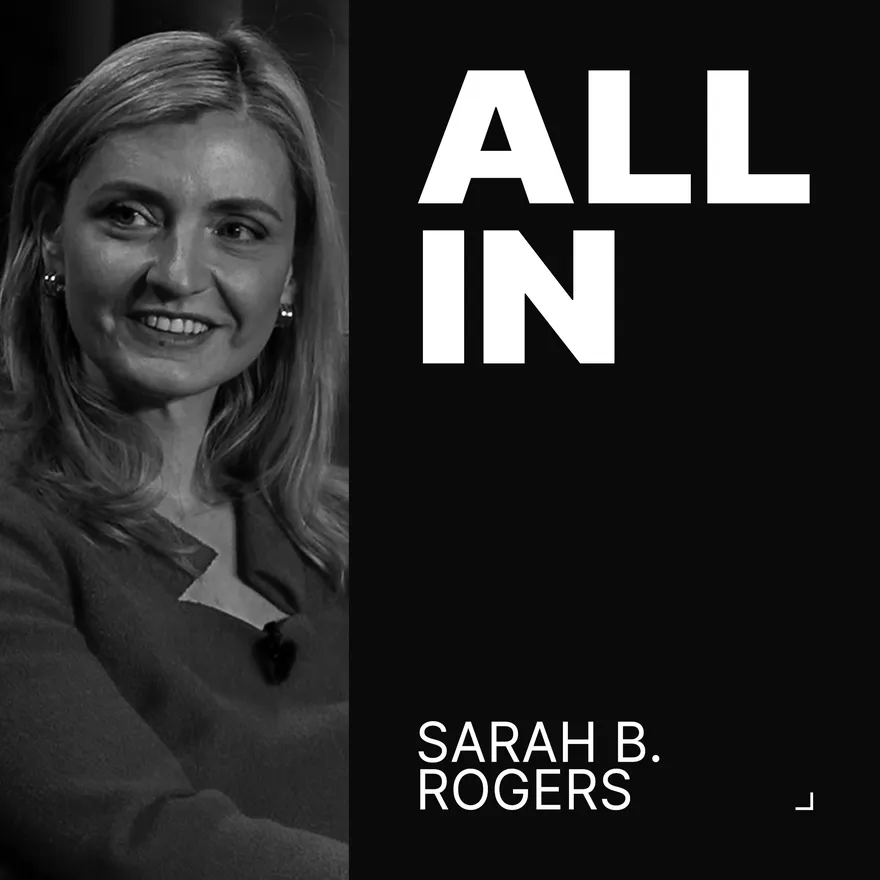

This is a preview of the Shortform summary of the Jan 22, 2026 episode of the All-In with Chamath, Jason, Sacks & Friedberg
Sign up for Shortform to access the whole episode summary along with additional materials like counterarguments and context.
1-Page Summary
Us vs. Europe: Free Speech Analysis
In a discussion between Sarah B. Rogers, Jason Calacanis, and David Sacks, the panel explores the stark differences between US and European approaches to free speech regulation, particularly as they affect technology companies.
Contrasting Free Speech Standards
Rogers explains how cultural and historical differences have led to divergent attitudes toward free speech in the US and Europe. She points to recent European legislation—the UK's Online Safety Act and the EU's Digital Services Act—which impose strict content moderation requirements on tech platforms. These regulations, according to Rogers, are having extraterritorial impacts on American websites, leading to fines for content that's legal in the US but prohibited in Europe.
David Sacks describes the DSA as a "digital speed trap" that functions as a tariff on American tech companies. The panel notes that even when American companies attempt to comply through geo-blocking, European regulators may still pursue legal action, highlighting the growing tension between US free speech norms and European regulatory demands.
Government Pressure and Intermediaries
Rogers discusses how governments are finding indirect ways to influence content moderation, noting that while the US government cannot directly censor speech under the First Amendment, it can exert pressure through various channels. Calacanis and Sacks point out that financial regulations and merger approvals are being used as leverage to influence tech platforms' content moderation policies.
Content Moderation and Disinformation
The panel examines how the definition of "disinformation" has expanded to include legitimate viewpoints and adverse truths. Calacanis notes instances where factual information about COVID-19 was initially suppressed only to be later confirmed by official sources. The discussion turns to emerging alternatives for content moderation, with Sacks highlighting Grok, an AI fact-checking tool, and the community notes feature on social media. Rogers praises the algorithmic approach of community notes, particularly its ability to promote consensus between typically opposing viewpoints.
1-Page Summary
Additional Materials
Counterarguments
- The European regulations on free speech may be seen as an attempt to protect citizens from harmful content and misinformation, which can have serious societal consequences.
- The extraterritorial impact of European laws on American websites could be viewed as a form of asserting digital sovereignty and protecting the values of European citizens.
- The term "digital speed trap" may oversimplify the complex nature of the EU's Digital Services Act, which aims to create a safer digital space with clear rules for all users and businesses.
- Geo-blocking as a compliance measure might be insufficient, but it could also be argued that it is a necessary step for companies to respect the legal frameworks of different jurisdictions.
- The tension between US free speech norms and European regulatory demands could be seen as a healthy debate on finding a global balance between free expression and regulation in the digital age.
- Indirect government pressure on content moderation in the US might be criticized, but it could also be seen as a way for the government to protect public interests without infringing on constitutional rights.
- Using financial regulations and merger approvals as leverage might be viewed as a necessary means to ensure that large tech platforms do not abuse their power and influence over public discourse.
- The expansion of the definition of "disinformation" could be considered a response to the evolving nature of misinformation and the need to adapt to new challenges in the information ecosystem.
- The suppression of factual information about COVID-19 as disinformation, while problematic, might have stemmed from an abundance of caution during a rapidly evolving public health crisis.
- While AI fact-checking tools and community-driven features offer alternative approaches to content moderation, it's important to consider the potential biases and limitations of these technologies.
- The promotion of consensus through algorithmic approaches like community notes may not always be feasible or desirable, as it could potentially suppress minority viewpoints or dissenting opinions in the name of consensus.
Actionables
- You can enhance your understanding of global free speech norms by comparing news coverage of the same event from both US and European sources. This will help you see how different regulations affect the presentation of information. For example, read how a US news site covers a political protest and then find a European source covering the same event. Note the differences in language, what details are included or omitted, and any potential bias shaped by regulatory environments.
- Develop a habit of critically evaluating the label of "disinformation" by researching multiple perspectives on controversial topics. When you encounter a claim labeled as disinformation, look for reputable sources that support or refute it, and track how the narrative changes over time. This could involve following a developing story across several months, observing how the classification of information as disinformation evolves with new evidence or official statements.
- Participate in community-driven content moderation by engaging with features like social media community notes if available on the platforms you use. Contribute constructively by providing context or additional sources when you come across posts that might be misleading or lack complete information. This not only helps improve the quality of information online but also gives you a hands-on understanding of the challenges and complexities involved in content moderation.
Get access to the context and additional materials
Us vs. Europe: Free Speech Analysis
Sarah B. Rogers and Jason Calacanis weigh in on the contrasting free speech standards between the United States and Europe, with particular emphasis on recent regulatory measures in Europe that could affect American technology companies.
Us Free Speech Tradition vs. Europe's Regulatory Approach
Diverging Us-europe Policies on Free Expression: Cultural and Historical Perspectives
Rogers reflects on the cultural and historical differences underpinning the divergent attitudes toward free speech in the US and Europe. Using the Charlie Hebdo incident as a starting point, Rogers compares it to the United States' broad protection of free speech, where figures like Charlie Kirk and the creators of Charlie Hebdo could theoretically speak freely. She likens Europe’s suppression of dissent online to a form of "religious zealotry," comparing it to the extremism that attacked Charlie Hebdo's cartoonists.
European Regulations Clash With Us Free Speech Norms
Regulations Restrict Content on Large Us Tech Platforms
Rogers discusses the impact of two European legislative acts on US tech platforms: the Online Safety Act (OSA) in the UK and the Digital Services Act (DSA) in the EU. The OSA imposes age-gating obligations on content and mandates risk assessments for—in some cases—content removal that the UK considers illegal. The DSA contains hate speech regulations that require EU member states to adopt a minimum floor for hate speech prohibition.
Rogers cites examples of enforcement that go beyond geographic borders, such as former EU officials threatening Elon Musk with enforcement action because of a potentially offensive interview hosted on Twitter Space. She expresses concern about the extraterritorial impact these regulations are having on American websites, which are fined by foreign regulators for content legal in the US but not under European laws.
Enforcement Impacts Us Tech, Sparking Concerns Over Extraterritoriality and "Censorship Tariff" Regulations
David Sacks mentions that US companies face fines in the UK and EU that are potentially free speech-related. Rogers suggests that these fines have not yet materialized under the UK OSA, but the act’s provisions are gradually coming into effect, including AI-related restrictions.
Active litigation in American courts involving 4chan and a hefty fine mentioned during Rogers' recent European tour against an unnamed company heightens worries over the potential for a "censorship tariff." An infographic comparing revenue raised in the EU through fining ...
Here’s what you’ll find in our full summary
Us vs. Europe: Free Speech Analysis
Additional Materials
Counterarguments
- The characterization of European online dissent suppression as "religious zealotry" may be an oversimplification of complex regulatory efforts aimed at balancing free speech with protections against hate speech and misinformation.
- The assertion that European regulations resemble extremism could be seen as a false equivalence, as regulatory measures are legal frameworks subject to democratic processes, unlike the violent actions of extremists.
- The impact of the OSA and DSA on US tech platforms could be viewed as an attempt by European authorities to protect their citizens from harmful content, rather than an attack on free speech.
- The concept of a "censorship tariff" may not accurately reflect the intent behind European regulations, which could be more focused on public safety and order rather than imposing financial burdens on foreign companies.
- The criticism of extraterritorial effects of European regulations may not acknowledge the global nature of the internet and the responsibility of tech companies to comply with local laws where they operate.
- The idea that geo-blocking is insufficient might be challenged by the argument that tech companies should strive to comply with local laws and cultural norms, adapting their content moderation practices accordingly.
- The label "digital speed trap" for the DSA could be contested by pointing out that the act is designed to create a safer digital environment, and compliance is part of the cost of doing business in different jurisdictions.
- The concern over compliance costs disproportionately affecting American firms might be met with the perspective that these companies benefit significantly from acc ...
Actionables
- You can educate yourself on the nuances of free speech by comparing the First Amendment with European speech laws, using resources like the Electronic Frontier Foundation or comparative law articles to understand the legal landscapes.
- Understanding the differences in free speech protections can help you navigate online discussions with a global audience. For example, if you're engaging in a debate on an international forum, being aware of the legal boundaries in different regions can prevent unintentional offenses or legal issues.
- Start a blog or social media page dedicated to discussing and analyzing current free speech issues, focusing on recent cases and regulatory changes in both the US and Europe.
- By creating content that breaks down complex legal topics into digestible pieces, you can help others grasp the implications of these regulations on their online presence. For instance, you might analyze a recent fine imposed on a tech company and explain how similar situations could affect smaller online communities or individual content creators.
- Develop a habit of checking the origin of online content an ...
Get access to the context and additional materials
Government Pressure and Intermediaries in Censorship
Experts discuss the indirect ways in which governments are pressuring tech firms and other platforms to moderate speech in specific ways, bypassing direct legislative action.
Governments Bypass First Amendment By Pressuring Tech Firms to Censor Speech
The discourse on censorship involves a nuanced examination of how governments may use indirect means to compel tech firms to conform to certain speech standards.
US Government, NGOs, and Tech Companies Suppressing "Disfavored" Speech as "Disinformation"
Sarah B. Rogers highlights the challenge disinformation poses to the government's interaction with foreign and domestic audiences on the internet. She notes that the term "disinformation" now encompasses truthful information that might support an "adverse narrative." Rogers explains that while the government cannot directly force tech platforms to take down posts under the First Amendment, she suggests there is indirect pressure from the government. This insinuates that companies should take particular actions to stay in the government's good graces.
Jason Calacanis and David Sacks express their concerns about free speech and question the role of non-governmental organizations (NGOs) in exerting pressure on regulators. They hint at a potential "censorship industrial complex," where free speech may be at risk due to behind-the-scenes pressures.
Financial Rules and Merger Approvals Impact Tech Platforms' Content Moderation
Calacanis and Sacks further discuss the leverage that financial regulators have over tech platforms, specifically through the threat of blocking mergers. Calacanis suggests that tech companies might engage in self-censoring activities, l ...
Here’s what you’ll find in our full summary
Government Pressure and Intermediaries in Censorship
Additional Materials
Counterarguments
- The use of the term "disinformation" may be necessary to address the real and harmful effects of intentionally false information spread online, which can undermine democratic processes and public safety.
- Tech firms have their own terms of service and community guidelines that may require them to moderate certain types of speech, independent of government pressure.
- NGOs often play a role in advocating for the protection of vulnerable groups from hate speech and misinformation, which can be seen as a positive influence on content moderation practices.
- Financial regulations and merger approvals are legitimate tools for ensuring that companies comply with the law and operate in the public interest, which can include responsible content moderation.
- The relationship between tech companies and government agencies can be part of a collaborative effort to combat illegal activities and protect national security, rather than solely a means of suppress ...
Actionables
- You can diversify your information sources to mitigate the impact of content moderation biases by regularly seeking out and engaging with a variety of news outlets, independent journalists, and international media platforms. This helps you form a more rounded perspective and reduces the risk of being influenced by any single entity's moderation policy. For example, if you typically get your news from mainstream platforms, try adding independent or international news sources to your reading list.
- Develop a habit of critical thinking when consuming content by asking questions about the source, intent, and context of the information presented. This practice can help you discern between moderated content and potentially censored material. When you come across a news story, take a moment to consider who benefits from the information, check for corroborating sources, and reflect on what might be missing from the narrative.
- Engage in conversations with peers ab ...
Get access to the context and additional materials
The Debate Around "Disinformation" and Content Moderation
The conversation among commentators questions how "disinformation" is defined and the implications of current content moderation practices, suggesting newer models for a more balanced approach.
"Disinformation" now Includes Adverse Truths, Leading To Suppression
There is growing concern that the scope of what constitutes "disinformation" has broadened, potentially leading to the suppression of content, including legitimate viewpoints and adverse truths. Calacanis expresses unease over conversations that have been shut down, such as those involving the necessity of vaccines for children by the Biden administration, hinting at possible censorship. Other instances include suppressed claims about the COVID-19 vaccine's inability to completely prevent transmission and the potential lab origin of the virus—assertions that are later confirmed by entities such as a House committee and the CIA.
Fact-Checking and Labeling Used To De-platform or De-monetize Viewpoints, Not Enhance Transparency
The discussion further critiques current content moderation practices, like fact-checking and labeling, which are often influenced by government pressure. Calacanis implies that these practices serve more to de-platform or de-monetize certain viewpoints rather than to enhance transparency. Rogers casts doubt on the role of NGOs in disinformation labeling as their actions lack transparency, especially when they encourage credit card companies and payment processors to withdraw funding from certain websites, keeping both the content creators and viewers in the dark.
Emergent Models: Community Notes and Ai Fact-Checking as Alternatives to Government-Led Moderation
Emergent user-driven and algorithmic approaches, such as community notes and AI fact-checking, are presented as viable alternatives to government-led content moderation.
David Sacks talks about Grok, an AI tool designed for fact-checkin ...
Here’s what you’ll find in our full summary
The Debate Around "Disinformation" and Content Moderation
Additional Materials
Counterarguments
- The broadening definition of "disinformation" may be a necessary response to the evolving tactics used to spread misleading information, and not necessarily a means to suppress legitimate viewpoints.
- The suppression of conversations around vaccine necessity and COVID-19 origins could be due to concerns about public health misinformation rather than censorship of truthful information.
- Fact-checking and labeling could be seen as tools to protect the public from harmful misinformation, rather than mechanisms for de-platforming or de-monetizing certain viewpoints.
- Government involvement in content moderation might be aimed at protecting democratic processes and public discourse from the harmful effects of misinformation.
- NGOs involved in disinformation labeling may have legitimate reasons for confidentiality, such as protecting the methods and sources used to identify disinformation campaigns.
- AI fact-checking and community notes, while innovative, may still be susceptible to biases and errors, and could potentially be manipulated by bad actors.
- The consensus mechanism in community notes mi ...
Actionables
- You can develop critical thinking by creating a personal "truth ledger" where you document controversial topics, track different sources of information, and note when predictions or claims are confirmed or debunked over time. This practice encourages you to see how information evolves and which sources are reliable, fostering a habit of skepticism and independent verification.
- Start a "transparency journal" to record instances where you encounter fact-checking or labeling of content, noting the source, the claim, and the fact-checking outcome. This can help you identify patterns in how information is moderated and understand the potential biases or influences at play, enhancing your media literacy.
- Engage with diverse communities online by ...
Get access to the context and additional materials


Create Summaries for anything on the web
Download the Shortform Chrome extension for your browser
