

Adam Carolla on California's Collapse: Fires, Failed Leadership, and Gyno-Fascism
In this episode of All-In, Adam Carolla and David Friedberg examine California's current challenges, from its complex regulatory landscape to its economic difficulties. They discuss how the state's restrictive building regulations and lengthy permitting processes affect post-disaster reconstruction, and explore the growing ideological divisions within California that are influencing migration patterns to other states.
The conversation covers California's financial outlook, including its projected budget deficit and potential pension shortfall, while noting the departure of wealthy individuals and businesses to more business-friendly states. The discussion also examines changes in media coverage, particularly focusing on how newsroom demographics may influence reporting styles and the practice of political endorsements by major newspapers.
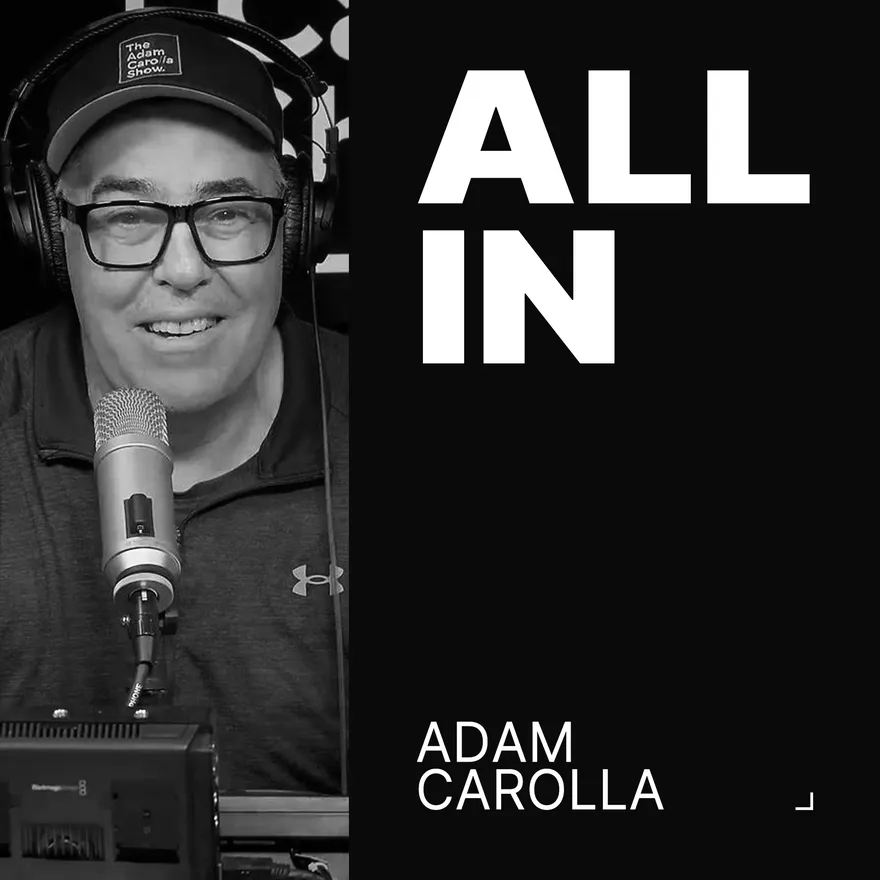

This is a preview of the Shortform summary of the Jan 13, 2026 episode of the All-In with Chamath, Jason, Sacks & Friedberg
Sign up for Shortform to access the whole episode summary along with additional materials like counterarguments and context.
1-Page Summary
California's Regulatory and Bureaucratic Challenges
Adam Carolla and David Friedberg discuss California's complex regulatory landscape, particularly focusing on post-disaster reconstruction. Carolla criticizes the state's permitting process as prohibitively expensive and time-consuming, often discouraging residents from rebuilding after disasters like the Palisades Fire. He illustrates this point with the example of Suzanne Summers, who chose to relocate to Palm Springs rather than navigate the Coastal Commission's restrictive rebuilding regulations in Malibu.
The Ideological and Cultural Divide in California
The hosts explore California's growing ideological divide through what they term "safe space" versus "octagon" worldviews. Carolla describes "safe space" adherents as those prioritizing progressive policies and extensive regulation, while "octagon" individuals value freedom and self-reliance. Friedberg notes that this divide is leading to migration patterns, with "octagon" minded people moving to states like Florida and Texas, where business-friendly policies prevail.
California's Fiscal and Economic Challenges
The discussion turns to California's serious financial difficulties, including an projected $18 billion budget deficit for 2026-2027 and a potential pension shortfall ranging from $600 billion to $1 trillion. Friedberg points to proposals like the "Billionaire Tax Act" as catalysts for wealthy individuals and businesses leaving the state. Carolla notes high-profile exits, such as Elon Musk moving Tesla and SpaceX to Texas, which further strain California's tax base.
The Role of Media and Its Perceived Bias
The conversation concludes with an examination of media bias. Carolla observes that increased female presence in newsrooms over the past 15-20 years correlates with what he sees as more emotional and partisan reporting. He criticizes major newspapers like the LA Times for endorsing political candidates, comparing it to an umpire choosing sides in a sports match, and suggests that such practices contribute to eroding public trust in media institutions.
1-Page Summary
Additional Materials
Counterarguments
- The complexity of California's regulatory system can be seen as a commitment to environmental protection and public safety, which are especially critical in areas prone to natural disasters.
- The Coastal Commission's regulations aim to preserve California's unique coastal ecosystems and communities, which may justify the restrictive rebuilding process.
- The "safe space" versus "octagon" dichotomy oversimplifies the range of political and ideological perspectives in California, which includes a diverse population with varied interests and values.
- Migration patterns are influenced by a multitude of factors, including housing costs, quality of life, and employment opportunities, not solely by ideological preferences or business policies.
- California's budget deficit and pension shortfall are significant issues, but the state has a history of overcoming fiscal challenges and may implement solutions that address these concerns without driving away residents and businesses.
- The "Billionaire Tax Act" and similar proposals are designed to address income inequality and provide funding for public services, and their impact on migration may be overstated or require more comprehensive analysis.
- While high-profile relocations like Elon Musk's are notable, California continues to be a hub for innovation and entrepreneurship, with many companies choosing to start and grow in the state.
- The claim that increased female presence in newsrooms leads to more emotional and partisan reporting could be challenged by evidence of women's contributions to journalistic rigor and diversity of perspectives.
- Endorsements by newspapers are a long-standing tradition in journalism, and while they may raise questions about bias, they are typically made by editorial boards separate from the news reporting staff, aiming to provide readers with informed opinions on candidates and issues.
Actionables
- You can evaluate your own state's policies by comparing them to California's to better understand the potential impact on your personal and business decisions. Look at your state's tax policies, business regulations, and disaster recovery processes, and consider how they align with your values and long-term plans. For example, if you value a more laissez-faire approach, you might prioritize living in a state with fewer regulations.
- Engage in local journalism by writing op-eds or letters to the editor to express your views on the importance of journalistic neutrality. By contributing to the conversation, you can advocate for balanced reporting and encourage media outlets to consider the impact of their endorsements on public trust.
- Create a personal financial forecast to anticipate how state-level economic challenges could affect your finances. Use online budgeting tools to simulate scenarios like tax increases or public service cutbacks that could result from budget deficits or pension shortfalls. This exercise can help you make informed decisions about savings, investments, and career planning.
Get access to the context and additional materials
California's Regulatory and Bureaucratic Challenges
Adam Carolla and David Friedberg delve into the complexities and consequences of California's regulatory landscape, especially in the wake of natural disasters such as the Palisades Fire.
Regulations Hinder Rebuilding After Disasters Like Palisades Fire
Complex and Costly Permitting in California Discourages Post-Disaster Rebuilding
Carolla criticizes the cumbersome permitting process in California as being prohibitively expensive and time-consuming, discouraging residents from undertaking building projects, particularly post-disaster reconstruction. He notes that people often do not want to deal with the extensive interactions with city officials, engineers, plan checks, and regulatory approvals. The process is so daunting that individuals sometimes choose to abandon their projects entirely rather than navigate the bureaucratic labyrinth.
Safety and Environmental Focus Causes Bureaucratic Delays, Ignoring Economic Impacts
Carolla continues his critique by observing that rebuilding efforts after disasters like the Palisades Fire are hampered by safety-focused regulations, which he feels are excessively burdensome. He argues that this safety-first mindset can lead to bureaucratic delays, overshadowing the need for timely reconstruction efforts.
Carolla uses the example of school closures during the COVID-19 pandemic to illustrate the unintended consequences of safety prioritization, suggesting that such policies can result in harm beyond their intended benefits. Furthermore, he uses the metaphor of a car loaded with safety features to demonstrate how an over-emphasis on safety can inflate costs to impractical levels.
Leadership Void Hampers Streamlined Rebuilding and Cuts in Red Tape
Adding to Carolla's points, David Friedberg discusses how officials who are focused on increasing safety often fail to consider the economic impacts of their regulations. He alludes to the adverse effects on affordability and the community's ...
Here’s what you’ll find in our full summary
California's Regulatory and Bureaucratic Challenges
Additional Materials
Counterarguments
- Regulations are in place to ensure safety, environmental protection, and community standards, which can be crucial, especially in disaster-prone areas.
- The complexity of the permitting process can be attributed to the need to consider multiple factors such as zoning laws, environmental impact, and public safety, which are important for long-term sustainability.
- Bureaucratic processes, while sometimes slow, are designed to prevent hasty reconstruction that may lead to future vulnerabilities or disregard for community planning efforts.
- Economic impacts are considered by many regulatory bodies, and there are often debates and discussions to balance safety with economic viability.
- Leadership in regulatory environments often involves navigating diverse stakeholder interests, and what may appear as a void could be a careful consideration of complex issues.
- Streamlining processes does not necessarily mean compromising on standards; it can also involv ...
Actionables
- You can educate yourself on local building regulations to better navigate the permitting process when needed. Start by visiting your city's official website or contacting the local building department to request information on the permitting process. This knowledge can help you understand the steps involved and potentially identify areas where you can streamline your efforts or seek assistance.
- Consider joining or forming a community group focused on disaster recovery and rebuilding. This group could serve as a collective voice to advocate for more efficient rebuilding processes and work with local officials to address the economic impacts of safety regulations. By sharing experiences and solutions, the group can push for changes that balance safety with practicality and affordability.
- Engage with local political leaders through written comm ...
Get access to the context and additional materials
The Ideological and Cultural Divide in California
Adam Carolla and David Friedberg discuss the growing cultural and ideological chasm in California, framing it as a clash between "safe space" values and an "octagon" worldview.
"Safe Space" vs. "Octagon" Worldview Emergence
The radio hosts examine how individuals are choosing sides in a state deeply divided by ideology and policy.
"Safe Space" People Prioritize Safety, the Environment, and Social Justice, Creating a Stifling Atmosphere
Carolla describes "safe space people" as prioritizing progressive policies such as free syringes and safe injection sites, open borders, and avoiding judgment of the homeless. He criticizes these priorities, suggesting they foster an overregulated and ineffective system. Carolla contrasts President Trump, characterized as wanting projects done quickly, with Karen Bass, representing a safety-first attitude that he believes leads to stifling overregulation and slow progress.
David Friedberg discusses policies in San Francisco meant to decrease needle-transmitted diseases, asserting that these policies may inadvertently increase drug fatalities rather than improving public health and safety.
"Octagon" People Value Freedom, Self-Reliance, and Personal Responsibility, Escaping "Safe Space" Constraints
On the other hand, Carolla implies that "octagon" people, characterized by their value for freedom and self-reliance, are migrating away from progressive cities like Portland, Oregon, and Los Angeles. The "octagon" worldview, though not explicitly defined, appears to emphasize personal liberty, minimal government interference, and the right to manage one’s own affairs independently.
Carolla describes these individuals as seeking states like Florida, Texas, and Tennessee that align more closely with their values. Furthermore, he characterizes "right-wingers" as simply wanting to be left alone, desiring personal freedom, and having minimal government involvement in their choices, such as property management or ownership of items like gas stoves.
Political Divide: "Safe Space" in California vs. "Octagon" in Business-Friendly States
The political divide is marked by people leaving "safe space" regions, such as Los Angeles, for "octagon" states that are business-f ...
Here’s what you’ll find in our full summary
The Ideological and Cultural Divide in California
Additional Materials
Counterarguments
- "Safe space" policies aim to address complex social issues with compassion and evidence-based approaches, and their effectiveness should be measured by comprehensive studies rather than anecdotal evidence.
- The term "safe space" can be seen as a mischaracterization of progressive policies, which often seek to balance individual freedoms with collective responsibilities and public health.
- The "octagon" worldview may oversimplify the role of government and underestimate the benefits of regulations that protect public health, safety, and the environment.
- Migration patterns are influenced by a variety of factors, including economic opportunities and cost of living, not solely by ideological preferences.
- The portrayal of "right-wingers" as simply wanting to be left alone may ignore the complexities of conservative thought and the diversity within conservative communities.
- The effectiveness of policies in reducing needle-transmitted diseases should be evaluated based on data and public health outcomes rather than assumptions about their unintended consequences.
- The critique of California's political leadership may not account for the challenges of ...
Actionables
- You can evaluate your personal beliefs by creating a "values map" to visually represent where you stand on various issues. Draw a two-axis chart with "government involvement" on one axis and "personal freedom" on the other. Plot different policies or beliefs you hold on this map to see if they cluster more towards "safe space" or "octagon" values. This exercise helps you understand your own ideological leanings and can guide future decisions or political engagement.
- Start a conversation club with friends or neighbors to discuss the impact of local policies on your community. Each month, choose a different policy or issue, such as homelessness or business regulations, and gather to share observations on how these policies are affecting your daily life. This can foster a deeper understanding of the practical implications of "safe space" versus "octagon" values in your own environment.
- Conduct a personal freedom audit in your life by lis ...
Get access to the context and additional materials
California's Fiscal and Economic Challenges
California faces significant financial difficulties, with potential deficits and liabilities threatening the state's stability.
Deficits and Liabilities Threaten State's Stability
California's Fiscal Crisis: $18b Deficit & $600b-$1T Pension Shortfall
California is projected to face an $18 billion budget deficit in the 2026-2027 fiscal cycle. Additionally, the state's pension shortfall for public employees could reach between $600 billion to as much as a trillion dollars.
Business and Wealthy Exodus Worsens California's Financial Woes By Losing Tax Base
The speakers highlight the ongoing exodus of businesses and wealthy individuals from California, citing moves to more business-friendly locations, which diminishes the tax base essential for the state’s fiscal health. The migration is motivated by high tax proposals, such as Washington state's discussion of a 15% payroll tax on employees earning over $125k, leading companies like Amazon and Microsoft to consider relocating. Adam Carolla notes that Tesla and SpaceX are among the ventures Elon Musk is moving to Texas, signalling a troubling pattern of relocations for economic reasons.
David Friedberg refers to the proposed "Billionaire Tax Act," which levies a one-time 5% tax on net worths over a billion dollars, as another reason ultra-high net worth individuals and companies are contemplating leaving California.
Without Major Cuts or Revenue Boosts, California's Fiscal Issues May Spiral Out of Control
Adam Carolla expresses the necessity for someone to step in and make unpopular decisions regarding fiscal responsibility. He suggests that, rather than cutting spending, the government may seek alternative ways to obtain rev ...
Here’s what you’ll find in our full summary
California's Fiscal and Economic Challenges
Additional Materials
Counterarguments
- The projected $18 billion budget deficit may be mitigated by future economic growth, unexpected revenue increases, or effective fiscal management strategies that are not yet considered.
- The pension shortfall figures are often debated, and some argue that they are inflated due to pessimistic assumptions about investment returns; actual shortfalls may be lower with proper pension reform and investment strategies.
- The exodus of businesses and wealthy individuals is a complex issue and may be offset by the innovation, venture capital presence, and the draw of California's diverse economy, which continues to attract new businesses and talent.
- High tax proposals are intended to address income inequality and fund public services, and there is debate over the extent to which they actually cause businesses to relocate.
- The movement of companies like Tesla and SpaceX out of California may be influenced by factors other than just taxes, such as the cost of living, regulatory environment, or strategic business considerations.
- The "Billionaire Tax Act" is a proposal that aims to address wealth inequality and may not necessarily lead to an exodus if coupled with incentives for philanthropy and investment within the state.
- Fiscal problems can sometimes be addressed through innovative solutions that do not solely rely on major cuts or revenue boosts, such as public-private partnerships or efficiency improvements in government services.
- The idea that government attempts to raise revenue will drive businesses and wealthy individuals out of California is not universally accepted; some argue that high-quality public services and infrastructure can attract and retain busine ...
Actionables
- You can diversify your investment portfolio to include states with growing economies and business-friendly policies. By researching states that are attracting businesses and wealthy individuals, you can invest in real estate, local businesses, or municipal bonds in those areas. For example, if Texas is drawing companies like Tesla, consider investing in commercial real estate in regions where these companies are setting up operations.
- Start a side business or freelance work to create additional income streams that aren't solely dependent on your state's economy. This could involve offering online services or products that can be sold nationally or internationally, reducing reliance on the local market. For instance, if you're skilled in graphic design, you could offer your services on platforms that cater to clients from various states or countries.
- Educate yourself on personal finance management and tax planning to optimize you ...
Get access to the context and additional materials
The Role of Media and Its Perceived Bias
Adam Carolla and David Friedberg discuss perceptions on how the increased female presence in media and "woke" ideologies may be affecting news reporting bias and eroding public trust in media institutions.
Media Bias Influences Politics and Culture
These discussions focus on how the shift in staff demographics and ideological leanings within media organizations could be driving change in media practices and the presentation of news.
More Women in Newsrooms Seen Shifting Focus to Emotional, Partisan Reporting
Adam Carolla notes a significant increase in women in media over the past 15-20 years and suggests a correlation between the increased female influence and a shift toward a safety-focused, emotional, and partisan perspective in reporting. He implies that more women in media have led to articles more likely to pick a side, using the differing treatment of political figures like Joe Biden and Donald Trump as evidence.
Media Outlets Swayed by "Woke" Ideologies, Harming Objectivity
Carolla then articulates concern over news outlets being influenced by "woke" ideologies, affecting their objectivity. He criticizes the LA Times for publicly endorsing political candidates and compares it to the New York Times. He draws an analogy between newspapers' endorsements and an umpire endorsing a sports team, inferring that both situations would lead to doubts about impartiality.
Bias Has Eroded Media Trust, Fueling the "Safe Space" vs. "Octagon" Divide
Adam Carolla suggests that the media's tendency to side with certain political candidates or ideologies can create distrust among the public. This distrust could contribute to widening the societal divide between those seeking a "safe space" and ...
Here’s what you’ll find in our full summary
The Role of Media and Its Perceived Bias
Additional Materials
Counterarguments
- The correlation between the increased presence of women in media and a shift toward emotional and partisan reporting is not necessarily causal; other factors such as market demand and broader societal changes could also influence reporting styles.
- The assertion that more women in media lead to more partisan articles may overlook the professional standards and ethical guidelines that journalists, regardless of gender, strive to follow.
- The influence of "woke" ideologies on media outlets is a subjective claim and can be countered by the argument that increased awareness of social issues is a reflection of society's evolving values, which media is bound to reflect.
- Endorsing political candidates has been a long-standing practice for many newspapers, and it is typically done by the editorial board, which operates separately from the newsroom to maintain journalistic integrity.
- The erosion of public trust in media institutions can be attributed to a variety of factors, including the rise of social media, misinformation, and the complex nature of modern news consumption, not solely to perceived media bias.
- The societal divide between "safe spaces" and "octagon" discourse may be more complex than media influence, involving deeper cultural, educational, and psychological factors.
- The impact of "woke" ideologies on Hollywood and media might be seen as an effort to reflect a more diverse and inclusive society, rather than simply adhering to quotas.
- Decisions in write ...
Actionables
- You can diversify your news sources to challenge your perspective and reduce bias in the information you consume. Start by identifying news outlets that represent a range of political and ideological spectrums. Make it a habit to read articles from both sides on the same issue, which can help you recognize bias and develop a more nuanced understanding of the news.
- Engage in critical media literacy by analyzing the language and imagery used in news stories. Pay attention to adjectives, metaphors, and images that may reveal a publication's slant or emotional appeal. This practice can sharpen your ability to discern between objective reporting and content that may be influenced by particular ideologies or biases.
- Create a personal "trust index" for the medi ...
Get access to the context and additional materials


Create Summaries for anything on the web
Download the Shortform Chrome extension for your browser
