

Revisiting Sophie Trudeau - Breaking Generational Cycles of Trauma
In this episode of All About Change, Sophie Grégoire discusses how early childhood experiences shape brain development and emotional well-being throughout life, and how disruptions in caregiving create lasting patterns that affect adult relationships. She explores how modern technology and constant distraction interfere with emotional development, preventing children from building resilience and adults from forming meaningful connections.
Grégoire addresses the broader mental health crisis, arguing that hate and divisiveness stem from unmet needs for genuine human connection rather than inherent malice. Drawing from her personal journey with bulimia, she emphasizes the power of vulnerability and asking for help in breaking cycles of shame and trauma. The conversation covers practical approaches to cultivating emotional awareness, the importance of presence over perfection, and how one person choosing healing can transform entire families and communities across generations.
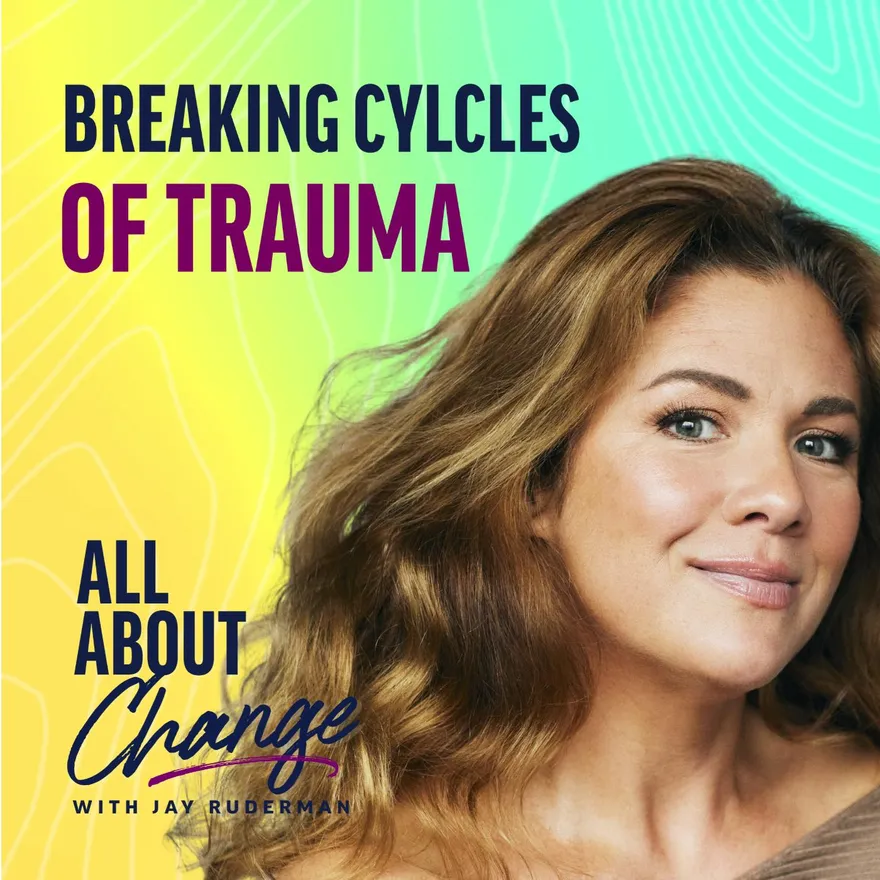

This is a preview of the Shortform summary of the May 11, 2026 episode of the All About Change
Sign up for Shortform to access the whole episode summary along with additional materials like counterarguments and context.
1-Page Summary
Childhood Development and Attachment: How Experiences Shape Brains and Emotions
Sophie Grégoire explores how early caregiving experiences profoundly shape human brain development and emotional well-being throughout life.
Early Caregiving Programs Ancient Brain Structures, Creating Lasting Pathways
Grégoire explains that the first three years of life are critical for brain development. How caregivers—whether parents, grandparents, or others—hold, feed, and soothe infants creates foundational neural pathways that shape lifelong emotional processing and relationships. Consistent, validating care leads to secure attachment, fostering healthy emotional regulation and trust in relationships. In contrast, inconsistent or neglectful care creates insecure attachment, resulting in difficulty managing emotions and forming stable adult connections.
She emphasizes the importance of epistemic trust, which develops when caregivers consistently validate a child's emotional reality and provide comfort during distress. This trust becomes the foundation for openness to knowledge, meaningful relationships, and adult resilience.
Trauma Involves Lack of Support and Validation During Key Developmental Windows
Grégoire notes that trauma isn't limited to overtly negative events but includes the absence of positive, supportive experiences during critical developmental periods. These emotional gaps create neurological patterns that affect all adult relationships, with everyone carrying traces of these early bonds and their disruptions into adulthood.
Nature and Spirituality Offer Alternative Sources of Secure Attachment
Drawing from her childhood in small-town Quebec, Grégoire describes how her relationship with nature became foundational to her mental health. Nature provided a trusted presence where she felt safe and "listened to," offering an alternative anchor that supplemented human caregiving and built resilience for facing later suffering.
Tech Distractions: Impact on Mental Health, Relationships, and Emotional Development
Grégoire and Jay Ruderman examine how technological distraction profoundly affects mental health, relationships, and emotional development in modern society.
Tech Distraction Trains Children to Prioritize Noise Over Presence
As screens replace meaningful human connection and outdoor play, children lose valuable opportunities to build resilience through low-risk challenges like falling off a bike and recovering. Without these experiences, Grégoire explains, children arrive at adolescence unprepared for high-stakes emotional challenges. Digital distraction disrupts essential pathways for emotional recovery and self-understanding, hindering children's ability to navigate emotions and build secure relationships.
Society's Message That Rest Equates To Failure Accelerates Dysregulation
Grégoire observes that society equates constant productivity with success, teaching that rest signals weakness. This keeps the nervous system in constant activation, preventing the psychological settling necessary for healthy emotional development. She describes "lust, rage, and distraction" as society's drugs of choice, preventing individuals from learning to reset or value restorative processes.
Modern Relationship Quality Declines Due to Screen-Mediated Interactions
Ruderman cites Esther Perel's insight that "the quality of our relationships determines the quality of our lives," raising concern about relationships in a screen-driven era. Reduced eye contact, physical touch, and emotional attunement—key elements in neurobiological bonding—are casualties of digital interaction, leading to superficial communication and diminished life satisfaction.
Mental Health Crisis: Unmet Connection, Emotional Illiteracy, and Lack of Self-Regulation Fuel Hate and Toxicity
Grégoire argues that the current mental health crisis drives the rise in hate, divisiveness, and toxicity in society, rooted not in inherent evil but in unmet psychological needs.
Hate and Divisiveness Arise From Unmet Needs for Genuine Connection
Grégoire explains that hate stems primarily from unfulfilled needs for human connection. While this doesn't excuse hateful behavior, it reveals a lack of self-awareness and emotional regulation. Research shows that bullies and those who intimidate others often act from insecurity and helplessness, with overactivated nervous systems stuck in chronic "fight, flight, freeze" mode. She identifies growing distrust of institutions and others as both a symptom and cause of hate movements, noting that the most unhappy people she's met are those unable to trust others.
Modern Society's Promotion of Lust, Distraction, and Rage Hinders Emotional Awareness
Grégoire asserts that society floods individuals with numbing forces that prevent emotional literacy and presence. Essential training for emotional leadership—the capacity to reset the nervous system, prioritize rest, and cultivate presence—is seldom encouraged in modern life, perpetuating cycles of emotional reactivity.
Political Toxicity Endangers Democracy and Public Service
Grégoire observes that toxic political environments and online harassment, especially toward female public figures, deter talented, values-driven people from public service. This epidemic of bullying threatens to push out those most motivated by genuine service rather than personal gain.
Emotional Leadership Is Vital for Peace and Community Stability
Grégoire concludes that peace and strong institutions depend on promoting emotional leadership: self-awareness, self-regulation, and compassion. When public figures model emotional maturity, they inspire trust and weaken divisive messaging, fostering societal stability and democratic life.
Mental Health Journeys: Overcoming Shame In Sophie's Bulimia Recovery
Asking For Help Redirects a Life Toward Healing and Meaning
Grégoire describes her long struggle with bulimia, characterized by loneliness, shame, and feeling never good enough. Her turning point came when she admitted, "I'm hurting, I need help." Though this felt enormous and frightening, it set her life on a new trajectory. She encourages others not to fear difficult conversations, affirming that discomfort is part of the healing process.
Eating Disorders Stem From Cultural Values, Not Personal Failures
Grégoire emphasizes that addiction and compulsive behaviors arise from unmet needs for connection, not personal flaws. Reframing mental health issues as reactions to external pressures rather than inherited destinies reduces shame and opens possibilities for change.
Speaking Publicly Allows Others to Disclose Their Suffering
When Grégoire publicly revealed her bulimia history in 2006, she risked stigma and career consequences but chose to share her story out of purpose and connection. By talking openly about vulnerabilities, she gave permission for others to recognize and share their own struggles. She quotes Michael J. Fox: "We are only as sick as our secrets."
Support Systems Accelerate Healing and Reduce Shame
Ruderman and Grégoire agree on the importance of supportive networks—trusted friends, family, or professionals—in facilitating difficult conversations about mental health. They recommend reframing mental health as a natural response to stress rather than a defect.
Neurodiversity: Unique Perceptions and Problem-Solving Gifts
Grégoire and Ruderman discuss how ADHD and other forms of neurodiversity offer unique creative and problem-solving strengths. Young people who see their struggles as reactions to unhealthy cultural values rather than personal defects can appreciate their capacity for independent thought and discernment, recognizing these experiences as adaptive ways to navigate the world.
Breaking Trauma: Cultivating Emotional Awareness for Healthier Relationships and Communities
Ruderman asks why breaking generational cycles matters beyond ourselves. Grégoire explains that it takes only one person in a generation to "wake up" and make new choices that prevent ongoing suffering.
Breaking the Cycle of Inherited Trauma Transforms Lineages and Communities
Grégoire shares Terry Reale's story of how childhood abuse can trigger nervous system responses in adulthood, even when there's no current threat. Awareness of these responses enables individuals to disrupt the transmission of pain to the next generation. By bringing hidden pain into the open, we cultivate emotional maturity that heals ourselves and our communities.
Accepting and Understanding Suffering Is Key To Breaking Generational Cycles
Grégoire emphasizes that "hurt people hurt people," but we all have power to end these cycles. Healing begins with accepting our own suffering and developing compassion for childhood wounds. She describes stress as a dysfunctional relationship with the present and urges cultivating presence to respond rather than react.
Leaders Can Change Environments By Modeling Emotional Awareness
Grégoire affirms that everyone—as parents, teachers, or leaders—can change their environment by modeling emotional awareness. Offering validation, presence, and compassion builds the foundation for secure connections and healthier relationships in families, institutions, and communities.
Presence and Compassion Break Trauma Cycles, Not Perfection
Grégoire contends that it's not perfection but the willingness to try and begin again that breaks generational patterns. Simple practices like pausing for five minutes between meetings to reset the nervous system can shift relationships toward health. Presence, love, and compassion are the true tools for healing.
Sharing Stories of Suffering Allows Understanding and Breaking Cycles
Ruderman observes pervasive stigma around mental health. Grégoire responds that sharing stories reduces isolation and builds common ground, as people often find others with similar experiences. Vulnerability fosters connection and understanding, supporting the breaking of generational pain. She concludes that everyone can choose presence, love, and compassion—and by beginning again and sharing our stories, we can heal ourselves, our families, and our communities.
1-Page Summary
Additional Materials
Clarifications
- Epistemic trust is the ability to trust information from others as reliable and relevant. It develops when caregivers consistently respond to a child's needs with understanding and validation. This trust enables children to learn from social interactions and adapt to new knowledge. Without epistemic trust, individuals may struggle to form meaningful relationships and accept guidance.
- Early caregiving influences the development of the limbic system, including the amygdala and hippocampus, which regulate emotions and memory. These brain areas are highly plastic in infancy, meaning they form neural connections based on experiences. Consistent caregiving strengthens pathways for emotional regulation and stress response. Disruptions can lead to maladaptive wiring affecting lifelong emotional health.
- Trauma from absent positive experiences occurs because the brain requires consistent nurturing interactions to develop healthy neural circuits. Without these, stress-response systems become overactive, impairing emotional regulation and attachment. Key brain areas like the amygdala and prefrontal cortex may develop atypically, leading to heightened sensitivity to stress. This form of trauma disrupts the brain's ability to form secure relationships and manage emotions effectively.
- Nature and spirituality offer consistent, nonjudgmental presence that fosters feelings of safety and belonging, similar to secure human attachment. They engage the brain's calming systems, reducing stress and promoting emotional regulation. These experiences create internalized "secure bases," supporting resilience when human caregiving is insufficient. Spiritual practices often provide meaning and connection, reinforcing trust and emotional stability.
- Technological distractions reduce face-to-face interactions, limiting practice in reading social cues and managing emotions. Constant screen use overstimulates the brain, impairing its ability to calm down after stress. This overstimulation disrupts the development of neural circuits involved in self-reflection and emotional regulation. Without these experiences, children struggle to develop resilience and emotional insight.
- "Lust, rage, and distraction" refer to intense emotions or stimuli that capture attention and overwhelm deeper feelings. Society promotes these as quick fixes to avoid confronting uncomfortable emotions or unresolved psychological pain. This numbing prevents individuals from developing emotional awareness and self-regulation skills. Over time, reliance on these forces can lead to chronic emotional dysregulation and impaired mental health.
- Neurobiological bonding involves brain chemicals like oxytocin that promote trust and connection. Eye contact, touch, and emotional attunement stimulate these chemicals, strengthening social bonds. Reduced engagement in these behaviors limits oxytocin release, weakening emotional connection and attachment. This can impair relationship quality and emotional well-being over time.
- The "fight, flight, freeze" response is an automatic survival reaction to perceived danger, activating the nervous system to either confront, escape, or become immobile. When this response becomes chronic, the nervous system remains overactivated, impairing emotional regulation and increasing stress sensitivity. Individuals stuck in this state may react aggressively or defensively, behaviors often seen in bullying and intimidation. This chronic activation limits their ability to feel safe, leading to repeated patterns of fear-driven behavior.
- Emotional leadership involves recognizing and managing one's own emotions while empathizing with others to guide interactions positively. It helps reduce conflict by promoting calm, understanding, and constructive communication in groups. Leaders who practice emotional leadership model healthy emotional responses, encouraging trust and cooperation. This creates a stable social environment where communities can resolve differences peacefully and work toward common goals.
- Cultural values that emphasize thinness, perfection, and control can create pressure leading to eating disorders. Societal ideals often promote unrealistic body images, causing individuals to develop harmful behaviors to meet these standards. Additionally, cultures that stigmatize emotional expression may push people toward compulsive behaviors as coping mechanisms. These disorders reflect responses to external cultural stressors rather than personal moral failings.
- Neurodiversity recognizes that neurological differences like ADHD are natural variations in human brains, not disorders to be "fixed." These differences can offer unique strengths in creativity, problem-solving, and independent thinking. Viewing ADHD as an adaptive response suggests that some traits may develop to cope with or resist rigid societal expectations. This perspective shifts focus from deficits to valuing diverse ways of experiencing and interacting with the world.
- Childhood abuse can cause the brain and nervous system to become hypersensitive to stress. This leads to a heightened "fight, flight, or freeze" response even when no real danger exists. Neural pathways formed during trauma remain active, triggering automatic reactions to perceived threats. These responses are unconscious and persist into adulthood, affecting emotional regulation and behavior.
- Stress as a "dysfunctional relationship with the present" means being mentally stuck in worries about the past or future instead of fully experiencing the current moment. This disconnection causes anxiety and emotional reactivity. Cultivating presence involves mindfulness practices that anchor attention in the here and now, reducing mental noise. By embracing the present, individuals can respond calmly rather than react impulsively to stressors.
- Leaders can model emotional awareness by openly acknowledging their feelings and managing stress calmly in challenging situations. They can practice active listening, showing empathy and validating others' emotions to foster trust. Demonstrating self-regulation, such as taking mindful pauses before responding, sets a tone of thoughtful communication. These behaviors create a safe environment that encourages emotional expression and healthy relationships.
- Sharing stories of suffering normalizes mental health struggles, making them less taboo. This openness fosters empathy and understanding, reducing feelings of isolation. When people see others overcoming similar challenges, it encourages hope and healing. Over time, this collective vulnerability weakens harmful patterns passed down through families.
Counterarguments
- While early caregiving is important, research shows that later life experiences, supportive relationships, and therapeutic interventions can significantly reshape neural pathways and emotional outcomes, suggesting that early adversity is not always determinative.
- Attachment theory has been critiqued for overemphasizing the mother-child bond and underestimating the role of broader social, cultural, and genetic factors in emotional development.
- Some studies indicate that children can develop resilience and secure attachments even in the presence of inconsistent caregiving, especially if they have access to other supportive adults or environments.
- The concept of "epistemic trust" is still emerging in psychological research, and its direct impact on adult resilience and openness to knowledge is not universally accepted or fully understood.
- The negative effects of technology on child development are not universally observed; some research suggests that digital tools, when used appropriately, can foster learning, social connection, and emotional skills.
- The portrayal of society as uniformly promoting "lust, rage, and distraction" may be an overgeneralization, as many communities and cultures actively encourage mindfulness, rest, and emotional awareness.
- The assertion that hate and divisiveness stem primarily from unmet psychological needs may overlook the influence of ideology, social structures, and deliberate choices in shaping behavior.
- Not all screen-mediated interactions are superficial; for some individuals, especially those with disabilities or social anxiety, online communication can provide meaningful connection and support.
- The idea that eating disorders and compulsive behaviors are solely products of cultural values and unmet needs for connection may underplay the role of biological, genetic, and individual psychological factors.
- The emphasis on sharing personal stories as a universal path to healing may not be suitable for everyone, as some individuals may prefer privacy or different coping mechanisms.
- The focus on individual emotional leadership and presence may understate the importance of systemic change, policy interventions, and material conditions in addressing mental health and social issues.


Get access to the context and additional materials
Childhood Development and Attachment: How Experiences Shape Brains and Emotions
Childhood development profoundly shapes the human brain and emotional landscape. Sophie Grégoire draws from both personal experience and broad principles of psychology to illuminate how our earliest caregiving, the absence or presence of nurturing, and even our spiritual relationships with nature leave deep, lasting marks on our sense of self.
Early Caregiving Programs Ancient Brain Structures, Creating Lasting Pathways
From Birth to Age Three, Caregiver Consistency, Validation, and Emotional Attunement Shape Lifelong Relationship and Emotion Processing
Grégoire compares the human brain to a 200,000-year-old hard disk: its ancient structure persists, but caregiving experiences in infancy program it for life. How we are looked at, held, fed, and soothed by caregivers in our first three years—whether parent, grandparent, uncle, or other—creates foundational neural pathways. Consistent care, validation of the child's sense of self, and emotional attunement during infancy shape how we process emotions and relate to others throughout life.
Secure vs. Insecure Attachment: Impact of Consistent vs. Neglectful Care on Child Development
The consistency of that care determines attachment style. Secure attachment forms when caregivers respond with support, validation, and comfort—holding or reassuring the child until their nervous system calms down during moments of sadness or anger. This supportive environment fosters healthy emotional regulation and the ability to trust relationships. In contrast, inconsistent or neglectful care leads to insecure attachment, which can result in difficulty managing emotions and forming stable adult relationships.
Epistemic Trust Develops When Caregivers Consistently Validate the Child's Emotional Reality and Provide Comfort During Moments of Fear or Sadness
Grégoire emphasizes the importance of epistemic trust, which arises when young children experience consistent validation of their emotional reality and receive comfort in distressing times. This kind of trust is the building block for openness to new knowledge, the ability to form meaningful relationships, and resilience in adulthood.
Trauma Involves Lack of Support and Validation During Key Developmental Windows
Trauma in Neurological Wiring From Childhood Emotional Gaps
Grégoire notes that trauma is not limited to overtly negative events but also includes the absence of positive, supportive experiences that should have taken place during early development. Failing to have emotional needs met during critical windows creates neurological gaps—affecting how attachment bonds are carried into all adult relationships.
Unmet Needs in Childhood Profoundly Shape Attachment Patterns
These gaps from childhood shape attac ...
Here’s what you’ll find in our full summary
Childhood Development and Attachment: How Experiences Shape Brains and Emotions
Additional Materials
Clarifications
- Epistemic trust is the ability to accept and learn from information provided by others. It develops when caregivers reliably respond to a child's needs, signaling that the child’s experiences are understood and valued. This trust enables children to be open to new knowledge and social learning throughout life. Without it, individuals may struggle to form meaningful relationships or adapt to new information.
- The "200,000-year-old hard disk" metaphor refers to the ancient evolutionary origins of the human brain's basic structure, which has remained largely unchanged for millennia. This means our brain's core architecture is very old, but its function and wiring are shaped by early experiences. Like a hard disk storing data, early caregiving "programs" neural pathways that influence lifelong emotional and relational patterns. The metaphor highlights the brain's blend of ancient biology and plasticity through experience.
- Emotional attunement means caregivers accurately perceive and respond to a child's feelings and needs in the moment. It goes beyond basic caregiving tasks like feeding or changing by tuning into the child's emotional state. This connection helps the child feel understood and safe, fostering emotional regulation. Without attunement, caregiving may meet physical needs but miss supporting emotional development.
- Early caregiving influences the development of brain regions like the amygdala and prefrontal cortex, which regulate emotions and social behavior. Repeated interactions with caregivers strengthen neural connections, forming "foundational pathways" that shape emotional responses and attachment patterns. Secure attachment promotes healthy brain circuitry for stress regulation, while inconsistent care can disrupt these pathways, leading to emotional difficulties. These neural patterns established in infancy persist into adulthood, affecting relationships and emotional health.
- Neurological gaps refer to missing or underdeveloped brain connections caused by a lack of necessary emotional experiences during critical growth periods. The brain requires positive interactions, like comfort and validation, to form healthy neural pathways for emotional regulation and social bonding. When these experiences are absent, the brain's wiring for managing emotions and relationships can be incomplete or impaired. This absence of expected care can be as damaging as direct trauma because it disrupts normal brain development.
- Secure attachment develops when a child feels safe and confident that their caregiver will meet their needs, leading to healthy emotional regulation and trust in relationships. Insecure attachment arises from inconsistent or neglectful caregiving, causing anxiety, avoidance, or ambivalence in relationships. These attachment styles influence how individuals handle stress, intimacy, and emotional expression throughout life. Attachment theory was first formulated by psychologist John Bowlby and expanded by Mary Ainsworth through her "Strange Situation" studies.
- Nature and spirituality can provide consistent comfort and a sense of safety, similar to secure human attachments. They offer emotional regulation by creating a calming environment that supports self-reflection and resilience. These connections fulfill the human need for belonging and meaning when human caregiving is insufficient. This alternative attachment helps stabilize emotions and foste ...
Counterarguments
- While early caregiving is important, research shows that later experiences and relationships can also significantly influence brain development and emotional health, suggesting that early adversity is not always determinative.
- The emphasis on the first three years may understate the brain’s plasticity and the potential for change and healing throughout childhood and even adulthood.
- Attachment theory, while influential, has been critiqued for being culturally biased and not fully accounting for diverse caregiving practices and family structures across different societies.
- Some individuals with insecure attachment in childhood go on to form healthy, stable relationships as adults, indicating that attachment patterns are not always fixed.
- The concept of trauma as the absence of positive experiences is debated; some psychologists argue that resilience and positive adaptation can occur even in the face of significant early adversity.
- The role of genetics and temperament in emotional development and attachment is not addressed, t ...

Get access to the context and additional materials
Tech Distractions: Impact on Mental Health, Relationships, and Emotional Development
Modern society is experiencing an unprecedented wave of technological distraction, profoundly affecting mental health, relationships, and emotional development. Sophie Grégoire and Jay Ruderman explore the ramifications of this shift, particularly its effects on children and the broader social attitude toward rest and connection.
Tech Distraction Trains Children to Prioritize Noise Over Presence, Hindering Emotional Resilience and Secure Relationships
Children today grow up immersed in screens, with digital interaction frequently replacing meaningful human connection and time spent in nature. Grégoire highlights that as children spend less time engaging in real-life challenges—such as falling off a bike and learning to recover—they lose valuable opportunities to build resilience and self-efficacy. These low-risk, low-cost experiences in childhood teach children they can withstand and recover from setbacks. Without them, children are ill-prepared for the "high risk, high cost" challenges of adolescence and adulthood, where criticism, failure, and strong emotions can feel overwhelming and unmanageable.
As digital distraction takes precedence over presence, children’s brains are impaired in their development, hindering both their ability to navigate emotions and build secure, resilient relationships. The replacement of human interaction with digital interfaces disrupts essential pathways for emotional recovery and self-understanding, diminishing their capacity to endure life’s challenges.
Society's Message That Rest Equates To Failure Accelerates Nervous System Dysregulation and Stunts Emotional Growth
Grégoire notes that society equates constant activity and productivity with success, teaching both adults and children that rest and slowing down are signs of weakness or failure. In this competitive environment, the nervous system remains in a state of constant activation, preventing the psychological settling necessary for healthy emotional development. The focus on speed and relentless achievement rather than presence fosters misunderstanding—both of oneself and others—and creates a climate in which emotional growth is stunted.
Being continually distracted by external stimuli—what Grégoire calls "lust, rage, and distraction as the drugs of choice"—individuals are not taught to reset or value restorative processes. The result is impaired brain development, weakened relationships, and reduced self-knowledge, as individuals lack both the b ...
Here’s what you’ll find in our full summary
Tech Distractions: Impact on Mental Health, Relationships, and Emotional Development
Additional Materials
Clarifications
- Nervous system dysregulation occurs when the body's stress response is constantly activated, preventing it from returning to a calm, balanced state. This chronic activation disrupts the brain's ability to process emotions effectively and impairs self-regulation skills. Healthy emotional growth requires periods of rest and recovery, allowing the nervous system to reset and build resilience. Without this balance, individuals struggle to manage stress and develop emotional stability.
- Co-regulation is the process where people in a relationship help each other manage emotions and stress through mutual support and calming interactions. It involves nonverbal cues like tone of voice, facial expressions, and touch that help regulate each other's nervous systems. This shared emotional regulation builds trust and strengthens bonds. Without co-regulation, individuals may struggle to soothe themselves and maintain emotional balance.
- Neurobiological bonding involves brain chemicals like oxytocin and dopamine that promote feelings of trust and attachment. Eye contact triggers oxytocin release, enhancing emotional connection and social bonding. Physical touch stimulates sensory nerves, activating brain regions linked to comfort and safety. Together, these interactions strengthen emotional attunement and secure relationships.
- The phrase "lust, rage, and distraction as the drugs of choice" metaphorically compares intense emotions and constant stimulation to addictive substances. It suggests people rely on these feelings or distractions to escape discomfort or emotional pain. This reliance prevents healthy emotional processing and self-regulation. Over time, it can impair mental well-being by disrupting natural recovery and balance.
- "Low-risk, low-cost" challenges are everyday, manageable difficulties that allow children to safely experience failure and learn recovery without serious consequences. These experiences build emotional skills like resilience and confidence by providing practice in coping with setbacks. In contrast, "high-risk, high-cost" challenges involve significant consequences or intense emotions, such as major failures or conflicts in adolescence and adulthood. Without early practice in low-risk situations, individuals may struggle to handle these more serious challenges effectively.
- Digital interfaces often provide rapid, fragmented stimuli that limit deep emotional processing. They reduce opportunities for face-to-face interactions, which are crucial for developing empathy and emotional regulation. The lack of real-time feedback and physical cues impairs the brain’s ability to practice co-regulation and self-soothing. Over time, this weakens neural pathways involved in understanding and managing emotions effectively.
- "Resetting" or "restorative processes" refer to the brain and body's ability to recover from stress and emotional arousal by returning to a calm, balanced state. This involves activating the parasympathetic nervous system, which slows heart rate and promotes relaxation. Psychological rest includes mindfulness, deep breathing, and reflective thinking, helping to process emo ...
Actionables
- you can set up a daily “presence pause” by choosing a regular moment (like before meals or after waking) to intentionally make eye contact, share a few words, or exchange a gentle touch with someone nearby, reinforcing real-world connection and emotional attunement
- (for example, before eating, look at your family member or friend, ask how they’re feeling, and listen without distractions for one minute; if alone, use a mirror to check in with your own emotions and body language)
- a practical way to rebuild resilience and self-efficacy is to create a weekly “challenge swap” with a friend or family member, where you each suggest a simple, real-world task outside your comfort zone and report back on your experience
- (for example, one week you might try navigating to a new place without GPS, while your partner tries cooking a new recipe; the next week, swap challenges and share what you learned about handling uncertainty or frustration)
- you can reclaim restora ...



Get access to the context and additional materials
Mental Health Crisis: Unmet Connection, Emotional Illiteracy, and Lack of Self-Regulation Fuel Hate and Toxicity
Sophie Grégoire emphasizes that the current mental health crisis drives the rise in hate, divisiveness, and toxicity in society. She explains that these issues are not rooted in inherent evil but in unmet psychological needs, emotional illiteracy, and widespread difficulties in emotional self-regulation.
Hate and Divisiveness Arise From Unmet Needs for Genuine Connection, Not Inherent Evil
Grégoire argues that hate primarily stems from a deep need for human connection that was never fulfilled. She clarifies that understanding this root cause does not excuse or condone abusive or hateful behavior, but it does demonstrate a lack of self-awareness and emotional leadership. Citing research, she states that bullies and those who intimidate or blame others often do so out of insecurity and a sense of helplessness. These individuals lack self-awareness, struggle with emotional regulation, feel threatened by human difference, and resort to blame and shame as coping mechanisms. When fearful or powerless, their sympathetic nervous systems become over-activated, putting them in a chronic “fight, flight, freeze” mode as if facing constant threat.
Grégoire highlights that many people today do not trust institutions, governments, or others, and identifies this growing distrust as both a symptom and cause of hate movements and toxic politics. This mistrust demonstrates unmet needs for security and belonging, which in turn fuel divisive movements. She notes that the most unhappy people she has met are those unable to trust others, underlining the depth of this unmet need for connection.
Grégoire points out that under chronic stress activation, individuals lose the ability to self-reflect, regulate emotions, and feel secure, which leads them to blame, aggression, and even physical or mental illness. If this stressed state persists, it can turn into the opposite extreme—shutdown or depression—where a sense of darkness and inability to cope settles in as the nervous system tries and fails to achieve safety.
Modern Society's Promotion of Lust, Distraction, and Rage Hinders Emotional Awareness Needed to Break Cycles of Harm
Grégoire asserts that society floods individuals with what she calls “numbing drugs”: lust, distraction, and rage. These cultural forces prevent people from developing emotional literacy and presence, making it nearly impossible to break cycles of harm. The relentless pace, fixation on competition and recognition over contribution, and widespread sleep disturbances only add to chronic stress.
She argues that essential training for emotional leadership includes the capacity to reset the nervous system, prioritize rest, and cultivate presence—skills seldom encouraged in modern life. Without these, the cycle of emotional reactivity and numbness continues unaddressed.
Political Toxicity, Online Harassment Endanger Democracy and Public Service
Grégoire observes that toxic political environments and online harassment, particularly towards female public figures, deter talented, values-driven people fro ...
Here’s what you’ll find in our full summary
Mental Health Crisis: Unmet Connection, Emotional Illiteracy, and Lack of Self-Regulation Fuel Hate and Toxicity
Additional Materials
Clarifications
- The sympathetic nervous system is part of the autonomic nervous system that controls involuntary body functions. It activates the body's rapid involuntary response to dangerous or stressful situations, known as the "fight, flight, freeze" response. This response increases heart rate, redirects blood flow to muscles, and releases adrenaline to prepare the body for immediate action. It helps individuals react quickly to threats but can cause harm if constantly activated.
- Emotional illiteracy is the inability to recognize, understand, and express one’s own emotions effectively. It often leads to difficulty managing feelings, resulting in impulsive reactions or withdrawal. People with emotional illiteracy may misinterpret others’ emotions, causing misunderstandings and conflict. This lack of emotional skills can hinder healthy relationships and personal well-being.
- Emotional self-regulation is the ability to manage and respond to emotional experiences in a healthy way. It helps individuals stay calm, think clearly, and make thoughtful decisions during stressful situations. Without it, people may react impulsively, escalating conflicts or harming relationships. Developing this skill supports mental well-being and social harmony.
- Emotional leadership involves managing one's own emotions effectively to influence and support others positively. It requires skills like empathy, active listening, and the ability to stay calm under pressure. Leaders with emotional intelligence can build trust, resolve conflicts, and inspire collaboration. This approach fosters healthier relationships and stronger communities.
- Chronic stress keeps the body's stress response activated, releasing hormones like cortisol continuously. This prolonged activation disrupts immune function, digestion, and sleep, increasing vulnerability to illness. It also impairs brain areas involved in memory, decision-making, and emotional regulation. Over time, these effects contribute to anxiety, depression, and physical health problems such as heart disease.
- "Lust, distraction, and rage" act as "numbing drugs" by diverting attention from uncomfortable emotions and unresolved psychological pain. They trigger temporary pleasure or adrenaline, which suppresses deeper self-awareness and emotional processing. This avoidance prevents individuals from confronting and healing underlying issues, perpetuating emotional numbness. Over time, reliance on these states reduces capacity for genuine emotional connection and regulation.
- Secure emotional attachment forms in early relationships, typically with caregivers, providing a foundation of safety and trust. This security helps individuals develop a stable sense of self and better understand their emotions. With secure attachment, people are less likely to react defensively or aggressively because they feel emotionally safe. It also promotes empathy and openness to others, reducing fear-driven responses.
- Online harassment di ...
Counterarguments
- While unmet psychological needs and emotional illiteracy can contribute to hate and divisiveness, other factors such as ideological indoctrination, economic inequality, and deliberate political manipulation also play significant roles.
- The assertion that hate does not stem from inherent evil may overlook philosophical or religious perspectives that posit the existence of malevolence or destructive tendencies as part of human nature.
- Some individuals who engage in hateful or divisive behavior may do so out of conscious choice or ideological conviction, not merely as a result of insecurity or unmet needs.
- The focus on emotional leadership and self-regulation as solutions may underemphasize the importance of structural reforms, policy changes, and accountability for harmful actions.
- The claim that most public servants are motivated by genuine service rather than personal gain may not account for instances of corruption, self-interest, or abuse of power within institutions.
- The emphasis on emotional factors may risk minimizing the impact of systemic issues such as discrimination, poverty, or lack of access to education and healthcare.
- Not all ind ...
Get access to the context and additional materials
Mental Health Journeys: Overcoming Shame In Sophie's Bulimia Recovery
Asking For Help, Though Daunting, Redirects a Life Toward Healing and Meaning
Sophie Grégoire describes her long struggle with bulimia as characterized by loneliness, shame, and the relentless feeling of never being good enough. She recalls her internal monologue filled with guilt and a sense of personal failure: “Why am I suffering from this? I’m such a loser. Why can’t I stop this now?” After years of silent suffering, she reached a turning point by admitting, “I’m hurting, I need help.” Grégoire emphasizes that this admission, though it felt enormous and frightening at the time, was a pivotal moment that set her life on a new, healing trajectory. While the change was not instantaneous, bravely naming her suffering and asking for help redirected both her inner life and her outer actions. She encourages others not to fear awkward or upsetting conversations, affirming that discomfort is a part of the healing process and should not be a barrier to seeking support.
Eating Disorders and Mental Health Struggles Stem From Cultural Values, Not Personal Failures or Destiny
Grégoire highlights that addiction and compulsive behaviors, such as those found in eating disorders, almost always arise from unmet needs for connection, not from intrinsic personal flaws. She encourages reframing mental health issues as reactions to external pressures and cultural values, not as inherited, inescapable destinies or personal defects. This understanding, she argues, reduces shame and opens the possibility of adaptive change. She notes that with greater awareness, support, and openness from schools and communities, there is more help available today for young people who are struggling.
Speaking Publicly About Mental Health Struggles Allows Others to Disclose Their Suffering
When Grégoire publicly revealed her history with bulimia in 2006, she knew she risked stigma and possibly jeopardizing her career in the TV and radio industry. Joining a friend to start a foundation for those with eating disorders, she was aware that a press conference could lead to her being labeled and ostracized. Despite this, Grégoire chose to share her story, motivated by a sense of purpose and connection. She underscores the universal nature of mental health challenges, observing that by talking openly about vulnerabilities, she gave permission for others to recognize and share their own struggles. This act of disclosure breaks silence and isolation. Grégoire quotes Michael J. Fox: “We are only as sick as our secrets,” highlighting the healing power of truth-telling.
Support Systems of Trusted Friends, Family, and Professionals Accelerate Healing and Reduce Shame
Jay Ruderman and Grégoire agree on the importance of involving supportive networks in the healing process. Trusted friends, family members, or professionals can facilitate the hard conversations ab ...
Here’s what you’ll find in our full summary
Mental Health Journeys: Overcoming Shame In Sophie's Bulimia Recovery
Additional Materials
Counterarguments
- While cultural pressures and unmet needs for connection can contribute to eating disorders and mental health struggles, there is substantial evidence that biological, genetic, and individual psychological factors also play significant roles.
- Framing mental health challenges primarily as reactions to external pressures may risk minimizing the complex interplay of personal, familial, and neurobiological influences involved in these conditions.
- Not everyone who asks for help experiences a positive or supportive response, and systemic barriers to accessing quality mental health care remain significant for many individuals.
- Public disclosure of mental health struggles, while potentially empowering, can also lead to real and lasting negative consequences, including discrimination and social exclusion, which may not be outweighed by the benefits for all individuals.
- Emphasizing the strength ...
Actionables
- you can create a personal “connection inventory” by listing people, places, and activities that make you feel genuinely connected, then schedule regular check-ins or participation with at least one from each category to proactively address loneliness and unmet needs.
- a practical way to reduce shame and secrecy is to write a private letter to yourself describing your mental health experiences as if you were explaining them to a compassionate friend, focusing on external pressures and unmet needs rather than personal flaws, and reread it whenever self-blame arises.
- you can reframe your ...


Get access to the context and additional materials
Breaking Trauma: Cultivating Emotional Awareness for Healthier Relationships and Communities
Jay Ruderman asks why breaking generational cycles of emotional health matters not just for ourselves but for those who come after us. Sophie Grégoire explains that past generations’ suffering can leave deep scars that echo through families and communities, but the cycle can be interrupted. She stresses that it only takes one person in a generation to “wake up” and say enough is enough, making new choices that prevent ongoing suffering. This personal and collective awakening can transform entire lineages and communities.
Breaking the Cycle of Inherited Trauma Transforms Lineages and Communities
Grégoire shares the story of Terry Reale, who, abused by his tall father as a child, still finds his nervous system triggered in adulthood during marital conflict—his body responding as if the childhood threat remains. Although his wife intends no harm, old pain recurs, demonstrating how trauma can be unconsciously transmitted unless recognized and addressed. Awareness of these responses enables individuals to disrupt the transmission of pain to the next generation, preventing repeated harm. By bringing hidden pain and emotional needs into the open instead of keeping them secret—from ourselves and others—Grégoire believes we cultivate emotional maturity that offers healing to ourselves and our communities.
Accepting and Understanding Suffering Is Key To Breaking Generational Cycles
Grégoire emphasizes that “hurt people hurt people,” but we all have the power to end cycles of inherited pain. The path to healing begins with accepting our own suffering, facing adversity without being consumed by it, and developing compassion for the wounds of our childhood. She describes this acceptance as creating hope and agency, enabling us to meet life’s challenges with less drama. Grégoire identifies stress as a dysfunctional relationship with the present, resulting from constant worry or avoidance. Instead, she urges cultivating presence and confronting pain so that we respond rather than simply react. By doing this inner work, we gain maturity and can break the chain for ourselves and others.
Leaders Can Change Environments By Modeling Emotional Awareness and Presence
Whether as parents, teachers, or corporate leaders, Grégoire affirms that everyone can change their environment by modeling emotional awareness. Everyone has the ability to offer validation, presence, and compassion, which builds the foundation for secure connections and healthier relationships. At home and in institutional settings, giving and receiving presence, acknowledgment, and love is a universal need. Grégoire insists that understanding what we truly need and expressing it without attack or drama leads to greater relational maturity and supports positive change in families and communities.
Practicing presence, emotion regulation, and honest communication generates secure attachments and relationships that can ripple positively through communities and institutions. Grégoire points out that the real “home” between people is found in the heart, in shared presence and compassion.
Presence, Compassion, and Willingness to Begin Again Break Trauma Cycles, Not Perfection or Having Everything Figured Out ...
Here’s what you’ll find in our full summary
Breaking Trauma: Cultivating Emotional Awareness for Healthier Relationships and Communities
Additional Materials
Clarifications
- Generational cycles of emotional health refer to patterns of emotional behaviors and responses passed down from parents to children over multiple generations. These cycles form through learned behaviors, unresolved trauma, and emotional coping mechanisms modeled within families. Children internalize these patterns, which influence their emotional regulation and relationships as adults. Without awareness and intervention, these inherited emotional patterns often continue, affecting future generations.
- When the "nervous system is triggered," it means the body reacts as if it is in danger, activating stress responses like increased heart rate or tension. This happens because trauma can create lasting patterns where the brain misinterprets safe situations as threats. These automatic reactions are part of the fight, flight, or freeze response controlled by the autonomic nervous system. Understanding this helps explain why past trauma affects present emotions and behaviors unconsciously.
- Trauma can be unconsciously transmitted when a person's nervous system reacts to stress or conflict based on past traumatic experiences, even if the current situation is safe. These reactions influence behavior and emotional responses, which others, especially close family members, can pick up on and mirror. Over time, this creates patterns of emotional responses and coping mechanisms passed down without explicit communication. This process is often called intergenerational or transgenerational trauma.
- "Cultivating presence" means intentionally focusing your attention on the current moment without distraction or judgment. It involves practices like mindful breathing, observing your thoughts and feelings without reacting, and grounding yourself in your immediate environment. This helps regulate your nervous system, reducing stress and improving emotional responses. Practically, it can be as simple as pausing to notice your breath or surroundings during daily activities.
- Reacting to pain or stress is an automatic, impulsive action driven by emotion without conscious thought. Responding involves a deliberate, mindful choice to address the situation calmly and thoughtfully. Responding allows for emotional regulation and constructive problem-solving. This distinction helps break harmful patterns by promoting awareness and control over one's actions.
- Stress as a dysfunctional relationship with the present means being mentally stuck in worry about the future or regret about the past instead of fully experiencing the current moment. This disconnection causes anxiety and prevents effective coping. Mindfulness practices help by training attention to the here and now, reducing stress. Being present allows clearer thinking and healthier emotional responses.
- Emotional maturity is the ability to understand, manage, and express emotions in a healthy and constructive way. It develops through self-awareness, learning from experiences, and practicing empathy toward oneself and others. It involves regulating impulses, accepting responsibility for feelings, and responding thoughtfully rather than reacting impulsively. Over time, this growth fosters resilience and healthier relationships.
- Leaders influence emotional culture by demonstrating vulnerability and self-regulation, which encourages others to do the same. This modeling creates safe spaces where people feel valued and understood, fostering trust and openness. Emotional awareness in leadership helps prevent conflict escalation and promotes collaborative problem-solving. It also supports mental well-being by normalizing emotional expression and reducing stigma.
- Secure attachments are emotional bonds formed in early relationships, especially between children and caregivers, that create a sense of safety and trust. They enable individuals to feel confident in seeking support and expressing emotions without fear of rejection. These attachments influence how people relate to others throughout life, promoting healthy communication and emotional regulation. In relationships, secure attachments foster stability, empathy, and resilience, reducing conflict and enhancing connection.
- The metaphorical "home" refers to a sense of emotional safety and belonging created through genuine connection. It emphasizes feeling understood and accepted rather than a physical location. This concept highlights that true comfort comes from shared empathy and presence with others. It suggests that emotional bonds can provide stability and healing like a physical home does.
- Hea ...
Counterarguments
- The emphasis on individual agency in breaking generational trauma may overlook structural, socioeconomic, and cultural barriers that limit a person’s ability to effect change, regardless of personal effort or awareness.
- The focus on emotional awareness and presence as primary tools for healing may underplay the importance of professional mental health interventions, medication, or systemic reforms in addressing trauma.
- The idea that one person can interrupt generational cycles may place undue pressure or responsibility on individuals, potentially leading to guilt or self-blame if change is slow or not achieved.
- The narrative may implicitly suggest that those who do not “break the cycle” are lacking in willpower or awareness, which can be stigmatizing or dismissive of complex circumstances.
- The approach centers on emotional and relational healing, which may not resonate with or be accessible to all cultural backgrounds or personal belief sys ...
Get access to the context and additional materials

 1-Page Summary
- Childhood Development and Attachment: How Experiences Shape Brains and Emotions
- Tech Distractions: Impact on Mental Health, Relationships, and Emotional Development
- Mental Health Crisis: Unmet Connection, Emotional Illiteracy, and Lack of Self-Regulation Fuel Hate and Toxicity
- Mental Health Journeys: Overcoming Shame In Sophie's Bulimia Recovery
- Breaking Trauma: Cultivating Emotional Awareness for Healthier Relationships and Communities
Create Summaries for anything on the web
Download the Shortform Chrome extension for your browser
